California Native Trees To Plant Instead Of Ornamental Pears In Front Yards
Ornamental pears may look polished for a few weeks, but front yards deserve more than a short spring show. California native trees can bring beauty with a stronger sense of place.
They can add shade, seasonal color, wildlife value, and curb appeal without feeling like the same tree every house on the block already has.
The right native choice can make a front yard feel calmer, more natural, and better matched to local conditions.
It can also avoid some of the problems that make ornamental pears frustrating over time, like weak branching or a stiff, crowded look. A front yard tree should grow into the space with purpose.
Choose well, and it can become the kind of feature that makes your home feel rooted, welcoming, and alive year after year.
1. Western Redbud
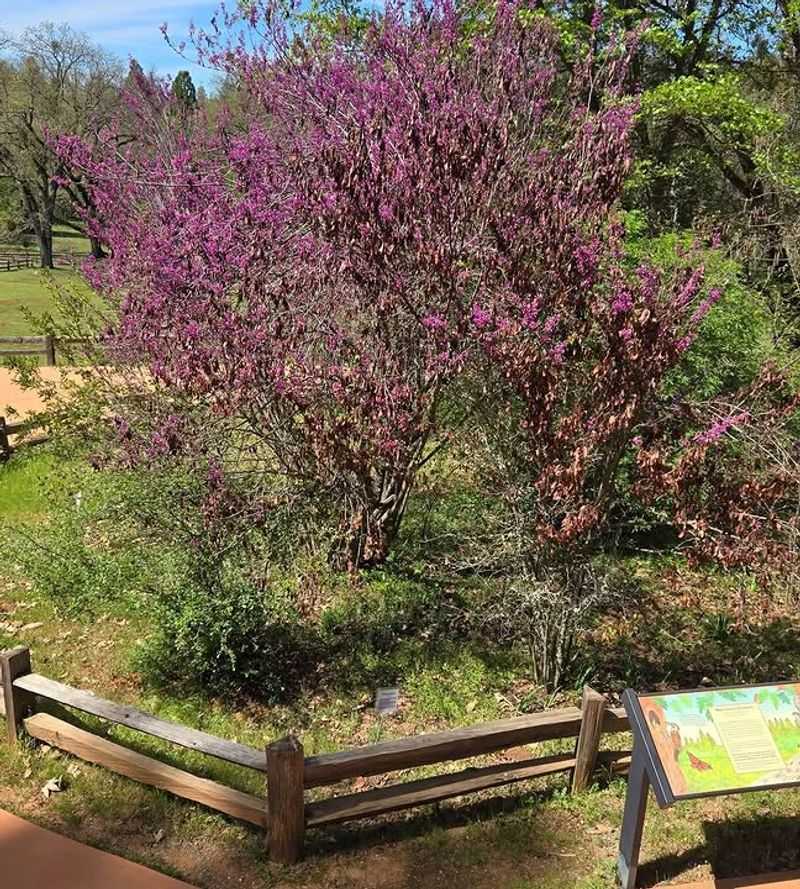
Few trees put on a show quite like this one. Every spring, before a single leaf appears, the branches of the Western Redbud burst into a cloud of vivid magenta-pink blossoms.
It is one of the most dramatic flowering displays you will see in any front yard. Neighbors will stop and stare, and you will be glad you made the switch from that old ornamental pear.
Native to foothills and lower mountain slopes across our state, this tree thrives in dry, well-drained soil and handles summer heat with ease.
It grows slowly to about 10 to 18 feet tall, making it a great fit for smaller front yards. Once established, it needs very little water, which is a big deal during drought years.
Beyond the flowers, Western Redbud offers year-round interest. In summer, flat seedpods hang from the branches in shades of reddish-purple.
By fall, the heart-shaped leaves turn golden yellow before dropping. Even in winter, the branching structure has a sculptural quality that looks beautiful against a clear sky.
Birds love to nest in its canopy, and bees flock to its blossoms each spring.
Planting one near a walkway or driveway creates a welcoming entrance that feels both natural and elegant. It is truly one of the most rewarding native trees you can grow.
2. Desert Willow
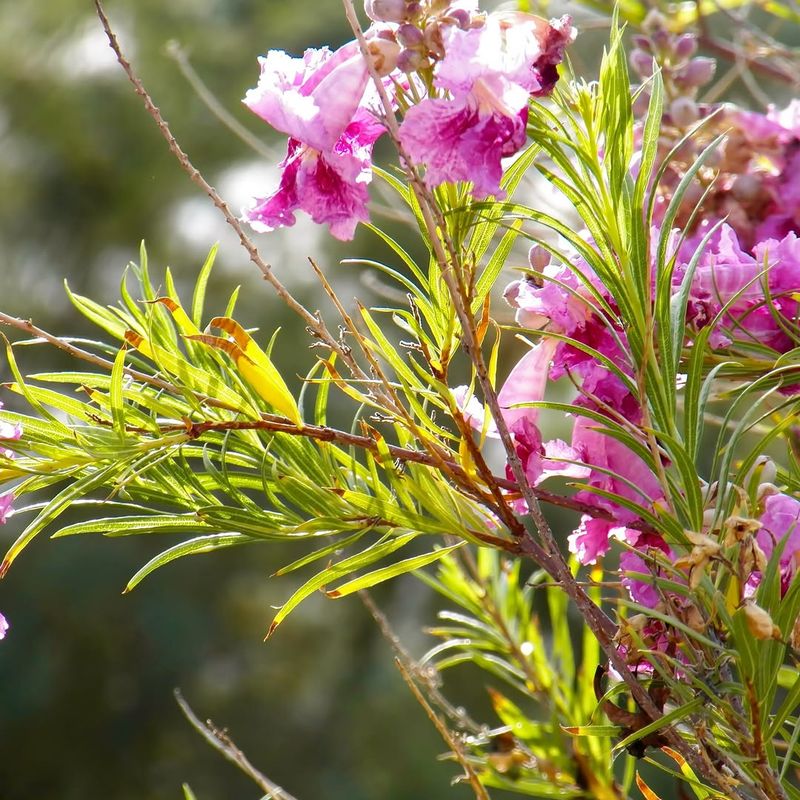
Do not let the name fool you. Despite being called a willow, this tree is not a true willow at all, and it does not need a riverbank to thrive.
The Desert Willow is a tough, drought-tolerant beauty that produces stunning trumpet-shaped flowers in shades of pink, purple, and white all summer long.
That is a much longer bloom season than most ornamental trees can offer.
It grows well in hot, dry conditions, making it an excellent choice for inland valleys and warmer regions across the state.
The tree typically reaches 15 to 25 feet tall and has a graceful, open canopy with long, slender leaves that flutter in the breeze.
Its airy structure lets light filter through, so plants growing beneath it can still get enough sun.
Hummingbirds absolutely love this tree. The tubular flowers are perfectly shaped for their long beaks, and you will often spot several hummingbirds visiting throughout the day.
Your California Garden Changes Every Week. Your Plan Should Too.
Gardening in California changes quickly throughout the season. Every Friday you’ll receive a simple weekly plan showing exactly what to plant, prune, fertilize, harvest, and protect so you never miss the right timing.
Butterflies and bees are also frequent guests. After the blooms fade, long seed pods form and add textural interest through fall and winter.
The tree is fast-growing compared to many natives, so you will not have to wait years to enjoy its full beauty.
For a front yard that feels lively, colorful, and wildlife-friendly, Desert Willow earns its place with ease.
3. Toyon
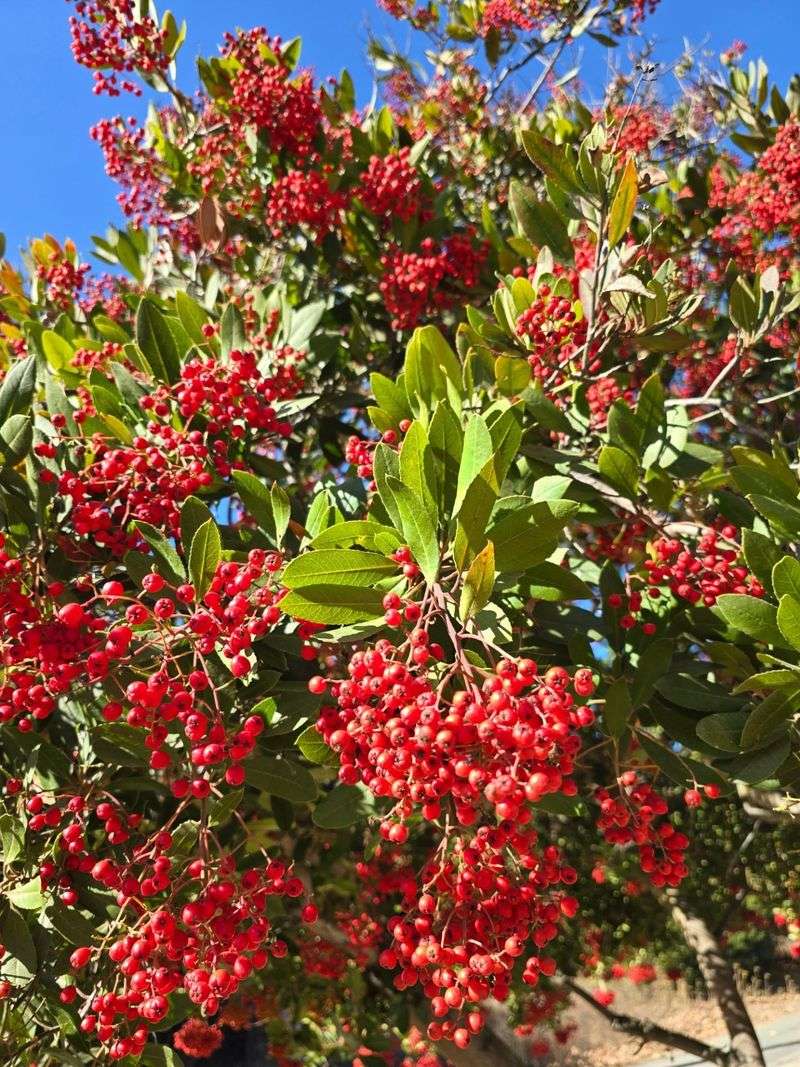
Here is a fun piece of trivia: Hollywood got its name from this plant. Early settlers saw so many Toyon shrubs covered in bright red berries on the hillsides that they nicknamed the area after the holly-like plant.
Today, Toyon remains one of the most iconic and useful native trees you can grow in your front yard.
It is an evergreen, which means it keeps its glossy dark green leaves all year. In early summer, clusters of small white flowers attract pollinators.
By late fall and into winter, those flowers become dense bunches of brilliant red berries that light up the yard when everything else looks bare.
Birds like robins, cedar waxwings, and mockingbirds flock to the berries and put on quite a show.
Toyon grows 6 to 15 feet tall and can be shaped into a small tree or left to grow as a large shrub. It handles drought well once established and thrives in full sun to partial shade.
It works beautifully as a privacy screen along the front of a property or as a specimen tree near a front porch.
Unlike ornamental pears, it does not spread invasively or cause problems for neighboring yards.
Planting Toyon means adding year-round beauty, wildlife habitat, and a touch of local history all at once.
4. Catalina Cherry
If you want a fast-growing native tree that also provides real shade, Catalina Cherry might be exactly what your front yard needs.
Originally from the Channel Islands off our coast, this handsome evergreen grows quickly and can reach 15 to 45 feet tall depending on conditions.
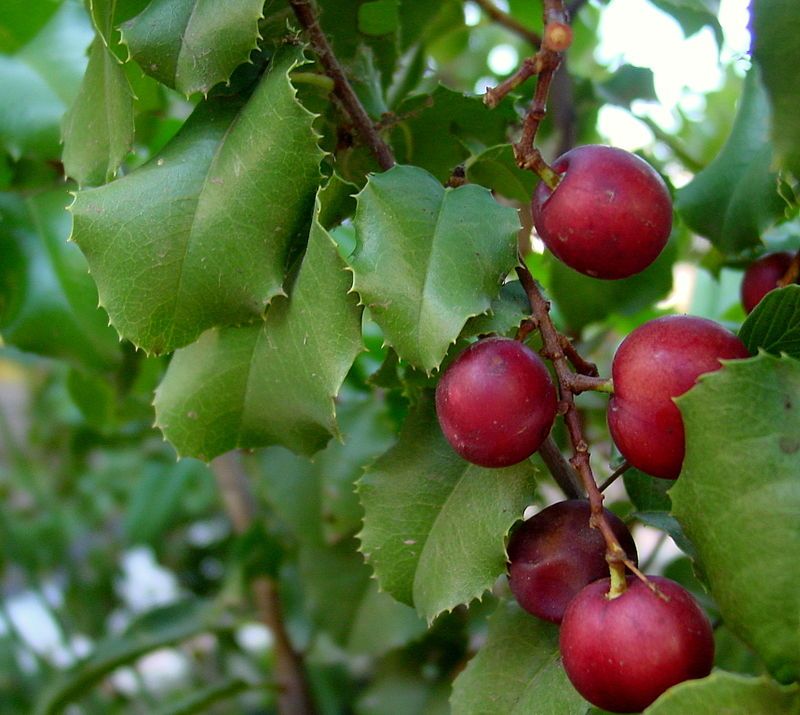
It has large, glossy dark green leaves that make it look lush and full even during dry summers.
In spring, fragrant clusters of small white flowers appear and attract a wide variety of pollinators.
By summer, those flowers give way to dark purple cherries that birds absolutely love.
You may find yourself watching mockingbirds and thrushes feasting from the branches on warm afternoons.
The tree provides dense shade, which can actually help cool your home and lower energy costs during hot months.
Catalina Cherry is very drought-tolerant once established, making it a low-maintenance option for homeowners who do not want to spend a lot of time watering. It grows best in well-drained soil and prefers a sunny spot.
Because of its size, it works best as a shade or canopy tree rather than a small accent plant. It can also serve as a windbreak or privacy screen along the front of a large property.
Compared to the invasive ornamental pear, this tree plays well with its surroundings and supports the local ecosystem without causing harm.
5. California Buckeye
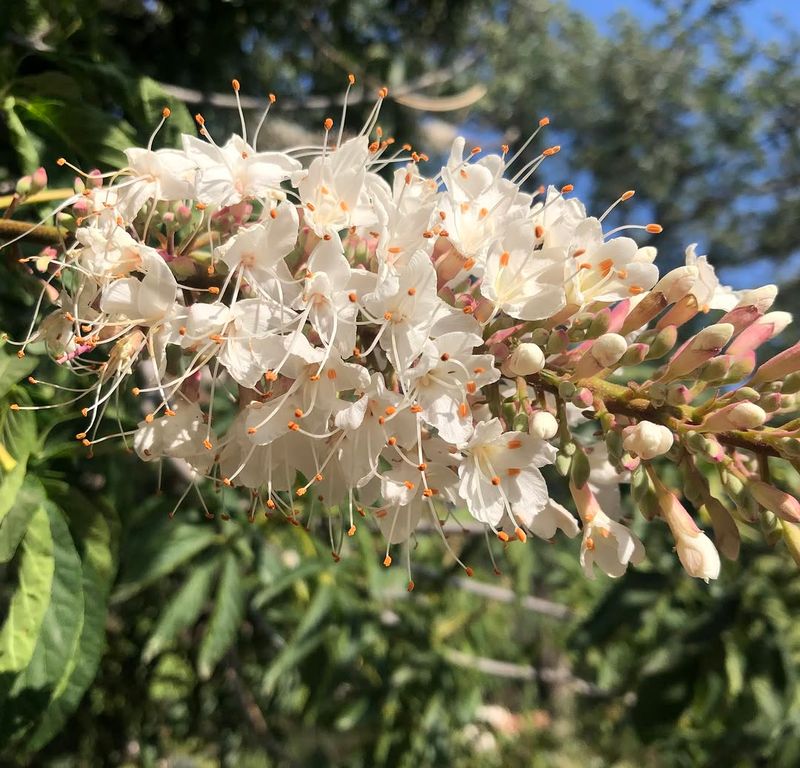
There is something almost magical about watching a California Buckeye through the seasons.
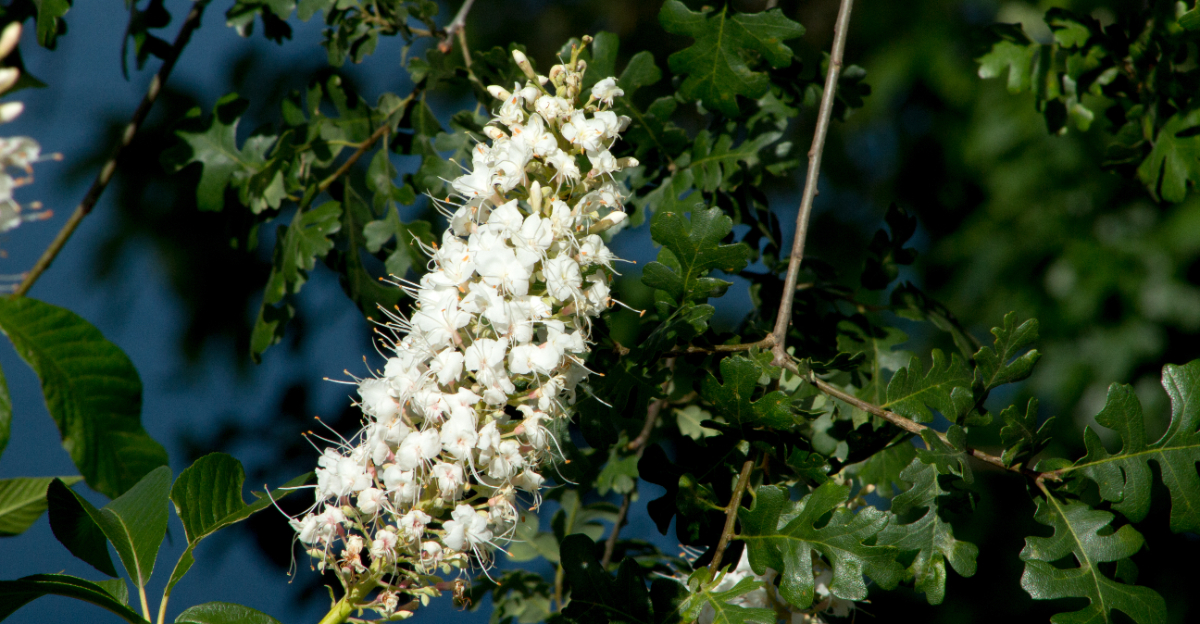
In late spring, tall spikes of fragrant white flowers rise above the canopy like candelabras.
The sweet scent drifts through the air and draws in butterflies and native bees from a surprising distance. It is a tree that rewards you for paying attention.
By midsummer, something unexpected happens. The leaves begin to drop, and the tree goes dormant during the hottest part of the year.
At first glance, this might seem like a problem, but it is actually a brilliant natural adaptation to our dry summers. Once fall rains return, the tree leafs out again and looks fresh and green.
Large, smooth seed pods hang from the branches and eventually open to reveal shiny brown buckeye seeds that look almost like polished wood.
Buckeye typically grows 15 to 40 feet tall and develops a wide, rounded canopy that offers generous shade. It works best in larger front yards where it has room to spread.
The tree prefers well-drained soil and needs almost no supplemental water once it settles in.
Its dramatic flower display rivals anything an ornamental pear could offer, and it does so while supporting native pollinators that ornamental trees simply cannot match.
For a front yard with real character and ecological value, this tree stands out as a bold and beautiful choice.
6. Pacific Dogwood
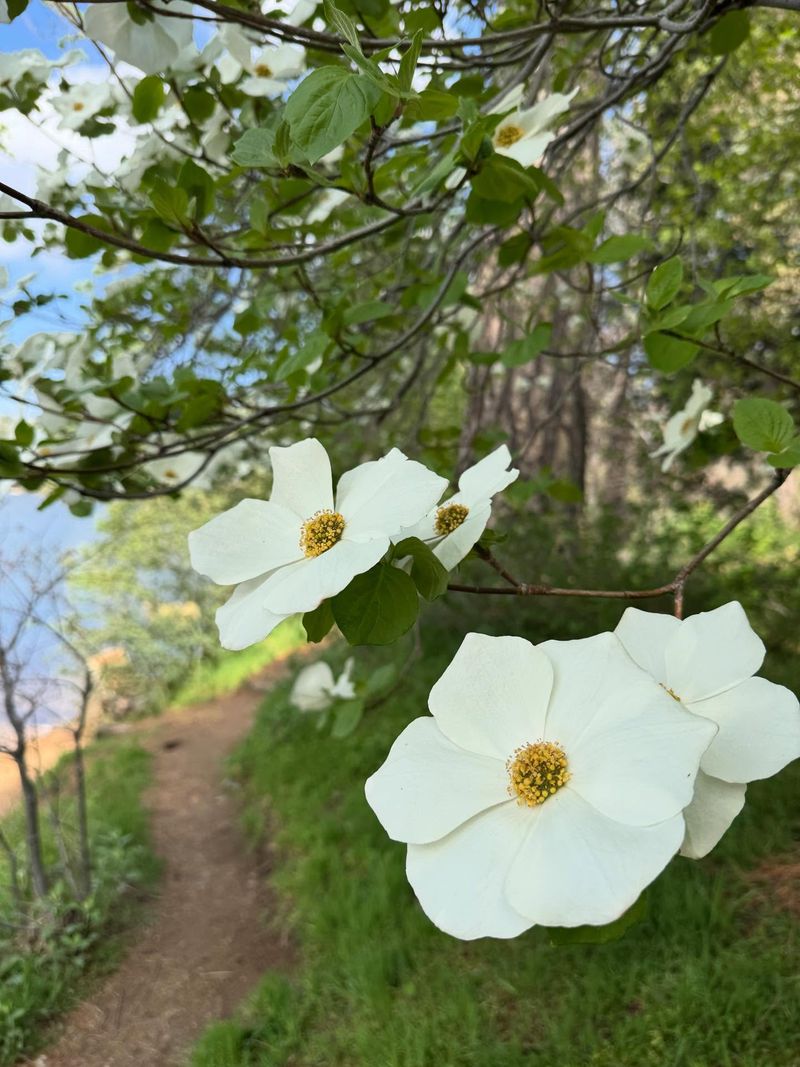
Ask anyone who has seen a Pacific Dogwood in full bloom and they will tell you it is unforgettable.
Large, creamy white flower bracts surround tiny clusters of true flowers in spring, creating a display that looks almost like something from a painting.
In fall, the show continues with bright red berries and leaves that turn shades of orange, red, and pink before dropping.
Unlike many native trees, Pacific Dogwood actually prefers some shade. It grows naturally under taller trees in forests along the coast and into northern regions of the state.
If your front yard has a large tree that casts partial shade, this could be the perfect understory tree to plant beneath it.
It typically grows 15 to 50 feet tall in ideal conditions but stays much smaller in cultivated settings.
Birds are drawn to the red berries in fall and winter, making it a great option for homeowners who enjoy watching wildlife from their front windows.
Pacific Dogwood needs a bit more water than some other natives, especially during its first few years.
However, once established in the right conditions, it becomes a reliable and striking tree. It does not tolerate heavy clay soils, so good drainage is essential.
For a yard that gets afternoon shade and has decent soil, few native trees can match the elegance and seasonal beauty of this one.
7. California Sycamore
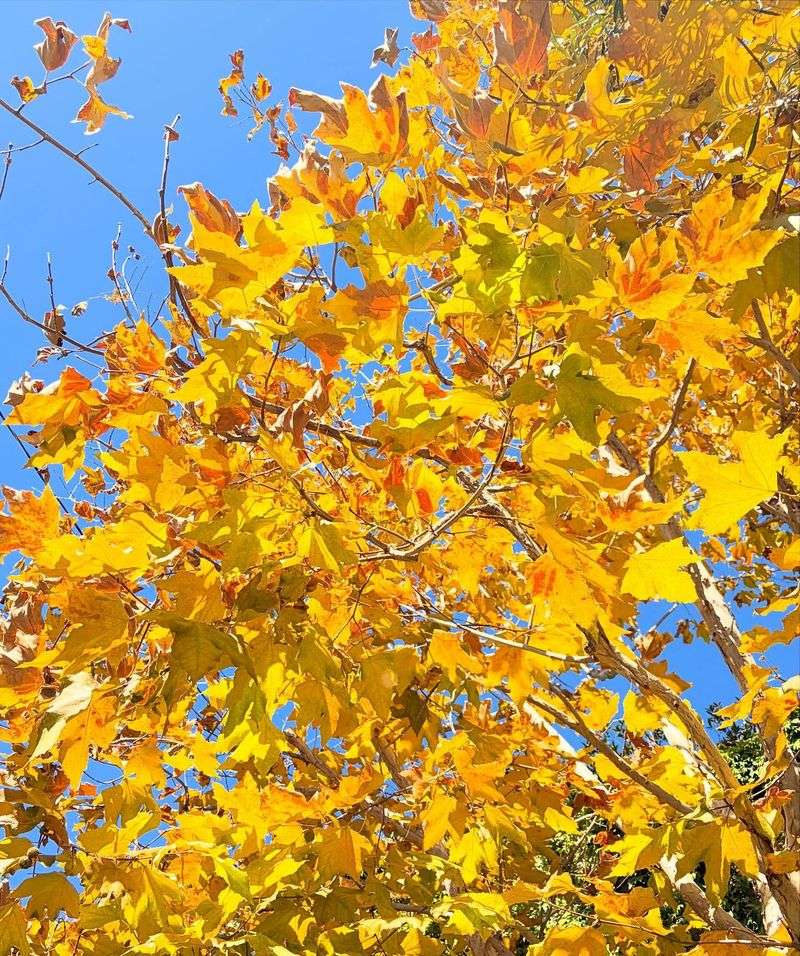
Bold, ancient-looking, and full of personality, the California Sycamore is one of the most recognizable native trees in the entire state.
Its bark peels away in patches to reveal a mosaic of cream, tan, and gray beneath, giving the trunk a striking painted appearance that looks beautiful in every season.
Even in winter, when the leaves are gone, the tree is a work of art.
Sycamores grow large, often reaching 40 to 100 feet tall with a wide-spreading canopy. They are best suited for spacious front yards or properties with room to grow.
The large maple-like leaves provide dense shade in summer, and the tree grows relatively fast compared to many other natives.
It naturally grows along streams and river corridors, so it appreciates deep, occasional watering once established.
Wildlife connections are one of this tree’s greatest strengths. Many bird species, including woodpeckers, owls, and songbirds, nest in its cavities and branches.
Insects that native birds depend on also shelter in the bark and leaf litter below. Compared to ornamental pears, which offer almost nothing to local wildlife, a Sycamore becomes a whole ecosystem on its own.
For homeowners who want a grand, statement-making tree that also does real good for the environment, the California Sycamore is hard to top.
It brings both beauty and purpose to any front yard lucky enough to have one.