Stop Fertilizing Florida Plants This Way (It Causes More Damage Than Skipping It Entirely)
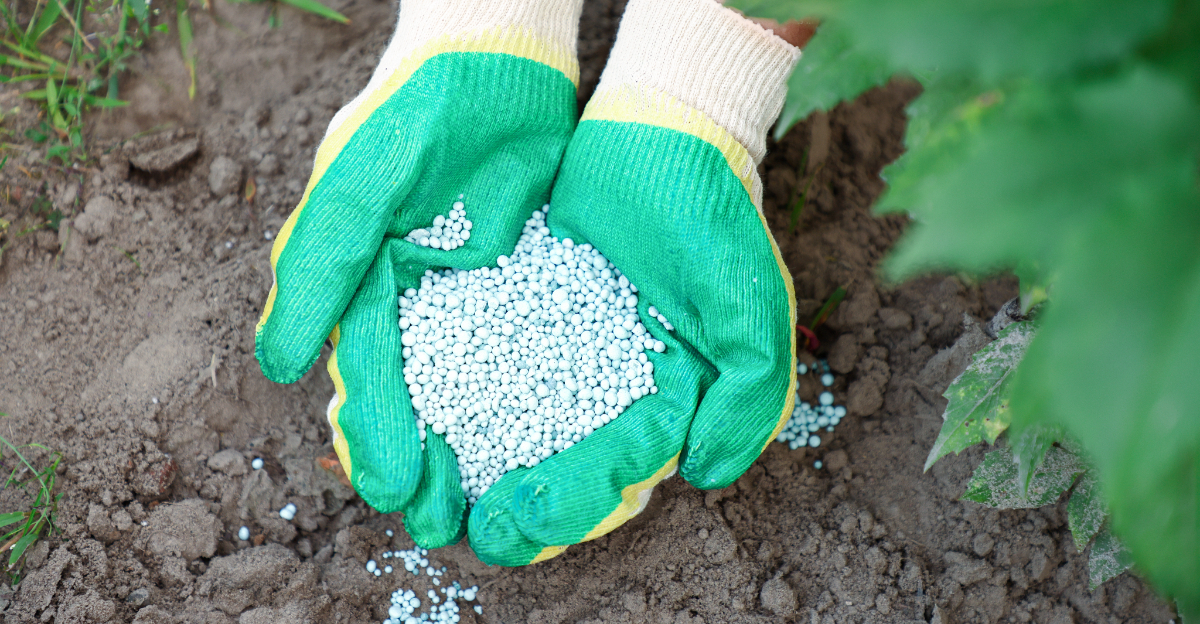
You are out there fertilizing your Florida plants and feeling good about it. Responsible gardener.
Doing the work. Except your plants look stressed, pests keep showing up, and nothing seems to grow the way it should.
What if the fertilizer is the problem? Florida gardeners get this wrong constantly, and the results are not pretty.
Burned roots, floppy weak growth, pest explosions that seem to come from nowhere. The wild part is that neighbors who skipped fertilizing altogether ended up with healthier yards.
How does that happen? Heat, sandy soil, and summer downpours make this state a terrible place for standard fertilizing advice.
What works everywhere else backfires here in ways most people never see coming. You might be making one of these mistakes every single season without knowing it.
And once you see what they actually do to your plants, you will not make them again.
1. Do Not Fertilize Before Heavy Summer Rain
The forecast matters more than the calendar when you are deciding whether to fertilize. Summer storms in Florida can drop an inch or more of rain in less than an hour.
When that happens right after you spread fertilizer, a large portion of those nutrients can wash off your lawn or beds before plant roots ever reach them.
Runoff from fertilized surfaces moves quickly into streets, storm drains, canals, and ponds. That is not just wasted money.
It is a real source of nutrient pollution in local waterways, and it happens more often than most gardeners realize.
Checking the forecast before you fertilize is one of the simplest habits you can build. Most guidelines suggest waiting until a dry stretch of at least a day or two is expected after application.
A light watering-in after spreading can help move granules into the soil, but that is very different from a heavy afternoon storm.
This timing issue applies to lawns, shrubs, palms, vegetable beds, and flower gardens. No plant type is immune to the problem.
Plan your fertilizer applications around the rainy season, not just around the calendar or your weekend schedule.
2. Do Not Ignore The Label Rate
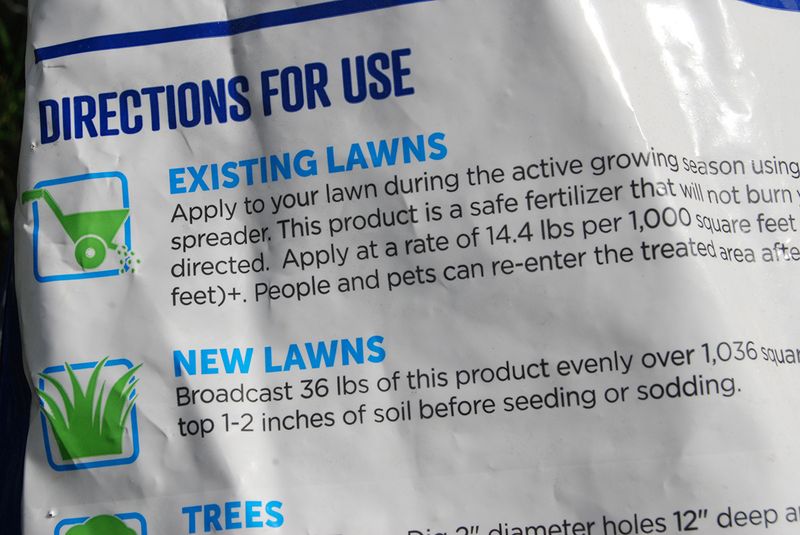
The label is not a suggestion. It is the most reliable guide you have for how much fertilizer a product needs to do its job without causing problems.
More is not better with fertilizer. Applying too much can build up salts in the soil, stress roots, and cause leaf burn on sensitive plants.
Different products have very different strengths and release patterns. A slow-release formula works differently from a quick-release liquid.
A turf fertilizer is not the same as a palm special or a vegetable blend. Using a higher rate than the label recommends does not speed up results.
It usually creates new problems instead.
Measuring matters. Guessing with a handful or a rough scoop leads to uneven coverage and accidental overapplication in spots.
A basic spreader setting or a measuring cup takes only a moment and makes a real difference in how evenly and safely the product reaches your plants.
Your Florida Garden Changes Every Week. Your Plan Should Too.
Gardening in Florida changes quickly throughout the season. Every Friday you’ll receive a simple weekly plan showing exactly what to plant, prune, fertilize, harvest, and protect so you never miss the right timing.
If your lawn or garden keeps underperforming even when you follow label rates, the problem is usually not the amount of fertilizer. It is more likely a soil, drainage, pH, or plant-health issue that more fertilizer will not fix.
Start with the label, then troubleshoot from there.
3. Pay Attention To Heat-Stressed Plants
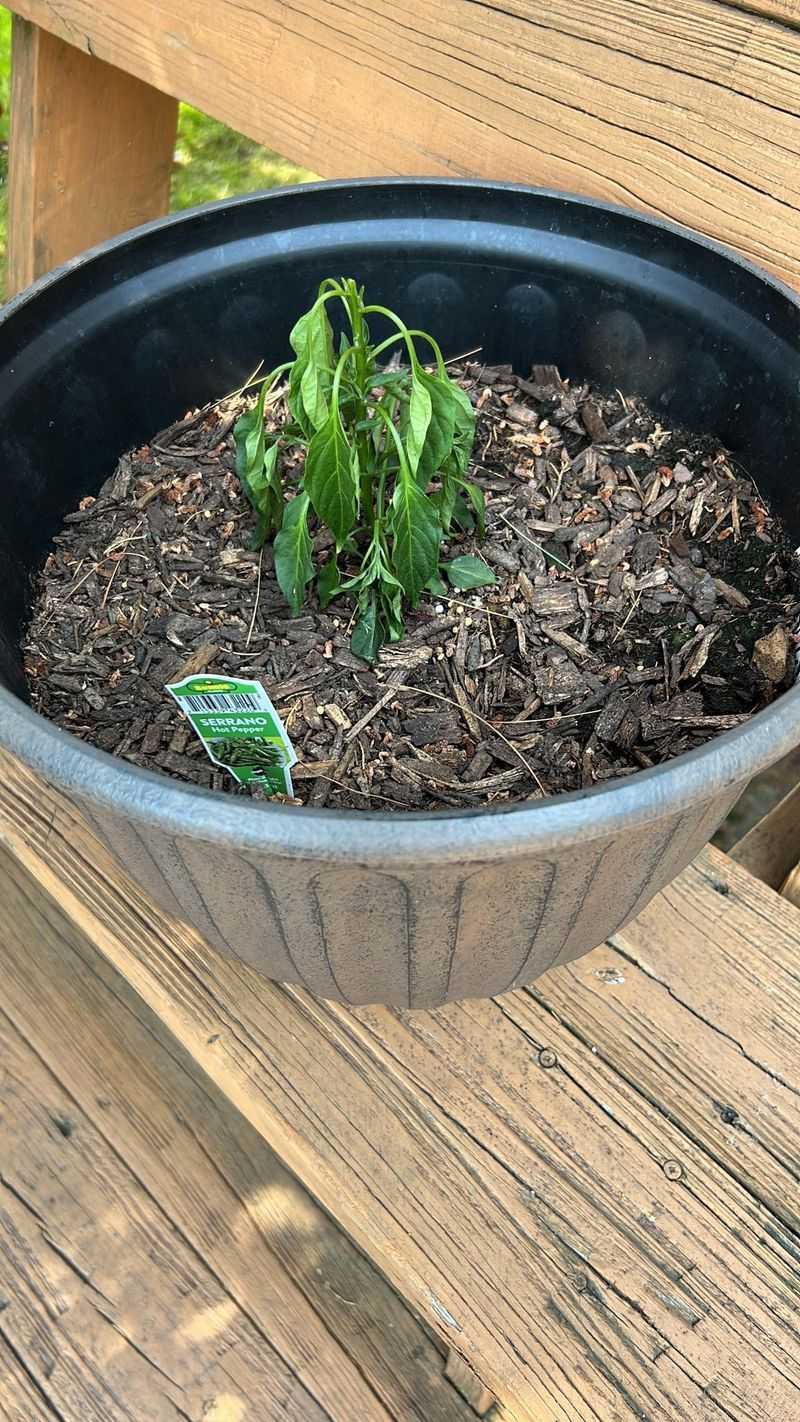
A stressed plant needs diagnosis before feeding. When a shrub wilts, a palm looks pale, or a vegetable slows down during the hottest weeks of summer, the instinct is often to reach for fertilizer.
But plants already dealing with heat, drought, root problems, or poor drainage often cannot use fertilizer effectively.
Pushing nutrients at a plant that is already struggling can add salt stress to root zones that are already compromised. The result is sometimes more damage than the original problem caused.
Fertilizer works best when it supports healthy, active growth. It is not a rescue treatment for plants in distress.
Before feeding anything that looks off during peak summer heat, check the basics first. Is the plant getting enough water?
Is drainage poor around the roots? Are there signs of pest activity or root rot?
Is the plant in a spot with too much reflected heat and not enough shade? Those problems need to be addressed before fertilizer enters the picture.
Once a stressed plant has stabilized and conditions improve, a regular, label-rate feeding schedule usually makes more sense. An extra-heavy dose meant to compensate for lost time is more likely to cause problems.
4. Keep Fertilizer Off Driveways And Sidewalks
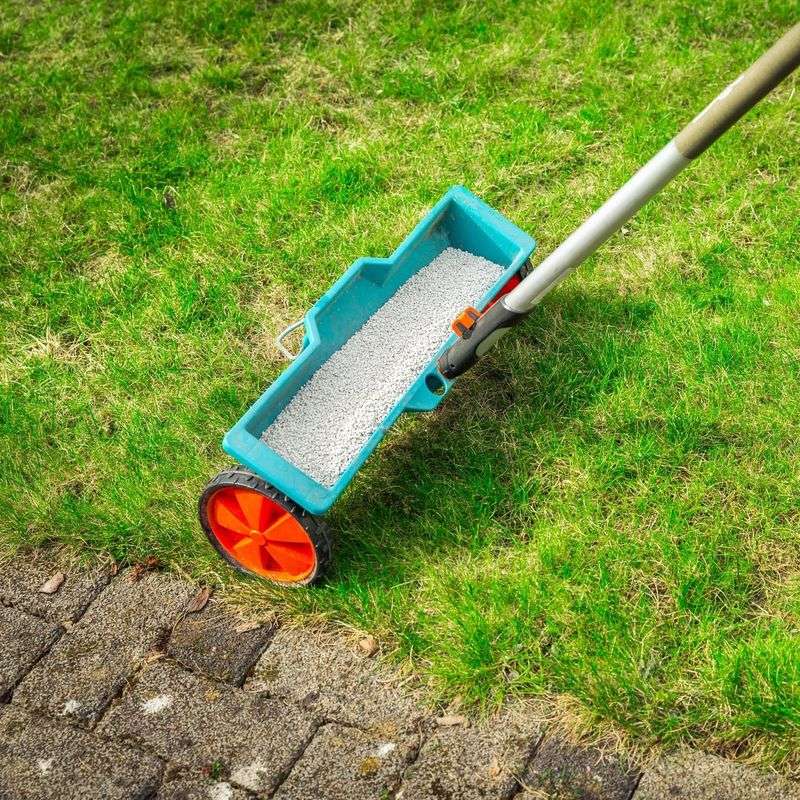
Hard surfaces turn granules into runoff almost immediately when rain arrives. Fertilizer that lands on driveways, sidewalks, curbs, or streets does not stay put.
It moves with water toward the nearest storm drain, and from there it can reach ponds, canals, and coastal waterways faster than most people expect.
Phosphorus and nitrogen in local water systems feed algae blooms. Those blooms reduce oxygen in the water and harm fish, native plants, and other wildlife.
Keeping fertilizer off hard surfaces is one of the most direct ways a home gardener can reduce that kind of pollution.
The fix is straightforward. Spread fertilizer carefully and aim for the lawn or bed, not the pavement edge.
If granules do land on a hard surface, sweep them back onto the grass or planting area before rain arrives. Do not blow or rinse them into the street.
Avoid spreading near curb edges or close to storm drain openings, especially during the rainy season when storms can arrive with little warning. A drop spreader gives you more control near edges than a broadcast spreader does.
Taking an extra minute to clean up after spreading is a simple habit that adds up over time.
5. Avoid High-Nitrogen Fertilizer When Plants Need Balance
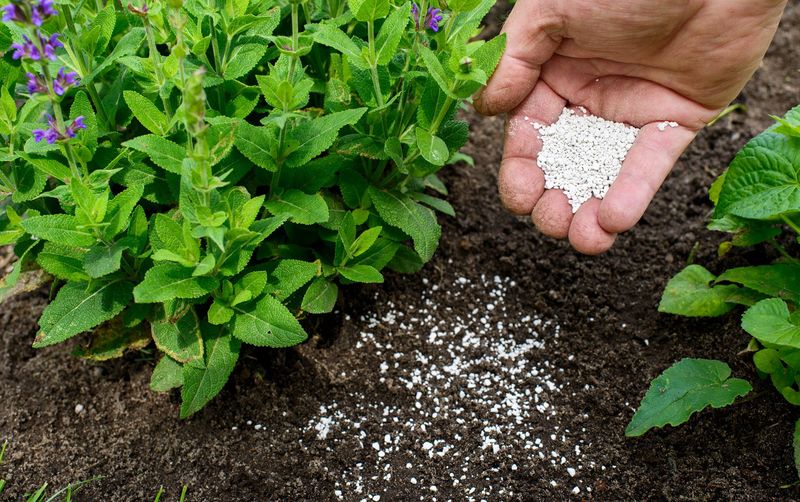
Leafy growth is not always the goal. High-nitrogen fertilizers push plants to produce a lot of green, fast-growing tissue.
That can look impressive on a lawn. But for flowering shrubs, fruiting vegetables, and plants trying to establish roots, it often creates an imbalance that works against what you actually want.
A gardenia pushing out a flush of new leaves instead of blooms may be showing the effects of too much nitrogen at the wrong time. The same may be true for a tomato plant loaded with foliage but few fruits.
The plant is not failing. It is just responding to what it received.
Matching the fertilizer to the plant and the goal makes a real difference. Flowering and fruiting plants often benefit from formulas with a better balance of nitrogen, phosphorus, and potassium.
Palm fertilizers follow specific ratio guidelines for a reason. Turf blends are not appropriate for every plant in the yard.
Reading the label with the plant in mind, not just the lawn in mind, helps you choose products that support the actual results you want.
If a plant is already growing plenty of leaves and you want more blooms or fruit, a high-nitrogen product is usually the wrong choice for that moment.
6. Do Not Feed New Roots Too Soon
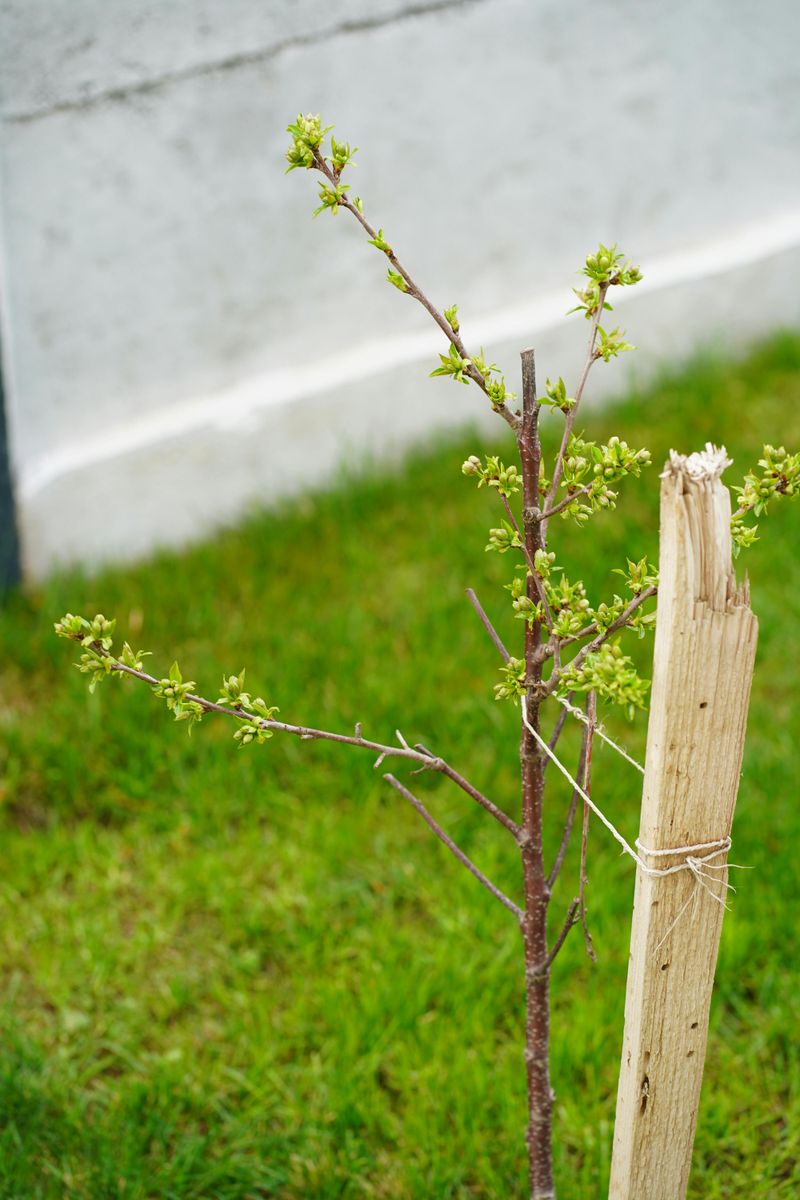
New roots need time before a strong push. Freshly planted trees, shrubs, perennials, and transplants spend their first weeks and months focused on one thing: getting established in the soil.
That process involves root growth, soil contact, and water uptake. Heavy fertilizer during that period can work against the very process you are trying to support.
When soluble nutrients are concentrated around new, tender roots that have not yet spread into surrounding soil, salt stress becomes a real risk.
Roots that are already adjusting to a new environment are more vulnerable than established roots that have spread through a larger soil volume.
Watering consistently and letting the plant settle in is often more valuable than early feeding.
Mulching around the root zone helps retain moisture and moderate soil temperature, which supports establishment without adding nutrient pressure.
Some planting situations do call for specific starter practices, but those vary by plant type, soil condition, and product. Following source-backed guidance for your specific situation is better than applying a heavy general-purpose fertilizer right after planting.
Once a new plant shows signs of healthy new growth, it is usually ready for a regular feeding schedule. That signal is more useful than any set number of weeks on a calendar.
7. Read Soil And Plant Clues Before You Feed
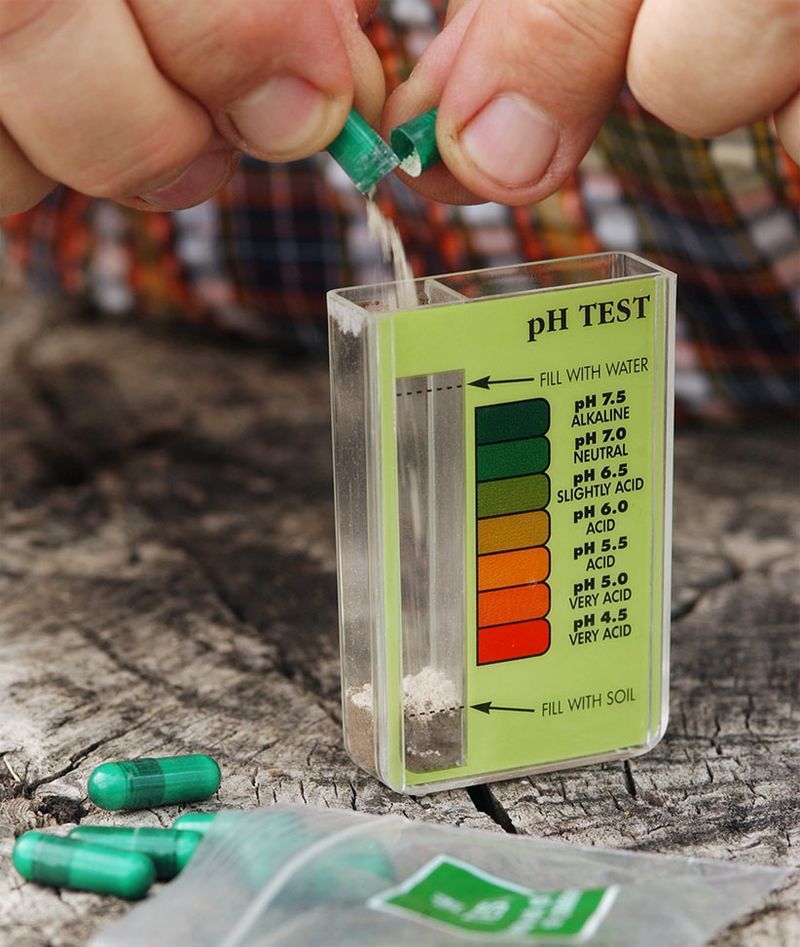
A yellow leaf is only a clue, not a diagnosis. Pale foliage, slow growth, poor blooms, and weak stems all look like they could be solved with fertilizer.
But those same symptoms can come from soil pH problems, waterlogged roots, pest damage, compacted soil, or a plant placed in the wrong spot entirely.
Adding fertilizer to a plant with a drainage problem or a pest infestation rarely improves the situation. It can actually add more stress to a root system that is already struggling to function.
Taking a moment to look at the whole picture, including the soil, the watering pattern, and the surrounding conditions, leads to better decisions.
Soil testing removes a lot of guesswork. A basic test can tell you whether pH is off, which affects how well plants can absorb nutrients that are already in the soil.
When a lawn or garden bed keeps underperforming despite regular care, a soil test is often the most useful next step before adding any more product.
Local Extension offices offer soil testing guidance and can help interpret results for specific plants and conditions in your area. Using that information before feeding saves money and prevents the kind of repeated applications that do not fix the underlying problem.
8. Check Local Summer Fertilizer Rules First
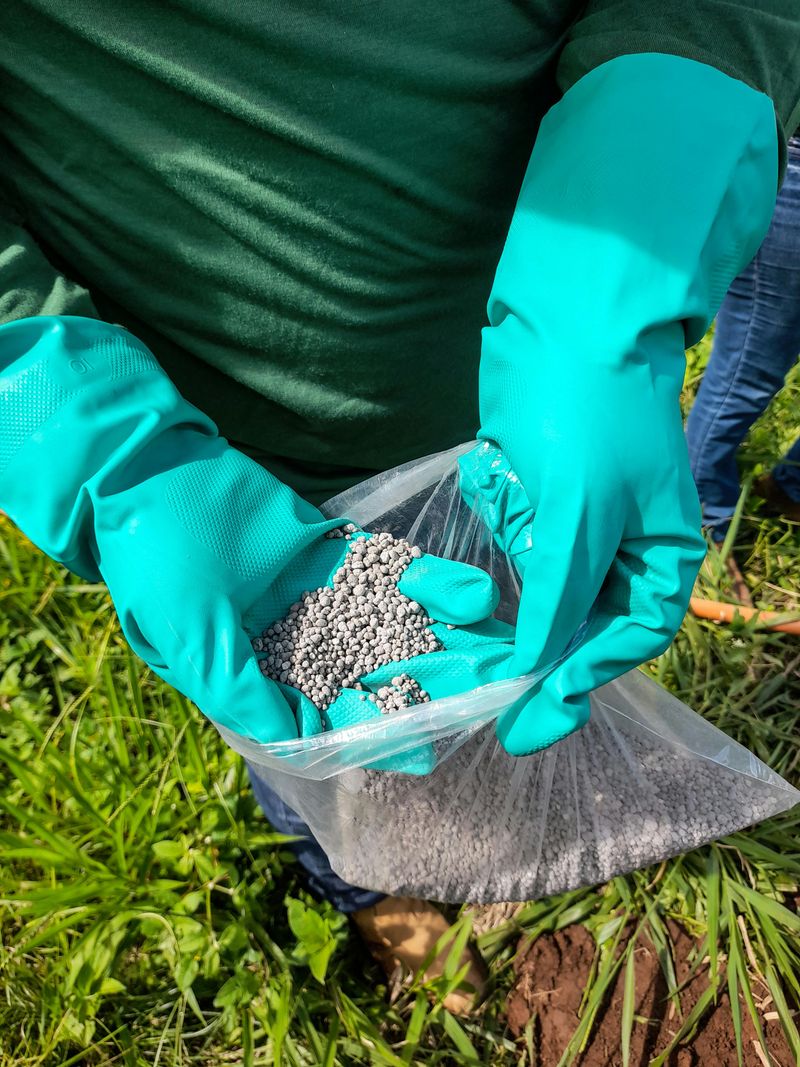
Summer rules are local, not statewide in every detail. Many Florida cities and counties have fertilizer ordinances that restrict or ban certain applications during the rainy season.
These rules often cover nitrogen and phosphorus products, and some include buffer zones near waterways, canals, and storm drains. The details vary by location.
Some areas have formal summer blackout periods when nitrogen fertilizer cannot be applied at all. Others limit phosphorus year-round unless a soil test shows a deficiency.
A few communities have specific setback requirements near water bodies. Assuming the rules are the same everywhere in the state can lead to violations you did not intend.
Checking with your local Extension office, county government website, or city utility department before fertilizing in summer is the most reliable way to stay current. Ordinances can change, and what applied last year may have been updated.
Extension agents are a free, practical resource and can point you to the right local guidance quickly.
Following local rules is not just about compliance. It also reflects a practical understanding that summer rain, runoff, and waterway health are real concerns in most Florida communities.
Checking first takes only a few minutes and keeps your fertilizing habits on solid ground.