Why Eastern Bluebirds Are Disappearing From Georgia Yards And What Actually Brings Them Back
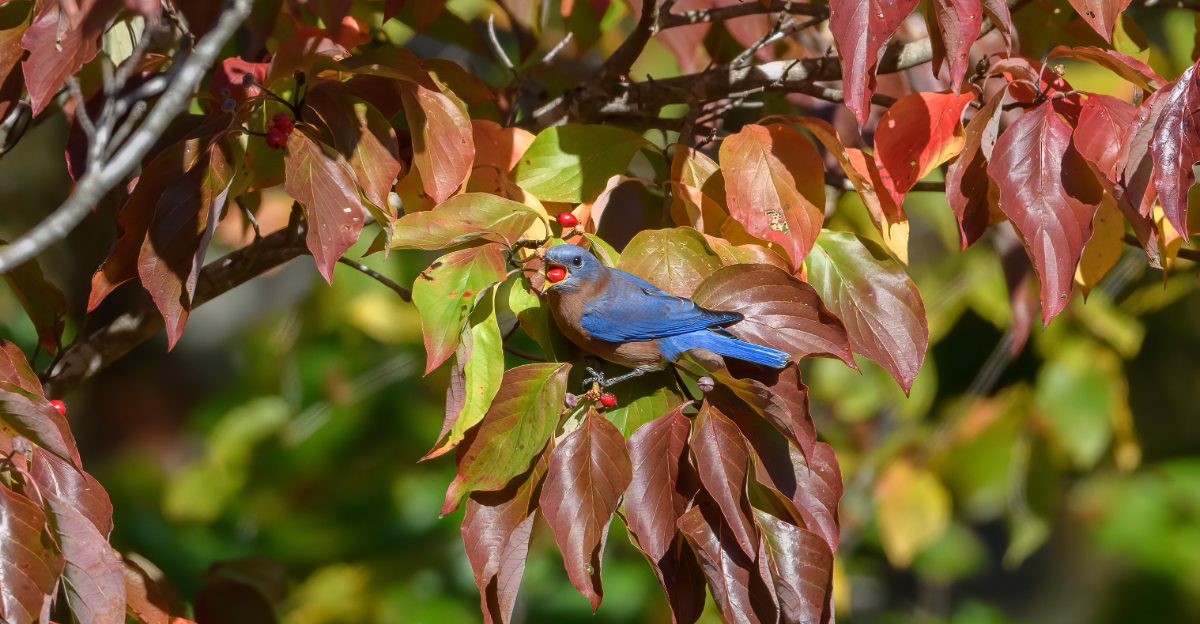
Seeing an Eastern bluebird in the yard can feel special these days. Those bright blue feathers and quick movements used to be a much more common sight, but many people are noticing fewer visits than they remember.
A yard that once attracted bluebirds can suddenly go quiet without any obvious reason.
The good news is that bluebirds do not disappear randomly. They respond to what they find around them.
When food sources shrink, nesting spots become scarce, or shelter is missing, they start looking elsewhere. Even small changes can influence whether they stay or move on.
That is why some yards continue attracting bluebirds year after year while others struggle to see a single one.
In Georgia, understanding what these birds need is often the first step toward bringing them back and making a yard more welcoming again.
1. Fewer Nesting Cavities Make Raising Young More Difficult
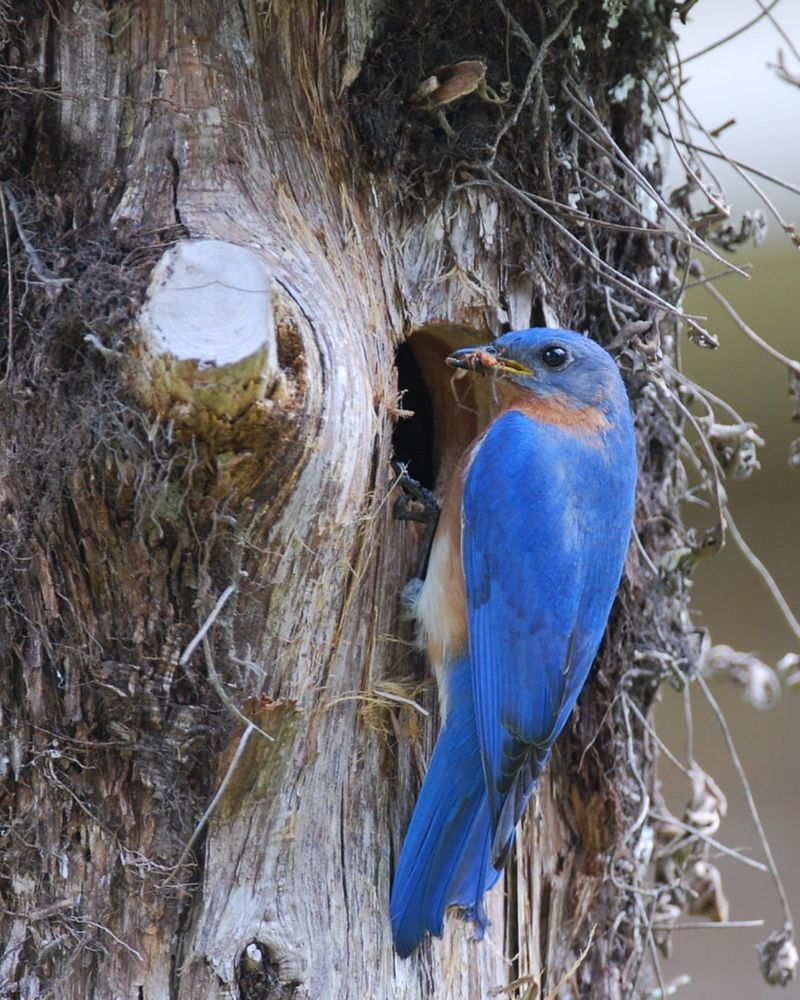
Bluebirds need hollow spaces to build nests and raise their babies. Natural cavities form in older trees when branches break off or woodpeckers abandon their holes.
Modern yards often lack these features because older trees are removed quickly and younger trees haven’t developed the right kind of openings yet.
Without suitable nesting spots, bluebird pairs simply move on to other areas. They won’t build nests in bushes or on open branches like robins do.
The cavity must be just the right size, with an entrance hole between 1.5 and 1.75 inches across. Anything larger allows bigger birds to take over.
Competition for available cavities is fierce. House sparrows and European starlings aggressively claim any suitable holes they find.
Both species were introduced from Europe and have adapted extremely well to suburban environments. They often take over spaces that bluebirds would otherwise use.
Suburban development removes the mix of open fields and scattered trees that bluebirds prefer. New construction clears out older growth, eliminating potential nesting sites before they even form.
2. Heavy Insecticide Use Reduces A Major Food Source
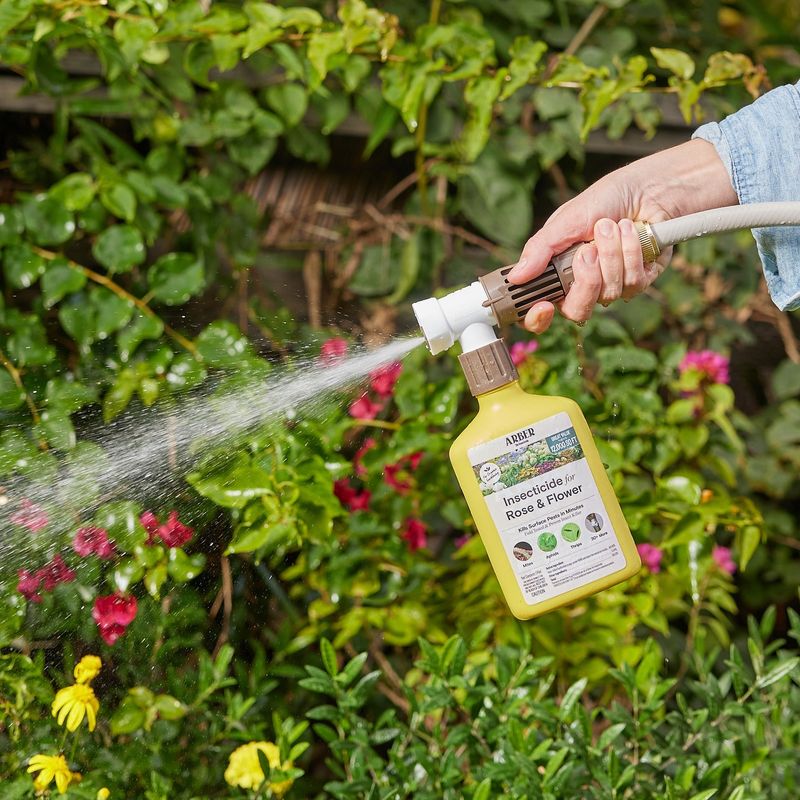
Bluebirds eat insects almost exclusively during breeding season. Caterpillars, beetles, grasshoppers, and spiders make up most of their diet.
When homeowners spray lawns and gardens with broad-spectrum insecticides, they eliminate the very food that bluebirds depend on to survive and feed their nestlings.
Chemical treatments create what looks like a perfect lawn but functions as a food desert for insect-eating birds. Even products marketed as safe can reduce bug populations dramatically.
The timing matters too, since spring and summer applications coincide exactly with when bluebirds need the most protein-rich food for their growing chicks.
Mosquito fogging services have become popular across neighborhoods. These treatments drift beyond targeted areas and affect beneficial insects along with pests.
Bluebirds hunting in treated zones find fewer meals, which means they must travel farther to feed their families or simply abandon the area altogether.
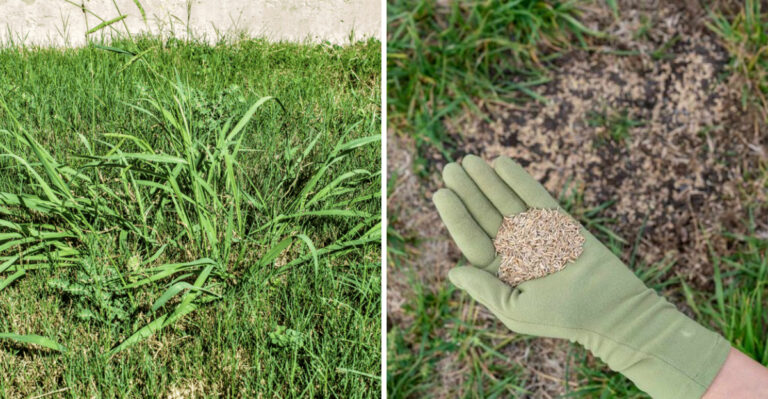
Yards that skip chemical treatments naturally support more diverse insect populations. Allowing a few weeds to grow and leaving some leaf litter on the ground actually helps.
These small changes create habitat for the bugs that bluebirds need.
Your Georgia Garden Changes Every Week. Your Plan Should Too.
Gardening in Georgia changes quickly throughout the season. Every Friday you’ll receive a simple weekly plan showing exactly what to plant, prune, fertilize, harvest, and protect so you never miss the right timing.
3. Install Proper Nest Boxes In Suitable Locations
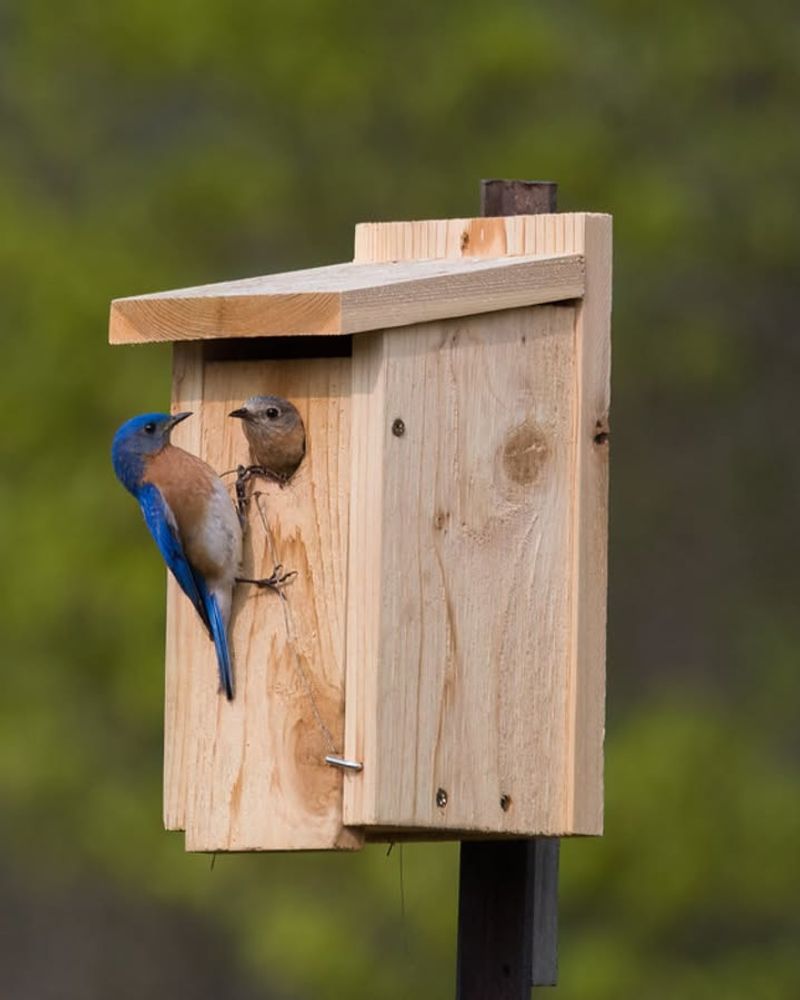
Setting up nest boxes gives bluebirds the cavities they can’t find naturally anymore. The box design matters significantly.
The entrance hole must measure exactly 1.5 inches to keep out starlings while allowing bluebirds easy access. Floor dimensions should be around 4×4 inches with a depth of 8 to 12 inches from the hole to the floor.
Location determines whether bluebirds will actually use your box. Place it in an open area with short grass, facing away from prevailing winds.
Mounting height between 4 and 6 feet works well. Avoid putting boxes near dense brush or under heavy tree cover, since bluebirds prefer hunting in the open and feel vulnerable in enclosed spaces.
Spacing between boxes prevents territorial conflicts. Bluebirds defend areas around their nests aggressively against other bluebirds.
Keep boxes at least 100 yards apart if you’re installing multiple units. You can place them closer together if you alternate with boxes meant for tree swallows, since these species tolerate each other better than competing bluebirds do.
Predator guards add essential protection. A simple metal baffle below the box stops snakes and raccoons from climbing up.
Extending the roof overhang prevents cats from reaching inside.
4. Maintain Open Areas Where Bluebirds Find Food
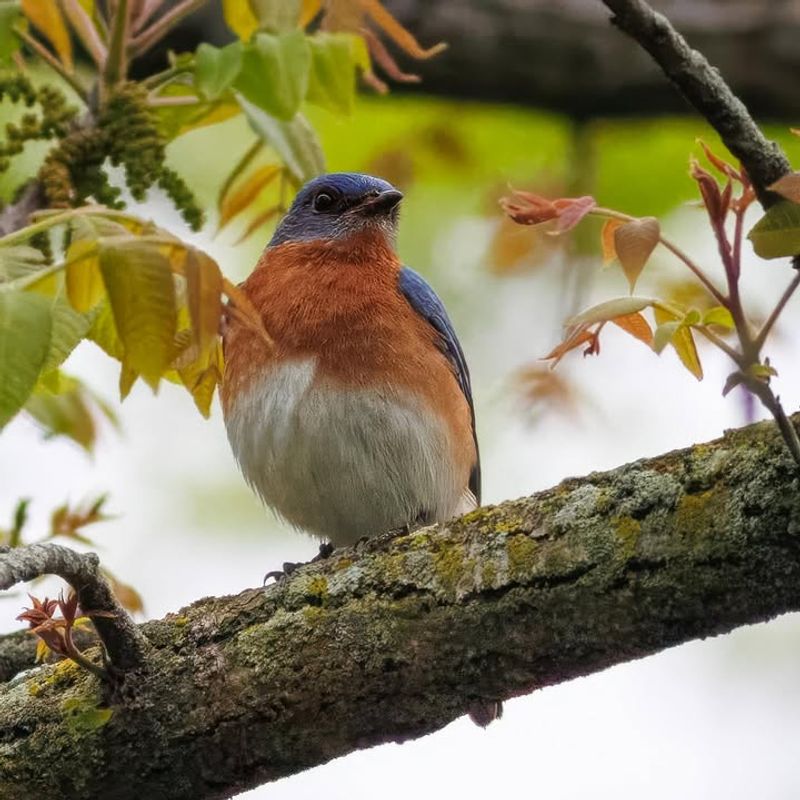
Bluebirds hunt by watching from low perches and dropping down to grab insects moving through short grass. Tall, overgrown lawns make this hunting style nearly impossible.
They need clear sightlines to spot their prey and enough open ground to make quick, successful dives.
Mowing regularly keeps grass at the right height, typically between 2 and 4 inches. This length allows bluebirds to see and catch bugs easily while still providing enough cover for insects to thrive.
Letting sections grow wild might seem helpful, but it actually pushes bluebirds toward properties with better hunting conditions.
Scattered perching spots throughout your yard give bluebirds convenient launch points for hunting. Fence posts, short stakes, or low tree branches work perfectly.
Position these about 3 to 6 feet high in areas with good grass coverage. Bluebirds will sit, scan, and swoop repeatedly from these same favorite spots.
Avoid filling every inch of your yard with flower beds and dense plantings. Bluebirds need balance between planted areas and open space.
A yard that’s entirely landscaped might look beautiful but offers little value for these birds.
5. Grow Native Plants That Support More Insects
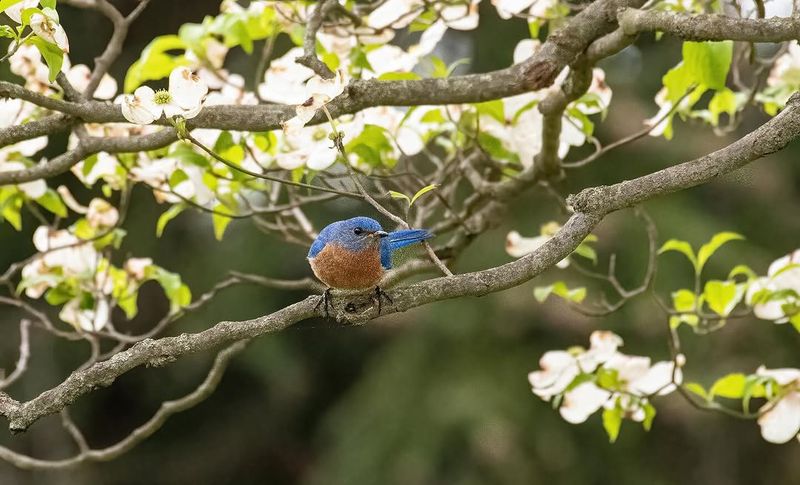
Native plants evolved alongside local insects, creating relationships that imported ornamentals simply can’t match. A single native oak supports over 500 species of caterpillars and other insects.
Compare that to non-native Bradford pears, which host almost none. Bluebirds notice this difference immediately when searching for food-rich territories.
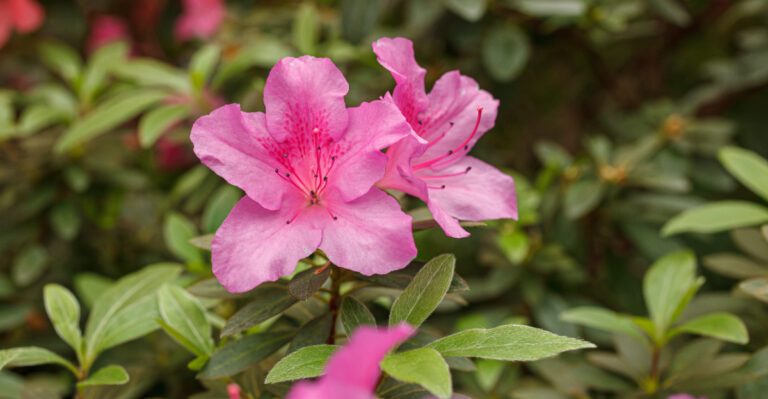
Planting native shrubs and perennials increases insect diversity without requiring pesticides. Species like beautyberry, elderberry, and native azaleas attract and support the bugs that bluebirds eat.
These plants also produce berries that bluebirds consume during fall and winter when insects become scarce.
Grouping plants in clusters rather than scattering single specimens creates better habitat. Insects need concentrated food sources and shelter to complete their life cycles.
Three native shrubs planted together will support far more bug activity than three different exotic species spread across your yard.
Timing matters when adding native plants. Spring and fall offer the best establishment periods.
Start small with a few key species rather than attempting a complete yard transformation at once. Black-eyed susans, coneflowers, and native grasses adapt easily and begin supporting insects within their first growing season.
6. Provide Fresh Water During Summer Heat
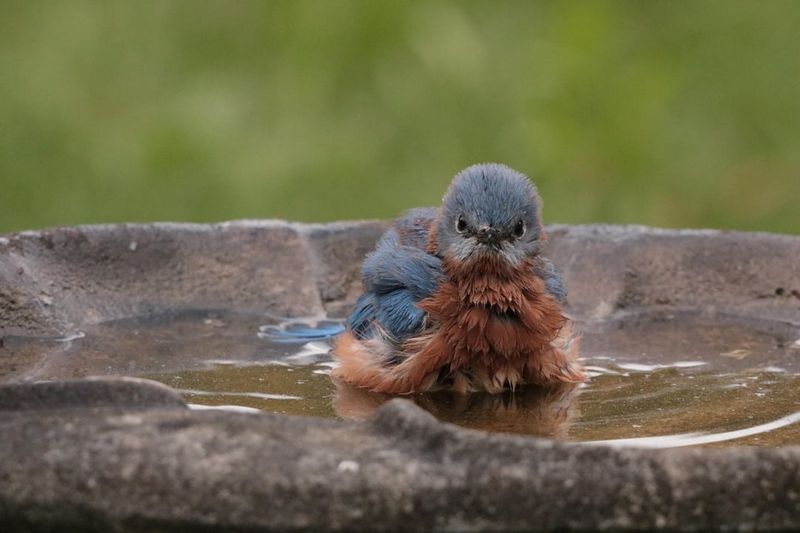
Water becomes critical during hot Georgia summers when natural sources dry up. Bluebirds need to drink multiple times daily and also bathe regularly to maintain their feathers in good condition.
A reliable water source can be the deciding factor that keeps a bluebird family on your property instead of searching elsewhere.
Shallow containers work better than deep birdbaths. Bluebirds prefer water no deeper than 2 inches at the center, with gradually sloping edges.
Placing a flat stone in the middle gives them a secure spot to land and drink without getting soaked. Change the water every two days to prevent mosquito breeding and bacterial growth.
Location affects how comfortable bluebirds feel using your water feature. Position it in a partially open area with a clear escape route and nearby perching branches.
Avoid placing it directly under dense trees where predators might hide. Some distance from your nest boxes prevents territorial conflicts when multiple birds want to drink simultaneously.
Moving water attracts more attention than still water. A simple dripper or small fountain creates sound and motion that birds notice from greater distances.
Solar-powered options require no electrical work and cost nothing to operate.
7. Remove House Sparrow Nests From Bluebird Boxes
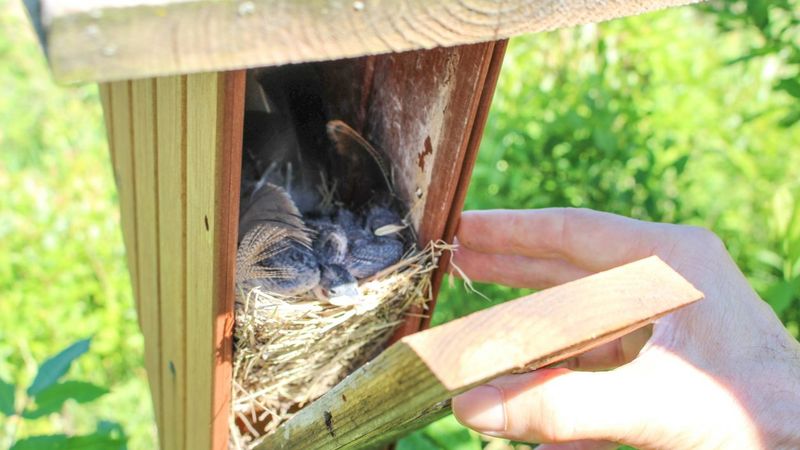
House sparrows pose the biggest threat to bluebird nesting success. These aggressive birds claim boxes early in spring and defend them violently against bluebirds.
They build messy nests with grass, feathers, and trash. Unlike bluebirds, which weave neat cups, sparrow nests fill the entire box floor with loose material.
Removing sparrow nests repeatedly throughout the season protects your boxes for bluebirds. Check every three days during peak nesting months.
Pull out any sparrow construction immediately, even if eggs are present. This sounds harsh, but house sparrows are invasive species not protected by law, and they will prevent native birds from nesting successfully if left unchecked.
Sparrows often return within days of nest removal. Persistence matters more than perfection.
Keep removing their attempts until they finally give up and move elsewhere. Some people report needing to clear the same box a dozen times before sparrows abandon their efforts.
That dedication makes the difference between empty boxes and successful bluebird families.
Trap systems offer another option for serious sparrow problems. Specially designed traps catch sparrows without harming bluebirds.
This approach requires daily monitoring and proper handling. Combining trapping with regular nest removal creates the most effective defense.
8. Preserve Older Trees With Natural Nest Cavities
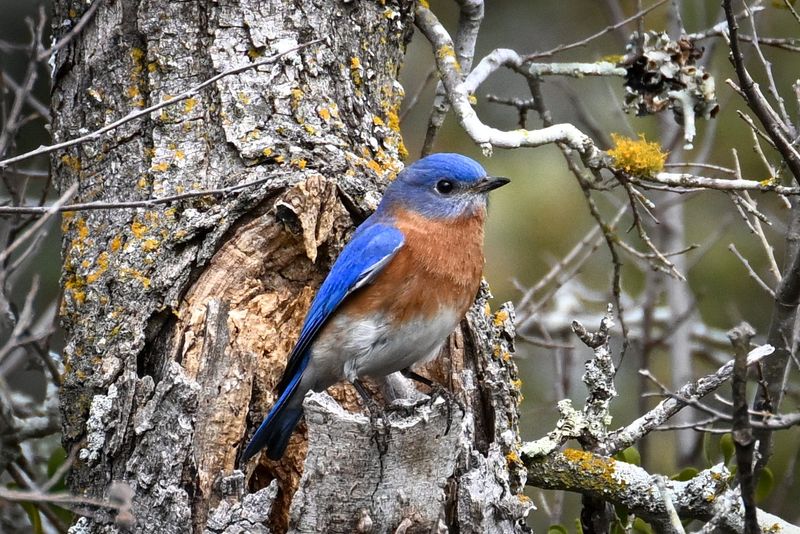
Older trees with natural cavities provide exactly what bluebirds evolved to use. These spaces form slowly over time as branches break, bark loosens, and woodpeckers excavate holes.
Mature oaks, pines, and hickories develop some of the best nesting cavities.
Many homeowners remove aging or damaged trees immediately, worried about safety or appearance. While hazardous trees near structures should come down, standing wildlife snags in open areas pose little risk and provide tremendous wildlife value.
Even partially damaged trees with some living branches serve multiple bird species beyond just bluebirds.
Leaving large aging branches on healthy trees creates future cavity potential. Woodpeckers will excavate these over time, and bluebirds may use the holes in following years.
Resist the urge to prune every aging section. Unless branches threaten power lines or buildings, let them stay and serve their ecological purpose.
Planting large native trees now ensures cavity availability decades from today. Young oaks and hickories won’t help current bluebird populations, but they represent an investment in future habitat.