These Are The Georgia Companion Plants That Make Vegetable Gardens More Productive Without Any Chemicals
A vegetable garden can look healthy and still fall short at harvest time. Plants grow, flowers appear, and everything seems fine, yet the baskets never fill up quite the way gardeners hoped.
Before spending money on more products, it may be worth looking at what is growing nearby.
Some plants do far more than take up space. They attract pollinators, encourage beneficial insects, and help create a garden that works better as a whole.
That is why companion planting has remained popular for so many years.
The idea is simple, but the impact can be surprisingly noticeable throughout the season. A few well placed additions can help support stronger growth and better production without relying on chemical treatments.
Georgia gardeners have several excellent companion plants to choose from, and some may already be growing nearby.
1. Grow Borage Near Cucumbers To Draw More Pollinators
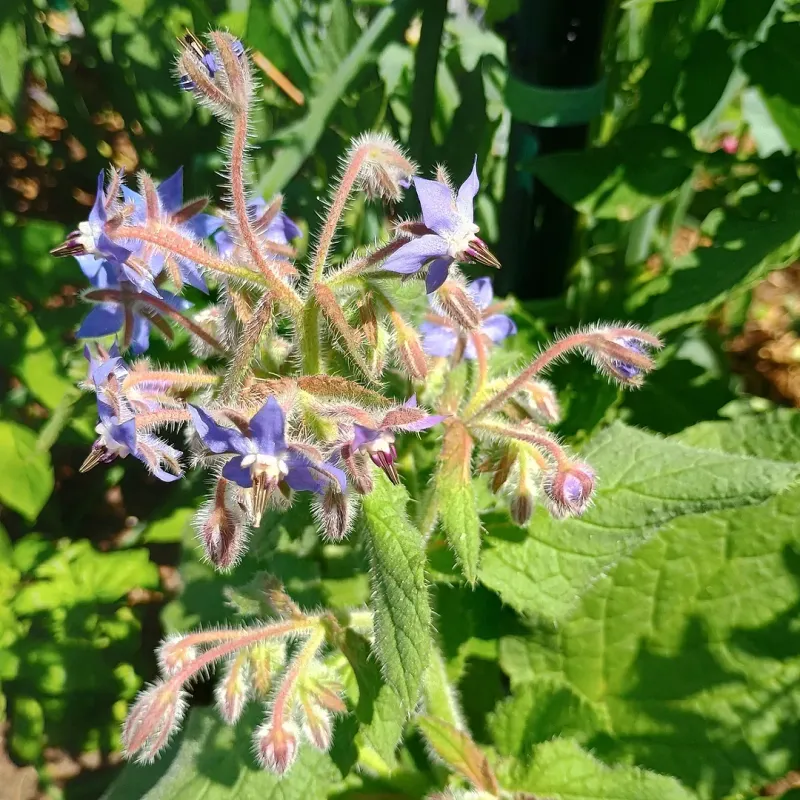
Cucumber flowers need pollination to set fruit, and borage brings bees by the dozens. Those bright blue star-shaped blooms are magnets for bumblebees and honeybees throughout the growing season.
Plant borage seeds directly in the ground about two feet from your cucumber hills.
Borage grows fast and reaches two to three feet tall by midsummer. The fuzzy leaves don’t bother most garden pests, but pollinators absolutely love the nectar-rich flowers.
More bee visits mean better pollination rates for your cucumbers.
Each borage plant produces flowers continuously from June through September. That extended bloom time keeps beneficial insects coming back to your garden beds.
Cucumbers planted nearby will set more fruit with less of those oddly shaped or hollow specimens.
Borage self-seeds readily, so you’ll likely see volunteers pop up next spring. Pull extras if they crowd your cucumber vines.
The plants tolerate summer heat well but appreciate afternoon shade during the hottest weeks.
Both borage and cucumbers prefer consistent moisture without waterlogged soil. Drip irrigation or soaker hoses work better than overhead sprinklers.
Wet foliage on cucumbers can lead to fungal problems in humid conditions.
The combination also improves your garden’s overall pollinator population. Those bees will visit your squash, melon, and tomato flowers while they’re in the neighborhood.
You can also let a few borage flowers go to seed at the end of the season if you want new plants to return naturally the following ye
2. Plant Nasturtiums Around Squash To Distract Aphids
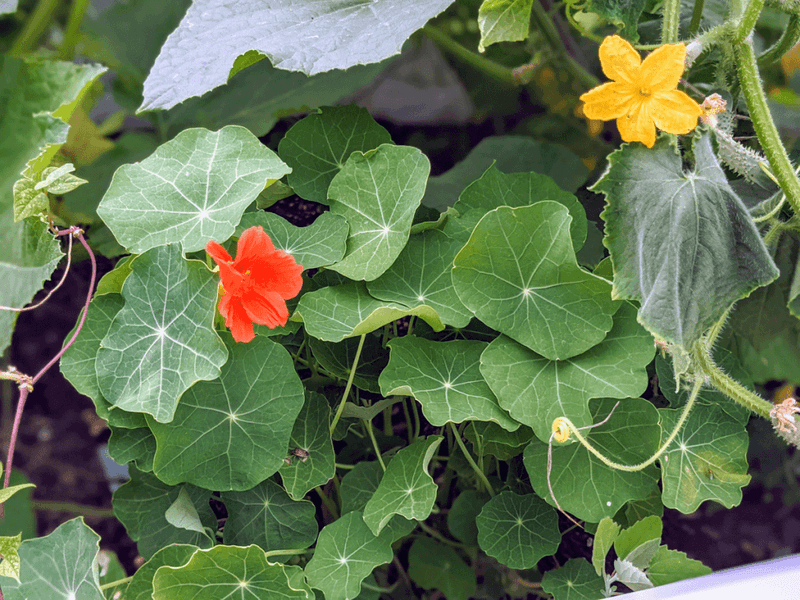
Aphids love nasturtiums even more than they love squash leaves. These cheerful flowers act as a trap crop by drawing aphids away from your vegetables.
Plant nasturtium seeds in a ring around your squash mounds in early spring.
The bright orange, yellow, and red blooms add color while protecting your harvest. Aphids will cluster on nasturtium stems and leaves instead of migrating to squash plants.
Check nasturtiums weekly and spray off heavy aphid populations with a strong stream of water.
Nasturtiums grow quickly in Georgia’s spring weather and tolerate poor soil. They actually produce more flowers when the soil isn’t too rich.
Avoid fertilizing nasturtiums or they’ll make lots of leaves with fewer blooms.
Your Georgia Garden Changes Every Week. Your Plan Should Too.
Gardening in Georgia changes quickly throughout the season. Every Friday you’ll receive a simple weekly plan showing exactly what to plant, prune, fertilize, harvest, and protect so you never miss the right timing.
Both the flowers and leaves are edible with a peppery taste. Toss young leaves in salads or use the flowers as a colorful garnish.
Squash plants benefit from reduced pest pressure while nasturtiums handle the aphid burden.
Plant a new round of nasturtiums in late July for fall squash crops. The seeds germinate quickly and plants start blooming within six weeks.
This gives you protection during both growing seasons.
Nasturtiums also attract predatory insects like ladybugs and lacewings. These beneficial bugs eat aphids and help keep populations under control naturally.
The system works without needing any pesticide sprays.
Nasturtiums spread along the ground, making them easy to tuck between squash plants without competing heavily for space.
3. Tuck Marigolds Between Peppers For Extra Protection
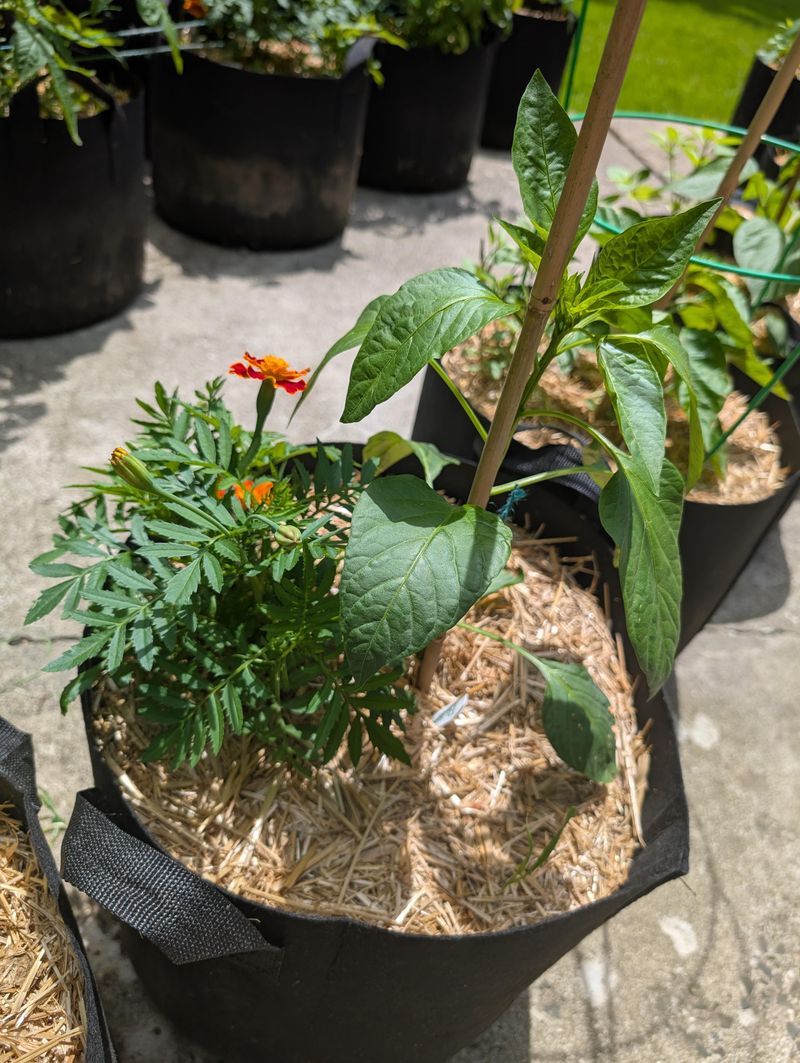
Marigolds release compounds through their roots that many garden pests find unpleasant. French marigolds work especially well when planted six to eight inches from pepper plants.
The pungent scent from marigold foliage confuses aphids and flea beetles.
Choose compact marigold varieties that won’t overshadow young pepper seedlings. Plant them at the same time you transplant peppers into the garden.
Both plants establish better when they grow together from the start.
Marigolds bloom continuously from late spring through the first hard freeze. Deadhead spent flowers weekly to encourage more blooms and keep plants looking tidy.
Your pepper plants will benefit from the ongoing pest deterrent all season long.
The bright yellow and orange flowers also attract hoverflies and other beneficial insects. These helpers prey on soft-bodied pests that damage pepper foliage.
A healthy population of good bugs means fewer problems with the bad ones.
Marigolds tolerate Georgia’s summer heat and humidity remarkably well. They need less water than peppers, so avoid overwatering the combination.
Let the soil dry slightly between waterings to prevent root problems.
Some gardeners report fewer nematode issues in beds where marigolds grow. While results vary depending on nematode species and soil conditions, the potential benefit makes this pairing worth trying in problem areas.
French marigolds are easy to fit into vegetable beds and can fill small gaps around pepper plants without taking up much growing space.
4. Add Dill Near Cabbage To Attract Beneficial Insects
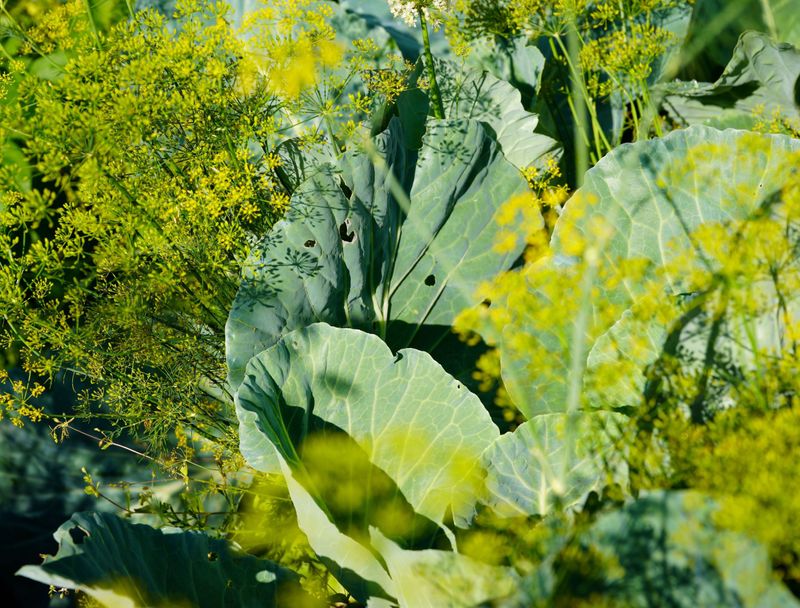
Cabbage worms and loopers can shred a cabbage crop in days without intervention. Dill attracts parasitic wasps that lay eggs inside these destructive caterpillars.
Plant dill seedlings about one foot away from cabbage transplants in early spring.
The delicate yellow flower clusters appear on mature dill plants by late May. These blooms bring in beneficial wasps, lacewings, and ladybugs that prey on cabbage pests.
More predators in your garden means less damage to your brassicas.
Dill grows tall and may need staking in windy locations. The feathery foliage provides light shade without blocking sunlight from cabbage heads.
Both plants appreciate cool spring weather and tolerate light frosts.
Harvest dill leaves regularly for cooking and the plant will keep producing. Let a few plants go to seed for next year’s crop.
Those seed heads also attract beneficial insects well into summer.
Cabbage and dill have different water needs as the season progresses. Cabbage wants consistent moisture while dill tolerates drier conditions once established.
Water cabbage deeply and let the excess reach nearby dill plants.
The combination works for broccoli, cauliflower, and other brassicas too. Plant dill throughout your cabbage family beds for maximum pest protection.
The system reduces caterpillar damage without needing organic sprays or hand-picking.
Dill also attracts pollinators when it flowers, helping support a wider range of beneficial insects throughout the garden.
5. Border Lettuce Beds With Sweet Alyssum To Attract Hoverflies
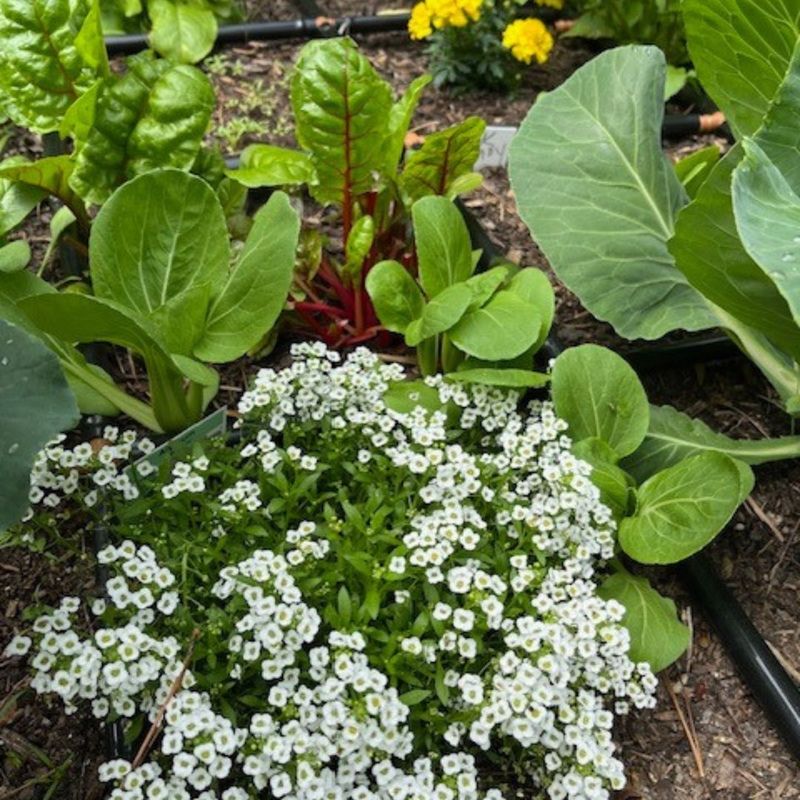
Sweet alyssum produces masses of tiny white or purple flowers that hoverflies can’t resist. These beneficial insects look like small bees but their larvae devour aphids by the hundreds.
Plant alyssum seeds along the edges of lettuce beds in early spring.
The low-growing plants form a neat border without competing with lettuce for space. Alyssum reaches only four to six inches tall and spreads to create a flowering carpet.
Lettuce grows undisturbed while benefiting from the hoverfly patrol overhead.
Hoverfly larvae are voracious aphid eaters during their development stage. A single larva can consume dozens of aphids before reaching adulthood.
More hoverflies means cleaner lettuce leaves without sticky aphid residue.
Sweet alyssum blooms continuously when deadheaded regularly. Shear back plants lightly every few weeks to encourage fresh flowers.
The constant bloom supply keeps hoverflies visiting your garden throughout the growing season.
Both alyssum and lettuce prefer cooler weather and may struggle in Georgia’s summer heat. Plant lettuce in early spring and again in late summer for fall harvest.
Alyssum will bloom through mild winters in southern parts of the state.
The combination also works well in containers and raised beds. Edge your lettuce planters with alyssum for portable pest protection.
The flowers add visual interest while serving a practical purpose in your vegetable garden.
Sweet alyssum can also attract small parasitic wasps that help control a variety of common garden pests beyond aphids.
6. Place Sunflowers Beside Cucumbers To Increase Pollination
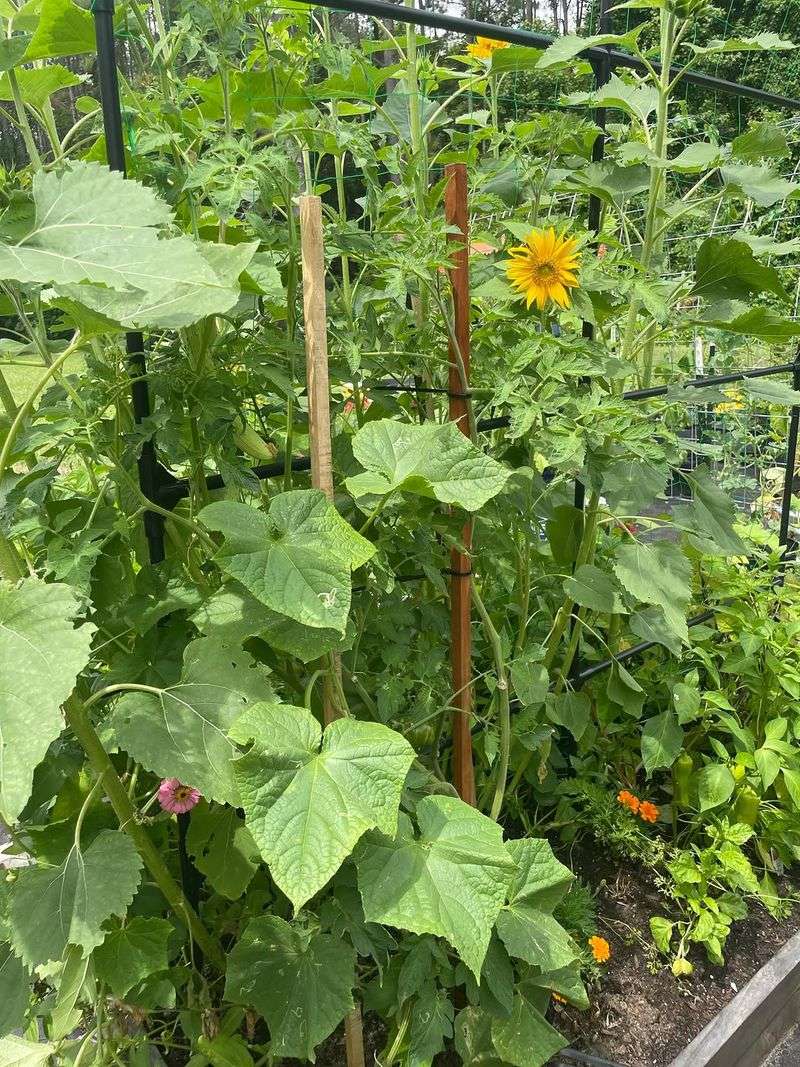
Sunflowers tower over cucumber vines and create a beacon for pollinators across your neighborhood. Bees visit sunflower heads for pollen and then drop down to pollinate cucumber flowers growing below.
Plant sunflower seeds on the north side of cucumber rows to avoid shading.
Choose varieties that reach six to eight feet tall for maximum visibility. Mammoth sunflowers work great, but any large-headed type attracts plenty of bees.
Space sunflowers about two feet apart along the edge of your cucumber patch.
The sturdy sunflower stalks also provide afternoon shade for cucumber vines during peak summer heat. Cucumbers appreciate some relief from intense sun between two and four in the afternoon.
This natural shade cloth helps prevent stress and keeps plants producing longer.
Sunflowers and cucumbers need similar amounts of water and fertilizer. Both are heavy feeders that benefit from compost-enriched soil.
Side-dress with organic fertilizer monthly during active growth periods.
Birds love ripe sunflower seeds and will visit your garden in late summer. While they’re eating seeds, they also pick off cucumber beetles and other pests.
The ecosystem you create benefits your vegetables in multiple ways.
Sunflower roots grow deep and don’t compete much with shallow cucumber roots. The two plants coexist peacefully while supporting increased pollinator activity.
Better pollination translates directly into higher cucumber yields per plant.
7. Pair Basil With Tomatoes For Better Garden Performance
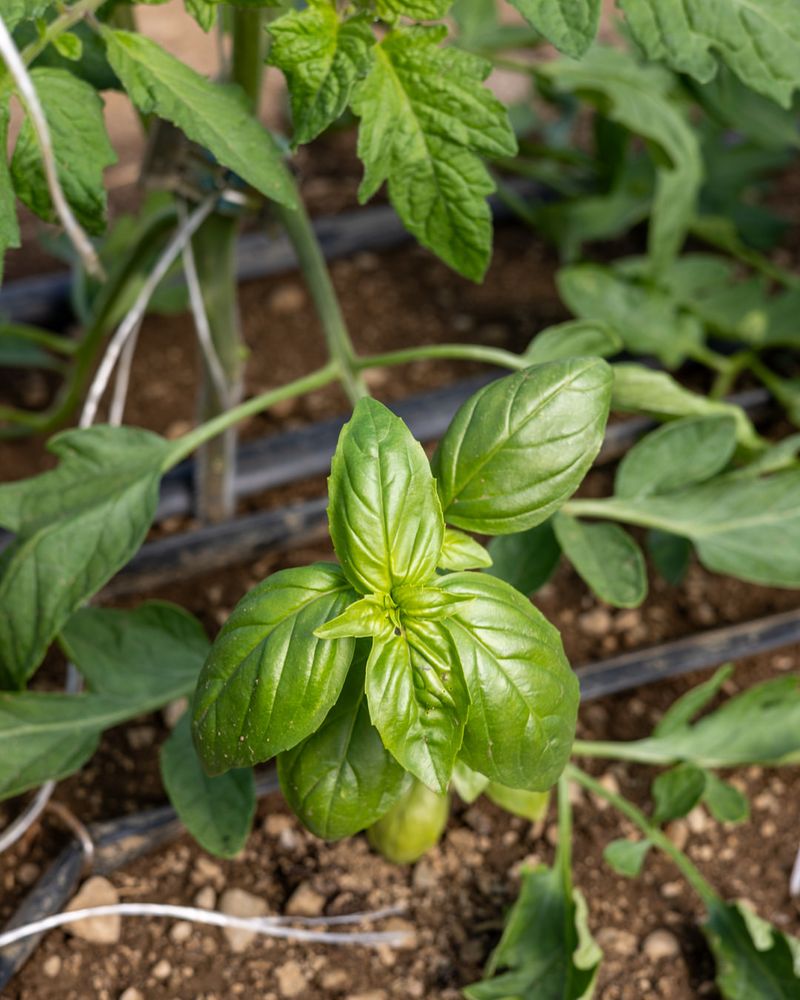
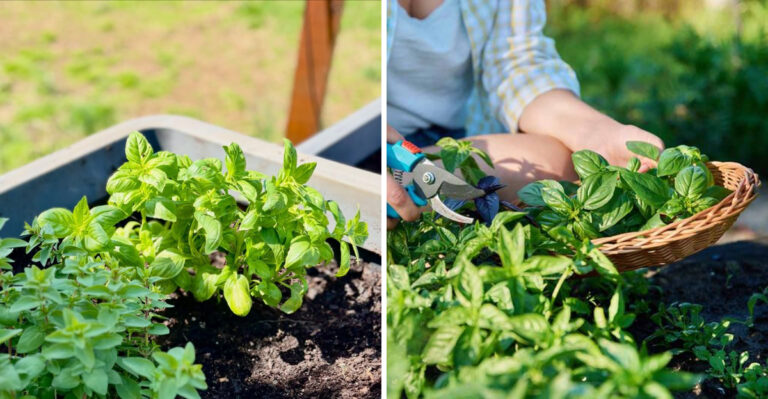
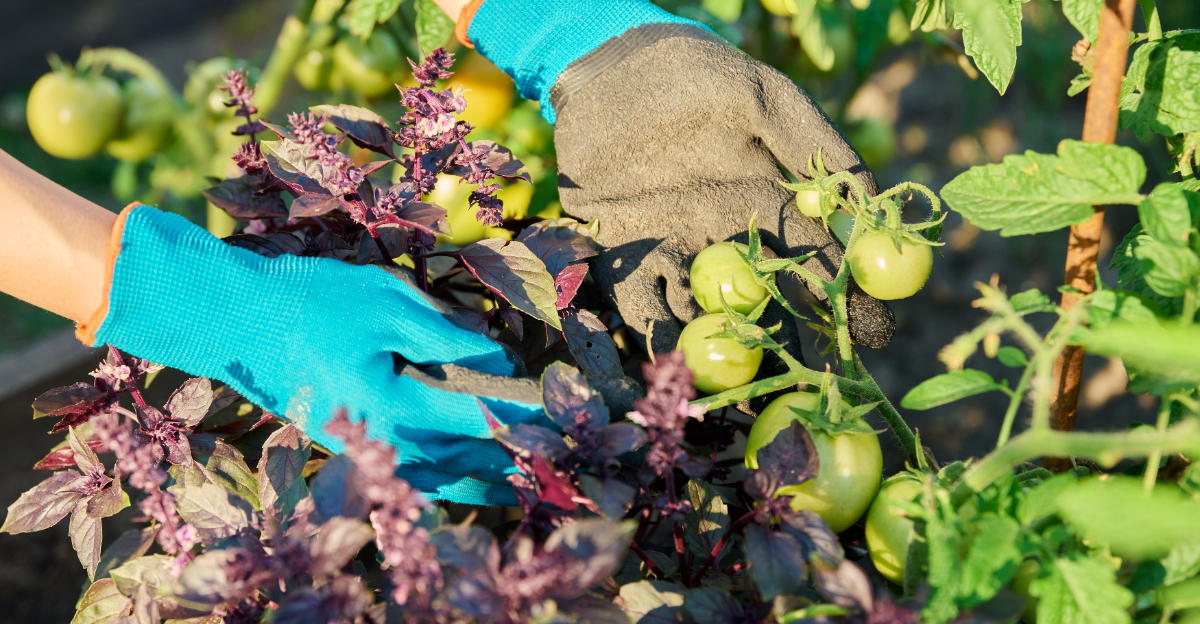
Basil and tomatoes belong together in the garden just like they do on your dinner plate. Plant basil seedlings around the base of tomato plants once the soil warms up in late spring.
The strong scent from basil leaves confuses hornworms and whiteflies that typically attack tomato foliage.
Space basil plants about eight inches from tomato stems. This gives both plants room to spread without competing for nutrients.
Basil also attracts beneficial insects like parasitic wasps that prey on tomato pests.
Regular harvesting of basil leaves encourages bushier growth and more aromatic oils. Pinch off the top sets of leaves every week or two.
Your tomatoes will benefit from increased air circulation around their lower branches.
Deep watering twice weekly works better than daily shallow sprinkles. Mulch around both plants helps retain moisture during hot afternoons.
Basil can bolt quickly when temperatures spike above 95 degrees. Plant a second succession in mid-July for fresh leaves through fall.
Your tomato plants will continue producing until the first frost arrives.
The partnership improves flavor in both crops according to many gardeners. Whether that’s scientifically proven or not, the pest protection alone makes this combination worth planting every season.
Basil flowers also provide nectar for pollinators, bringing more beneficial insects into the garden throughout the growing season.
8. Grow Beans Near Corn To Make Better Use Of Garden Space
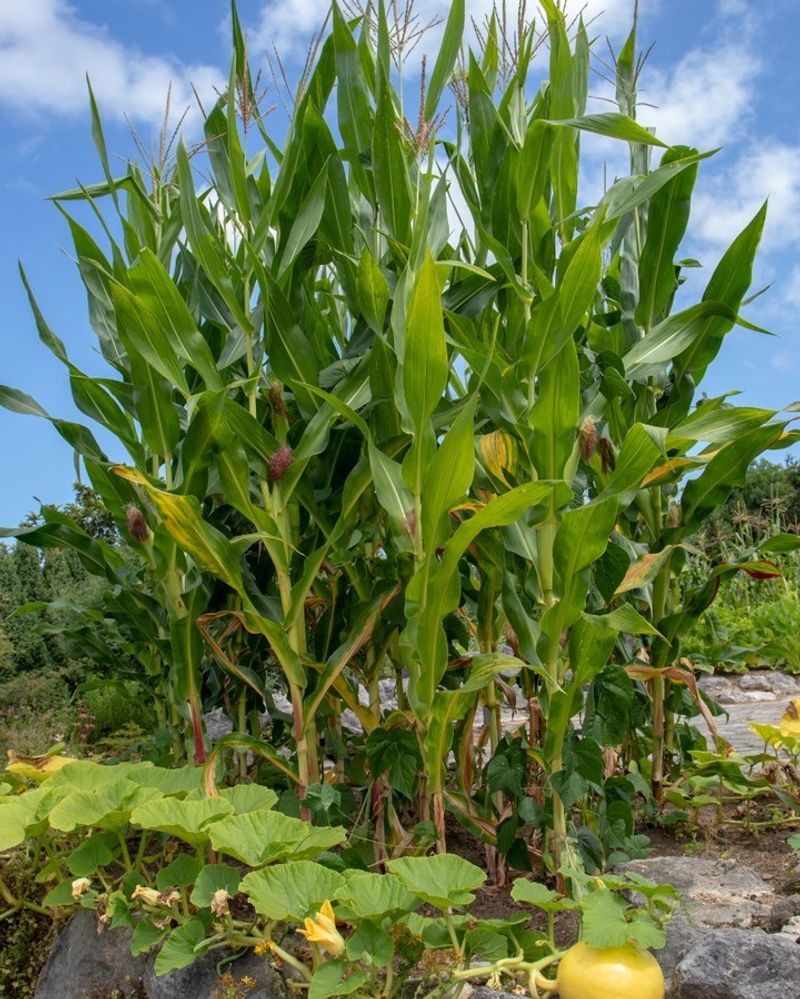
Corn stalks make perfect natural trellises for pole beans to climb. This traditional pairing, part of the three sisters method, maximizes vertical growing space in small gardens.
Plant corn first and wait until stalks reach about six inches tall before adding beans.
Beans fix nitrogen in the soil through their root nodules. That extra nitrogen benefits the heavy-feeding corn plants throughout the growing season.
Both crops grow stronger when planted together than they do separately.
Sow bean seeds about four inches from corn stalks, planting three to four beans per stalk. The bean vines will spiral up the corn as they grow.
This living trellis system eliminates the need for stakes or cages.
Harvest beans regularly to keep plants producing new pods. The bean foliage provides some ground cover that helps retain soil moisture around corn roots.
Both plants appreciate consistent watering during hot, dry spells.
Plant sweet corn varieties for eating fresh or field corn for drying and grinding. Bush beans work too, but pole beans make better use of vertical space.
The combination produces two crops from the same square footage.
Corn and beans mature at different rates, giving you a staggered harvest. Pick beans throughout summer while corn ripens in late July or August.
The succession keeps your kitchen supplied with fresh vegetables for weeks.