This Gorgeous Low-Maintenance Plant Is Becoming A Popular Hydrangea Alternative In Texas
Hydrangeas have a loyal following in Texas gardens, and the ones that survive here can be genuinely beautiful.
The problem is that keeping hydrangeas looking their best through a Texas summer requires a level of attention that a lot of gardeners find exhausting, and certain varieties never quite perform the way they do in cooler, more forgiving climates.
A native Texas alternative has been quietly gaining ground among gardeners who want lush, multi-season interest without the constant management.
This plant handles Texas heat and dry stretches with ease, produces blooms that pollinators genuinely seek out, and offers fall and winter interest that hydrangeas in Texas rarely manage to deliver.
It fits into both formal and naturalistic garden styles, asks for very little once established, and tends to look more at home in a Texas landscape than any hydrangea ever will.
Gardeners who have made the switch are not looking for a replacement anymore because this plant has stopped feeling like one.
1. Turk’s Cap Is Giving The Lush Look Texans Want Without The Hydrangea Headaches
Anyone who has wrestled with hydrangeas in a Texas summer knows the frustration of watching those big beautiful blooms wilt in the heat. Hydrangeas demand consistent moisture, cooler temperatures, and well-amended soil.
In most parts of Texas, that combination is hard to pull off without a lot of extra effort and water.
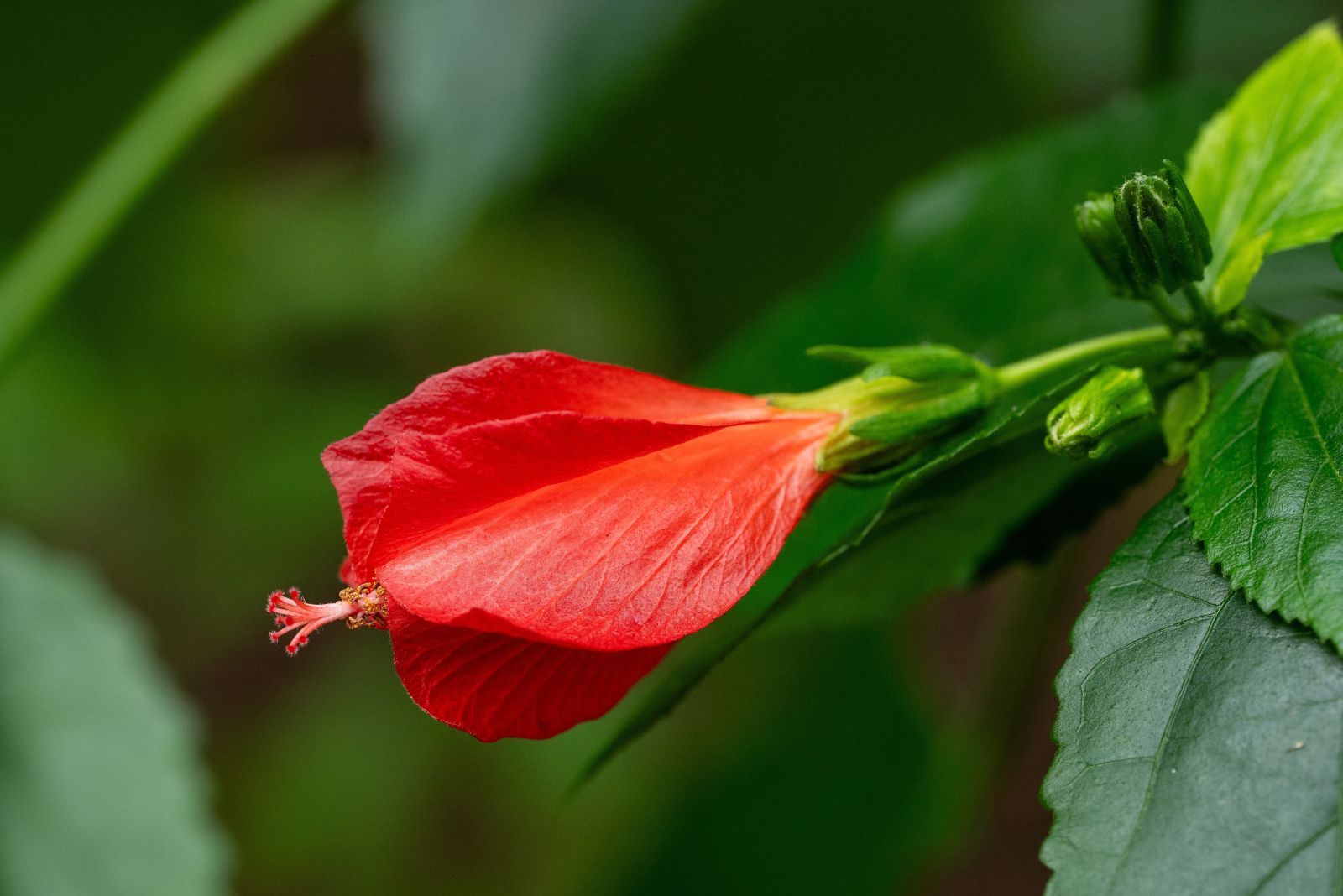
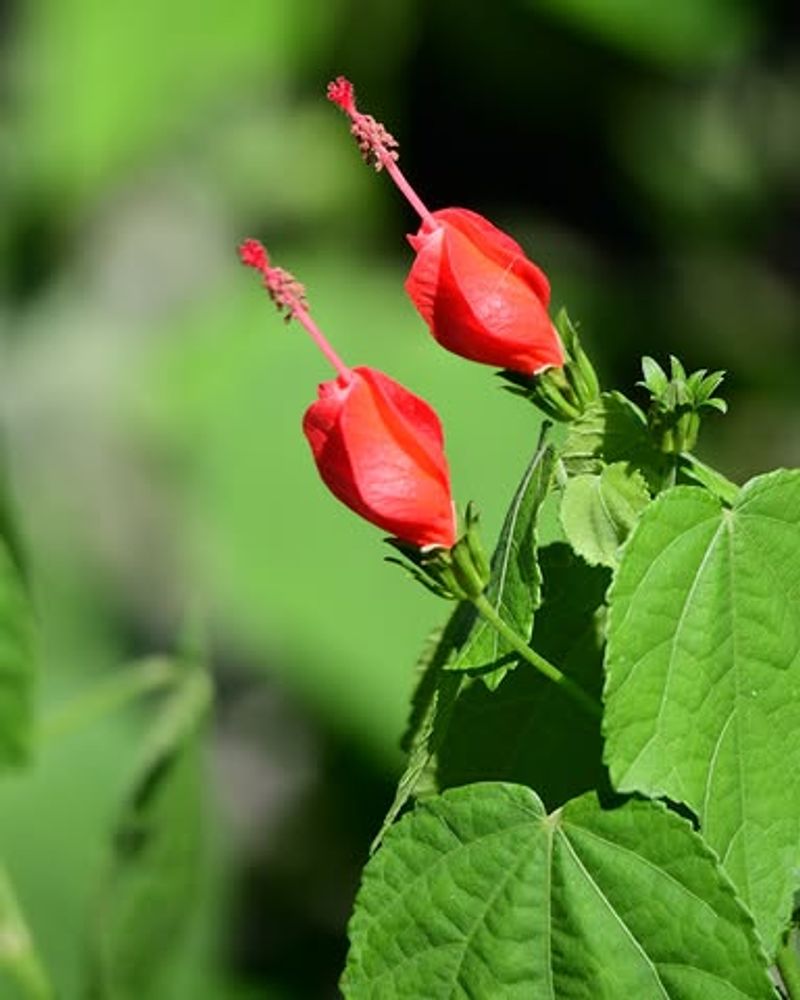
Turk’s Cap steps in as the perfect answer to that problem. Known scientifically as Malvaviscus arboreus var. drummondii, this Texas-native shrub produces eye-catching red flowers that twist into a shape resembling a little Turkish hat.
The blooms are bold, cheerful, and surprisingly showy even without ever fully opening. What makes Turk’s Cap so special for Texas gardeners is its adaptability. It thrives in shaded and partly shaded spots where many other flowering plants refuse to perform.
Those tricky areas under trees or along north-facing fences that seem impossible to fill with color? Turk’s Cap handles them beautifully.
Beyond its good looks, the plant builds a full, bushy presence in the landscape that mimics the lush, cottage-garden feel people love about hydrangeas. It grows with confidence and spreads gradually to fill empty spaces.
Gardeners across Texas have been sharing photos of their Turk’s Cap patches online, and the buzz is growing fast.
The plant has a long history in Texas landscapes and is well-loved by native plant enthusiasts. Now a broader audience is discovering what longtime fans already knew.
You do not have to fight your climate to have a gorgeous, full garden. Sometimes the best plant is the one that was always meant to grow there.
2. It Thrives In Texas Heat Where Hydrangeas Often Struggle
Summer in Texas is no joke. Temperatures regularly climb past 100 degrees, and rainfall can disappear for weeks at a time.
Most flowering shrubs hit a wall during those brutal stretches, but Turk’s Cap just keeps going. Once it gets established in the ground, this plant handles heat and drought with impressive ease.
Your Texas Garden Changes Every Week. Your Plan Should Too.
Gardening in Texas changes quickly throughout the season. Every Friday you’ll receive a simple weekly plan showing exactly what to plant, prune, fertilize, harvest, and protect so you never miss the right timing.
Hydrangeas, by contrast, need frequent watering during hot spells. Skip a few days and you will find them drooping dramatically, begging for relief.
That kind of high-maintenance relationship wears gardeners out quickly, especially during a Texas July or August when outdoor chores feel exhausting.
Turk’s Cap roots go deep and wide over time, which is part of why it becomes so drought-tolerant. That strong root system taps into moisture stored lower in the soil.
It also helps the plant anchor itself firmly, making it resilient through storms and wind as well.
Texas soils vary wildly from region to region. You might have heavy black clay in the Dallas area, rocky limestone in the Hill Country, or sandy loam in East Texas.
Turk’s Cap adapts to all of them without demanding soil amendments or special fertilizers. That kind of flexibility is rare and incredibly valuable for gardeners across such a large and diverse state.
Planting Turk’s Cap means you can stop worrying every time a heat wave rolls through. It does not need constant attention or hand-holding to look good.
Water it well when you first plant it, give it a few months to settle in, and then mostly just enjoy watching it thrive season after season.
3. It Blooms For Months Instead Of Just Weeks
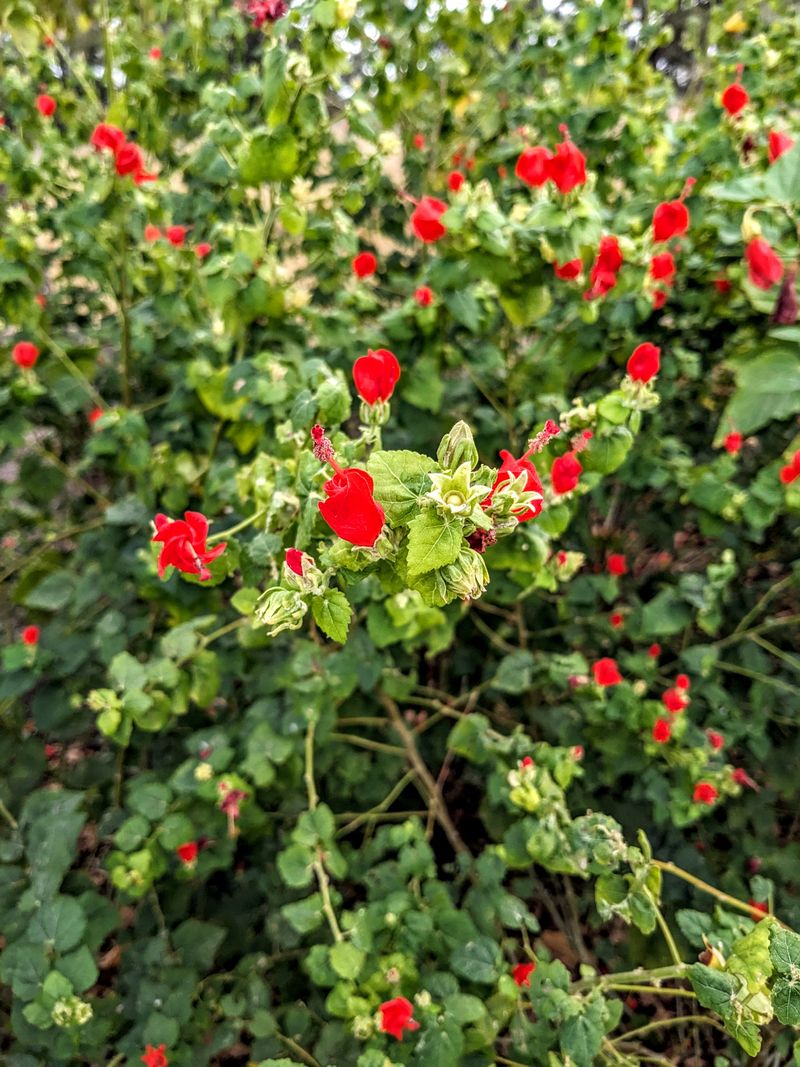
One of the biggest complaints gardeners have about hydrangeas is that the bloom window is relatively short. You get a few glorious weeks of those big puffy flower heads, and then the show is mostly over.
Turk’s Cap completely flips that script with one of the longest bloom seasons of any Texas native plant.
Flowers on Turk’s Cap typically begin appearing in late spring, often as early as May. From there, the plant keeps pushing out fresh blooms straight through summer and into fall.
That means you are looking at four to six months of continuous color in your garden. Very few flowering shrubs can match that kind of staying power in a Texas climate.
What is especially impressive is that Turk’s Cap does not slow down during the hottest part of summer.
While other plants retreat into survival mode and stop blooming entirely, this one keeps producing those cheerful red flowers. It almost seems to enjoy the heat rather than suffer from it.
The blooms are not giant and showy in the way hydrangea flowers are, but they are plentiful and charming. Each flower is a bright scarlet-red tube that twists at the tip, giving the plant a whimsical, cottage-style look.
Hummingbirds and butterflies flock to them constantly, which adds even more life and movement to the garden.
Having a plant that blooms from late spring all the way through fall means your garden stays lively and colorful for most of the year.
That kind of long-lasting performance is exactly what busy gardeners and homeowners are looking for when they want beautiful results without constant replanting or seasonal swaps.
4. It Creates A Full, Lush Landscape Look
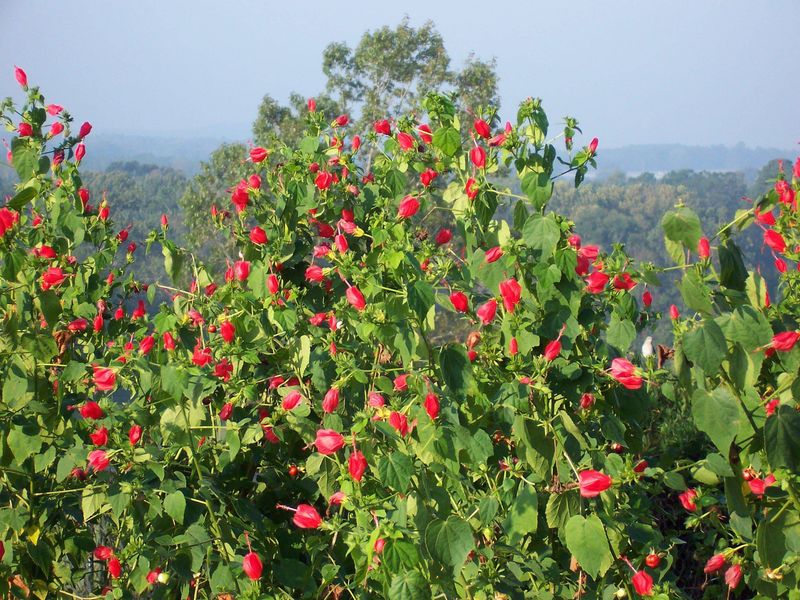
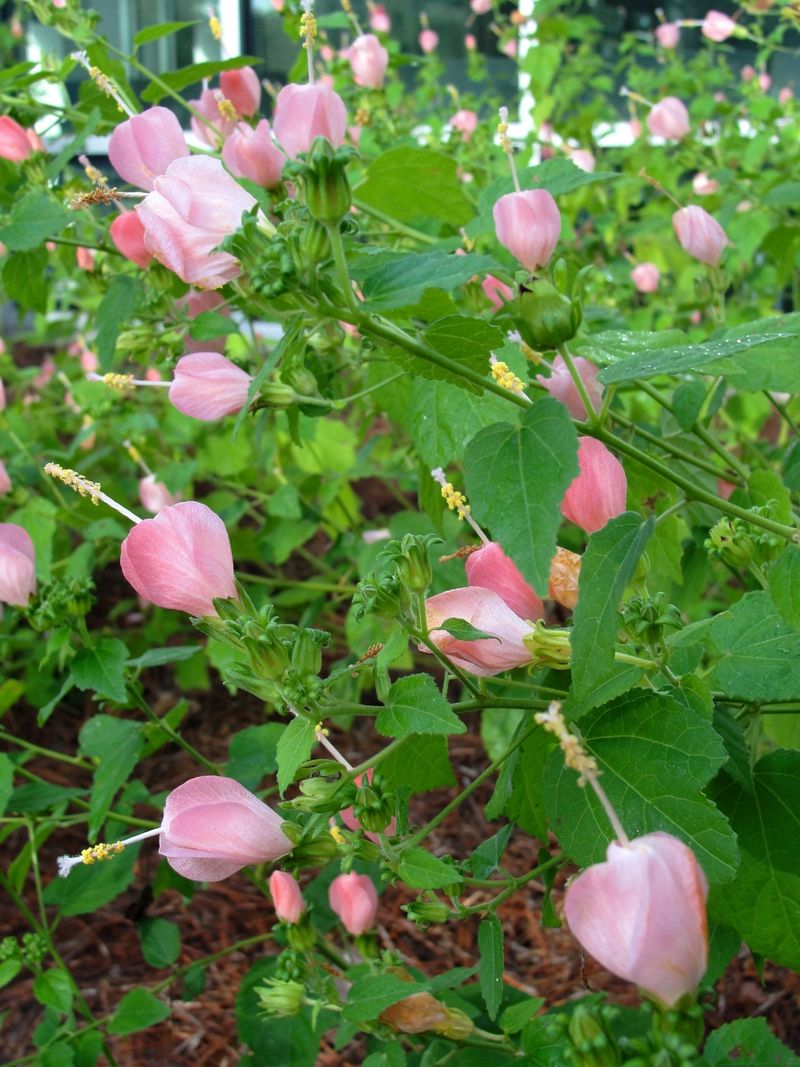
Walk past a mature Turk’s Cap planting and you immediately notice the fullness. The leaves are large, heart-shaped, and a deep rich green that creates a dense canopy of foliage.
Even when the plant is not in bloom, it looks lush and healthy, which is exactly what most homeowners want from a foundation or border plant.
Hydrangeas offer that same sense of fullness, which is a big part of their appeal. But achieving that look with hydrangeas in Texas often requires constant care, supplemental watering systems, and strategic planting spots.
Turk’s Cap delivers a similar visual payoff without all those requirements. It fills in naturally and confidently over time.
In foundation beds, Turk’s Cap works beautifully as a backdrop plant or a mid-layer shrub. Its height can range from three to nine feet depending on growing conditions, giving you flexibility to use it in different parts of the landscape.
It looks equally good against a fence, along a house wall, or tucked under a large shade tree. Woodland gardens are another fantastic setting for Turk’s Cap. Its love of shade makes it a natural fit in areas where tree canopy filters the sunlight.
Planted in groups, it creates a flowing, naturalistic look that feels both wild and intentional at the same time.
Over several growing seasons, Turk’s Cap spreads gradually by sending up new shoots from its roots. Those colonies grow denser and more impressive each year.
You start with a few plants and end up with a sweeping mass of green and red that transforms an ordinary yard into something that genuinely looks like a well-designed garden retreat.
5. Hummingbirds Absolutely Love It
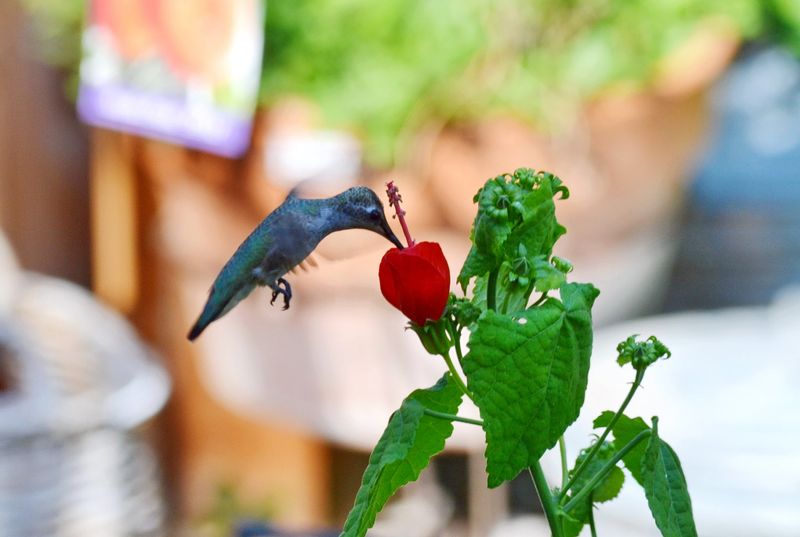
Picture this: you are sitting on your back porch on a warm September morning, coffee in hand, and a ruby-throated hummingbird zips past your head and hovers right in front of a cluster of bright red Turk’s Cap flowers.
That scene plays out in Texas backyards all the time, and it never gets old. Hummingbirds are absolutely wild about Turk’s Cap. The tubular red flowers are basically designed for hummingbird feeding.
The long, narrow shape is perfect for a hummingbird’s bill, and the plant produces nectar generously throughout its extended bloom season. Once hummingbirds find a Turk’s Cap in your yard, they come back again and again.
Beyond hummingbirds, the plant also draws in butterflies, bees, and other beneficial pollinators. Having that kind of wildlife activity in your garden creates a living, breathing ecosystem right outside your door.
It makes the space feel more dynamic and connected to the natural world around it. The fruit that follows the flowers is another bonus. Small red berries appear after blooming and are eaten by birds like mockingbirds, cardinals, and cedar waxwings.
So the plant keeps giving even after the main bloom season winds down. That multi-season wildlife value is something most ornamental plants simply cannot offer.
Planting Turk’s Cap is one of the easiest ways to turn your yard into a certified wildlife-friendly habitat.
Organizations like the National Wildlife Federation and the Lady Bird Johnson Wildflower Center both recognize native plants like Turk’s Cap as vital resources for local wildlife. You get a gorgeous garden and a habitat all in one easy-care package.
6. It Needs Very Little Maintenance Once Established
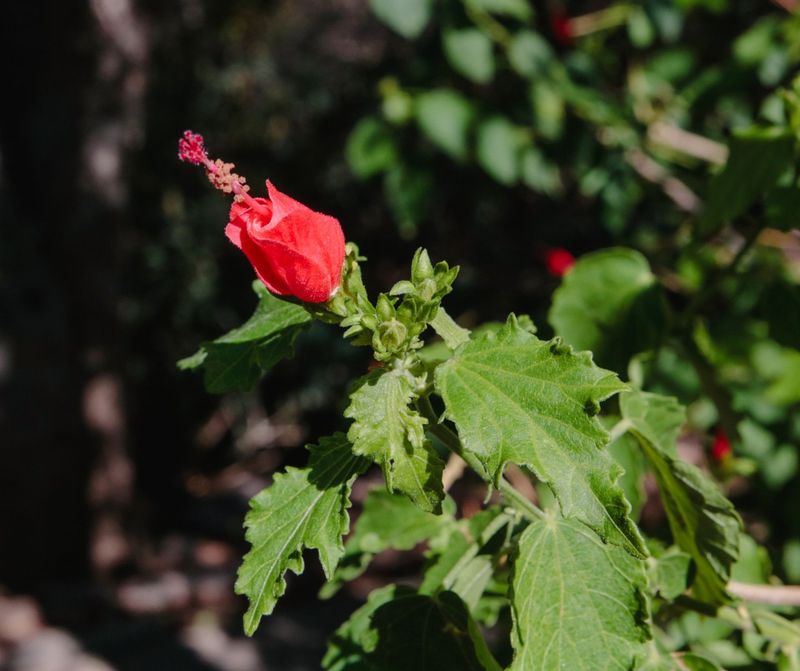
Low-maintenance gardening is not a lazy goal. It is a smart one. Life gets busy, summers get brutal, and not everyone has hours each week to devote to plant care.
Turk’s Cap fits perfectly into a realistic gardening lifestyle because once it settles into the ground, it genuinely takes care of itself most of the time.
Watering needs drop significantly after the first growing season. New transplants need regular moisture to help their roots establish, but after that first year, supplemental watering becomes occasional rather than routine.
During extended dry periods a deep soak every week or two is usually plenty to keep the plant looking its best.
Fertilizing is rarely necessary. Turk’s Cap grows well in native Texas soils without added nutrients.
If your soil is extremely poor, a light application of slow-release organic fertilizer in spring can give it a boost, but most gardeners find the plant performs fine without any feeding at all.
Pruning is simple and optional. In late winter or very early spring, you can cut the plant back hard to encourage fresh, vigorous new growth.
Some gardeners cut it all the way to the ground and watch it bounce back with remarkable energy by early summer. Others just trim it lightly to shape it. Either approach works well.
Pest and disease problems are rare with Turk’s Cap. Its native status means local insects and environmental conditions are not a threat to its health.
You are not going to spend your weekends spraying treatments or troubleshooting mysterious leaf problems. Plant it, enjoy it, and let it do what it naturally does best year after year.