9 Fast-Growing California Plants That Give You Privacy In One Season
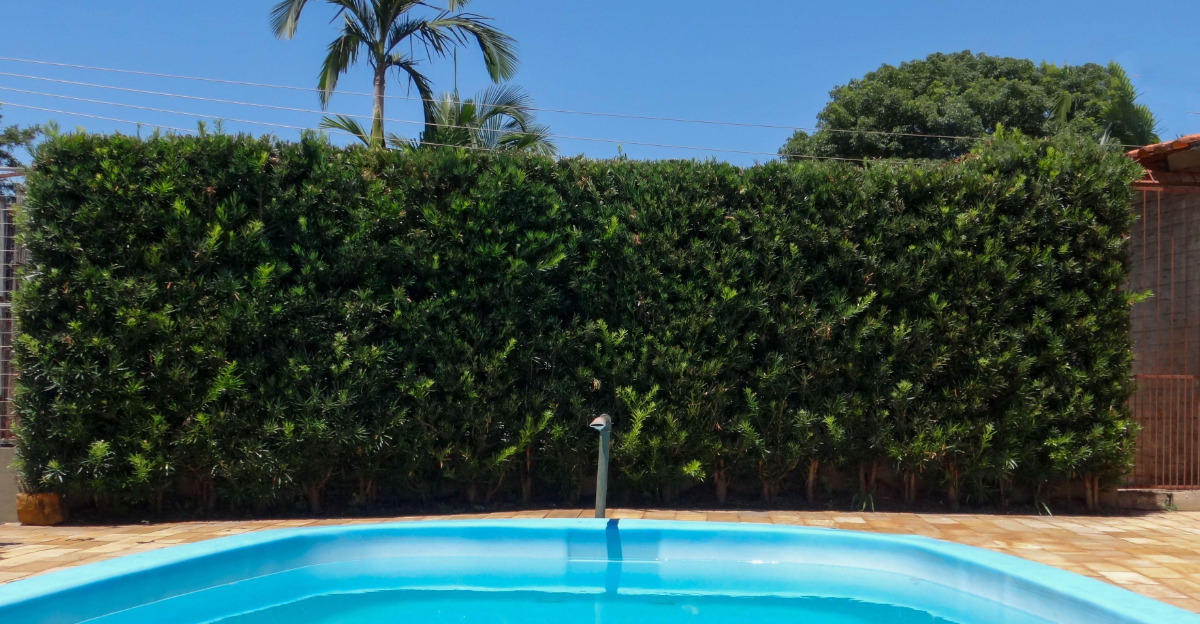
A bare fence line can make a yard feel exposed, especially when neighbors, traffic, or bright windows sit too close for comfort.
Waiting years for privacy is not always realistic, and not every homeowner wants a solid wall blocking the view.
Fast growing plants can create a softer screen with more beauty and movement than a fence alone.
The right choices can rise quickly, fill awkward gaps, and make patios or side yards feel more tucked away before the season is over.
California’s long growing season gives many plants a strong head start, but speed is only part of the story.
A good privacy plant should also fit the space, handle the climate, and stay manageable once it takes off. Choose well, and your yard can feel more private without losing its open, sunny feel.
1. Pittosporum ‘Silver Sheen’ Fills In Quickly Along Fences
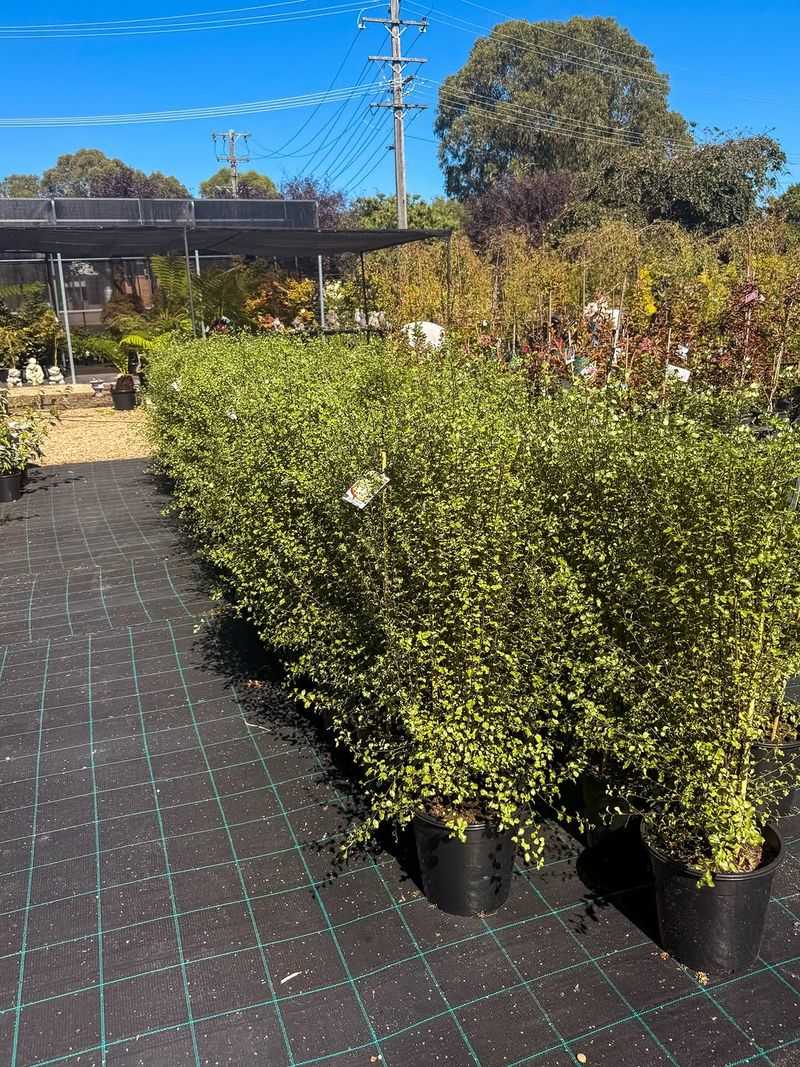
There is something almost magical about the way Pittosporum ‘Silver Sheen’ catches the light. Its small, oval leaves have a silvery shimmer that makes the whole plant seem to glow on a breezy afternoon.
Beyond its good looks, it is one of the fastest-filling privacy shrubs you can plant along a fence line.
Under ideal conditions, it can grow three to five feet in a single year. That kind of speed is hard to beat when you need results fast.
It works especially well in coastal areas and mild inland zones, thriving in both full sun and light shade without skipping a beat.
The dense branching habit is what makes this plant such a reliable screener. Leaves grow closely together, leaving very little open space for prying eyes to peek through.
It creates a soft, feathery wall of green and silver that looks elegant rather than blocky.
Space plants about four to six feet apart when planting for privacy. Regular watering during the first growing season helps them establish quickly.
Once settled in, they need very little attention to keep performing well. Light trimming once or twice a year keeps the shape tidy without slowing growth.
Pittosporum ‘Silver Sheen’ is a smart, stylish choice for anyone who wants a fast, full, and beautiful privacy barrier along a fence or property edge.
2. Hopseed Bush Creates A Light, Airy Privacy Wall
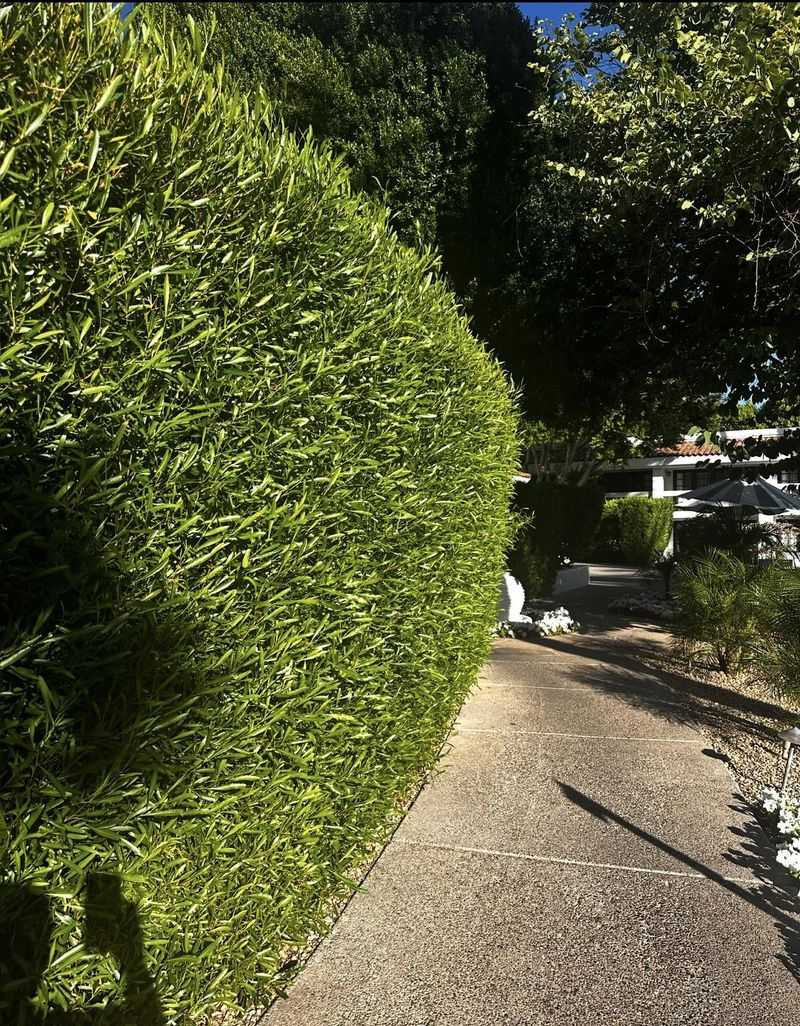
Not every homeowner wants a thick, blocky hedge. Some prefer something that filters views while still letting air and light pass through.
Hopseed Bush delivers exactly that kind of relaxed, open privacy that feels natural rather than forced.
Native to desert and dry regions of the American Southwest, it adapts beautifully to hot, dry conditions across our state.
It can reach ten to fifteen feet tall in just a few years, creating impressive height without demanding a lot of water.
The papery, reddish seed clusters that appear in spring and summer add a decorative touch that most privacy plants simply cannot match.
The foliage is semi-evergreen, meaning it holds most of its leaves through the year in mild climates.
In colder northern regions, it may drop some leaves in winter, but it bounces back reliably in spring.
Your California Garden Changes Every Week. Your Plan Should Too.
Gardening in California changes quickly throughout the season. Every Friday you’ll receive a simple weekly plan showing exactly what to plant, prune, fertilize, harvest, and protect so you never miss the right timing.
The growth rate is strong, often putting on two to four feet per year with minimal care.
Plant Hopseed Bush in full sun for the best results. It tolerates poor, rocky, or sandy soil, making it a great option for challenging spots in the yard where other plants struggle.
Space plants about five to six feet apart to create a flowing, natural-looking screen. Once established, it needs very little supplemental water.
It is a tough, beautiful plant that earns its place in any low-water privacy garden.
3. Podocarpus Gives Narrow Yards A Fast Evergreen Screen
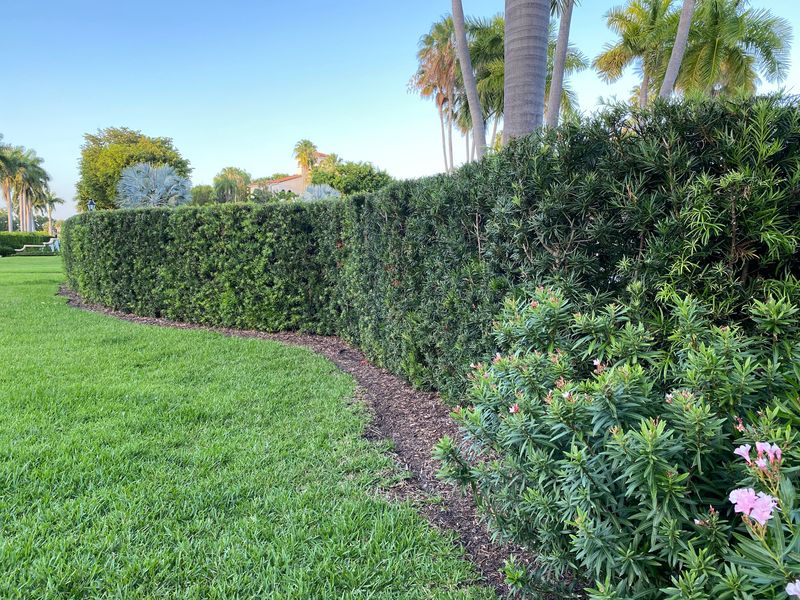
Few plants do a better job of solving the narrow yard problem than Podocarpus. It grows tall and stays slim, making it ideal for tight spaces where a wide shrub simply would not fit.
Most gardeners see it put on two to three feet of new growth each year under good conditions.
The dark green, needle-like leaves stay on the plant all year long. That means you get a solid, attractive screen in every season, not just during spring and summer.
It holds its color even during dry stretches, which is a big advantage in our warm, sun-heavy climate.
Podocarpus handles full sun and partial shade without complaint. It responds well to trimming, so you can shape it into a formal hedge or let it grow naturally into a soft, layered screen.
Either way, it looks polished and intentional in the landscape.
Plant it about three to five feet apart for a solid screen within one season. Water it regularly during the first year to help it establish strong roots.
After that, it becomes much more drought-tolerant and low-maintenance. This plant is a top pick for homeowners who want fast results without a lot of ongoing effort.
It works beautifully along driveways, side yards, and property lines where space is limited but privacy is a must.
4. California Wax Myrtle Makes A Fast Native Evergreen Screen
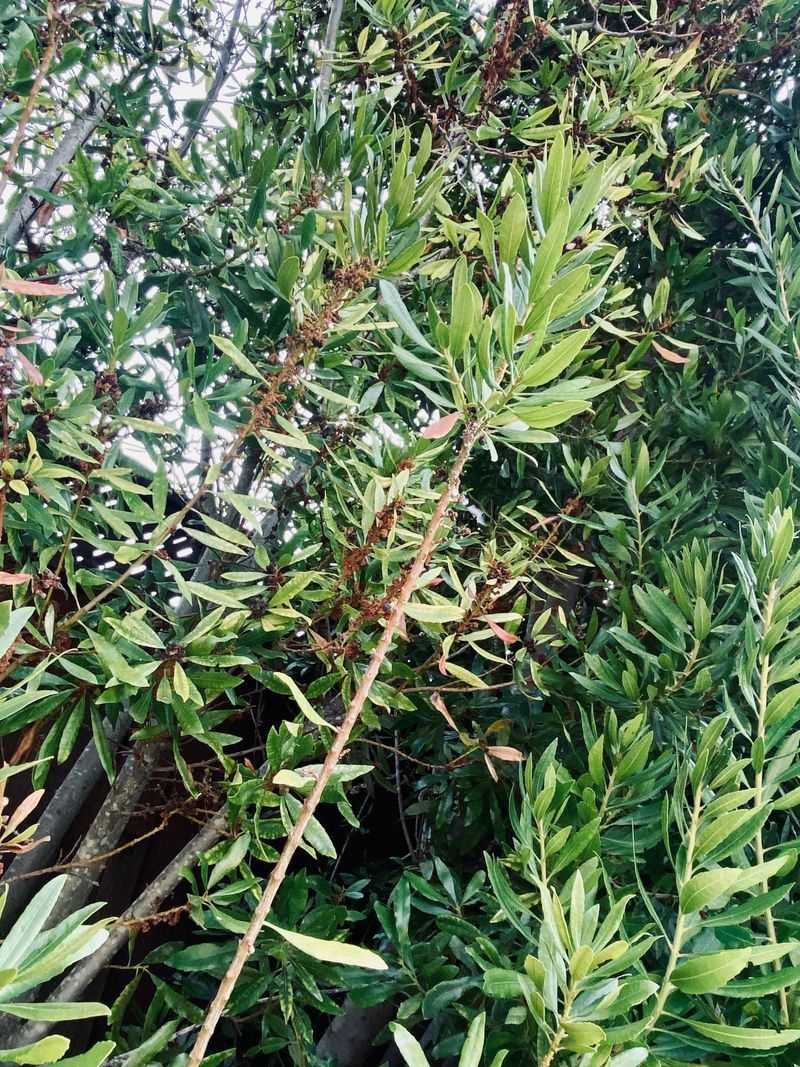
Planting natives is always a smart move, and few natives deliver privacy as fast or as reliably as California Wax Myrtle.
It is a tough, adaptable evergreen that grows naturally along streams, coastal bluffs, and woodland edges across our state.
That wide natural range tells you a lot about how easy it is to grow.
In the right conditions, it can gain three to five feet of new growth in a single season. The glossy, aromatic leaves stay green all year and release a pleasant scent when brushed.
Birds love this plant too, using it for nesting and shelter, which adds a nice wildlife bonus to your yard.
It handles a wide range of soils, including clay-heavy ground that drains slowly. It also tolerates both full sun and partial shade, giving you flexibility in where you place it.
Wet spots near downspouts or low areas of the yard are no problem for this resilient plant.
Space plants about four to six feet apart for a dense screen within one season. Water regularly for the first year while roots get established.
After that, it becomes highly drought-tolerant and needs very little attention. Prune it lightly to maintain a tidy shape or let it grow freely into a natural, multi-stemmed screen.
Either approach works well. California Wax Myrtle is a standout choice for eco-friendly homeowners who want fast privacy without sacrificing the health of the local ecosystem.
5. Coffeeberry Builds A Dense, Prunable Privacy Hedge
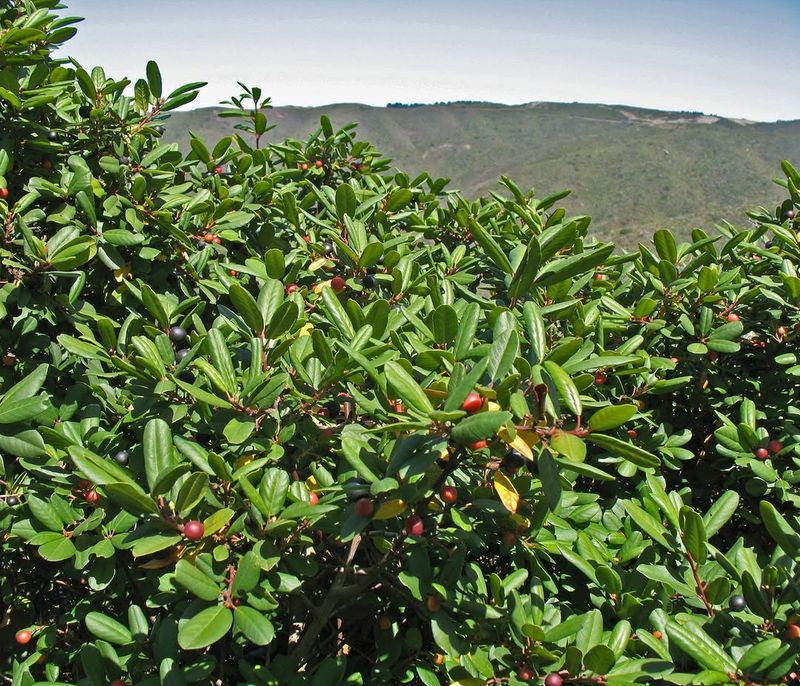
Bold, reliable, and packed with personality, Coffeeberry is one of the most underrated privacy plants in our state.
It grows quickly into a dense, multi-branched shrub that holds its shape well even without regular pruning.
The deep green leaves are attractive all year, and the colorful berries that appear in late summer are a showstopper.
Those berries shift from green to red to deep purple-black as they ripen, creating a natural color show that most ornamental shrubs cannot offer.
Birds flock to the berries, turning your hedge into a lively habitat. If you enjoy watching wildlife from your yard, this plant will reward you every season.
Growth rates are impressive. Under good conditions, Coffeeberry can add three to five feet per year.
It reaches heights of six to fifteen feet depending on the variety, so you have options for different fence heights and screening needs.
Compact varieties work well for shorter hedges, while larger selections create impressive tall screens.
It thrives in full sun to partial shade and handles a range of soil types, including dry, rocky ground.
Once established, it needs very little supplemental water, making it an excellent low-maintenance choice.
Prune it lightly after the berry season to keep it shaped and encourage fresh new growth. Space plants about four to five feet apart for a solid, gap-free privacy hedge that fills in beautifully within one growing season.
6. Catalina Cherry Gives Glossy Evergreen Coverage
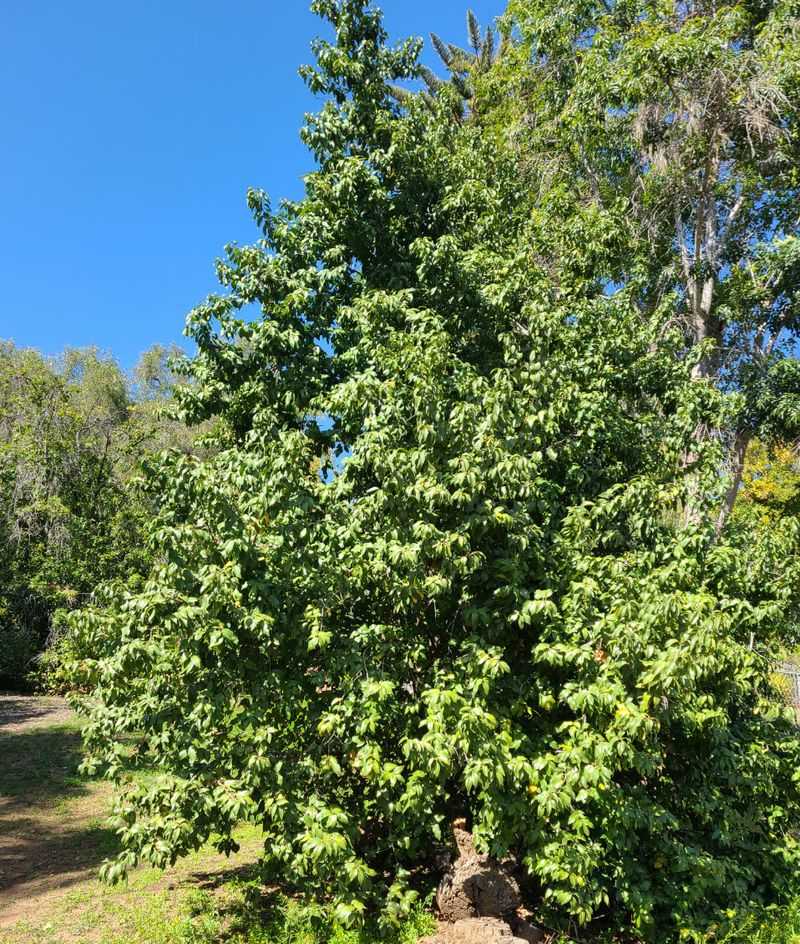
Originally from the Channel Islands off the southern coast, Catalina Cherry has a rugged island toughness that translates perfectly to tough yard conditions on the mainland.
It grows fast, stays evergreen, and produces some of the most attractive foliage of any native privacy plant available.
The large, glossy leaves catch the light beautifully and give the hedge a rich, lush appearance.
Spring brings clusters of small white flowers that smell faintly sweet. Those flowers are followed by dark purple cherries that attract birds and other wildlife.
So while you are gaining privacy, you are also creating a mini ecosystem right in your own backyard.
Growth rates are strong. Expect three to five feet of new growth per year in good conditions.
It can reach fifteen to thirty feet tall at maturity, which makes it one of the most impressive tall-screen options on this list. It handles heat, drought, and poor soil with ease once established.
Plant in full sun for the fastest growth and densest coverage. Space plants about six to eight feet apart if you want a natural, informal screen.
For a tighter hedge, plant them closer together. Water regularly during the first two growing seasons to help the root system develop.
After establishment, it needs very little supplemental irrigation. Catalina Cherry is a spectacular plant that gives you speed, beauty, wildlife value, and serious long-term privacy all in one package.
7. Ray Hartman Ceanothus Adds Fast Native Height And Blue Blooms
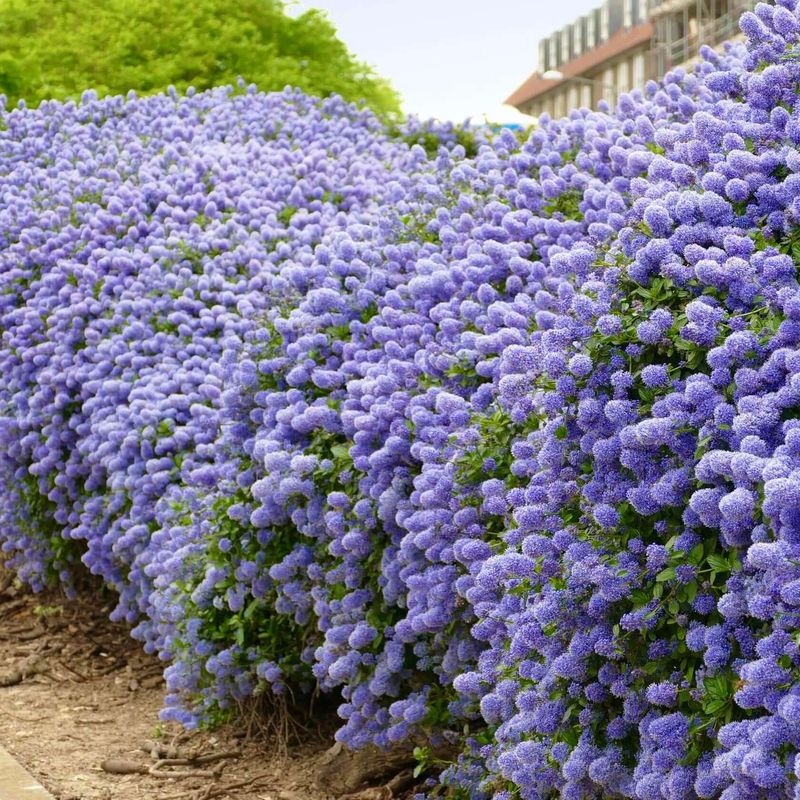
Few privacy plants can match the springtime drama of Ray Hartman Ceanothus in full bloom.
The entire plant erupts in clusters of vivid blue-purple flowers, turning your fence line into one of the most eye-catching spots in the neighborhood.
It is a large shrub that can reach fifteen to twenty feet tall, making it one of the biggest and fastest native privacy options available.
Growth is remarkably quick. Under favorable conditions, it can put on four to six feet of new growth in a single season.
That kind of speed means you can go from a bare fence line to a tall, full screen within just one year of planting. The dense, dark green foliage stays attractive even when the plant is not in bloom.
It thrives in full sun and well-drained soil. Avoid planting it in areas with heavy clay or poor drainage, as wet roots can cause problems.
Once established, it is extremely drought-tolerant and rarely needs supplemental watering. It is a true low-maintenance plant that rewards you generously for very little effort.
Prune lightly right after the blooming period to maintain a tidy shape without removing next year’s flower buds. Space plants about eight to ten feet apart to allow for their natural spreading habit.
Ray Hartman Ceanothus is a native plant that gives you speed, stunning seasonal beauty, and strong year-round privacy all at once. Pollinators love it too.
8. Sugar Bush Fills Sunny Slopes With Evergreen Screening
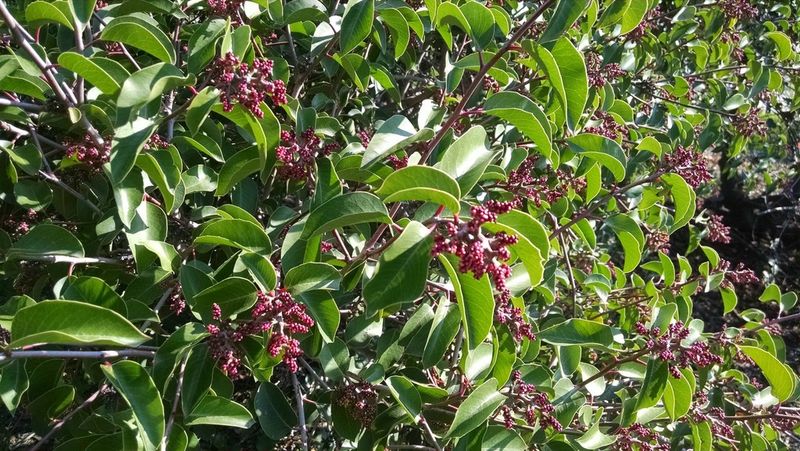
Steep, sunny slopes are some of the trickiest spots to plant in any yard. Most shrubs struggle with the combination of heat, poor soil, and low water.
Sugar Bush was practically made for these conditions. It is a native chaparral plant that thrives on exactly the kind of challenging terrain that sends other plants into decline.
It grows into a dense, rounded shrub that can reach eight to twelve feet tall and equally wide.
The thick, leathery leaves stay on the plant all year, creating a solid screen that holds up through heat waves and dry seasons without complaint.
Clusters of small pinkish flowers appear in spring, followed by sticky reddish berries that birds and small mammals enjoy.
Growth rates are solid, typically two to four feet per year in good conditions. It fills in reliably and creates a natural-looking screen that blends beautifully with the surrounding landscape.
In southern regions of our state, it is especially well-suited to the hot, dry climate that can challenge less adapted plants.
Plant Sugar Bush in full sun and well-drained soil for the best results. It needs regular watering during the first year to get established, but after that it is highly drought-tolerant and needs very little care.
Space plants about six to eight feet apart on slopes to allow for their natural spreading shape.
Sugar Bush is a tough, beautiful, and wildlife-friendly choice for difficult sunny spots where you need fast, reliable coverage.
9. Laurel Sumac Creates Fast Privacy In Southern California Yards
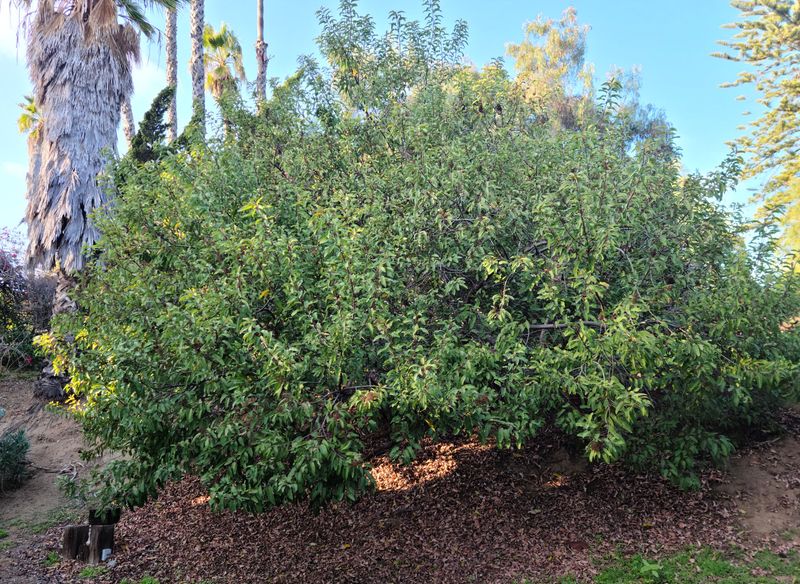
Southern regions of our state have a unique climate that rewards plants adapted to heat and dryness. Laurel Sumac is one of those perfectly adapted natives.
It grows fast, stays evergreen, and creates the kind of thick, lush coverage that homeowners in warmer zones dream about.
The large, boat-shaped leaves have a slightly reddish tint along their edges, giving the plant a distinctive and attractive look.
Growth rates are impressive. Under good conditions, it can put on three to five feet per year, quickly reaching heights of ten to fifteen feet.
That makes it one of the fastest and tallest native privacy options for yards in the southern part of our state. The dense canopy fills in quickly, blocking views and reducing noise from nearby streets.
It thrives in full sun and handles poor, rocky, or dry soil without trouble. Once established, it requires very little supplemental water, making it an excellent choice for low-water landscapes.
It is also fire-adapted, which is an important consideration in many parts of southern California where wildfire risk is a real concern.
Plant Laurel Sumac in full sun for the fastest growth. Space plants about six to eight feet apart to create a full, flowing screen within one season.
Water regularly during the first year, then pull back as the plant establishes. Light pruning helps maintain a tidy shape without sacrificing the dense coverage that makes this plant so effective as a privacy screen.