What Oregon Gardeners Should Feed Roses In June For More Summer Blooms
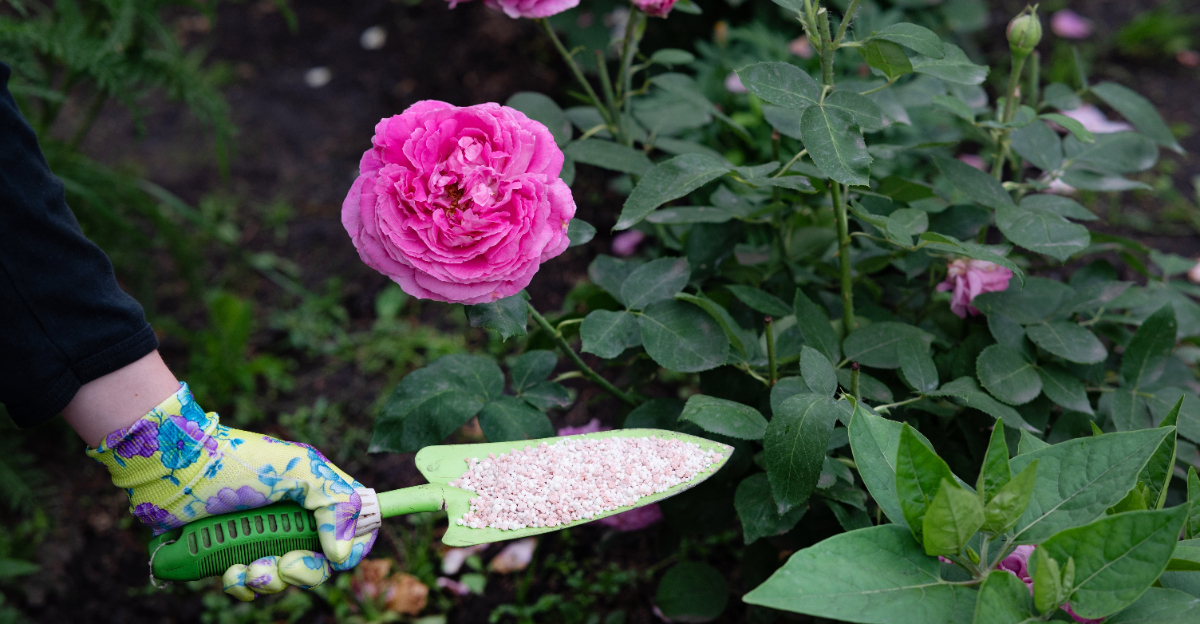
Roses can put on a gorgeous early show, then suddenly act like they need a pep talk. By June, many Oregon gardens are moving into a new rhythm.
Spring rain is fading, warmer days are building, and rose bushes are getting ready for their next round of blooms. What they get now can shape how strong that summer color will be.
Feed too lightly, and the plant may lose steam. Push too hard, and you may get leafy growth instead of the flowers you wanted.
The goal is steady support that keeps roses blooming without stressing them. June is a key moment to read the plant, check the soil, and give it what helps most.
With the right feeding approach, your roses can stay full, healthy, and ready for a brighter summer display.
1. Feed After The First Flush Of Flowers Fades
Right after your roses finish their first big show of blooms, they are hungry and ready for a boost. That first flush of flowers takes a lot of energy out of the plant.
Feeding at just the right moment helps your roses bounce back faster and push out even more buds.
In the Pacific Northwest, that first bloom cycle usually wraps up sometime in late May or early June. Once you see the petals dropping and the blooms fading, that is your signal to act.
Do not wait too long, because the plant is already working on its next round of growth.
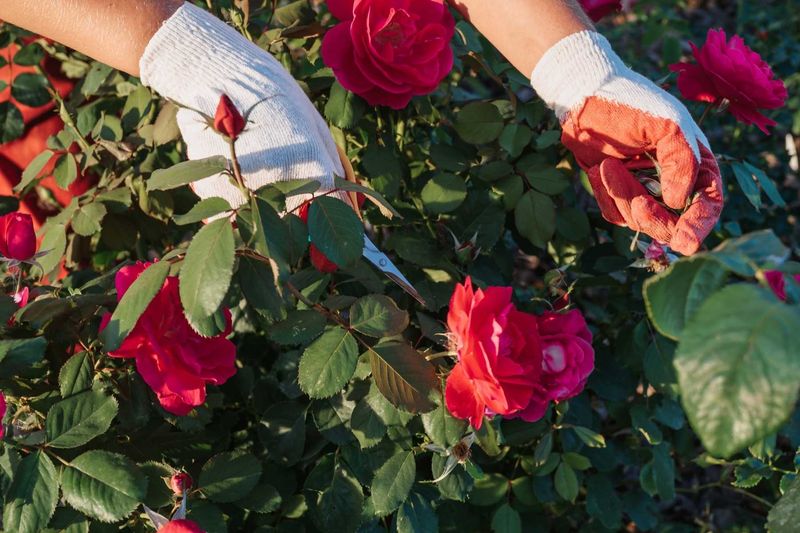
Before you feed, take a few minutes to deadhead the spent blooms. Removing old flowers sends a message to the plant to keep producing.
Then apply your fertilizer of choice right after. This one-two punch of deadheading and feeding is one of the most effective tricks any rose gardener can use.
It keeps the energy flowing in the right direction and sets up a strong second wave of color. Timing really is everything when it comes to roses in June.
2. Start With A Slow-Release Rose Fertilizer
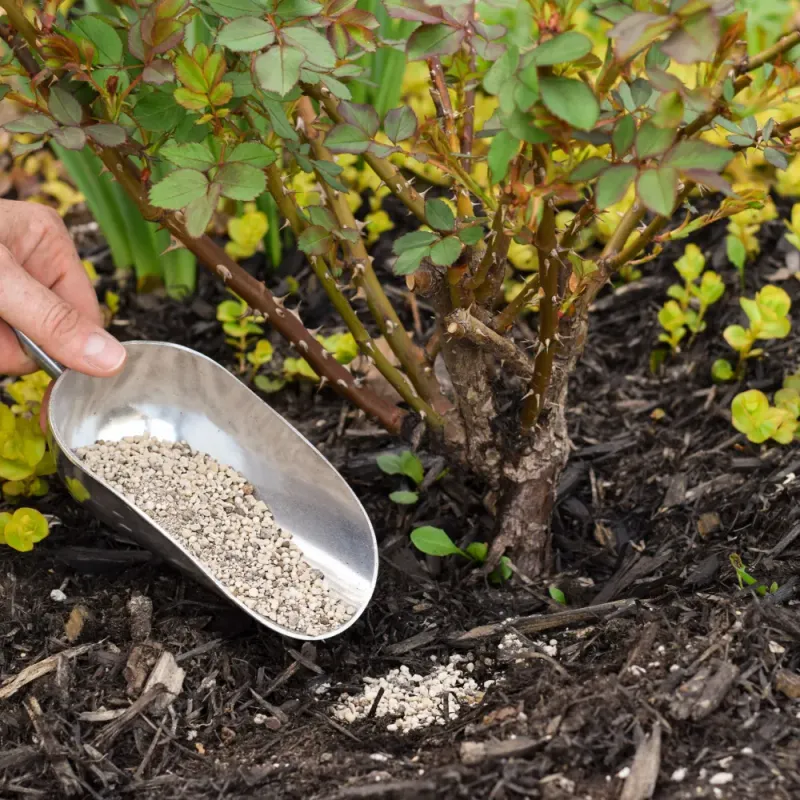
Slow-release fertilizers are a go-to choice for rose gardeners who want steady, reliable results without a lot of fuss.
These products break down gradually in the soil, feeding your roses a little at a time over several weeks.
That steady supply of nutrients keeps growth consistent and helps avoid the kind of sudden surge that can make plants more vulnerable.
Look for a fertilizer that is specifically labeled for roses. These blends are usually formulated with the right balance of nutrients that roses need most.
A good rose fertilizer will have a decent amount of phosphorus to support blooming and some potassium to strengthen the plant overall.
Sprinkle the granules around the base of each plant, following the package directions for spacing. Do not pile the fertilizer right up against the stem.
Keep it a few inches away to protect the base of the plant. Work the granules lightly into the top layer of soil with a hand rake, then water well.
In our state, where summers can shift between warm and cool, slow-release fertilizers are especially helpful because they keep working even when the weather changes.
Your Oregon Garden Changes Every Week. Your Plan Should Too.
Gardening in Oregon changes quickly throughout the season. Every Friday you’ll receive a simple weekly plan showing exactly what to plant, prune, fertilize, harvest, and protect so you never miss the right timing.
One application in early June can carry your roses well into midsummer with minimal effort on your part.
3. Add Compost Around The Root Zone

Compost is one of the most underrated tools in any rose gardener’s toolkit. It does not just feed the plant.
It improves the soil structure, helps retain moisture, and encourages the kind of healthy microbial activity that makes nutrients more available to roots.
Spreading a fresh layer around your roses in June is one of the smartest moves you can make.
Use finished compost, meaning it should look dark, crumbly, and smell earthy rather than sharp or sour.
Spread about two to three inches around each plant, keeping it a few inches back from the main stem.
This prevents rot and gives the roots room to breathe while still getting all the benefits.
The Pacific Northwest has soil that can range from heavy clay to sandy loam depending on where you live. Compost works well in both situations.
It loosens clay soil and helps sandy soil hold on to water and nutrients longer. Roses growing in improved soil almost always produce more blooms and have stronger stems.
You can make your own compost from kitchen scraps and yard waste, or pick up a bag from your local garden center.
Either way, adding compost in June gives your roses a natural, long-lasting nutritional foundation that supports blooming right through the summer months ahead.
4. Use Alfalfa Meal For A Gentle Bloom Boost
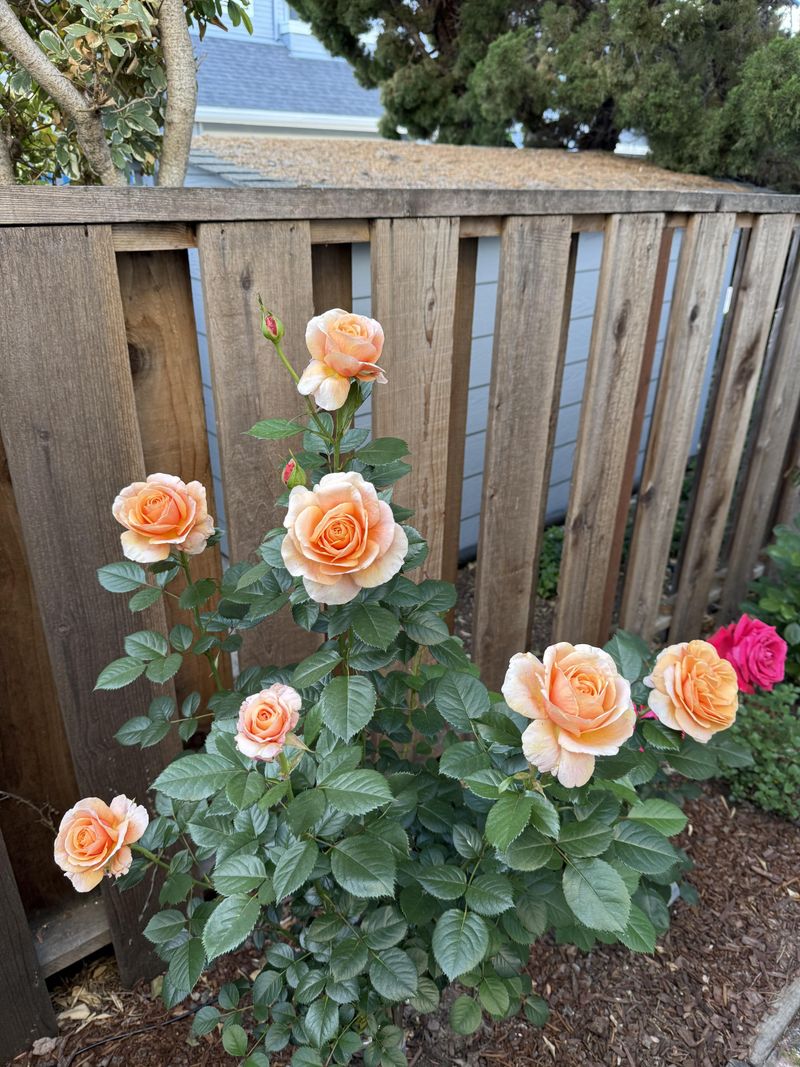
Alfalfa meal is a bit of a secret weapon among experienced rose growers. It is made from dried and ground alfalfa plants, and it contains a natural growth stimulant called triacontanol.
This compound encourages cell growth and can noticeably increase the number of blooms a rose produces over the season.
Beyond the growth boost, alfalfa meal also adds nitrogen, potassium, and trace minerals to the soil as it breaks down. It feeds slowly and gently, which means there is very little risk of overdoing it.
Most rose enthusiasts use about one cup of alfalfa meal per plant, worked lightly into the soil around the root zone and then watered in well.
Alfalfa meal is widely available at garden centers and farm supply stores throughout our state. It has a mild, earthy smell that fades quickly once it is worked into the soil.
Some gardeners also brew alfalfa tea by soaking the meal in water for a day or two, then pouring the liquid directly around the base of each plant. Both methods work well.
If your roses seem a little sluggish after their first bloom, alfalfa meal is a great way to wake them back up without overwhelming them with synthetic chemicals.
It is a tried-and-true approach that gardeners across the Pacific Northwest have trusted for generations.
5. Don’t Overdo Nitrogen In June
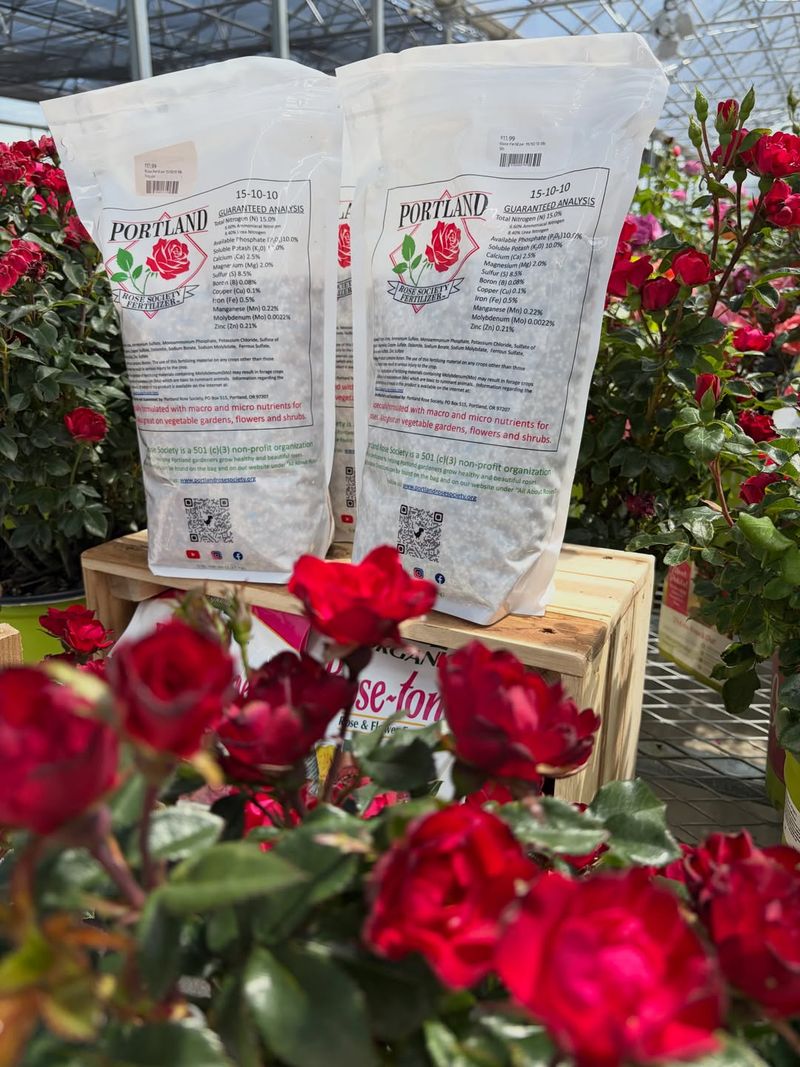
Nitrogen is essential for plant growth, but too much of it in June can actually work against you.
When roses get a heavy dose of nitrogen at this time of year, they tend to put all their energy into producing big, leafy green growth instead of flowers.
That might look impressive at first, but it means fewer blooms and a less colorful garden.
High-nitrogen fertilizers are better suited for early spring when you want to encourage the plant to leaf out and build its structure. By June, the focus should shift toward supporting flower production.
That means reaching for fertilizers with a higher middle number on the bag, which represents phosphorus, the nutrient most directly linked to blooming.
Read the label carefully before you apply anything. A fertilizer with numbers like 5-10-5 or 4-8-4 is a better fit for June than something like 10-5-5.
In our state, where the growing season can feel short, it is tempting to push roses hard with lots of fertilizer. But restraint pays off.
A balanced approach gives you more flowers, stronger stems, and healthier plants that are better equipped to handle whatever the summer weather brings.
Less really can be more when it comes to feeding roses in the middle of the season.
6. Water Deeply Before And After Feeding
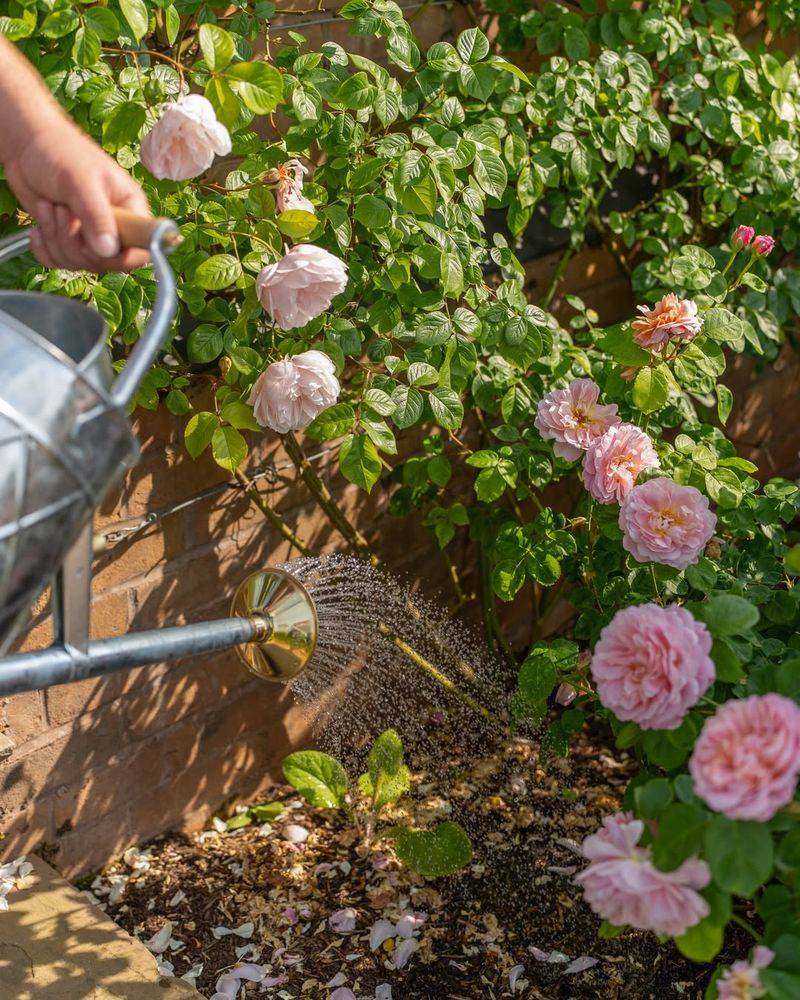
Watering your roses deeply before you fertilize is just as important as the fertilizer itself. Dry soil does not absorb nutrients well, and applying fertilizer to parched roots can actually cause damage to the plant.
A good deep watering the day before you plan to feed gets the soil moist and ready to work with whatever you apply.
After you spread your fertilizer, water again right away. This helps move the nutrients down into the root zone where they can actually be absorbed.
It also prevents the fertilizer from sitting on top of the soil and losing effectiveness through evaporation or runoff. Aim for slow, steady watering rather than a quick splash.
In many parts of our state, June can bring a mix of lingering spring rain and the first signs of summer dryness. Do not rely on rainfall alone to water in your fertilizer.
Check the soil moisture yourself by sticking a finger a couple of inches into the ground near the base of the plant.
If it feels dry, water before and after feeding. Roses generally need about an inch of water per week during the growing season.
Deep watering encourages roots to grow downward, which makes the plant more resilient during dry spells.
Good watering habits and good feeding habits go hand in hand for the best results.
7. Mulch After Feeding To Hold Moisture
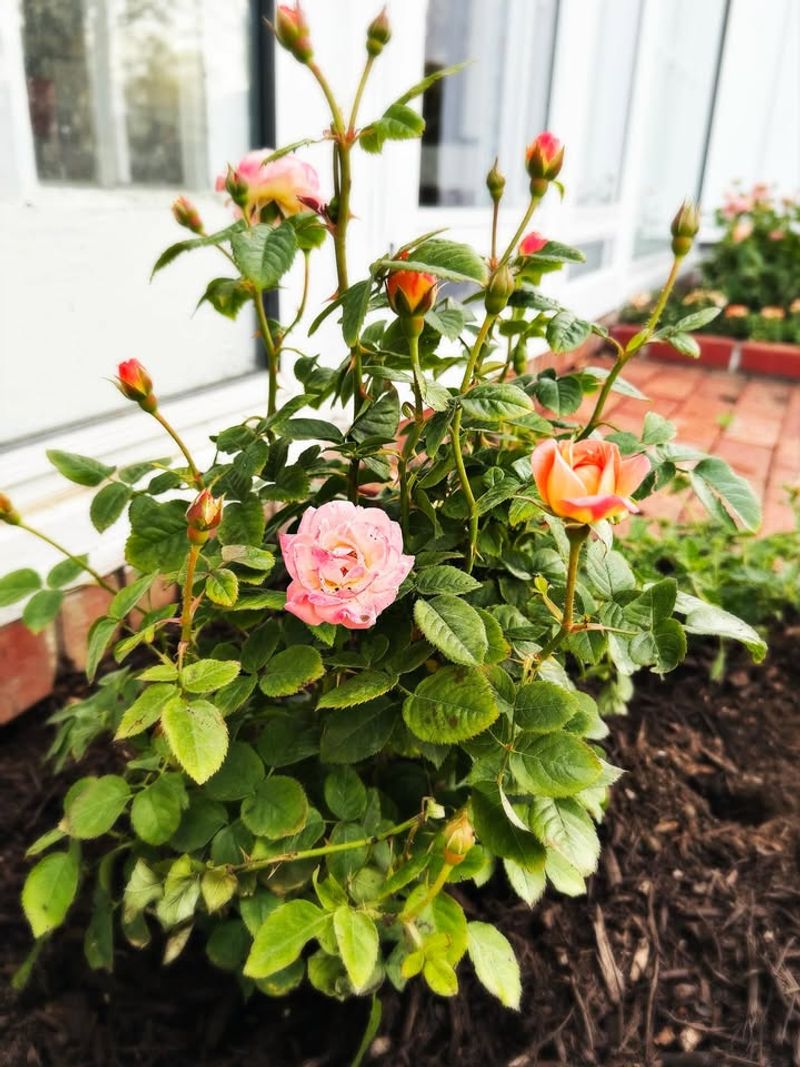
After you feed your roses, putting down a fresh layer of mulch is one of the best follow-up steps you can take.
Mulch acts like a blanket over the soil, slowing down evaporation and helping the ground stay moist for much longer between waterings.
In our state, where summer temperatures can climb quickly, that moisture retention makes a real difference.
Use a two to three inch layer of wood chips, shredded bark, or straw around each plant.
Keep the mulch a few inches away from the main stem to allow for good air circulation and to avoid creating conditions where the base of the plant could stay too wet.
Spread it out to cover the area where most of the roots are growing.
Mulch also helps moderate soil temperature, which roses appreciate during warm summer days.
As organic mulches break down over time, they add a small but steady supply of nutrients back into the soil.
That is a nice bonus on top of all the other benefits. Weeds are also much less likely to take hold in a well-mulched bed, which saves you time and effort throughout the season.
Taking ten minutes to lay down fresh mulch after feeding your roses is a simple habit that pays off in healthier plants and more consistent blooming bed all summer long.
8. Give Container Roses A Lighter, More Regular Feed
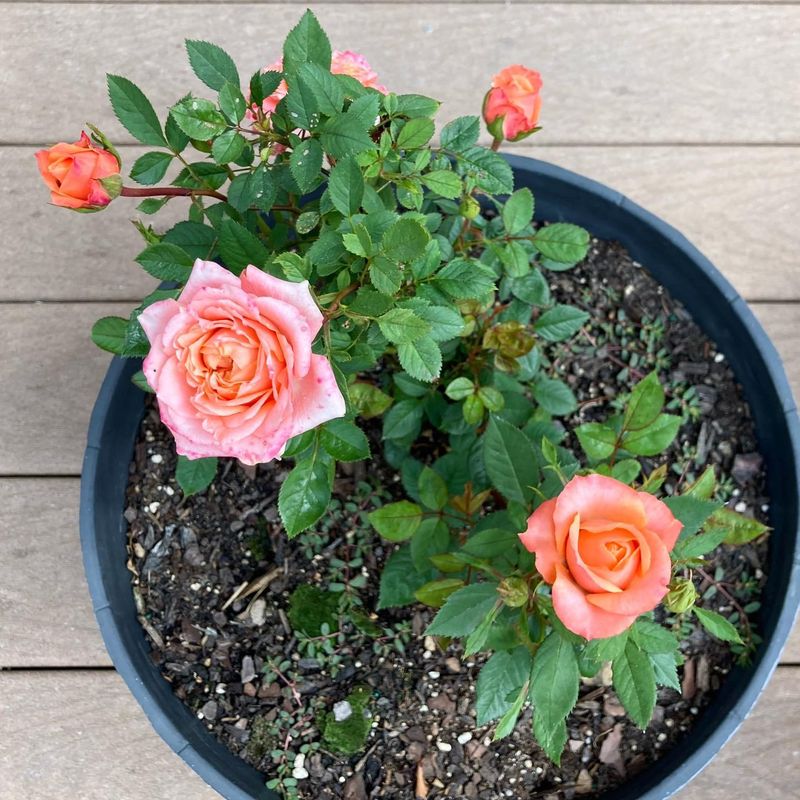
Roses growing in pots and containers have different needs than those planted in the ground.
Container soil dries out faster, and nutrients get washed away more quickly every time you water.
Because of this, pot-grown roses need to be fed more often, but with a lighter hand each time.
A liquid rose fertilizer or a water-soluble granule that you mix into your watering can works really well for containers. These products get absorbed quickly and give the plant a fast, accessible source of nutrients.
Feed container roses every one to two weeks during June rather than once a month like you might with in-ground plants.
Use about half the recommended dose on the fertilizer label each time you feed. This keeps nutrients available without building up to levels that could stress the roots in a confined space.
Container roses on patios and decks are very popular throughout our state, especially in urban areas where garden space is limited. They can bloom beautifully all summer long with the right care routine.
Check the soil moisture every day or two, since containers in full sun can dry out surprisingly fast.
Combining regular light feeding with consistent watering gives container roses everything they need to stay lush and loaded with blooms from June all the way through to fall.
A little extra attention goes a long way with these plants.