The Meaning Behind A Red Fox Appearing In Your Ohio Yard
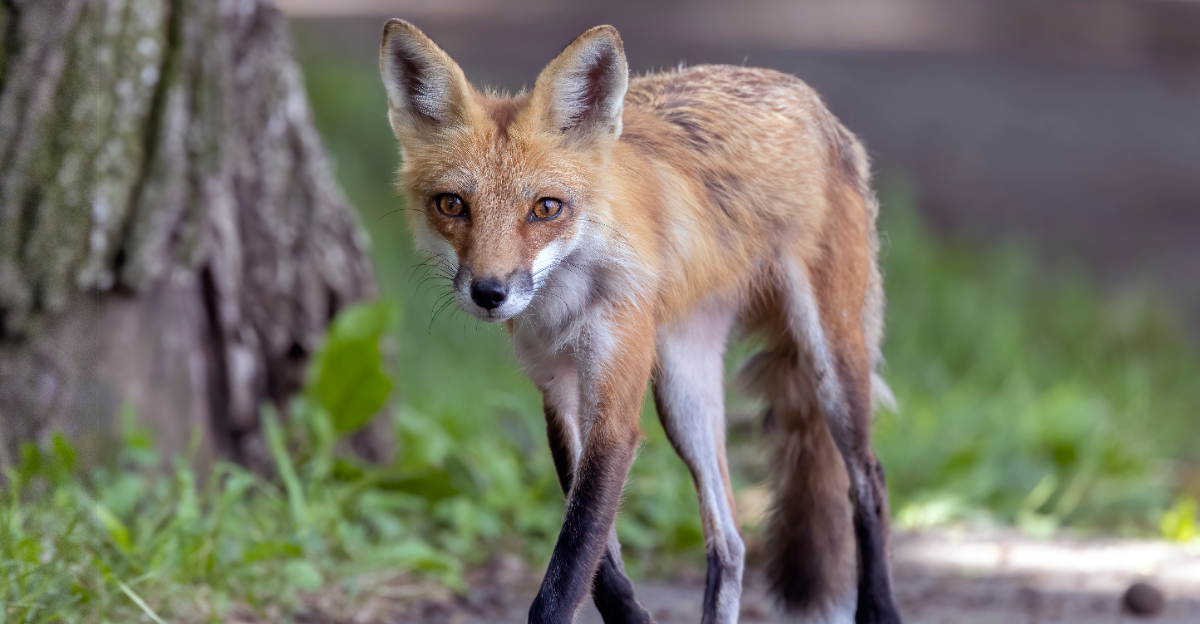
A red fox shows up in your Ohio yard and suddenly the whole morning stops. Most people just stand there watching, not sure what to do with the moment.
There is something about a fox that feels different from spotting a deer or a rabbit. More deliberate somehow.
Like it chose to be seen. Ohio homeowners are crossing paths with red foxes more often these days, in backyards, along fence lines, cutting across lawns in broad daylight.
And almost everyone who sees one wants to know the same thing. What does it mean?
Folklore has followed the fox for centuries across dozens of cultures, and the themes that keep coming up are surprisingly consistent. Beyond the symbolism, a fox in your yard is also saying something specific about your neighborhood’s habitat.
Both sides of that story are worth knowing.
1. A Red Fox Visit Often Points To Easy Food Nearby
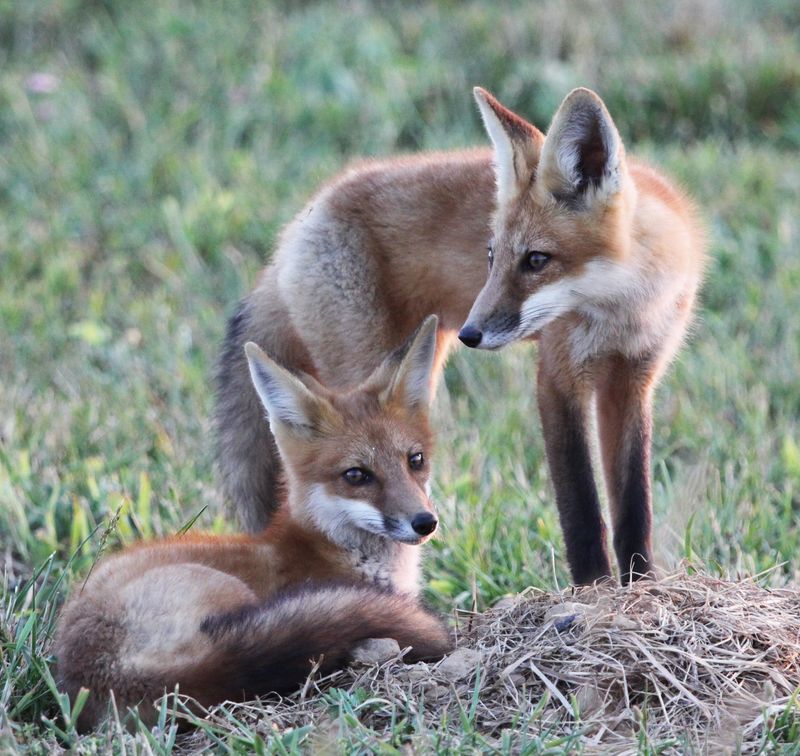
Spotting a red fox near your garden or back porch usually means one thing first: your yard is offering something worth eating. Red foxes are opportunistic feeders, meaning they take advantage of whatever food is most accessible at any given time.
According to the Ohio Department of Natural Resources, red foxes eat a wide variety of foods including mice, voles, rabbits, insects, berries, and fruit.
Fallen apples or crabapples, spilled birdseed near feeders, unsecured trash lids, outdoor pet food bowls, and compost scraps are all common attractants. A fox does not need to live in your yard to visit it regularly.
One reliable food source is enough to bring it back night after night.
The good news is that removing attractants is straightforward. Bring pet food inside after feeding time.
Use trash cans with locking lids. Rake up fallen fruit from trees.
Clean up birdseed spills beneath feeders and store chicken feed in sealed containers. Manage compost carefully and avoid adding meat scraps or strong-smelling food waste to open bins.
A single sighting does not mean the fox has moved in. Most of the time, the animal is simply passing through a route that happens to cross your property.
Remove the reward and the yard becomes far less interesting on its next patrol.
2. Seeing One Can Symbolize Adaptability And Quick Thinking
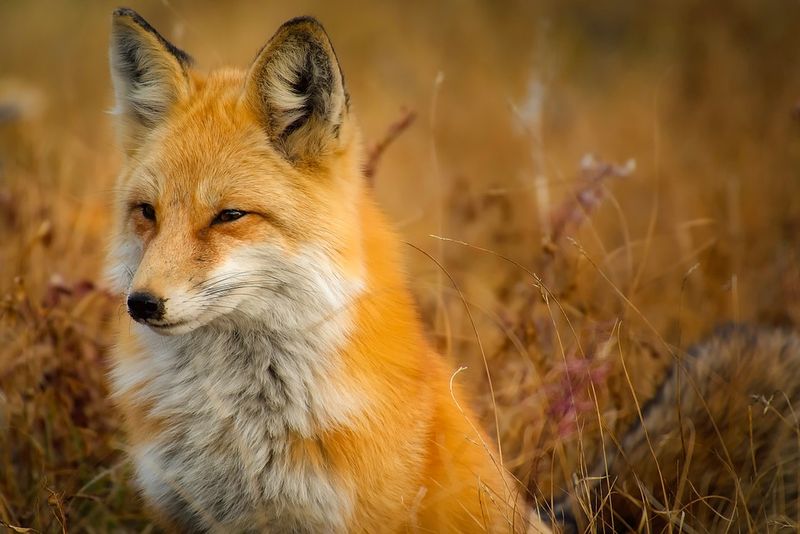
Cultures around the world have long seen the fox as a symbol of cleverness, quick thinking, and the ability to adapt when life gets complicated. In folklore from Native American traditions, European fairy tales, and East Asian legends, the fox often appears as a clever figure.
It uses its wits rather than its size to get ahead. Spotting one in your yard can feel like a quiet nudge toward that same kind of awareness.
That said, symbolism is personal. There is no single universal meaning attached to a fox sighting.
What the moment means to you depends on your own beliefs, your cultural background, and what is happening in your life right now. Some people see it as a reminder to stay sharp and flexible.
Your Ohio Garden Changes Every Week. Your Plan Should Too.
Gardening in Ohio changes quickly throughout the season. Every Friday you’ll receive a simple weekly plan showing exactly what to plant, prune, fertilize, harvest, and protect so you never miss the right timing.
Others simply enjoy the encounter as a rare and beautiful wildlife moment.
What makes this symbolism feel grounded is that it mirrors real fox behavior. Red foxes are genuinely one of the most adaptable wild animals in North America.
They thrive in farmland, suburban parks, wooded edges, and neighborhood corridors alike. They adjust their habits, their timing, and their routes based on what is around them.
If a fox crosses your path during a time of change or uncertainty, taking a moment to reflect on your own adaptability is never a bad idea. Let the sighting remind you that flexibility is a real strength.
3. Daytime Sightings Do Not Always Mean Something Is Wrong
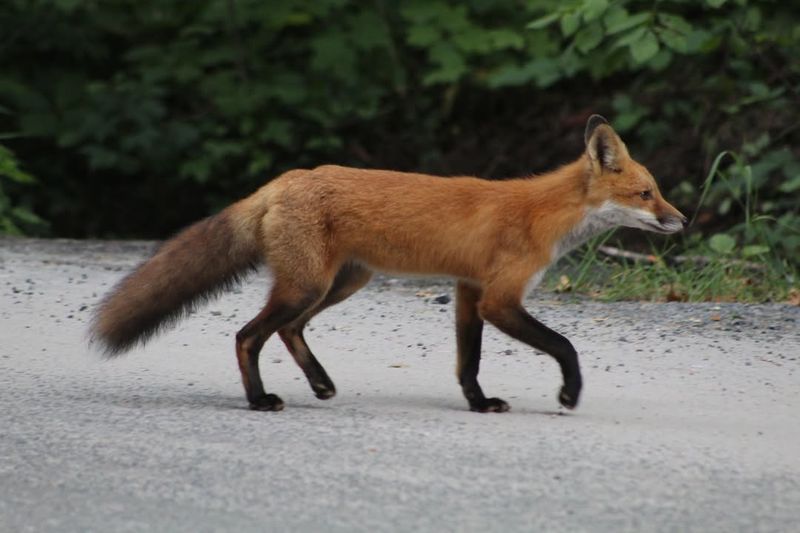
Many people assume that seeing a fox in daylight automatically means the animal is sick. That assumption is understandable, but it is not always accurate.
Red foxes can and do move during daytime hours. This is especially true when they are feeding young, traveling between cover areas, or avoiding competition from other nocturnal animals.
The Ohio Department of Natural Resources notes that daytime activity alone is not a reliable sign of illness.
A healthy fox moving through your yard during the day will typically look alert, move in a coordinated way, and show no interest in approaching people. It will usually trot through, pause to check its surroundings, and continue on its way.
That kind of behavior is completely normal.
There are signs that should prompt a call to your local wildlife officials or animal control. Watch for a fox that staggers, moves in circles, acts disoriented, drools heavily, or seems completely unafraid of people at close range.
Mange, which causes patchy fur loss and crusty skin, is also worth reporting to local authorities. Rabies is rare but possible, and any fox showing extreme aggression or erratic movement should be reported right away.
Never approach a fox that appears sick or injured. Observe from a safe distance and keep children and pets inside.
Contact your county’s animal control or the Ohio Department of Natural Resources for guidance on next steps.
4. A Fox In The Yard May Signal Good Cover Close By
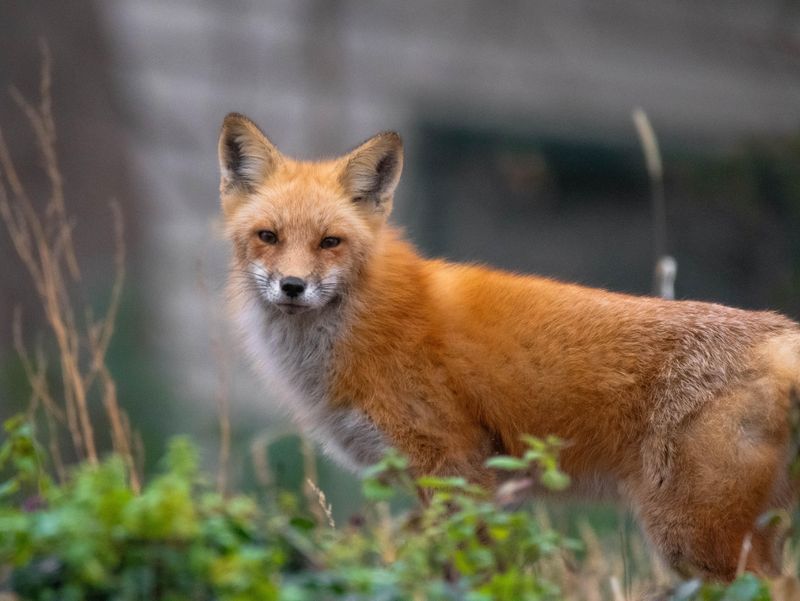
Foxes are not random wanderers. When one shows up in your yard, it is usually traveling a route that connects good cover to food and back again.
Brushy fence lines, tall grass patches, dense shrubs, drainage ditches, woodlot edges, and spaces beneath sheds or decks all function as travel corridors. They also serve as resting spots for red foxes moving through suburban and rural properties.
A wide-open, manicured lawn with nothing to hide in is far less appealing to a fox than a yard with some natural edge cover nearby.
If your property backs up to a wooded area, a brushy creek bank, or an overgrown corner lot, that cover is likely part of why the fox passed through.
Your yard may simply be a convenient gap in its regular route.
Homeowners who want to reduce repeat visits can take a few simple steps without destroying natural habitat entirely. Keep brush piles managed and away from the foundation of the house.
Close gaps under sheds, decks, and porches with hardware cloth if denning is a concern. Trim back overgrown edges near children’s play areas.
Keep the yard tidy near the home while leaving natural cover farther out along property edges.
Balancing wildlife-friendly habitat with home safety is the goal. A little cover is fine.
Just make sure the spaces closest to the house are not offering the fox an easy place to settle in.
5. Small Pets And Backyard Chickens Need Extra Protection
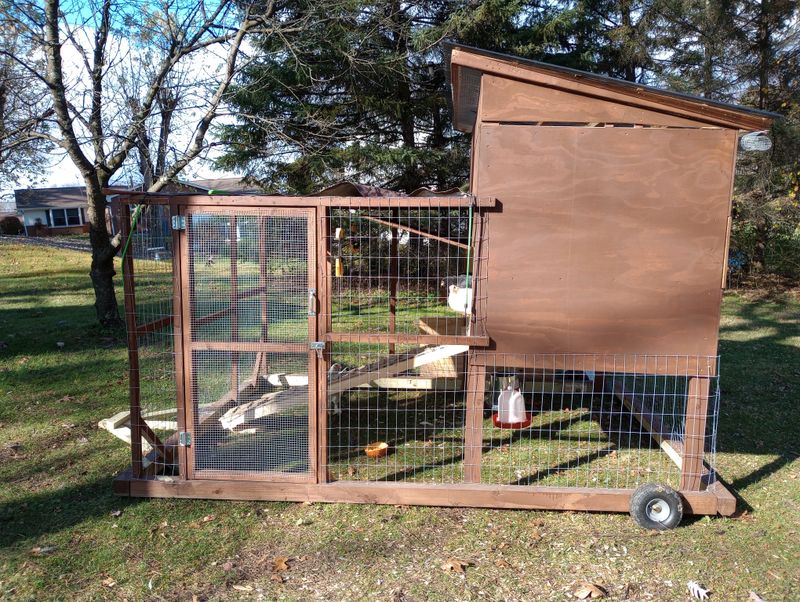
Red foxes are skilled predators, and backyard chickens, ducks, rabbits, and small pets can be vulnerable if precautions are not in place. This is not about villainizing the fox.
It is simply a reality of sharing space with a wild carnivore that is doing exactly what its instincts tell it to do.
Poultry keepers should use hardware cloth rather than standard chicken wire on coops and runs. Hardware cloth is much harder for a fox to tear through or chew.
Close coop doors every night before dark and latch them securely. Avoid leaving feed outside overnight, since spilled grain attracts rodents, and rodents attract foxes.
Bury fencing at least a foot underground or bend it outward at the base to prevent digging.
Small dogs and cats are also at some risk, especially at dusk and dawn when fox activity tends to peak. Supervise small pets during outdoor time rather than leaving them unattended.
Cats are generally safer indoors or in enclosed catios. If a fox is regularly testing your coop or threatening pets, contact a licensed wildlife professional.
You can also contact your local Ohio county Extension office for guidance on deterrents and options.
Never attempt to trap, relocate, or harm a fox on your own. Trapping and relocation of wildlife in this state is regulated and requires proper permits.
Reach out to the right authorities for any serious conflict situation.
6. Open Trash And Fallen Fruit Can Keep Foxes Coming Back
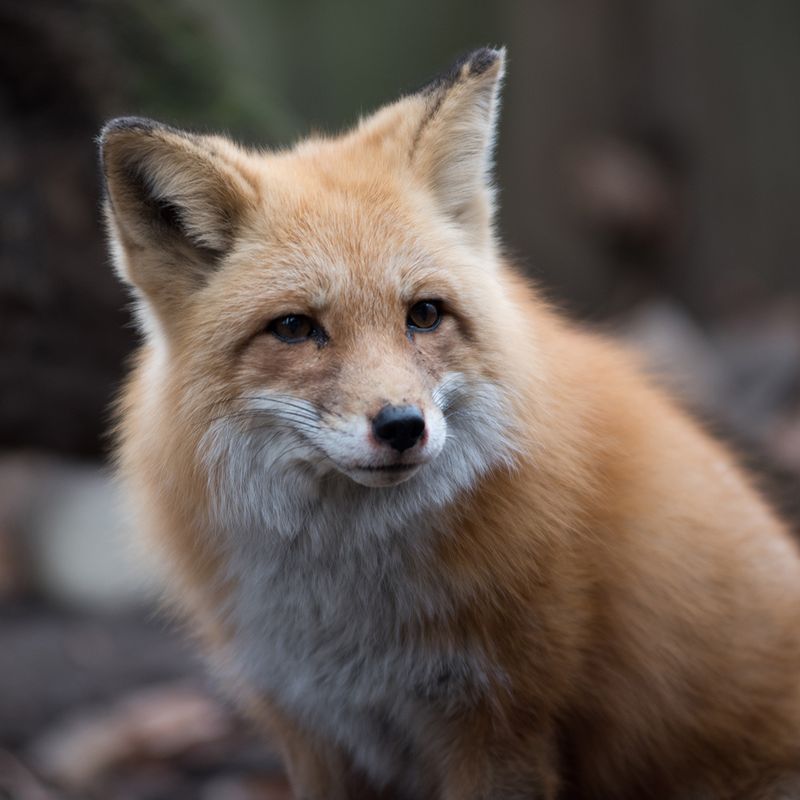
Repeat fox visits are usually a sign that your yard keeps restocking itself with something edible. Unlike a single passing encounter, a fox that returns night after night has found a reliable reward and learned your property is worth checking.
The most common culprits are easy to spot once you know what to look for.
Unsecured trash cans are one of the biggest draws. A fox can tip a lightweight bin or squeeze through a loose lid without much effort.
Compost bins without tight lids are another magnet, especially when they contain fruit scraps, cooked food remnants, or strong-smelling organic waste.
Fallen apples, pears, berries, and other fruit left on the ground beneath trees are also a regular food source for foxes in late summer and fall.
Spilled birdseed beneath feeders does not just feed birds. It attracts mice and voles, and mice and voles attract foxes.
Rodent activity around sheds, garages, wood piles, and garden sheds can keep a fox circling your property nightly. This can happen even if there is no visible food left out for it.
Tighten every lid, store feed in sealed metal containers, clean up fruit drops regularly, and manage your compost with care. Stopping intentional feeding is critical too.
A fox that associates people or a specific yard with food becomes bolder over time, and bold foxes create more complicated problems than shy ones.
7. A Den Nearby Means Young Foxes May Be Exploring
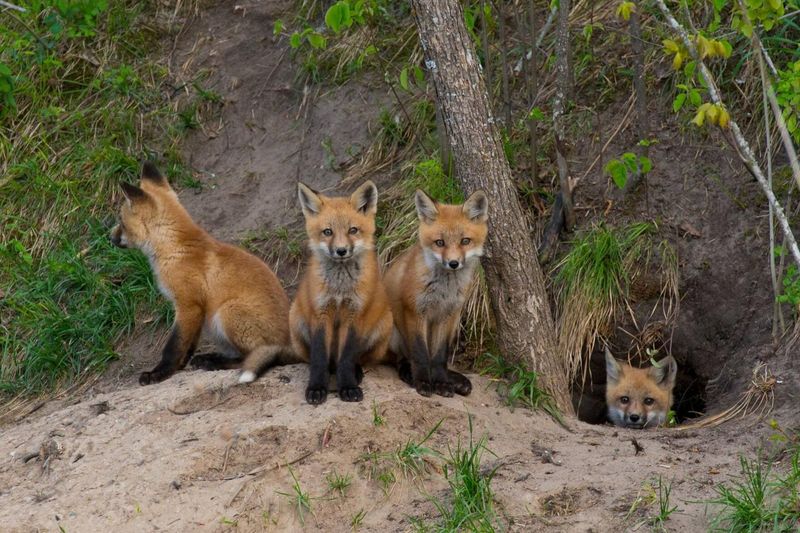
From late winter through early summer, red foxes in this state are raising their young. Mating typically occurs in January and February, with kits born around March and April.
By May and June, young foxes begin venturing away from the den entrance, and that is often when homeowners start noticing them.
A young fox exploring the yard may look a little wobbly, curious, or surprisingly unafraid, and that behavior is normal for its age.
Dens can be located under sheds, decks, porches, brushy banks, woodpile stacks, or in quiet corners of a property that do not see much foot traffic.
An active den is usually marked by a cleared entrance, scattered food scraps, and the occasional sound of kits playing.
The adult foxes are almost always nearby, even if you cannot see them.
Give an active den plenty of space. Keep pets away from the area.
Avoid blocking or disturbing an active den entrance without guidance from a licensed wildlife professional. Separating young foxes from their parents creates more problems than it solves.
If the den location is creating a genuine safety concern, contact your local Ohio county wildlife office or a licensed wildlife control operator for advice.
Most fox families move on once the young are old enough to travel. Patience and distance are the best tools during denning season.
Resist the urge to handle or photograph kits up close.
8. A Red Fox Sighting Reminds You To Respect Wild Neighbors
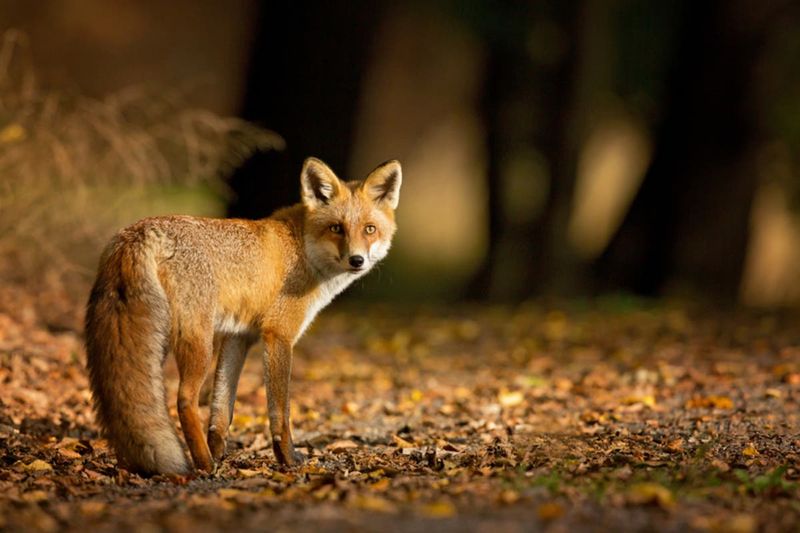
There is something genuinely special about locking eyes with a wild red fox in your own backyard. For a moment, the boundary between the human world and the natural one gets a little thinner.
Yards across this state connect to a larger wild landscape, and the fox is one of the clearest reminders of that connection.
The practical takeaway is simple. Watch from a distance.
Keep a camera handy if you want to capture the moment, but stay calm and avoid moving toward the animal. Secure attractants, protect your pets and poultry, and let a healthy fox continue on its way without interference.
Most visits are brief, and a fox that is not being fed or cornered will move along on its own.
The symbolic takeaway is just as worth keeping. A fox sighting can invite you to pay closer attention, move more carefully, and stay aware of what is happening in the spaces around you.
Whether you see that as spiritual meaning, personal reflection, or simply a good habit, it is hard to argue with the instinct to slow down and notice more.
Foxes do not need our help to survive in Ohio. They need space, healthy habitat, and neighbors who understand that coexistence works best when we respect the boundaries between wild and domestic life.
Let the sighting be a moment of appreciation rather than alarm.