The Lantana Mistake Ohio Gardeners Make In June That Stops Blooming For Weeks
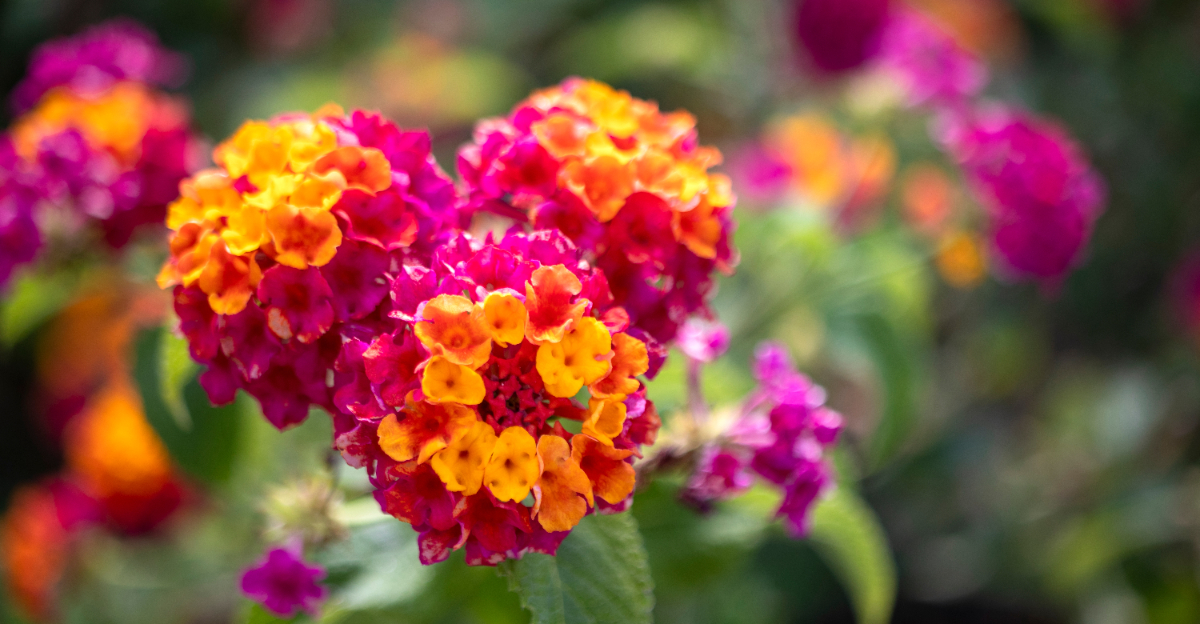
Lantana is supposed to be one of the easiest bloomers in an Ohio summer garden. Heat tolerant, low maintenance, covered in color from June straight through fall.
So why do so many pots and beds hit a wall in midsummer where the blooms just stop showing up? Most people blame the weather or assume the plant needs replacing.
The real answer is almost always a single mistake made back in June, one that seems completely harmless in the moment.
Lantana has a specific requirement during its most active growth period and skipping it triggers a bloom pause that can stretch for weeks.
The frustrating part is how avoidable it is once you know what to look for. June is exactly the month this mistake happens most often because the plant looks so good that it feels like nothing needs attention.
That confidence is usually what causes the problem.
1. Too Much Nitrogen Pushes Leaves Instead Of Flowers
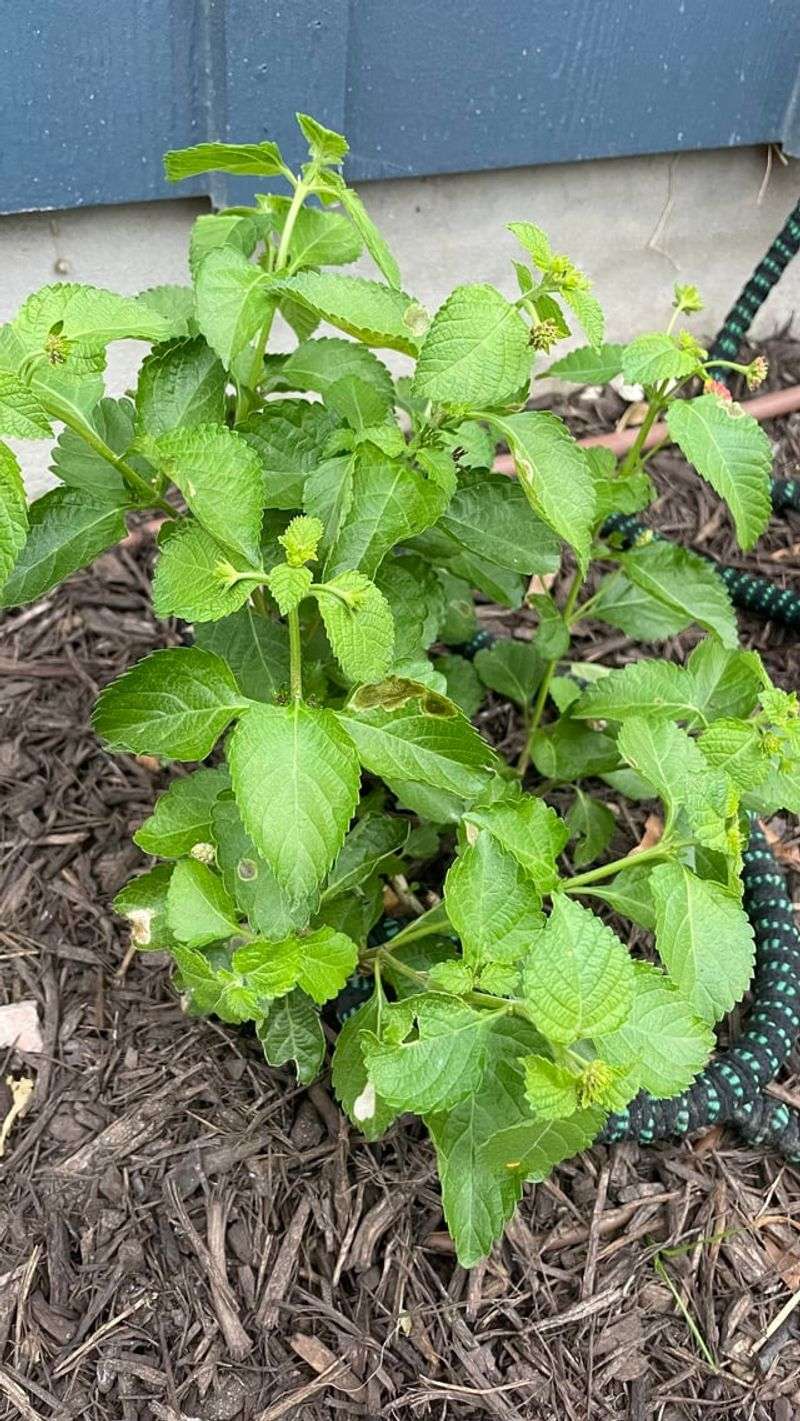
Grab a bag of general-purpose fertilizer and check the first number on the label. That number tells you the nitrogen content, and if it is high, you may be feeding your lantana into a leafy frenzy instead of a flowering one.
Nitrogen encourages plants to put energy into stems and foliage, and lantana is especially sensitive to this push when conditions are already warm and growing fast.
Many gardeners reach for fertilizer when a plant looks slow, thinking more food will speed things up. With lantana, that move can backfire.
If the plant is already getting nitrogen from a pre-charged potting mix, adding more on top creates an imbalance that favors green growth over buds.
Ohio State University Extension guidance on summer annuals points to balanced fertilization as a better approach than heavy nitrogen feeding.
A fertilizer labeled for blooming plants, used only as directed on the package, gives lantana the support it needs without pushing all that energy into leaves.
Check your potting mix before feeding at all. Many bagged mixes sold in spring already contain a slow-release fertilizer that feeds plants for weeks.
Adding more fertilizer on top of that built-in supply is one of the most common June mistakes container gardeners make without realizing it.
If you have already overfed, the fix is not to panic. Stop feeding for a few weeks, move the plant into full sun if possible, and let the existing nutrients work through the soil.
New buds should begin forming once the nitrogen load levels out and the plant refocuses its energy.
2. Shady Spots Keep Lantana From Blooming Strongly
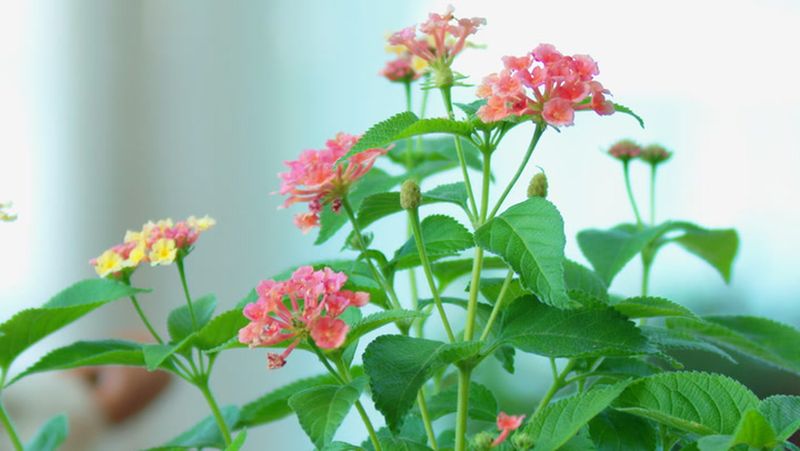
Most summer annuals can tolerate a little shade, but lantana is not one of them. It is a full-sun plant, and that label is not just a suggestion.
Without enough direct light each day, lantana slows its flower production noticeably, even when everything else about the care routine seems right.
Porch pots and patio planters are often placed for looks rather than light. A beautiful spot near the front door might only catch a few hours of morning sun before a roofline or tree line blocks the rest.
Your Ohio Garden Changes Every Week. Your Plan Should Too.
Gardening in Ohio changes quickly throughout the season. Every Friday you’ll receive a simple weekly plan showing exactly what to plant, prune, fertilize, harvest, and protect so you never miss the right timing.
By June, trees that were bare in April are fully leafed out, and a container that had decent light in May may now be sitting in much more shade than expected.
June in this state also brings cloudy stretches, afternoon thunderstorms, and cooler spells that reduce overall light intensity. Even a south-facing patio can feel shaded during a gray week.
When that happens, lantana in marginal spots really struggles to push out new blooms.
Moving a container gradually into brighter light is better than a sudden shift. A drastic change from deep shade to full afternoon sun in one day can stress the plant and cause leaf scorch.
Instead, move the pot a little closer to a sunny spot each day over the course of a week.
If the container cannot be moved, consider whether the spot is truly working for lantana. Sometimes swapping it with a more shade-tolerant annual is the practical solution.
Saving the lantana for a sunnier location will get you the color show you were hoping for.
3. Cool June Weather Can Slow Buds More Than Expected
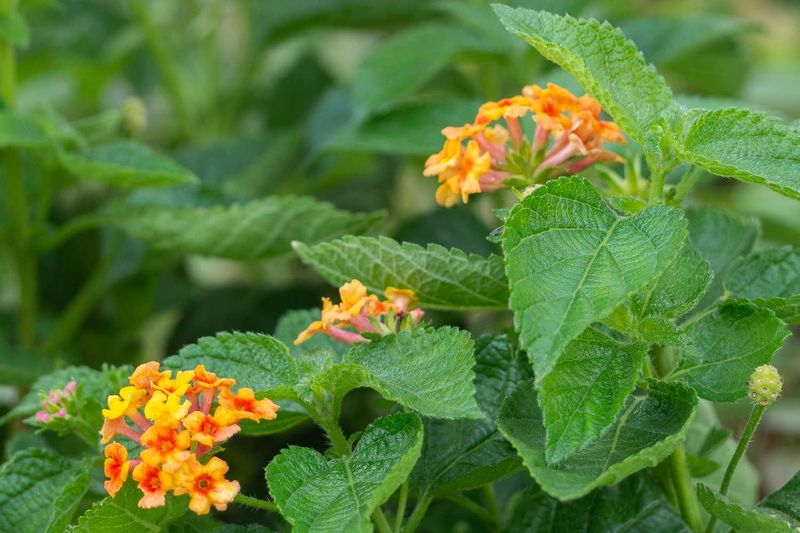
Not every June in this state arrives warm and sunny. Some years bring cool nights, persistent cloud cover, and stretches of rain that feel more like late April than early summer.
For a warm-season annual like lantana, that kind of weather is a real setback, and the plant often responds by holding back on flower production until things heat up.
Lantana originates from warm tropical and subtropical regions, and it genuinely needs warmth to perform at its best. When nighttime temperatures stay cool or daytime highs stay below what the plant prefers, bud development slows down.
This is not a sign that something is wrong with the plant or that you made a mistake. It is simply how lantana responds to weather it was not built for.
The tricky part is that gardeners often see the lack of blooms and assume the plant needs more fertilizer or more water. Overreacting with extra feeding during a cool, cloudy stretch can make things worse, not better.
The plant is already running slowly, and pushing it with nitrogen will just add more foliage to an already sluggish system.
The practical move here is patience combined with good positioning. Keep the plant in the sunniest spot available and hold off on extra feeding until the weather warms up and stays warm.
Consistent heat is what finally unlocks strong bloom cycles in lantana, and once temperatures stabilize, the plant usually responds quickly.
Watch the new growth tips after a warm spell arrives. Fresh green tips followed by small bud clusters are a good sign that the plant is shifting back into flowering mode.
That is your cue to resume normal care.
4. Overwatering Leaves Roots Struggling Instead Of Flowering
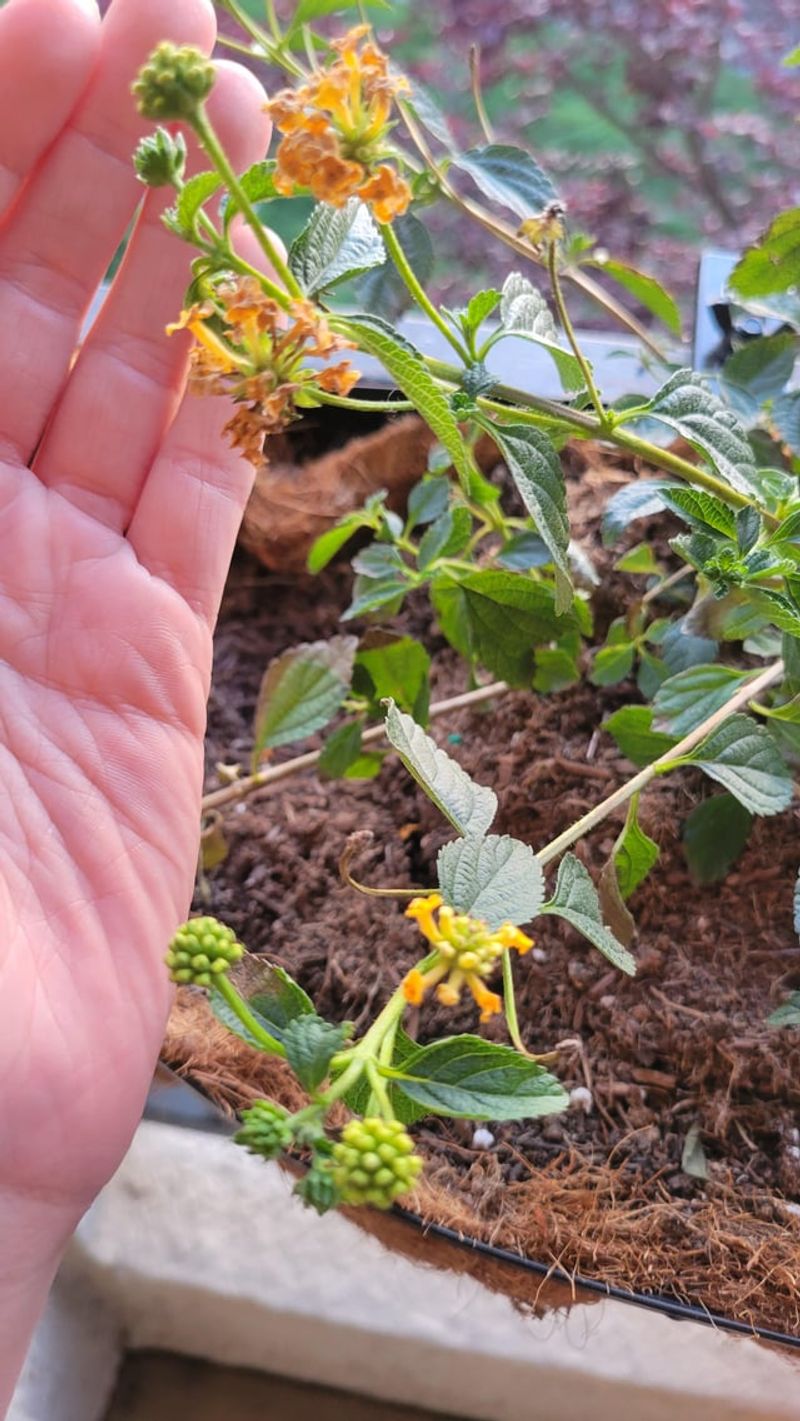
Watering on a strict schedule sounds responsible, but with lantana it can cause more problems than it solves. This plant prefers soil that dries out a bit between waterings.
Keeping the potting mix constantly wet stresses the roots and can show up as poor flowering before anything else.
June can be a confusing month for watering decisions. Early in the month, cooler temps and rain may mean the soil stays moist for days at a time.
Later in the month, a heat wave can dry containers out fast. Following a fixed watering schedule through all of that means some weeks the plant gets too much and some weeks too little.
The fix is simple but requires a habit change. Before watering, push a finger an inch or two into the potting mix.
If it still feels damp, skip that day and check again tomorrow. If it feels dry, water thoroughly until it drains out the bottom of the pot.
That drainage is important too, because lantana sitting in a saucer full of water after a rainstorm is essentially sitting with wet feet.
Empty saucers after heavy rain. Make sure your container has drainage holes that are not clogged with roots or compacted soil.
A pot that looks like it is draining but is actually holding water at the bottom can slowly stress roots over weeks without any obvious signs at the surface.
Consistent, appropriate watering is one of the quieter fixes for a non-blooming lantana. Roots that are healthy and breathing properly give the plant the foundation it needs to shift energy back into flowers.
5. Skipping Light Trimming Lets Leggy Growth Take Over
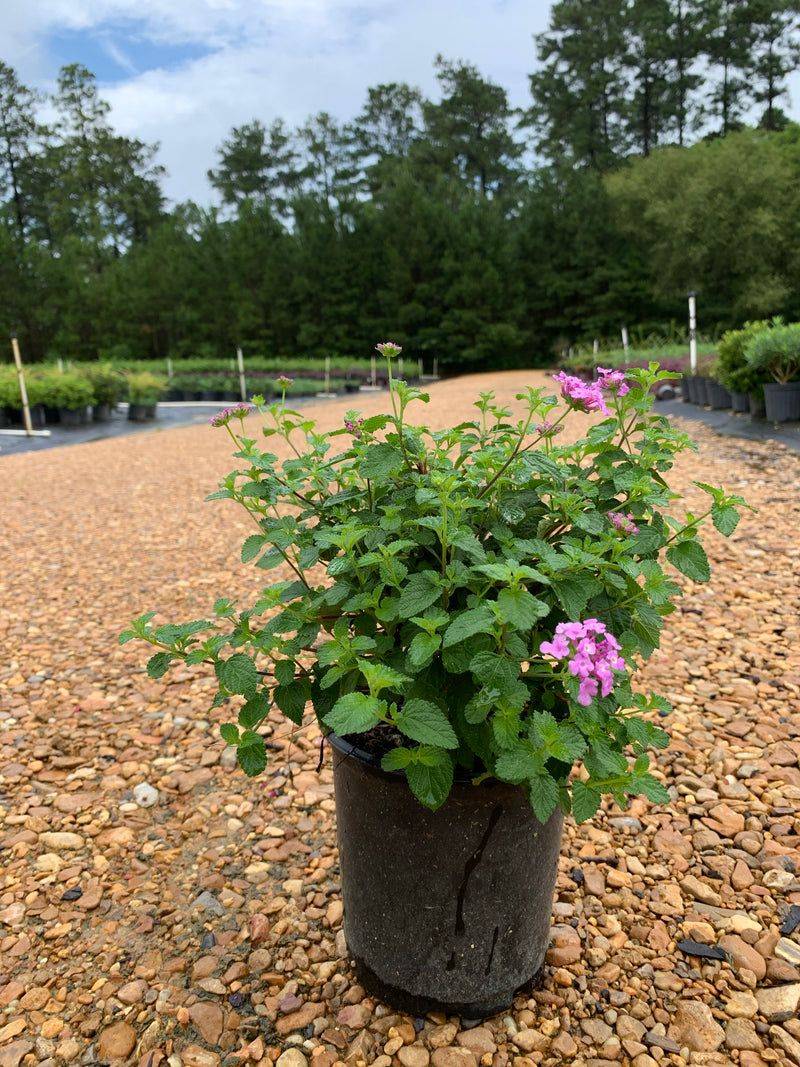
By the time June rolls around, a lantana that was planted in May can already start looking stretched and uneven. Stems reach out in different directions, and the center of the plant gets crowded.
The tips that should be producing flower clusters end up carrying tired, woody growth instead. A little light trimming can change all of that without putting the plant under stress.
The goal with trimming is not to cut the plant back hard. Shearing lantana aggressively during a hot or dry period can shock it and push the bloom timeline back even further.
Instead, aim for a light shaping that removes the longest, leggiest stems and opens the plant up to better air and light circulation.
Use clean, sharp pruners or scissors and trim back stems that look stretched or bare. Cutting just above a leaf node encourages new branching, and that new growth is where the next round of flower buds will appear.
After trimming, water the plant if the soil feels dry, and move it into the best available light.
Trimming is less critical for many modern lantana varieties because they are bred to be fairly self-cleaning.
But removing spent flower clusters when you notice them does not hurt, and it keeps the plant looking tidy while signaling that more blooms are welcome.
Avoid trimming during the hottest part of the day or during a heat wave when the plant is already stressed. Early morning is the best time to do any cutting.
Give the plant a few days to recover before expecting to see new bud clusters forming at the trimmed tips.
6. Crowded Pots Make Lantana Compete For Water And Food
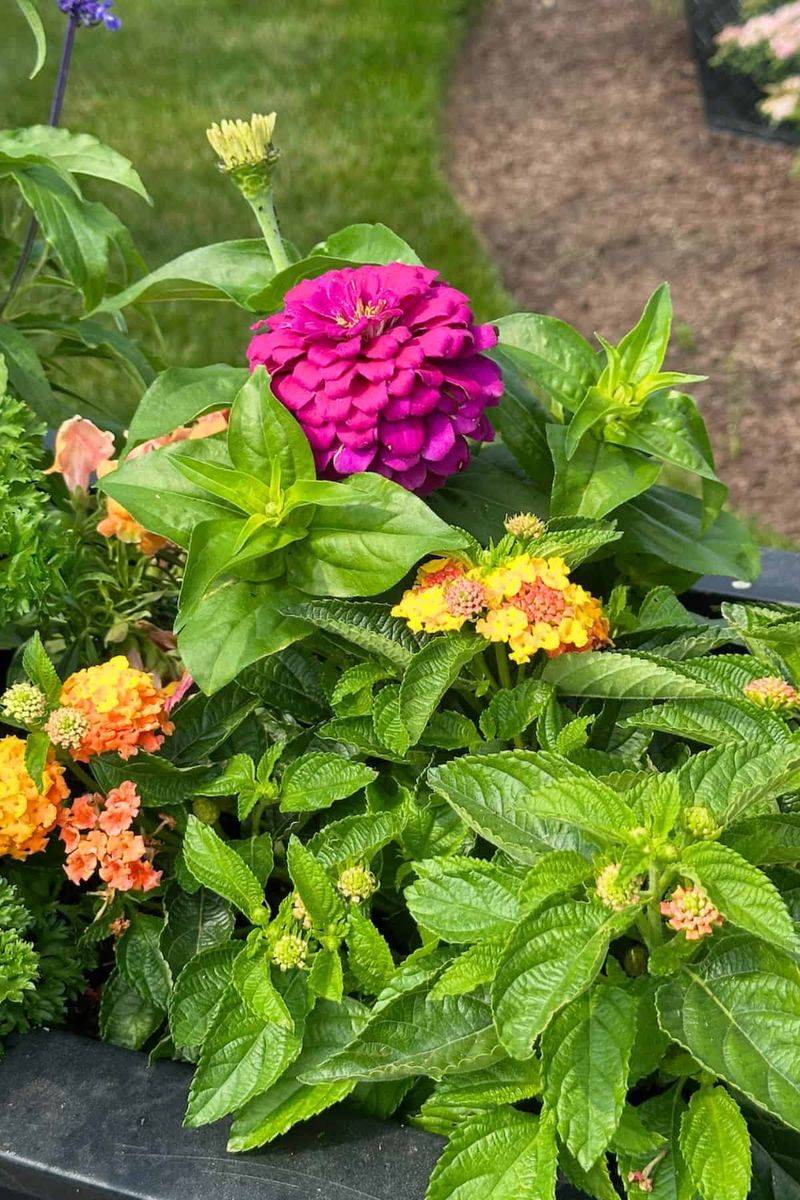
A big mixed container looks gorgeous at the garden center in May when everything is small and tidy. Fast forward to June, and those same plants have filled in, spread out, and started pushing against each other.
Lantana is often the one that loses in this situation, especially when paired with aggressive growers like sweet potato vine or spreading petunias.
Crowding creates a few problems at once. Roots compete for water and nutrients in the same limited volume of potting mix.
Taller or wider companions can shade out the lantana from above, cutting into the light it needs for strong flowering. And when one plant in a crowded pot gets stressed, the whole container can start looking ragged.
Check your mixed planters now if you have not already. Look at whether the lantana has room to spread and whether it is getting blocked from above.
If a companion plant has taken over, you may need to trim it back or remove it entirely to give the lantana a fair shot at sun and space.
For porch and balcony gardeners working with limited space, choosing companions wisely from the start makes a big difference. Plants with similar sun and water needs tend to coexist with lantana more peacefully.
Compact zinnias or upright salvias are better companions than sprawling or vining types.
If crowding has already become a problem, repotting the lantana into its own container is a legitimate option.
Solo pots give you better control over watering, feeding, and light, and lantana often responds to that kind of undivided attention with a stronger bloom cycle.
7. Patience Matters Before You Blame The Plant
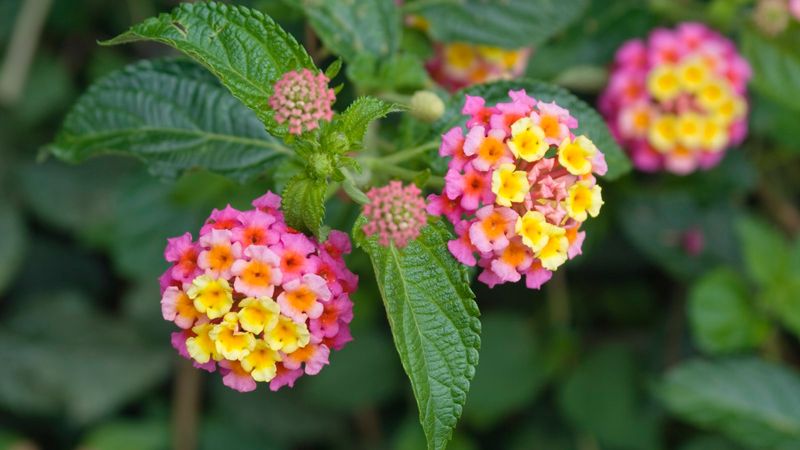
Pulling a plant that is just going through a rough patch is one of the most common and most avoidable mistakes in container gardening. Lantana can pause after transplanting, slow down during a cool spell, or stall after being overfed.
In each case, the plant can come back strong once the basics are corrected.
Before replacing anything, run through the checklist. Is the plant getting at least six hours of direct sun each day?
Is the soil draining properly and drying out between waterings? Has it been overfed recently, or is the potting mix still loaded with slow-release fertilizer?
Is it crowded, shaded by companions, or sitting in a spot that gets less light than it did a month ago?
Correcting one or two of those things at a time is smarter than overhauling everything at once. If you move the pot, adjust the watering, trim lightly, and stop fertilizing all in the same week, you will not know which change made the difference.
Start with sun and drainage, since those two factors have the biggest influence on lantana flowering.
New buds do not appear overnight. After making adjustments, give the plant at least two to three weeks before drawing any conclusions.
Watch the growth tips closely. Fresh green growth followed by small tight clusters is a reliable sign that the plant is shifting back into bloom mode.
One brief note worth keeping in mind: lantana is considered toxic to pets and livestock if eaten, so keep that in mind when placing pots where animals have access. Beyond that, stay the course, trust the process, and let the plant show you what it can do.