These Are The Florida Purslane And Edible Weeds Worth Keeping In Your Garden This Summer
Summer in Florida does not leave garden beds empty for long.
While the heat and afternoon rain do their thing, a wave of volunteer plants quietly pushes up through containers, raised rows, landscape edges, and anywhere else they can find a foothold.
Most gardeners pull them without a second thought, and sometimes that is the right call.
But a few of those uninvited guests, purslane and some other carefully identified edible weeds, actually have culinary history, pollinator value, and a legitimate place in the conversation.
Florida gardens have a tendency to surprise you if you pay attention. Before eating anything foraged from your yard though, proper identification is essential.
Not every green that looks harmless actually is, and that is one gardening shortcut that is never worth taking.
1. Common Purslane Handles Summer Heat
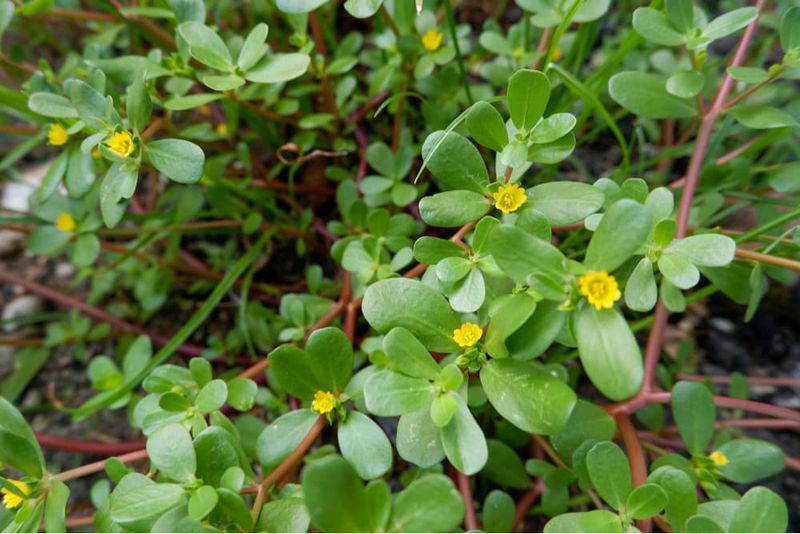
Walking through a Florida vegetable garden on a hot July morning, you might spot a low-growing plant with thick, fleshy leaves sprawled across bare soil near your tomatoes or peppers.
That plant is likely common purslane, known botanically as Portulaca oleracea, and it is one of the more recognizable edible weeds found in warm-season gardens.
Purslane thrives in the kind of conditions that slow down many other plants. Full sun, sandy soil, and humid summer heat seem to encourage it rather than slow it down.
It spreads quickly during rainy season, filling gaps in garden beds and containers with surprising speed. Gardeners who leave a little space near edible plantings sometimes find purslane volunteering without any effort at all.
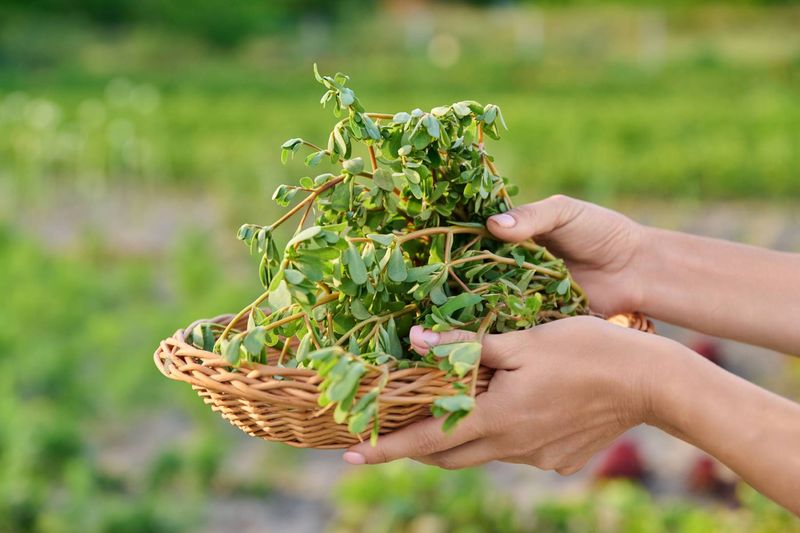
The plant has succulent stems and small, paddle-shaped leaves with a slightly mucilaginous texture when eaten raw. It has been used as a food plant in many cultures around the world for centuries, and it can be eaten raw in small amounts or lightly cooked.
Young stems and leaves are the most commonly used parts.
One important caution worth knowing is that purslane contains oxalic acid, which is also found in spinach and wood sorrel. People who have been advised by a doctor to limit oxalate intake should use caution with purslane.
Always confirm identification before harvesting, and avoid collecting from areas treated with pesticides, herbicides, or exposed to runoff or animal waste.
2. Wood Sorrel Has A Tart Flavor
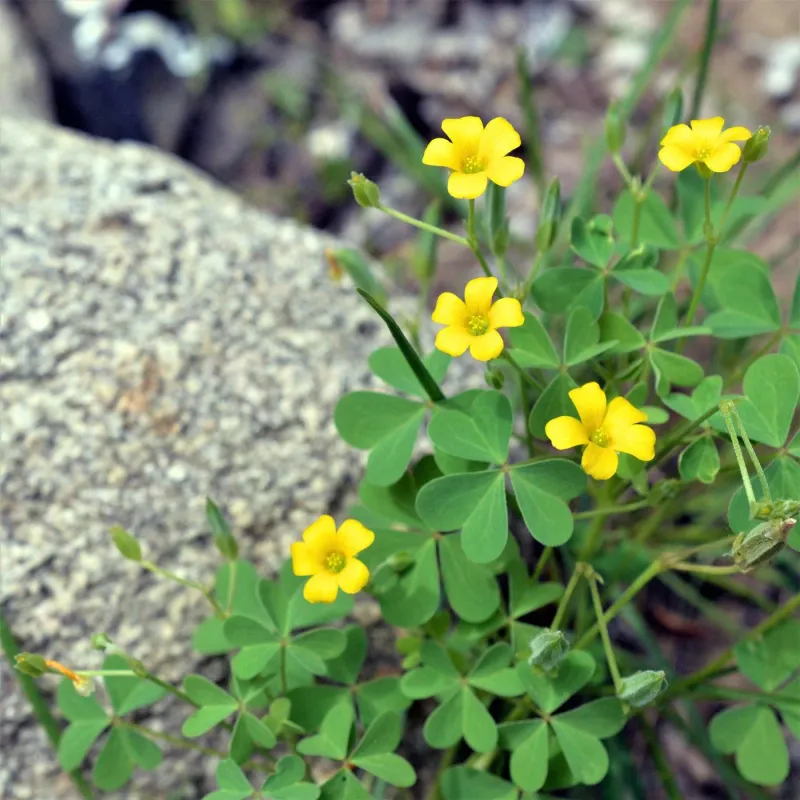
Spotted in a shady corner of a Florida backyard, wood sorrel has a way of charming gardeners before they even know what it is. Its clover-like leaves, folded neatly in threes, and its delicate little flowers make it look almost too pretty to be a weed.
Many homeowners walk past it every day without realizing it is one of the most widely distributed edible volunteers in the state.
The tart flavor of wood sorrel comes from oxalic acid, the same compound that gives lemon juice part of its sharpness. A small leaf pinched from the plant and tasted offers a bright, citrusy bite that surprises most people the first time.
That tartness has made it a garnish and salad addition in various food traditions, though it is typically used in small amounts rather than as a main green.
Your Florida Garden Changes Every Week. Your Plan Should Too.
Gardening in Florida changes quickly throughout the season. Every Friday you’ll receive a simple weekly plan showing exactly what to plant, prune, fertilize, harvest, and protect so you never miss the right timing.
Several Oxalis species grow in Florida, and while many share the same general look and tart flavor, identification still matters. Not every clover-like plant is wood sorrel, and confusing it with something else could cause problems.
Looking for the characteristic heart-shaped leaflets and small five-petaled flowers is a good starting point, but consulting a local plant guide or extension resource is a smarter step before eating any of it.
Because Oxalis contains oxalic acid, moderation is particularly important for people with kidney concerns or those advised to watch oxalate levels. Avoid harvesting from lawn areas that may have received weed treatments, fertilizer runoff, or pet activity.
3. Spanish Needle Helps Pollinators
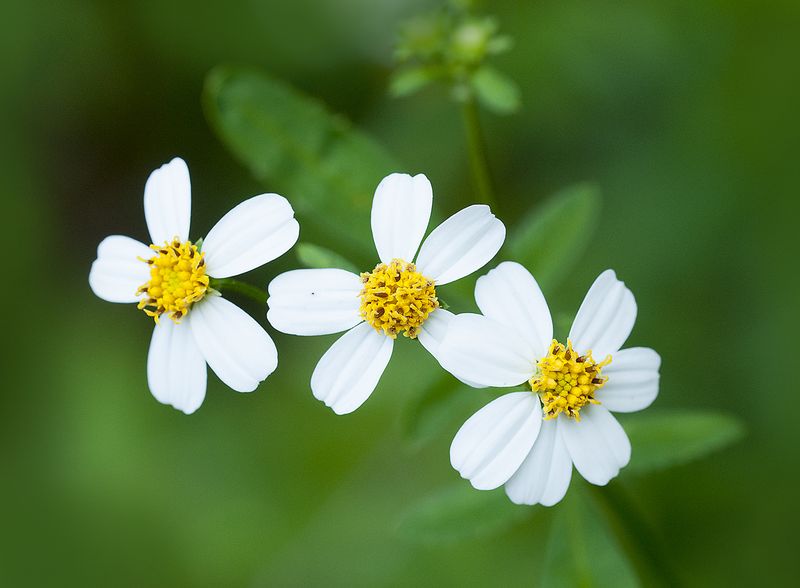
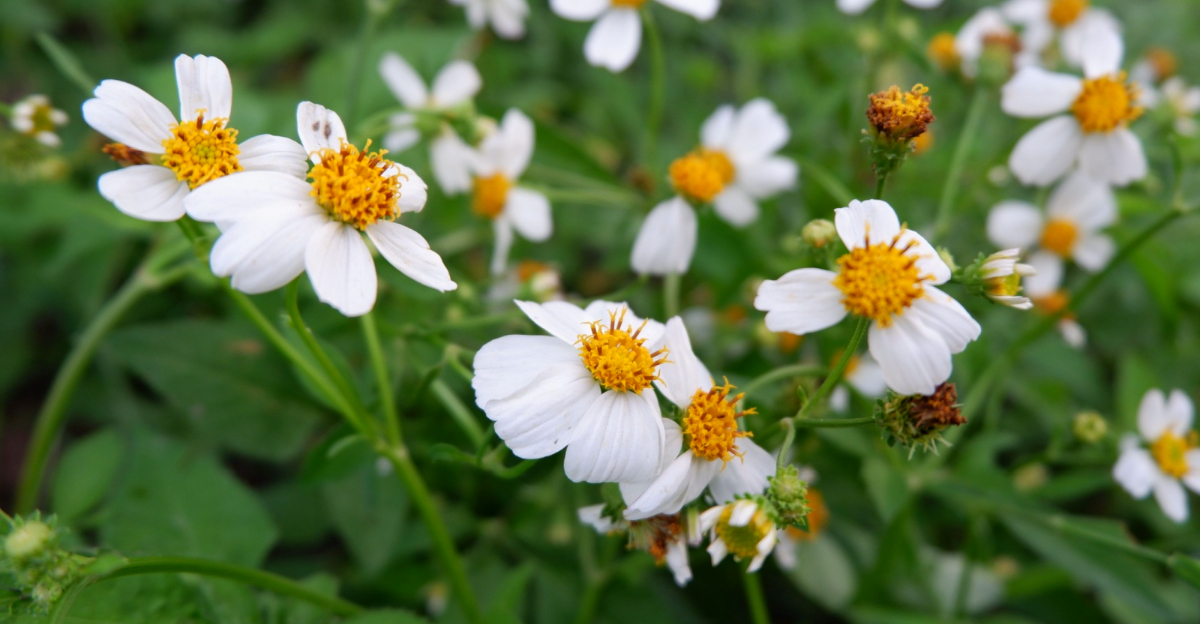
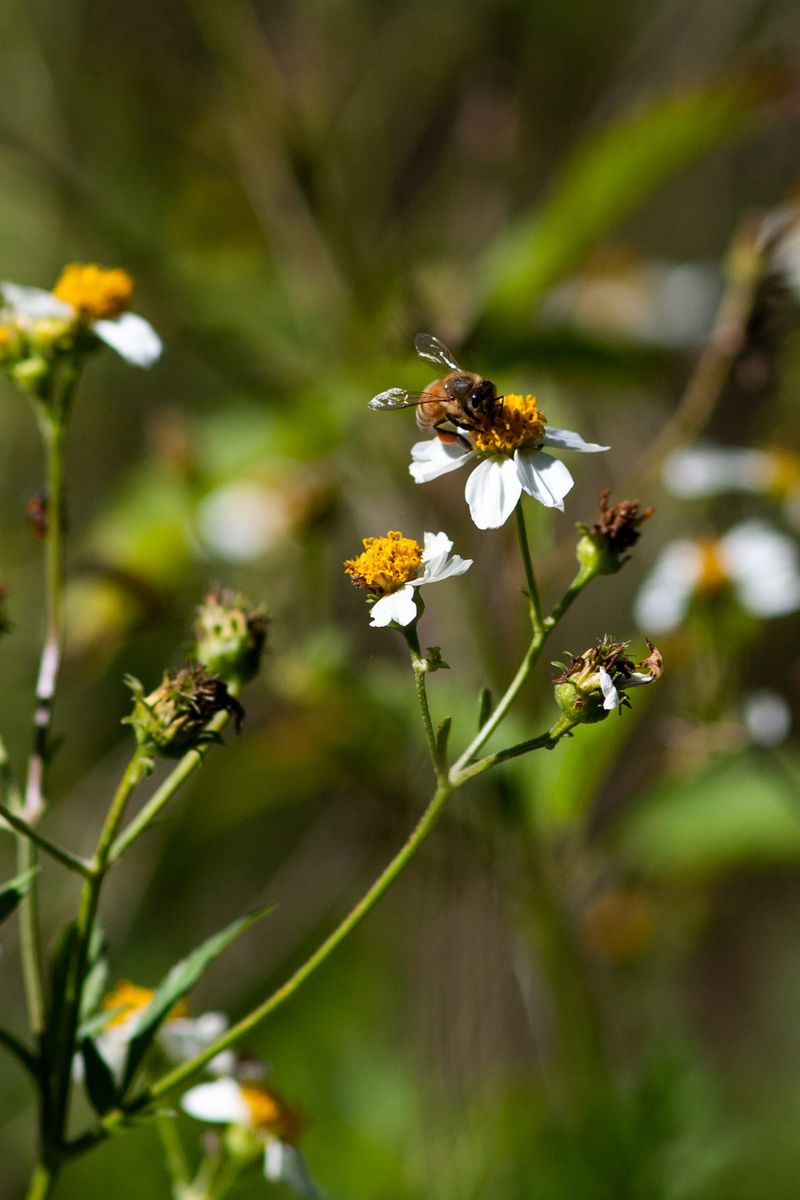
Few plants in summer landscape get as many bee visits as Spanish needle, known botanically as Bidens alba.
Its small white flowers with yellow centers open reliably through the long warm season, drawing in honeybees, native bees, and butterflies that might otherwise have fewer options in a tidy, manicured yard.
For gardeners trying to support pollinators without a lot of extra effort, this familiar weed deserves at least a second look before removal.
Spanish needle is one of the most common weeds across Florida, popping up in disturbed soil, garden edges, roadsides, and sunny open spots where the ground has been turned or left bare.
It grows quickly during the rainy season and can reach a couple of feet in height before most gardeners notice it.
The needle-like seeds that give it its name stick to clothing and pet fur with impressive determination.
The flowers of Spanish needle are considered edible by some, and the plant has a history of use in various traditional food cultures. That said, gardeners should not overstate its food value or treat it as a primary edible crop.
Leaving a few plants at the edge of a pollinator corner or garden border is more practical than trying to harvest it as a significant green.
Letting Spanish needle take over a garden bed is not a great idea, since it competes aggressively with other plants.
Managing it to a manageable corner while allowing pollinators access is a reasonable middle ground for Florida home landscapes.
4. Edible Amaranth Offers Summer Greens
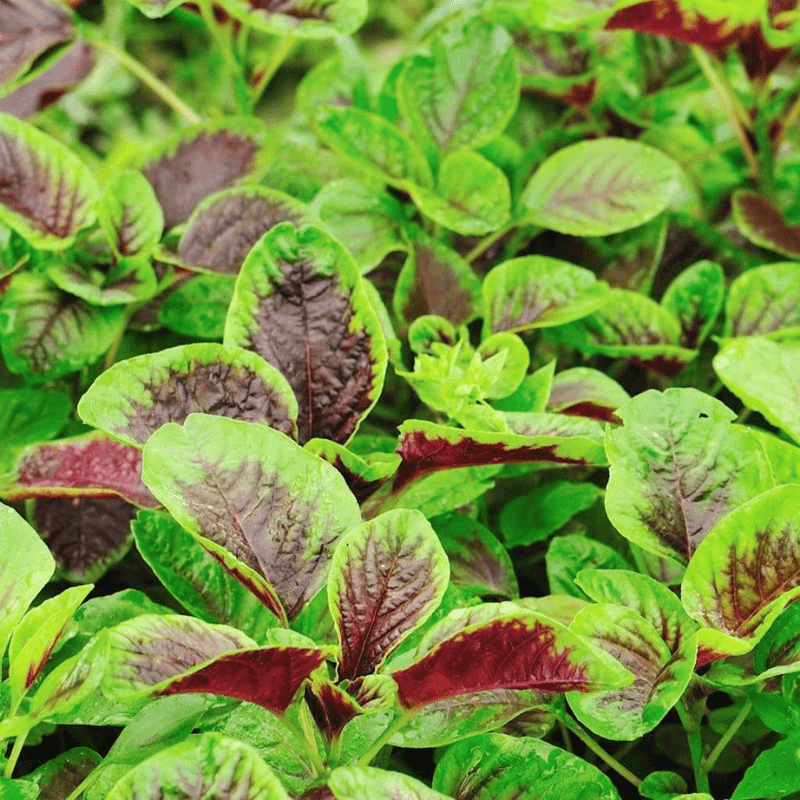
Rainy-season garden beds sometimes produce unexpected volunteers that look a lot like pigweed but may actually be edible amaranth.
The two are closely related, and distinguishing between cultivated edible amaranths and wild pigweed-type volunteers takes some careful attention.
Gardeners who want warm-season greens with confidence often find it easier to start with seeds of a known edible amaranth variety rather than relying on whatever volunteers show up uninvited.
Amaranth has a long history as a food plant, with both the leaves and seeds used across many cultures. In Florida’s summer heat, it can grow vigorously in raised beds, garden rows, and even large containers with good drainage.
Young leaves and tender shoot tips are the most commonly used edible parts, often cooked lightly like spinach or added to soups and stir-fries when still small and tender.
The challenge with amaranth is that several species grow here, and not all of them are equally palatable or equally easy to identify with certainty.
Spiny amaranth, for example, is a common Florida weed with sharp spines near the leaf bases, and it is not a plant most people want to handle carelessly.
Knowing which species you have before eating anything is a reasonable and important step.
Sandy soils, full sun, and summer moisture create conditions where amaranth can establish quickly.
If you choose to grow or keep edible amaranth, harvesting from a managed garden bed that has not been treated with chemicals is the safest approach for Florida home gardeners.
5. Whitemouth Dayflower Has Edible Parts
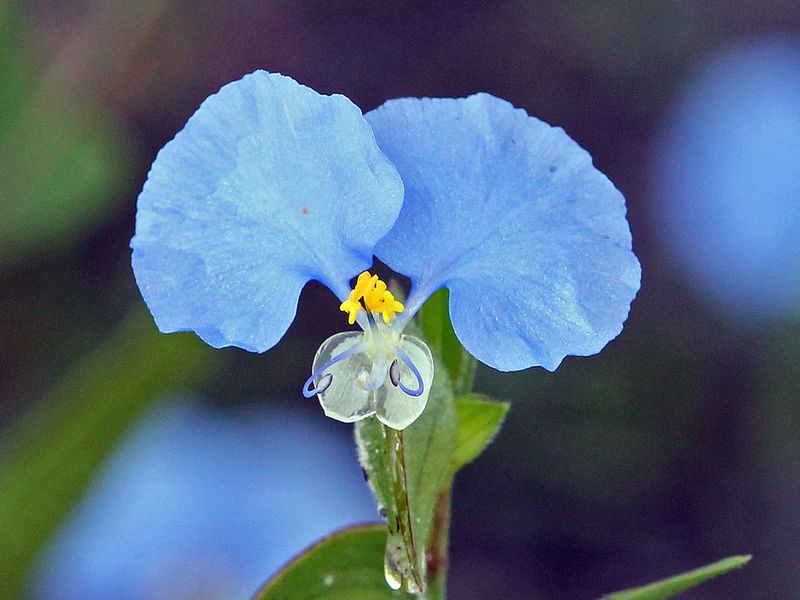
Tucked along the edge of a Florida garden bed or creeping through a shaded corner near a fence, whitemouth dayflower has a quiet, almost understated presence.
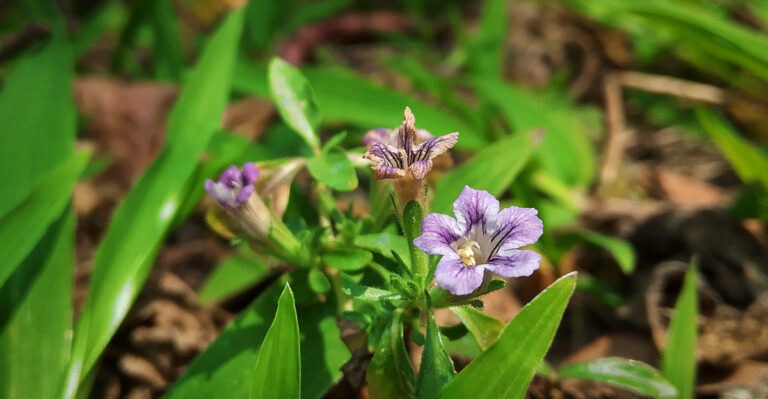
Its small blue and white flowers last only a single day, opening in the morning and fading by afternoon, which gives the entire Commelina family its common name.
Most gardeners walk right past it, but those who take a closer look often find it genuinely interesting.
Whitemouth dayflower, Commelina erecta, grows in sandy soils across much of Florida and tends to show up in disturbed areas, garden edges, and spots where the ground gets partial shade during the hottest part of the day.
It spreads during the warm, wet months and can become a persistent presence in areas where it finds comfortable conditions.
The flowers and cooked greens of whitemouth dayflower are considered edible when the plant is correctly identified.
That qualifier matters more here than with some other plants, because several dayflower species exist and a few similar-looking plants share overlapping habitats in Florida.
Eating any plant in this family without solid identification is not a risk worth taking.
Cooking the greens rather than eating them raw is the more cautious approach most often discussed for this plant. Raw consumption is sometimes mentioned in food plant references, but cooked preparations tend to be the more commonly cited option.
As with every plant covered here, avoid harvesting from areas with any history of chemical treatment, animal activity, or surface runoff that could introduce contaminants to the plant material.
6. Proper Identification Comes First
Before tasting anything growing wild or weedy in a Florida garden, getting the identification right is the single most important step. Plants that look similar on a quick glance can turn out to be completely different species with very different safety profiles.
A leaf shape, flower color, or stem texture that seems familiar is not enough to confirm what you are actually looking at, and mistakes in plant identification can have real consequences.
When there is any doubt about what a plant is, reaching out to a local UF/IFAS Extension office or consulting a qualified botanist is a smart move.
Extension offices across Florida have staff and resources that can help homeowners identify plants found in their yards, and many offer plant clinics or diagnostic services that are genuinely useful for this kind of question.
A reliable field guide specific to Florida plants is also a helpful tool to keep on hand during the growing season.
Beyond identification, the location where a plant grows matters just as much as what the plant actually is. Any plant harvested from an area treated with pesticides, herbicides, or synthetic fertilizers should not be eaten.
The same applies to areas with a history of pet activity, surface runoff from roads or driveways, or any other source of contamination that might have reached the soil or plant material.
Edible does not mean suitable for everyone or every situation. Some plants that are safe for most people may cause reactions in others, particularly those with specific health conditions, dietary restrictions, or sensitivities.
Approaching backyard foraging thoughtfully, with verified identification and clean sourcing, is the most reasonable path forward for gardeners curious about edible weeds.
7. Florida Summer Gardens Reward Curious Gardeners
Summer in Florida has a reputation for being hard on gardens, and in many ways that reputation is earned.
Heat indexes that push well past comfortable, afternoon thunderstorms that drench the soil, and humidity that makes every outdoor task feel twice as demanding are just part of the seasonal reality.
But that same heat and moisture also create conditions where volunteer plants, including some genuinely useful edible weeds, grow with remarkable energy and speed.
Gardeners who take the time to learn what is coming up between their planned crops often find a mix of the familiar and the unexpected.
Purslane edges along a container rim, wood sorrel fills a shaded corner, Spanish needle blooms at the back fence line, and dayflower creeps through mulch near a raised bed.
Each of these plants has something to offer, whether that is pollinator support, a bit of culinary curiosity, or simply a reminder that Florida landscapes are full of living things responding to the same conditions we try to manage.
Keeping a curious and careful eye on what grows in a garden during the summer months is genuinely rewarding. Not every weed needs to be removed immediately, and some are worth learning about before deciding what to do with them.
The key is approaching that curiosity with patience, good reference materials, and a commitment to identifying plants correctly before using them in any way.
Gardening in summer is never fully predictable, and that unpredictability is part of what makes it interesting for homeowners willing to pay attention to what the season brings up from the soil.