8 Drainage Mistakes That Keep Texas Clay Soil Heavy Every Year
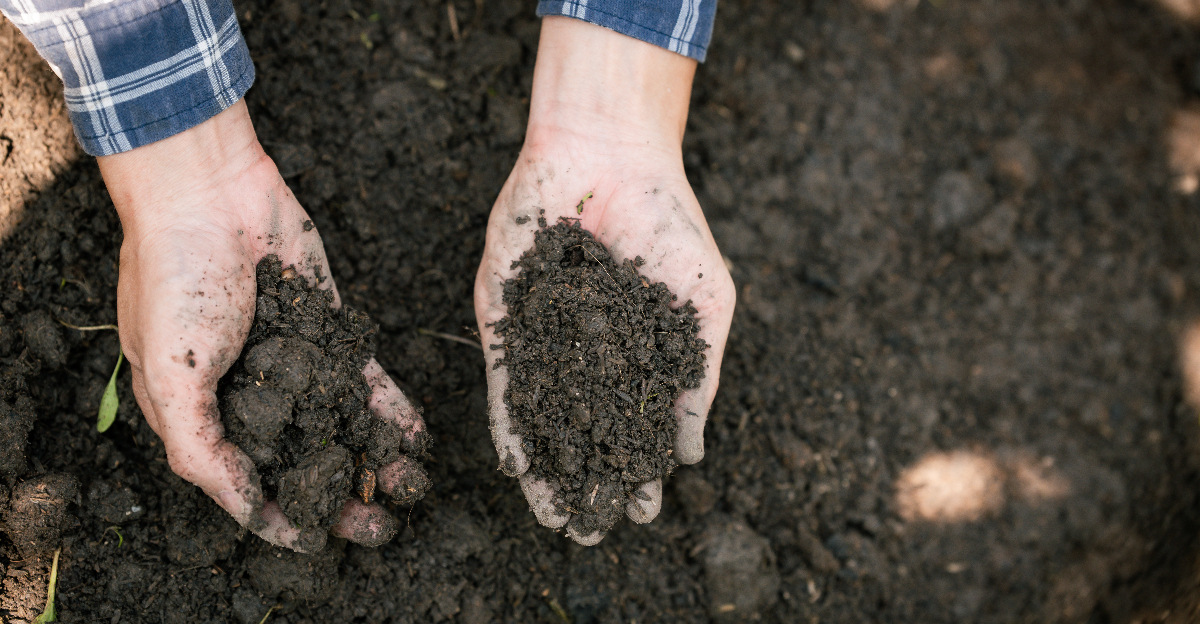
Texas clay has a long memory. It remembers every mistake you made last season, and it will remind you of almost every single one the next time it rains.
Many Texas gardeners have tried something. A bag of sand. A layer of gravel. A truckload of topsoil spread hopefully over the surface.
Some of it seems to help for a week or two. Then the first real storm rolls through and the yard goes right back to that familiar sticky, waterlogged mess.
The frustrating part is that most of these fixes are not wrong because gardeners are careless. They are wrong because the advice sounds completely logical until you understand what clay soil is actually doing beneath the surface.
There are specific mistakes that keep Texas clay heavy year after year. Several of them are hiding inside the most common gardening recommendations you have probably followed for years. Do you know which ones are working against you?
1. Too Little Sand Can Make Clay Pack Even Tighter
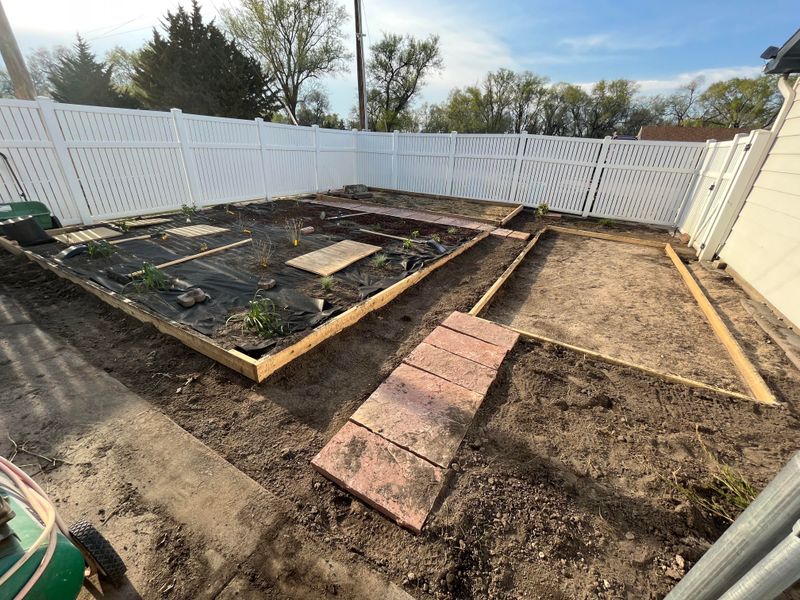
Sand sounds like the obvious answer. Clay feels sticky. Sand feels loose. Mix them together, and the soil should drain better, right? Not so fast.
A little sand added to heavy clay can create a bigger problem. Instead of opening the soil, it can fill the tiny spaces between clay particles and the result may pack tighter than before.
Fine play sand is especially problematic. It behaves more like a filler than a drainage aid and can make clay denser. If sand is used, it must be clean and incorporated with plenty of organic material.
That is where many Texas gardeners get frustrated. They add a few bags of sand, work hard mixing it in, and wait for magic.
Then the next rain comes, and the bed still feels heavy. Sometimes it feels even more brick-like once it dries.
The issue is volume. To change clay texture with sand, you would need a very large amount. A sprinkle here and there does not shift the structure enough. It only changes the mix in an awkward way.
Fine play sand can be especially unhelpful. It acts more like filler than drainage support. Coarse builder’s sand can play a role in specific blends, but it still needs the right proportions.
Compost, shredded leaves, and aged plant material help separate clay particles over time. They create small pore spaces where air and water can move. They also feed soil life, which keeps improving the bed season after season.
Spread a thick layer of finished compost over the bed. Work it into the top several inches when the soil is workable. Repeat this regularly, because clay improvement is a process.
If you have already added sand, do not panic. Start balancing the bed with compost and avoid adding more fine sand.
This gives the soil a better path forward. Sand may sound like a quick fix, but compost usually brings the better “clay-date” with drainage.
2. Gravel Layers Trap Water Instead Of Moving It Away
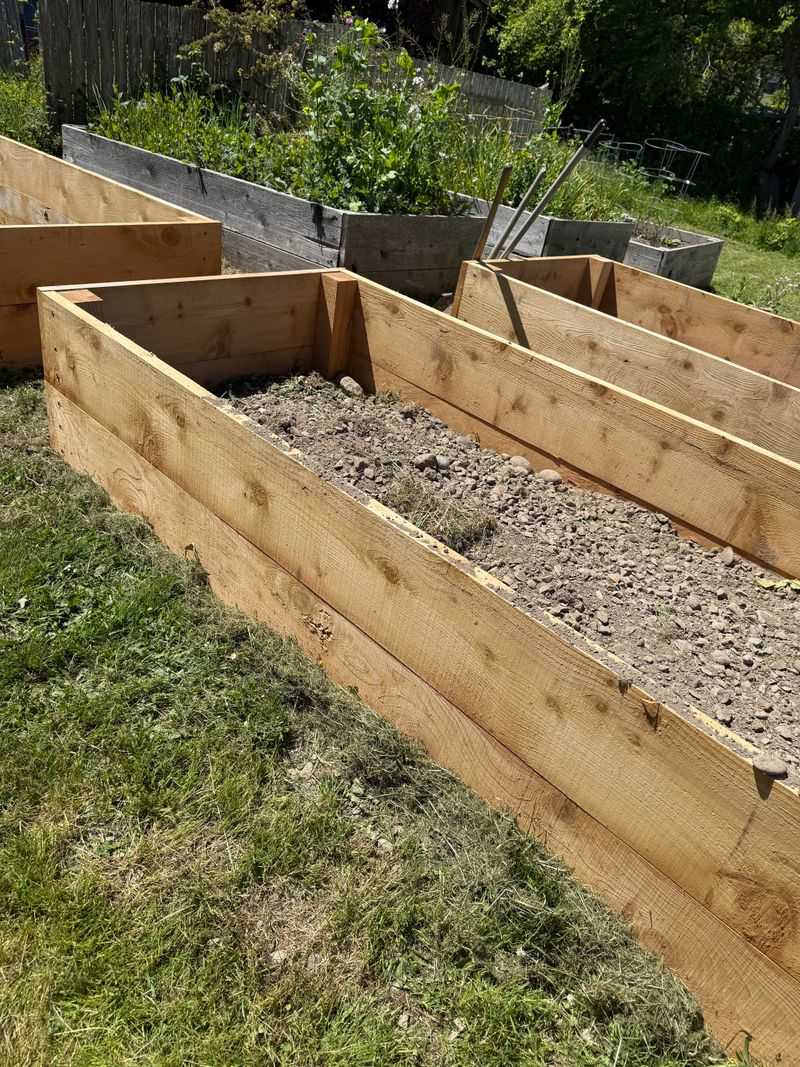
Gravel at the bottom of a bed sounds logical. That is why so many gardeners add it under raised beds, containers, and planting holes. But the way water moves through soil is trickier than it looks.
Your Texas Garden Changes Every Week. Your Plan Should Too.
Gardening in Texas changes quickly throughout the season. Every Friday you’ll receive a simple weekly plan showing exactly what to plant, prune, fertilize, harvest, and protect so you never miss the right timing.
When water drains through fine soil and reaches a coarse gravel layer, it may not rush away. It can pause at the boundary between the two textures. That creates a wet zone just above the gravel.
So instead of helping roots stay comfortable, the gravel layer may leave the soil above it too wet. The surface can look fine while the root area stays heavy and saturated.
Clay already holds water tightly. Adding a gravel layer underneath can create another barrier instead of an exit route.
If you are building a raised bed over clay, focus on depth and soil quality instead. A deeper bed gives roots more improved soil before they reach the native clay. A good blend with compost and mineral soil can drain more evenly than a layered setup.
For in-ground planting, avoid digging a hole, dropping gravel in, and filling it back up. That can create a small basin effect, especially in dense clay.
Instead, improve a wider planting area. Loosen the soil outward, not just downward. Mix compost through the top several inches so water moves more gradually.
If your yard has standing water after storms, drainage may need a bigger fix. Redirecting downspouts, reshaping low areas, or installing a French drain may help more than gravel under plants.
The result is a real route for water, not a hidden puddle under the soil.
Gravel has its place in paths and drainage systems. Under garden soil, it can become a rock-bottom mistake.
3. Fresh Wood Chips Mixed Deep Can Tie Up Nitrogen
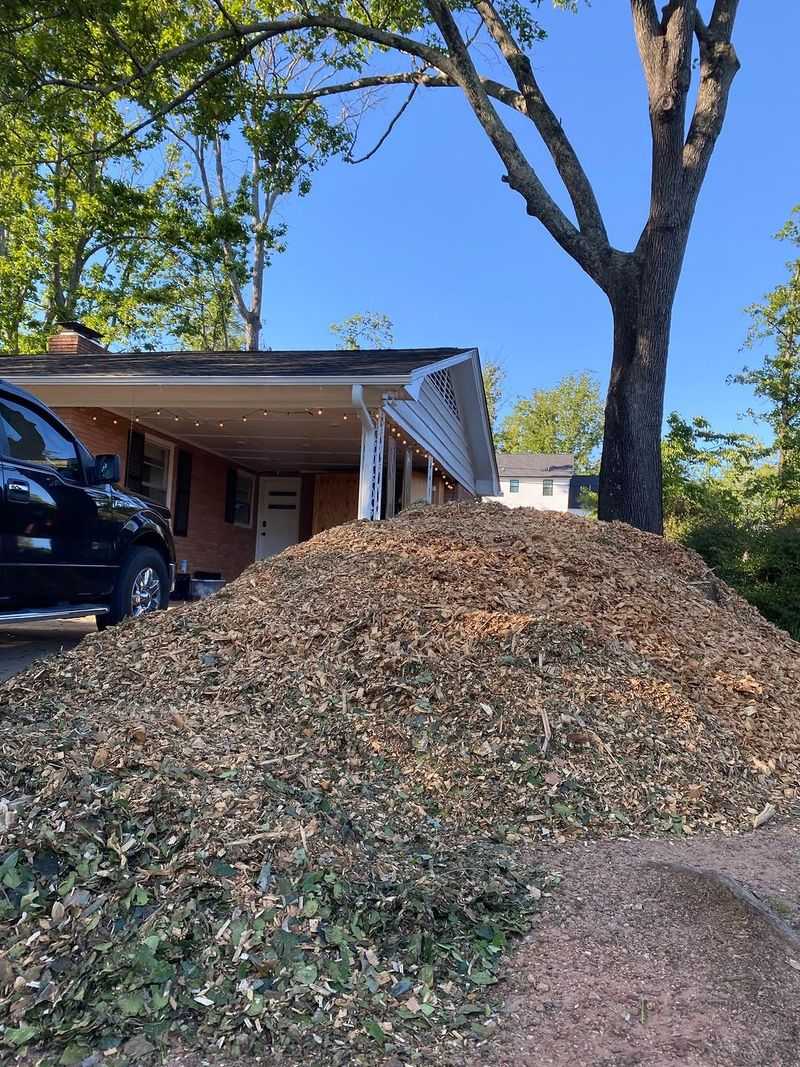
Wood chips can be wonderful. They protect soil, slow evaporation, soften heat, and break down gradually.
They can make a bed look tidy while feeding the soil from above. But fresh chips mixed deep into clay can cause trouble.
The issue starts with decomposition. Microbes need nitrogen to break down fresh woody material. When those chips are buried in the planting zone, microbes may pull nitrogen from nearby soil.
So a gardener may mix fresh wood chips into a bed, expecting improvement. Then plants look pale, slow, or hungry. The soil may have organic material, but the available nitrogen is temporarily tied up.
That can feel confusing if you recently “improved” the bed. However, the fix is mostly about placement and timing.
Fresh wood chips belong on top as mulch. Spread them around plants, leaving a gap near stems and trunks.
On the surface, they slowly break down and improve the soil without competing as heavily in the root zone. Do not bury fresh chips in the planting hole or mix them deep through vegetable beds.
Aged or composted wood material is different. When it turns dark, crumbly, and earthy-smelling, it can be worked into soil more safely. By then, much of the initial decomposition has already happened.
If you are not sure, use your nose and hands. Fresh chips smell woody and look chunky. Composted material smells like soil and breaks apart easily.
For Texas clay, surface mulching with fresh chips can be a great move. Deep mixing them too soon can create a nutrient detour.
This gives wood chips their best role: a top-layer helper, not a buried troublemaker. That is mulch ado about placement, and the placement matters.
4. Peat Alone Does Not Build Lasting Clay Structure
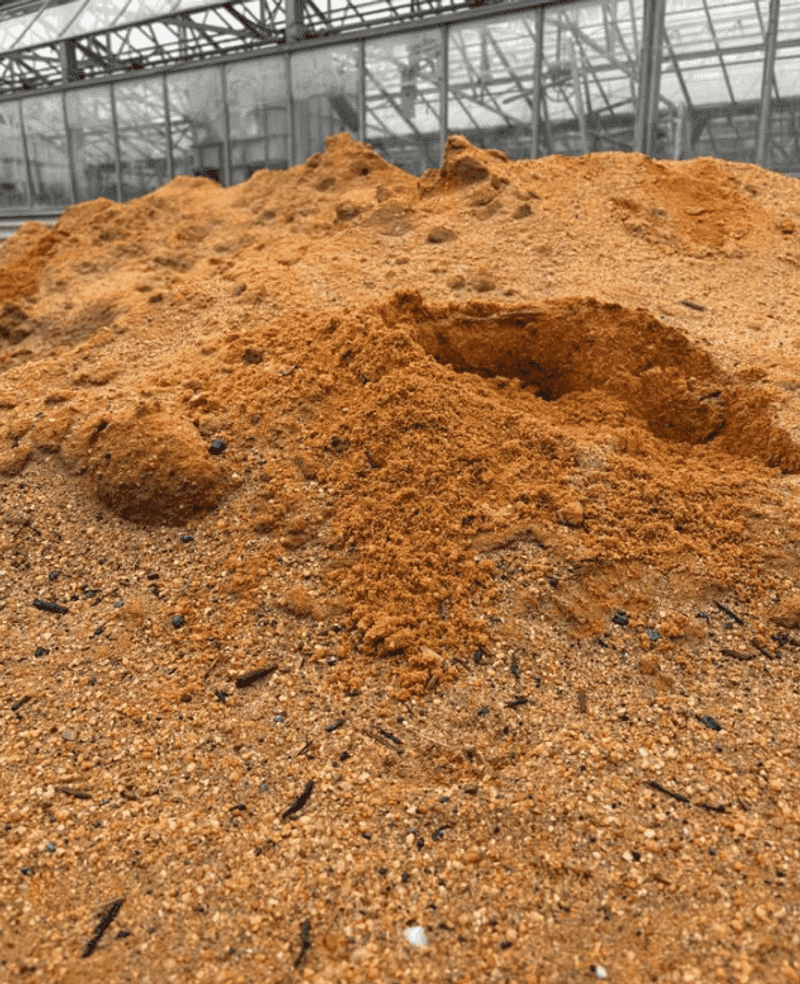
Peat moss can seem like a miracle in the bag. It is light. It feels fluffy. It looks like exactly the opposite of sticky Texas clay. So it is easy to assume that mixing peat into clay will solve everything.
The problem is that peat alone does not build the kind of long-term structure clay needs. It may loosen the soil for a while, but that improvement can fade.
Peat also has a strange habit when it dries out. It can become hard to re-wet. Water may bead up or run across it instead of soaking in evenly. In Texas heat, that can become a real issue.
A bed amended mostly with peat may seem improved in spring. Then summer arrives, and the surface can become crusty or difficult to hydrate. That is not the drainage upgrade most gardeners were hoping for.
Clay soil needs a broader mix of organic matter. Finished compost is often more helpful because it feeds soil life and improves structure over time. Shredded leaves, aged manure, composted bark, and decomposed plant material can all play useful roles.
These materials support microbes and earthworms. They help form small clumps in the soil, which improves air and water movement.
If you already used peat, add compost and other organic matter over time. Topdress beds each season. Work material in gently when the soil is at the right moisture level.
The goal is not just fluffy soil today. It is clay that drains, breathes, and supports roots next year too. This gives your soil a fuller recipe instead of a one-bag shortcut.
5. Topsoil Spread Over Clay Can Create A Slippery Layer
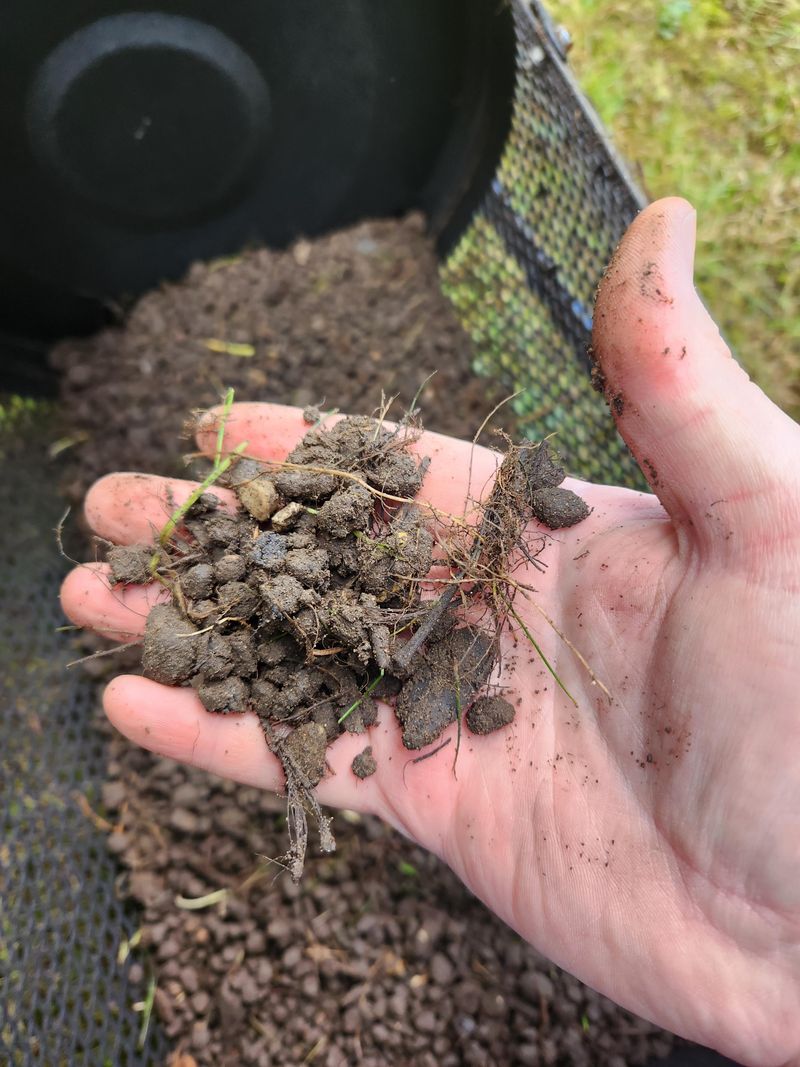
Fresh topsoil looks like an easy win, so many homeowners spread it over clay and expect the whole bed to improve. Then rain arrives.
Water moves through the looser topsoil, reaches the dense clay underneath, and slows down. That sharp change between layers can create a wet boundary.
Roots may grow in the nice top layer, then hesitate when they reach the clay. On slopes, the upper layer can even shift because the wet zone underneath acts slippery.
That is how a quick fix becomes a yearly headache. The problem is not topsoil itself. The problem is layering it without blending.
A thin layer of new soil over heavy clay can behave like a cap instead of a true improvement. It may look good from above while drainage stays poor below. A better approach is to create a gradual transition.
Mix compost and topsoil into the top several inches of the existing clay. Use a garden fork, broadfork, or tiller only when the soil is workable. You want the old and new materials connected, not stacked like cake layers.
For planting beds, go wider than the plant hole. Improving only a small pocket can trap roots in a clay bowl.
If you need a deeper growing zone, build a true raised bed. Use borders, add enough depth, and fill with a balanced mix. That gives roots room without pretending the native clay has changed overnight.
For lawns, topdressing must be thin and repeated gradually. A thick layer can smother grass or create uneven soil behavior.
The result is a better blend and fewer hidden wet spots. Topsoil can help, but it needs to meet the clay, not just sit above it. Blending beats layering when Texas soil is involved.
6. Gypsum Without A Soil Test Can Waste Time And Money
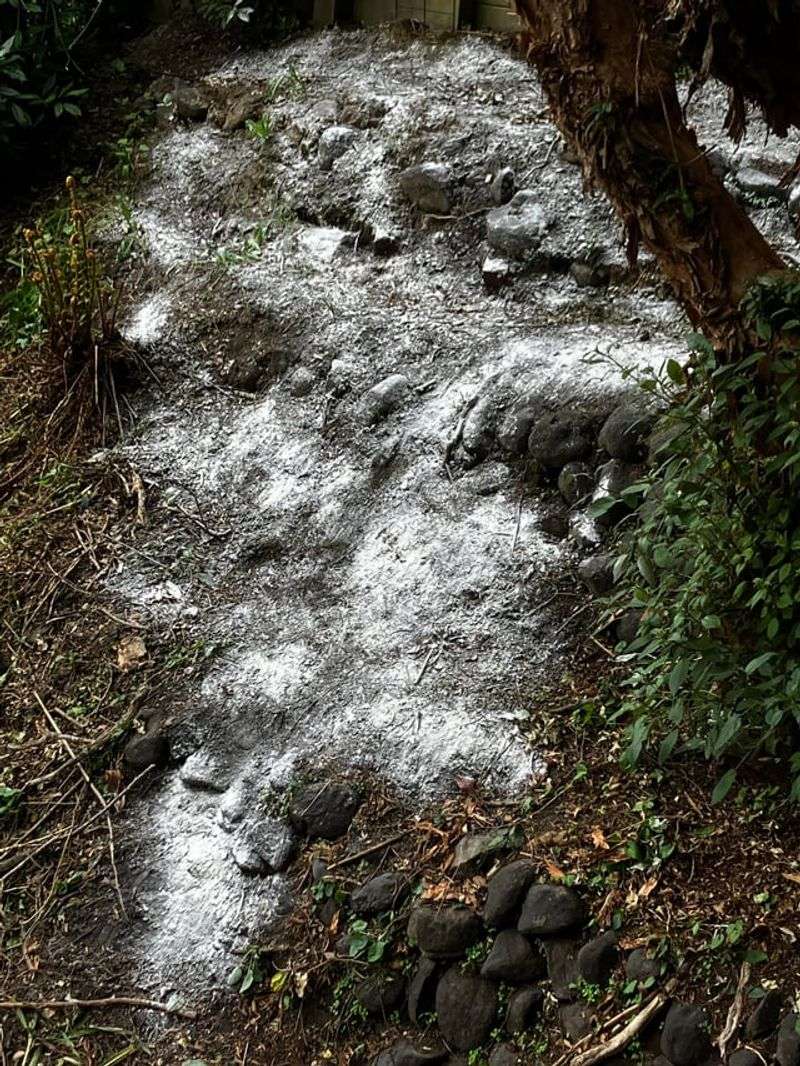
Garden centers often present gypsum like a simple answer. Pour it on, wait a while, and enjoy better soil. Sometimes it can help. But it depends on what is actually happening in your soil.
Gypsum can help some Texas clay soils, especially where sodium affects soil structure, but a soil test is the best way to know whether it is worth using.
A test can tell you pH, nutrient levels, and whether sodium is part of the problem. Without that information, gypsum becomes a guess in a bag.
If the soil test shows gypsum is useful, apply it at the recommended rate. Then be patient. Soil changes do not happen overnight, especially in dense clay.
If sodium is not the issue, focus your effort elsewhere. Compost, drainage correction, grade improvement, and careful timing may bring better results.
Organic matter is still important even if gypsum is used. Gypsum may help chemistry in certain soils, but compost helps build biology and structure. Those are different jobs.
Also avoid treating gypsum like fertilizer. It does not replace balanced nutrients or good soil management. This gives you a plan based on your actual yard, not a shelf label.
Gypsum can be useful, but only when it matches the problem. That is a smart way to avoid a disappointment.
7. Tilling Wet Clay Turns Beds Into Heavy Clumps
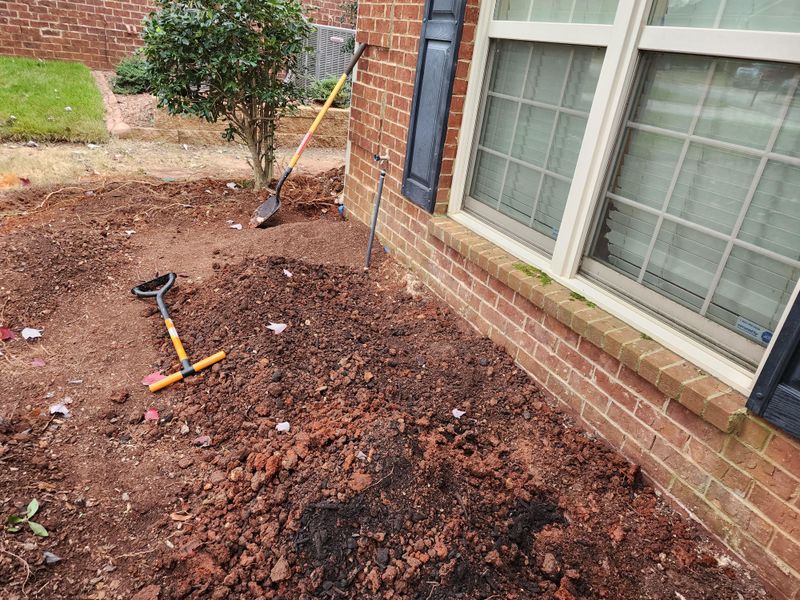
Timing can make or break clay soil work. Texas gardeners know the window is narrow. Too dry, and the soil feels like a brick. Too wet, and it smears into sticky clumps.
Wet clay is especially risky. When you till, dig, or walk through it while it is too damp, the particles press together. The soil loses pore space. Instead of opening up, it becomes dense and lumpy. Then it dries.
Those smeared clumps can harden into chunks that roots and water struggle to move through. The bed may look “worked,” but the structure has taken a step backward.
This mistake often happens in spring. The rain stops. The planting urge hits. The shovel comes out too soon. But clay needs patience.
Use the squeeze test before digging. Grab a handful of soil and squeeze it into a ball. Then poke it gently.
If it crumbles, it may be ready to work. If it stays slick, sticky, or forms a dense ball, wait a few more days. That small delay can protect the structure you are trying to build.
When the timing is right, work in compost or other aged organic matter. Avoid pulverizing the soil into dust. Gentle loosening is usually better than aggressive churning.
For established beds, consider broadforking instead of frequent tilling. It lifts and opens soil with less disruption.
Paths matter too. Avoid stepping in beds after rain. Use stepping stones or permanent paths to reduce compaction. The result is clay that slowly becomes more workable rather than more stubborn.
Wet clay rewards patience and punishes rushing. That is one garden lesson worth not tilling yourself twice.
8. Skipping Organic Matter Leaves Clay With No Exit Plan
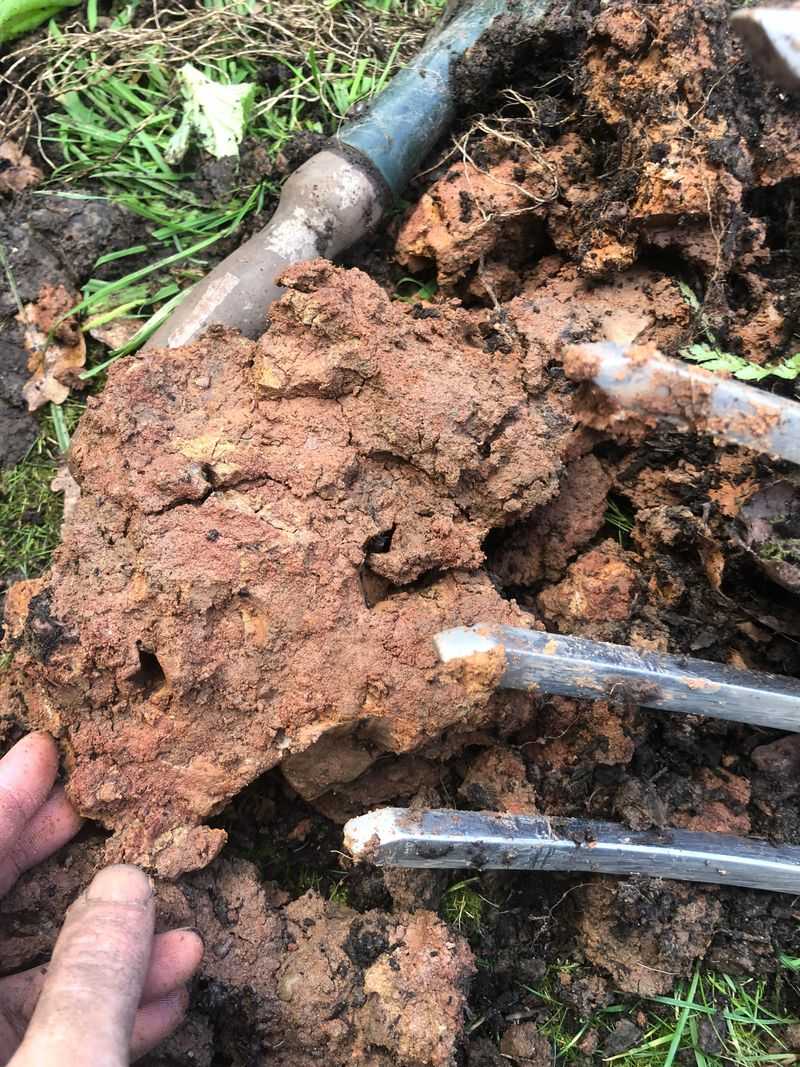
Clay soil needs an exit plan for water. Organic matter helps create one.
Without compost, leaves, aged manure, or decomposed plant material, clay particles stay packed tightly. Water enters slowly, drains slowly, and leaves roots with fewer air spaces.
That is why organic matter is usually the heart of clay improvement. It works in several ways at once.
It separates tiny clay particles. It creates pore spaces. It feeds microbes and earthworms. It helps the soil hold moisture without staying overly heavy. That balance matters in Texas.
You do not want soil that sheds water like a roof. You also do not want soil that holds water for days after each storm. Good organic matter helps clay move toward the middle.
Add compost regularly, not just once. Clay improvement is a multi-season process because organic matter breaks down over time. A yearly addition can keep the soil moving in the right direction.
Spread two to three inches of finished compost over garden beds. Work it into the top several inches when the soil is at the right moisture level. In established beds, topdress and let soil life help pull it downward.
Shredded leaves are another excellent option. Collect them in fall, chop them with a mower, and use them as mulch or compost material.
Grass clippings can help too if they are untreated and applied in thin layers. Thick wet mats can block air, so use them carefully.
Raised beds over clay benefit from a deep mix rich in compost and other organic materials. That gives roots a better zone while the native clay improves slowly below. The result is soil with better structure, better drainage, and better plant support.
Organic matter is not flashy, but it is the real engine under the bed. That is where clay finally gets somewhere to go.