These Plants Struggle In Texas Summer Heat
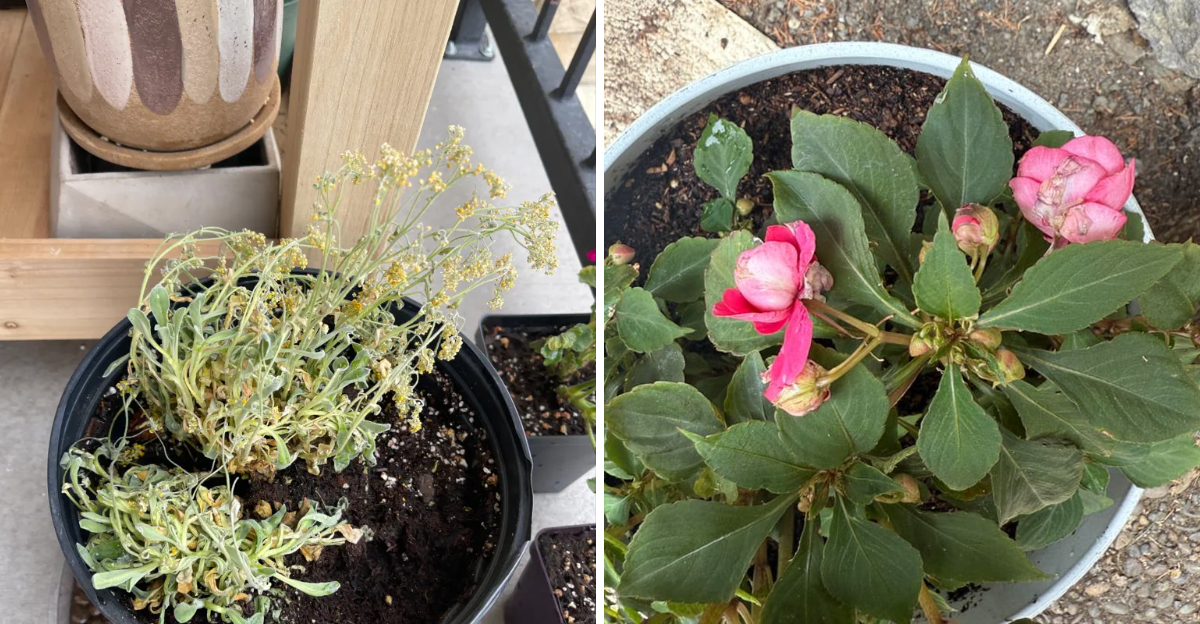
Texas summers don’t play around. When the thermometer climbs past 100°F and the sun beats down like it has a personal vendetta, even the toughest among us start wilting.
And plants? They don’t stand a chance. Well, at least some of them don’t. Here’s the thing most gardeners learn the hard way: not every plant belongs in a Texas summer garden.
You can water them daily, give them the best soil, and whisper words of encouragement. But some plants are simply not built for this kind of heat.
They’ll turn yellow, drop their leaves, stop flowering, or just give up on life entirely. Whether you’re a seasoned Texas gardener or someone who just moved here and is still in shock over the electric bill, this list is going to save you a lot of frustration.
Before you plant anything this season, find out which plants truly struggle when Texas turns up the heat and what you can do about it.
1. Pansies
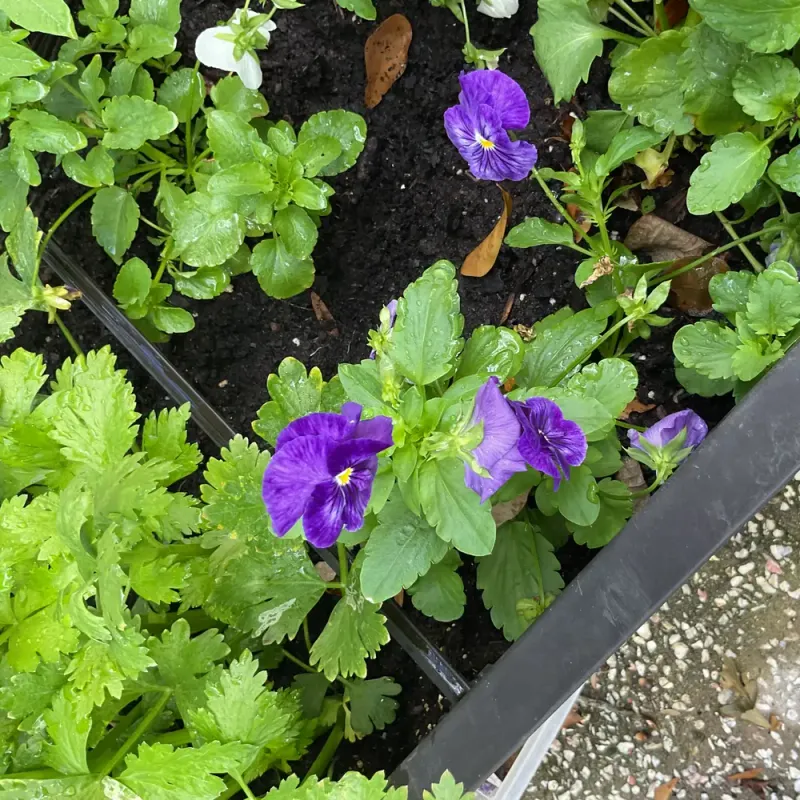
Few flowers are as cheerful and colorful as pansies. Their bright, face-like blooms make them a favorite in Texas gardens every spring.
But here is the thing about pansies: they are cool-season flowers through and through. Once Texas temperatures push past 75 to 80 degrees Fahrenheit, pansies start to struggle almost immediately.
When the heat arrives, pansies stop producing new blooms. The existing flowers fade quickly.
The plants may become leggy, droopy, and sad-looking. In the intense Texas summer, they simply cannot keep up with the demands of the scorching sun and rising soil temperatures.
Pansies actually prefer temperatures between 45 and 65 degrees Fahrenheit. That makes them perfect for Texas winters and early spring.
Many Texas gardeners plant pansies in October or November and enjoy them all the way through April. That gives you a solid five or six months of beautiful color.
If you want to get the most out of pansies in Texas, plant them in well-draining soil with some afternoon shade. Water them regularly during dry spells.
Once May rolls around and the heat ramps up, consider replacing them with heat-tolerant summer plants like zinnias or lantana. Pansies are worth growing, just not during a Texas summer.
2. Sweet Alyssum
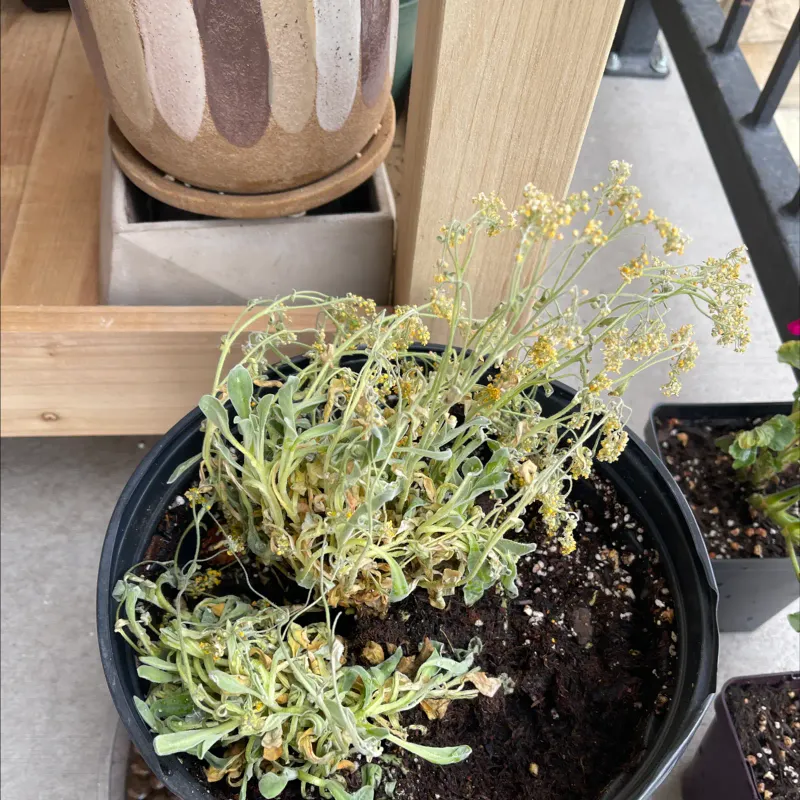
Sweet alyssum is one of those plants that smells absolutely wonderful. Its tiny clusters of white, pink, or purple flowers release a soft, honey-like fragrance that fills the garden.
It is low-growing, easy to care for, and looks lovely as a border plant or in containers. Texas gardeners love it in spring for exactly these reasons.
The problem starts when Texas summer heat sets in. Sweet alyssum is a cool-season flower that thrives when temperatures stay between 60 and 75 degrees Fahrenheit.
Once the heat climbs higher, the blooms begin to fade and the plant can go completely dormant. In the blazing Texas sun, it often looks burned out and spent by June.
Prolonged heat causes sweet alyssum to stop flowering entirely. The foliage may turn yellow or brown at the edges.
The plant is not gone forever, though. If you cut it back hard and keep it watered, it can sometimes bounce back once fall temperatures arrive in Texas.
Your Texas Garden Changes Every Week. Your Plan Should Too.
Gardening in Texas changes quickly throughout the season. Every Friday you’ll receive a simple weekly plan showing exactly what to plant, prune, fertilize, harvest, and protect so you never miss the right timing.
For best results, plant sweet alyssum in early spring, around February or March in most Texas regions. Give it morning sun and afternoon shade to extend its blooming season.
Pair it with other cool-season plants like pansies or snapdragons for a stunning spring display before the Texas heat takes over.
3. Calendula
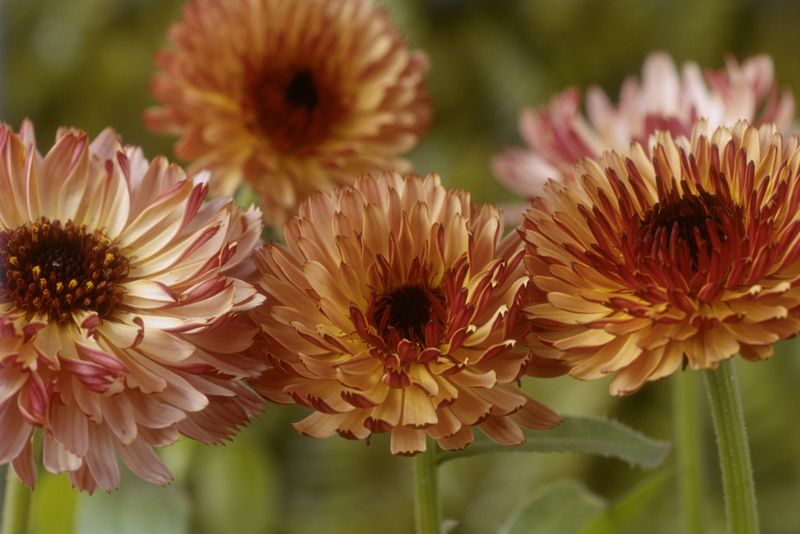
Calendula is sometimes called pot marigold, and it is one of the most useful flowers you can grow. Its bright orange and yellow blooms are edible, medicinal, and absolutely gorgeous.
Gardeners across Texas enjoy it as a cool-season annual that adds serious color to spring beds and containers.
Here is the catch: calendula hates Texas summer heat. It is a cool-season annual that performs best when daytime temperatures stay below 75 degrees Fahrenheit.
Once the summer sun starts blazing across Texas, calendula blooms shrink, fade, and eventually stop appearing altogether. The plant becomes stressed, and the foliage can look dull and worn out.
Did you know that calendula has been used in herbal medicine for centuries? Ancient Egyptians valued it for its healing properties. That long history makes it even more worth growing in Texas, just during the right season.
The best time to plant calendula in Texas is late September through early November for a fall and winter bloom, or in late January through February for a spring display. Plant it in full sun with well-draining soil.
Deadhead spent blooms regularly to encourage more flowers. Once the Texas summer heat arrives, calendula will wind down, but you will have enjoyed months of beautiful, cheerful color before that happens.
4. Impatiens
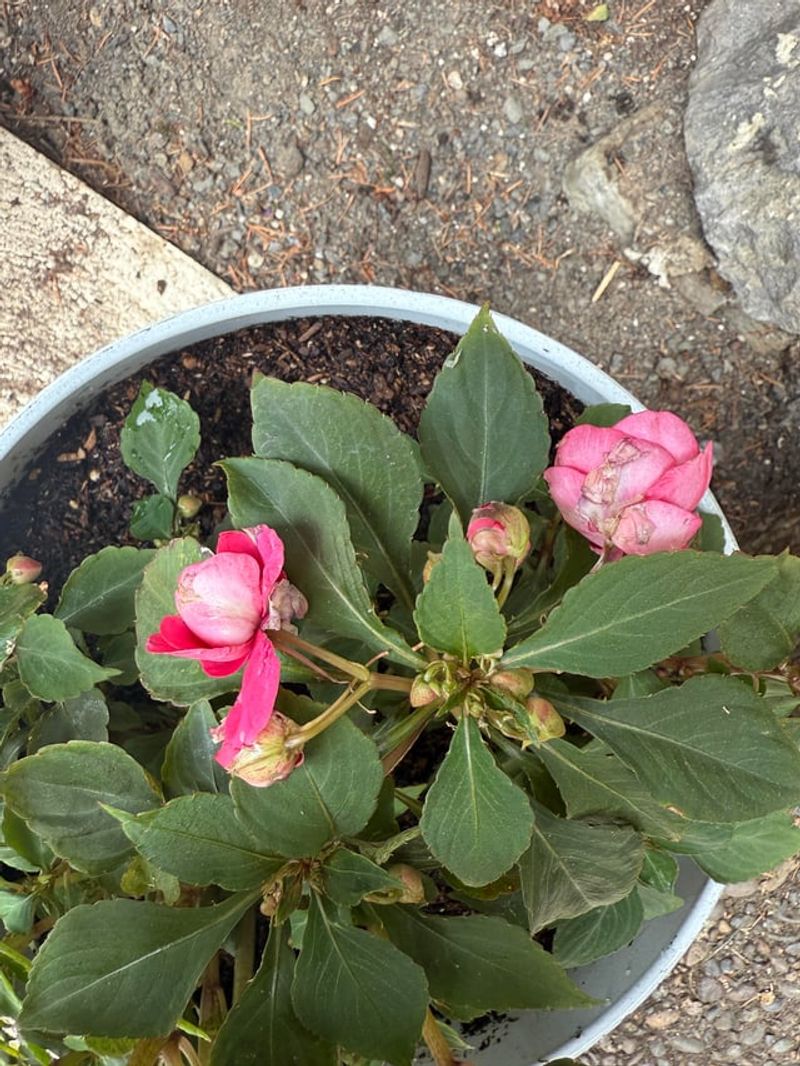
Walk into any garden center in Texas during spring, and impatiens are everywhere. They come in dozens of colors, they bloom like crazy, and they are easy to grow.
For shady spots and containers, they seem like the perfect choice. But Texas summers have a way of humbling even the most enthusiastic impatiens planting.
Impatiens are shade-loving flowers. They genuinely struggle under full sun, and the extreme Texas heat makes things even harder.
When temperatures soar past 90 degrees Fahrenheit, impatiens wilt badly, stop blooming, and can look completely defeated by midsummer. Even in shaded spots, the intense heat radiating off Texas soil and surfaces can cause serious stress.
They also need consistent moisture. Texas summers are often dry and unpredictable, which means impatiens require frequent watering to survive.
Without enough water, they collapse quickly. Downy mildew, a fungal disease, is another issue that has become more common in impatiens across Texas and the southern United States in recent years.
If you love impatiens, plant them in early spring and enjoy them until the heat peaks. Choose a spot with deep shade and good air circulation.
Water regularly and mulch the soil to retain moisture. For summer-long color in Texas, consider switching to heat-tolerant alternatives like begonia varieties bred for sun or caladiums in shaded garden beds.
5. Snapdragons
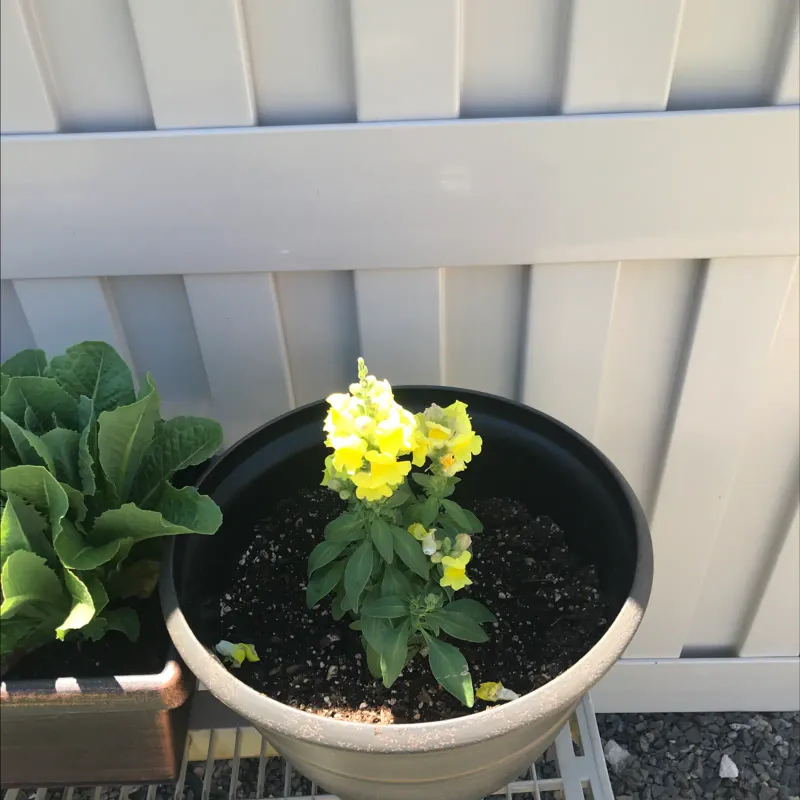
Snapdragons are among the most dramatic and beautiful cool-season flowers you can grow in Texas. Their tall spikes of ruffled blooms come in every color imaginable, from deep burgundy to soft peach.
Kids love squeezing the individual flowers open and shut, which is how they earned their fun name. Texas gardeners treasure them in fall and spring displays.
Once Texas summer temperatures climb above 90 degrees Fahrenheit, snapdragons slow their growth dramatically and stop flowering. The heat essentially shuts them down.
Stems may become weak, and the plant puts all its energy into simply surviving rather than producing blooms. In the brutal Texas summer, even well-cared-for snapdragons struggle to look their best.
Snapdragons are technically short-lived perennials in cooler climates, but in Texas they are treated as cool-season annuals. They do best when planted in October through November for fall and winter blooms, or in late January through February for spring color.
They love full sun during those cooler months and can handle light frost. To extend their season in Texas, give snapdragons afternoon shade as temperatures begin to rise in April and May. Water consistently and fertilize every few weeks.
Deadhead regularly to keep blooms coming as long as possible. Once the Texas summer heat fully arrives, it is time to replace them with heat-loving summer plants and plan your next cool-season display.
6. Dianthus
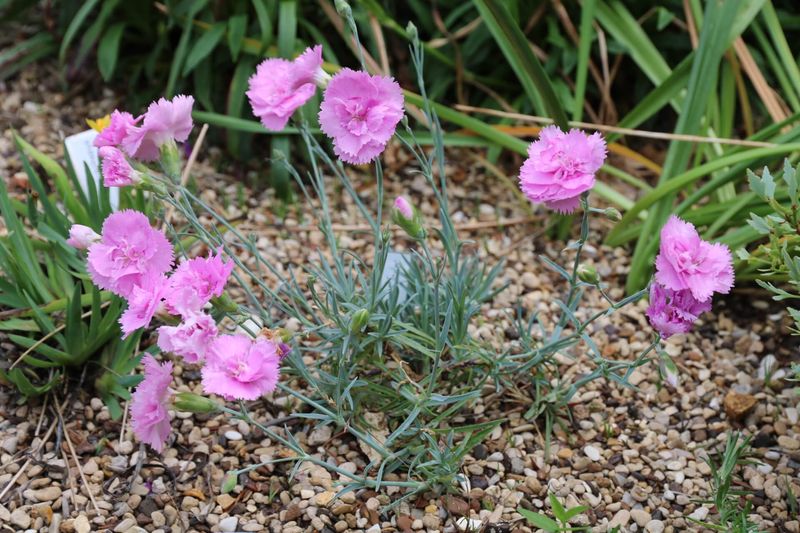
Dianthus, often called pinks or carnations, brings a spicy, clove-like fragrance and delicate frilled petals to Texas gardens. Its blue-green foliage is eye-catching even when the plant is not in bloom.
Gardeners in Texas enjoy dianthus as a reliable spring performer that adds both color and scent to beds, borders, and containers.
Extreme heat is dianthus’s biggest enemy. When Texas summer temperatures stay consistently above 90 degrees Fahrenheit, dianthus blooms fade quickly.
The foliage can become pale, stressed, and prone to root problems caused by overheated, soggy soil. Many varieties go semi-dormant during the peak of Texas summer, looking far from their springtime best.
Some newer dianthus varieties have been bred to handle heat a little better than older types. Look for labels that say heat-tolerant or sun-resistant when shopping at Texas garden centers.
Even these varieties, however, perform best when temperatures are moderate and the air is not too dry.
For the best results in Texas, plant dianthus in fall or early spring. Give it well-draining soil and full sun during cooler months.
As summer approaches, move container plants to a spot with afternoon shade to help them last a bit longer. Trim back spent blooms to encourage any late flowers.
With a little extra care, dianthus can reward Texas gardeners with months of gorgeous, fragrant blooms before the heat wins out.
7. Lobelia
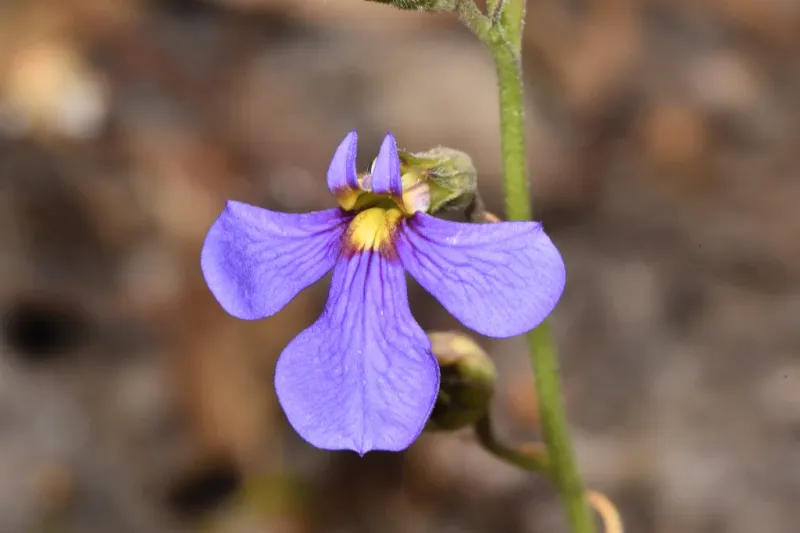
Lobelia is one of the most vivid blue flowers you can find at a Texas garden center. Its trailing habit makes it perfect for hanging baskets and container edges, where its electric blue or purple blooms spill over beautifully.
In spring, lobelia is absolutely stunning. Texas gardeners often use it to add cool-toned color to their outdoor spaces.
The trouble is that lobelia is a cool-season plant at heart. It produces its best blooms when temperatures stay between 50 and 75 degrees Fahrenheit.
When the Texas summer heat arrives and temperatures push well past 90 degrees, lobelia stops blooming almost completely. The plant may wilt, the foliage can turn yellow, and the overall appearance becomes ragged and tired.
Lobelia is not built for the long, punishing Texas summer. Unlike heat-tolerant plants that seem to thrive the hotter it gets, lobelia retreats.
It is not a plant that bounces back easily once the heat has beaten it down without significant care and effort.
If you want to enjoy lobelia in Texas, plant it in early spring and give it morning sun with afternoon shade. Keep the soil consistently moist, as lobelia dries out quickly.
When summer heat peaks, cut the plant back hard and keep watering it lightly. In some Texas regions, lobelia can recover and rebloom when cooler fall temperatures return, giving you a second season of those brilliant blooms.
8. Iceland Poppy
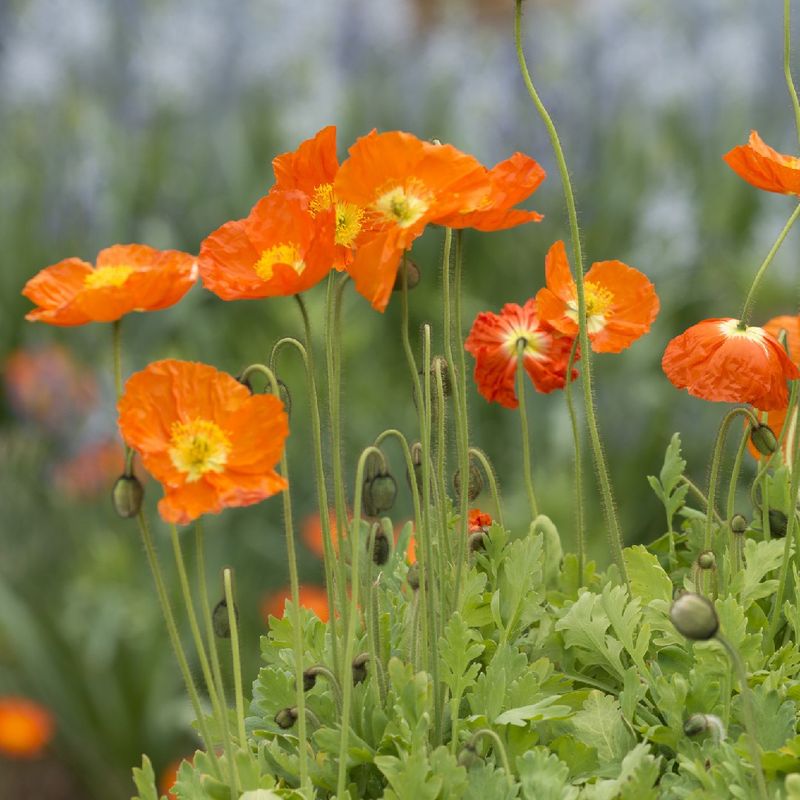
Iceland poppies are breathtaking. Their tissue-paper-thin petals in shades of orange, yellow, red, and white seem almost too delicate to be real.
When they bloom in a Texas garden during late winter and early spring, they look like something out of a painting. Many Texas gardeners consider them one of the most rewarding cool-season plants to grow.
But Iceland poppies are strictly cool-weather plants, and Texas summers are their kryptonite. Once temperatures climb consistently above 80 degrees Fahrenheit, Iceland poppies stop flowering rapidly.
The plants deteriorate quickly in Texas heat, with stems going limp and petals dropping almost overnight once the summer sun takes hold.
They are best treated as short-season annuals in Texas. Plant them in October or November for winter blooms, or in January for a spring show.
They prefer full sun during cooler months and well-draining soil. Regular watering during dry Texas winters helps them establish strong root systems before their blooming season begins.
Enjoy Iceland poppies for the brief but glorious season they offer in Texas. Their blooms are worth every bit of effort.
Cut flowers regularly to encourage more blooms and extend the display as long as possible. Once the Texas heat arrives in late spring, these poppies will wind down.
Replace them with heat-loving summer plants, and look forward to planting Iceland poppies again when cooler Texas weather returns in the fall.