The One Thing Texas Camellia Shrubs Need Right Now To Set Up A Strong Fall And Winter Bloom
July is not exactly the month most Texas camellia growers are thinking about blooms, and honestly, that is completely understandable. It is hot, the shrubs are just sitting there looking green, and the spectacular fall and winter flowering season feels very far away.
But here is something worth knowing: what is happening with your camellias right now, quietly and invisibly, actually matters quite a bit.
Bud development begins during summer, which means the care decisions you make during these brutally hot months can influence how well your shrubs perform when the cooler season finally arrives.
Steady moisture, good mulch, and avoiding soggy soil are the habits that build a stronger foundation for flowering.
No single care step guarantees a spectacular bloom season, because variety, shade, and winter weather all factor in too, but getting the basics right in July genuinely counts.
1. Steady Moisture For Better Buds
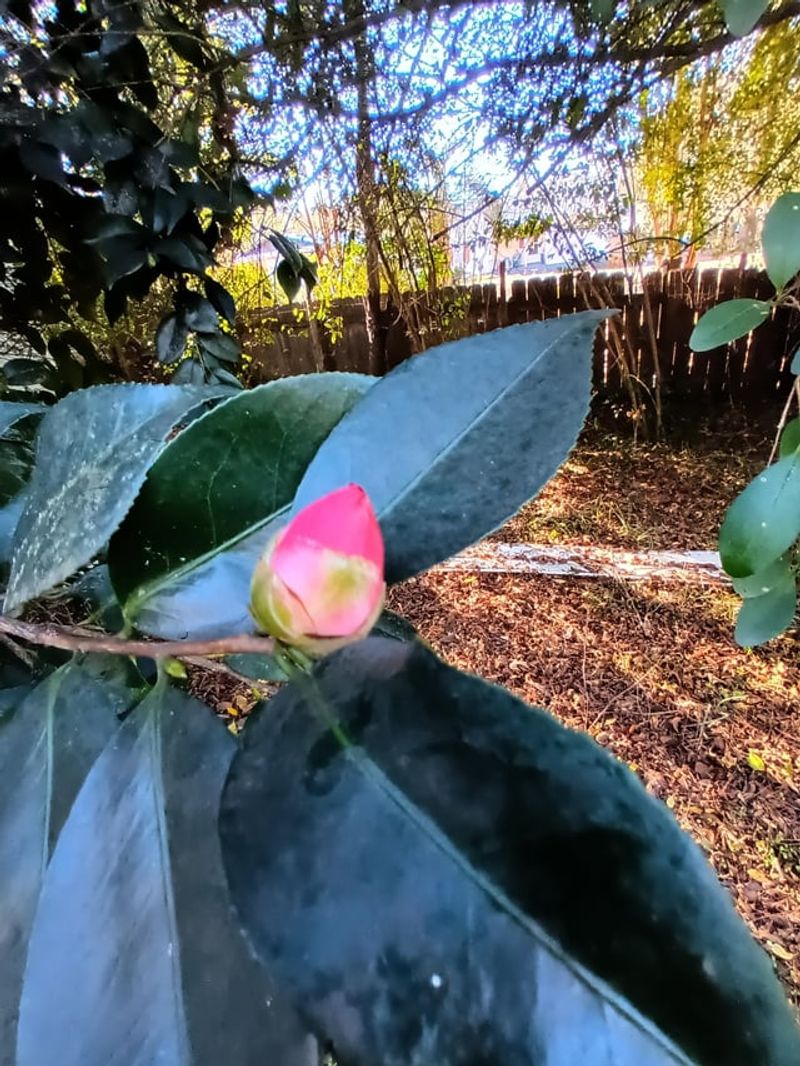
Bud formation in camellias happens quietly during the summer months, long before you ever see a single flower open.
In Texas, where July temperatures can push well past 90 degrees for weeks at a stretch, the moisture available to your shrubs during this period can directly influence how well those buds develop heading into fall and winter.
Camellias are not drought-tough plants, and summer water stress can interfere with the bud-setting process in ways that show up months later.
The goal is steady, consistent moisture rather than occasional deep soaks followed by long dry spells.
Checking actual soil moisture is more reliable than following a fixed watering schedule, because Texas summers vary and a week of cloudy days feels very different from a week of full sun and triple-digit heat.
Stick a finger two to three inches into the soil near the root zone to get a real read on what the plant is experiencing.
Camellias prefer moist but well-drained soil, and that balance matters just as much in summer as it does in spring.
Keeping the root zone consistently moist without letting it stay waterlogged supports healthy root function, which in turn supports the energy the plant needs to develop buds.
Gardeners who stay on top of summer moisture often notice their camellias look healthier heading into fall, though bloom results still depend on many other factors including variety and local weather patterns.
2. July Drought Stress And Fewer Flowers
Dry soil under a shaded camellia bed can be surprisingly deceptive.
The shade that makes camellias comfortable in summer also makes the soil surface look cooler and more forgiving than it actually is, and by the time leaves show visible stress, the roots have often been struggling for a while.
July drought stress is one of the more overlooked reasons why Texas camellias produce fewer or smaller blooms in fall and winter.
When a camellia runs short on water during the period when buds are forming, the plant tends to conserve resources by producing fewer buds or dropping them before they fully develop.
This is a natural survival response, not a sign that something is permanently wrong with your shrub.
Your Texas Garden Changes Every Week. Your Plan Should Too.
Gardening in Texas changes quickly throughout the season. Every Friday you’ll receive a simple weekly plan showing exactly what to plant, prune, fertilize, harvest, and protect so you never miss the right timing.
But it does mean that what looks like a fall bloom problem often started with a July watering gap.
Recognizing the early signs of drought stress helps you respond before the damage runs deep. Leaves that look slightly dull, stems that feel less firm than usual, or soil that pulls away from the root ball are all signals worth acting on.
In Texas, where summer rain can be unpredictable and irrigation schedules do not always match actual plant needs, checking your camellias during the hottest weeks of July is one of the most useful habits a home gardener can build before the bloom season arrives.
3. Shallow Roots In Hot Texas Soil
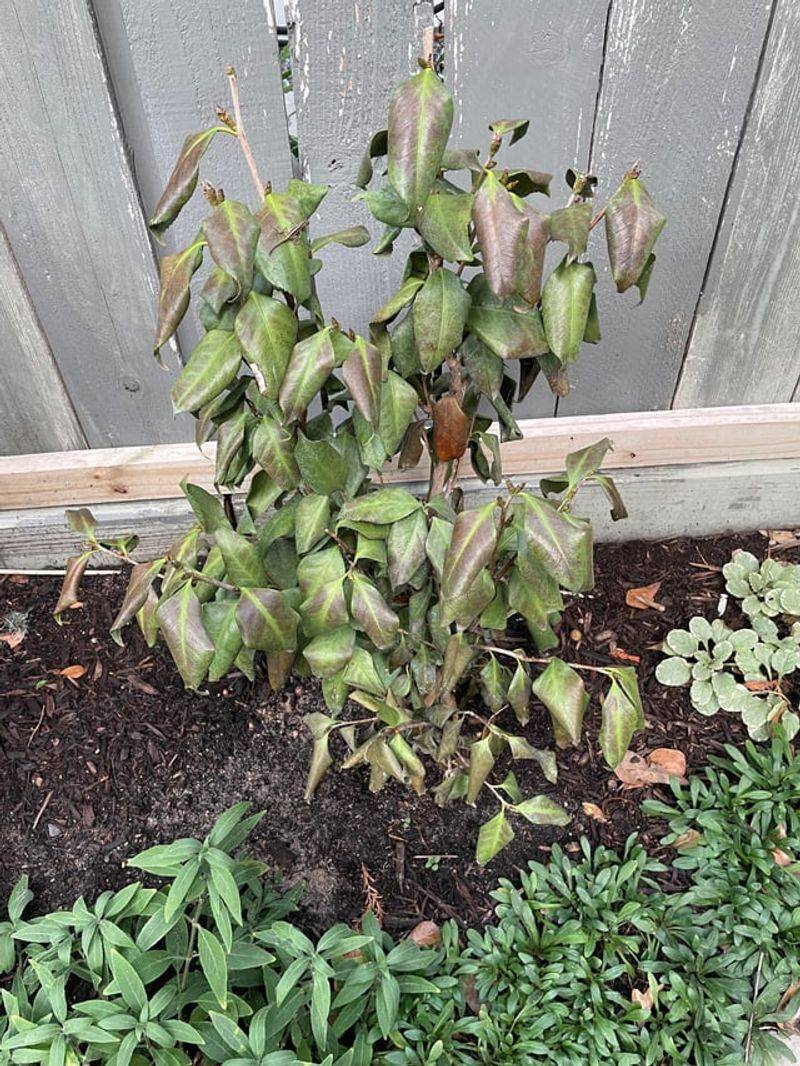
One detail that surprises many gardeners is just how close to the surface camellia roots tend to grow.
Unlike deep-rooted trees that tap into moisture well below the surface, camellias concentrate much of their root activity in the top several inches of soil, which is exactly the zone that heats up and dries out fastest during July.
That positioning makes them more vulnerable to heat and drought than their lush appearance might suggest.
Because the roots sit so close to the surface, they respond quickly to changes in soil temperature and moisture. A few days without water during a heat wave can stress the root zone in ways that a deeper-rooted plant might not even notice.
This is especially relevant in Texas landscapes where reflected heat from driveways, walls, or patios can push soil temperatures even higher around foundation plantings and shaded borders.
Understanding the shallow nature of camellia roots changes how you approach summer care. Rather than assuming the plant can wait out dry spells, checking the top few inches of soil regularly gives you an early warning before roots experience serious stress.
Protecting those shallow roots with a proper layer of mulch helps buffer against temperature swings and moisture loss, which makes mulching one of the most practical steps in a Texas camellia bed.
Mulch and watering tend to work best as a team rather than as separate strategies applied independently of each other.
4. Deep Watering That Reaches The Root Zone
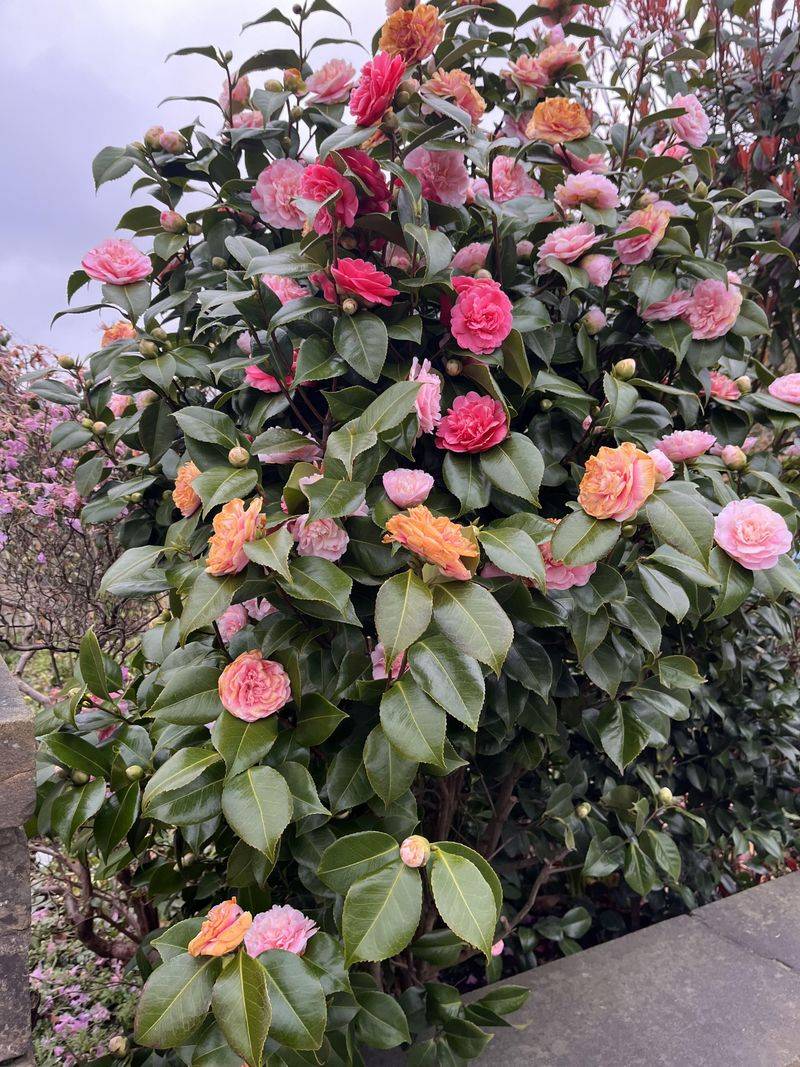
Water running off the surface instead of soaking in is one of the most common watering mistakes in Texas camellia beds.
When soil becomes very dry or compacted, it can repel water rather than absorb it, which means a quick sprinkler pass or a short hand-watering session may leave the root zone much drier than it appears.
Deep watering means slowing down and giving the soil enough time to actually absorb moisture down through the root zone.
For camellias, deep watering generally means applying water slowly and steadily so it reaches several inches below the surface where the roots are actively growing.
Drip irrigation and soaker hoses tend to work well for this because they deliver water at a pace the soil can absorb without runoff.
If you are using a garden hose, watering slowly at the base of the plant for several minutes produces better results than a fast, heavy spray that runs off before it soaks in.
The frequency of deep watering depends on your soil type, the amount of mulch you have in place, recent rainfall, and the current heat level, so there is no single schedule that works for every Texas garden.
Checking soil moisture a few inches below the surface after watering helps you confirm the water actually reached the root zone rather than just moistening the top layer.
Consistent deep watering during July supports root health and gives buds the moisture they need to develop well.
5. Mulch That Keeps Buds On Track
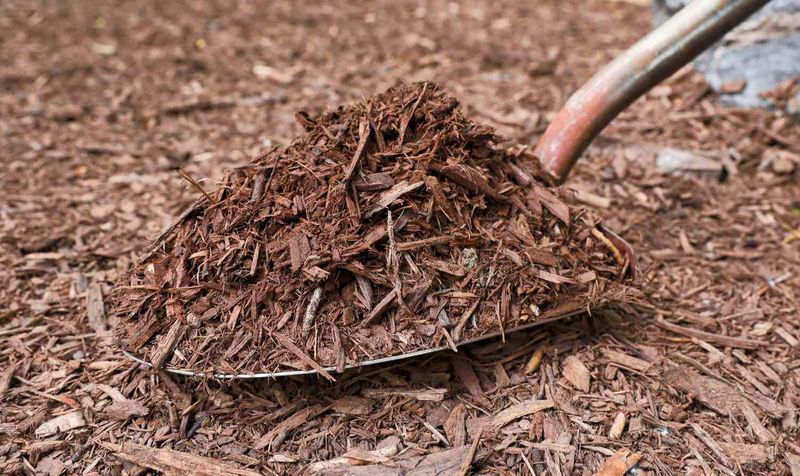
Mulch thinning around the root zone is easy to overlook in summer, but it matters more than most gardeners realize when camellias are in the early stages of bud formation.
A good layer of organic mulch acts as insulation for shallow roots, slowing down the rate at which the soil heats up and dries out during the hottest parts of July.
Without that buffer, soil temperatures near the surface can swing dramatically between morning and afternoon.
Pine bark, pine straw, and shredded hardwood mulch are all commonly used in Texas camellia beds and tend to work well for moisture retention and soil temperature regulation.
Applying mulch to a depth of about two to four inches over the root zone provides meaningful protection without smothering the roots.
The key detail most guides emphasize is keeping the mulch pulled back a few inches from the trunk itself, because mulch piled against the trunk can hold moisture against the bark and create conditions that weaken the plant over time.
Refreshing mulch in summer rather than waiting until fall gives the root zone protection during the period when it needs it most.
If the mulch layer has broken down, thinned out, or washed away since spring, adding fresh material before the hottest weeks arrive can make a real difference in how well the roots stay cool and moist.
Healthy roots supported by good mulch coverage give your Texas camellias a stronger platform for bud development through the rest of the season.
6. Soggy Soil That Sets Camellias Back
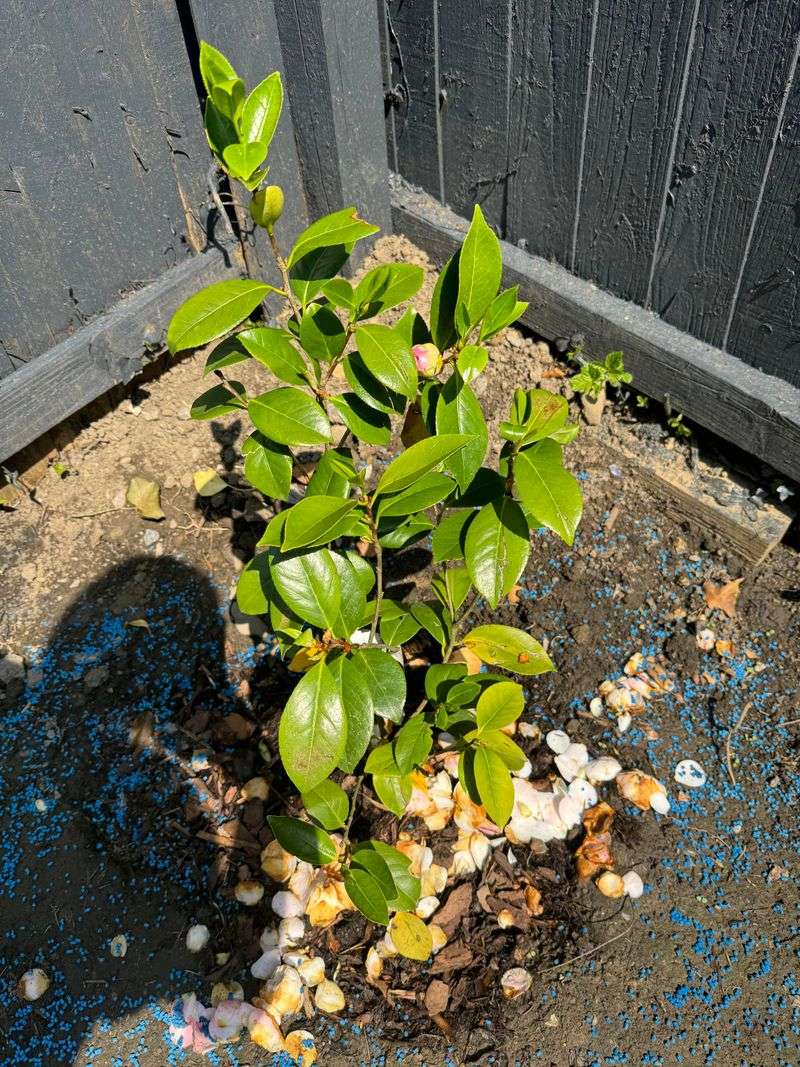
Soggy soil after repeated watering is a problem that sneaks up on well-meaning gardeners who worry about summer drought and overcorrect by watering too often or too heavily.
Camellias need consistent moisture, but they also need soil that drains reasonably well between waterings.
When roots sit in waterlogged soil for extended periods, oxygen becomes limited and root function begins to suffer, which can be just as damaging to bud development as drought stress.
Recognizing waterlogged conditions is not always straightforward because the surface can look fine while the soil several inches down stays saturated.
Yellowing leaves, a general look of decline despite regular watering, or a sour smell near the root zone can all point toward drainage problems rather than drought.
In Texas clay soils especially, water can pool below the surface and stay there longer than expected, particularly in low spots or compacted beds.
Improving drainage before the problem becomes serious is the most practical approach. Raised beds, amended soil with organic matter, and careful attention to how much water you are actually applying all help prevent the soggy conditions camellias dislike.
If you are using an irrigation system, checking the output and adjusting run times based on recent rainfall and current soil moisture is more reliable than running on a fixed summer schedule.
Keeping moisture steady without letting it tip into saturation gives Texas camellias the root environment they need to support healthy bud development heading into fall.
7. Container Camellias That Need Extra Checks
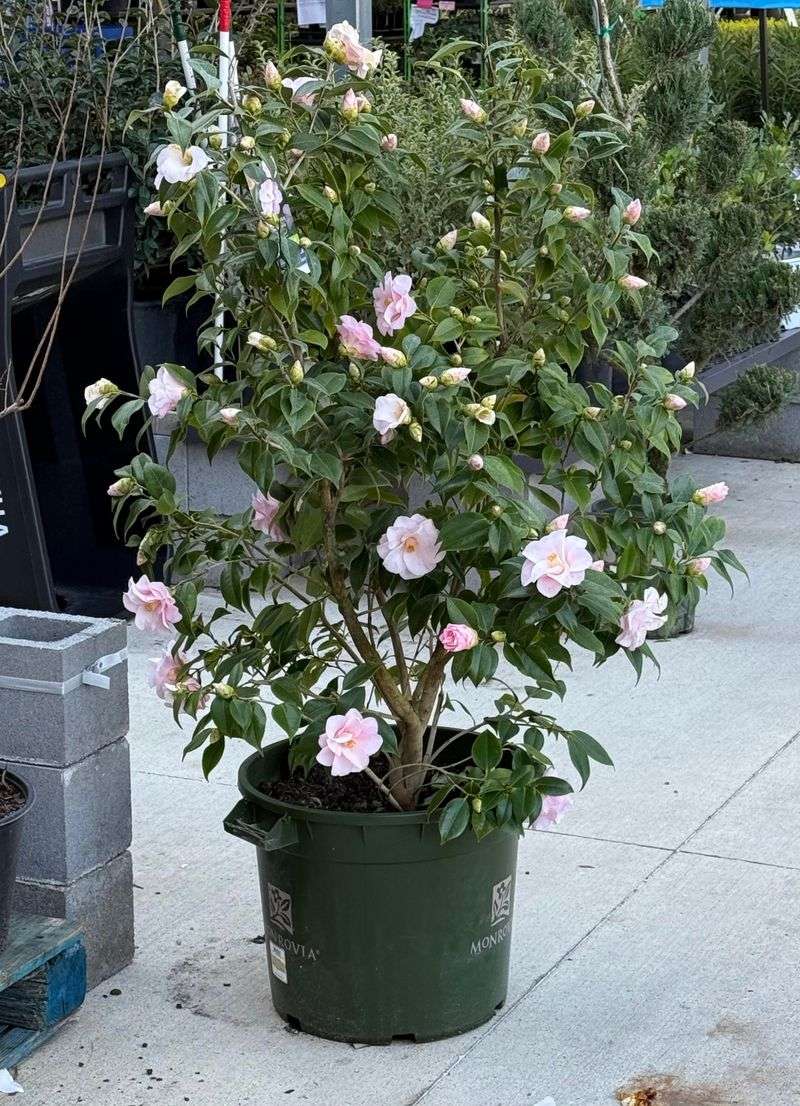
A container camellia drying out faster than expected is one of the most common surprises Texas gardeners encounter during July.
Pots absorb and radiate heat in ways that in-ground beds do not, and the limited volume of soil in a container means moisture reserves run low much faster, especially during hot, dry stretches when temperatures stay elevated day and night.
Container camellias on patios, porches, or covered outdoor spaces need closer monitoring than their in-ground counterparts.
Checking a container camellia means more than glancing at the soil surface. Lifting the pot slightly to feel its weight is one practical method, since a dry pot feels noticeably lighter than a well-watered one.
Pushing a finger into the soil an inch or two below the surface gives a more accurate reading of actual moisture conditions than surface appearance alone.
During peak July heat, some container camellias may need watering more frequently than you would expect based on spring or fall habits.
Drainage is equally important for container plants.
A pot that holds water without draining properly can shift from dry to waterlogged after just one or two heavy waterings, and camellias in containers with poor drainage are just as vulnerable to root problems as those in soggy garden beds.
Using containers with adequate drainage holes and avoiding saucers that trap standing water are two of the most important habits for Texas container camellias during summer.
Positioning pots where they get morning sun and afternoon shade helps keep plants in better balance through the hottest months before fall bloom season begins.
8. Realistic Blooms From Fall Into Winter
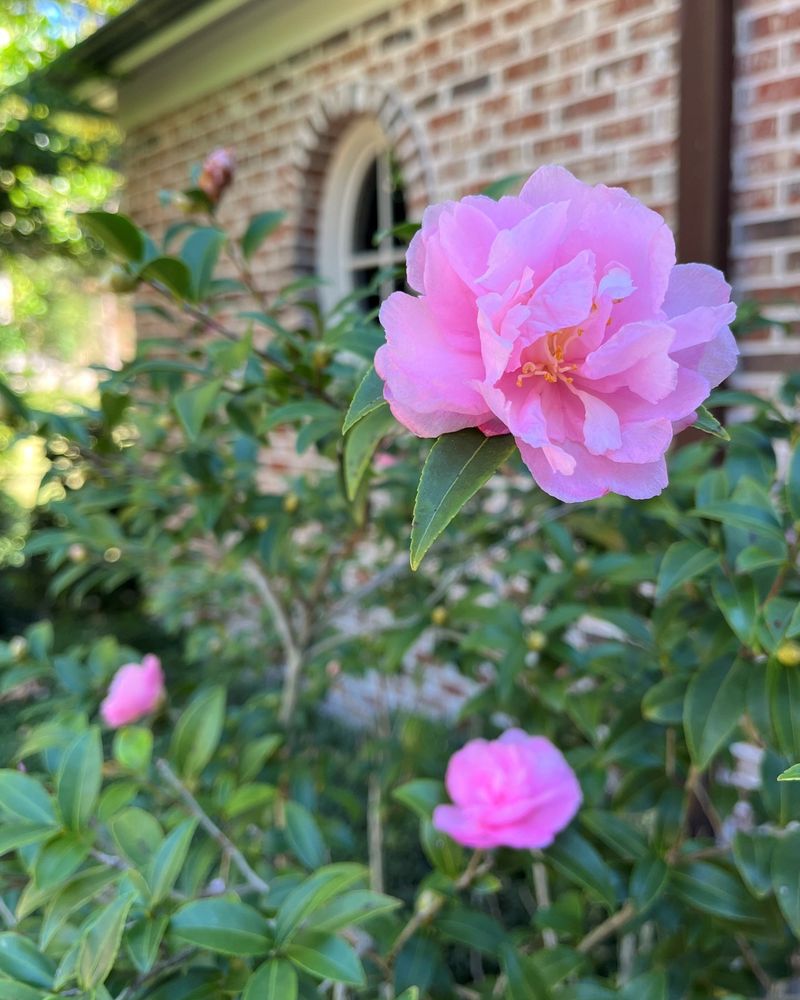
What happens months earlier in summer can genuinely influence how your Texas camellias perform when fall and winter arrive, but it is worth holding realistic expectations about what summer care can and cannot do.
Steady moisture, good mulch, proper drainage, and attentive container checks all support the conditions camellias need to develop buds, but they do not guarantee a specific number of blooms or a particular bloom window.
Variety, local microclimate, shade levels, soil quality, and winter weather all factor into the final result.
Texas spans a wide range of growing conditions, and camellias that thrive in East Texas or along the Gulf Coast may behave differently from those grown in Central Texas or areas with heavier clay soils and less reliable winter temperatures.
Sasanqua camellias tend to bloom in fall, while japonicas typically bloom in late winter and early spring, so knowing which type you have helps set reasonable expectations for timing.
Some years the blooms are spectacular, and some years late cold snaps or unusual heat interfere with the display regardless of how well the summer care went.
Focusing on what you can control, including moisture consistency, mulch depth, drainage, and root health, puts your camellias in the strongest position possible before the bloom season begins.
Gardeners who approach summer camellia care with patience and attention tend to be rewarded more often than those who water on autopilot and hope for the best.
Good summer habits build the foundation, and fall and winter do the rest.