Reasons Why Pennsylvania Gardeners Are Adding Lovage To Their Garden Borders
Lovage is not a plant most Pennsylvania gardeners have on their radar, and that oversight is worth correcting.
This tall, striking perennial has been grown in European kitchen gardens for centuries, and it brings something to a Pennsylvania border that most ornamentals simply cannot offer, a combination of bold architectural presence, genuine culinary usefulness, and the kind of low-maintenance reliability that experienced gardeners learn to prioritize.
It goes in the ground once and comes back larger and more impressive every year, eventually reaching a height that creates real visual structure in a border without needing any support or staking.
The flavor is often described as intense celery with a depth that makes it useful in cooking throughout the growing season.
Pennsylvania’s climate suits it well, and once established it handles the winters here without any protection. Gardeners who discover lovage tend to wonder how they filled that border space before it arrived.
1. It Comes Back Every Year With Very Little Effort
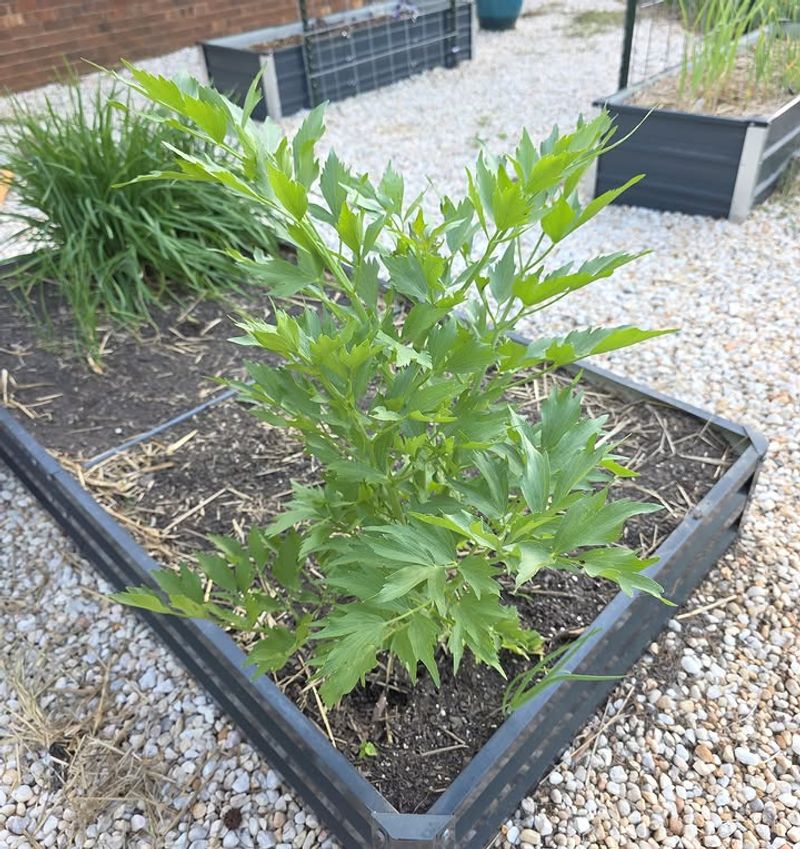
Planting something once and watching it return faithfully every spring feels like a small garden miracle. That is exactly what lovage does.
As a hardy perennial, it survives Pennsylvania winters and pushes up fresh new growth as soon as temperatures begin to warm up in early spring.
Most gardeners in Pennsylvania know the frustration of replanting the same herbs every single year. Basil, cilantro, and dill are delicious, but they demand a fresh start each season.
Lovage skips all of that. Once it is established in your border, it comes back on its own without any replanting, reseeding, or extra coaxing from you.
The root system of lovage is strong and deep. That is what allows it to survive cold snaps and freezing ground temperatures that would finish off a less hardy plant.
By the time April rolls around in Pennsylvania, lovage is already sending up thick stems while other garden plants are still just seeds in a packet.
Getting lovage established is simple. You can start it from seed indoors in late winter or purchase a small transplant from a local nursery.
Water it regularly during its first season, and after that, it largely looks after itself. It handles a range of soil types and does well in both full sun and partial shade.
For busy gardeners who want reliable results without spending every weekend outside fussing over their plants, lovage is a dream addition. It rewards patience and pays you back with lush foliage and usable harvests for many years to come.
2. It Adds Dramatic Height To Garden Borders
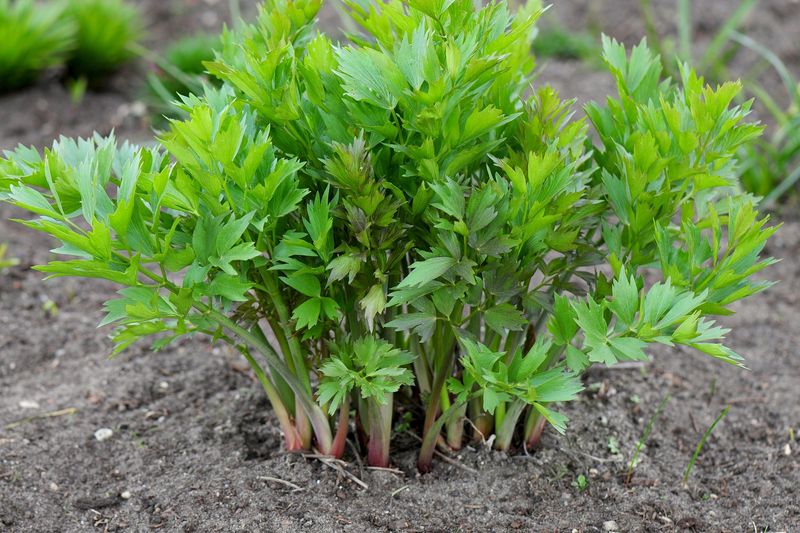
Not every garden plant has the confidence to stand tall and make a statement. Lovage absolutely does.
When fully mature, this plant can send up flower stalks that reach six feet or even higher, making it one of the most visually striking additions you can place along the back of a garden border.
Height in a garden border matters more than most people realize. Taller plants create a natural backdrop that makes shorter flowers and shrubs pop in front of them.
Your Pennsylvania Garden Changes Every Week. Your Plan Should Too.
Gardening in Pennsylvania changes quickly throughout the season. Every Friday you’ll receive a simple weekly plan showing exactly what to plant, prune, fertilize, harvest, and protect so you never miss the right timing.
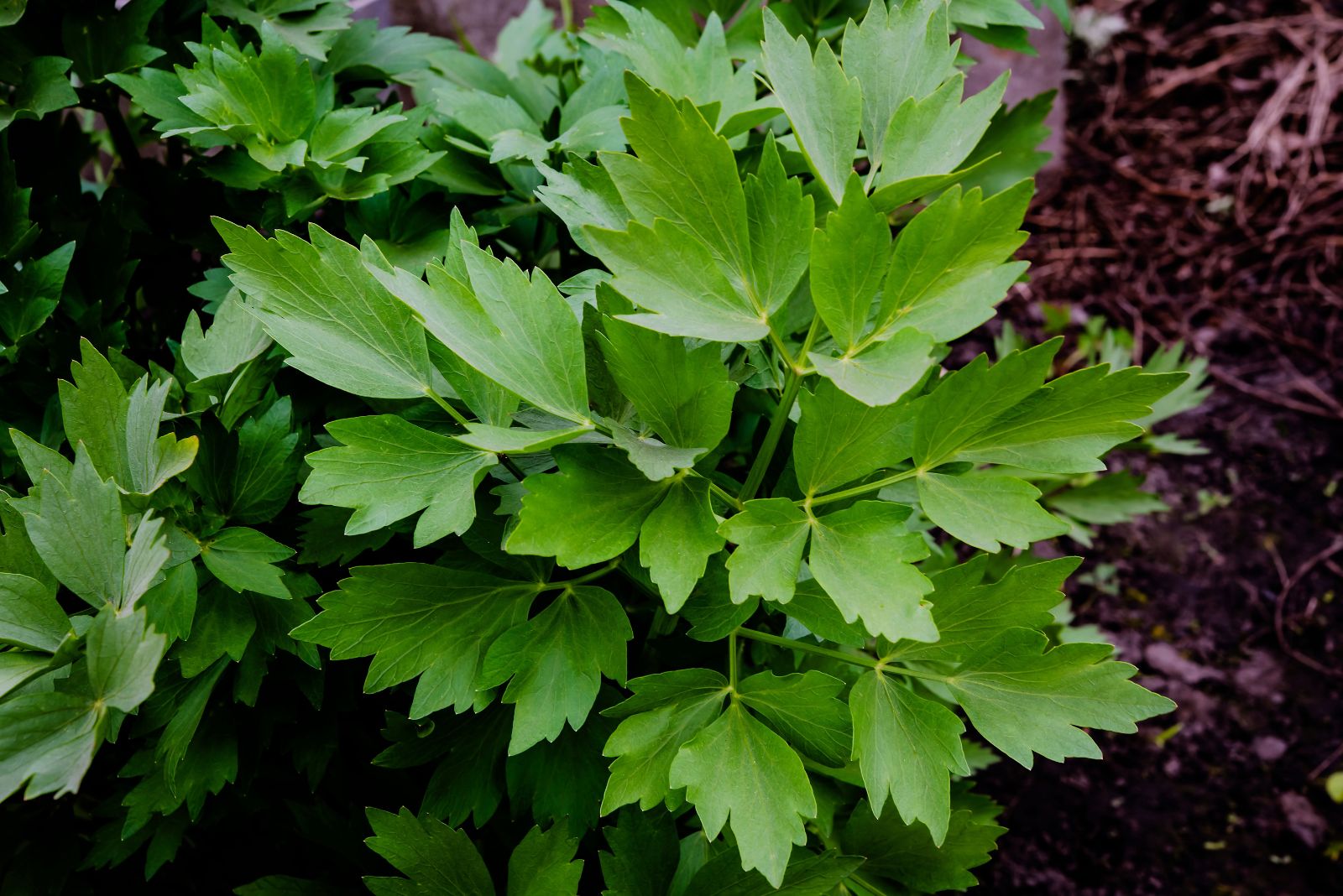
Lovage fills that role beautifully. Its broad, deeply cut leaves are dark green and glossy, giving the plant a lush, full appearance even before the flowers appear.
Pennsylvania garden borders often struggle with that awkward middle ground between low ground covers and medium-height perennials. Lovage solves the problem of what to put at the very back.
It grows upright and does not flop over the way some tall plants tend to do. The stems are sturdy and hold their shape even after summer rainstorms.
Pairing lovage with plants like echinacea, black-eyed Susans, or ornamental grasses creates a layered border that looks professionally designed.
The contrast in leaf shapes and textures adds visual interest throughout the entire growing season, not just when flowers are in bloom.
If your Pennsylvania garden border feels flat or lacks that wow factor, adding lovage at the back is one of the easiest fixes available.
It grows quickly, fills vertical space with confidence, and gives your whole planting scheme a strong, structured backbone that anchors everything around it.
3. Pollinators Love The Summer Flowers
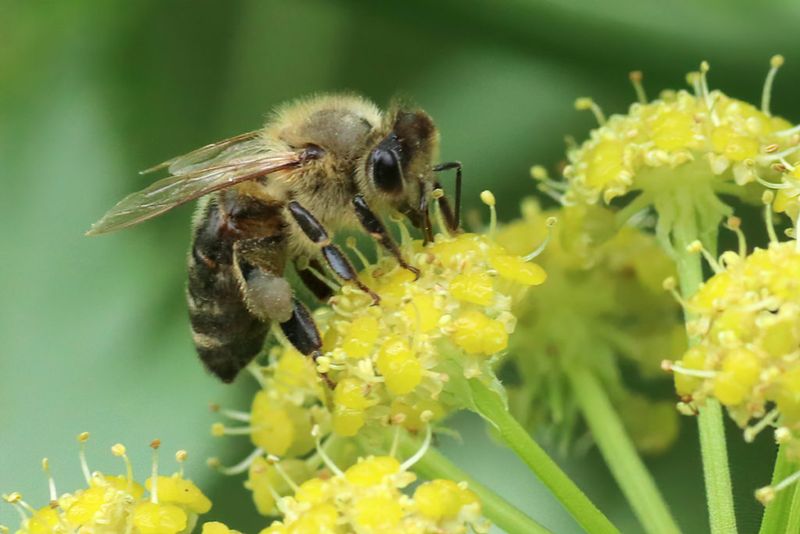
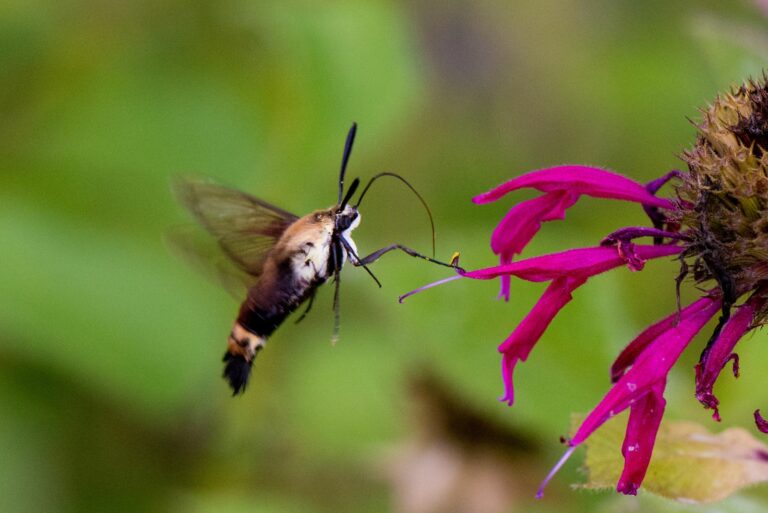
Walk past a lovage plant in full bloom on a warm Pennsylvania summer afternoon, and you will hear it before you see it. The buzzing of bees working those tall yellow flower clusters is impossible to miss.
Lovage is a pollinator magnet, and that makes it a genuinely valuable plant for any gardener who cares about the health of their local ecosystem.
The flowers appear in early to midsummer, forming large, umbrella-shaped clusters called umbels. They are bright yellow and held high on the tallest stalks, which makes them easy for flying insects to spot from a distance.
Honeybees, bumblebees, hoverflies, and parasitic wasps are among the many visitors that show up regularly once the flowers open.
Beneficial insects like parasitic wasps are actually great news for your vegetable garden. They help control pest populations naturally, reducing your need for sprays or other interventions.
By growing lovage nearby, you are essentially inviting a free pest management crew into your yard every summer.
Pennsylvania has seen a steady decline in pollinator populations over the past few decades, and home gardeners can genuinely help turn that around.
Adding flowering plants like lovage that bloom at different times than typical garden flowers extends the feeding season for bees and other beneficial insects.
The flowers also dry beautifully on the stalk, and the seeds that follow attract small birds later in the season. So even after the bloom fades, lovage keeps working.
For gardeners who want their borders to serve both beauty and purpose, the summer flowering of lovage hits both marks perfectly.
4. Almost Every Part Of The Plant Is Edible
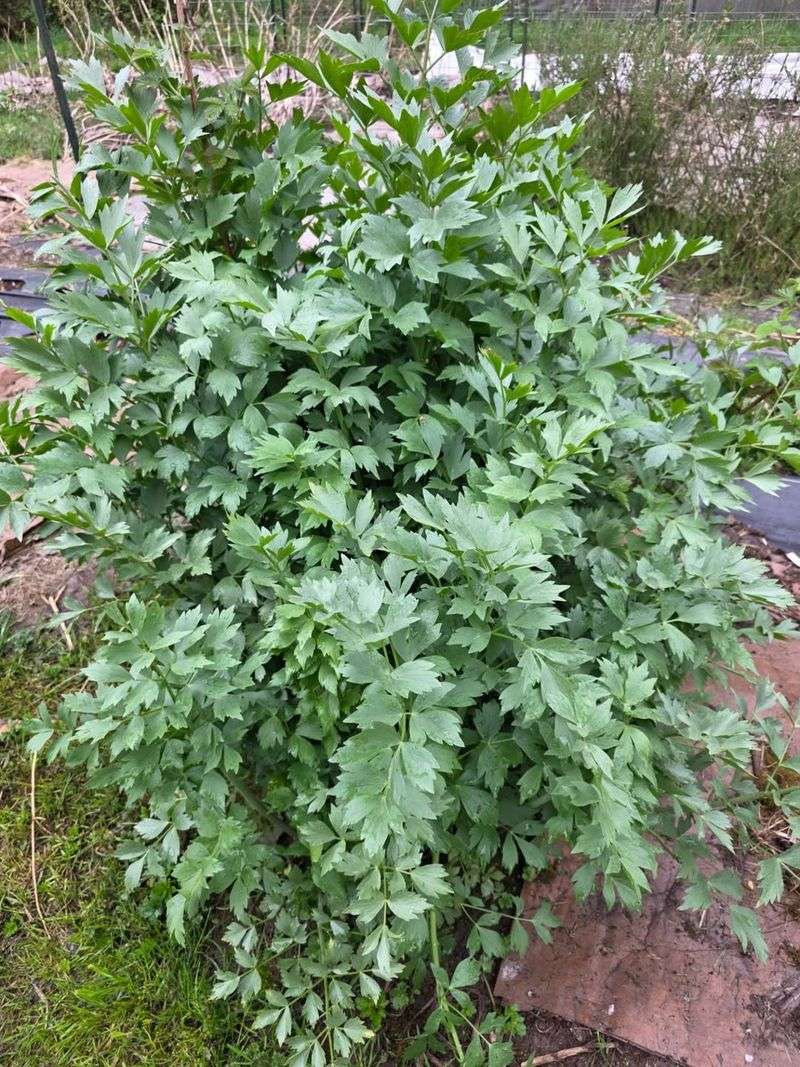
Few plants earn their place in a garden the way lovage does when you realize just how much of it you can actually eat.
The leaves, stems, seeds, and even the roots all have culinary uses, making lovage one of the most productive plants you can grow along a border without sacrificing a single square foot of dedicated vegetable space.
The leaves are the most commonly used part and can be harvested throughout the growing season. Fresh leaves have a bold, savory flavor that works beautifully in soups, salads, and grain dishes.
Because the flavor is quite strong, a little goes a long way. Just a few leaves can season an entire pot of homemade broth.
The hollow stems can be used like celery in cooked dishes or even eaten raw as a crunchy snack. Some creative cooks use the larger stems as natural drinking straws for tomato-based drinks, which is a fun conversation starter at summer cookouts.
The seeds work as a spice, similar in flavor to celery seed, and can be used in bread recipes, pickles, and salad dressings.
Even the roots have been used historically in cooking and herbal preparations. While most home gardeners stick to harvesting the above-ground parts, it is good to know that the whole plant has value.
For Pennsylvania gardeners who love getting the most out of every inch of their yard, lovage delivers on that promise in a big way.
It pulls double duty as both a striking ornamental border plant and a reliable kitchen herb, giving you beauty and flavor from the same spot all season long.
5. It Tastes Like Celery But Is Easier To Grow
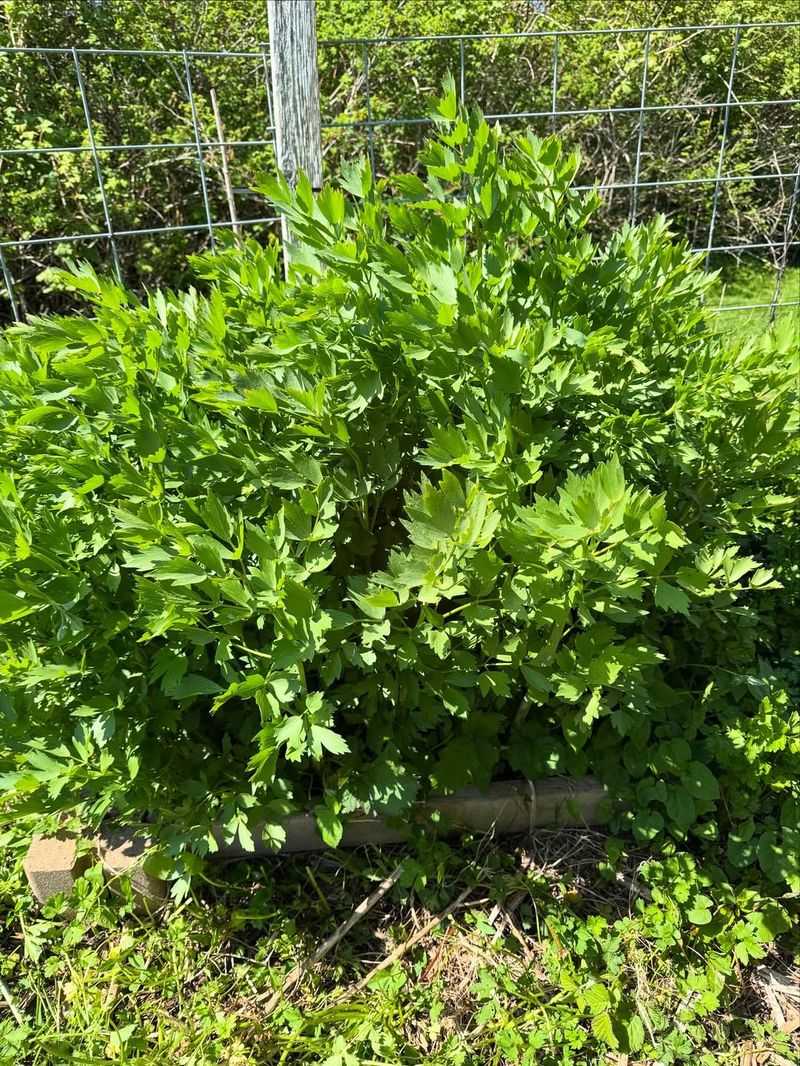
Celery has a reputation for being one of the trickiest vegetables to grow well at home. It needs consistent moisture, rich soil, cool temperatures, and a long growing season that does not always cooperate with Pennsylvania weather.
Lovage, on the other hand, gives you that same bright, savory, celery-like flavor without any of the drama.
The taste of lovage is bold and unmistakably similar to celery, but with a slightly more intense, almost herbal edge to it. Many experienced home cooks actually prefer it over celery in cooked dishes because the flavor deepens and mellows beautifully when heated.
A small handful of lovage leaves can replace a whole stalk of celery in soups, stews, casseroles, and stocks.
Growing lovage is refreshingly uncomplicated compared to celery. It does not require blanching or special soil preparation.
It tolerates dry spells better than celery does and bounces back quickly after being cut back. You can harvest leaves throughout the entire season without harming the plant, and it will keep producing right up until the first frost.
For Pennsylvania gardeners who have tried and struggled with celery in the past, lovage feels like a revelation. You get the flavor you wanted without the constant watering, the pest problems, or the disappointment of a failed crop.
It also freezes well. Chopped lovage leaves can be stored in small bags in the freezer and pulled out during winter for adding to slow-cooked meals.
That means the harvest you take in fall can keep flavoring your cooking all the way through the coldest months of the year, which is a real bonus for any practical Pennsylvania kitchen gardener.
6. It Creates A Cottage-Garden Look Instantly
There is something about a cottage garden that feels warm, relaxed, and full of personality. It looks like it grew on its own, like the plants just decided to show up and make themselves at home.
Lovage captures that feeling better than almost any other herb or perennial you can add to a Pennsylvania border.
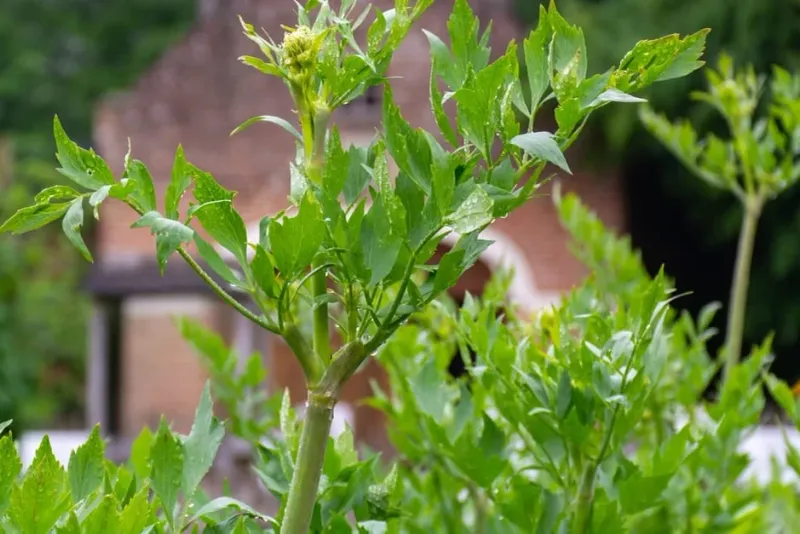
The plant has a bold, generous presence. Its large, deeply lobed leaves form wide, lush clumps at the base, and then the tall flower stalks shoot up in summer to create that layered, overgrown look that cottage gardens are famous for.
It does not look stiff or formal. It looks alive, abundant, and full of character. Pairing lovage with classic cottage garden favorites makes the whole border come together quickly.
Try planting it alongside foxglove, yarrow, echinacea, and catmint for a mix of heights, textures, and bloom times that keeps the border looking interesting from spring through fall.
The dark green foliage of lovage makes brighter flower colors pop against it like a natural frame.
Pennsylvania has a strong tradition of cottage-style gardening, especially in older neighborhoods and rural properties where big, informal borders suit the landscape perfectly. Lovage fits right into that tradition.
It has been grown in European cottage gardens for centuries, and it brings that same timeless, slightly wild energy to American yards.
Best of all, you do not need a design degree or years of experience to make it work. Plant lovage at the back of your border, let it grow, and watch the whole space transform into something that looks like it took years to develop, even if you only planted it last season.