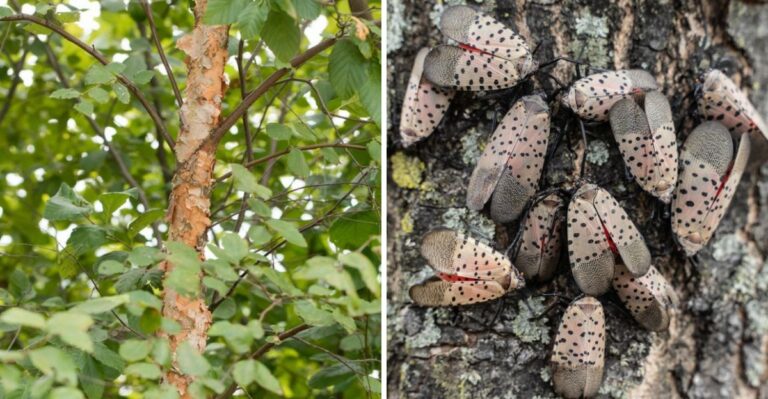
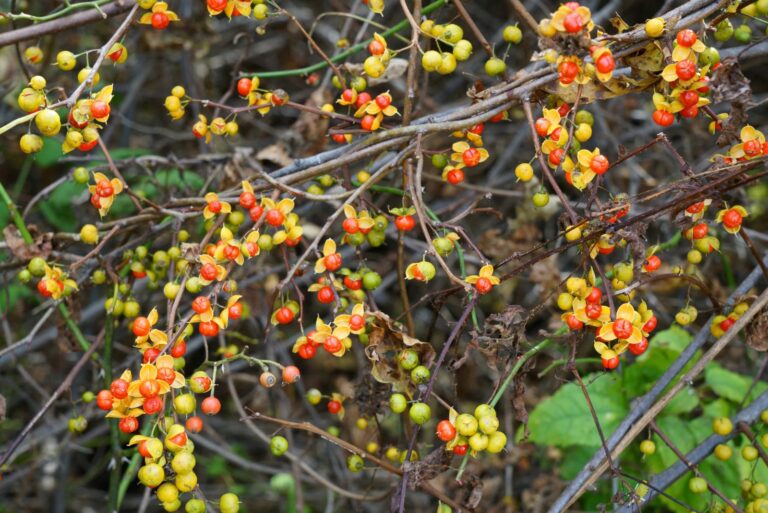
The Pennsylvania Yard Habits Making Spotted Lanternfly Problems Worse
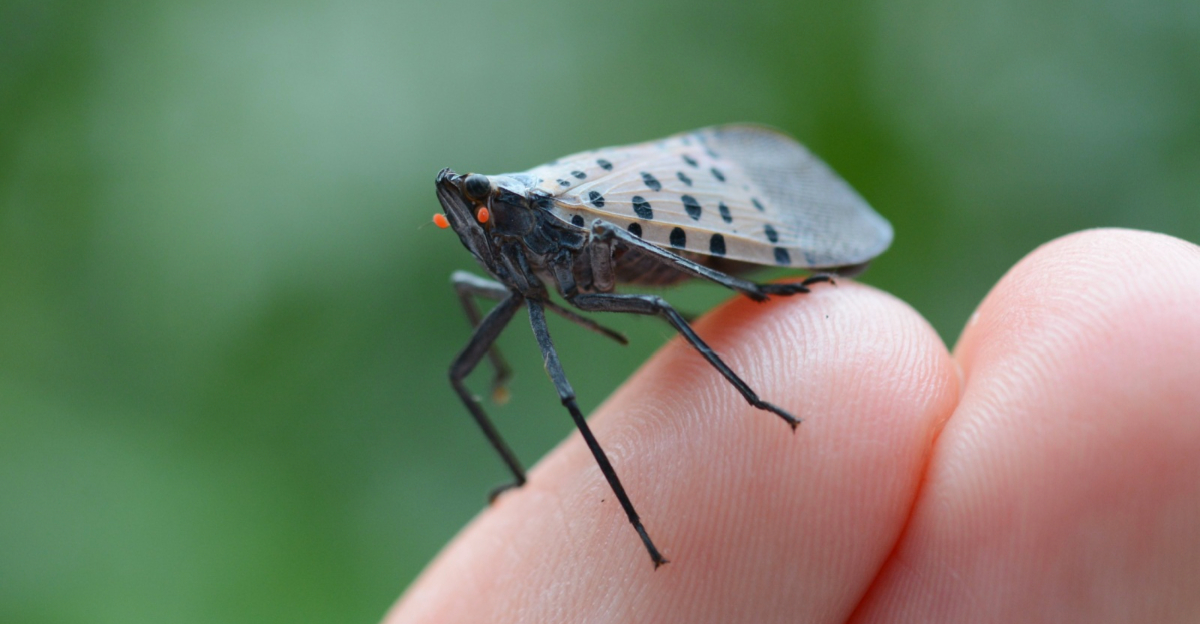
Spotted lanternfly has gotten very good at getting around Pennsylvania, and it has had a lot of help along the way. Not intentional help, but help all the same.
Everyday habits that most homeowners never think twice about can play a quiet but meaningful role in how spotted lanternfly spreads from one Pennsylvania yard to the next.
Leaving tree-of-heaven along a fence line, moving patio furniture without checking it first, and hauling firewood from a nearby infested area are all examples worth being aware of.
The insect is capable of moving on its own, but human-assisted movement of egg masses on outdoor surfaces, vehicles, and equipment is a well-documented part of how spotted lanternfly has made its way across so much of the state.
Knowing which common yard habits may be making things harder is genuinely useful information for any Pennsylvania homeowner right now.
1. Leaving Tree-Of-Heaven Unchecked
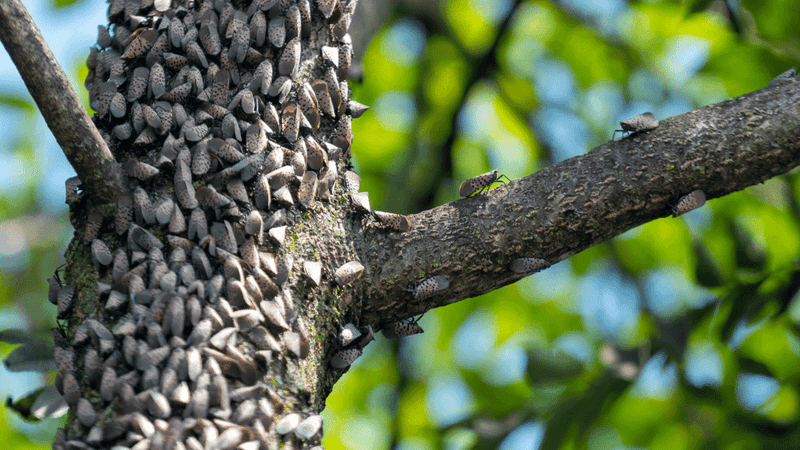
Along fence lines, in alleyways, and at the edges of Pennsylvania yards, tree-of-heaven has a way of showing up without anyone planting it.
This fast-growing invasive tree is one of spotted lanternfly’s preferred hosts, and when it goes unmanaged in residential landscapes, it can quietly support local insect populations.
Homeowners who do not recognize tree-of-heaven often leave it in place for years without realizing what it may be attracting.
Tree-of-heaven spreads aggressively through seeds and root sprouts, meaning a single plant along a shed or garage wall can become several within a season or two.
In Pennsylvania neighborhoods, it tends to pop up in corners of yards where mowing does not reach, along property edges, and behind structures.
Because it grows quickly, it can go from a small shoot to a sizable tree before most people notice it.
Spotted lanternfly has been observed feeding on many plant species, but tree-of-heaven is frequently noted as a highly attractive host, especially during later parts of the season.
Leaving mature tree-of-heaven in place without any management plan means that attractive habitat remains available.
Checking yard edges regularly and learning to identify tree-of-heaven by its compound leaves and distinctive bark can help homeowners make more informed decisions about what is growing in their outdoor spaces.
2. Cutting Tree-Of-Heaven Without A Plan

Fast-growing shoots near a garage or along a property border can tempt any homeowner to grab a pair of loppers and start cutting. The problem is that tree-of-heaven does not respond to casual cutting the way most trees do.
When the above-ground portion is removed without addressing the root system, the plant often responds by sending up multiple new shoots from the base and surrounding roots.
This kind of regrowth can actually increase the number of stems in a small area, potentially creating more foliage for spotted lanternfly to feed on rather than less.
Pennsylvania extension resources have noted that improper removal of tree-of-heaven can make the situation more complicated over time.
Homeowners who cut repeatedly without a coordinated approach may find the tree keeps returning in fuller form each season.
Managing tree-of-heaven effectively generally involves timing, technique, and sometimes the use of registered herbicide treatments applied according to label directions.
Your Pennsylvania Garden Changes Every Week. Your Plan Should Too.
Gardening in Pennsylvania changes quickly throughout the season. Every Friday you’ll receive a simple weekly plan showing exactly what to plant, prune, fertilize, harvest, and protect so you never miss the right timing.
Current guidance from Pennsylvania agricultural and extension resources encourages homeowners to look into proper removal methods before starting, rather than relying on cutting alone.
Reaching out to a local cooperative extension office or reviewing current Penn State spotted lanternfly and tree-of-heaven resources can help homeowners approach removal in a way that is more likely to be effective over the long term.
Going in with a plan matters here, since improper removal can sometimes encourage more regrowth rather than reducing the problem.
3. Ignoring Egg Masses On Outdoor Surfaces
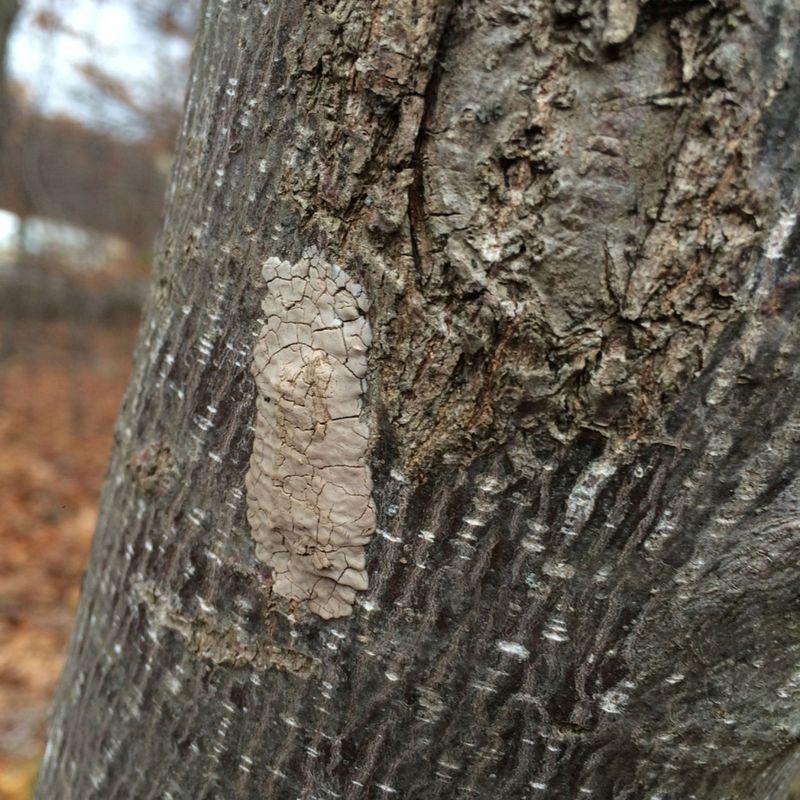
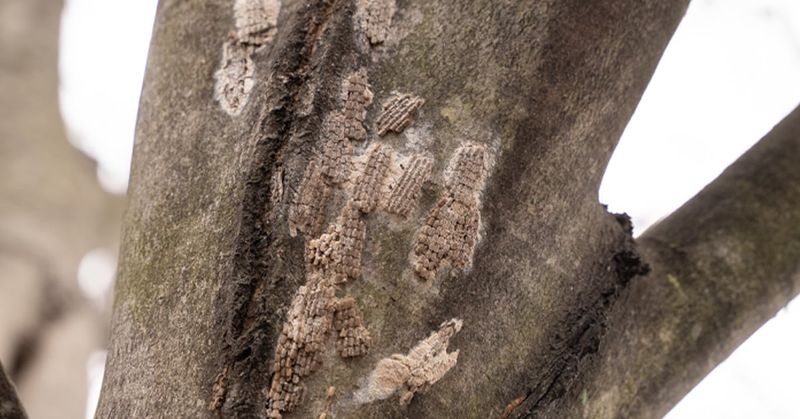
Spotted lanternfly egg masses have a way of blending into surfaces that most people walk past every day without a second glance.
They look like a smear of dried mud or a patch of cracked gray putty, and they appear on a wide range of outdoor surfaces including deck railings, fence posts, garden stones, lawn furniture, tree bark, and the sides of sheds.
In Pennsylvania, egg masses can be found on almost any smooth or rough outdoor surface during the late summer and fall months.
Each egg mass can contain a significant number of eggs, and when those eggs hatch in spring, the young nymphs begin feeding nearby.
Homeowners who do not check outdoor surfaces regularly through the fall and winter may be unknowingly leaving egg masses in place to hatch the following season.
This is one of the more straightforward ways that local spotted lanternfly populations can continue growing in Pennsylvania yards year after year.
Scraping egg masses into a container of soapy water is a commonly recommended removal method that many Pennsylvania homeowners have already added to their regular yard routine.
That said, verifying current guidance from the Pennsylvania Department of Agriculture or Penn State Extension is always a smart move to make sure you are following the most up-to-date advice available.
The habit of checking outdoor surfaces during late summer and fall, especially on items that are not moved often, can make a real difference in what gets left behind to hatch in spring.
4. Moving Patio Furniture, Grills, Or Equipment Without Checking
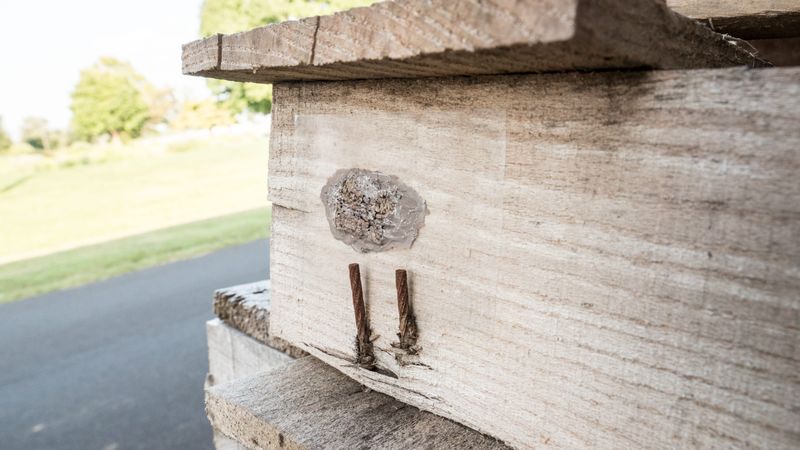
After a summer cookout or a weekend spent on the deck, patio furniture and grills are often moved around without much thought.
In Pennsylvania, that kind of routine movement can carry spotted lanternfly egg masses from one part of a yard to another, or from one property to a neighbor’s yard, without anyone realizing it.
Egg masses laid on the legs of chairs, the underside of tables, or on grill carts can be nearly invisible unless someone is specifically looking for them.
The same concern applies to outdoor equipment like wheelbarrows, planters, lawn tractors, and storage containers. Any item that sits outside for extended periods during spotted lanternfly season is a potential surface for egg laying.
Homeowners who regularly move these items between properties, to community spaces, or into storage without inspecting them first may be helping egg masses travel in ways that would not happen otherwise.
Building a quick inspection habit before moving any outdoor item is one of the more practical steps Pennsylvania residents can take during active spotted lanternfly seasons.
Checking the undersides, legs, and flat surfaces of anything that has been sitting outside takes only a minute or two but can catch egg masses that would otherwise go undetected.
Pairing this with regular checks during late summer and fall, when egg laying is most active, helps keep the habit timely and relevant to what is actually happening in the yard.
5. Hauling Firewood Or Tree Debris From Infested Areas

Firewood stacked near a shed or brought in from a relative’s property a few counties over might seem harmless, but in Pennsylvania, moving firewood and tree debris from infested areas is one of the more recognized ways that spotted lanternfly egg masses can travel.
The rough bark of logs and the surfaces of cut wood are common places where egg masses are laid, and they can be difficult to spot without a careful look.
Pennsylvania has quarantine regulations related to spotted lanternfly movement, and firewood is among the items that fall under that kind of oversight.
Homeowners who haul wood from infested zones into areas where the insect is less established may be contributing to its spread even when the intention is simply to stock up for winter.
Checking with current Pennsylvania Department of Agriculture resources before moving firewood across county lines or from wooded properties is a reasonable step.
Tree debris, including branches, bark, and brush piles, carries similar risks. When yard cleanup involves material from trees that may have been used by spotted lanternfly for feeding or egg laying, that debris should be handled with some awareness.
Chipping material on-site when possible, or following current disposal guidance, can reduce the chance of moving egg masses along with the wood.
Keeping firewood sourced locally and inspecting it before stacking it near the home are habits worth building in Pennsylvania.
6. Parking Under Infested Trees With Windows Open
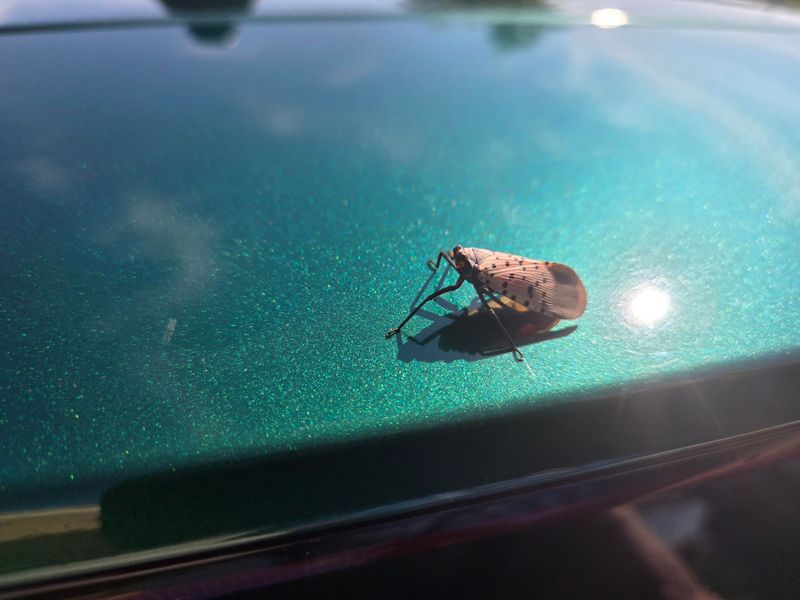
On a warm afternoon, parking in the shade of a large tree with the windows down feels like a perfectly reasonable choice.
The issue arises when that tree happens to be hosting spotted lanternfly adults or nymphs, which are active and mobile during much of the warmer months.
Spotted lanternfly adults are capable jumpers and fliers, and vehicles parked beneath active trees can end up with insects inside the car or on exterior surfaces without the driver ever noticing.
Beyond the insects themselves, vehicles are one of the more well-documented ways that spotted lanternfly and egg masses move across Pennsylvania and into new areas.
Egg masses can be laid on wheel wells, bumpers, roof racks, trailers, and other vehicle surfaces.
A car that picks up an egg mass while parked in an infested part of Pennsylvania can carry it to a less affected area when the driver heads home or travels for work.
Getting into the habit of checking your vehicle before driving, especially after parking near trees in known spotted lanternfly areas, is a practical step that residents can take.
Checking the exterior of the car, including the roof, mirrors, and wheel areas, takes very little time.
Pennsylvania’s quarantine guidance has consistently highlighted vehicle movement as a pathway worth paying attention to, making this one of the more impactful personal habits to develop during active seasons.
7. Letting Honeydew And Sooty Mold Go Unnoticed
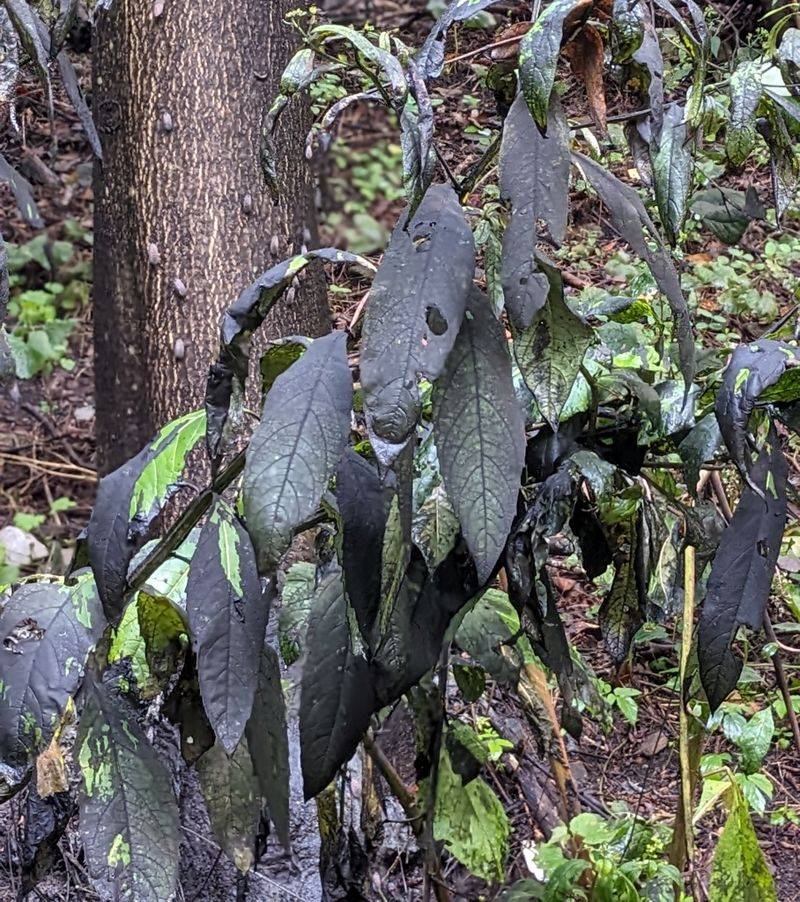
Sticky residue collecting on a patio table, dark discoloration creeping across the bark of a tree, or a gummy film on deck furniture that appears without explanation are all signs worth paying attention to in Pennsylvania yards.
Spotted lanternfly feeds by piercing plant tissue and extracting sap, and in doing so it excretes a sugary liquid called honeydew.
That honeydew drips onto surfaces below the feeding area, including furniture, walkways, vehicles, and the ground.
When honeydew accumulates, it creates conditions that encourage sooty mold, a dark fungal growth that coats leaves, branches, and outdoor surfaces.
While sooty mold does not directly harm wood or furniture, it can affect plant health by reducing the amount of light that reaches leaves.
In Pennsylvania yards with high spotted lanternfly activity, sooty mold on trees and shrubs can become noticeable during late summer and early fall when adult populations are at their largest.
Homeowners who notice these signs but do not connect them to spotted lanternfly activity may miss an important window for increased monitoring.
Recognizing honeydew and sooty mold as potential indicators of feeding activity nearby can prompt a closer look at surrounding trees, shrubs, and outdoor surfaces.
Checking the area around sticky or moldy spots for live insects, nymphs, or egg masses can help residents get a clearer picture of what is happening in their yard before the season progresses further.
8. Skipping Regular Checks During Active Seasons
Spotted lanternfly activity in Pennsylvania shifts throughout the year, and the insect looks very different depending on the time of season. Early spring brings small, dark nymphs with white spots.
Later in summer, nymphs develop red coloring before becoming adults with distinctive spotted wings. Egg masses appear on outdoor surfaces from late summer through early spring.
Missing these windows by not checking regularly means opportunities to catch and report activity can quietly pass by.
Pennsylvania yards that go unchecked through the warmer months can accumulate spotted lanternfly activity on trees, fences, structures, and outdoor items without the homeowner realizing how much is present.
Regular checks do not need to be lengthy or complicated.
Walking the perimeter of the yard, looking at tree trunks, fence posts, and the undersides of outdoor furniture a few times per month during active seasons is enough to stay informed about what is happening.
Reporting spotted lanternfly sightings is also encouraged in Pennsylvania, particularly in areas where the insect has not yet been confirmed.
Keeping an eye out and reporting observations through official Pennsylvania channels helps researchers and agricultural officials track how populations are moving across the state.
Skipping regular yard checks makes it harder to catch early signs, respond to new activity, or contribute to the broader effort of tracking spotted lanternfly across Pennsylvania communities.
Building a simple seasonal inspection routine is one of the most accessible habits any homeowner can develop.