Why Pennsylvania Hydrangeas In The Pocono Mountains Always Perform Differently Than Those In Philadelphia
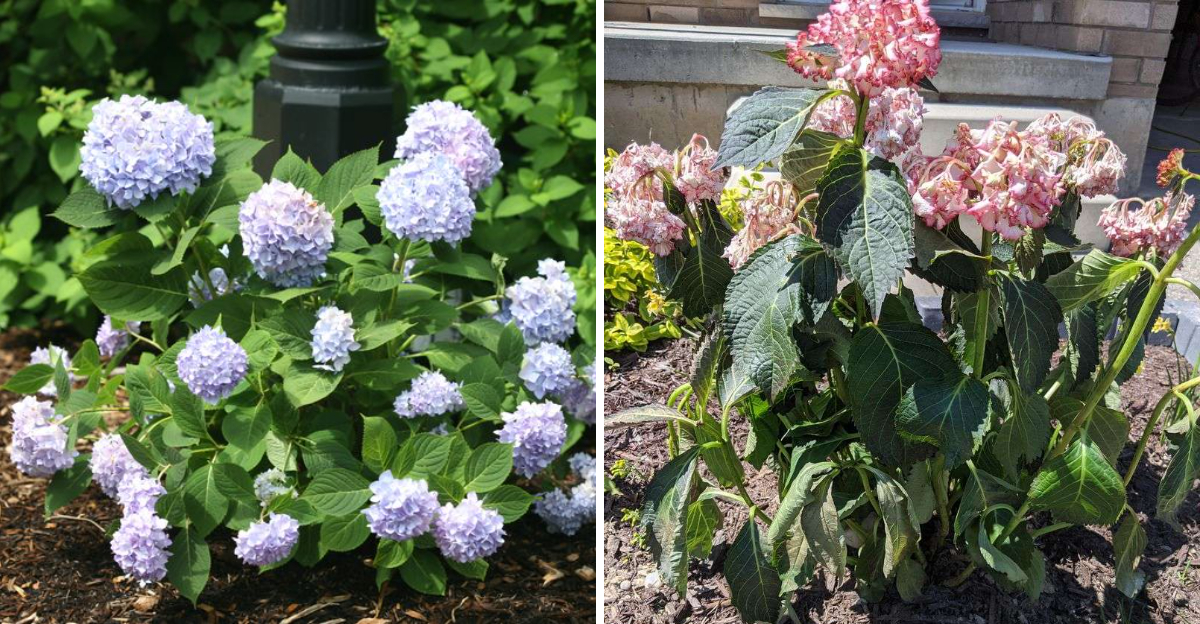
Pennsylvania is a big state with a lot of different growing conditions packed into it, and nowhere is that difference more apparent than when you start comparing what works in the Pocono Mountains to what works in Philadelphia.
The same hydrangea variety, planted with the same care and intentions, can behave in completely different ways depending on which end of the state it calls home.
Pocono hydrangeas and Philadelphia hydrangeas are not living the same life. Elevation, temperature swings, frost timing, humidity levels, and soil composition all vary significantly between these two regions, and hydrangeas are sensitive enough to feel every one of those differences.
What produces spectacular blooms in a Philadelphia garden bed can struggle to flower at all in the Poconos if the conditions aren’t properly accounted for.
Understanding those differences isn’t just interesting gardening trivia. It’s genuinely useful information for anyone in either region who has been frustrated by hydrangea performance that doesn’t match what the plant tag promised.
Here’s what’s actually driving the difference and what it means for how you grow hydrangeas in each part of Pennsylvania.
1. Pocono Winters Destroy More Old-Wood Flower Buds
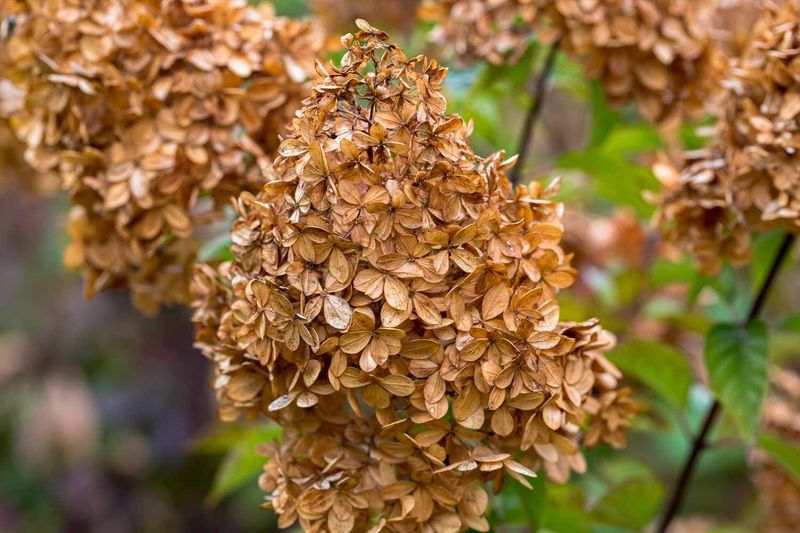
Picture this: you plant a beautiful bigleaf hydrangea in your Pocono Mountains yard, water it all summer, and watch it grow strong. Then spring arrives, and instead of flowers, you get nothing but leaves.
Sound familiar? This is one of the most common frustrations for Pocono hydrangea growers, and the reason comes down to winter cold.
Bigleaf hydrangeas are different from many other flowering shrubs. They form next year’s flower buds on the same stems they grew the previous summer.
Those stems, called old wood, carry the promise of blooms all winter long. But they need to survive the cold to deliver on that promise.
Mount Pocono’s January temperatures average around 30 degrees Fahrenheit during the day and drop to about 15 degrees at night. Compare that to Philadelphia, where January days average about 41 degrees and nights stay near 26 degrees.
That difference of more than ten degrees may sound small, but for tender flower buds, it is enormous.
When temperatures drop low enough, those old-wood buds freeze and become damaged beyond recovery. The plant itself survives just fine and pushes out fresh green leaves in spring.
But without healthy buds, there are no flowers. Gardeners often think something is wrong with their plant when really the cold winter is the true cause.
Choosing hydrangea varieties that are rated for colder zones, like Zone 5, can help. Protecting stems with burlap wrapping or a thick layer of mulch over the root zone before winter also makes a real difference for Pocono gardeners hoping to see blooms the following season.
2. Pocono Hydrangeas Wake Up Later In Spring
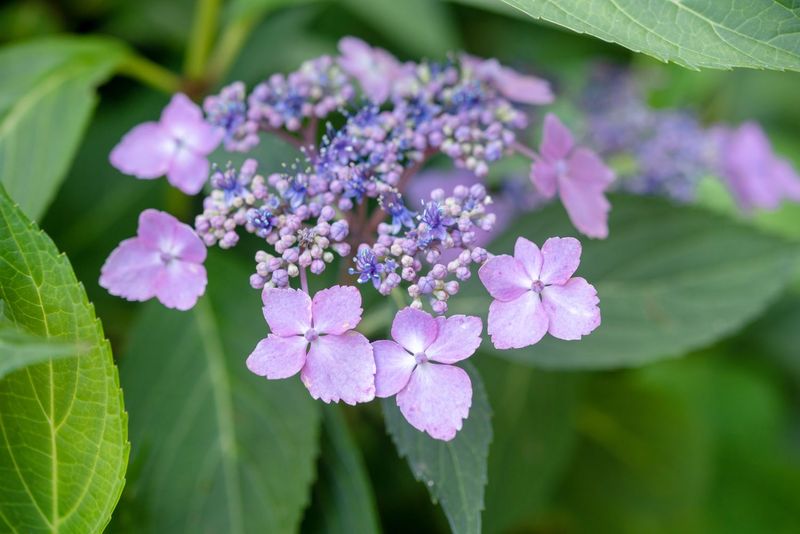
Spring in the Pocono Mountains does not arrive the same way it does in Philadelphia. The mountains hold onto winter a little longer, and hydrangeas feel every extra cold day.
April temperatures in Mount Pocono average around 55 degrees Fahrenheit for highs and drop to about 34 degrees at night. Philadelphia enjoys noticeably warmer April conditions, with highs near 65 degrees and lows around 44 degrees.
Your Pennsylvania Garden Changes Every Week. Your Plan Should Too.
Gardening in Pennsylvania changes quickly throughout the season. Every Friday you’ll receive a simple weekly plan showing exactly what to plant, prune, fertilize, harvest, and protect so you never miss the right timing.
That ten-degree gap in spring temperatures has real consequences for hydrangeas. Plants use warmth as a signal to wake up from dormancy.
When soil and air temperatures stay cooler, hydrangeas in the Poconos simply take longer to push out new leaves and begin their growth cycle.
Philadelphia hydrangeas often have a head start of several weeks, giving them more time to develop and bloom before summer heat arrives.
A later start sounds manageable, but there is another risk hiding in Pocono springs. Even after a hydrangea wakes up and begins producing tender new shoots and fresh flower buds, a late-season freeze can sweep through the mountains.
Those newly emerging tissues are extremely vulnerable to frost damage. One cold night can set a plant back significantly, injuring or wiping out the fresh growth that was just getting started.
Pocono gardeners can reduce this risk by choosing planting spots near south-facing walls or fences that absorb heat during the day and release it slowly at night.
Covering plants with a light frost cloth on nights when temperatures threaten to drop below freezing is another smart move. Patience is also key, since rushing to plant too early often backfires in the mountains.
3. Philadelphia Heat Produces Faster Growth But More Wilting
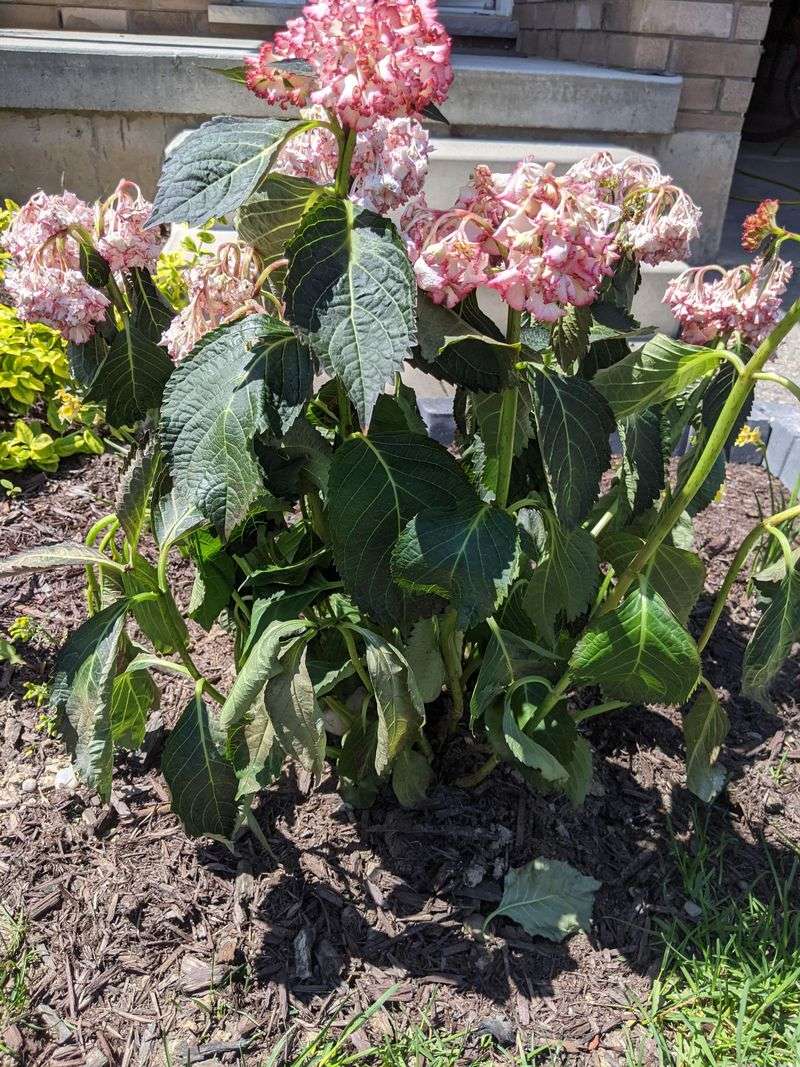
Philadelphia summers are no joke. July highs in the city average around 88 degrees Fahrenheit, with nighttime lows staying warm at about 70 degrees.
That kind of heat creates a very different growing environment than the Pocono Mountains, where July highs average a much more comfortable 78 degrees and nights cool down to around 58 degrees.
All that city warmth does have one benefit for hydrangeas. Philadelphia plants tend to grow faster and flower earlier in the season.
The extra heat pushes growth along quickly, which means blooms can arrive weeks ahead of those on the same variety growing up in the mountains. For gardeners eager to see color, Philadelphia’s climate delivers results sooner.
But faster growth comes with a real trade-off. Hot afternoons in Philadelphia cause hydrangeas to lose water through their large leaves much more rapidly than mountain plants do.
On a scorching July afternoon, a Philadelphia hydrangea can look completely collapsed by midday, with drooping stems and limp blooms that look alarming. Most plants recover once evening cools things down, but repeated stress weakens them over time.
Beyond wilting, the combination of heat and dry spells can cause flower petals to turn brown and crispy at the edges. Leaves may develop scorched patches, especially on varieties that prefer some afternoon shade.
Philadelphia gardeners get the best results by planting hydrangeas where they receive morning sun and afternoon shade.
Watering deeply two or three times a week during hot stretches, rather than light daily watering, helps roots go deeper and makes plants more resilient when temperatures climb.
4. Wetter Pocono Conditions Can Preserve Blooms But Encourage Leaf Problems
One thing the Pocono Mountains have plenty of is moisture. The region tends to see more precipitation than Philadelphia during late summer and into fall.
For hydrangeas, this extra rainfall is a mixed blessing that requires some careful attention from gardeners who want healthy plants.
On the positive side, cooler and wetter conditions in the mountains can actually help hydrangea blooms last longer. Flowers that might turn brown and fade quickly under Philadelphia’s summer heat often stay attractive for weeks in the Poconos.
The combination of lower temperatures and consistent moisture keeps petals looking fresh and colorful well into the season, which is one reason mountain hydrangeas can look so stunning in late summer.
However, that same moisture creates conditions that certain fungal problems love. Botrytis blight is a common issue in cool, damp environments.
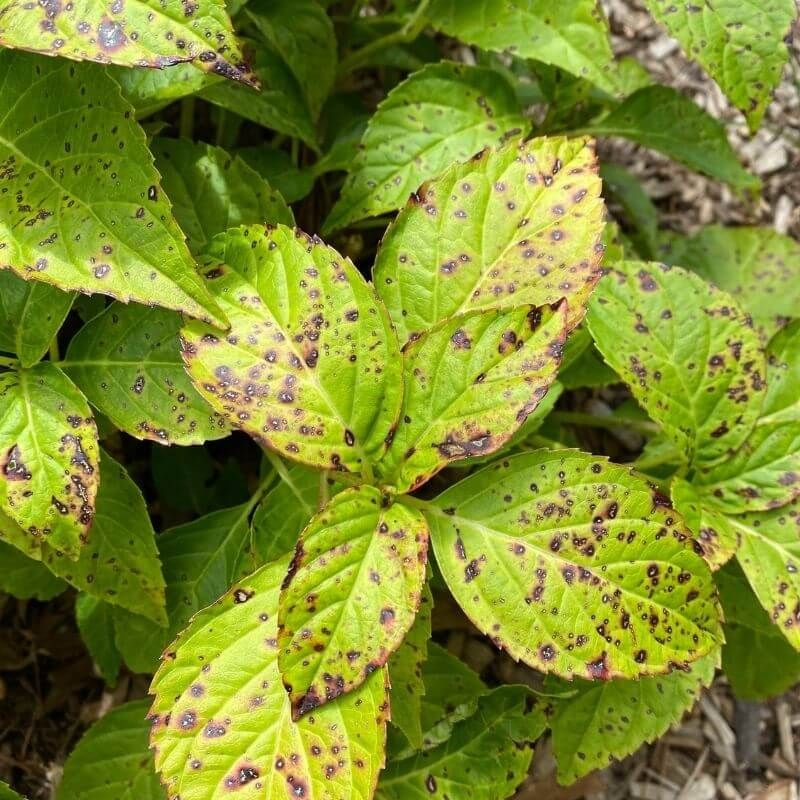
It causes flowers and young shoots to develop a grayish mold, especially when air circulation around the plant is poor. Cercospora leaf spot is another frequent visitor in wet Pocono summers, leaving purple or tan spots scattered across the foliage.
Good drainage is essential for Pocono hydrangeas. Planting in soil that holds water for too long keeps roots wet and invites root rot.
Spacing plants far enough apart so air can flow freely between them reduces the humidity that clings to foliage after rainstorms. Avoiding overhead watering and instead directing water at the base of the plant keeps leaves drier.
Removing damaged or spotted leaves promptly helps stop fungal spores from spreading to healthy growth nearby. These simple habits make a noticeable difference in plant health.
5. Hydrangea Species Determines How Dramatic The Regional Difference Becomes
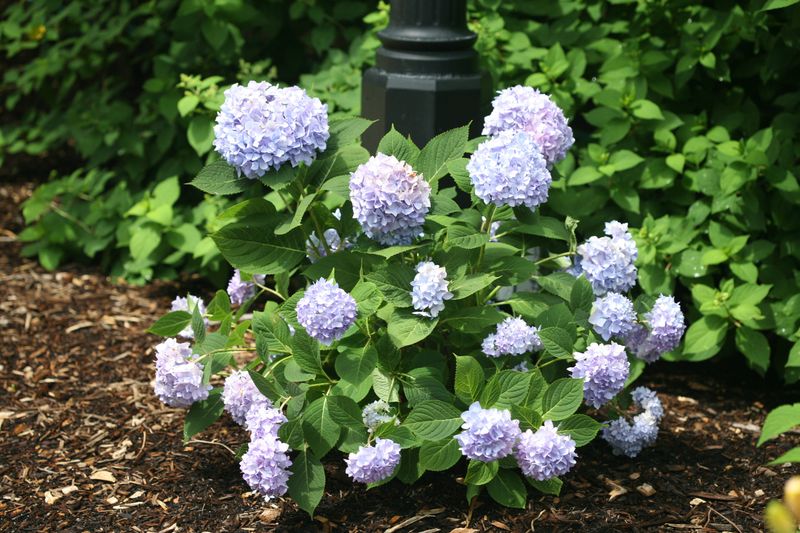
Not all hydrangeas react to Pennsylvania’s climate differences the same way. The species you choose has a huge impact on whether you notice a dramatic difference between Pocono and Philadelphia performance or barely any difference at all.
Understanding this before you buy can save a lot of disappointment. Bigleaf hydrangeas, the classic mophead and lacecap types with big round or flat flower clusters, show the greatest contrast between regions.
Most traditional bigleaf varieties bloom on old wood, meaning those precious buds formed last summer must survive the Pocono winter intact.
As discussed earlier, that is often where things go wrong in the mountains. Philadelphia’s milder winters give these varieties a much better chance of delivering reliable blooms year after year.
Smooth hydrangeas, like the popular Annabelle variety, and panicle hydrangeas, which produce cone-shaped flower clusters, work very differently. Both types bloom on new wood, meaning they form their flower buds on fresh stems produced in the same season.
Even if a brutal Pocono winter knocks back every stem to the ground, these plants simply regrow from the roots and still flower reliably that summer. This makes them far more dependable choices for mountain gardens.
Reblooming bigleaf cultivars offer an interesting middle ground. Varieties like Endless Summer were bred to flower on both old and new wood.
Even when Pocono winters wipe out old-wood buds, these plants can still produce some blooms on new growth. They may not perform as spectacularly as they would in Philadelphia, but they give mountain gardeners a much better shot at colorful flowers.
Selecting the right species for your location is honestly the single most impactful decision a Pennsylvania hydrangea grower can make.
6. Philadelphia Hardscape Can Change Bigleaf Hydrangea Color
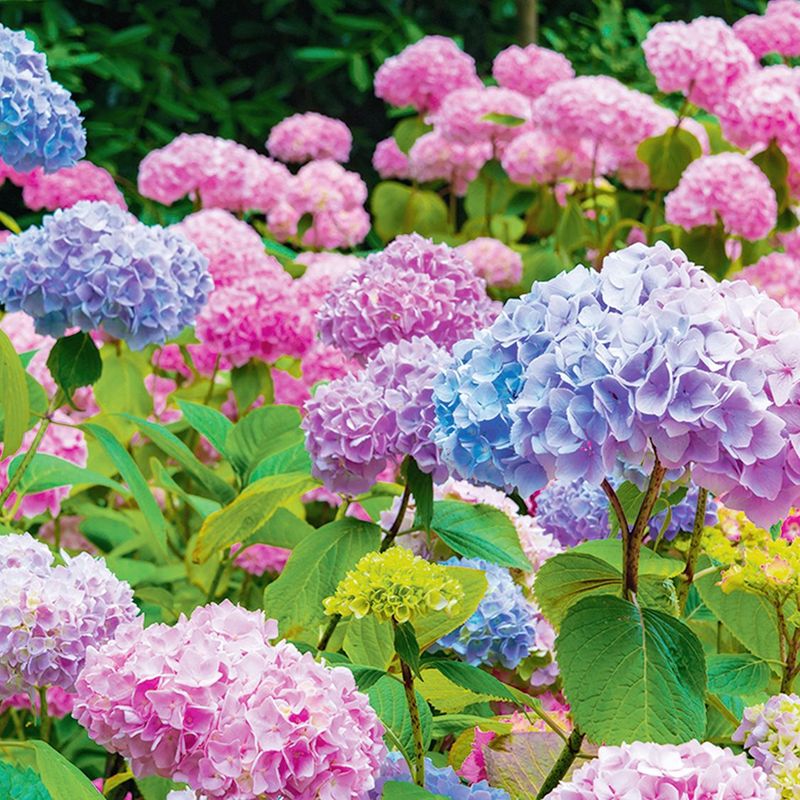
Here is something that surprises many gardeners: the color of your bigleaf hydrangea flowers is not just about the plant itself.
Soil chemistry plays a starring role, and in Philadelphia, the built environment can quietly change that chemistry in ways most people never expect.
Bigleaf hydrangeas produce blue flowers when aluminum is available in the soil and the soil pH is acidic, typically below 6.0. When soil pH rises above 7.0 and becomes more alkaline, aluminum becomes locked up and unavailable to the plant.
Without accessible aluminum, those same flowers shift toward pink. The plant does not change, but the soil conditions around it do all the work of switching the color.
Philadelphia is packed with concrete foundations, sidewalks, driveways, and brick structures. Over time, lime leaches out of concrete and masonry materials and moves into the surrounding soil.
Penn State extension resources note this effect specifically, pointing out that soil near foundations and pavement can become significantly more alkaline than soil just a few feet away.
A bigleaf hydrangea planted right next to a concrete path may bloom pink simply because of what is leaching out of the pavement nearby.
The same cultivar growing in a Pocono Mountains garden with naturally acidic forest soil, which is common in that region, would likely bloom blue without any intervention at all.
Philadelphia gardeners who want blue flowers near hardscape need to test their soil pH regularly and amend it with sulfur or use acidifying fertilizers to counteract the lime effect.
Adding aluminum sulfate directly to the soil can also help shift flowers toward blue. Without these steps, pink blooms beside concrete are almost guaranteed.