These Arizona Plants Smother Weeds Without Any Chemicals
You spend time clearing weeds, step back to admire the results, and everything looks exactly the way it should. Then a short time later, new growth starts appearing in the same spots and the whole process begins again.
It is one of the most frustrating parts of yard maintenance because the work never seems to stay finished for very long.
That is why more people are paying attention to plants that can do some of the work themselves. Instead of constantly reacting to weeds after they appear, certain plants help limit open space where unwanted growth would normally take hold.
The difference becomes easier to notice as those areas begin filling in and requiring less attention.
In Arizona, keeping bare soil covered can make a huge difference throughout the growing season.
Some plants naturally spread into open areas and create thick coverage, helping landscapes look fuller while making weed problems much less noticeable over time.
1. Trailing Dalea Covers Bare Ground Before Weeds Move In
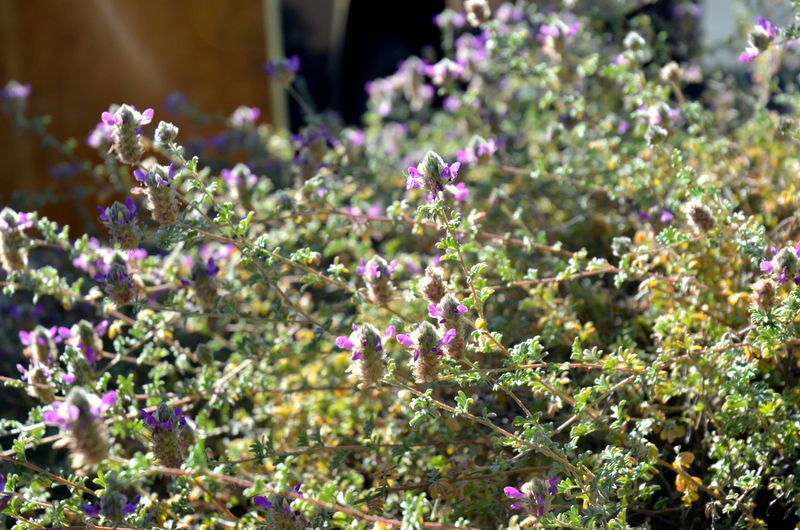
Bare soil is basically an open invitation for weeds. Trailing Dalea shuts that door fast.
It spreads low and wide across open ground, forming a dense mat that blocks light and leaves almost no room for weeds to sneak through.
Dalea greggii is native to the Sonoran Desert region, so it handles heat and drought without much fuss. Once established, it needs very little water.
It works well in full sun and tolerates rocky or sandy soil that most other plants would struggle in.
Purple blooms appear in spring and attract pollinators, which is a nice bonus on top of its weed-blocking ability. Plants can spread four to six feet wide, so give each one plenty of room to do its thing.
Planting in fall or early spring gives roots time to settle before summer heat hits. Water regularly for the first few weeks, then ease back as the plant establishes itself.
After that, occasional deep watering is usually enough.
Trailing Dalea works great along slopes, rocky edges, and dry garden beds where weeds tend to take hold quickly. It stays low, rarely needs pruning, and holds soil in place too.
For gardeners looking for a tough, reliable ground cover that truly earns its space, this plant consistently delivers results without much attention.
2. Ground Morning Glory Builds A Dense Layer Of Foliage
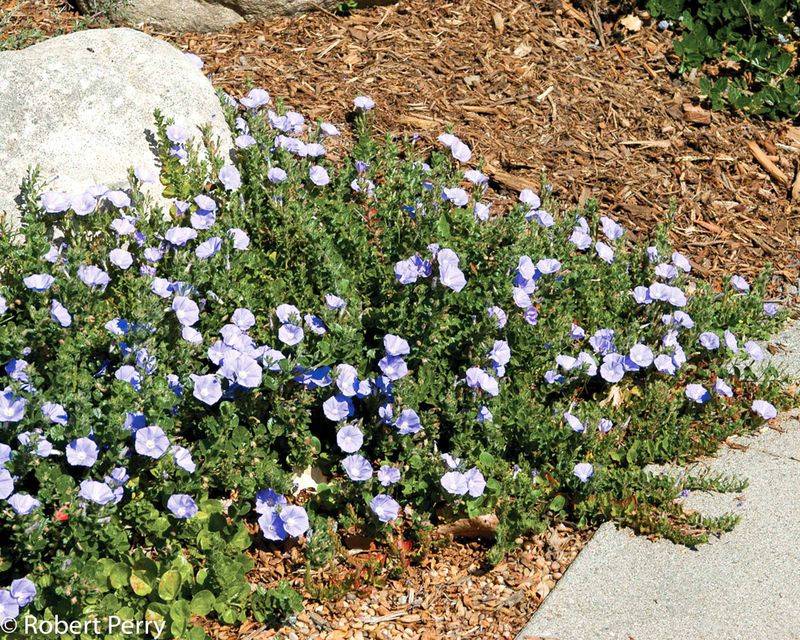
Some plants just know how to take over, and Ground Morning Glory does exactly that in the best possible way. It sprawls quickly across open soil, layering leaves over each other until weeds simply cannot find enough light to sprout.
Evolvulus arizonicus is a true regional native. It grows naturally in dry washes and open desert areas across the Southwest, which means it already knows how to handle intense sun and minimal rainfall.
That toughness carries over beautifully into home gardens.
Small blue flowers appear throughout the warm season, adding color while the plant keeps doing its ground-covering job. Growth stays low, usually under a foot tall, which makes it easy to tuck between larger shrubs or along walkway edges.
Your Arizona Garden Changes Every Week. Your Plan Should Too.
Gardening in Arizona changes quickly throughout the season. Every Friday you’ll receive a simple weekly plan showing exactly what to plant, prune, fertilize, harvest, and protect so you never miss the right timing.
Soil drainage matters a lot with this plant. It does not like sitting in wet soil, so avoid planting in low spots that collect water after rain.
Sandy or gravelly soil suits it well, and it rarely needs fertilizer to perform.
Spacing plants about eighteen inches apart gives them room to fill in without overcrowding. Within one growing season, a healthy patch can cover a surprisingly large area.
Regular trimming is not necessary, though light shaping helps if plants start creeping into areas you want to keep clear.
For low-effort weed suppression, Ground Morning Glory is hard to beat.
3. Santolina Fills Sunny Areas With Thick Silvery Growth
Walk past a patch of Santolina on a warm afternoon and you will notice the smell before anything else. It has a sharp, herby scent that deer and many pests find unappealing, which makes it doubly useful in garden beds that tend to get nibbled or overrun.
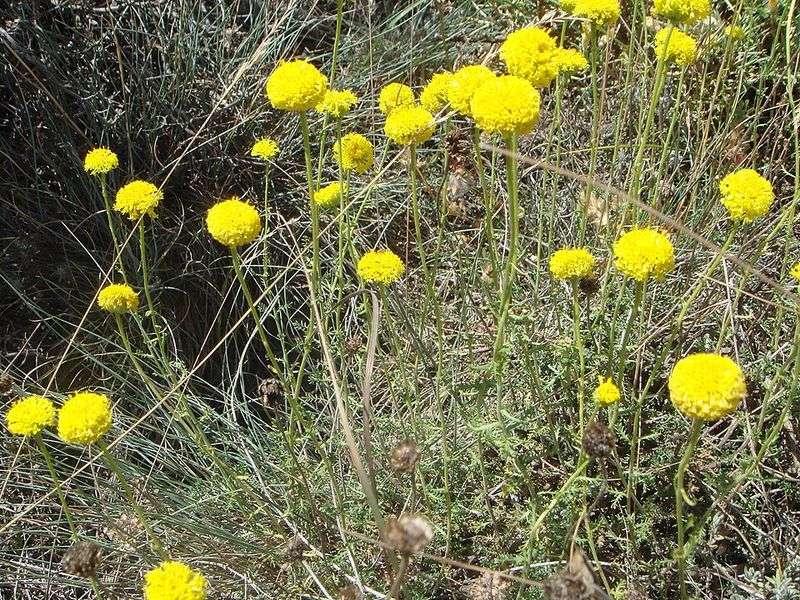
Santolina chamaecyparissus forms dense, rounded mounds of silvery foliage. Those mounds pack tightly together, creating a canopy that shades the soil beneath and starves out weeds before they can establish.
It is not a vine or a creeper, but it spreads wide enough to fill gaps effectively.
Full sun is where Santolina truly thrives. It tolerates reflected heat from walls and pavement, which is a major advantage in urban and suburban yards with lots of hardscape.
Drought tolerance is strong once roots are established, usually after one full growing season.
Yellow button-shaped flowers appear in late spring and early summer. They are cheerful and low-key at the same time.
After blooming, a light shearing keeps plants compact and encourages fresh growth.
Santolina does not love heavy clay or poorly drained soil. Amending with gravel or coarse sand helps in areas where drainage is slow.
Plant it along sunny borders, in raised beds, or between stepping stones where weeds are a constant nuisance.
It holds its shape well and rarely needs much beyond the occasional trim.
4. Mound Lantana Spreads Wide Across Exposed Soil
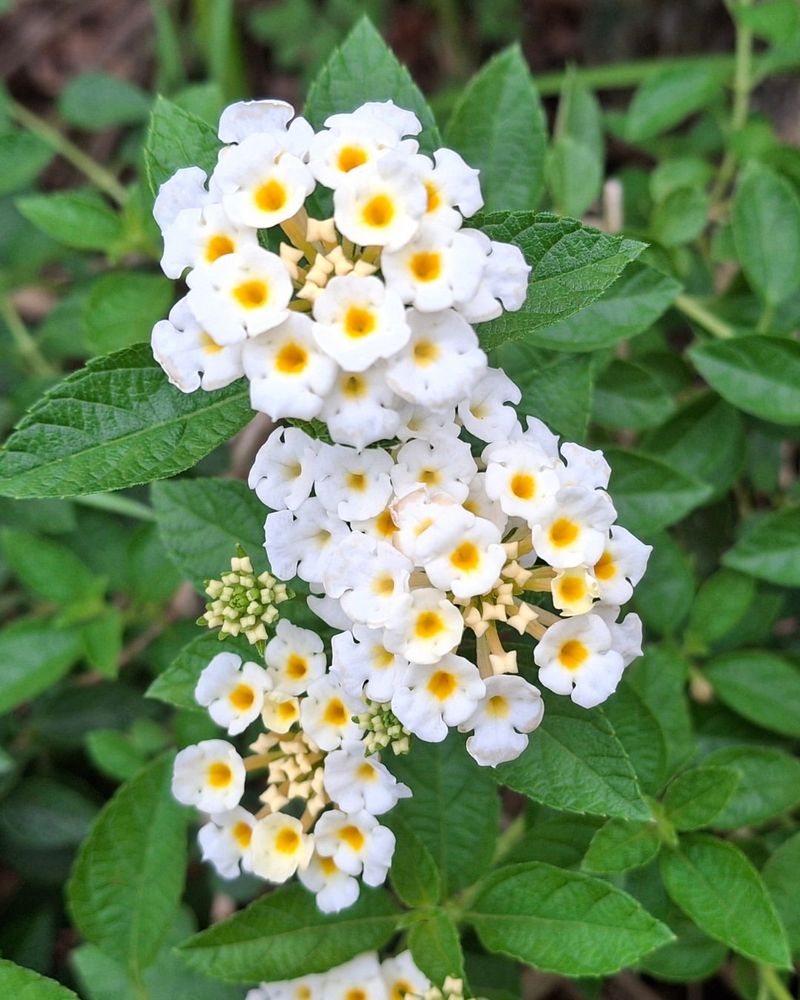
Few plants cover ground as aggressively or as colorfully as Mound Lantana. Once it gets going, it pushes outward in every direction, blanketing exposed soil with dense foliage and clusters of bright blooms that stick around for months.
Lantana camara and its close relatives are workhorses in hot, dry landscapes. They handle extreme heat with ease and keep blooming long after other plants have gone dormant.
That persistence means constant ground coverage through the hottest parts of the year, which is exactly when weeds try hardest to move in.
Spread can reach six feet or more under good conditions. Planting in groups of two or three accelerates coverage and creates a unified mass of foliage that weeds struggle to penetrate.
Space plants about three to four feet apart to allow natural spread without crowding.
Butterflies and hummingbirds visit Lantana constantly during bloom season, which adds life and movement to the garden. Flowers appear in mixed colors, often shifting from yellow to orange to pink as they age on the same cluster.
Water regularly during the first summer, then reduce frequency as plants establish. Lantana tolerates poor soil and reflected heat well, making it a solid choice for areas near walls, driveways, and south-facing slopes.
Cut plants back hard in late winter to encourage fresh, vigorous growth each spring. It bounces back reliably every season.
5. Goodding’s Verbena Creates A Living Weed Barrier
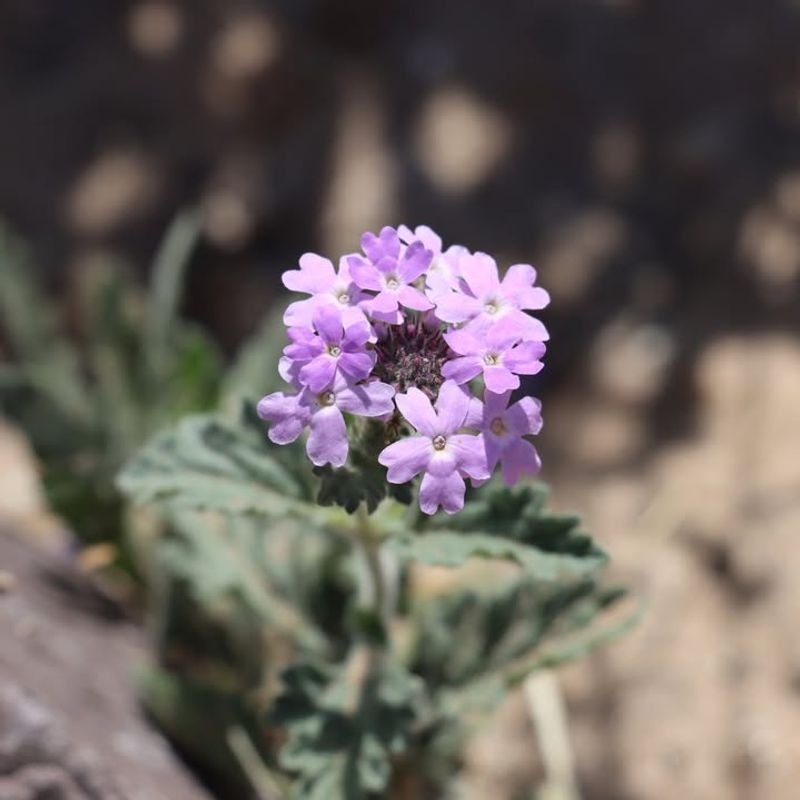
Goodding’s Verbena might be one of the most underused ground covers in dry-climate gardening. It spreads low and fast, hugging the ground tightly and filling in gaps that weeds would otherwise claim within a matter of weeks.
Verbena gooddingii is native to the desert Southwest and blooms heavily in spring with clusters of lavender-purple flowers. Pollinators go absolutely wild for it.
Beyond the blooms, the real value is in how efficiently it covers soil without growing tall enough to shade out neighboring plants.
Growth height stays around six to ten inches, making it a practical choice under taller shrubs or along the front edges of garden beds. It roots as it spreads in some conditions, which helps anchor soil and makes it even harder for weeds to push through.
Drought tolerance is solid once established, though summer heat can cause plants to go semi-dormant. A deep watering every week or two during hot months keeps plants looking decent and helps prevent severe drought stress.
Cooler fall temperatures usually bring a flush of new growth and more blooms.
Sandy, well-drained soil works best. Heavy clay or compacted ground slows establishment significantly.
Plant in fall for best results, giving roots several months to spread before summer arrives. Goodding’s Verbena rewards patience.
It may look modest at first, but by the second season it can cover a surprising amount of ground on its own.
6. Desert Ruellia Expands Into Open Spaces Over Time
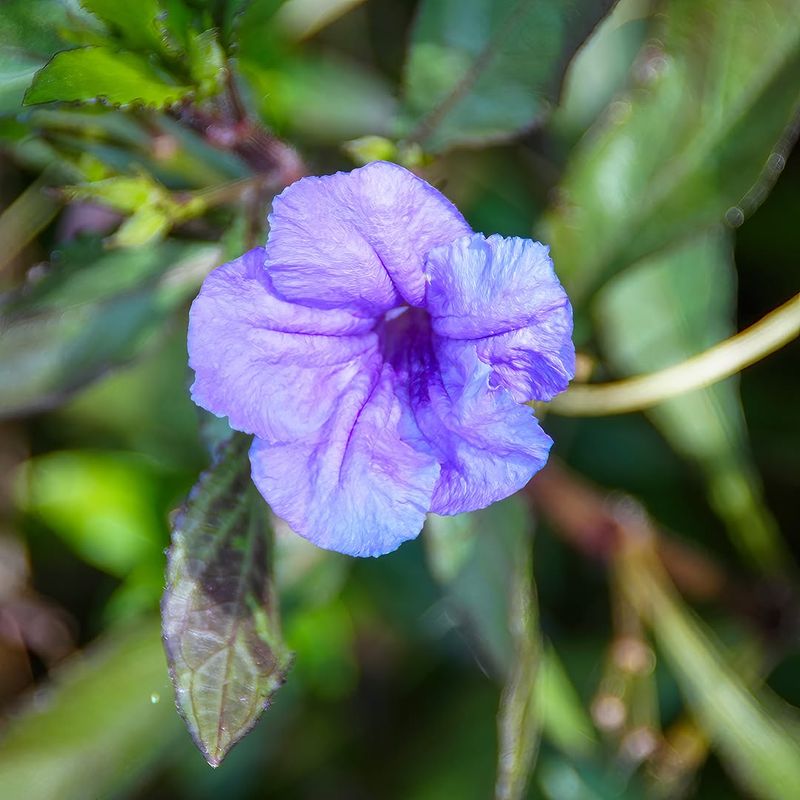
Purple trumpet flowers popping up from a spreading mat of green leaves might sound too good to be true, but Desert Ruellia delivers that every single season.
It is one of those plants that rewards neglect, spreading steadily into open spaces without needing constant attention.
Ruellia peninsularis stays relatively low but fills out horizontally over time. Plants expand through both spreading stems and self-seeding, which means coverage improves each year.
That gradual expansion is exactly what makes it effective against weeds in larger garden beds.
Heat tolerance is exceptional. Desert Ruellia handles full sun and reflected heat without wilting or dropping leaves.
It does appreciate some supplemental water during the driest months, but it will survive on minimal irrigation once roots are well established.
Hummingbirds visit the flowers regularly, and blooms can appear from spring all the way through fall depending on temperatures and moisture.
That extended bloom period keeps the plant visually interesting while it continues suppressing weeds beneath its spreading canopy.
Avoid overwatering, especially in clay soils. Too much moisture causes root problems and slows the plant down considerably.
Plant in well-drained spots and let it find its own pace. In Arizona landscapes, Desert Ruellia is especially useful along fence lines, under mesquite trees, and in areas that receive partial afternoon shade.
It is not the fastest spreader, but it is one of the most dependable once established.
7. Trailing Rosemary Helps Shade Bare Areas Between Plantings
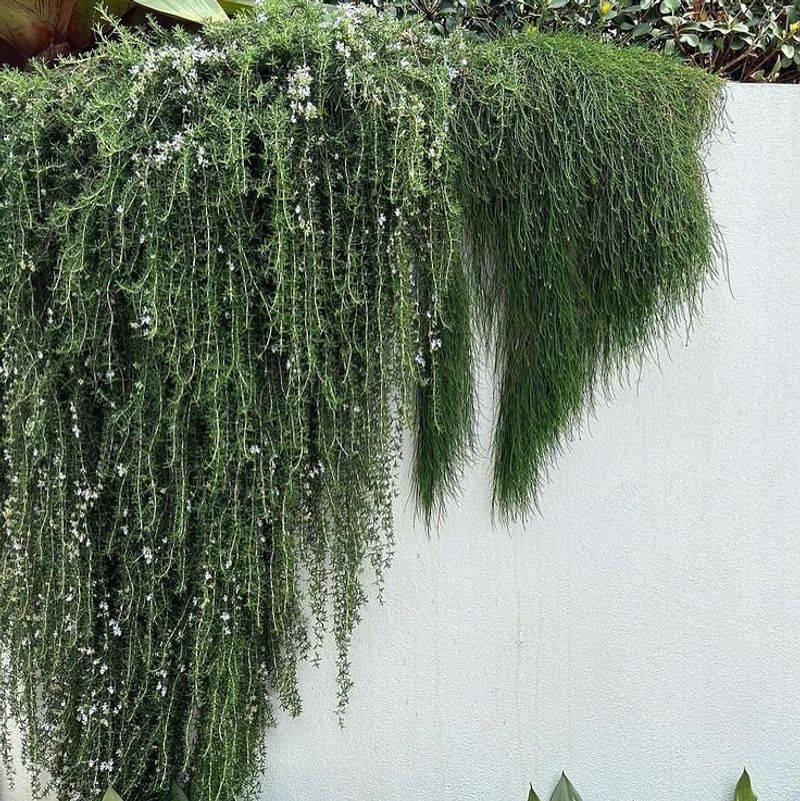
Not every ground cover has to look wild or sprawling. Trailing Rosemary brings a tidy, aromatic presence to garden beds while quietly shading out weeds beneath its dense, needle-like foliage.
It is practical and pleasant at the same time.
Rosmarinus officinalis ‘Prostratus’ is the prostrate form most commonly used as a ground cover. It hugs the ground and spreads outward rather than upward, staying under two feet tall while spreading several feet wide over time.
That low, wide growth pattern is exactly what you want for weed suppression between larger plants.
Fragrance is a constant bonus. Brushing against the foliage releases that familiar herby scent, and the aromatic oils may actually deter some insects and pests from settling in nearby.
Small blue flowers appear in late winter and early spring, attracting bees when little else is blooming.
Drainage is critical. Trailing Rosemary struggles in wet or compacted soil and performs best in sandy, well-drained ground with full sun exposure.
Avoid planting in low spots or areas that stay moist after rain.
Once established, it needs very little water. Deep, infrequent irrigation suits it well through summer.
Trim back lightly after flowering to keep plants dense and prevent woody, open centers from developing. Plant along pathways, on slopes, or between larger shrubs where bare soil invites weeds to settle in.
It fills those gaps reliably and holds its shape through multiple seasons.
8. Frogfruit Limits Competition With Low-Growing Coverage
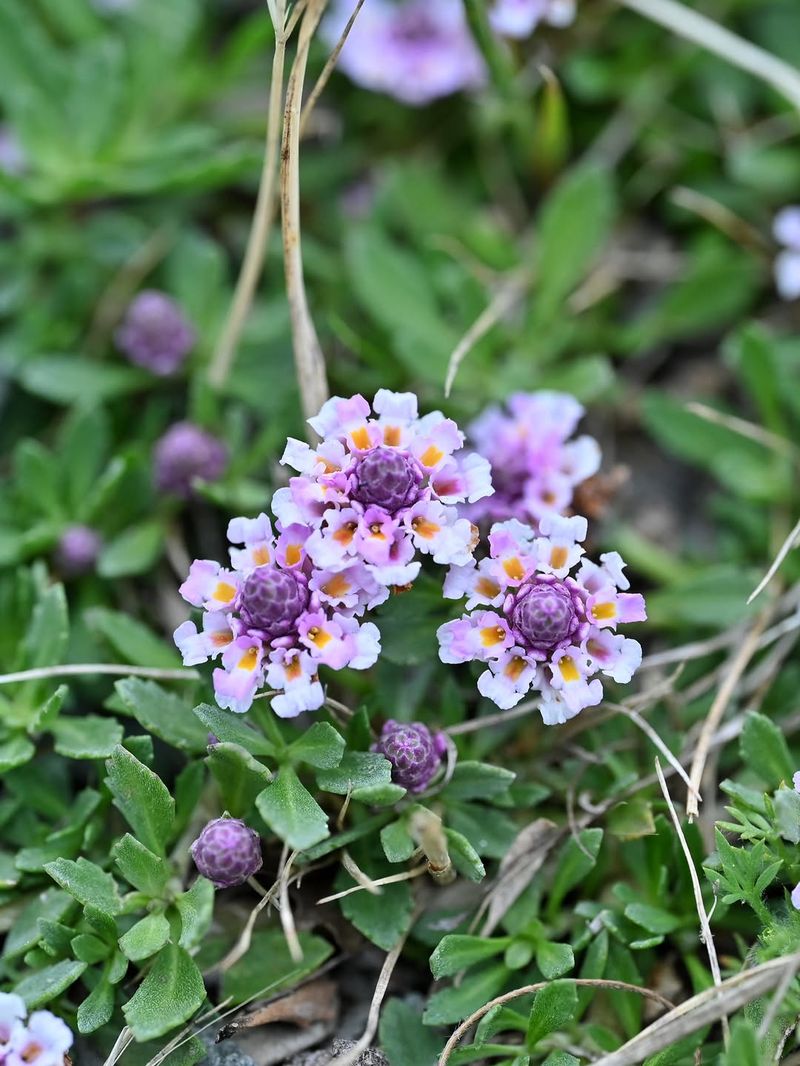
Frogfruit is not flashy, but it is fierce. It creeps along the ground with quiet determination, filling every gap and crack until weeds simply have nowhere left to go.
Few plants cover soil as completely at such a low height.
Phyla nodiflora stays almost flat against the ground, rarely reaching more than two inches tall. That makes it perfect for areas where you want complete coverage without blocking views or competing with taller plants.
It roots at the nodes as it spreads, which locks it firmly in place and creates a tight, woven mat.
Small white and pink flowers appear throughout the warm season and draw in butterflies and bees consistently. The blooms are tiny but numerous, and they keep coming as long as temperatures stay warm.
In mild desert winters, plants may stay semi-green rather than going fully dormant.
Water needs are moderate compared to some other ground covers. Frogfruit handles both dry spells and occasional flooding better than most, which makes it adaptable to a range of soil types and garden conditions.
It does best in full sun but tolerates light shade without losing much density.
Foot traffic does not bother it much, so planting between stepping stones or along pathways is a smart option. Mow or trim occasionally to keep it from getting patchy.
In warm-climate gardens across the Southwest, Frogfruit earns its spot by simply never stopping.
It covers, it holds, and it keeps weeds out season after season.