How To Choose The Right Shade Cloth Percentage For Arizona Plants
The summer sun has a way of testing every plant in the yard. Some seem to handle the heat without a problem, while others begin looking tired long before the season is over.
It can be frustrating to watch healthy plants struggle, especially when you are watering regularly and doing everything you can to keep them growing.
That is why shade cloth has become such a popular tool for home gardeners. It can make a noticeable difference during extreme heat, but choosing one is not always as simple as it sounds.
A cloth that blocks too much sunlight can slow growth, while one that provides too little shade may not offer enough protection when temperatures soar.
In Arizona, finding the right balance is often the difference between plants that simply survive and plants that continue to thrive.
Different vegetables, flowers, and shrubs have different light needs, so the same shade cloth will not work for every garden.
Picking the right percentage can make the hottest weeks of summer much easier on your plants.
1. Thirty Percent Is Enough For Most Sun-Loving Plants
Sun-loving plants are tougher than most people give them credit for. Agave, bougainvillea, and native desert shrubs have adapted to handle intense direct light.
But even they can benefit from a small buffer during the hottest stretch of summer.
A 30% shade cloth blocks just enough radiation to cool the air around the plant without cutting off the sunlight it depends on. Photosynthesis keeps running at a healthy rate, and root stress drops noticeably during peak heat hours.
Cacti, succulents, and drought-tolerant ornamentals all fall into this category. Wrapping them in heavy coverage would slow their growth and invite moisture-related issues.
Light filtering is the goal, not full shade.
30% cloth is also the easiest to work with structurally. It allows airflow, resists wind damage, and stays manageable in open desert landscapes.
Setup is straightforward even for first-time gardeners.
One thing worth knowing is that not all 30% fabrics are equal. Knitted shade cloth tends to hold up better than woven options under UV exposure.
Look for UV-stabilized materials rated for outdoor use in hot, dry climates.
2. Most Vegetables Benefit From Fifty Percent Shade
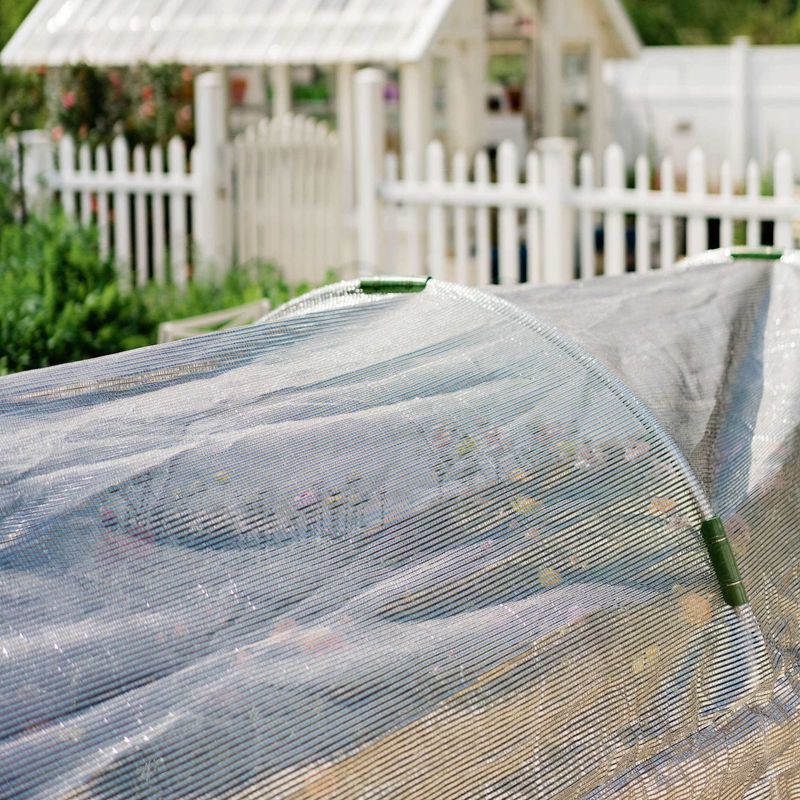
Vegetables are not built for 115-degree afternoons. Most of them evolved in temperate regions where summer heat is intense but not relentless.
When transplanted into a desert garden, they need real protection to produce well.
A 50% shade cloth cuts sunlight by half while still letting enough through for solid growth. Tomatoes, peppers, cucumbers, and squash all respond well to this level of coverage.
Leaf scorch drops dramatically, and fruit set improves during extreme heat waves.
Leafy greens like lettuce, spinach, and kale do especially well under 50% cloth. Without shade, they bolt quickly and turn bitter within days of a heat spike.
With it, harvest windows stretch noticeably longer into the warm season.
Positioning matters just as much as the percentage. Drape the cloth so it covers the top and allows air to move freely along the sides.
Your Arizona Garden Changes Every Week. Your Plan Should Too.
Gardening in Arizona changes quickly throughout the season. Every Friday you’ll receive a simple weekly plan showing exactly what to plant, prune, fertilize, harvest, and protect so you never miss the right timing.
Trapping heat underneath defeats the entire purpose.
Watering schedules may need slight adjustment too. Shaded soil stays moist a bit longer, so overwatering becomes a real risk if you keep the same routine.
Check soil moisture before every watering session rather than following a fixed schedule.
3. Delicate Plants Often Need More Protection
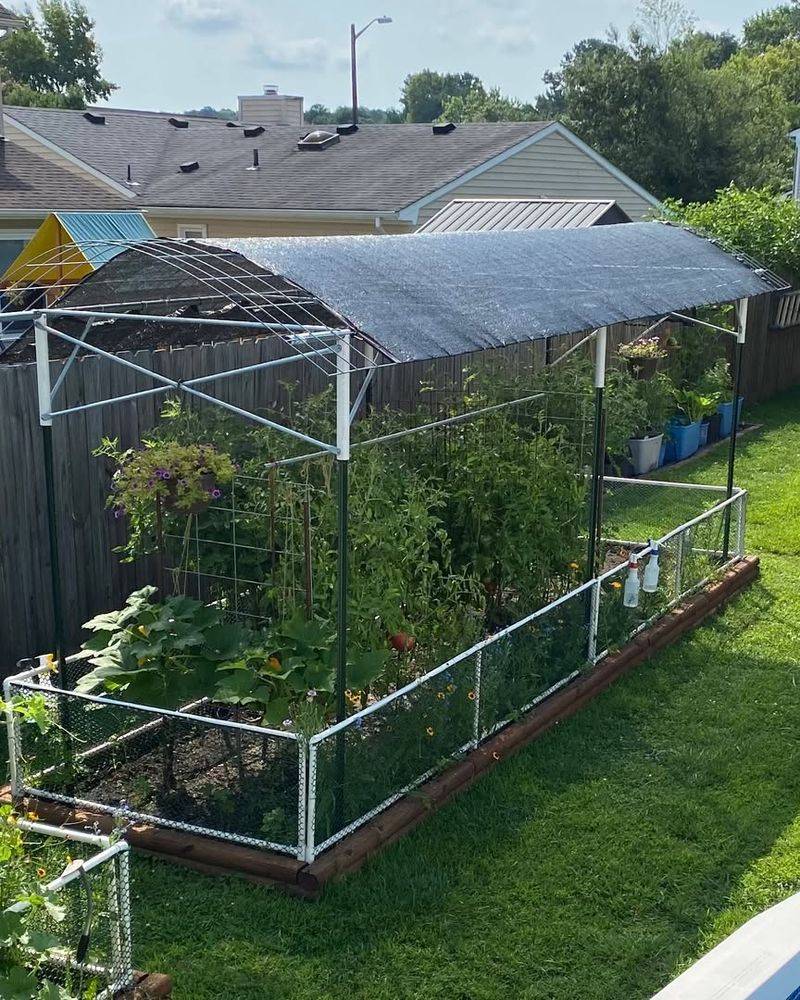
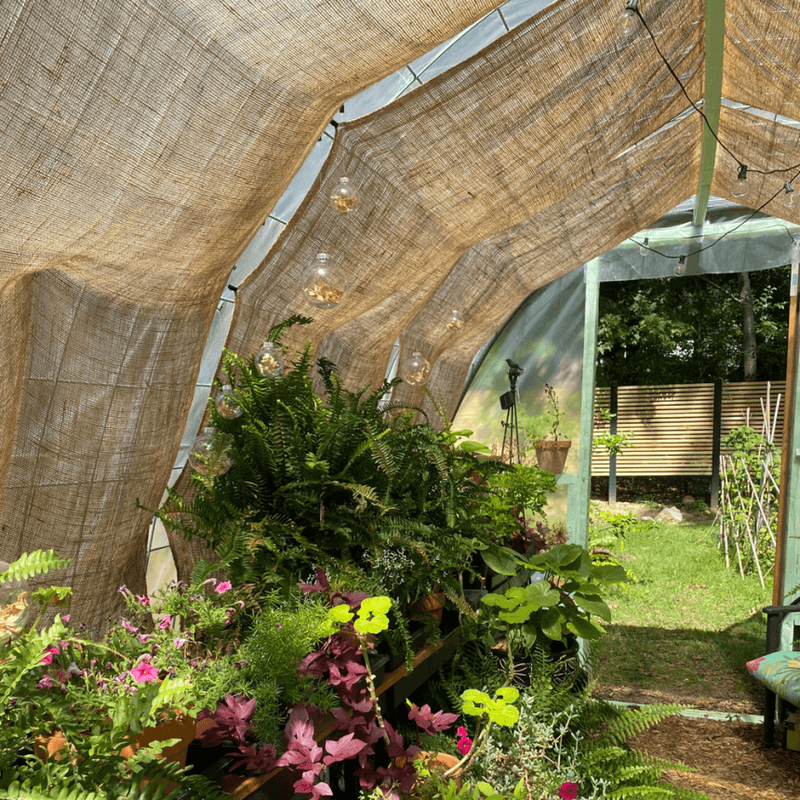
Not every plant was made for the desert. Ferns, impatiens, orchids, and tropical varieties struggle hard when exposed to full desert sun.
Even a few hours of direct afternoon light can scorch their leaves beyond recovery.
Shade cloth rated at 60% to 70% gives these sensitive plants a fighting chance. At that level, light is filtered enough to mimic a partially shaded woodland environment.
Temperatures under the cloth can drop significantly compared to open exposure.
Placement still plays a role. Shade from a structure or wall on the west side can supplement cloth coverage during the harshest afternoon hours.
Combining natural shade with fabric protection gives the most consistent results.
Humidity is another factor worth managing. Delicate tropical plants often need higher moisture in the air around them.
Grouping pots together and misting occasionally can help create a slightly more humid microclimate under the cloth.
One mistake growers make is using too-heavy cloth in a spot that already gets limited light. If a plant is already in a shaded corner, adding 70% cloth on top might leave it struggling for energy.
Always assess existing light conditions first.
Start with observation before committing to a specific percentage. Watch how a plant responds over several days.
4. Too Much Coverage Can Slow New Growth
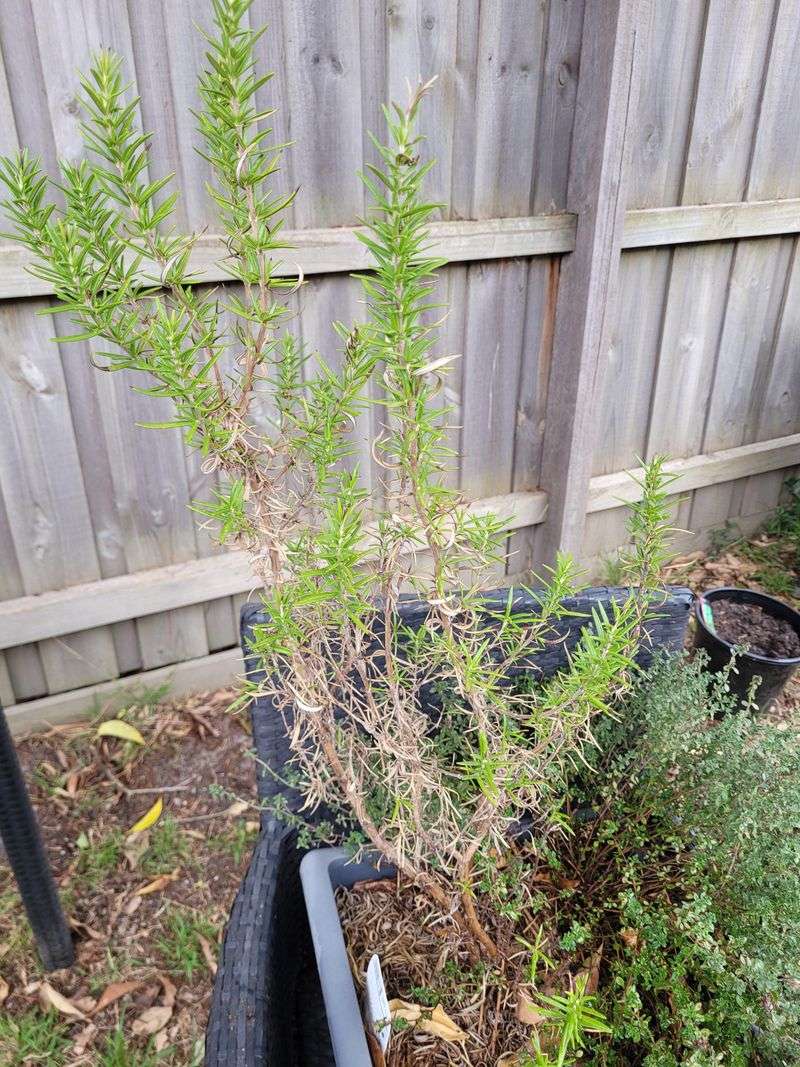
More shade is not always better. Plants need light to build energy, and cutting off too much of it creates a different set of problems.
Overshading is a real issue that catches many new desert gardeners off guard.
Leggy growth is the clearest warning sign. When a plant stretches unusually tall and thin, it is reaching for light it cannot find.
Stems weaken, leaf production slows, and the plant becomes more vulnerable to stress overall.
Seedlings are especially sensitive to this. Young plants establishing roots need consistent light exposure to build strong structure.
Heavy shade during early growth stages can set a plant back weeks compared to one started in appropriate conditions.
Fruiting plants face another issue under too much shade. Tomatoes and peppers need adequate light to trigger flowering.
Block too much sun and fruit production drops sharply, even when the plant looks otherwise healthy and green.
Switching to a lower percentage cloth is the straightforward fix. Moving from 70% to 50% or even 40% can make a visible difference within days.
Plants tend to perk up quickly once light levels improve.
Timing matters as well. Heavy shade cloth installed in early spring, when temperatures are still mild, often does more harm than good.
5. Light-Colored Fabric Reflects More Sunlight
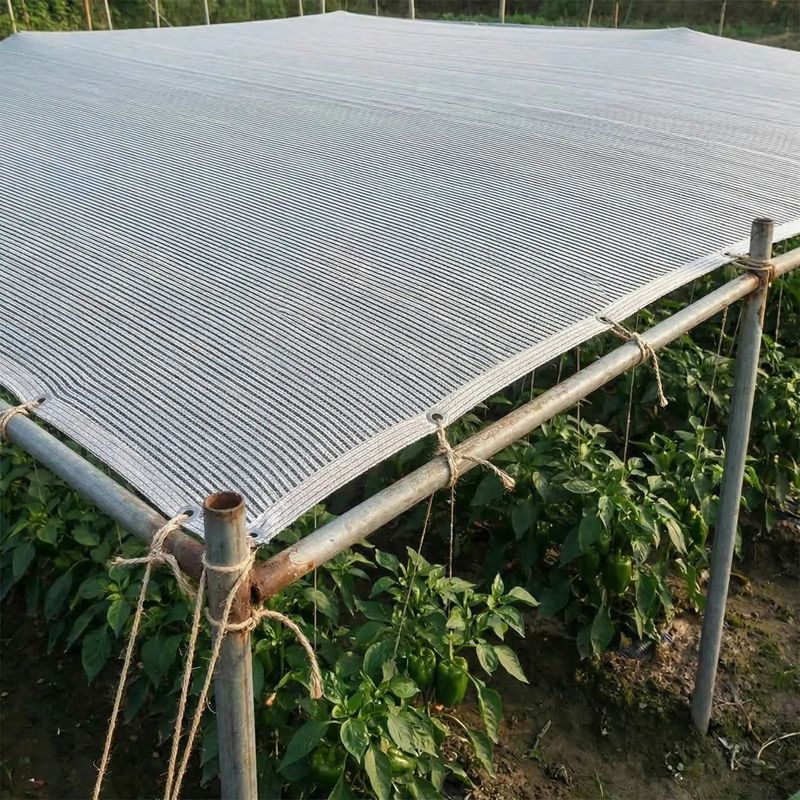
Color choice in shade cloth matters more than most gardeners expect. White and silver fabrics reflect a larger portion of incoming sunlight rather than absorbing it.
That reflected energy stays outside the covered area instead of converting to heat underneath.
Black shade cloth is the most common option sold at garden centers. It works fine in many climates, but in extreme desert heat, it absorbs solar radiation and can raise temperatures beneath the fabric rather than lowering them.
That is the opposite of what most growers want.
White and aluminum-coated fabrics perform measurably better during peak summer months. Their reflective surfaces can keep temperatures beneath the cloth several degrees cooler than darker materials with the same shade percentage.
Aluminized shade cloth is worth considering for any setup that gets prolonged afternoon sun exposure. It combines reflectivity with durability and holds up well under UV-heavy conditions common in low-elevation desert zones.
Appearance is a factor some gardeners care about. White fabric blends reasonably well into most garden aesthetics and looks clean against desert landscaping.
It does not stand out the way darker industrial-looking cloth sometimes does.
Cost difference between standard black cloth and reflective alternatives is usually modest.
Spending a few extra dollars upfront on a higher-performing fabric tends to pay off across multiple growing seasons.
6. Proper Airflow Prevents Heat From Building Up
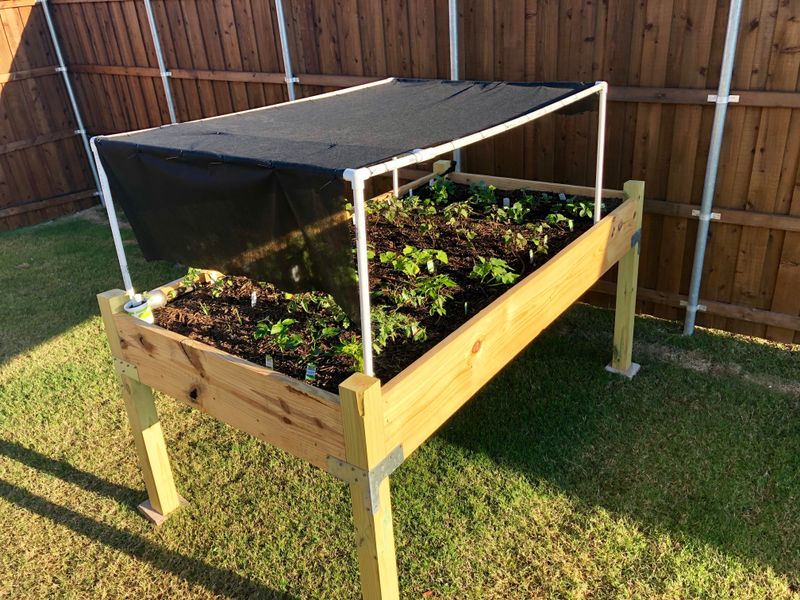
Shade cloth stretched tight against plants traps heat instead of releasing it. Air movement is what carries excess warmth away from leaves and soil.
Without it, even well-shaded plants can overheat on a still, cloudless afternoon.
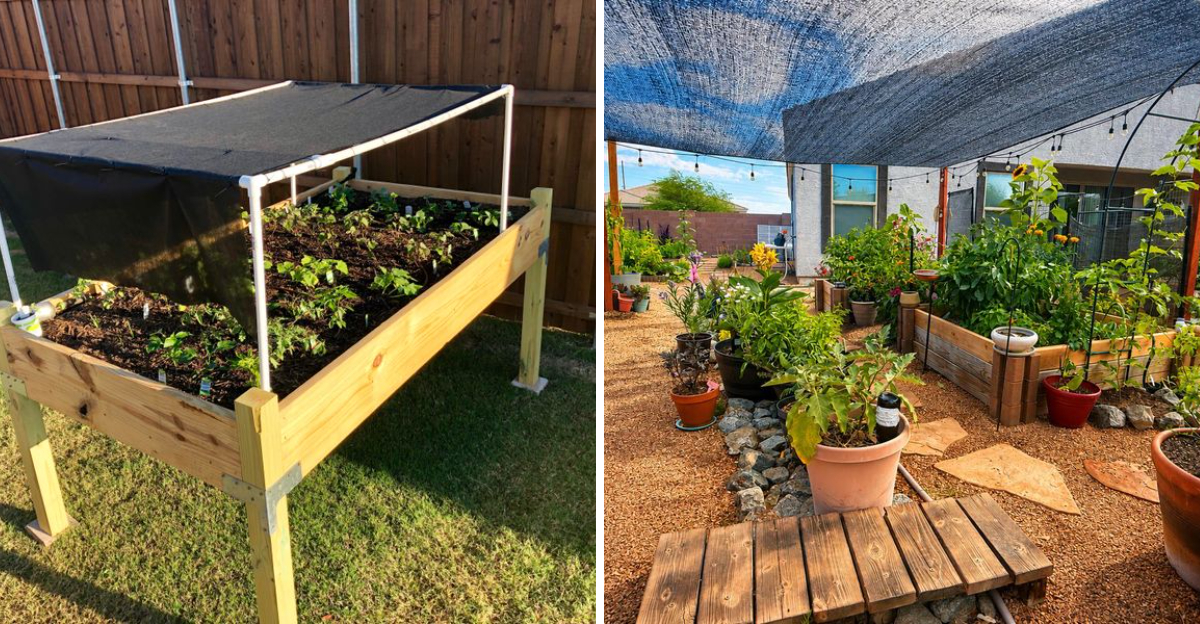
Install cloth on a frame that lifts it at least 12 inches above plant canopy level. That gap allows warm air to rise and escape while cooler air flows in from the sides.
A simple PVC or metal conduit frame works well for most home garden setups.
Avoid sealing the sides completely. Enclosed structures built with shade cloth walls can turn into heat traps on calm days.
Leave the sides open or use a lighter percentage on walls compared to the overhead section.
Wind is both a benefit and a challenge in desert environments. A light breeze helps cool a shaded area significantly.
Strong gusts, however, can damage improperly secured cloth. Use proper clips, grommets, and tensioning cord to keep fabric stable without pulling it too tight against the frame.
Raised bed gardens benefit especially from good airflow design. Soil in raised beds heats up faster than in-ground plots.
Combining shade cloth with open sides and mulched soil surfaces helps manage temperature from both above and below the root zone.
Checking airflow on a hot, calm day gives a realistic picture of how a setup performs.
7. Seasonal Heat May Call For Different Coverage
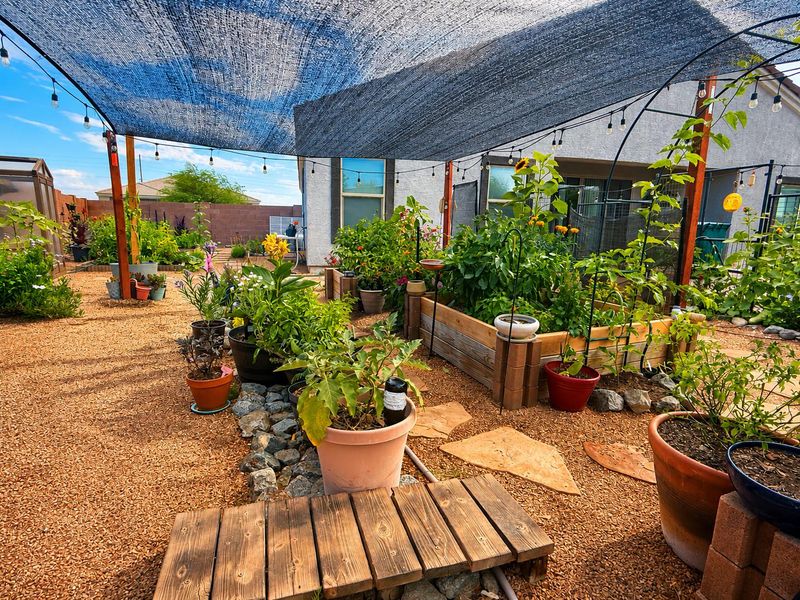
Desert heat does not stay the same all year. Spring afternoons feel nothing like July afternoons, and plant needs shift right along with the temperature.
Using a single shade cloth setup from March through September rarely gives the best results across all those months.
Early spring planting calls for lighter coverage. Temperatures are manageable, and seedlings need strong light to establish well.
A 20% to 30% cloth works well during this window without suppressing growth during a critical phase.
By June, conditions change sharply. Daytime highs climb fast, UV intensity peaks, and even established plants start showing heat stress.
Swapping to a 50% or 60% cloth during this stretch makes a practical difference in plant health and productivity.
Late summer monsoon season brings its own shift. Cloud cover increases, humidity rises, and temperatures drop slightly compared to June and July peaks.
Reducing shade cloth percentage slightly during this period helps plants take advantage of improved growing conditions.
Fall is another transition point. Cooler nights and milder days create good conditions for cool-season crops.
Removing shade cloth entirely or switching back to a light percentage allows maximum light penetration for plants heading into a productive fall garden phase.
Keeping two or three different percentage cloths on hand costs less than most gardeners expect.