The One Groundcover Every Kentucky Gardener Should Have In Their Flower Beds
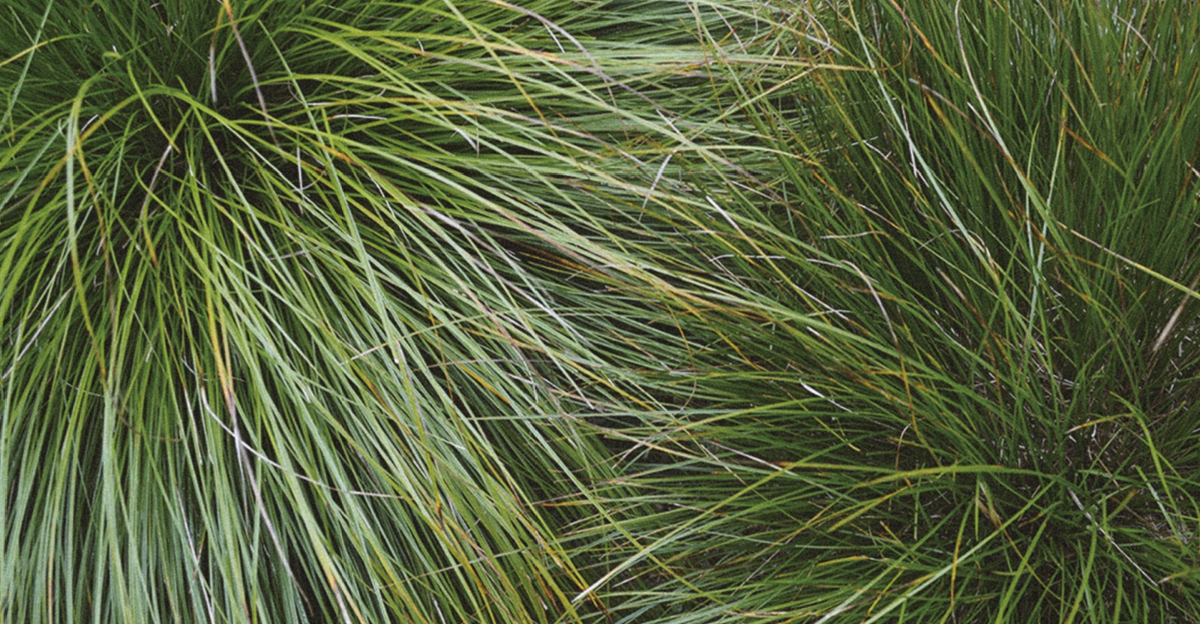
This scraggly, grass-like plant clinging to a dry shaded slope changed the way I think about garden design forever. scraggly, grass-like plant clinging to a dry shaded slope changed the way I think about garden design forever.
That uninvited volunteer turned out to be the most useful plant I never chose. It thrives in deep shade, resists drought, and spreads gently without throwing elbows. Most groundcovers bully their way through a bed.
This one earns its place. What if the most elegant groundcover was never in a catalog? It stays low, stays tidy, and gives even the scrappiest garden bed a polished, intentional look.
Professional landscapers reach for it when a shaded space feels unfinished and restless. Across Kentucky, it grows wild in woodlands, unbothered and overlooked.
Gardeners at every level are discovering that the solution was never behind a paywall or inside an expensive nursery. It was always at the edge of the trees, waiting to be noticed. Nature already did the work.
Why This Plant Wins In Any Flower Bed
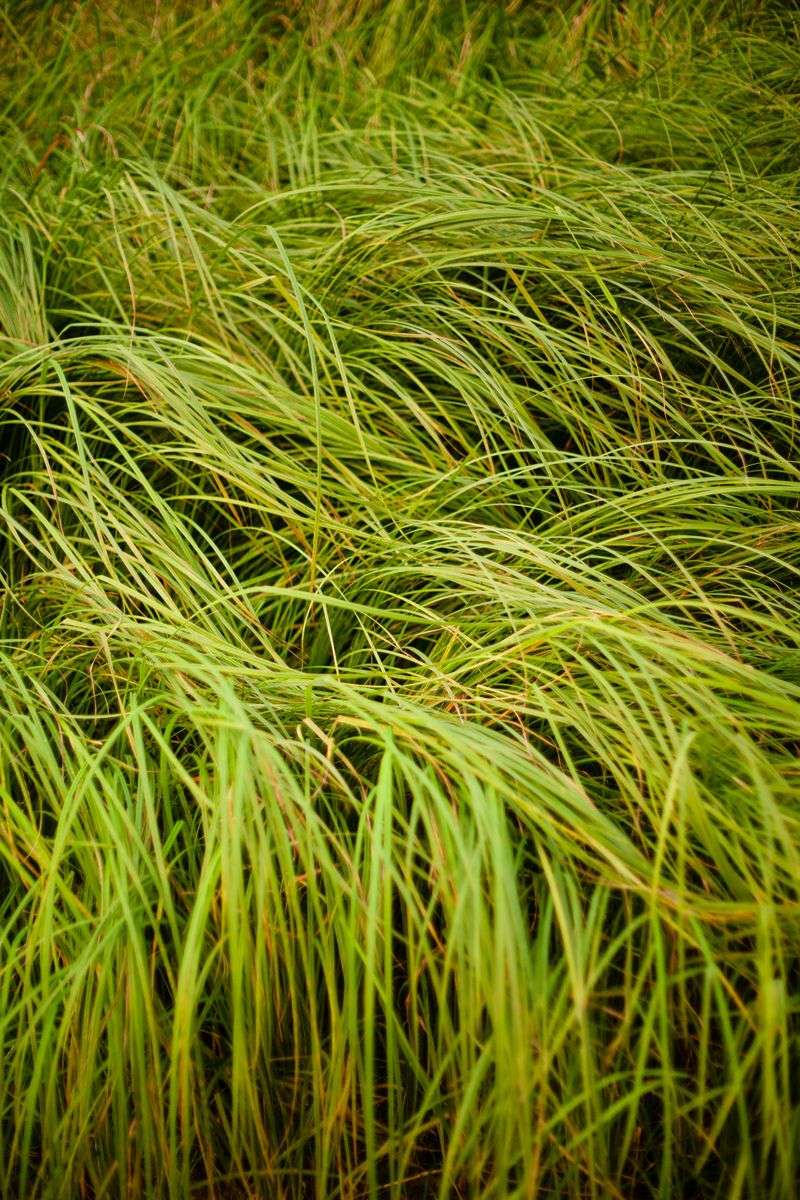
Pennsylvania Sedge looks wild and polished at the same time. Native to North America, this fine-textured, low-growing sedge forms soft, arching clumps that stay green through most of the year in Kentucky.
Gardeners who spot it for the first time often mistake it for a premium ornamental grass that costs a fortune at a specialty nursery.
Shady spots that once looked bare and forgotten suddenly feel lush and intentional once this plant moves in. It spreads slowly and gracefully, filling gaps between hostas, ferns, and flowering perennials without ever bullying its neighbors.
Unlike many grasses that flop or go brown by midsummer, Pennsylvania Sedge holds its cool, fine texture through heat and dry spells.
Plant it along bed edges, beneath trees, or as a soft ground cover and watch your flower beds gain a layered, designed look almost overnight.
It needs almost no fertilizer, handles clay soil surprisingly well, and rarely invites pest problems. Dense shade and tough soil stop most plants cold. Pennsylvania Sedge treats both as an open invitation.
It Turns Your Shadiest Spots Into The Most Polished Part Of The Yard
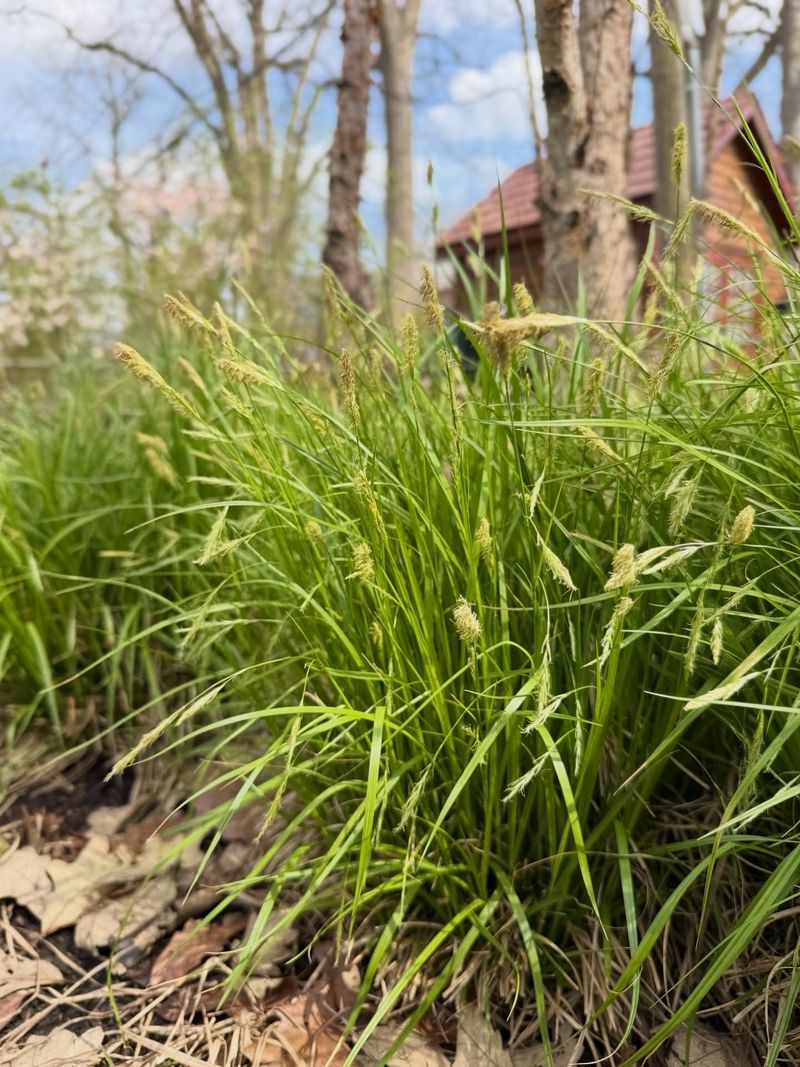
Most flower beds look their worst in the shade. That bare, uninviting patch under the tree where nothing seems to take hold is a problem nearly every Kentucky gardener knows too well.
Pennsylvania Sedge was practically born for that exact spot. This low-growing, grass-like native perennial thrives where sun-loving plants surrender, turning neglected corners into something that looks deliberately designed.
Its soft, arching blades catch whatever light filters through the canopy and respond with a quiet, almost luminous green. The texture alone elevates a shaded bed in a way that mulch and rocks simply cannot replicate.
It does not compete with the shade overhead. It leans into it, filling in gaps with a natural elegance that feels effortless.
Established plants form a dense, low carpet that needs no mowing to stay tidy and no coaxing to look polished. Professional landscapers reach for this plant when a shaded space feels unfinished, bare, and restless.
Your Kentucky Garden Changes Every Week. Your Plan Should Too.
Gardening in Kentucky changes quickly throughout the season. Every Friday you’ll receive a simple weekly plan showing exactly what to plant, prune, fertilize, harvest, and protect so you never miss the right timing.
Now that same solution is available to any home gardener willing to look beyond the usual nursery options. The shadiest corner of your yard might just become the spot guests notice first.
It Spreads Quietly And Fills Your Flower Bed Without Taking Over
A groundcover that spreads without boundaries is a gardening nightmare waiting to happen. Aggressive spreaders have ruined more thoughtfully planted beds than pests ever have.
Pennsylvania Sedge moves at a pace that feels almost polite by comparison. It spreads through underground rhizomes at a slow, controlled rate, gradually weaving itself between existing perennials and shrubs without smothering them.
Trial gardens recorded a spread of roughly four to five feet over four full years, which means you stay in control of where it goes.
It fills bare patches the way a good conversation fills silence: naturally, without force, and at exactly the right moment.
Left completely unchecked over many seasons, it can spread beyond its intended space, so a light edge trim once a year keeps it exactly where you want it.
The foliage lies over in gentle, random patterns when planted in groups, creating soft green waves across the bed. That kind of movement in a garden is rare and genuinely beautiful.
It works around the roots of taller plants rather than against them, building a living foundation beneath your flower bed.
Gardeners who have wrestled with invasive groundcovers for seasons on end tend to treat this plant like a small miracle.
Once it finds its footing, it handles the rest with quiet confidence. The only thing it takes over is the parts of your garden you wanted covered all along.
Pennsylvania Sedge Practically Manages Itself Once It Gets Going
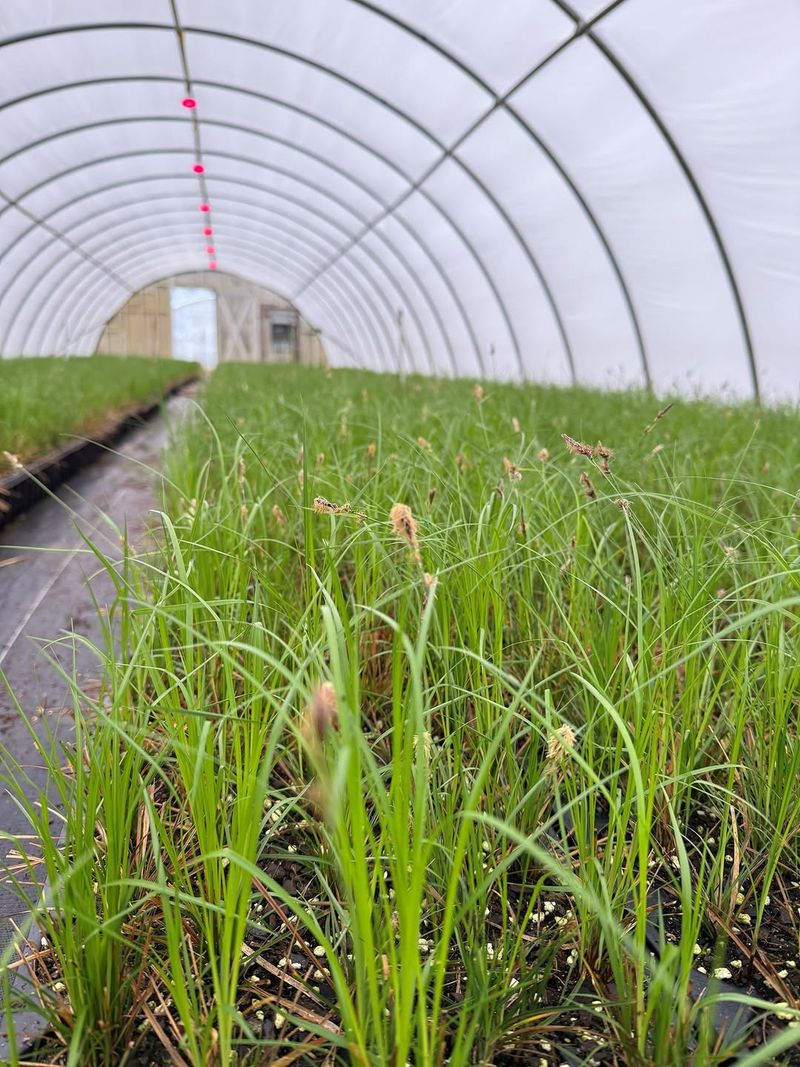
Imagine a plant that asks for almost nothing and delivers results every single season. That is not a fantasy planted in a glossy catalog.
Pennsylvania Sedge is one of the lowest-maintenance groundcovers available to home gardeners, and it earns that reputation without conditions.
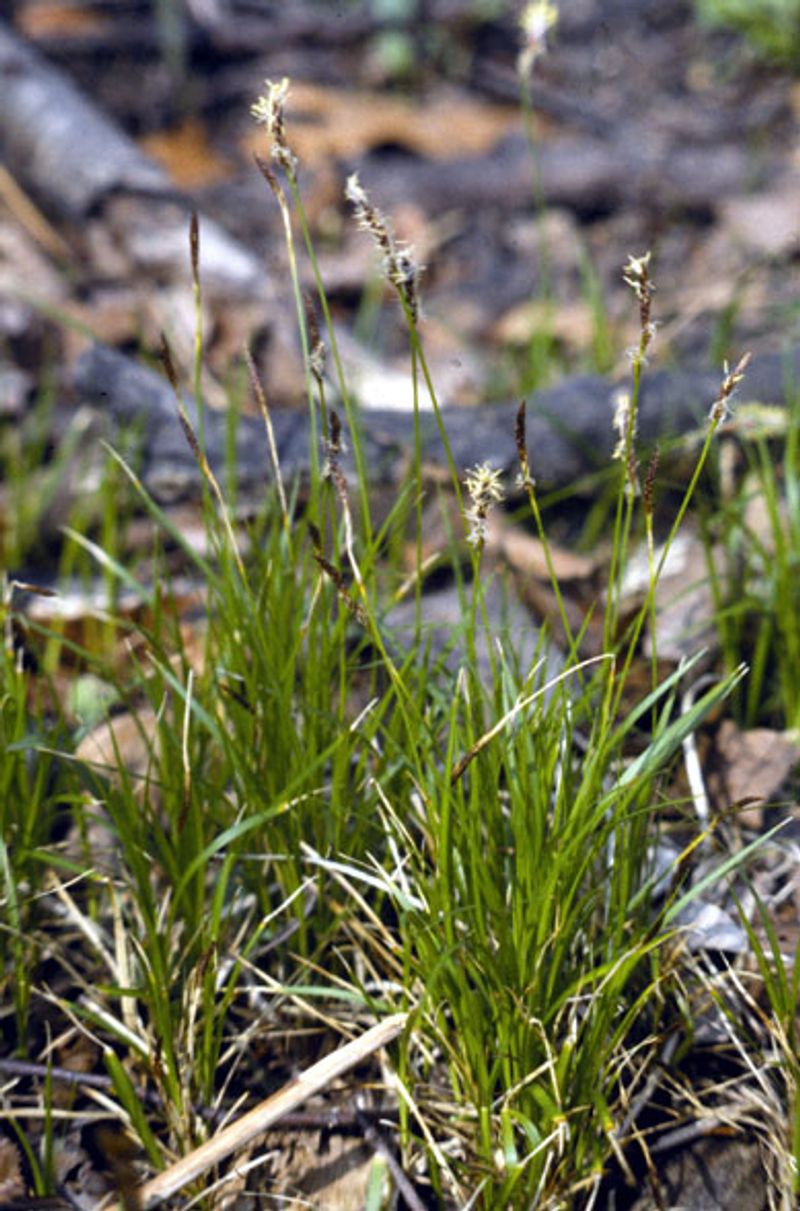
A trim once or twice a season is all it needs to stay at a tidy two-inch height, and skipping that trim entirely does not leave the bed looking neglected.
It suppresses weeds on its own by acting as a living mulch, covering the soil surface so tightly that weed seeds struggle to find purchase.
Pest issues are rare, though occasional smut, rust, or aphids can surface in certain conditions. A quick seasonal inspection is all it takes to stay ahead of any trouble.
It does not demand rich soil, frequent watering, or seasonal fertilizing to perform well. What it does demand is simply being left alone to do what it already does naturally.
Leaf litter settling around its base is not a problem to clean up either. A light layer of fallen leaves actually mimics its native woodland habitat and feeds the soil as it breaks down.
For gardeners who have spent years nursing high-maintenance plants through every season, that kind of simplicity feels almost suspicious.
It is not suspicious at all. It is just a plant that has already figured out how to thrive without constant intervention.
Deer Walk Past It Without A Second Glance
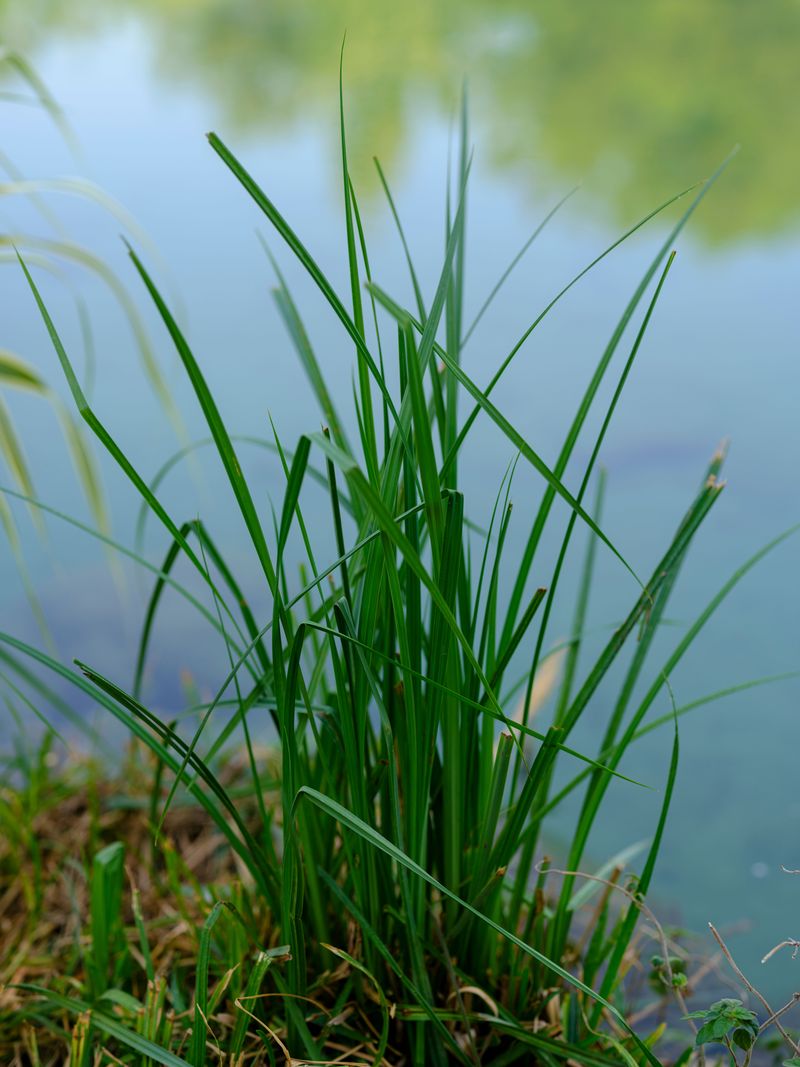
Deer do not negotiate. In many parts of Kentucky, deer pressure turns gardening into a guessing game that feels impossible to win.
Pennsylvania Sedge is naturally deer resistant, which means it holds its ground when other plants in the bed become an easy meal. No sprays, no netting, no replanting the same spot for the third time in a single growing season.
That resistance is not a guarantee against every browsing animal under every circumstance, but in documented garden settings this plant gets left alone with striking consistency.
Pairing it with other deer-resistant natives creates a bed that stays intact through the seasons without requiring constant damage control.
It also attracts birds, butterflies, and beneficial insects, so the wildlife showing up around it is the kind worth welcoming.
The Northern Pearly-eye butterfly uses this plant as a host for its caterpillars, making it a small but significant piece of a healthy backyard ecosystem.
A groundcover that protects itself, supports pollinators, and still looks elegant in a shaded bed is not something to walk past at the nursery.
Deer already figured out it is not worth the effort. That is a quiet endorsement worth paying attention to.
Pennsylvania Sedge Helps Stabilize Shaded Slopes Naturally
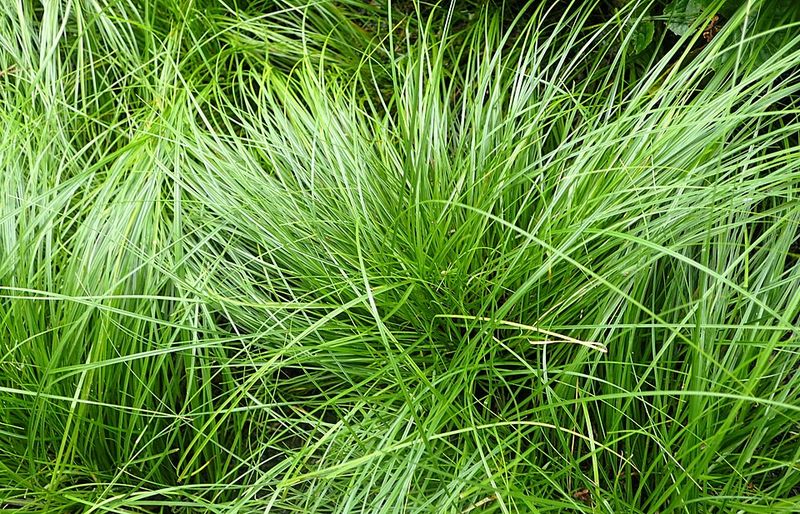
Erosion on a sloped yard can quietly undo years of landscaping work before a gardener even notices. Water moves fast on bare or loosely planted slopes, and the soil goes with it.
Its rhizomes drive straight into the ground and build a dense underground network that holds soil firmly in place. Heavy rain pushes across a slope and this plant pushes back.
The foliage itself acts as a physical shield between rainfall and exposed earth. Water slows down, the ground absorbs it, and the soil stays exactly where it was planted.
Disturbed areas near tree lines and woodland edges are where this plant shows particular determination. The rough, transitional slopes that defeat most traditional solutions are precisely where it feels most at home.
Unlike retaining walls or ground-pinning fabrics, this plant improves the slope over time by building organic matter back into the soil as it grows. It does not just hold the ground in place.
It actively improves the conditions underneath it season after season. For shaded embankments, hillside beds, or the tricky patch between the lawn and the tree line, few native plants do the structural work this one does while still looking like a design choice.
A slope that stays in place through spring rains and summer storms is the kind of invisible success that keeps a yard looking exactly the way it was planted. Stability and beauty rarely come in the same package, but this plant manages both.
It Quietly Turns Your Garden Into A Habitat Worth Having
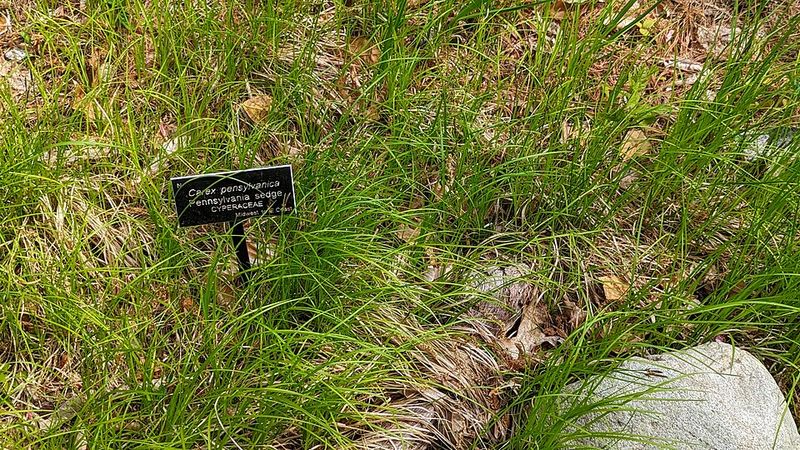
Small plants carry big ecological weight far more often than gardeners expect. A single patch of Pennsylvania Sedge introduces a layer of habitat function that goes well beneath the surface of what the eye can see.
Butterflies, moths, and songbirds all have a stake in where this plant grows. The Northern Pearly-eye butterfly depends on its leaves to feed caterpillars through their earliest stages.
Songbirds pull from its clumps for nest material and cover. Small mammals settle into the dense growth it forms along the woodland floor.
Planting it along the shaded edges of a flower bed is essentially opening a resource center for the local wildlife that has quietly been looking for exactly this.
The ecological return on a plant this small is genuinely disproportionate to the effort it takes to grow.
It asks for a patch of shade and some space to spread, and it answers back with an entire food web.
Ornamental gardening rarely rewards you with beauty and ecological function in the same plant. Pennsylvania Sedge refuses to choose between the two. Here they work together without compromise.
Gardeners who care about what their yard gives back to the surrounding environment often describe discovering this plant as a turning point. Building a garden that feeds something beyond the eye is a satisfaction that never gets old.
Safe For Pets, Soft Underfoot, And Ready For Every Corner Of Your Kentucky Garden
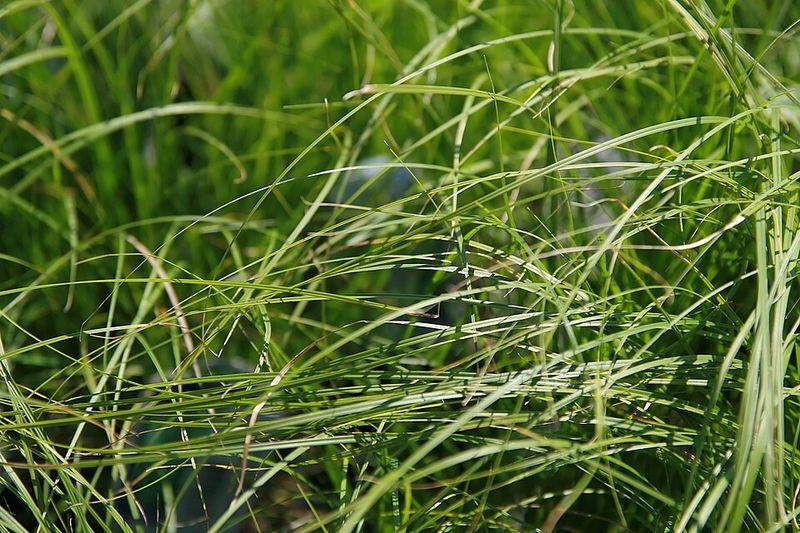
Not every elegant plant plays nice with the household. This one does. It is non-toxic to dogs, cats, horses, and humans, which means bare feet and curious pets can move across it without risk.
Unlike certain sedge varieties that have sharp, sawtooth edges capable of leaving a skin-thin cut, this plant is genuinely soft to the touch.
Children can sit beside it, pets can brush through it, and no one walks away with an unpleasant surprise.
That combination of elegance and safety is rarer in the groundcover world than most gardeners expect. Kentucky’s hardwood forests have been growing this plant wild for centuries.
The soil here already knows it. No special coaxing, no climate adjustments, no intervention required. It belongs here in the truest sense of the word.
Planting it is less an act of introduction and more an act of restoration, returning something to the landscape that was always meant to be there.
For shaded beds, dry slopes, bare corners, and the forgotten edges of a flower garden, this plant fills every gap with something that feels right.
The most reliable plants are often the ones that were never bred for a catalog. They were just waiting in the woods the whole time.