8 Reasons Your Illinois Pepper Plants Are Blooming But Not Setting Fruit
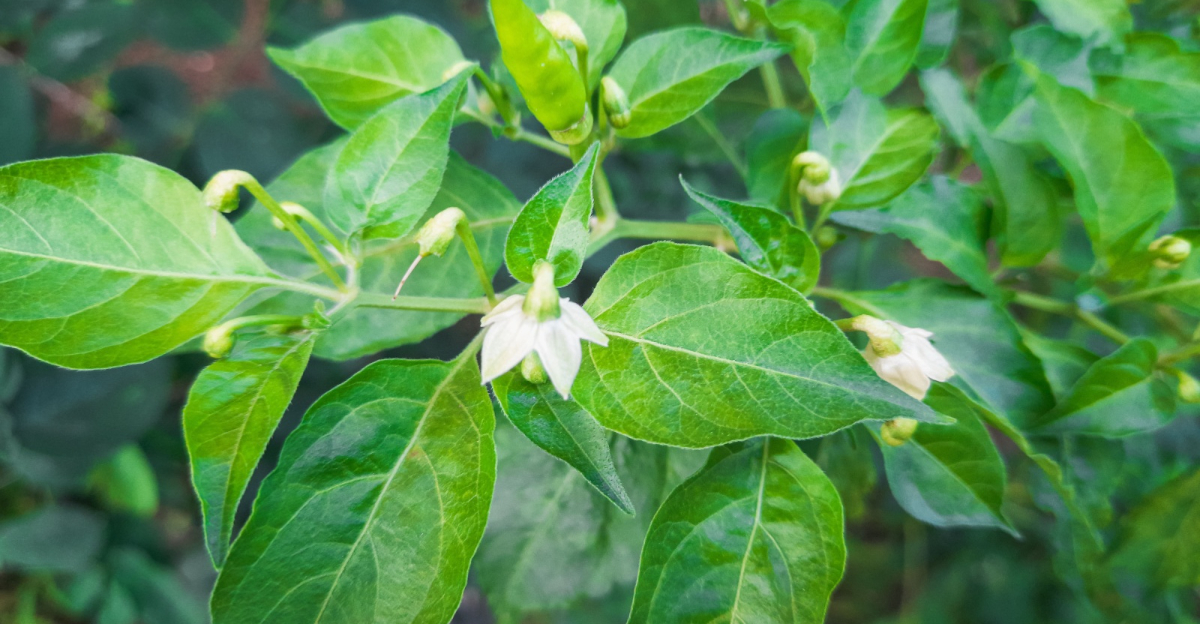
You check on your pepper plants one morning and count a dozen blooms. You come back two weeks later and find nothing but bare stems. No peppers. Not even a hint of one.
It is one of the more frustrating things about growing peppers in Illinois, where the weather rarely cooperates for long. A stretch of brutal July heat, a few cool nights in early June, or an unusually humid August can all quietly work against you.
The blooms show up right on schedule. The fruit does not.
But this is not random bad luck. There are specific reasons your pepper plants are dropping flowers instead of setting fruit, and most of them come down to conditions you can actually influence.
Eight specific culprits explain why your peppers stall out, and once you know what to look for, you can actually do something about it before the season is gone.
1. Temperature Extremes Are Preventing Fruit Set
Scorching afternoons and chilly nights are two of the most common reasons pepper harvests fall short in Illinois. Illinois summers swing hard, and peppers feel every degree of that swing.
When daytime temps climb past 90 degrees Fahrenheit, pollen becomes sterile. That means flowers open, look healthy, and still fail to produce fruit.
On the flip side, nights that drop below 55 degrees slow down the whole reproductive process. The plant basically hits pause on fruit development until conditions feel safer.
Mid-July heat waves are especially rough on pepper plants in the Midwest. Even a few days of extreme heat can wipe out two weeks of potential fruit set.
Variety selection also plays a role. Some pepper varieties handle heat stress better than others, and choosing one bred for warm climates can make a noticeable difference in fruit set during brutal Illinois summers.
Shade cloth makes a real difference during peak summer heat. A 30 to 40 percent shade cloth draped over your plants during the hottest part of the day keeps leaf and flower temps manageable.
Mulching heavily around the base also stabilizes soil temperature and reduces heat stress from below. Two to three inches of straw or wood chips works wonders.
If you are growing in containers, you have an advantage. Pots heat up faster than garden beds, but root temperatures at night tend to stay more manageable, which helps with fruit set.
Illinois pepper growers who bloom but never set fruit often find temperature is the very first culprit worth investigating. Once you get temps under control, you remove one of the biggest obstacles to fruit set.
2. Poor Pollination Is Leaving Flowers Unfertilized
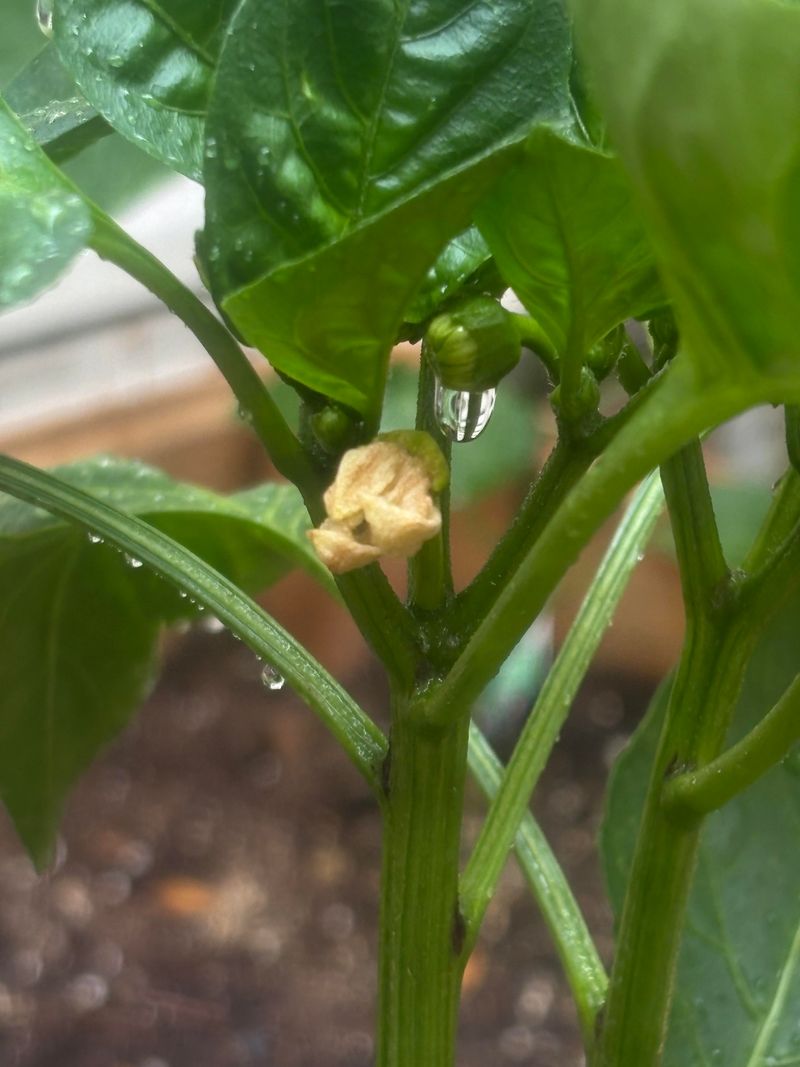
Peppers are self-pollinating, but that does not mean they do it effortlessly. They still need a little help from wind, insects, or even your own hand to get pollen moving.
In Illinois, urban and suburban gardens often lack enough pollinators to get the job done. Fewer bees mean fewer vibrations on the flowers, and fewer vibrations mean less pollen transfer.
Peppers actually benefit most from buzz pollination, a technique bumblebees use naturally. They grab the flower and vibrate their flight muscles at just the right frequency to shake pollen loose.
Your Illinois Garden Changes Every Week. Your Plan Should Too.
Gardening in Illinois changes quickly throughout the season. Every Friday you’ll receive a simple weekly plan showing exactly what to plant, prune, fertilize, harvest, and protect so you never miss the right timing.
If your garden is low on bumblebees, you can mimic this with an electric toothbrush. Press the back of it gently against each open flower for a couple of seconds every morning.
Planting pollinator-friendly flowers nearby also pulls more beneficial insects into your garden. Marigolds, basil, and lavender are solid choices that attract bees without competing with your peppers.
Avoid spraying any pesticides during bloom time. Even organic options can deter or harm the pollinators your Illinois pepper plants are counting on.
Keep in mind that pollination success also depends on flower timing. Not all blooms on a plant open at once, so checking your plants daily and hand pollinating any newly opened flowers gives you the best chance of catching them at the right moment.
Once pollination improves, you will likely notice small fruit forming within a week of flower opening. That first tiny pepper nub is one of the most satisfying sights in a home garden.
3. Inconsistent Watering Is Causing Blossom Drop
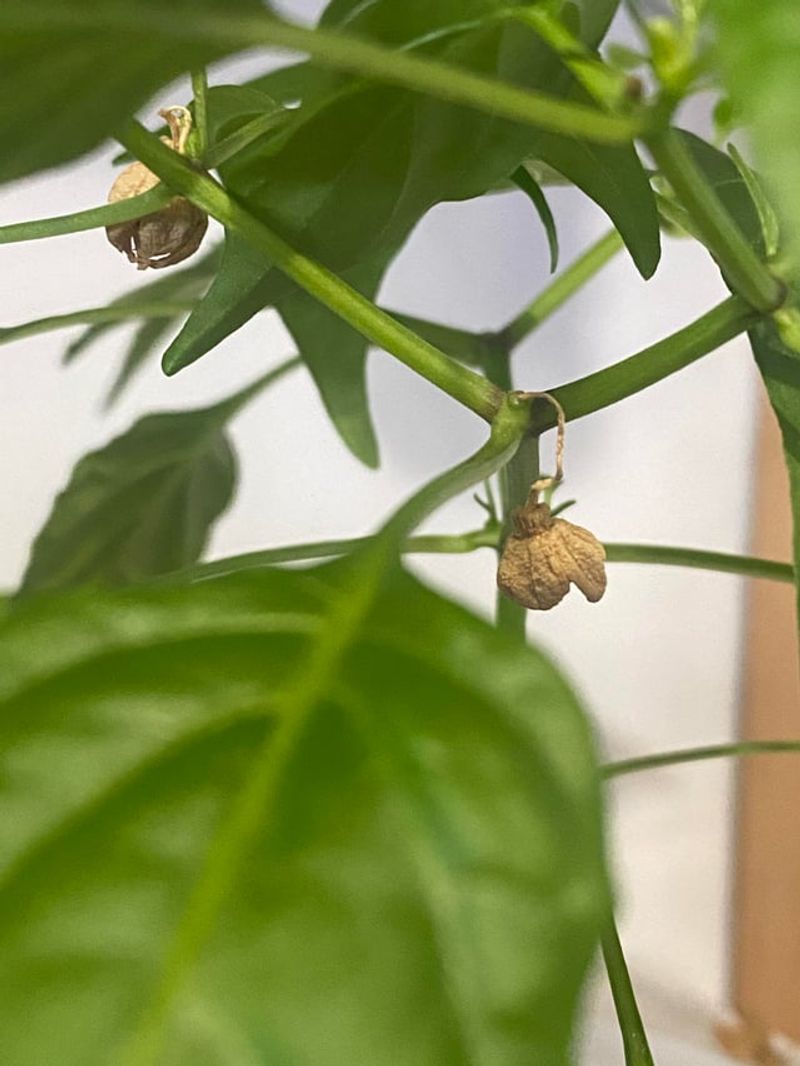
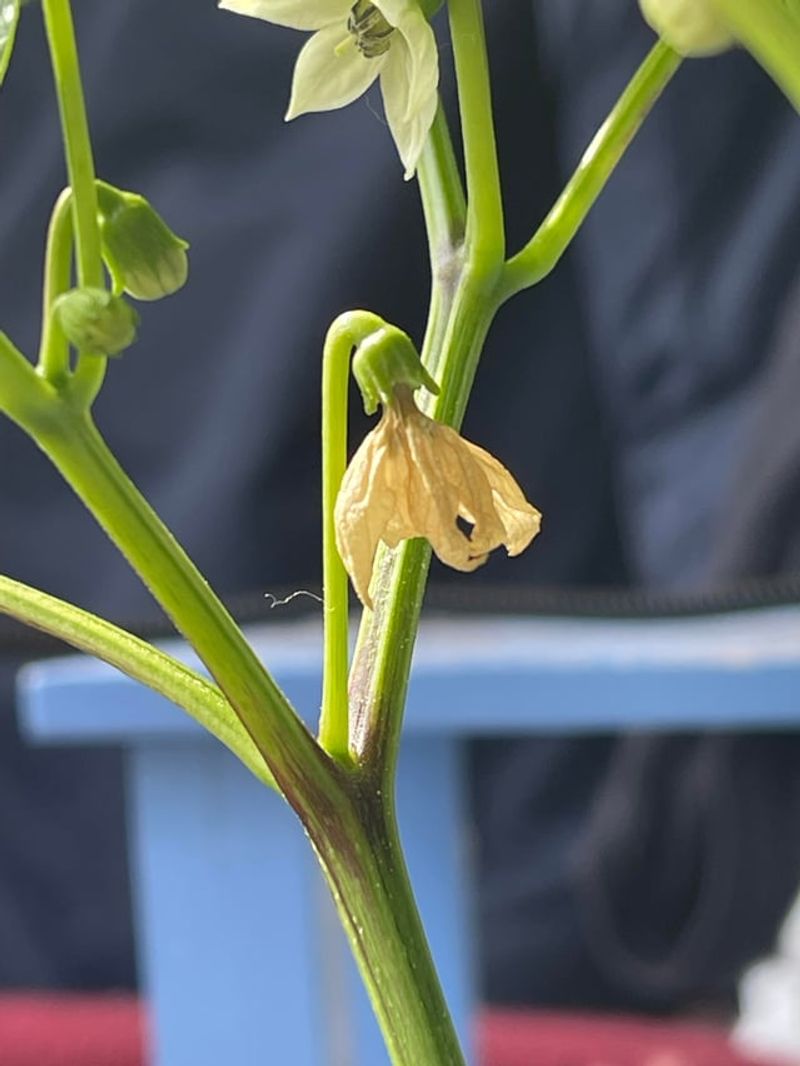
Blossom drop is one of the most frustrating things a gardener can experience. You see healthy flowers one morning, and by afternoon they are on the ground.
Inconsistent watering is a leading cause of this problem. Peppers are sensitive plants that respond quickly when the soil swings between soaking wet and bone dry.
When roots experience drought stress, the plant makes a tough decision. It drops flowers to conserve energy for survival, sacrificing potential fruit to protect itself.
Overwatering creates a different but equally damaging problem. Waterlogged roots cannot absorb oxygen, which shuts down nutrient uptake and triggers the same blossom drop response.
The goal is consistent moisture, not wet soil. Aim to keep the top two inches of soil slightly damp, never soggy and never bone dry.
Drip irrigation is one of the best investments Illinois pepper growers can make. It delivers water slowly and directly to the root zone, keeping moisture levels steady without splashing foliage.
Check your soil with your finger before watering every single time. If it feels moist an inch down, wait another day before adding more water.
Getting your watering rhythm right removes one of the most common triggers of blossom drop and gives your plants a real chance to set fruit.
4. Too Much Nitrogen Is Pushing Leaf Growth Over Fruit
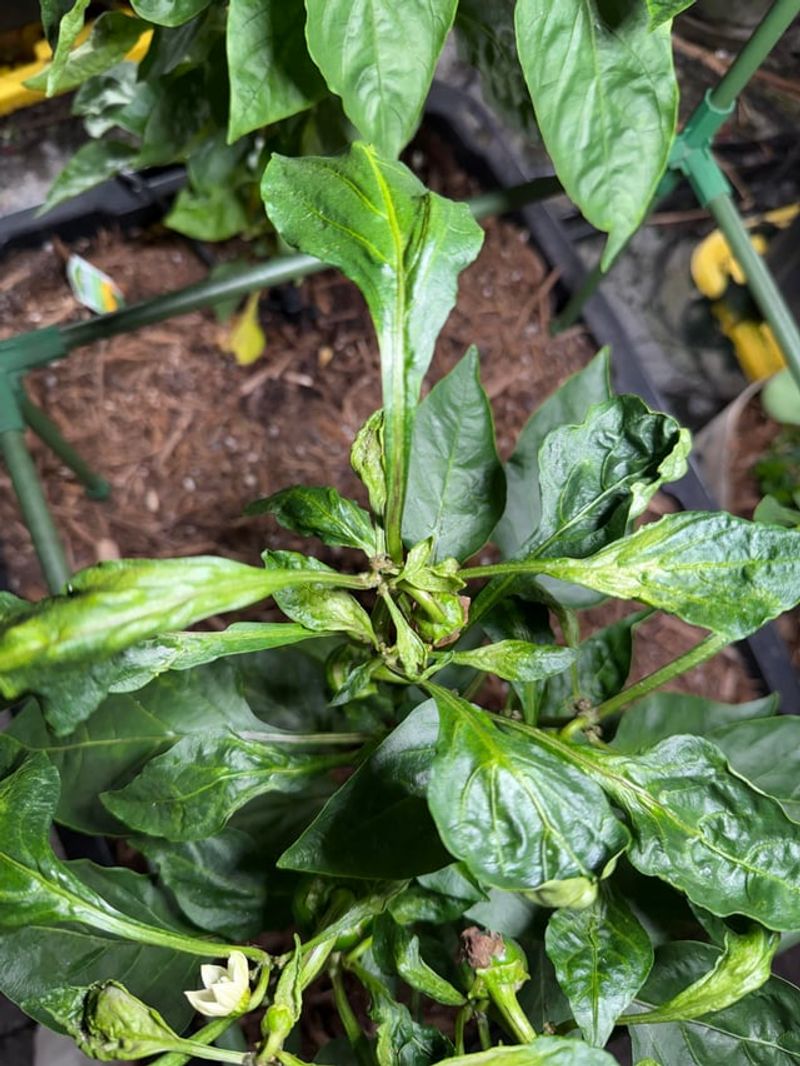
Walk up to your pepper plant and notice it looks like a bush. Deep green leaves, thick stems, and no fruit in sight. That is a classic sign of too much nitrogen.
Nitrogen is the nutrient that drives leafy, vegetative growth. When plants get an excess of it, they put all their energy into growing more leaves instead of producing flowers and fruit.
Many gardeners make the mistake of using a general-purpose fertilizer all season long. These blends are often high in nitrogen, which is great for early growth but counterproductive once flowering begins.
Once your pepper plants start blooming, switch to a fertilizer with lower nitrogen and higher phosphorus and potassium. Look for something labeled as a bloom booster or tomato and pepper formula.
Compost-heavy soil can also contribute to excess nitrogen. If you amended your beds heavily before planting, the slow release of nutrients may be tipping the balance.
A simple soil test from your local extension office can tell you exactly what your garden needs. Illinois gardeners can access affordable testing through the University of Illinois Extension program.
Pulling back on nitrogen mid-season often produces visible results within two to three weeks. Flowers start forming more readily, and the plant shifts its focus toward producing fruit.
5. High Humidity Is Interfering With Pollination
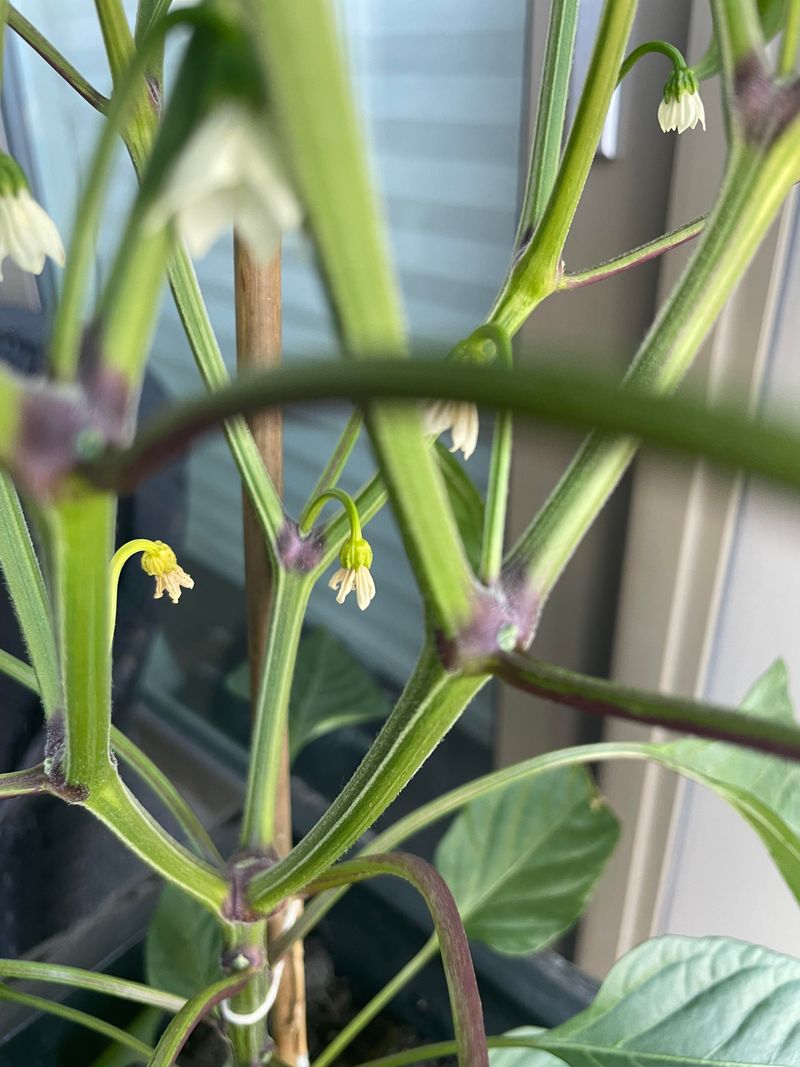
Sticky, muggy summer mornings are harder on your pepper plants than most gardeners expect. High humidity can actually prevent pollen from transferring properly inside pepper flowers.
When relative humidity climbs above 90 percent, pollen grains clump together. Instead of flowing freely to the stigma, they stick and fail to fertilize the flower.
Very high humidity can make pollen less effective and can increase disease pressure, especially when airflow is poor. Coastal gardeners deal with this too, but Midwest heat combined with humidity creates a particularly tough growing environment for peppers.
Good air circulation around your plants is the most practical defense against humidity-related pollination failure. Space your pepper plants at least 18 inches apart to allow airflow between them.
Avoid dense planting schemes that trap moisture around flowers. Raised beds with open sides allow better airflow than ground-level rows surrounded by other crops.
Morning watering, rather than evening watering, also helps reduce overnight humidity around your plants. Wet foliage sitting through a warm night creates the perfect conditions for pollen clumping and fungal issues.
Hand pollinating during a drier window of the day, typically between 10 a.m. and noon, can improve fruit set on especially humid stretches. A small paintbrush moved gently from flower to flower does the trick beautifully.
6. Transplant Shock Is Slowing Down Fruit Production
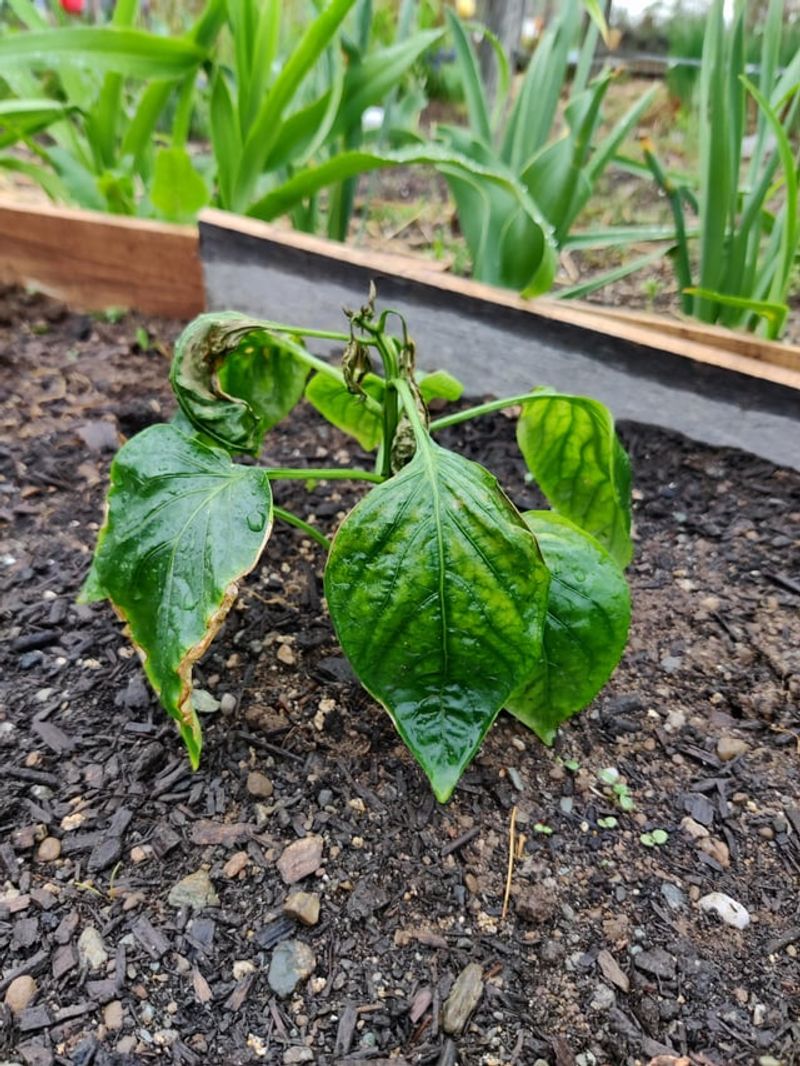
Moving a pepper plant from a greenhouse tray to the open ground is a bigger deal than it looks. The plant experiences real stress during that transition, and it shows in delayed fruiting.
Transplant shock happens when roots are disturbed and the plant struggles to take up water and nutrients in its new environment. Leaves may droop, growth may stall, and flowers may drop before fruit can set.
Illinois gardeners often transplant too early, when soil temps are still cool and nights are unpredictable. Peppers want soil that is at least 60 degrees Fahrenheit before they go in the ground.
Hardening off seedlings before transplanting makes a significant difference. Spend seven to ten days gradually exposing them to outdoor conditions, starting with an hour or two and working up to a full day outside.
Water transplants deeply right after planting and then ease back slightly for the first week. Overwatering stressed roots compounds the shock rather than helping the plant recover.
Adding a diluted seaweed or kelp solution to your transplant water can ease the transition. These natural products support root development and reduce stress response in young plants.
Many pepper plants recover from transplant shock within two to three weeks. Once roots establish, growth picks up and fruit production follows.
7. Pest and Disease Pressure Is Draining Plant Energy
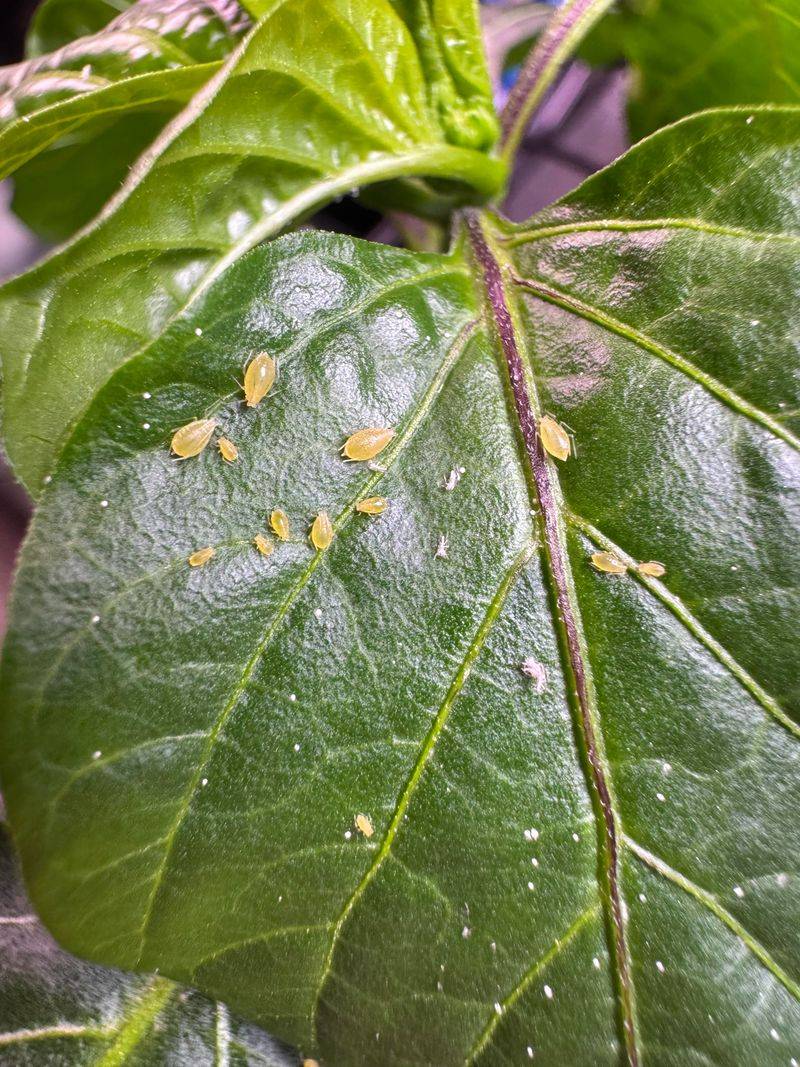
A pepper plant fighting off pests is not going to spend much energy making fruit. Survival mode kicks in, and everything else takes a back seat.
Aphids are one of the most common problems Illinois pepper growers face. These tiny insects cluster under leaves and suck out plant sap, weakening the plant and causing flowers to drop prematurely.
Spider mites thrive during hot, dry stretches, which are common in Illinois summers. They leave a fine webbing under leaves and cause stippled, yellowing foliage that signals serious stress.
Bacterial leaf spot and phytophthora blight are two diseases that hit peppers hard in this region. Both spread quickly in wet, warm conditions and can defoliate a plant before you realize what is happening.
Scout your plants every few days by flipping leaves and checking stems. Early detection gives you the best chance of getting ahead of pest and disease problems before they affect fruit set.
Neem oil spray applied in the evening handles most soft-bodied insect pests without harming beneficial insects. Repeat every seven days during active infestations for best results.
Keeping the garden floor clear of fallen leaves and debris removes hiding spots for overwintering pests. That alone can reduce disease pressure heading into the next season.
8. Not Enough Sunlight Is Limiting Fruit Development
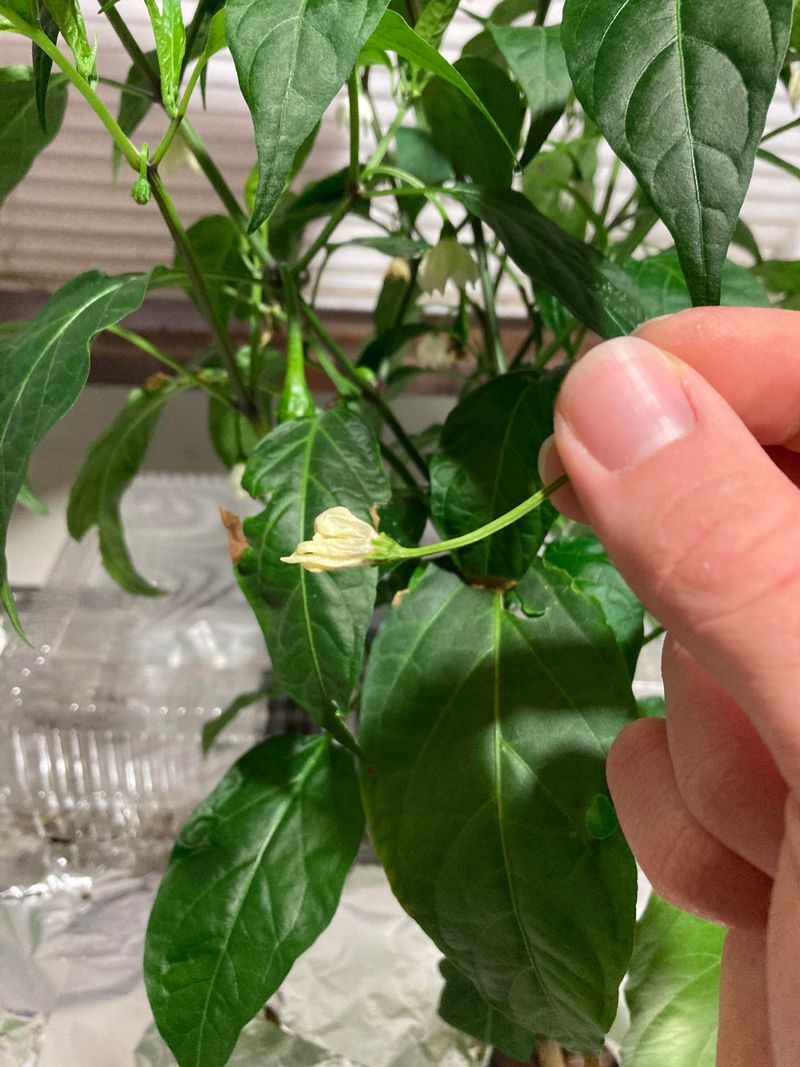
Peppers need more sun than most vegetables to produce well. Without enough direct light each day, they simply cannot produce the energy needed to push flowers into fruit.
Most pepper varieties need at least six to eight hours of full sun daily. Anything less and the plant grows slowly, blooms weakly, and struggles to complete the fruiting process.
Illinois backyards often have more shade than gardeners realize. Trees that were bare in spring cast serious shadows by July, and a bed that seemed sunny in April may be shaded by midsummer.
Watch your garden throughout the day before choosing a planting spot. Mark where the sun hits at 9 a.m., noon, and 3 p.m. to get an accurate picture of real daily sun exposure.
Container-grown peppers have a huge advantage here. You can move them to follow the sun as shadows shift throughout the season, which is especially helpful in smaller urban yards.
Pruning nearby shrubs or low tree branches can open up surprising amounts of light. Even an extra hour of direct sun per day can meaningfully improve fruit set on struggling plants.
Reflective mulch, like silver plastic sheeting, bounces additional light up onto the plant canopy. This trick is especially useful for Illinois pepper plants growing in spots that get borderline sun exposure throughout the growing season.