8 Common Reasons Why Wisconsin Irises Fail To Bloom
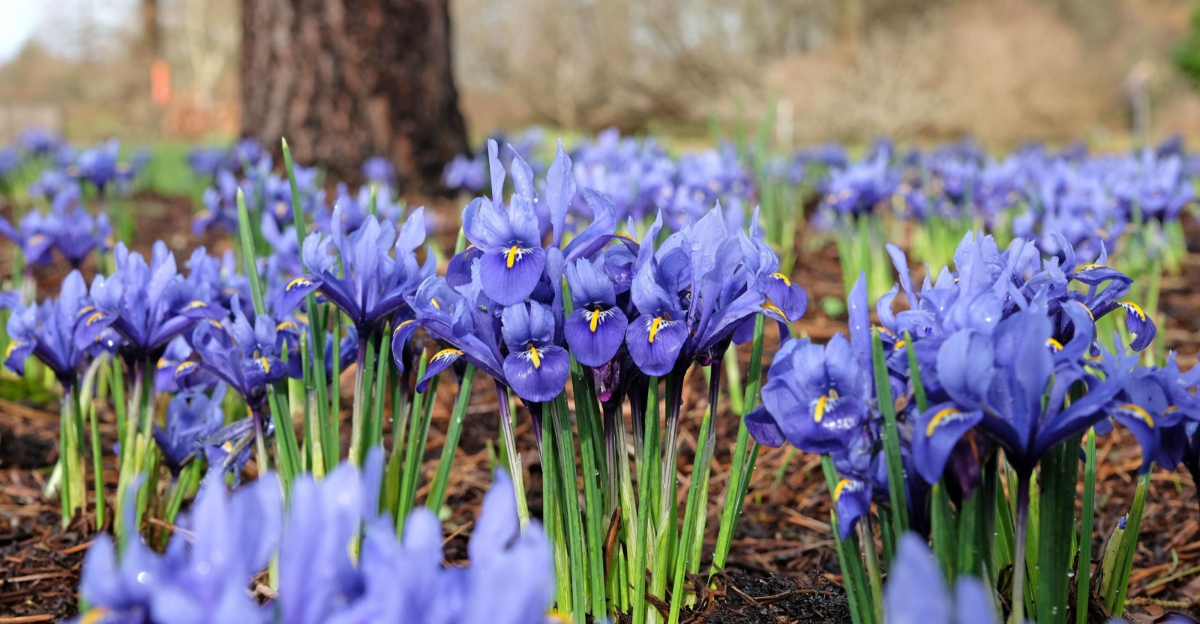
You planted your irises, gave them a good spot, and waited.
Spring came, the leaves showed up, but the blooms did not.
If that sounds familiar, you are not alone. Irises are reliable bloomers, but a few common mistakes can shut down their flowering for an entire season, sometimes longer.
The tricky part is that the plant looks perfectly healthy. Green leaves, solid growth, no obvious signs of trouble. But something underneath is off, and until you find it, the blooms will keep skipping you.
Wisconsin gardeners face a specific set of challenges: late frosts, heavy clay soils, and winters that are hard on even the toughest perennials.
Bearded irises, the most commonly grown type in Wisconsin, are particularly sensitive to all of these. Any one of them can be the reason your irises went quiet.
Here are eight of the most common culprits, starting with the ones Wisconsin gardeners run into most.
1. Overcrowding Robs Irises Of The Energy They Need To Bloom
Picture a crowded elevator where nobody can breathe. That is exactly what overcrowded irises feel like underground.
When rhizomes pack together too tightly, they compete for water, nutrients, and space. The plants spend all their energy just surviving, leaving nothing left for flowers.
One clue that your irises are overdue for dividing is a hollow center, where the middle of the clump stops producing leaves while the outer edges still look healthy. That ring-shaped growth pattern is a reliable sign that it is time to dig.
Most gardeners are surprised to learn that irises need dividing every three to four years. Without that reset, the clump grows denser each season and blooming drops off sharply.
The fix is straightforward. Dig up the entire clump in late summer, usually July or August, after the blooming season wraps up.
Shake off the soil and look at what you have. Toss out the old, woody center pieces and keep only the firm, healthy outer fans with good roots attached.
Replant those healthy pieces with enough breathing room between them, about twelve to eighteen inches apart. That spacing gives each rhizome its own territory to gather sunlight and nutrients without a fight.
Wisconsin irises that get divided on schedule almost always reward you with a much stronger bloom the following spring. The difference can be dramatic, going from almost no flowers to dozens practically overnight.
2. Too Little Sunlight Keeps Irises From Flowering
Irises are sun lovers, plain and simple. They need at least six hours of direct sunlight each day to build up the energy reserves required for blooming.
A spot that looked sunny three years ago might now be shaded by a growing tree or a new fence. Gardens change, and sometimes the irises suffer quietly while gardeners wonder what went wrong.
Walk your garden at different times of day and watch where the sun actually lands. Morning shade followed by afternoon sun is not the same as full midday exposure, and irises can tell the difference even when you cannot.
Your Wisconsin Garden Changes Every Week. Your Plan Should Too.
Gardening in Wisconsin changes quickly throughout the season. Every Friday you’ll receive a simple weekly plan showing exactly what to plant, prune, fertilize, harvest, and protect so you never miss the right timing.
Tall perennials, shrubs, and even overgrown ornamental grasses nearby can steal sunlight without you noticing. Trimming back neighboring plants sometimes solves the problem without moving a single iris.
If the spot is genuinely too shady now, transplanting is your best option. Choose a south or west-facing bed where sunlight is generous and consistent throughout the growing season.
Moving irises can delay blooming by a season, so plan accordingly and be patient. The temporary setback is worth it for years of reliable flowers afterward.
A simple soil test is not necessary here, just watch the light and trust what you see.
3. Late Frosts And Cold Wisconsin Winters Damage Flower Buds
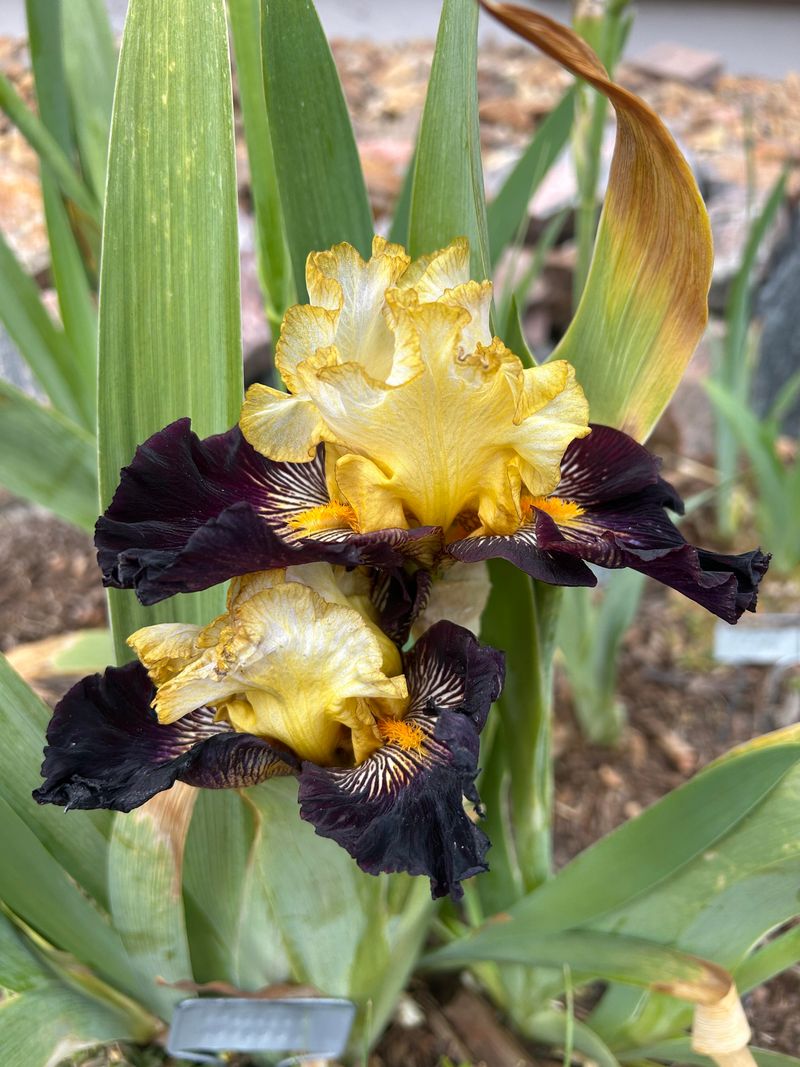
Wisconsin springs are unpredictable, and irises pay the price when a late frost sneaks in after buds have already formed. Temperatures dipping below twenty-eight degrees Fahrenheit can damage tender buds, especially once they have begun to open.
The tricky part is that the leaves often look fine after a frost event. Only the flower buds, which are more tender than the foliage, take the real hit and simply never open.
Tracking the last frost date for your specific county matters more than relying on state averages. Wisconsin’s frost dates vary significantly from the southern counties near Madison all the way up to the northern tier near Ashland.
Covering iris beds with lightweight frost cloth on nights when temperatures threaten to dip is a simple and effective defense. Old bedsheets work in a pinch and can save an entire season of blooms with minimal effort.
Choosing iris varieties that are bred for cold hardiness also helps. Many modern cultivars have been selected specifically for their ability to handle late-season temperature swings without losing their buds.
Even with the best protection, some years will bring losses. Accepting that reality makes the good bloom years feel even more rewarding when those purple and gold flowers finally open wide in the warm May sunshine.
4. The Wrong Fertilizer Works Against Blooming
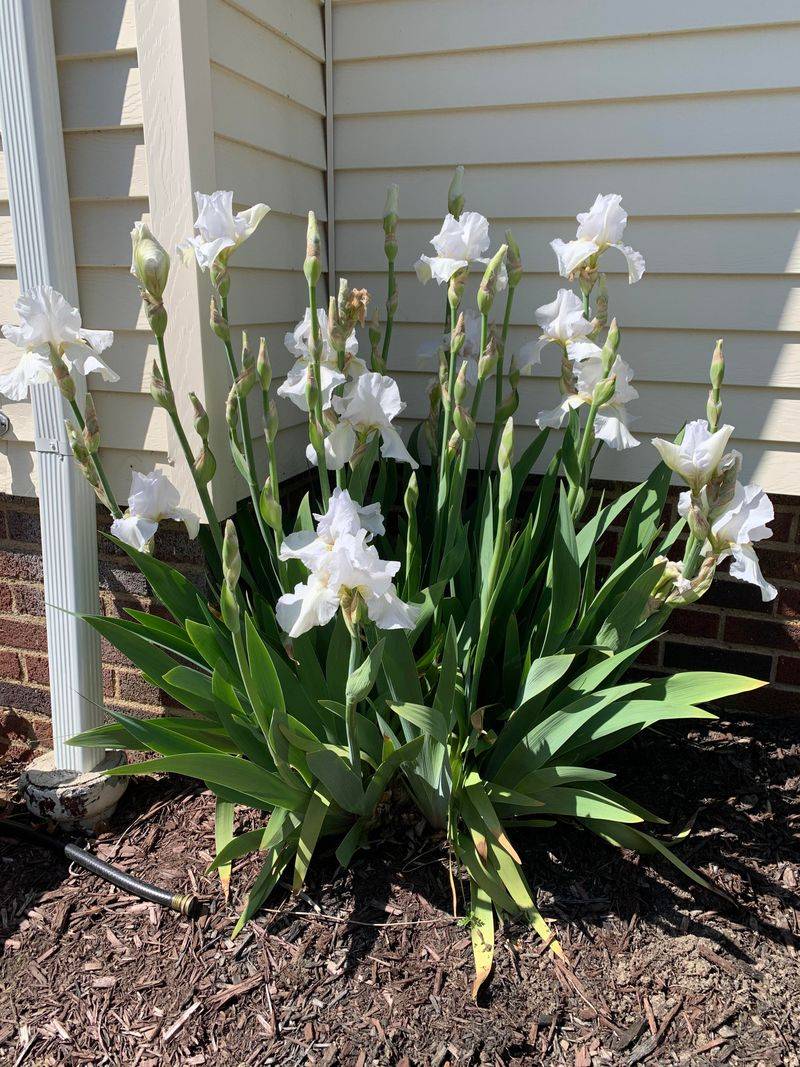
Feeding your irises feels responsible. But the wrong fertilizer can silence them for an entire season.
Nitrogen is the first number on any fertilizer bag, and when that number is high, you are essentially telling the plant to focus on foliage. For irises, that is the opposite of what you want heading into bloom season.
A balanced fertilizer with lower nitrogen and higher phosphorus is the smarter choice. Phosphorus, the middle number on the bag, supports root development and flower production, which is exactly what irises need.
Apply fertilizer in early spring as new growth emerges and again right after blooming ends. Those two windows align with the plant’s natural growth cycles and give the rhizomes the boost they need at the right moments.
Avoid fertilizing in late summer or fall in Wisconsin’s climate. Late feeding encourages soft new growth that cannot harden off before winter arrives, leaving the plant vulnerable to cold damage.
A low-nitrogen fertilizer like a 6-10-10 formula is a good starting point for most iris beds. Always follow the label directions and avoid the temptation to apply more than recommended.
Granular fertilizers are generally easier to control than liquid formulas, which makes them a practical choice for iris beds where precise application matters.
5. Planting Depth Matters More Than Most Gardeners Think
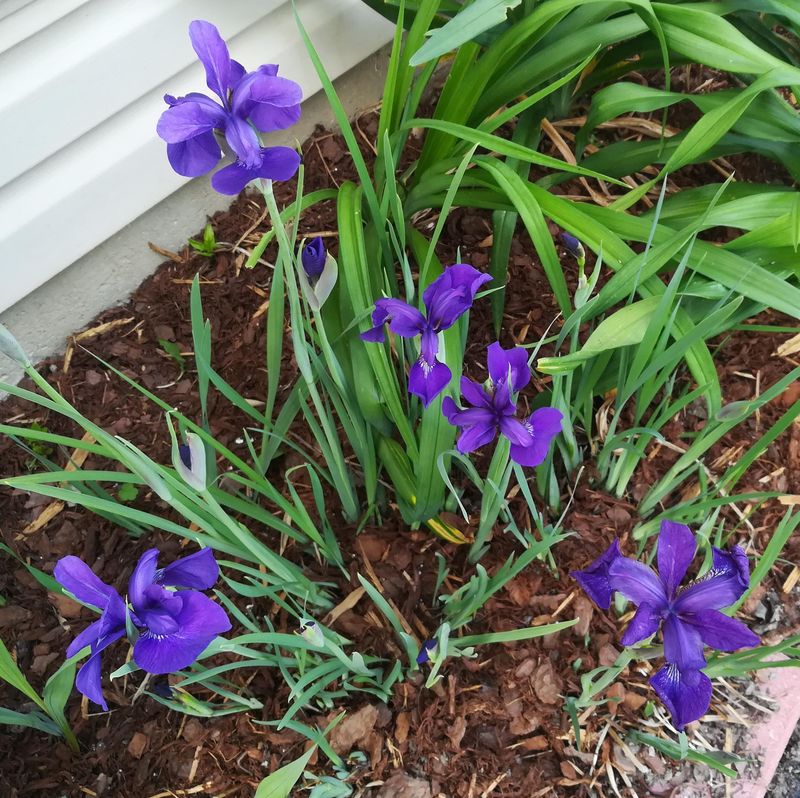
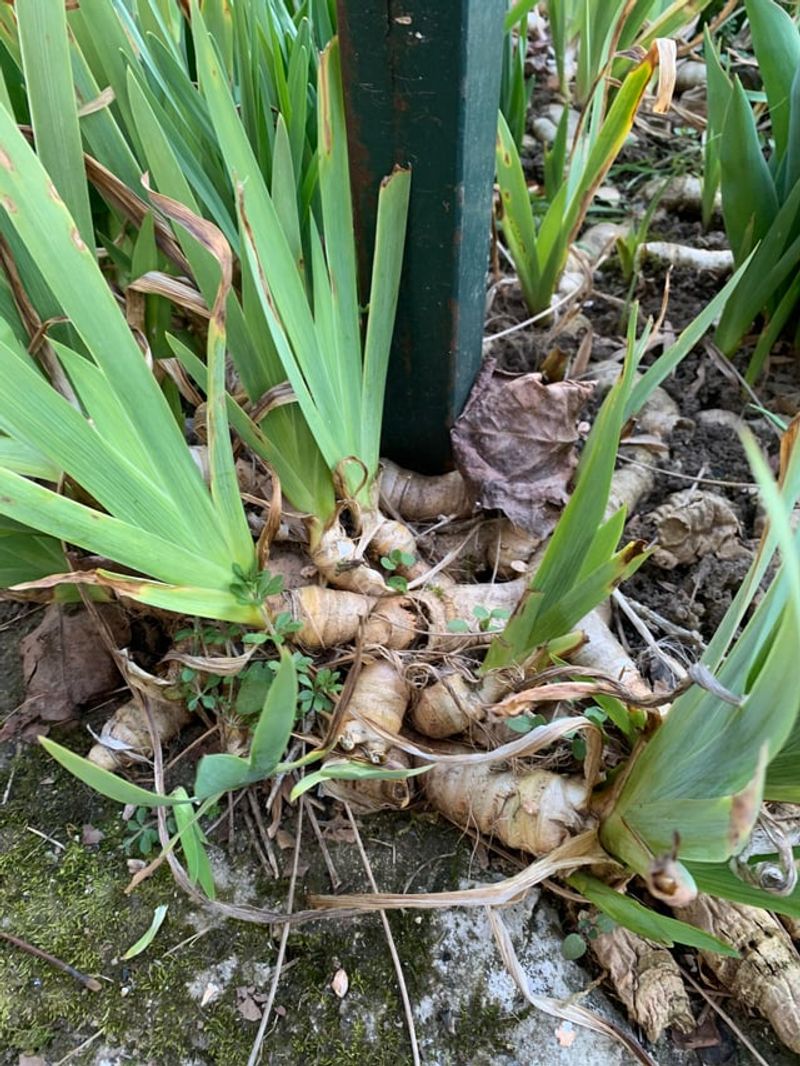
Burying iris rhizomes too deep is one of the most common beginner mistakes, and it is surprisingly easy to do. The rhizome needs to sit at or just barely below the soil surface to catch sunlight and warm up properly.
When rhizomes are planted two or three inches underground, they stay cool and shaded. That keeps them from storing the energy reserves needed to produce flower stalks the following season.
The old rule of thumb is that the top of the rhizome should be visible or just barely covered with a thin layer of soil. Think of it like a sleeping alligator, mostly buried but with its back just peeking above the surface.
In heavy clay soils like those common across much of Wisconsin, planting slightly higher than you think necessary is a smart adjustment. Clay holds moisture and compacts over time, which can push rhizomes even deeper than their original planting depth.
Soil settles over time, and mulch builds up season after season. Rhizomes that were planted correctly can end up buried without you ever touching them. Check your beds each fall and scrape away any excess soil or mulch sitting on top of the rhizomes.
Getting the depth right when you replant matters just as much as dividing on schedule. Bury them too deep and even the healthiest rhizomes will stay dormant, no matter how well you care for them.
6. Iris Borers Are Often Behind Unexplained Bloom Failures
Something is eating your irises from the inside out, and you might not even know it yet. Iris borers are the single most destructive pest for iris growers across the Midwest, and Wisconsin gardens are no exception.
The larvae hatch from eggs laid on old iris leaves in fall and spend winter waiting. Come spring, tiny caterpillars tunnel into the leaves and work their way down into the rhizomes, feeding on the tissue as they go.
By the time you notice ragged leaf edges or mushy rhizomes, the damage is already done for that season. A heavily infested plant simply does not have enough healthy tissue left to push up a flower stalk.
Prevention starts in fall with a thorough garden cleanup. Removing and discarding all old iris leaves and debris eliminates the overwintering eggs before they ever get a chance to hatch in spring.
If you have had borer problems before, consider treating the soil around your irises with a nematode application in early spring. These microscopic organisms target borer larvae in the soil without harming your plants or beneficial insects.
In early spring, watch for water-soaked streaks running down the leaves. That is your first sign that borers are already at work.
Catching the larvae early and squishing them inside the leaf is effective and genuinely satisfying. A systemic insecticide applied in early spring can also help keep the damage from escalating.
Inspecting your irises every few days during early spring takes only a few minutes and dramatically improves your chances of catching an infestation before it takes hold.
7. Waterlogged Soil Is A Problem Many Wisconsin Gardeners Overlook
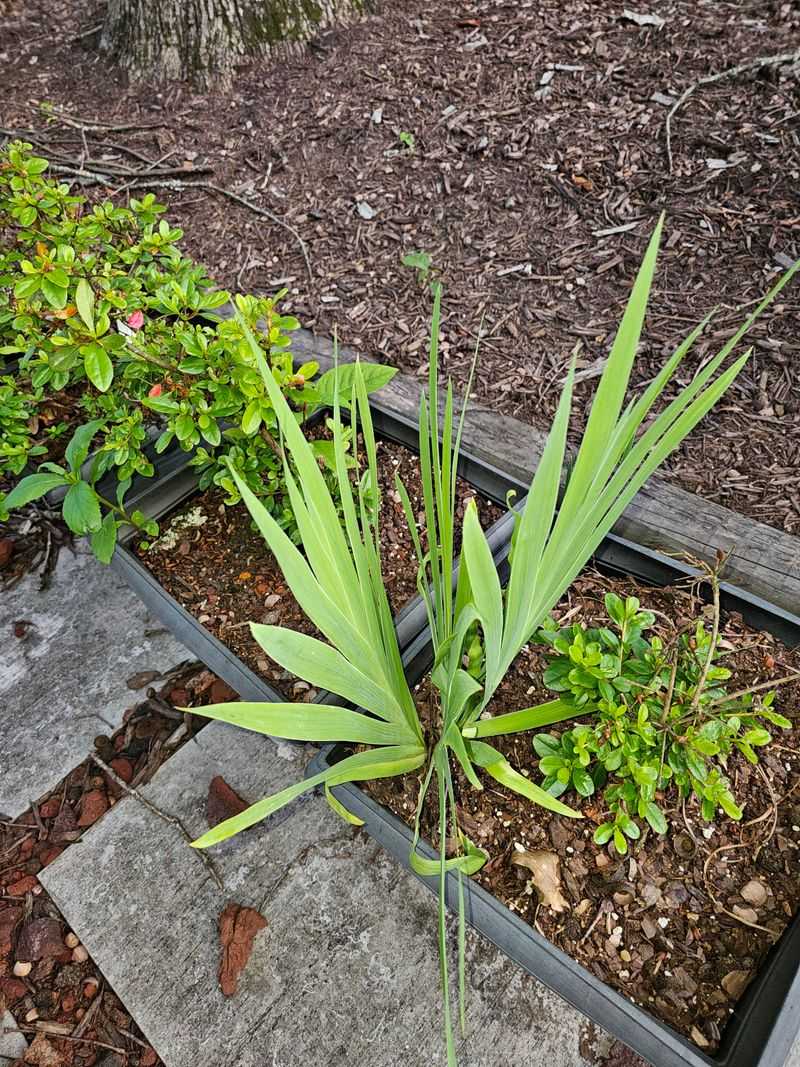
Irises look tough, but their roots cannot survive soggy soil for long. Waterlogged conditions suffocate roots and invite the rot that turns healthy rhizomes into mush. Wisconsin’s spring snowmelt combined with heavy April rains creates exactly the kind of wet conditions irises hate. Low-lying beds and clay-heavy soils are especially risky.
Rotting rhizomes cannot feed the plant, which means no energy reaches the flower buds. The result is a plant that looks alive above ground but is quietly failing at the root level where you cannot easily see it.
Improving drainage is the long-term solution. Raised beds work beautifully for irises because they keep rhizomes elevated above any standing water that collects at ground level after storms.
Amending heavy clay soil with coarse sand and organic matter helps water move through more quickly. Even a few inches of improved drainage can make a dramatic difference in how well irises perform through a wet Wisconsin spring.
If you are working with an existing bed that drains poorly, digging in a simple French drain along the edge can redirect water away from the root zone without requiring a full replant.
Avoid planting irises at the base of slopes or in spots where water naturally collects after rain. Choosing the right location from the start saves you from fighting drainage problems every single season and keeps Wisconsin irises blooming reliably year after year.
8. Cutting Back Leaves Too Early Costs You Next Season’s Blooms
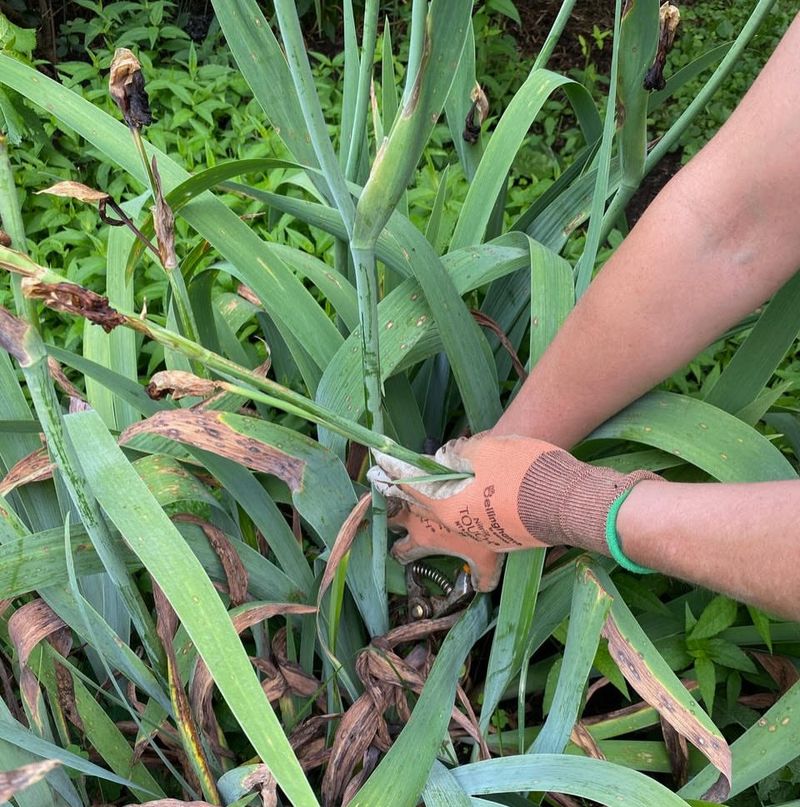
After blooming ends, those tall green iris leaves might look like clutter worth cleaning up. Cutting them back too soon, however, is one of the quietest ways to sabotage next year’s flower show before it even starts.
Green leaves are the plant’s solar panels. They capture sunlight and convert it into the sugars and starches stored in the rhizome throughout summer and fall, which fuel next spring’s bloom cycle.
Removing leaves in June or July cuts off that food production process right when the plant needs it most. The rhizome heads into winter with lower energy reserves and simply cannot support flower development the following season.
Wait until leaves begin to yellow and brown naturally before trimming, which in most Wisconsin gardens happens in late September or October. At that point, the plant has already finished its energy storage work for the year.
When you do cut back, leave about four to six inches of foliage above the rhizome rather than cutting all the way to the ground. That small stub protects the crown from early cold snaps and gives the plant a bit of insulation heading into winter.
Patience in the fall garden pays off in the spring. Letting Wisconsin irises finish their natural seasonal cycle without interruption is one of the simplest and most rewarding things you can do to ensure a full, gorgeous bloom the following year.