What’s Really Driving Moles Into Illinois Yards In Spring And How To Fight Back
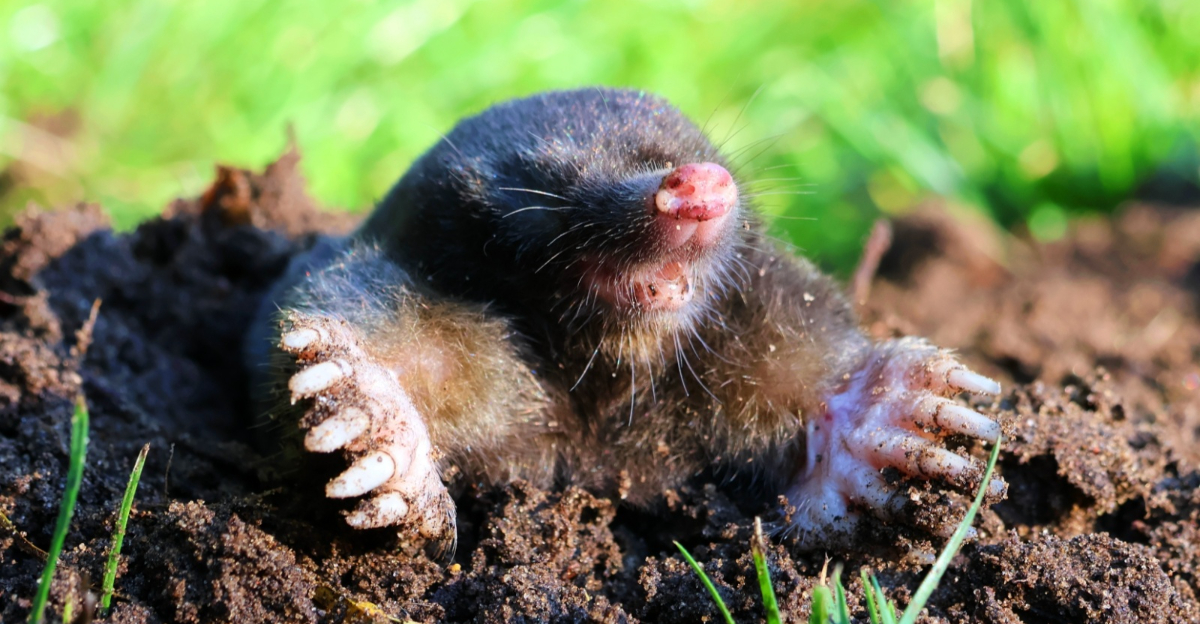
Who approved this construction project in your yard? One afternoon your lawn is lush and untouched.
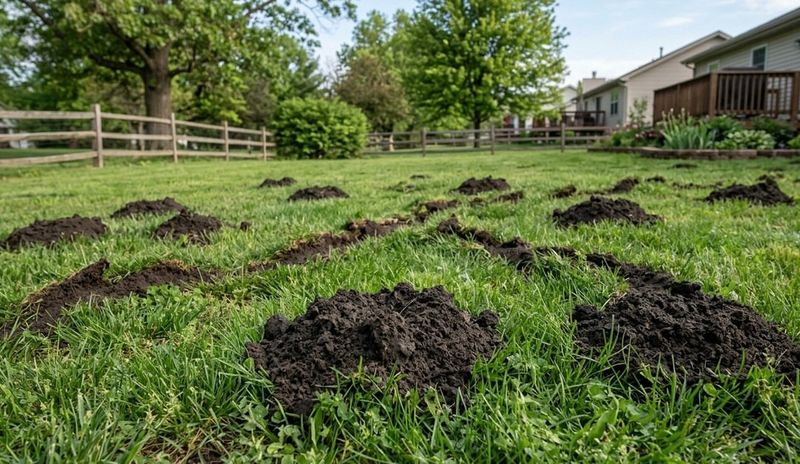
The next, it looks like a miniature freeway system materialized out of nowhere. Raised ridges, soft spots, and not a single permit filed. Moles have moved in, and they picked your yard on purpose.
These small, velvety diggers are built for underground life, and Illinois spring conditions practically roll out the red carpet for them.
Warming soil drives earthworms upward toward the surface, and moles simply follow the food like heat-seeking missiles underground.
The timing feels sudden, but the attraction has been building all winter beneath your feet. Knowing what draws moles in gives you a real edge over them. So what exactly turns your lawn into their personal hunting ground?
Spring Thaw Brings Earthworms To The Surface
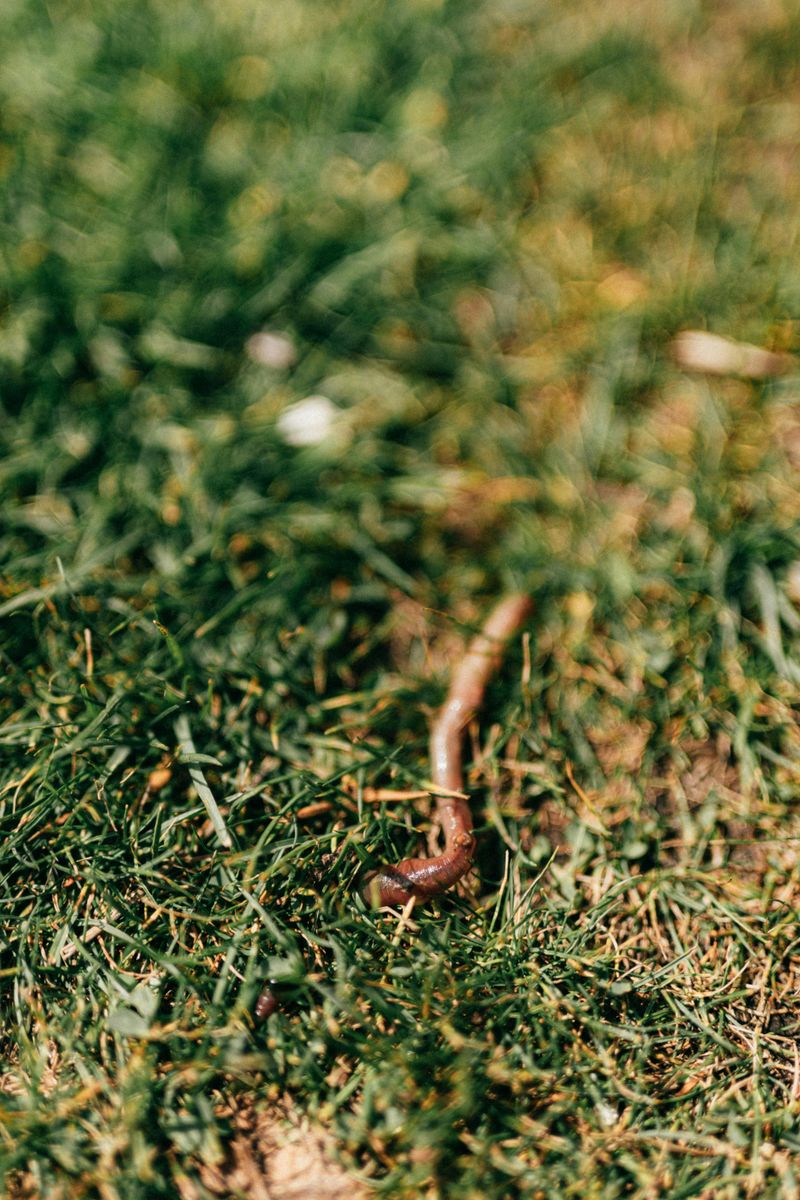
Beneath your lawn, a seasonal drama unfolds every March that moles have tracked for centuries. As soil temperatures climb above freezing, earthworms wake up and crawl toward the surface.
That upward migration is basically a dinner bell for every mole in the neighborhood. Moles are insectivores, which means earthworms make up the bulk of their diet.
A single mole can consume its body weight in worms daily, which is a staggering amount of underground hunting.
When worms surface after the spring thaw, moles follow them with laser focus. Your lawn becomes prime hunting ground the moment the ground softens.
Soft, moist soil is easy to push through, and a freshly thawed yard practically rolls out the welcome mat.
The combination of accessible soil and abundant food makes spring the peak season for mole activity in Illinois yards.
Knowing this helps you get ahead of the problem before the damage piles up. If you can disrupt the food supply or make the soil less inviting, you shift the odds in your favor.
The worm surge is temporary, but acting early during that window can protect your lawn all season long.
Illinois’s Rich Loamy Soil Is Easy To Tunnel Through
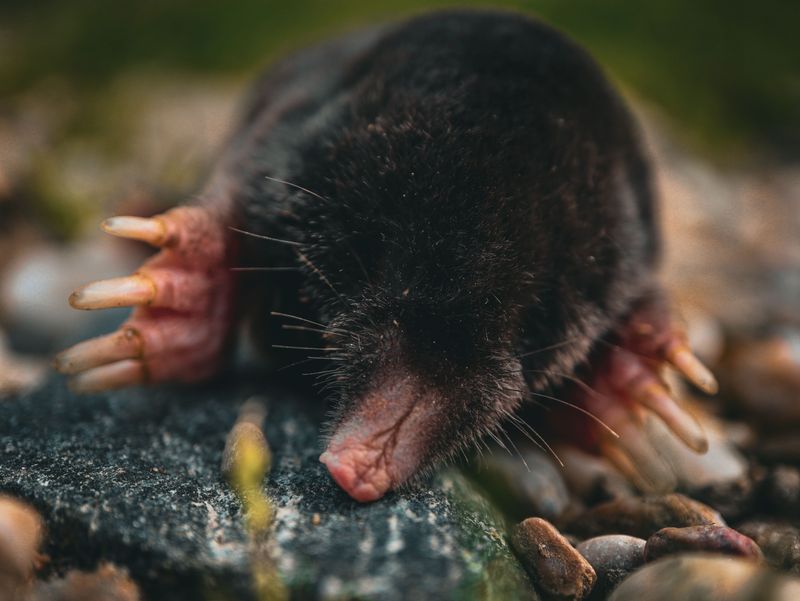
Illinois sits on some of the most fertile soil in North America, and that is genuinely bad news for your lawn.
The same loamy, organic-rich earth that makes the state famous for agriculture also makes it a paradise for burrowing animals.
Moles can push through soft loam with almost no effort, which is why they thrive here more than in sandier or clay-heavy states. Clay soil is dense and exhausting to tunnel through.
Sandy soil collapses and offers little structural support for tunnel systems. Loam, however, holds its shape perfectly, stays moist enough to be workable, and is packed with the microorganisms moles love to eat.
Think of Illinois loam as the ideal mole habitat engineered by nature itself. The soil structure allows moles to build elaborate runway systems that can stretch dozens of feet in a single night.
Your yard is not just food for them, it is shelter, highway, and home all in one. Reducing moisture levels and keeping grubs in check can make your lawn a far less appealing destination for moles.
Your Illinois Garden Changes Every Week. Your Plan Should Too.
Gardening in Illinois changes quickly throughout the season. Every Friday you’ll receive a simple weekly plan showing exactly what to plant, prune, fertilize, harvest, and protect so you never miss the right timing.
It won’t chase them off entirely, but adding friction to their movement discourages casual exploration. Making your yard slightly less comfortable is one of the quietest and most underrated strategies in the fight against lawn moles.
Late Winter Freeze-Thaw Cycles Force Moles Into Shallower Tunnels
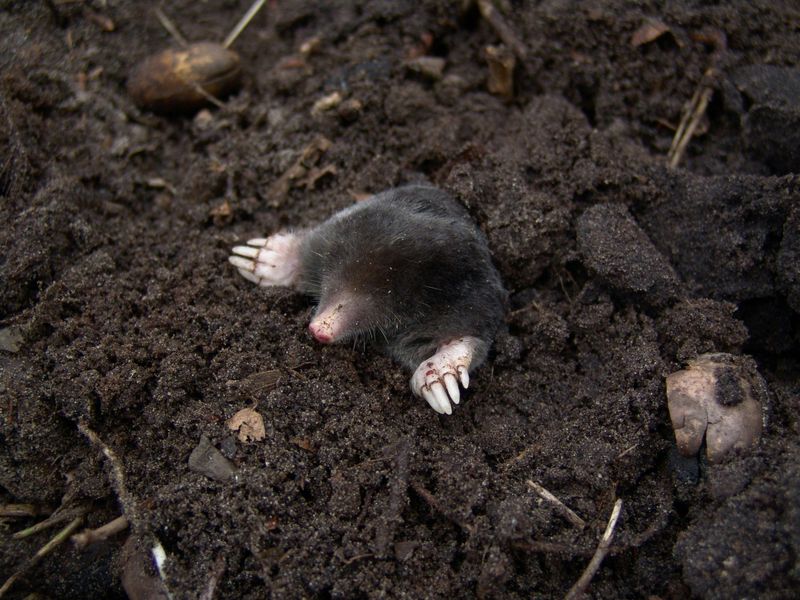
February in Illinois is a tug-of-war between winter and spring, and moles feel every round of it.
When temperatures drop overnight and rise again during the day, the deep soil layers become unstable and unpredictable.
Moles respond by abandoning their deep winter tunnels and moving into the shallower zones just beneath your grass roots.
Those shallow runs are what create the spongy ridges you feel when walking across your lawn in late winter.
The moles aren’t necessarily feeding yet, they’re just repositioning for better comfort and safety. But shallow tunneling causes just as much surface damage as active feeding tunnels do.
Freeze-thaw stress also pushes grubs and other soil organisms upward, which gives moles even more reason to stay close to the surface.
It creates a perfect overlap of opportunity and comfort that keeps moles active even before full spring arrives.
Many homeowners first notice mole damage in late February precisely because of this dynamic.
Spotting these early ridges is actually a gift because it tells you where the moles are before they settle in for the season.
Marking active shallow tunnels now gives you a head start on placing traps or bait later. Early awareness is one of the most powerful tools in any mole management plan.
Fall Beetle Eggs Hatch Into Grubs Just Below The Surface

While you’re focused on what’s above ground, Illinois beetles are quietly working below it. By spring, those eggs have hatched into plump white grubs feeding on grass roots just an inch or two underground.
Moles detect this protein-rich buffet through vibration and scent, and they come running. Grubs are calorie-dense and slow-moving, making them an easy meal for a hungry mole emerging from winter.
A single square foot of heavily infested turf can hold many grubs, enough to draw consistent mole attention to specific lawn zones. Where grub populations are high, mole activity tends to be intense and concentrated.
Treating for grubs in late summer or early fall can reduce some spring mole pressure. Fewer grubs mean less food in one category, and that can nudge moles toward more rewarding territory.
Chlorantraniliprole-based grub control products are worth reaching for first. Multiple extension sources identify them as highly effective with significantly lower risk to bees, earthworms, and other beneficial insects.
Imidacloprid is another option, but it comes with tradeoffs worth knowing. It is a neonicotinoid with documented pollinator risks, restricted in some U.S. states and banned for outdoor use in parts of Europe.
If you use it, mow the lawn beforehand and keep applications away from flowering weeds or plants. Always follow label instructions and consult a local Illinois lawn care professional for precise timing.
Targeting the grub supply underground tends to be more effective than chasing moles across the surface.
That said, grubs are only part of the picture, since earthworms make up the bulk of a mole’s diet and no grub treatment touches that food source. Grub control alone is unlikely to move a mole out entirely.
Melting Snow Drives Earthworms Upward

When snow melts fast, earthworms have nowhere to go but up. Worms breathe through their skin and can’t survive in fully waterlogged soil for long.
So they climb, and when they climb, moles follow them like heat-seeking tunnelers on a mission.
The weeks right after a heavy snowmelt in Illinois are some of the most active periods for mole tunneling all year.
The soil is soft, the worms are near the surface, and the ground hasn’t hardened yet from spring drying.
For moles, it’s an all-you-can-eat scenario that only lasts a few weeks. You can actually see the evidence of this in real time.
Fresh tunnel ridges appear almost overnight after a warm rain follows a snowmelt event. The speed of new damage during this period shocks most homeowners who thought they had more time before the season kicked in.
Acting in the first two weeks after snowmelt is the most strategic window of the entire spring season. Moles are active, tunnels are fresh, and bait or traps placed now have the highest chance of success.
Missing this window doesn’t end your options, but catching it early makes everything that follows easier.
Young Moles Disperse And Establish New Tunnels
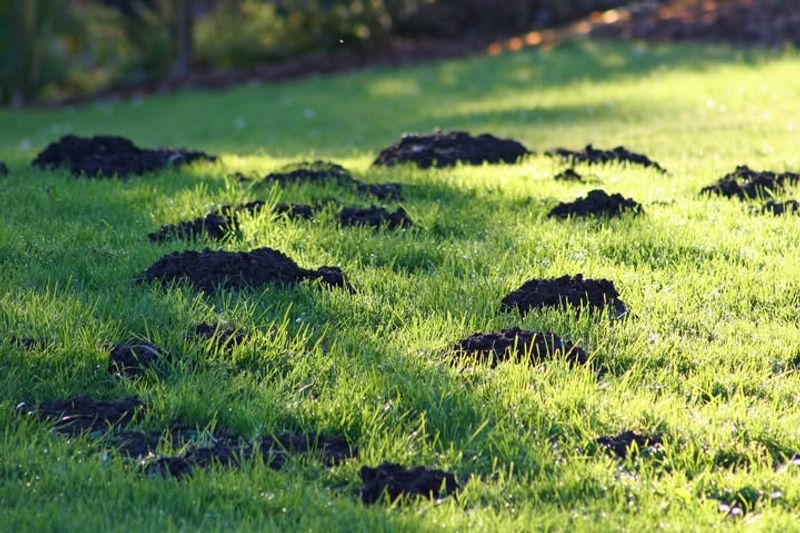
Spring isn’t just about food for moles, it’s also about real estate. Young moles born the previous spring reach dispersal age by late spring or early summer, typically May through June, and spend that period pushing into new territory.
That means yards that were mole-free the previous season can suddenly become active zones seemingly out of nowhere.
Moles are largely solitary animals, and established adults will push younger ones out of existing tunnel networks. The displaced youngsters then scout for unclaimed ground, and a quiet suburban lawn looks like prime territory.
This dispersal behavior is one of the main reasons mole problems seem to spread from one yard to the next across a neighborhood.
A young mole establishing new tunnels is more exploratory and less patterned than a settled adult. Its tunnels can appear random and scattered before settling into the main runway system it will use long-term.
This early chaos makes identification and trapping slightly trickier, but not impossible. Watching for fresh soil disturbance along fence lines, garden edges, and lawn borders is key during this period.
Those boundary zones are where dispersing moles tend to enter new yards first. Catching a young mole early before it fully settles in is far easier than removing one that has built an extensive tunnel network over several seasons.
Reduce Lawn Watering To Drive Earthworms Deeper
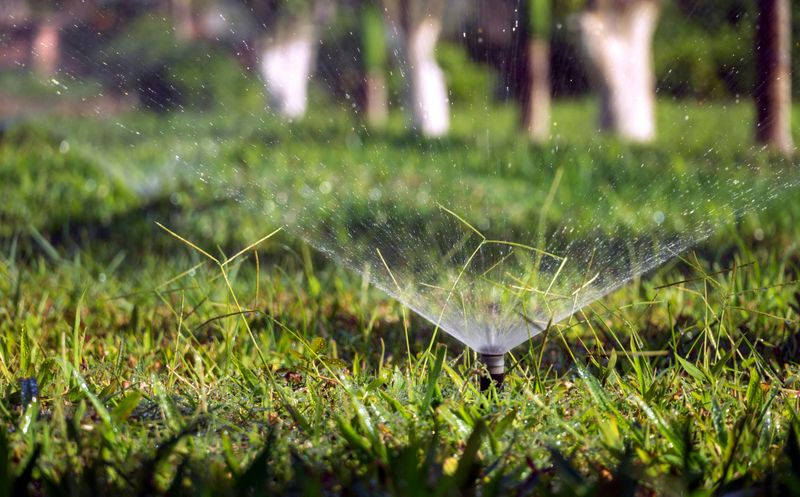
One of the simplest mole deterrents costs absolutely nothing: water your lawn less. Overwatered lawns create moist, shallow soil conditions that keep earthworms close to the surface all season long.
When you reduce watering, worms migrate deeper to find the moisture they need, and moles have to work much harder to reach them.
Most Illinois lawns in spring get more than enough moisture from rain alone. Adding irrigation on top of natural rainfall creates artificially wet conditions that act like a permanent invitation for moles.
Cutting back supplemental watering to once a week or less during wet spring months can make a noticeable difference in tunnel activity.
This strategy works best when combined with other deterrent methods rather than used alone. A drier surface layer won’t eliminate moles entirely if grubs are still present or if neighboring yards are heavily watered.
But it removes one of the key environmental factors that makes your lawn more attractive than the yard next door.
The goal isn’t to stress your grass, it’s to create soil conditions that feel less rewarding to a foraging mole. Healthy turf can handle slightly reduced watering without any visible damage.
Small adjustments to your irrigation habits can quietly shift the balance without you ever picking up a trap or a bag of repellent.
Use Talpirid Mole Bait Worms In Active Tunnels
Talpirid exists for one reason: to trick a mole’s nose into a fatal mistake. The bait mimics the size, shape, and scent of a real worm, making it one of the most effective products available for mole control.
Placed correctly in an active tunnel, it gets consumed quickly and ends the problem at the source. Identifying active tunnels is the most important step before placing any bait.
Press down a section of tunnel ridge with your foot and check it again in 24 to 48 hours. If the ridge has been pushed back up, that tunnel is active and ready for treatment.
Always wear gloves when handling Talpirid bait to avoid transferring human scent onto the product. Moles have a strong sense of smell, and contaminated bait is often ignored or avoided entirely.
Keep the bait strictly underground and away from any water sources, drainage areas, or zones where non-target animals could access it.
Talpirid’s active ingredient, Bromethalin, is classified by the EPA as toxic to fish, birds, and aquatic life, so placement entirely within active tunnels, exactly as the label directs, is non-negotiable.
Following the package directions precisely makes the difference between a product that works and one that creates unintended problems.
Talpirid is one of the few mole-specific solutions that has solid scientific backing behind it. Multiple university extension studies have confirmed its effectiveness when used in genuinely active runways.
For Illinois homeowners dealing with persistent mole pressure, it’s often a reliable line of targeted action when applied responsibly.
Set Harpoon Traps In Main Runway Tunnels

Harpoon traps are old technology. They still outperform most of what came after. The key word is correctly, because a poorly placed trap in a blind-end tunnel is just metal sitting in the dirt.
Main runway tunnels are the long, straight runs that connect different areas of your yard, and those are where traps belong.
Main runways run along fence lines, garden edges, and the perimeters of structures like sheds or driveways.
They tend to be deeper and more consistently used than the wandering surface feeding tunnels.
A mole using a main runway travels it repeatedly, which is exactly what makes it the ideal trap location.
Setting a harpoon trap requires pressing the trigger pan firmly into the tunnel floor so the mole makes contact with it while passing through.
The trap should be set level with the ground and covered lightly to reduce light entering the tunnel, which can spook the mole.
Check traps every 12 to 24 hours and reset as needed. Trapping feels intimidating the first time, but most homeowners get the hang of it after one or two attempts.
Once you understand mole behavior and tunnel structure, placement becomes almost intuitive.
For stubborn mole populations in Illinois yards, trapping combined with bait creates a two-pronged approach that’s hard to beat.
Install Underground Wire Mesh Barriers 2 Feet Deep
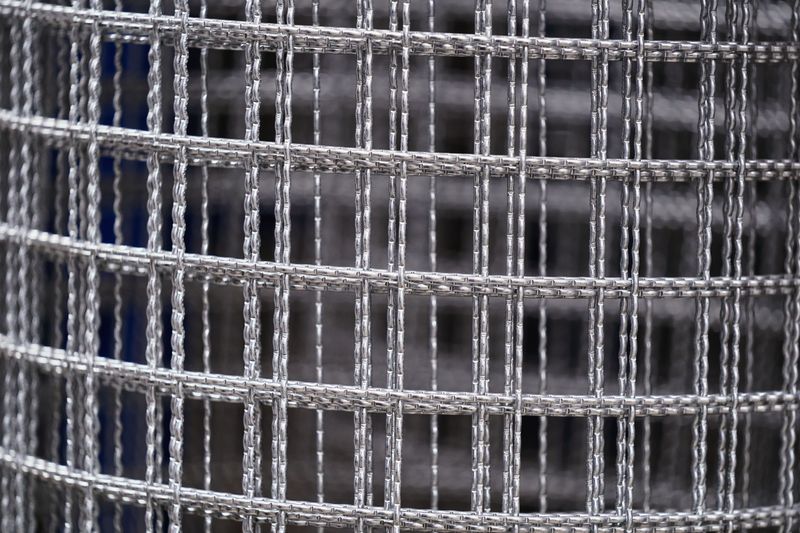
Protecting a specific area of your yard from moles permanently is possible, and a buried wire mesh barrier is the most reliable way to do it.
Galvanized hardware cloth with openings no larger than half an inch, buried at least two feet deep, physically blocks moles from tunneling into raised beds, garden borders, or lawn sections you care most about.
It’s a one-time investment that pays off for years. Moles rarely tunnel below 18 inches in Illinois during active spring seasons, so a two-foot depth provides a solid safety margin.
Bending the bottom of the mesh outward at a 90-degree angle adds extra protection against persistent burrowers who try to go under the barrier.
This L-shaped footer design is the same technique used in professional wildlife exclusion work.
Installing mesh along a vegetable garden perimeter or a prized flower bed takes a weekend of digging but eliminates the frustration of watching carefully tended plants get undermined season after season.
The physical barrier doesn’t require maintenance once installed and works regardless of weather or mole population size.
No bait, no traps, no waiting. Mesh barriers work best as part of a broader mole management plan for Illinois yards rather than as a standalone fix for the entire lawn.
They shine brightest when protecting high-value zones while other methods handle the open lawn areas. Thinking in zones makes your overall strategy smarter and more sustainable over the long run.
Apply Castor Oil-Based Granular Repellents Along Perimeters
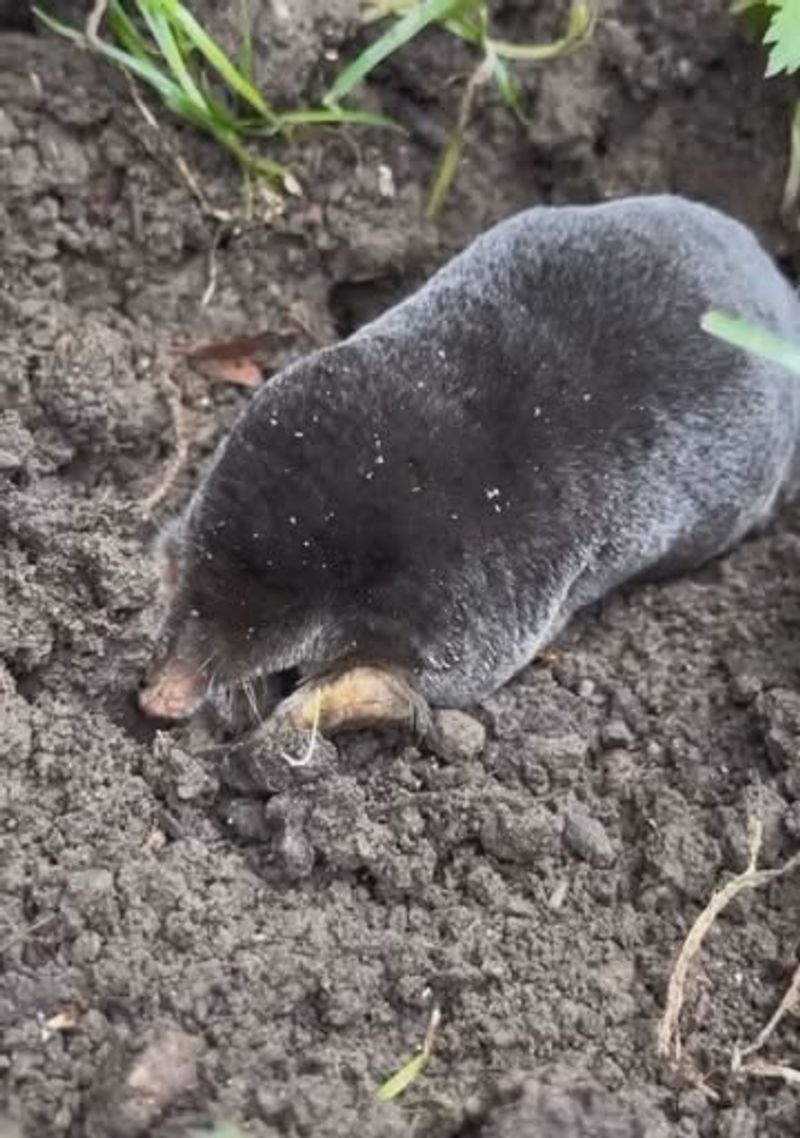
Castor oil repellents don’t harm moles, but they make the soil smell and taste absolutely awful to them.
The granules break down into the soil when watered in, coating earthworms and grubs with a scent that moles find deeply off-putting.
Applied along yard perimeters, they create a sensory boundary that discourages moles from entering treated zones.
Brands like Mole Scram and Tomcat Mole Repellent use castor oil as their active ingredient and have earned solid reviews from homeowners across the Midwest.
Application is straightforward: spread granules with a broadcast or hand spreader, then water the area thoroughly to activate the repellent in the soil.
Results typically show within a few days as moles shift away from treated areas. Reapplication every 30 to 60 days during active mole season keeps the deterrent effect strong.
Heavy rainfall can dilute the treatment faster, so checking after major rain events and reapplying when needed is a good habit.
Consistency matters more than the initial application when using repellent-based strategies. Castor oil repellents work best as a perimeter defense to push moles away from your yard and toward untreated areas.
Used alongside trapping or bait in the interior of the lawn, they form a layered strategy that addresses moles in Illinois yards from multiple angles. Fighting back smartly means using every tool available in the right combination.