Common Mulching Mistakes That Keep Illinois Gardens Struggling All Summer
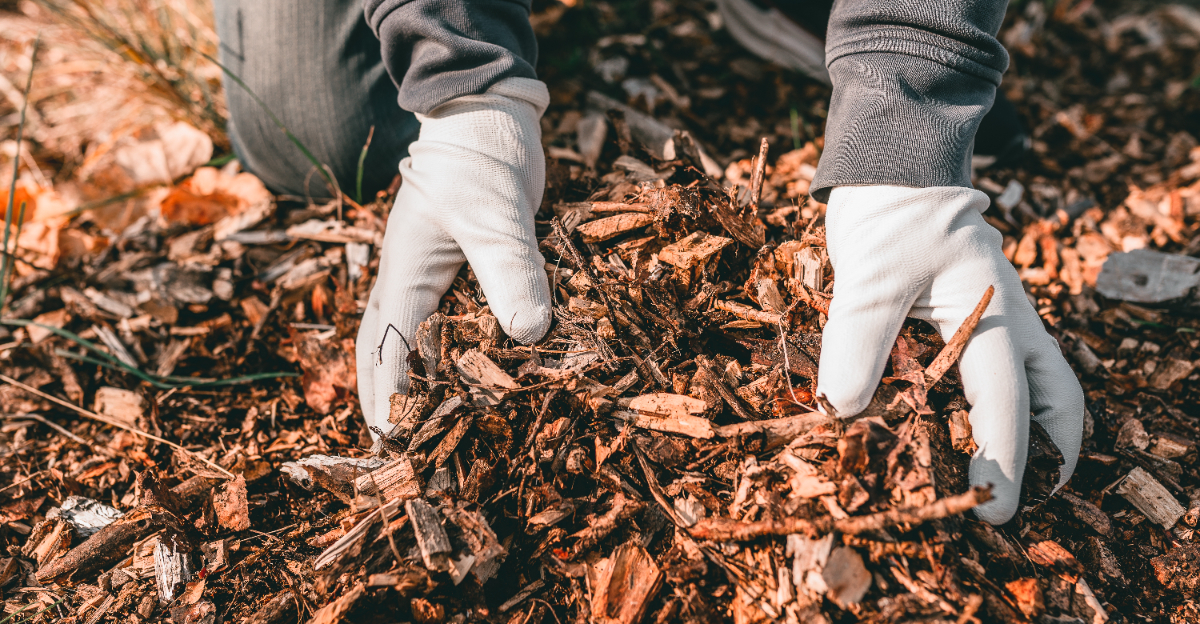
Mulching looks like the easy part. Toss some wood chips around your plants, call it done, and move on to the next task.
The problem is that a few small missteps can quietly work against everything you planted this spring. Illinois summers are hard on gardens, heat, humidity, and clay-heavy soil already stack the odds.
Bad mulching habits tip the balance further. Most homeowners never connect the dots between a struggling hydrangea and the way they laid mulch back in May.
The signs show up slowly: yellowing leaves, stunted growth, roots that never quite settle in. None of it looks like a mulching problem at first glance.
But pull back that layer and the story changes fast. These mistakes are completely fixable, and catching them now can save your plants a long and difficult season.
1. Piling Mulch Against Plant Stems And Tree Trunks
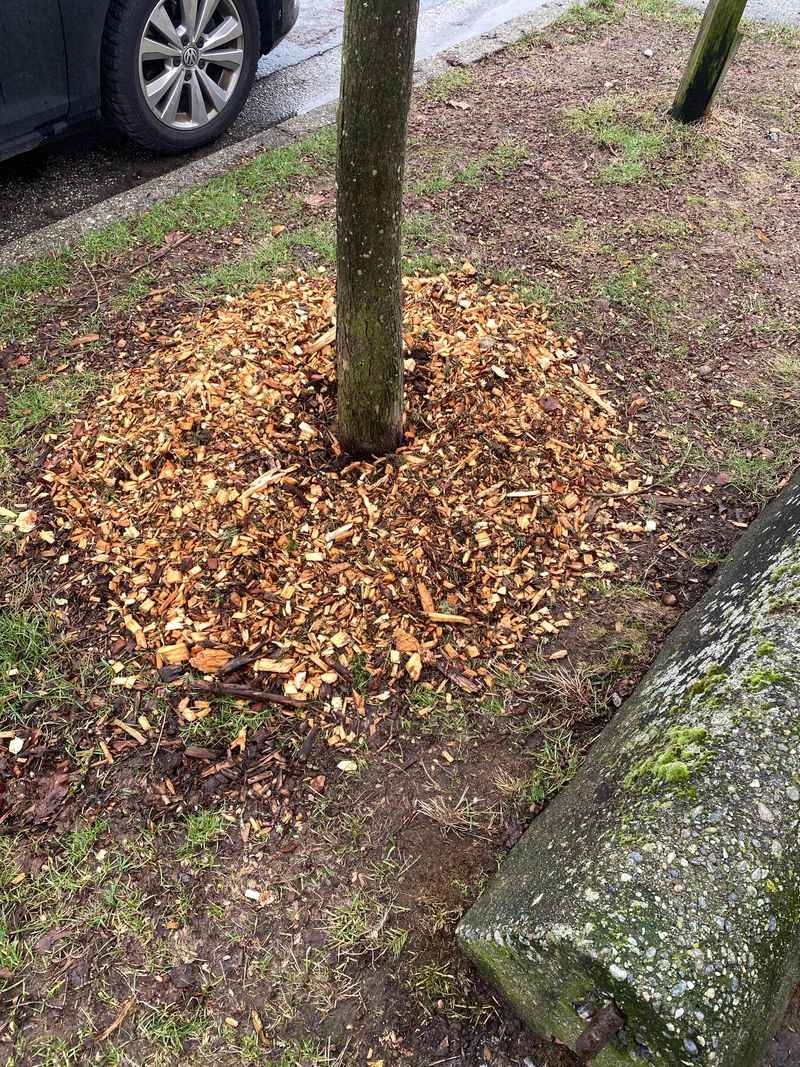
Volcano mulching is one of the most damaging habits in any yard. Gardeners pile mulch high against tree trunks like tiny volcanoes, thinking more is better.
That trapped moisture softens bark and invites rot, fungal growth, and insects. Stems and trunks need air, not a wet blanket wrapped around them.
Pull mulch back at least two to three inches from any trunk or stem. That small gap makes a massive difference in plant health over time.
Roots need oxygen to function properly. When mulch presses against a trunk, it creates a dark, damp environment that pests tend to favor.
This mistake is incredibly common in Illinois neighborhood landscaping. You have probably seen those perfect mulch cones around street trees, they look tidy but cause real harm.
Correcting this takes about five minutes with a gloved hand. Rake the mulch outward and create a flat, even layer around the base instead.
Think of it like giving your tree some breathing room. A small donut shape of mulch, not a volcano, is the correct approach every single time.
Common mulching mistakes like this one are easy to overlook because they seem harmless. But over several seasons, bark damage can accumulate and weaken the entire plant from the ground up.
Your trees and shrubs will thank you with stronger growth and fewer pest problems. Start checking your trunks today.
2. Applying Mulch Too Thick
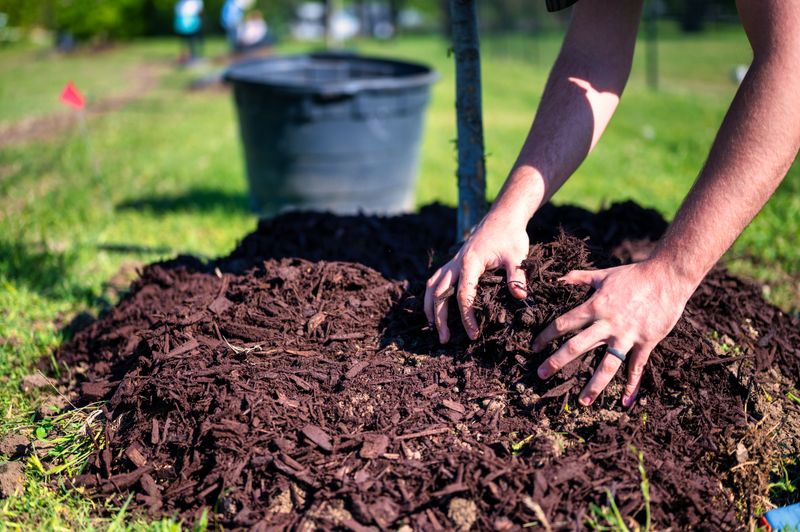
More mulch feels like more protection, but that logic breaks down fast. A thick layer blocks water, starves roots of oxygen, and smothers beneficial soil life.
Three inches is the sweet spot for most garden beds. Go beyond four inches and you have created a barrier that rain cannot even penetrate properly.
Water beads off thick mulch the same way it rolls off a raincoat. Your plants sit right below, moisture-stressed and struggling, while the surface looks perfectly moist.
Soil needs gas exchange to support healthy root systems. Oxygen moves in and carbon dioxide moves out, and thick mulch can significantly slow that entire process.
You might also notice mushrooms popping up after a rain. That is a sign your mulch layer has become its own little ecosystem, disconnected from the soil below.
Your Illinois Garden Changes Every Week. Your Plan Should Too.
Gardening in Illinois changes quickly throughout the season. Every Friday you’ll receive a simple weekly plan showing exactly what to plant, prune, fertilize, harvest, and protect so you never miss the right timing.
Fixing this is straightforward and satisfying. Rake out the excess and redistribute it to thinner spots in your yard.
Aim for two to three inches across all beds. Measure with a ruler once, you will be surprised how off your eye can be.
Common mulching mistakes like over-application often come from buying too much product at once. It feels wasteful to hold back, so everything gets dumped in one spot.
Resist that urge. Spread it thin, spread it even, and your plants will reward you with stronger roots and better summer performance all season long.
3. Spreading Mulch Too Thin To Do Any Good
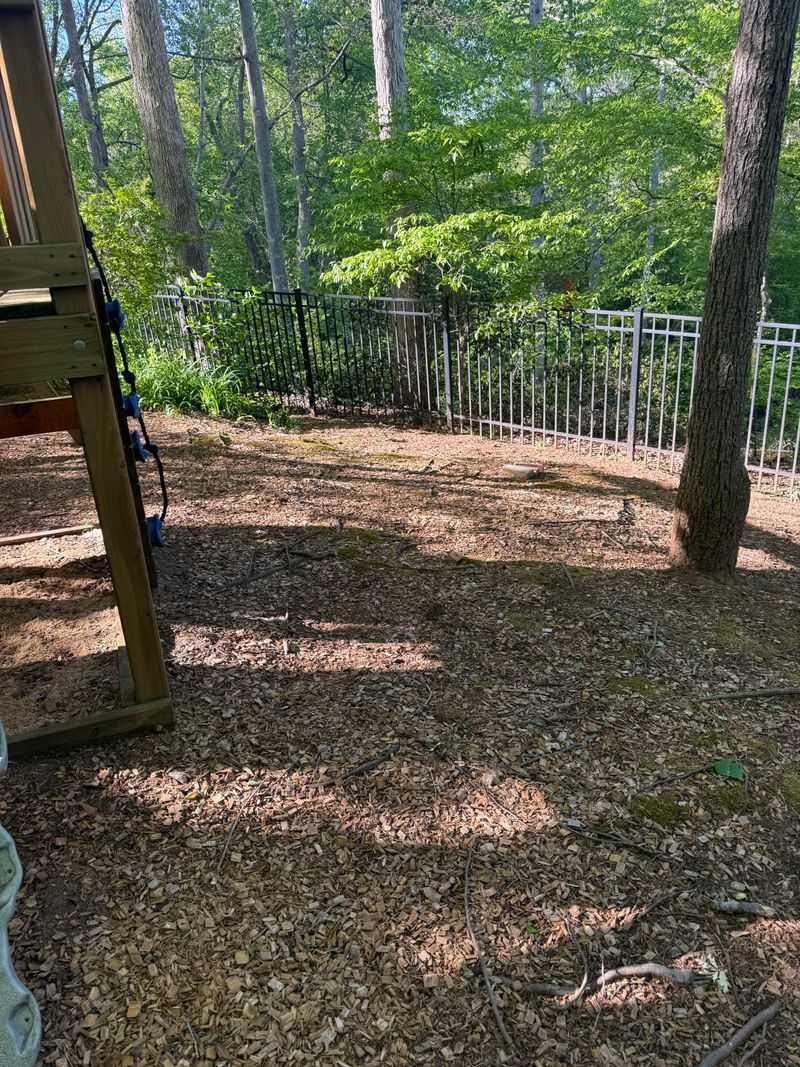
Skimpy mulch is almost worse than no mulch at all. A thin layer dries out fast, lets weeds push right through, and does nothing for soil temperature regulation.
Weeds are opportunists. Give them even a sliver of light and loose soil, and they will claim that ground remarkably fast.
One inch of mulch offers almost no weed suppression. You need at least two inches to slow weed growth and hold meaningful moisture in the soil.
Thin coverage also fails during summer heat waves. Illinois summers get intense, and exposed soil bakes and cracks within days of a dry spell.
When soil loses moisture rapidly, plant roots stress out and growth slows. Leaves may curl, flowers may drop, and the whole garden looks tired by July.
The fix is simple but requires commitment. Add fresh mulch on top of your existing layer until you reach that two-to-three-inch target depth.
Do not skip the edges of your beds either. Weeds love borders, and thin coverage there is like leaving the back door wide open for them.
Buying mulch in bulk bags from a garden center works fine for small spaces. For larger beds, ordering a cubic yard of shredded wood chips is often more cost-effective.
Common mulching mistakes often come from trying to stretch supplies too far. Spend a little more upfront and save yourself hours of weeding all summer long.
4. Using The Wrong Type Of Mulch For The Plant
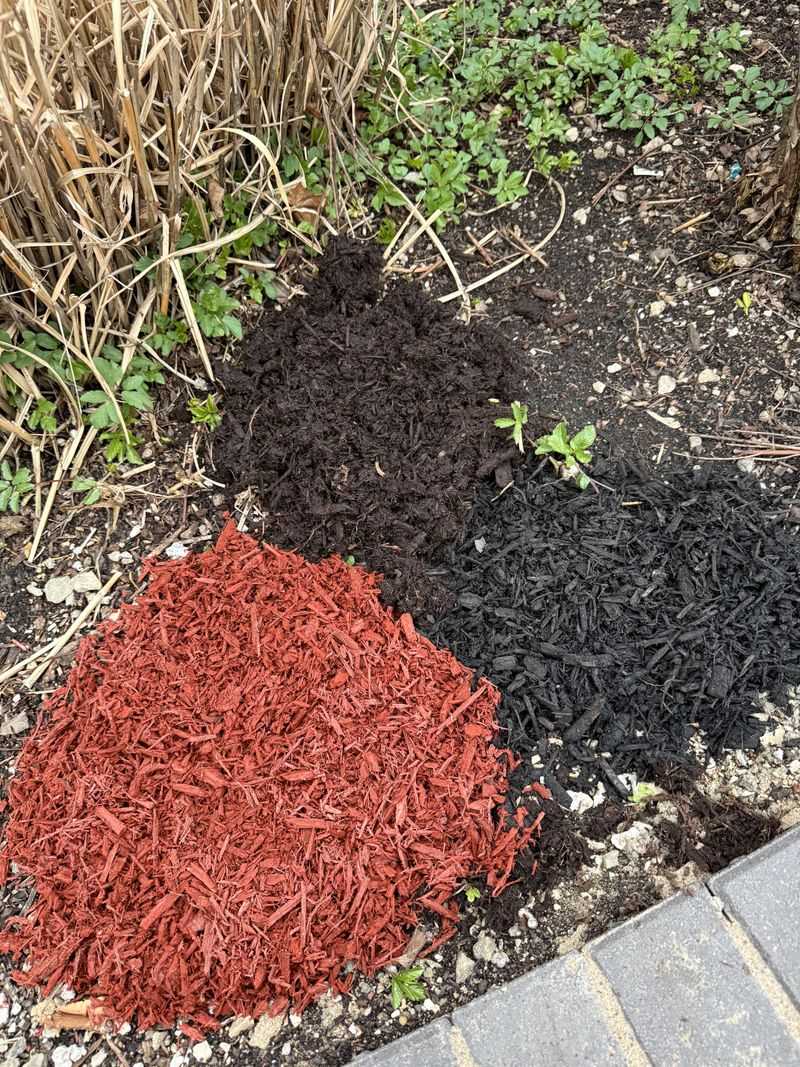
Not all mulch is created equal, and plants definitely have preferences. Slapping down whatever was on sale can actually set your garden back instead of helping it thrive.
Acid-loving plants like blueberries and azaleas do best with pine needle mulch. It breaks down slowly and gently lowers soil pH over time.
Vegetable gardens prefer organic options like straw or shredded leaves. These break down quickly, feed the soil, and do not introduce unwanted chemicals near your food.
Heavy clay soils in many parts of the Midwest benefit from coarser mulch. Coarse wood chips allow better water movement and do not compact as easily as fine materials.
Rubber mulch might look tidy around a playset, but it is better kept away from edibles and perennials. It does not break down, adds nothing to the soil, and can leach chemicals over time.
Rock mulch holds heat significantly. In full-sun beds, that extra warmth scorches shallow roots and dries soil faster than you might expect.
Match your mulch to your plant’s needs and your soil type. Do a quick search before you buy, five minutes of research saves a whole season of frustration.
Common mulching mistakes around plant selection are easy to avoid once you know what to look for. Read the tag on your plant and match your mulch accordingly.
The right mulch feels like a custom-fit solution. Your garden will grow stronger and look sharper all summer with just that one smart swap.
5. Mulching Over Dry Soil
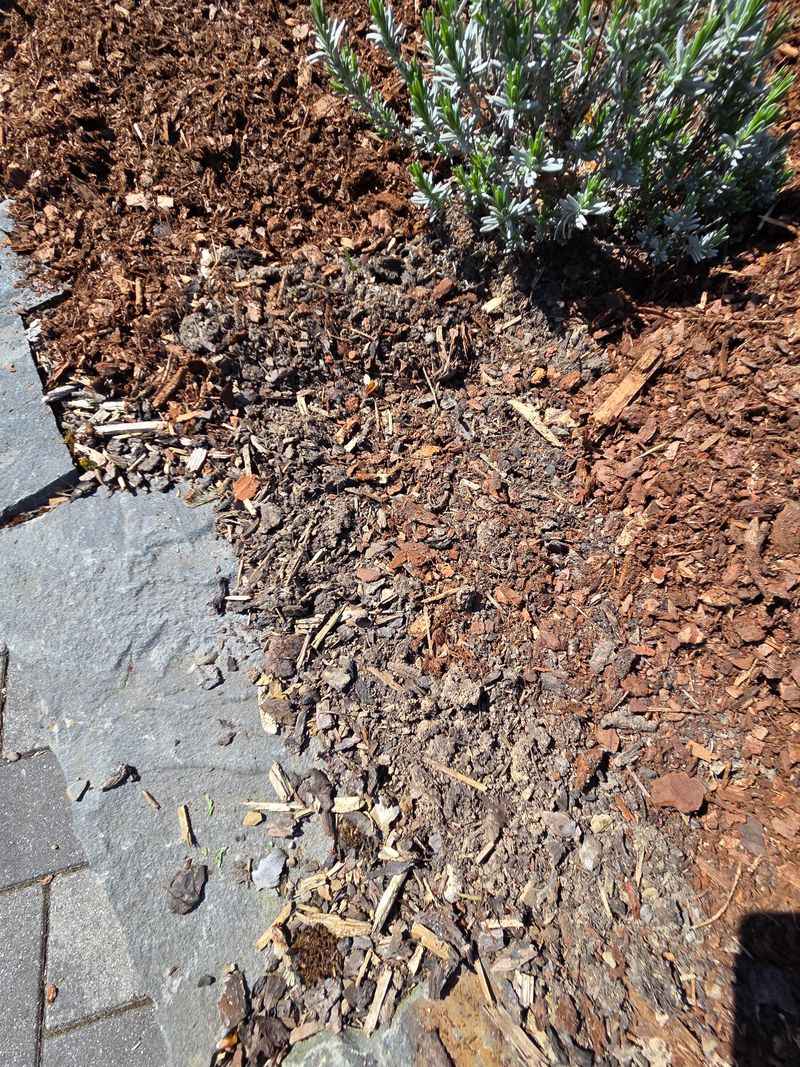
Spreading mulch over bone-dry soil is like putting a lid on an empty pot. The moisture that should be locked in simply is not there to begin with.
Mulch is a preservative, not a water source. It holds existing moisture in place but cannot create what was never there in the first place.
Before laying any mulch, water the bed deeply and thoroughly. Let that water soak in for at least an hour, then apply your mulch layer on top.
Dry soil also tends to be compacted and hard. Mulching over it without watering first means roots stay stressed and the soil stays locked up tight below.
Soil microbes need moisture to do their job. When you mulch dry ground, you essentially halt that biological activity and leave your plants without the soil support they need.
Check the soil before you spread anything. Push a finger two inches down, if it feels dry that deep, grab the hose before reaching for the mulch bag.
Morning is the best time to water before mulching. The soil absorbs moisture more efficiently in cooler temperatures, and you avoid losing water to midday evaporation.
Common mulching mistakes like this one feel counterintuitive because mulching looks productive. But skipping that pre-watering step undermines everything you are trying to accomplish in the garden.
Wet soil plus good mulch coverage equals a thriving, resilient garden bed. That combination carries your plants through even the hottest stretches of summer reliably.
6. Leaving Old Mulch In Place Year After Year
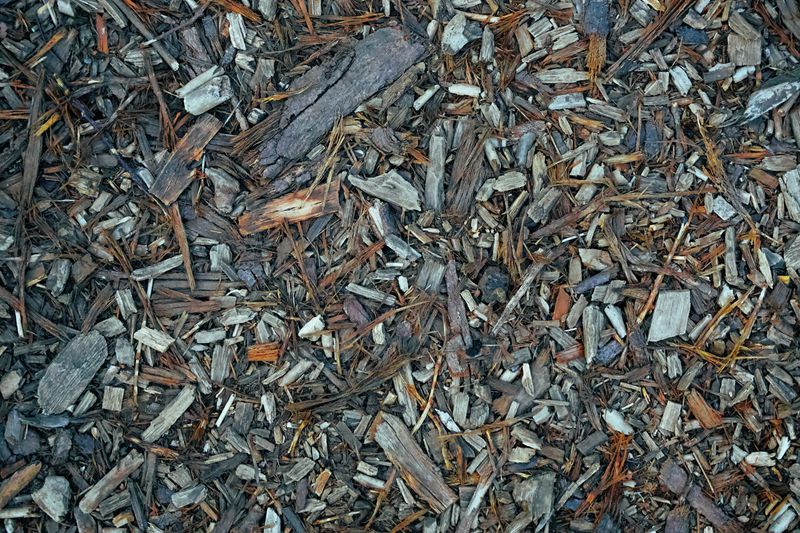
Old mulch does not just sit there quietly, it causes problems. Layers from previous seasons compact into a dense mat that blocks water and suffocates roots.
That gray, matted layer you see in spring is not doing your garden any favors. It has lost its insulating properties and turned into a barrier instead of a helper.
Compacted old mulch also becomes hydrophobic over time. Water hits the surface and runs right off, never reaching the soil where your plants actually need it.
Fungal growth loves old, damp mulch layers. Some fungi are harmless, but others can spread to plant stems and cause serious crown rot over a full growing season.
Each spring, rake back the existing mulch and check what is underneath. If it feels slimy, matted, or smells off, remove it before adding a fresh layer on top.
You do not always need to replace everything. Sometimes fluffing the old layer with a rake and adding one fresh inch on top is enough to restore function.
Decomposed mulch that has fully broken down into the soil is actually a bonus. That material feeds your soil, so only remove what has turned problematic.
Common mulching mistakes around old material are easy to miss because the garden still looks covered. But coverage and function are two very different things in a healthy garden.
Refreshing your mulch each season takes less than an hour in most beds. That small investment pays off with better drainage, fewer weeds, and healthier plants all summer.
7. Mulching Too Early In Spring
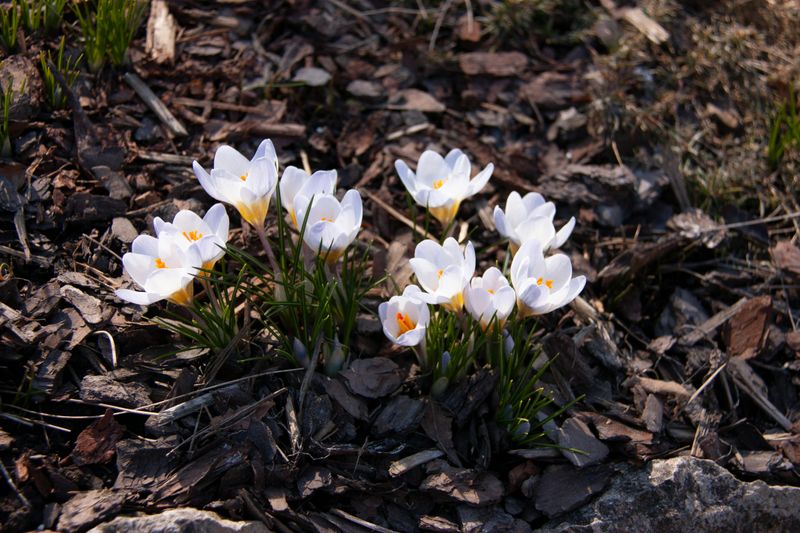
Rushing to mulch in early spring feels productive, but timing matters more than enthusiasm. Mulching too soon traps cold soil temperatures and delays the warm-up your plants are waiting for.
Soil needs to warm up before roots start actively growing again. A thick layer of mulch in late March keeps that soil cold and sluggish well into April.
Perennials pushing up through cold, mulch-covered soil struggle to emerge cleanly. You end up with bent, pale shoots that take extra weeks to recover their strength.
Wait until the soil temperature reaches at least 50 degrees Fahrenheit consistently. A cheap soil thermometer from any garden center gives you an accurate reading in seconds.
Early mulching also creates a cozy hiding spot for slugs and other pests. They overwinter in warm debris and emerge hungry right next to your most vulnerable new growth.
Mid-spring is the sweet spot for most Midwest gardens. Aim for late April to early May, after the last frost date has passed and soil has warmed noticeably.
If you mulched too early last year and noticed slower plant emergence, this tip is your answer. Pulling back the mulch briefly in early spring gives soil a chance to absorb sun.
Common mulching mistakes tied to timing are frustrating because the effort was genuine. A small schedule adjustment fixes the issue completely without any extra cost or materials.
Let the soil wake up first, then reward it with a fresh layer of protective mulch right when the season hits its stride.
8. Using Dyed Or Treated Wood Mulch Near Edibles
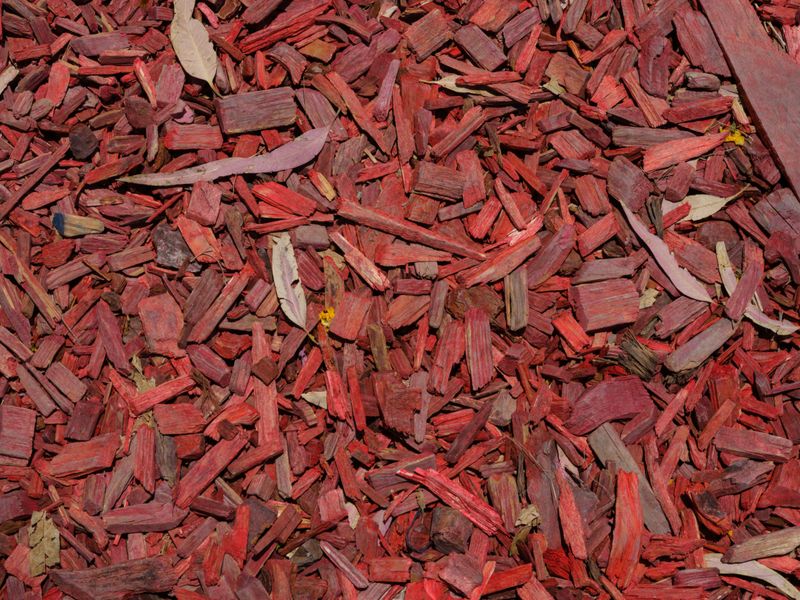
Bright red and jet-black mulch looks sharp in a landscape bed, but it has no business near your vegetable garden. Dyed mulch often contains chemicals that nobody wants near their food.
Some lower-quality dyed mulch products may be made from reclaimed or unknown wood sources, which can include previously treated materials. Checking what goes into a product before buying is always a smart move near food gardens.
Even mulch without arsenic concerns may carry dyes that leach into soil over time. Growing tomatoes or lettuce in chemically treated soil is not a risk worth taking for curb appeal.
Treated wood chips break down slowly and do not feed your soil the way natural materials do. Vegetable gardens thrive on organic matter that decomposes and builds healthy, living soil.
Straw, untreated wood chips, shredded leaves, or grass clippings are all safe choices near edibles. These materials break down naturally and actually improve your soil structure season after season.
Check the label before buying any bagged mulch product. Look for certifications like the Mulch and Soil Council seal, which indicates the product has been tested for safety.
Buying from a local arborist is another smart move. Fresh wood chips from tree trimming crews are free of dyes, treatments, and additives, and often free of charge too.
Common mulching mistakes near food gardens carry real consequences beyond just plant health. Protecting your harvest means being thoughtful about every single material that touches your growing soil.
Your vegetable garden deserves the cleanest inputs you can find. Skip the flashy colors and go natural, your food, your family, and your soil will all be better for it.