9 Smart Ways Michigan Gardeners Reuse Old Potting Soil
Dumping last year’s potting soil feels wasteful the moment you do it, and it turns out that instinct is right. Old potting mix still has plenty of useful life left in it, even after a full season in containers.
Michigan gardeners who’ve stopped throwing it out have found some genuinely clever ways to put it back to work, and the savings add up fast when you’re talking about the volume most container gardeners go through in a single season.
The mix isn’t the same as when it came out of the bag, the structure has broken down, the nutrients are depleted, and it may have picked up some unwanted passengers along the way.
But none of that makes it garbage. It just means it needs the right second act. These nine uses take old potting soil from a disposal problem to one of the more useful resources in the whole garden.
1. Refresh It For Low-Risk Container Plants
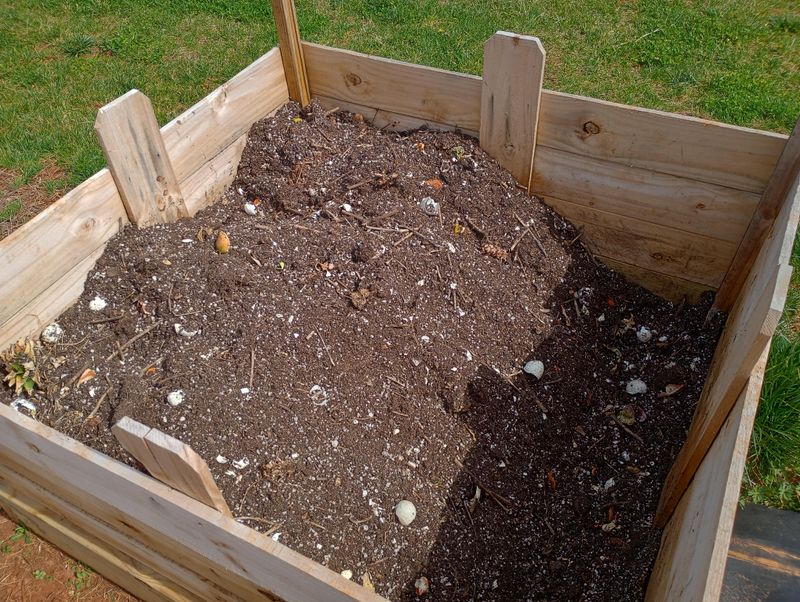
Old potting soil does not have to go to waste after one season. With a little effort, you can breathe new life into it and put it back to work in your containers.
The key is knowing how to prep it properly and which plants will actually benefit from it.
Start by removing any old roots, clumps, and debris from the used mix. Once it is cleaned up, blend it with fresh compost and perlite to restore texture and add nutrients.
A good ratio to try is about one part old mix to two parts fresh amendment, which keeps the blend light and well-draining.
Refreshed soil works really well for ornamentals, herbs, and non-edible container plants where the stakes are a little lower. Hardy annuals like petunias or marigolds tend to do just fine in a refreshed blend.
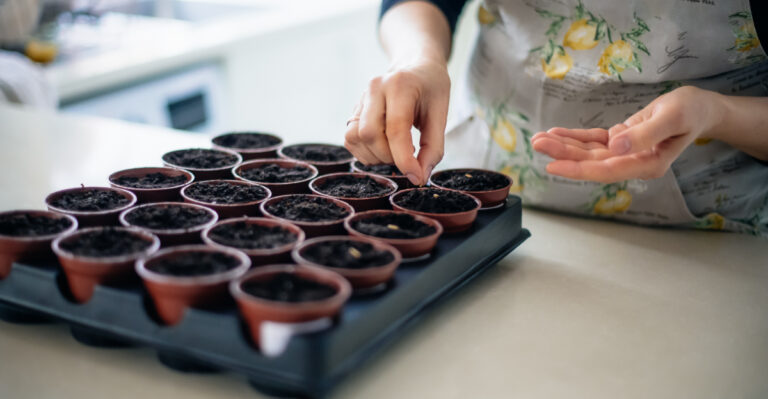
However, skip this approach for seed starting because young seedlings need a sterile, consistent environment to get going strong.
One important rule to follow is to never reuse soil from containers where plants struggled with disease, pests, or soggy conditions. Michigan summers can bring fungal issues and insects that linger in old soil.
When in doubt, compost it instead of risking your new plants. A quick sniff and visual check go a long way toward keeping your refreshed containers healthy and productive all season.
2. Blend It Into Raised Beds In Small Amounts
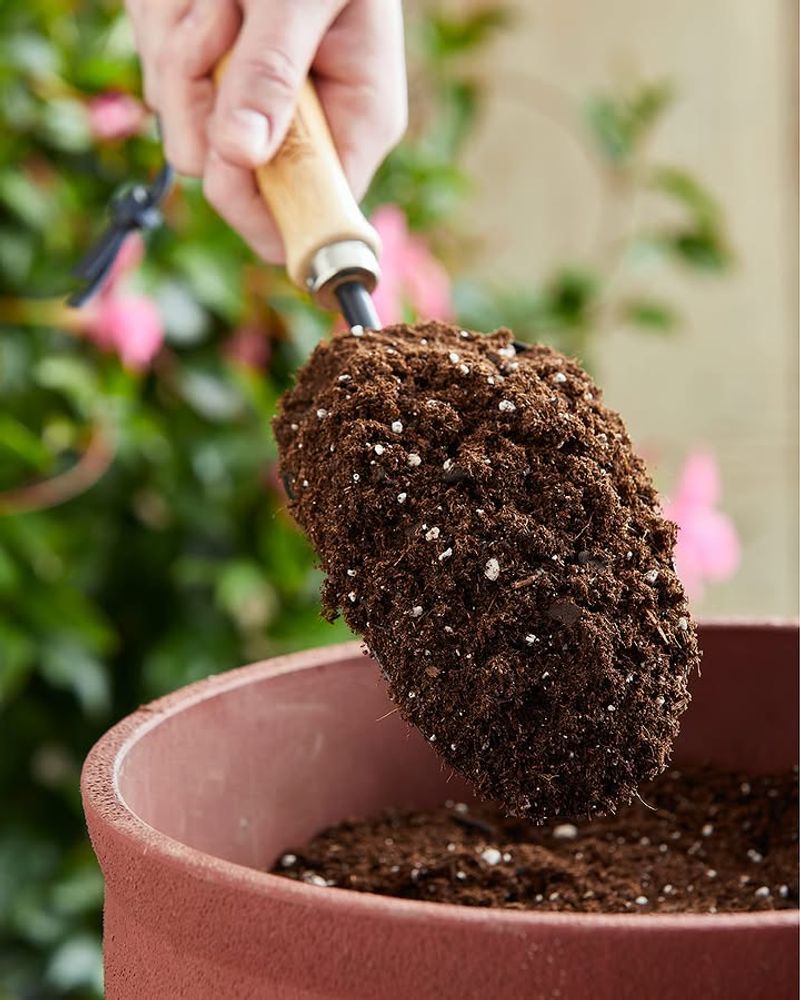
Raised bed gardening is one of Michigan’s favorite growing methods, and old potting soil can actually play a helpful supporting role when used the right way. The trick is treating it as one ingredient in a larger recipe, not the main event.
Used mix tends to be compacted, nutrient-depleted, and low in the structure that raised beds need to perform season after season.
A smart approach is to blend old potting soil with compost, quality topsoil, and a bit of native garden soil to create a balanced growing medium. Aim for no more than 20 to 25 percent old potting mix in the total volume of the bed.
Your Michigan Garden Changes Every Week. Your Plan Should Too.
Gardening in Michigan changes quickly throughout the season. Every Friday you’ll receive a simple weekly plan showing exactly what to plant, prune, fertilize, harvest, and protect so you never miss the right timing.
This keeps the texture workable without letting the tired mix drag down the overall quality of your growing space.
One common mistake Michigan gardeners make is filling an entire raised bed with spent potting mix because it seems convenient.
Pure old mix tends to dry out too fast, holds little nutrition, and can compact into a dense layer that roots struggle to push through.
Mixing it in small amounts prevents those problems while still putting the material to good use.
Adding a balanced granular fertilizer or worm castings to the blend helps compensate for the low nutrient content of the old soil. Your plants will thank you with stronger roots, better growth, and a more productive season overall.
Start fresh each spring by topping beds with compost to maintain quality.
3. Add It To Annual Flower Beds
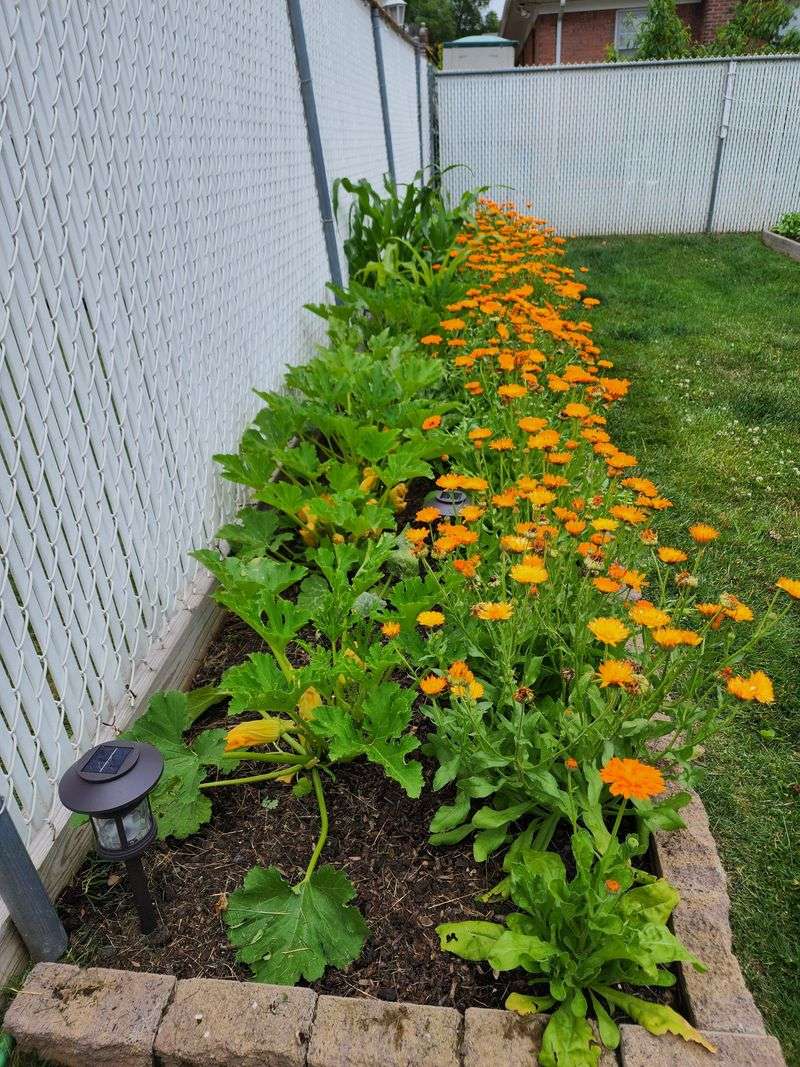
Annual flower beds are one of the most forgiving places to put old potting soil back to work.
Since annuals complete their entire growth cycle in one season, they are generally more adaptable to varied soil conditions than perennials or vegetables.
That makes them a perfect match for spent potting mix that still has decent structure but not much nutrition left.
Working old potting soil into your annual beds adds organic matter, which improves the soil’s ability to hold moisture during Michigan’s hot summer stretches.
Loosen the bed to about eight inches deep, then mix in the old potting soil along with a generous layer of compost.
This combination helps the bed stay fluffy and workable rather than turning hard and crusty by midsummer.
Because spent potting mix is usually quite low in nutrients after a full growing season, you will want to supplement it. Adding a balanced slow-release fertilizer at planting time gives your annuals the boost they need to establish quickly and bloom all season long.
Compost is also a great addition because it feeds the soil gradually as it breaks down.
Only use old soil that came from healthy plants with no signs of pests or fungal problems. Michigan can see issues like powdery mildew or botrytis in humid summers, and those spores can persist.
A clean, disease-free batch mixed well into your bed will support beautiful blooms without creating problems for the season ahead.
4. Mix It Into A Compost Pile
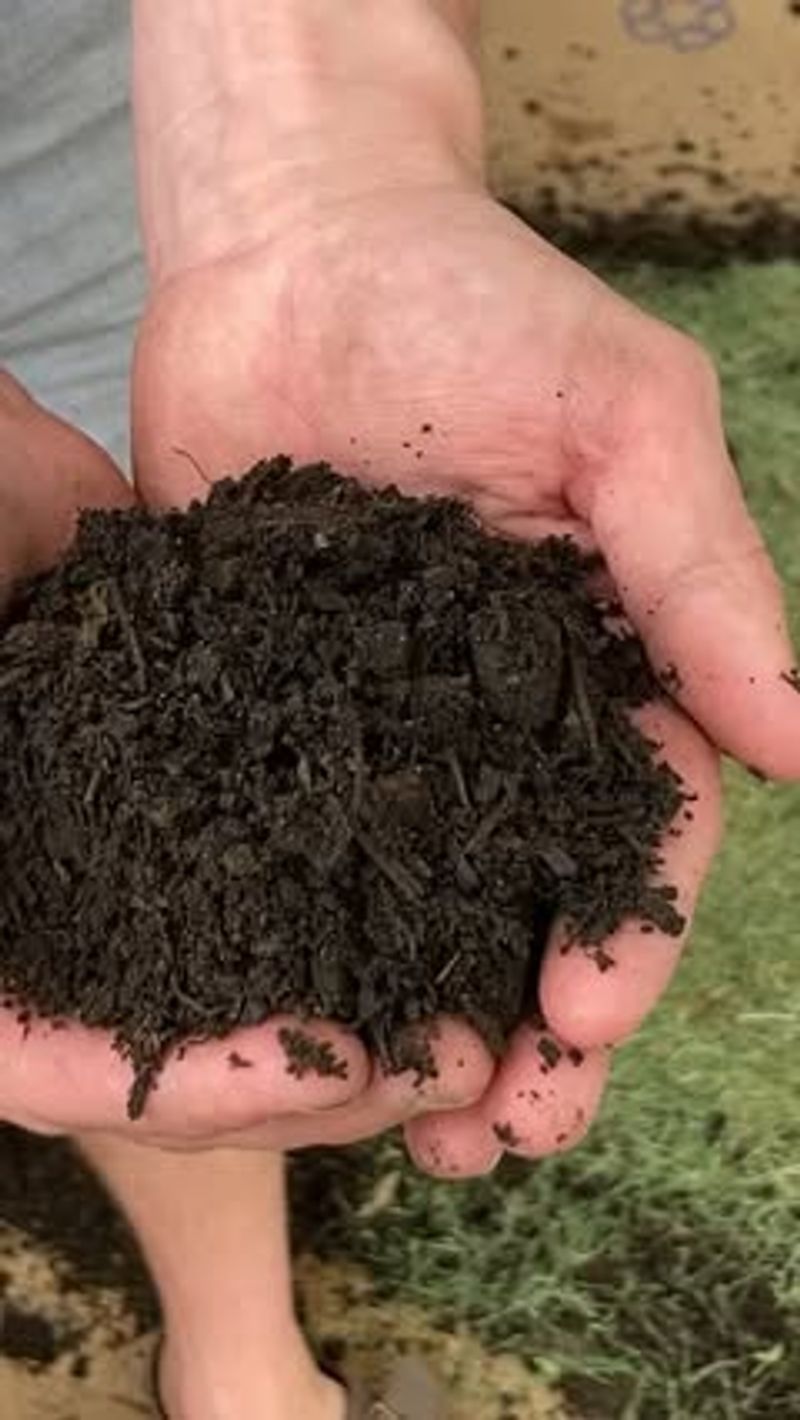
Composting is one of the smartest habits any Michigan gardener can build, and old potting soil fits right into the process.
Rather than tossing spent mix or letting it sit in bags all winter, adding it to your compost pile puts it back into a productive cycle.
The result is a richer, more balanced finished compost that your garden will love come spring.
Old potting soil works best in a compost pile when added in thin layers between green materials like vegetable scraps and brown materials like dried leaves or cardboard.
The soil adds bulk and helps absorb excess moisture, which keeps the pile from getting too soggy or compacted.
It also introduces beneficial microorganisms that help speed up the breakdown of other organic matter in the pile.
One thing to keep in mind is that old potting soil does not activate your compost by itself. Compost needs a balance of nitrogen-rich greens, carbon-rich browns, moisture, and air to work properly.
The soil is simply one helpful component, not a shortcut to faster decomposition.
Never add soil from containers that had diseased plants, pest infestations, or were treated with persistent chemical herbicides. Those issues can survive the composting process and cause problems down the line.
Stick to clean, healthy soil only, and your compost pile will reward you with a dark, crumbly amendment that improves every bed you add it to throughout the growing season.
5. Use It As A Thin Topdressing Around Perennials And Shrubs
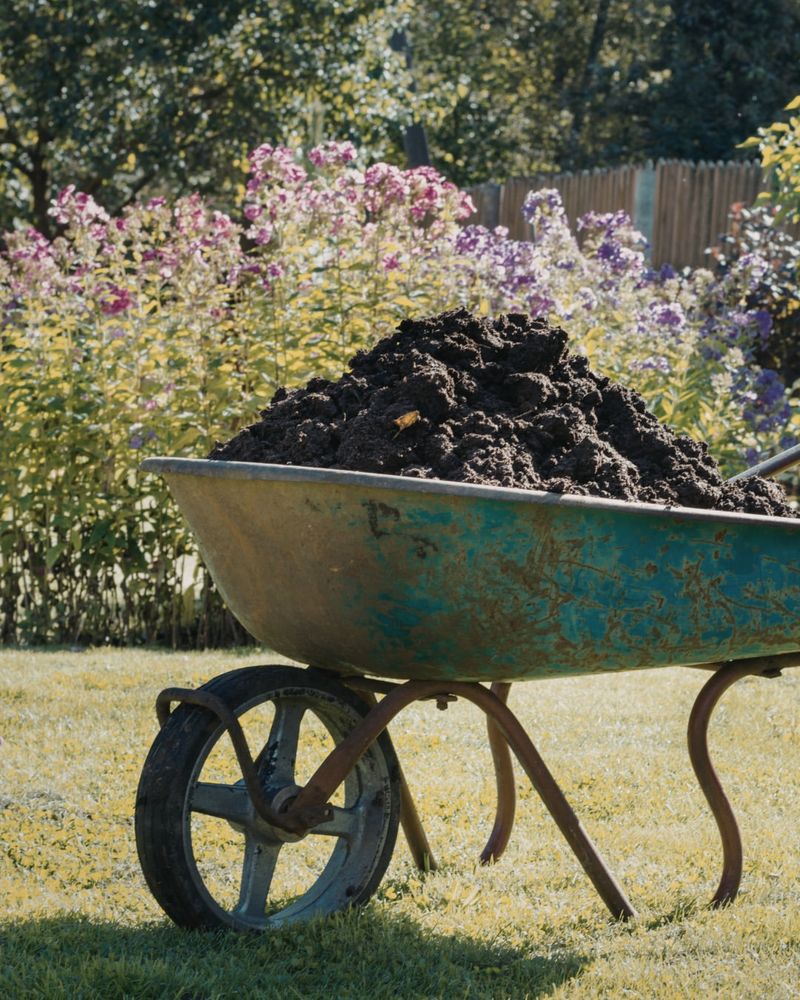
Spreading a thin layer of old potting soil around established perennials and shrubs is a simple way to add organic matter back to your garden without much effort. As the soil breaks down over time, it slowly feeds the surrounding ground and improves texture.
It is a quiet, low-maintenance way to put old material to good use right where your plants are already thriving.
Keep the layer light, no more than a quarter to half an inch thick, spread evenly around the base of plants.
Avoid piling it directly against plant crowns, woody stems, or the base of shrubs because trapped moisture in those spots can encourage rot or fungal growth.
Give plants a little breathing room and spread the topdressing outward toward the drip line instead.
After spreading the old potting soil, you can top it with a layer of shredded mulch to help it stay in place and break down more evenly. Mulch also protects the soil layer from drying out too quickly during warm Michigan summers.
Together, the two layers work like a slow-release conditioner for your garden beds over the course of the season.
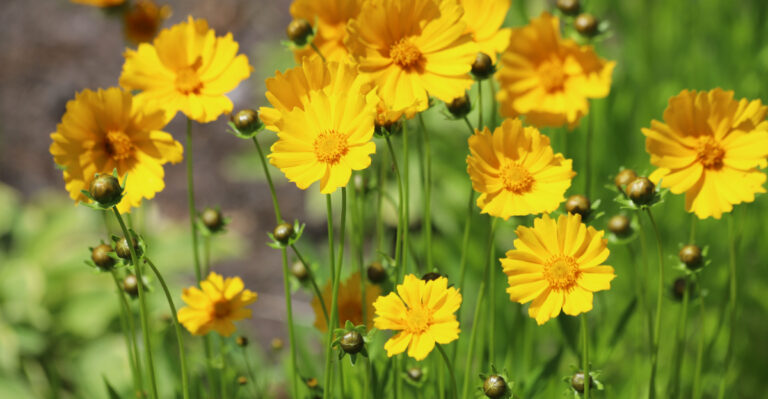
This method works especially well for established perennials like coneflowers, hostas, and black-eyed Susans that are already rooted and resilient.
Since these plants are not starting from seed or dealing with transplant stress, they handle a modest soil addition without any fuss. Clean, healthy old potting mix is all you need to make this work beautifully.
6. Improve New Garden Beds As Part Of Sheet Mulching
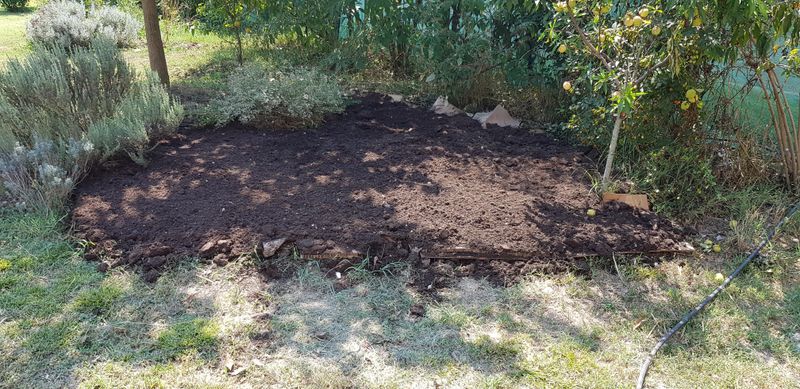
Sheet mulching is one of the most satisfying ways to build a brand new garden bed from scratch, and old potting soil fits right into the process.
Sometimes called the lasagna method, sheet mulching layers organic materials directly on top of grass or bare ground, letting them break down slowly into rich growing soil.
It saves digging, reduces weeds, and builds soil health all at once. Old potting soil can serve as one of the middle layers in a sheet mulch setup.
Start with flattened cardboard directly on the ground to block weeds, then add alternating layers of compost, topsoil, leaves, old potting soil, and finally a thick cap of wood chip mulch on top.
Each layer contributes something different, and the potting soil adds organic bulk and texture to the mix as it all breaks down together.
The important thing to remember is that old potting soil should never be the only growing medium in a new bed. On its own, it lacks the mineral content and density that plants need for strong root development.
Blending it as one layer among several gives it a supporting role where it actually performs well.
First-year expectations should stay realistic with sheet mulch beds. The layers need time to break down fully, so starting with transplants rather than direct seeding often works better.
By year two, Michigan gardeners typically find that sheet-mulched beds are producing beautifully, with loose, rich soil that plants absolutely love to grow in.
7. Fill Very Shallow Lawn Depressions With A Soil Blend
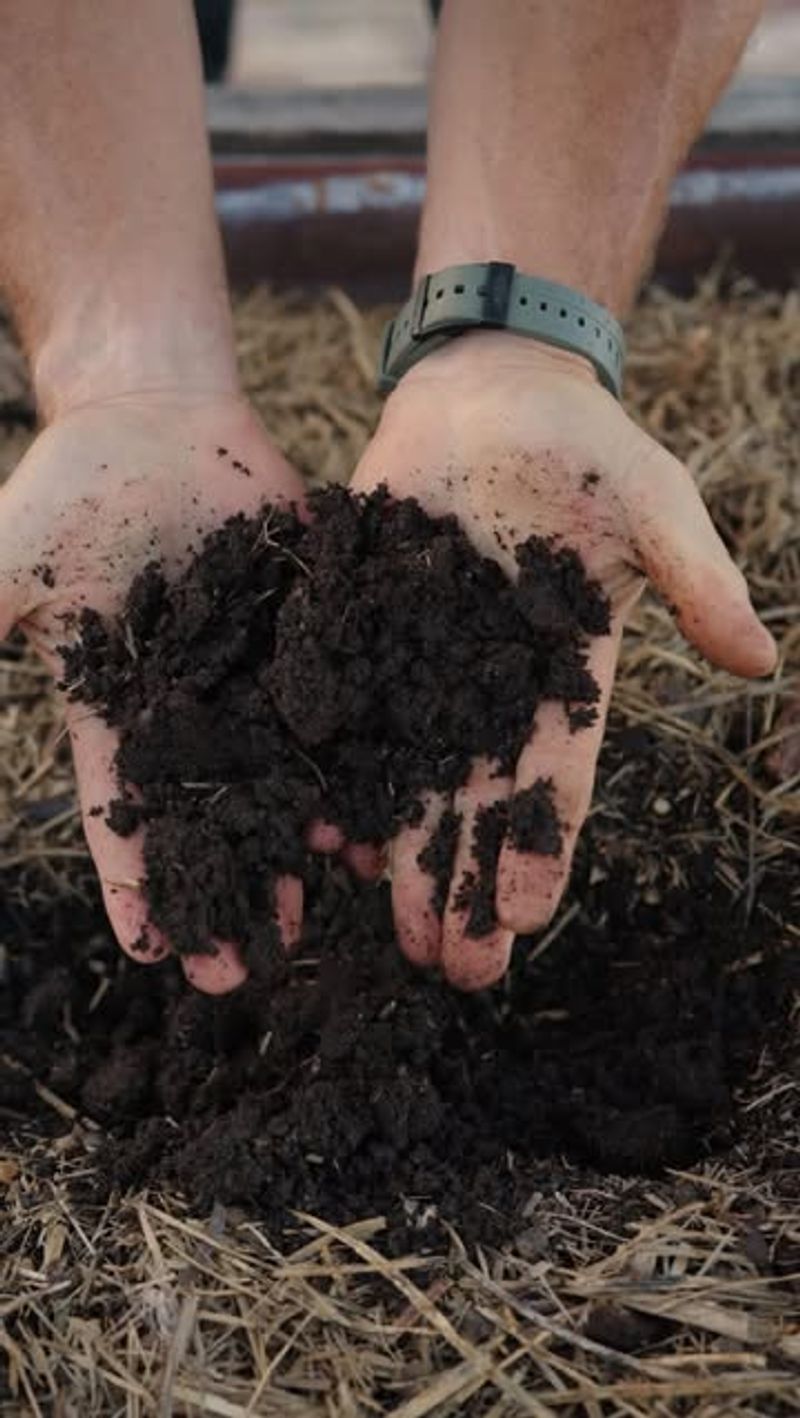
Shallow dips and uneven spots in a Michigan lawn are more common than most people realize, especially after a long freeze-thaw winter cycle.
Filling those low spots is a simple weekend project, and old potting soil can play a small but useful role when blended correctly.
The key word here is blended, because pure potting mix alone is not the right tool for this job.
For very shallow depressions, no deeper than about an inch or so, mix old potting soil with topsoil or a commercial lawn-leveling blend at roughly a 50-50 ratio.
This combination gives the fill enough mineral density to stay in place and support grass regrowth without settling too much.
Spread the blend thinly over the low area, rake it smooth, and let existing grass grow up through it naturally over the coming weeks.
Pure potting mix is too light and airy for this purpose. It settles unevenly over time, can dry out into a hard crust, and does not give grass roots the firm anchor they need.
For anything deeper than an inch, structural fill or proper mineral soil is the better choice because potting mix simply cannot hold up under foot traffic and seasonal soil movement.
This is a practical, no-waste use for small amounts of leftover potting soil that might otherwise sit in bags all season.
It is best done in early spring or early fall in Michigan when grass is actively growing and can fill in the leveled areas quickly for a smooth, even lawn surface.
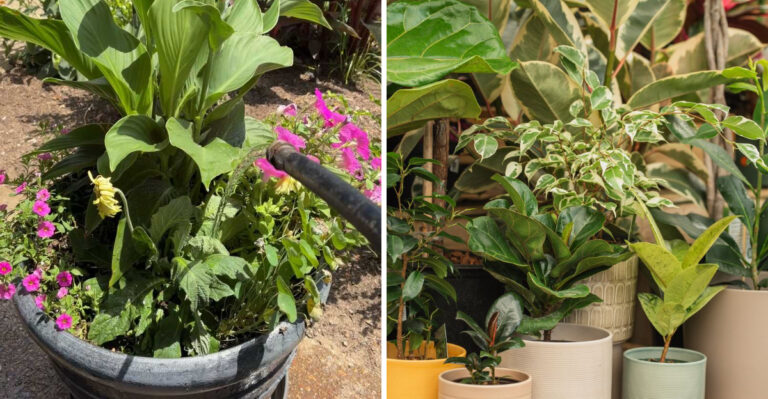
8. Reuse It At The Bottom Of Large Containers Only If Blended
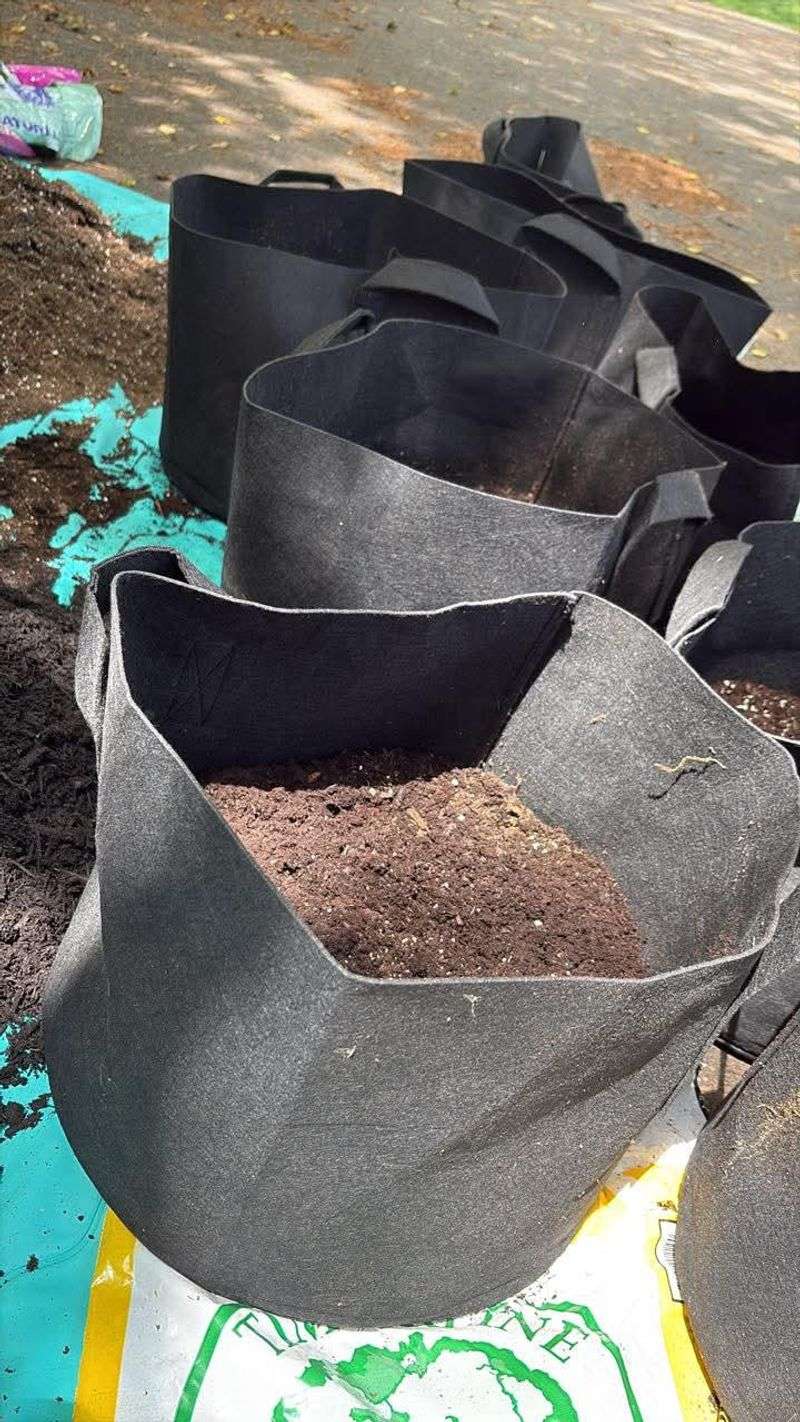
Large containers are one of the biggest investments Michigan patio gardeners make, and they also go through a surprising amount of potting soil each season.
Reusing old mix at the bottom of large ornamental pots is a practical way to cut costs and reduce waste, but only when it is done thoughtfully.
Dumping old soil straight into the bottom without any prep is where things tend to go wrong.
The right approach is to refresh the old soil first by removing roots, breaking up compacted clumps, and mixing it with fresh potting mix, compost, or perlite before it goes back into the container.
Think of it as a renovation rather than a simple reuse. Blending at least 50 percent fresh material into the old soil gives you a bottom layer that drains reasonably well and does not compact into a dense plug over the growing season.
Drainage is the biggest concern when reusing old mix in containers. Old potting soil often loses its structure and can block water movement through the pot, leading to soggy roots and stressed plants.
Always confirm that drainage holes are clear and unobstructed before adding any refreshed blend to a large container.
This strategy works best for large ornamental containers with flowers or foliage plants, not vegetables or heavy feeders. Tomatoes, peppers, and other productive edibles need a consistently high-quality mix throughout the entire container to perform well.
Saving the freshest, best-quality mix for the top two-thirds of the pot gives roots the nutrition and structure they need most.
9. Offer Clean Soil Locally Only After Asking First
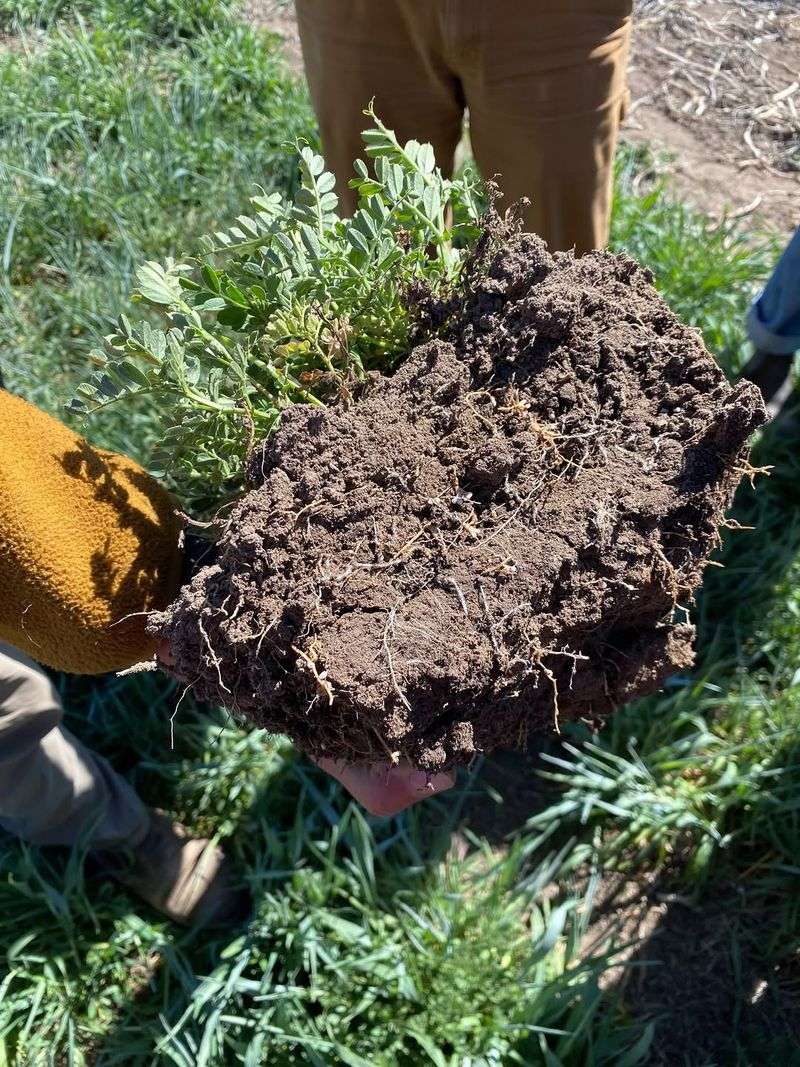
Not every gardener has a compost pile or a raised bed waiting for extra soil, and that is completely fine. Sometimes the most resourceful move is simply passing along what you cannot use to someone who can.
Sharing clean, healthy old potting soil with neighbors, garden clubs, or community gardens is a generous and practical option that keeps usable material out of the trash.
Before you drop off a bag of used soil anywhere, ask first. Many community gardens and school garden programs have strict guidelines about accepting used growing media because of concerns about pests, disease, or unknown chemical history.
A quick phone call or message ahead of time saves everyone the awkward moment of turning away a well-meaning donation at the gate.
When preparing soil to share, store it in clearly labeled bags or containers that indicate what it is, what grew in it last season, and whether it has been amended with anything. This transparency builds trust and helps the recipient decide if it suits their needs.
Keep bags sealed and stored in a cool, dry spot until you are ready to pass them along so the soil stays in good condition.
Transporting old potting soil is easy since it is lightweight and manageable in standard garden bags. If you are sharing with a neighbor, a quick chat over the fence is all it takes to arrange a handoff.
Community garden coordinators often appreciate the offer during spring prep season when resources are stretched and every bit of donated material helps get new plots off to a strong start.