Pennsylvania Yard Zones Where Ticks Hide The Most
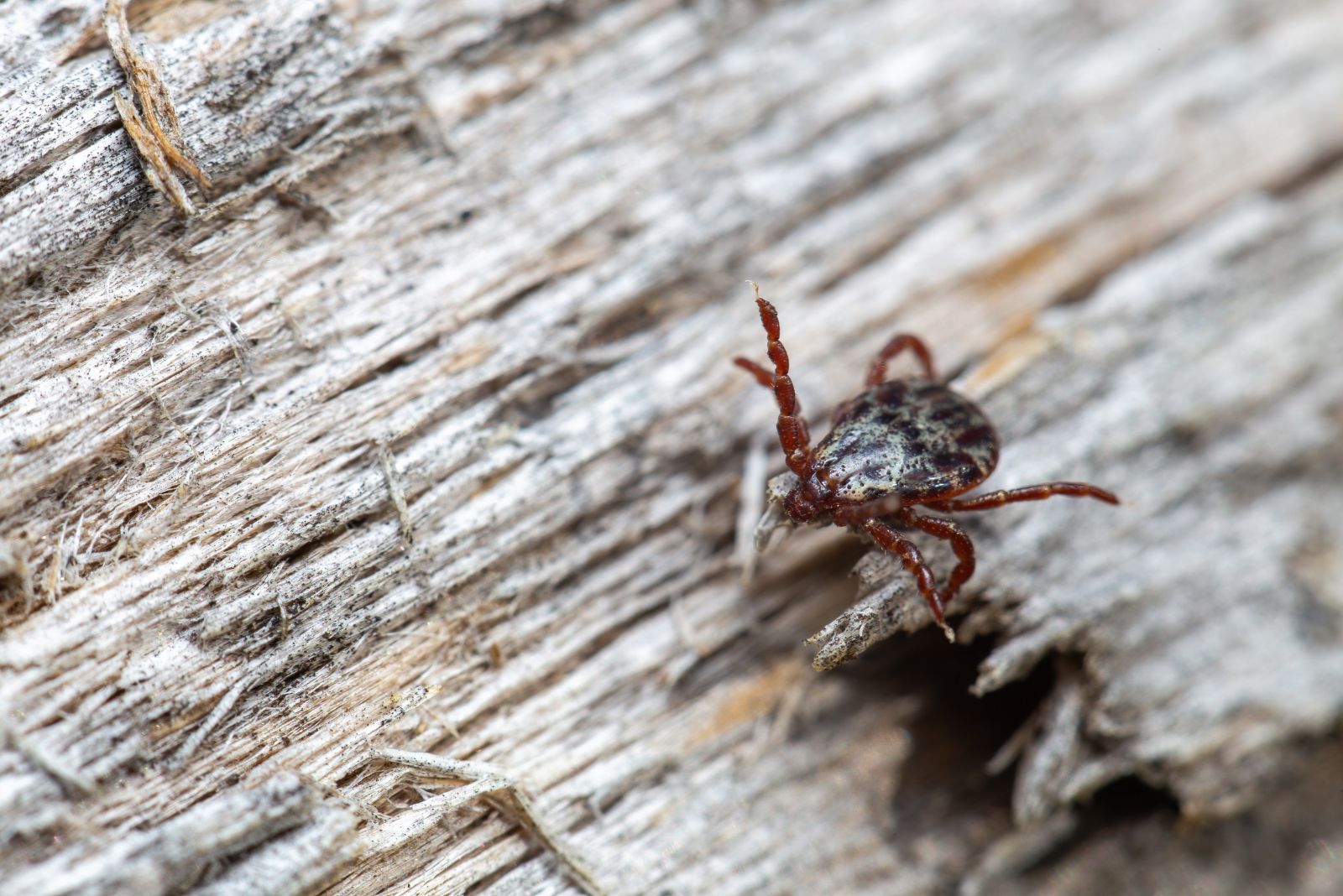
Ticks do not spread evenly across a Pennsylvania yard. They concentrate in specific zones, and once you understand which parts of your property create the conditions they prefer, managing them becomes significantly more targeted and effective.
Pennsylvania’s mix of wooded lots, mature trees, leaf litter, and unmaintained edges gives ticks plenty of opportunities to establish themselves close to where people actually spend time outdoors.
Most homeowners treat tick management as a yard-wide concern when it is really a zonal one, and that broad approach wastes effort in low-risk areas while leaving the actual problem spots unaddressed.
Knowing where ticks hide most reliably in a Pennsylvania yard, and what makes those zones so appealing to them, is the most practical starting point for reducing tick encounters through the active season.
A few of the highest-risk zones in most yards will be immediately recognizable once they are pointed out.
1. Woodland Edges
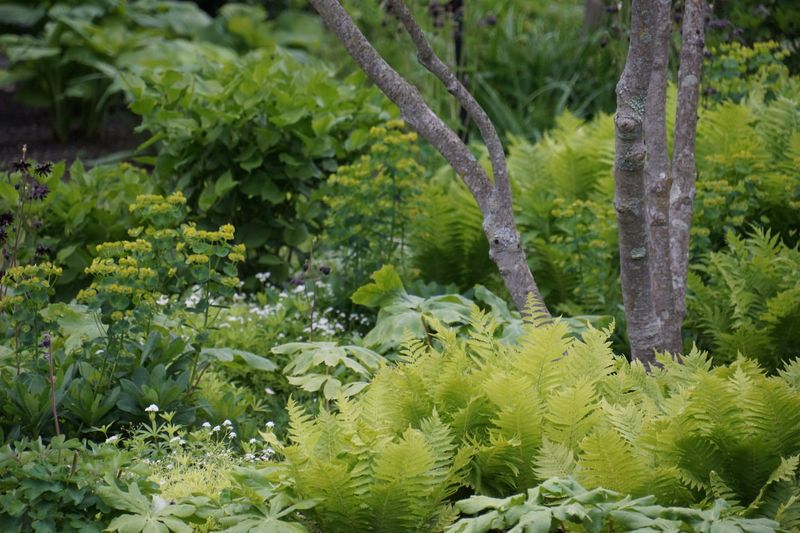
Right where your mowed lawn ends and the woods begin, ticks are practically waiting in line. That boundary zone, often called the woodland edge, is one of the most tick-heavy areas in any Pennsylvania yard.
The mix of shade, moisture, and plant life makes it an ideal environment for ticks to survive, reproduce, and find hosts.
Ticks do not jump or fly. Instead, they practice a behavior called questing, where they climb to the tips of low grasses and shrubs and stretch out their front legs, ready to grab onto anything that brushes past.
The woodland edge gives them the perfect launching pad because animals, pets, and people frequently pass through this zone.
White-tailed deer and small rodents like mice regularly travel along these edges, and both are major carriers of ticks. Where deer roam, tick populations tend to be higher. Keeping this in mind can help you stay alert.
One of the best things you can do is create a mulch or gravel barrier between your lawn and the tree line. A three-foot-wide strip of wood chips or pea gravel acts as a buffer that ticks are reluctant to cross.
Keeping the grass on your side of that border short and trimmed also reduces favorable habitat.
Avoid placing outdoor seating, play equipment, or garden beds right along the woodland edge. Moving these items toward the center of your yard significantly lowers the chances of a tick encounter.
Small changes in yard layout can make a surprisingly big difference in your overall tick exposure throughout the warmer months.
2. Leaf Litter Under Trees And Shrubs
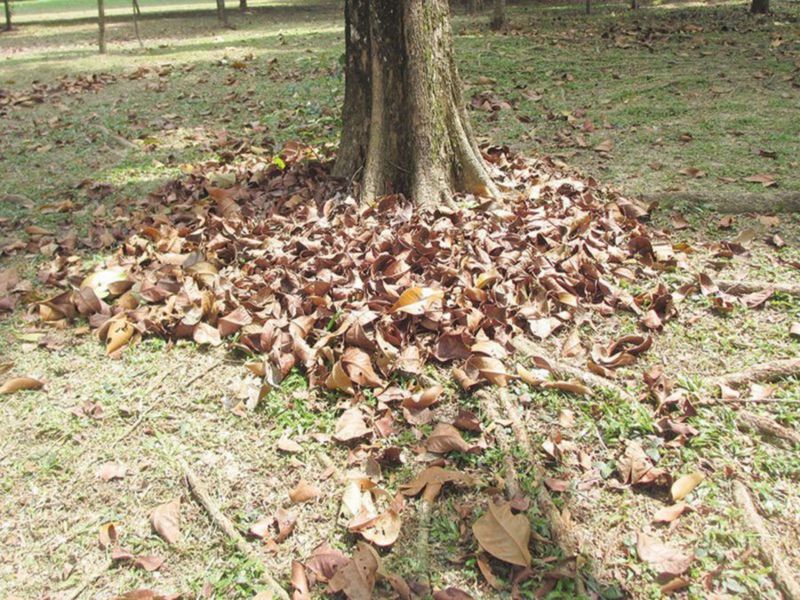
Few things feel more like a cozy autumn weekend than raking leaves in the backyard. But those piles of fallen leaves are not just a chore waiting to happen.
They are also a favorite hiding spot for ticks, especially in Pennsylvania where deciduous trees drop massive amounts of foliage every fall.
Leaf litter holds moisture exceptionally well, and ticks need humidity to stay alive. Without enough moisture in the air or on the ground, ticks can actually dehydrate and become inactive.
Damp layers of decomposing leaves give them exactly the environment they need to thrive through cooler months and into spring.
Your Pennsylvania Garden Changes Every Week. Your Plan Should Too.
Gardening in Pennsylvania changes quickly throughout the season. Every Friday you’ll receive a simple weekly plan showing exactly what to plant, prune, fertilize, harvest, and protect so you never miss the right timing.
The black-legged tick, also known as the deer tick, is especially common in Pennsylvania and is known to remain active even in near-freezing temperatures as long as there is ground cover protecting it.
Leaf litter under shrubs and trees provides that insulating layer, making it a year-round concern rather than just a summer one.
Raking and removing leaf litter regularly is one of the most effective and low-cost ways to reduce tick habitat in your yard.
Do not let leaves pile up under bushes, along fence lines, or in corners where they tend to collect. Bagging and disposing of leaves promptly takes away a key resource ticks rely on.
If you prefer to compost, keep your compost pile far from areas where kids and pets play. Also, consider wearing long socks and closed-toe shoes whenever you are working around leaf litter.
Taking these small precautions goes a long way in keeping tick encounters to a minimum in your outdoor space.
3. Stone Walls And Rock Borders

Stone walls have a certain charm that makes them a popular landscaping feature in Pennsylvania yards. They look timeless, hold garden beds in place, and add a classic New England feel to any outdoor space.
But tucked inside all those crevices and gaps is a hidden problem: stone walls are among the top tick hotspots in any residential yard.
The reason comes down to what lives inside those walls. Mice, chipmunks, and other small rodents love to nest and travel through the gaps between rocks.
These animals are primary hosts for the black-legged tick, particularly in its nymph stage. Wherever these rodents go, ticks go with them, and stone walls create a perfect rodent highway right through your yard.
Studies have shown that white-footed mice are especially important in the tick life cycle because they are highly efficient at infecting ticks with Lyme disease bacteria.
A single mouse can infect dozens of tick larvae in a season. So a stone wall full of mice is essentially a breeding ground for infected ticks.
Keeping the area around stone walls clear of dense vegetation and leaf buildup can reduce how attractive those walls are to rodents and ticks alike. Trim back any shrubs or ground covers growing directly against the wall to improve airflow and reduce moisture.
If you are building new borders or retaining walls, consider using treated timber or solid concrete blocks instead of loose stone. Fewer gaps mean fewer hiding places for rodents.
For existing stone walls, regularly inspect the surrounding ground and vegetation, and take steps to discourage rodent activity near areas where children and pets spend time.
4. Tall Grass And Brushy Areas

Walk through a patch of tall grass or overgrown weeds in Pennsylvania during summer, and you are almost certainly picking up unwanted passengers.
Ticks love nothing more than thick, brushy vegetation where they can position themselves at just the right height to latch onto a passing host. It is one of the simplest tick facts, but one that many homeowners overlook.
Unmowed corners, neglected fence lines, and overgrown garden edges are all prime real estate for ticks. The vegetation holds humidity close to the ground, provides shelter from direct sunlight, and creates a steady stream of wildlife traffic.
Rabbits, deer, raccoons, and groundhogs all move through these areas regularly, each one potentially carrying ticks into your yard.
Nymph-stage ticks are especially dangerous because they are tiny, about the size of a poppy seed, and extremely hard to spot on skin or clothing.
They are most active in late spring and early summer, which is exactly when tall grass and brushy areas are at their lushest.
That combination makes these zones particularly risky for children and pets who play near them.
The simplest solution is consistent mowing. Keeping your lawn trimmed to three inches or shorter removes the vertical habitat ticks depend on.
Pay special attention to corners, edges along fences, and areas near sheds or outbuildings where mowing is often skipped.
Consider pulling out persistent weedy patches rather than just trimming them back. Dense, brushy plants that keep regrowing are worth removing entirely if they are near areas your family uses often.
Replacing them with low-growing, well-maintained plants reduces tick-friendly cover while keeping your yard looking neat and well cared for.
5. Wood Piles And Yard Debris
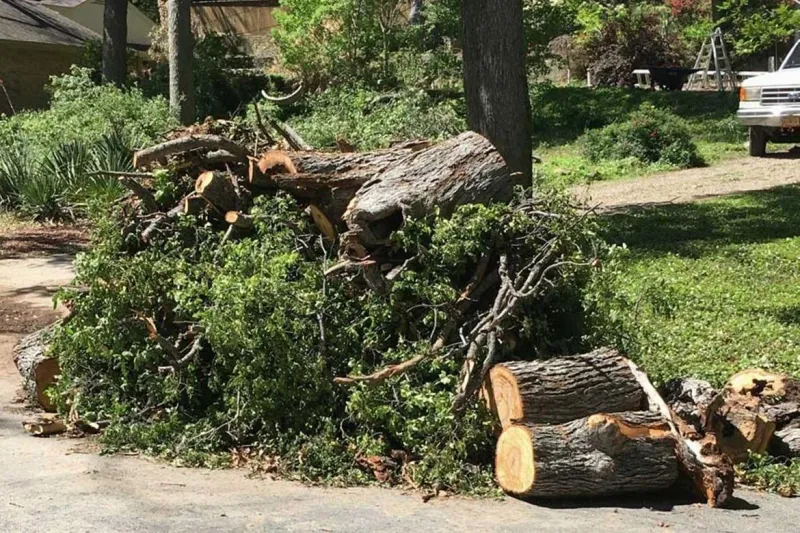
That neatly stacked firewood pile next to your shed might feel like solid preparation for winter, but it is also one of the most rodent-friendly structures in your yard. And where rodents live, ticks are never far behind.
Wood piles and yard debris are consistently ranked among the highest-risk tick zones in residential Pennsylvania properties.
Mice and chipmunks are particularly drawn to wood piles because they offer shelter, warmth, and easy access to hiding spots.
These rodents carry tick larvae on their bodies, and as they travel in and out of the wood pile, they deposit ticks throughout the surrounding area.
Over time, the ground around the wood pile can become heavily populated with ticks in various life stages.
Brush piles, old lumber, broken garden furniture, and scattered yard clutter all create the same problem. Any debris that sits on the ground for an extended period traps moisture, stays shaded, and invites wildlife.
Even a forgotten pile of branches after a storm can become a tick habitat within weeks if left undisturbed.
Storing firewood off the ground on a rack, ideally in a sunny and dry location, makes it significantly less hospitable to both rodents and ticks.
Keeping wood stacked away from the house and away from play areas adds another layer of protection. Sunlight and airflow are your best allies here.
Make a habit of clearing yard debris promptly after yard work or storms. Old flower pots, unused garden equipment, and piles of pulled weeds should be removed rather than left sitting.
A tidy yard is one of the most effective and underappreciated tools for reducing tick populations close to your home throughout the entire outdoor season.
6. Shady Foundation Beds And Dense Groundcovers
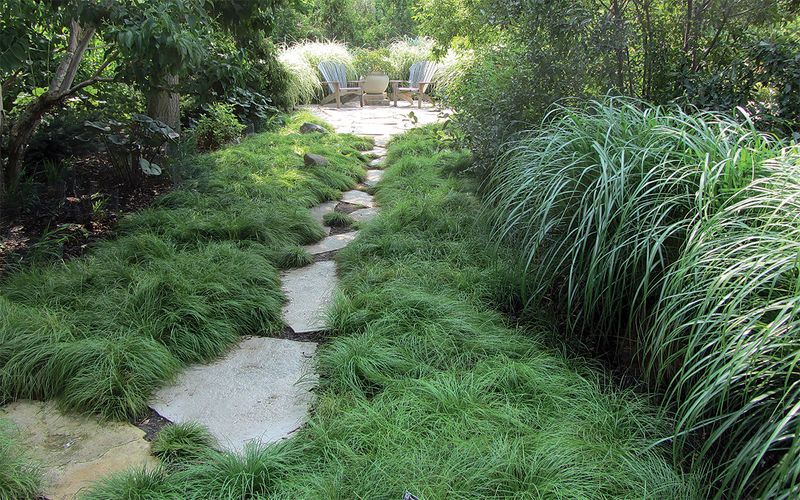
Most homeowners spend a lot of time making their foundation beds look beautiful, and rightly so. Colorful plants, rich mulch, and spreading groundcovers like pachysandra or ivy can transform the look of a home’s exterior.
But those same features that make foundation beds so attractive also make them one of the sneakiest tick zones in the yard.
Shade is the key factor here. The north and east sides of a house rarely get strong direct sunlight, which means the soil in those beds stays damp for much longer after rain.
Ticks are highly sensitive to dryness and actively seek out moist, shaded microhabitats to avoid dehydration. A thick bed of groundcover plants holds humidity close to the ground like a sponge.
Heavy mulch adds another layer of the problem. While mulch is great for plant health and moisture retention, it also creates a cool, dark environment that ticks find very comfortable.
Cedar mulch has some natural repellent properties, but no mulch type eliminates the risk entirely, especially when it is applied thickly or allowed to accumulate over several seasons.
Trimming back overgrown groundcovers regularly helps improve airflow and reduces the moisture that ticks depend on.
Avoid piling mulch too thickly, and consider pulling it back from the immediate foundation area where foot traffic is frequent. Keeping these beds well-groomed rather than lush and overgrown makes a real difference.
Also, be cautious when gardening in these beds. Wear long sleeves, tuck your pants into your socks, and do a thorough tick check after spending time near foundation plantings.
These beds are close to your entryways, so ticks picked up there can easily make their way indoors on clothing, shoes, or pets.