What North Carolina Gardenias Need In June To Keep Blooming Through August
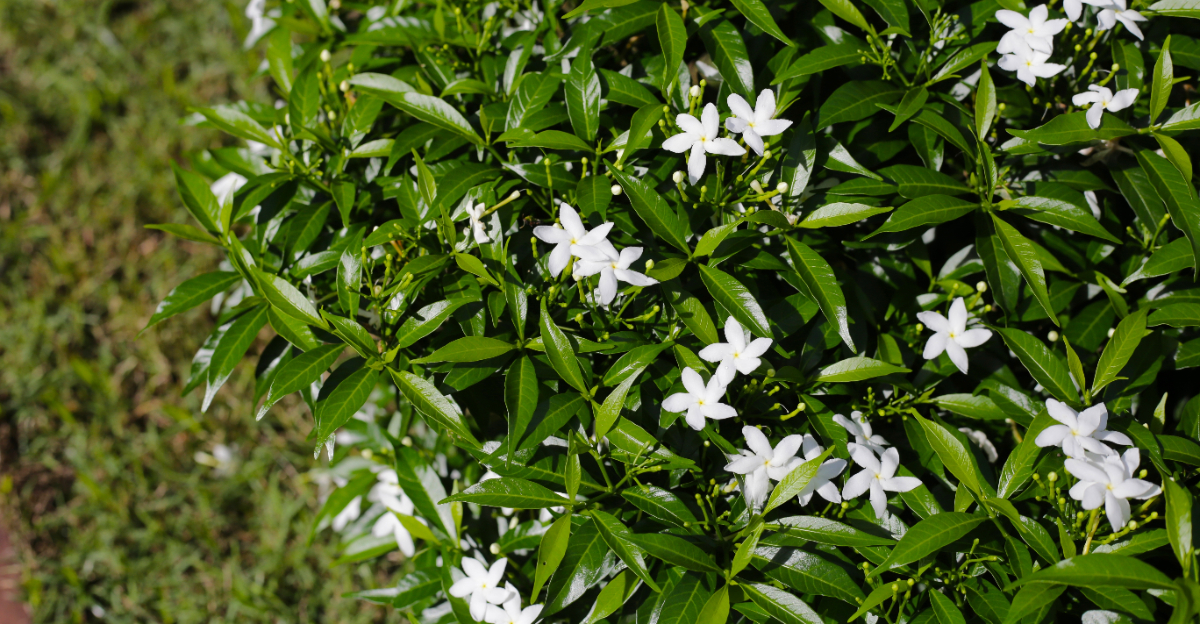
There are few things in a North Carolina garden as rewarding as a gardenia in full bloom.
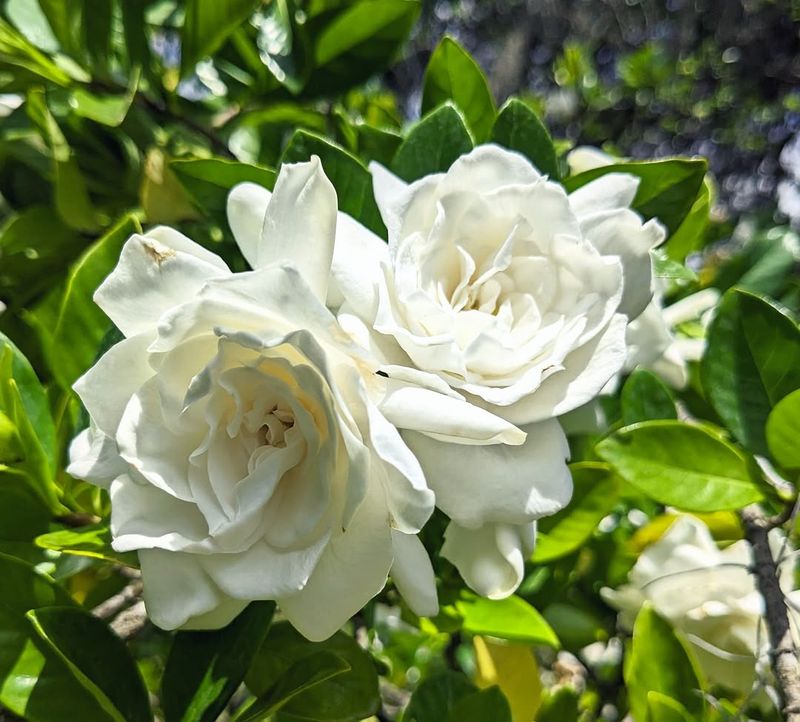
That fragrance stops you in your tracks, the flowers are pure white against dark glossy leaves, and the whole shrub looks like it belongs somewhere much more exotic than a suburban backyard.
June is when gardenias are hitting their stride, but whether that performance carries through July and August or fades out early depends almost entirely on what happens right now.
Gardenias are specific about what they need, and June puts several of those needs front and center at the same time.
Get this month right and the blooms keep coming through the hottest stretch of summer. Miss the window and the shrub coasts through August looking fine but flowering far less than it’s actually capable of.
A little focused attention in June goes a long way with these plants.
1. Understanding The June Tipping Point
June is the month that separates thriving gardenias from struggling ones in North Carolina. The temperatures start pushing into the upper 80s and 90s, and the soil heats up fast.
Buds that formed in spring are now ready to open, but only if the plant gets consistent support right now.
What makes June so critical is that gardenias are heat-sensitive at exactly the moment when heat becomes unavoidable. A plant that gets stressed in June often stops setting new buds entirely.
You might get one flush of blooms and then nothing for the rest of summer, which is incredibly frustrating after all that anticipation.
The good news is that gardenias are actually well-suited for North Carolina’s climate when managed correctly. They love humidity, they can handle warm nights, and they respond quickly to good care.
June is your window to lock in strong blooming momentum before the peak of summer arrives.
Pay attention to your plant during this month more than any other. Check the soil regularly, watch the leaves for early warning signs, and make sure the basics are dialed in.
A few small adjustments in June can carry your gardenia all the way through August with blooms to spare.
2. Watering Deeply Vs. Watering Often
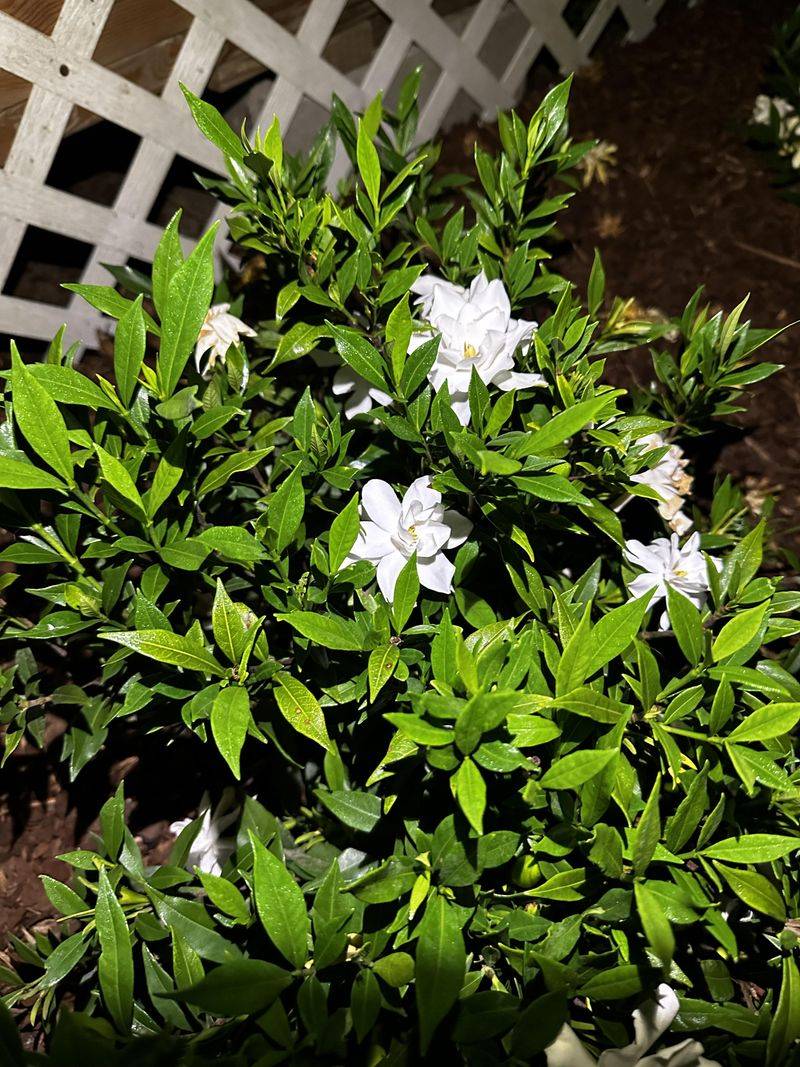
Shallow, frequent watering is one of the most common mistakes gardenia growers make in summer. When you water just a little bit every day, the moisture stays near the surface and roots have no reason to grow deeper.
Shallow roots are vulnerable roots, especially when July ground temperatures start climbing.
Deep, infrequent watering encourages roots to follow moisture downward into cooler soil layers. For gardenias in North Carolina, that generally means watering thoroughly two to three times per week rather than a quick sprinkle every day.
The goal is to wet the soil at least six to eight inches down each time you water.
Soil type matters a lot here. Clay soil, which is common in the Piedmont region, holds moisture longer, so you can stretch your watering schedule slightly.
Sandy coastal soils drain much faster and may need deep watering every other day during peak heat. Stick your finger two inches into the soil before watering and only water when it feels dry at that depth.
Your North Carolina Garden Changes Every Week. Your Plan Should Too.
Gardening in North Carolina changes quickly throughout the season. Every Friday you’ll receive a simple weekly plan showing exactly what to plant, prune, fertilize, harvest, and protect so you never miss the right timing.
Morning watering is always the best approach for gardenias. It gives the foliage time to dry before evening, which reduces fungal problems.
It also means the roots absorb water before afternoon heat causes rapid evaporation from the soil surface. Consistent deep watering in June sets the stage for uninterrupted blooming through August.
3. Mulching As A Heat And Moisture Shield
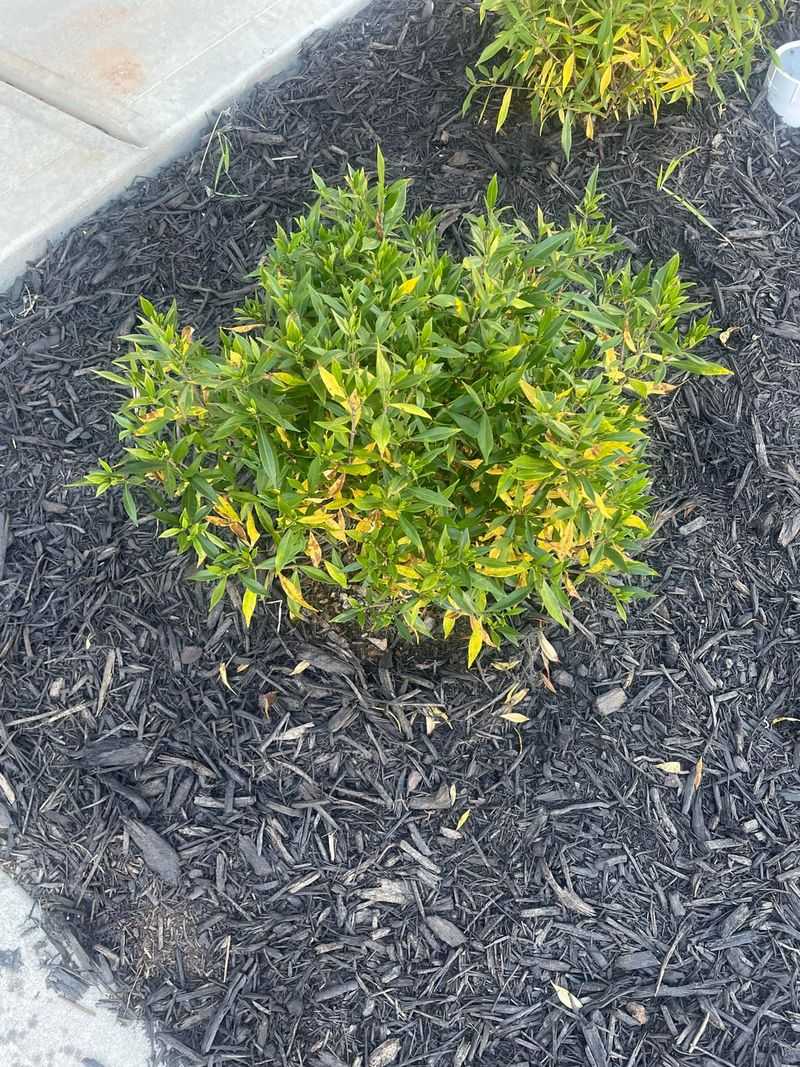
Mulch might be the single most underrated tool in a summer gardenia routine.
A proper two to three inch layer of organic mulch around the base of your plant acts like a blanket for the soil, keeping ground temperatures cooler and locking in moisture between waterings.
In North Carolina summers, where soil can heat up past 100 degrees Fahrenheit at the surface, that protection is enormous.
Pine straw is a favorite mulch choice for gardenias in the Southeast, and for good reason. It breaks down slowly, it allows water to pass through easily, and it adds a slight acidity to the soil as it decomposes, which gardenias absolutely love.
Shredded bark mulch is another excellent option that looks clean and holds up well through summer rain.
The biggest mulching mistake gardeners make is piling mulch directly against the stem of the plant. That creates a moist, warm environment right at the base where fungal problems and rot can take hold.
Always leave a two to three inch gap between the mulch layer and the main stem of your gardenia.
Spread your mulch ring out at least two feet from the stem in every direction. This covers the root zone where the plant actually draws moisture and nutrients.
Refreshing your mulch layer in early June, before the real heat arrives, gives your gardenia maximum protection all summer long.
4. Removing Spent Blooms The Right Way
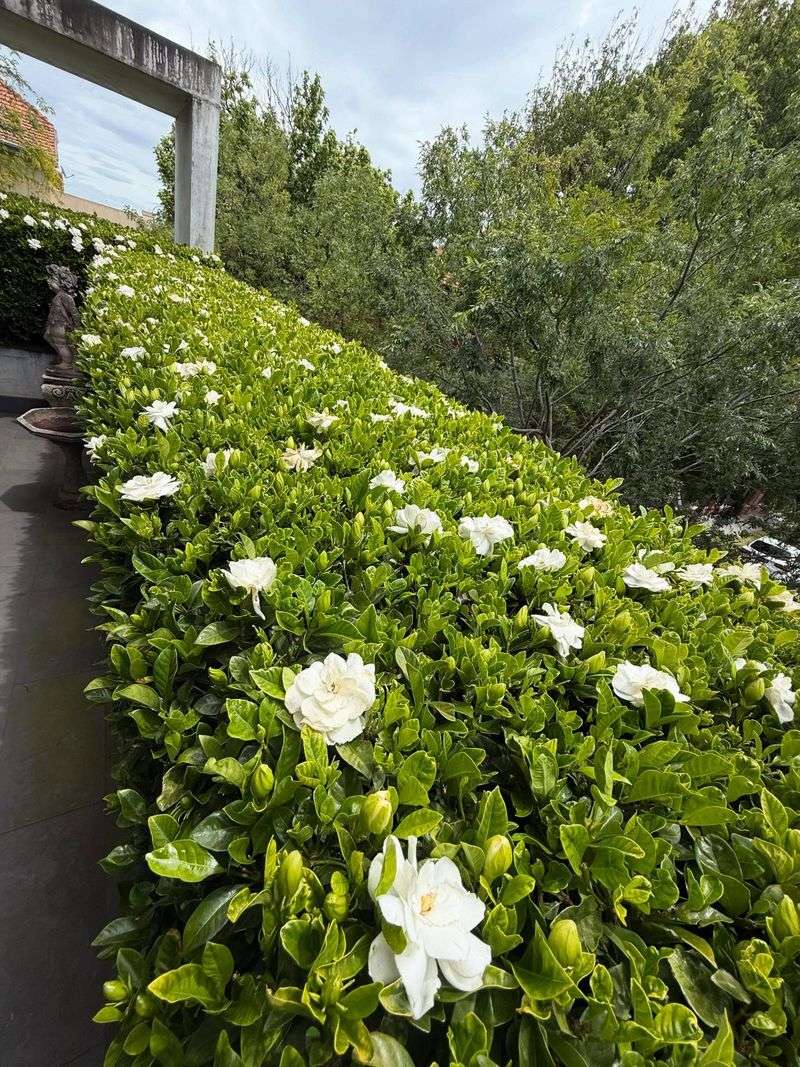
Deadheading gardenias is one of those small tasks that pays off in a big way. When a bloom fades and turns brown, the plant starts putting energy into forming seeds rather than producing new flowers.
Removing those spent blooms redirects that energy right back into bud development, which is exactly what you want from June through August.
The right technique matters more than most gardeners realize. You want to cut the spent bloom back to just above the first set of healthy leaves below the flower.
Do not just snap off the browning petals and leave the stem behind. Cutting back to a leaf node encourages the plant to branch and set new buds at that spot.
Deadheading is not the same as hard pruning. Hard pruning involves cutting back large sections of the shrub and is best done right after the first bloom flush in late spring.
In June and July, stick to light deadheading only. Cutting too aggressively during summer heat stresses the plant and can stop blooming entirely.
Clean, sharp tools are non-negotiable. Dull pruners crush stems instead of cutting them cleanly, which slows healing and opens the door to disease.
Wipe your blades with rubbing alcohol before and after each use to avoid spreading any fungal or bacterial issues between plants. A clean cut heals fast and keeps your gardenia moving toward its next round of blooms.
5. Humidity Is A Friend… Until It Isn’t
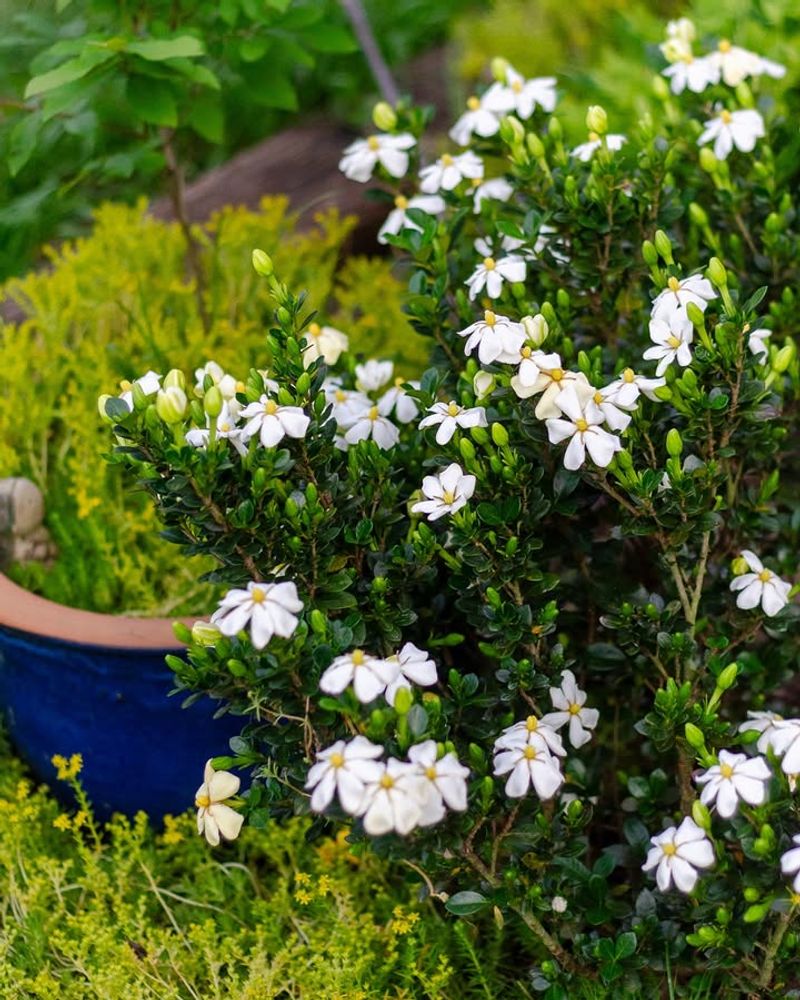
North Carolina summers bring serious humidity, and gardenias actually enjoy it up to a point. High moisture in the air reduces water loss through the leaves, which helps the plant stay hydrated between waterings.
You will often notice that gardenias in humid coastal areas of NC look fuller and more lush than those grown in drier climates out west.
The trouble starts when humidity combines with poor air circulation. Stagnant, wet air around the foliage creates ideal conditions for fungal problems like sooty mold and leaf spot.
Sooty mold shows up as a black powdery coating on leaves, and while it does not attack the plant directly, it blocks sunlight and signals an underlying pest problem like aphids or whiteflies.
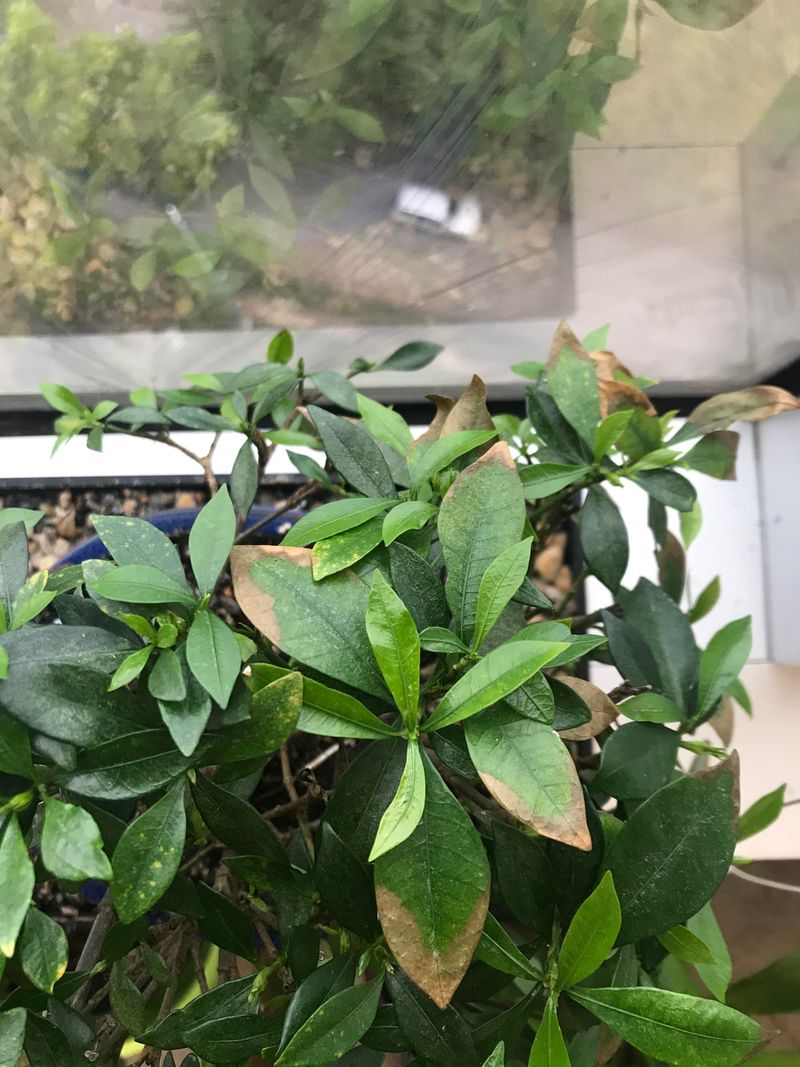
Leaf spot appears as yellow or brown circular patches on the leaves, often with a darker border. It spreads quickly in wet, humid conditions and can cause significant leaf drop if left unchecked.
A copper-based fungicide applied early in the season can help prevent outbreaks before they get out of control.
The easiest way to tell if your gardenia is thriving in the humidity versus suffering from it is to check the leaves. Healthy plants in humid air have glossy, deep green foliage.
Yellowing, spotting, or a sticky residue on the leaves are warning signs that fungal or pest issues are taking hold and need attention right away.
6. Pests That Target Gardenias In Summer
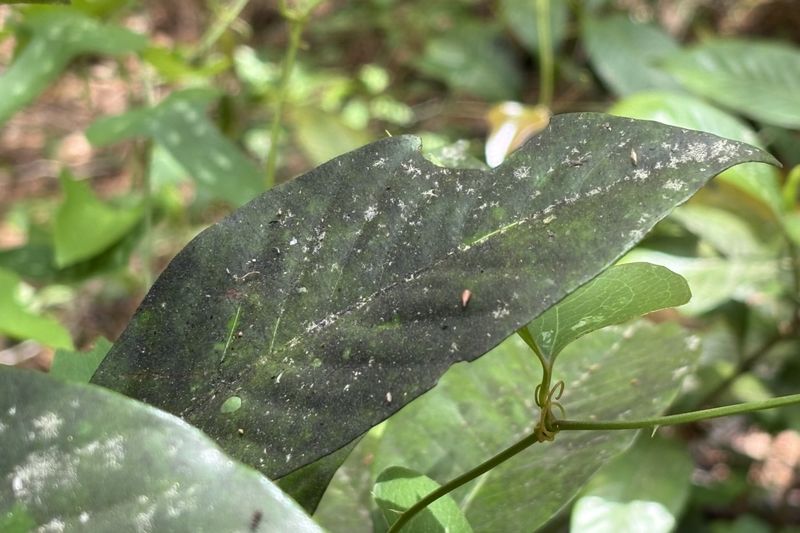
Summer in North Carolina brings warm nights and abundant moisture, and unfortunately, pest populations love those conditions just as much as your gardenias do.
Three pests tend to cause the most trouble from June through August: whiteflies, aphids, and spider mites.
Knowing what each one looks like early makes a huge difference in how quickly you can respond.
Whiteflies are tiny white insects that flutter up in a cloud when you brush the leaves. They feed on plant sap from the undersides of leaves and leave behind a sticky substance called honeydew.
That honeydew is what leads to sooty mold. Whitefly populations tend to spike in late June and stay high through August.
Aphids cluster on new growth and tender stems, sucking out sap and causing leaves to curl and yellow. They reproduce incredibly fast in warm weather, so a small colony can become a large infestation within days.
A strong spray of water from a garden hose knocks them off effectively without harming beneficial insects nearby.
Spider mites thrive in hot, dry spells and leave a telltale fine webbing on the undersides of leaves. The foliage takes on a dusty, stippled appearance as mites feed.
Insecticidal soap or neem oil applied in the early morning works well against all three pests without disrupting pollinators visiting your blooms. Always treat in the morning before temperatures rise above 85 degrees.
7. Morning Sun, Afternoon Shade: Placement Payoff
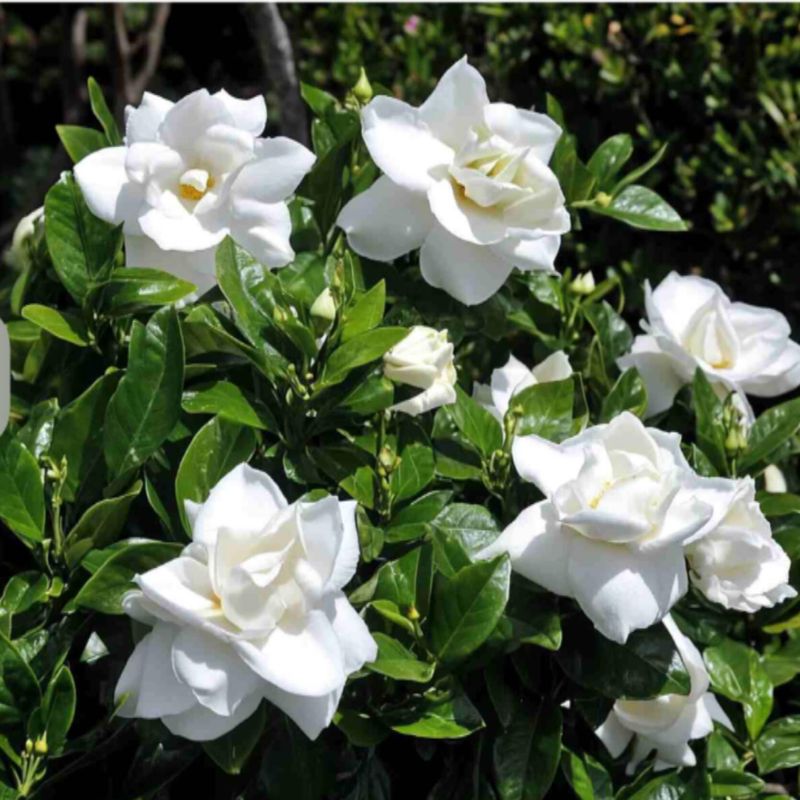
Spring light and summer light are completely different beasts. In April, a spot that gets six hours of sun feels perfect for a gardenia.
By July, that same spot might be delivering brutal afternoon rays that scorch the leaves and stress the plant into dropping its buds. The angle and intensity of summer sun in North Carolina is simply much harsher than it is in spring.
Gardenias do best with bright morning sun and relief from direct afternoon sun, especially from about 2 PM onward. Morning sun warms the plant gently, encourages blooming, and helps dry overnight moisture from the foliage.
Afternoon sun, particularly in July and August, hits at a much more intense angle and can push leaf temperatures high enough to cause real damage.
For established in-ground plants you cannot easily move, shade cloth is a practical solution. A 30 to 40 percent shade cloth installed on the west-facing side of the plant blocks the harshest afternoon rays without cutting off too much light overall.
Another option is planting a fast-growing companion like tall ornamental grasses or a small crape myrtle nearby to cast natural afternoon shade.
Container gardenias have a big advantage here because you can simply move them. Shift potted plants to a spot with eastern morning exposure and western protection during the hottest weeks of summer.
Even moving a pot just a few feet can dramatically reduce heat stress and keep blooms coming steadily through August.
8. Why Bud Drop Happens And How To Stop It
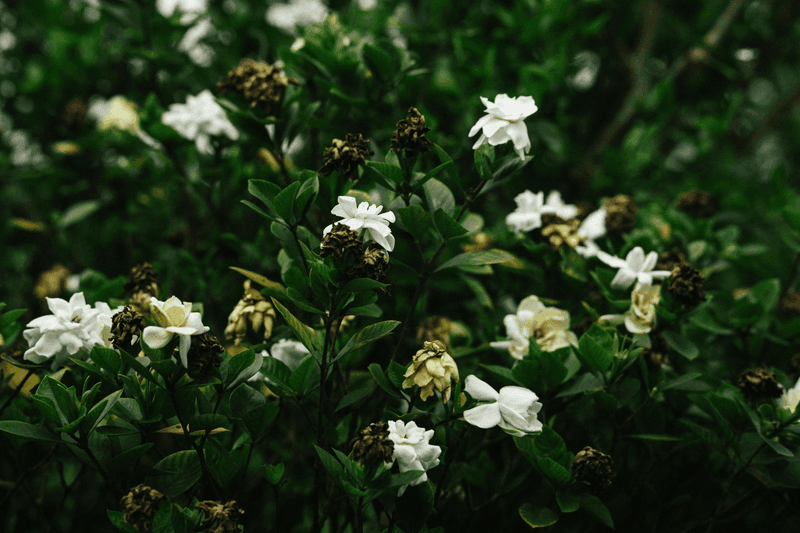
Few things are more disheartening than watching a gardenia covered in plump, promising buds suddenly drop them all before a single one opens.
Bud drop is incredibly common in North Carolina during June and July, and it almost always comes down to stress of some kind. Identifying the source of that stress is the first step toward stopping it.
Temperature swings are a leading cause. Gardenias prefer nighttime temperatures that stay above 60 degrees Fahrenheit and daytime temperatures below 95.
When nights suddenly drop cooler than expected in early June, or when a heat wave pushes daytime temps past 95 for several days in a row, the plant responds by dropping buds to conserve resources.
Consistent temperatures matter enormously during bud development. Inconsistent watering is another major trigger. Going from dry soil to a heavy soaking and back to dry again confuses the plant’s systems and causes buds to abort.
The solution is a steady, predictable watering schedule that keeps soil moisture consistent without waterlogging the roots. A moisture meter is a worthwhile investment if you find it hard to judge soil conditions by feel alone.
Root disturbance during summer is the third common culprit. Digging around the base of the plant, moving containers roughly, or even aggressive weeding too close to the roots can trigger bud drop.
Keep activity around your gardenia calm and minimal once buds are set. Stability is the key word for keeping every bud on the plant through to full bloom.
9. Container Gardenias Need A Different Strategy
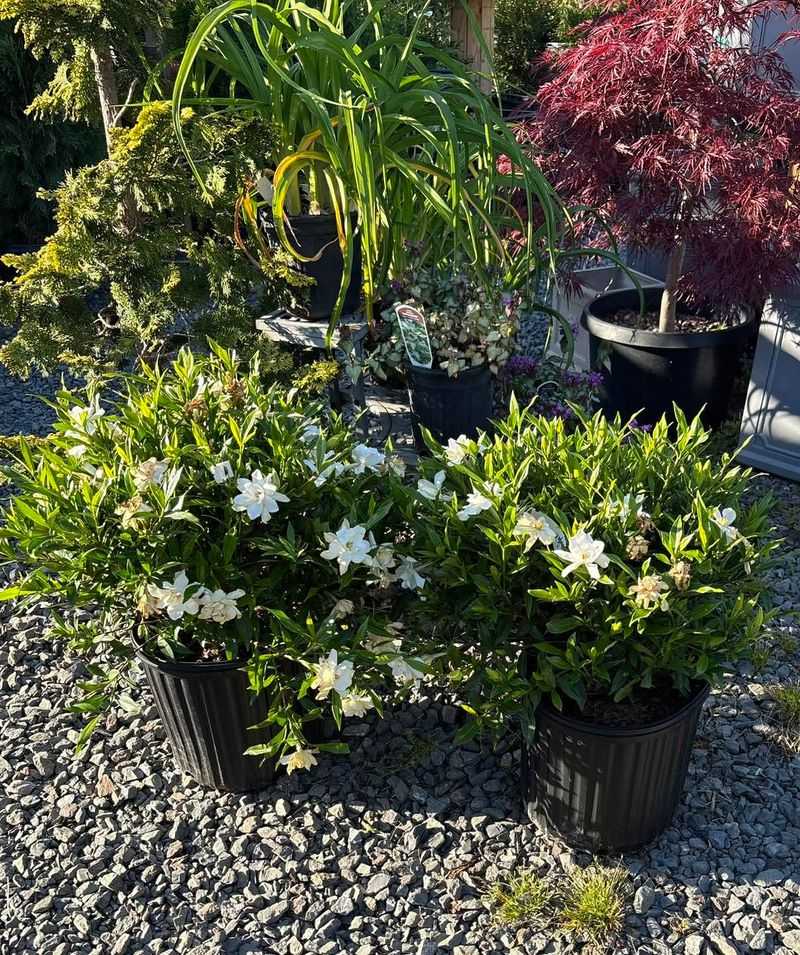
Growing gardenias in containers is a popular choice in North Carolina because it gives you total control over soil, placement, and drainage. But that control comes with responsibility.
Potted gardenias in summer heat face challenges that in-ground plants simply do not, and they need a more hands-on approach to stay healthy and blooming.
Pot size matters more than most people expect. A container that is too small heats up rapidly in direct sun and dries out within hours on a hot July day.
A 14 to 18 inch pot is a solid starting point for a mature gardenia. Make sure it has generous drainage holes, because waterlogged roots in a sealed container cause problems fast.
Soil mix for container gardenias should be well-draining and slightly acidic. A blend of quality potting mix with added perlite and a small amount of peat moss or pine bark creates the right balance of drainage and moisture retention.
Avoid using heavy garden soil in pots, as it compacts quickly and suffocates roots.
Feeding container gardenias more frequently than in-ground plants is essential. Nutrients wash out of pots with every watering, so a diluted liquid fertilizer formulated for acid-loving plants every two to three weeks keeps the plant well-nourished.
During peak summer heat, check the soil moisture every single day. Containers sitting on hot concrete or stone surfaces heat up even faster, so place them on a wooden deck or use pot feet to create airflow underneath.
10. What Healthy Summer Roots Look Like, And How To Protect Them
Gardenia roots are surprisingly shallow and sensitive, which is something many gardeners do not realize until they accidentally damage them.
Most of a gardenia’s feeder roots sit in the top six to eight inches of soil, spreading outward from the base in a wide, flat network.
This root system is excellent at capturing surface moisture and nutrients but is also very easy to disturb.
Never cultivate or hoe around a gardenia during summer. Even light scratching of the soil surface can sever feeder roots that the plant depends on for water and nutrient uptake.
Weeds near the base are better handled by hand-pulling gently rather than using any kind of tool that digs into the soil.
Compacted soil is another serious root threat. When soil gets packed down by foot traffic or heavy rain, air pockets disappear and roots struggle to access the oxygen they need to function.
You can improve compacted soil without disturbing roots by top-dressing the area with a thin layer of compost in early June, before summer heat peaks.
Healthy gardenia roots are firm, light-colored, and spread generously through loose, moist soil. Roots that look dark, mushy, or smell sour indicate overwatering or poor drainage.
The best thing you can do for root health all summer is keep the mulch layer consistent, water deeply but not excessively, and simply leave the soil around your gardenia undisturbed.
Calm, protected roots produce strong, steady blooms all the way through August.