This Hardy Native Shrub Is Becoming A Popular Forsythia Alternative In Michigan Yards
Forsythia earns its moment every spring without question. That burst of yellow against a gray Michigan March is hard to argue with, and the shrub has been a yard staple for generations because of it.
But two weeks of flowers followed by eight months of unremarkable green is a trade-off that more gardeners are starting to reconsider.
A native shrub has been quietly gaining ground as an alternative, one that brings comparable spring interest and then keeps contributing to the yard long after forsythia has faded into the background.
It supports pollinators in ways forsythia simply doesn’t, offers genuine fall interest, and fits the Michigan landscape with the kind of ease you’d expect from a plant that actually belongs here.
Gardeners who made the swap aren’t missing forsythia nearly as much as they expected to.
1. Ninebark Is Native To Michigan
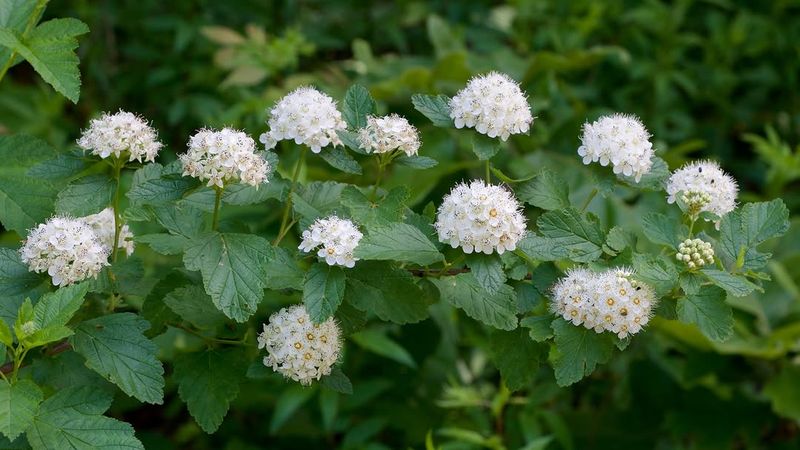
Not every shrub you plant in your yard actually belongs there, but ninebark does. Physocarpus opulifolius is native to Michigan and much of the eastern United States, meaning it evolved right alongside the local soil, climate, and wildlife.
That deep-rooted connection gives it a real edge over plants brought in from other parts of the world.
Forsythia, one of the most popular spring shrubs across Michigan neighborhoods, originally comes from Asia. While it blooms beautifully, it does not feed local insects, birds, or pollinators the way a native plant can.
Ninebark, on the other hand, has spent thousands of years becoming part of the local ecosystem.
Birds recognize its seeds. Bees know its flowers.
Its roots help hold soil along stream banks and slopes, which is exactly the kind of natural job it was built to do. Planting a native shrub like ninebark is a simple way to give something back to the local environment without extra effort.
Our natural landscapes are already home to this plant, which means your yard becomes a small extension of that ecosystem. For gardeners who want beauty and ecological purpose in one package, ninebark is a genuinely exciting choice worth knowing better.
2. It Handles Michigan Winters Reliably
Michigan winters can be brutal, especially in the northern Lower Peninsula and the Upper Peninsula where temperatures regularly drop well below zero.
Gardeners in those regions know the frustration of watching a flowering shrub fail to bloom in spring because its buds got damaged by a late cold snap. Ninebark almost never causes that kind of disappointment.
Classified as hardy in USDA zones 2 through 7, ninebark handles extreme cold without missing a beat. Its flower buds are remarkably tough compared to forsythia, which can sometimes take a hit after a particularly harsh Michigan winter.
Forsythia may leaf out just fine but produce few or no flowers when late-season cold damages its buds, which is the one thing most people plant it for in the first place.
Ninebark does not have that vulnerability. Whether you garden in Ann Arbor or Marquette, this shrub will reliably return each spring ready to grow and bloom.
That kind of dependability matters a lot when you are investing time, money, and care into your yard.
Your Michigan Garden Changes Every Week. Your Plan Should Too.
Gardening in Michigan changes quickly throughout the season. Every Friday you’ll receive a simple weekly plan showing exactly what to plant, prune, fertilize, harvest, and protect so you never miss the right timing.
Cold hardiness is not the flashiest feature a shrub can have, but for Michigan gardeners, it might just be the most important one. Ninebark earns serious points here without even trying.
3. It Offers More Than One Short Spring Bloom
Forsythia puts on a show every April, and that burst of yellow is genuinely cheerful after a long Michigan winter. But once those flowers fade, forsythia becomes a fairly plain green shrub for the rest of the season.
There is nothing wrong with that, but when yard space is limited, you want plants that earn their place all year long.
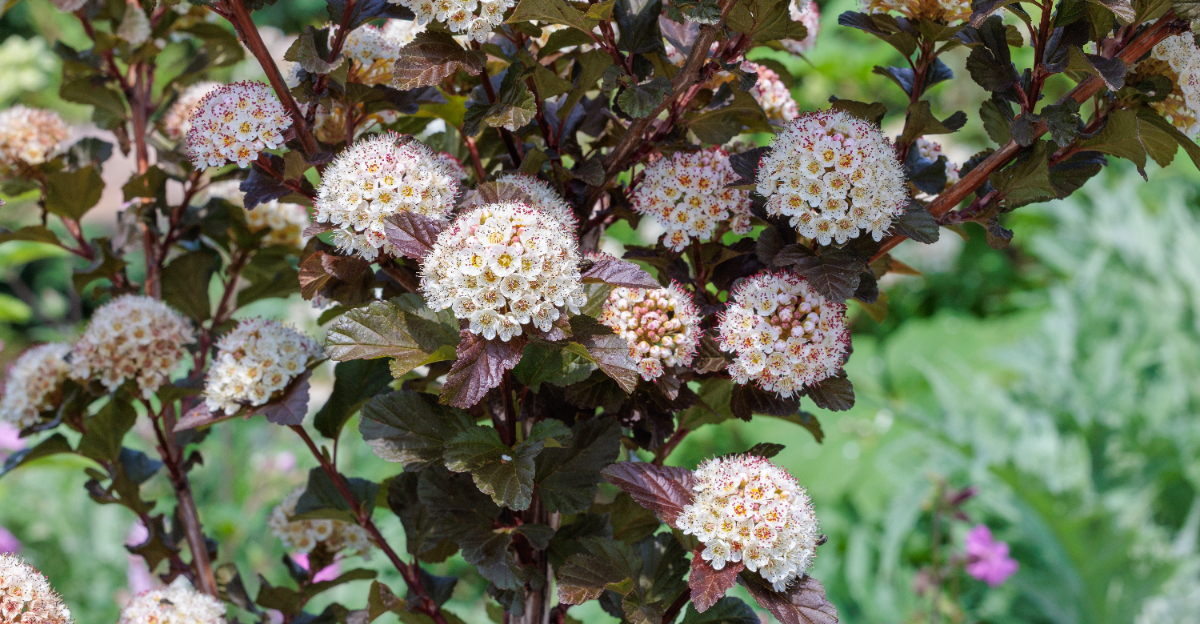
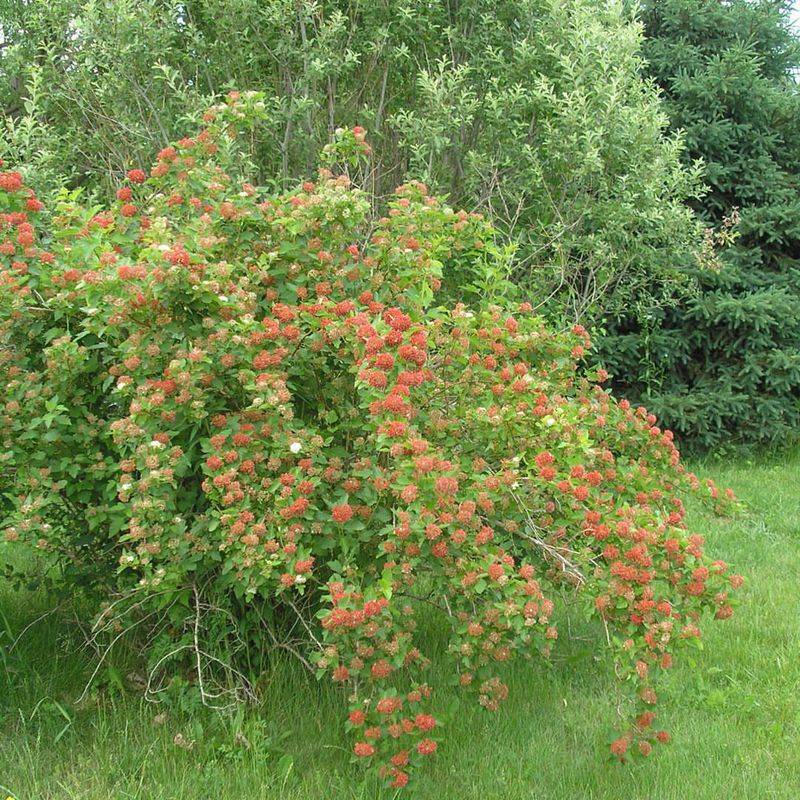
Ninebark delivers that kind of multi-season value. In late spring, it produces clusters of small white or pinkish flowers that attract pollinators and look lovely against its colorful foliage.
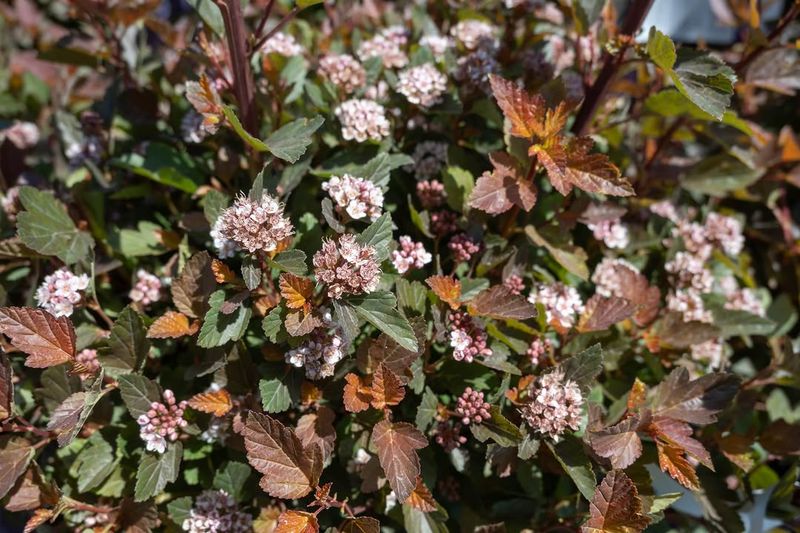
After the flowers fade, the foliage takes center stage, especially in the popular dark-leaved cultivars that hold their rich burgundy or copper tones throughout summer. Then come the reddish seed clusters, which add texture and color into fall.
Even in winter, ninebark has something to offer. Its arching branch structure gives the yard a graceful, layered look, and mature plants develop peeling bark that catches the eye on gray January days.
Forsythia simply cannot compete with that kind of year-round presence. Gardeners who plant ninebark often find themselves noticing and appreciating it in every season, not just for two weeks in spring.
That is the kind of plant that genuinely transforms a yard rather than just visiting it briefly once a year.
4. It Tolerates A Wide Range Of Michigan Soils
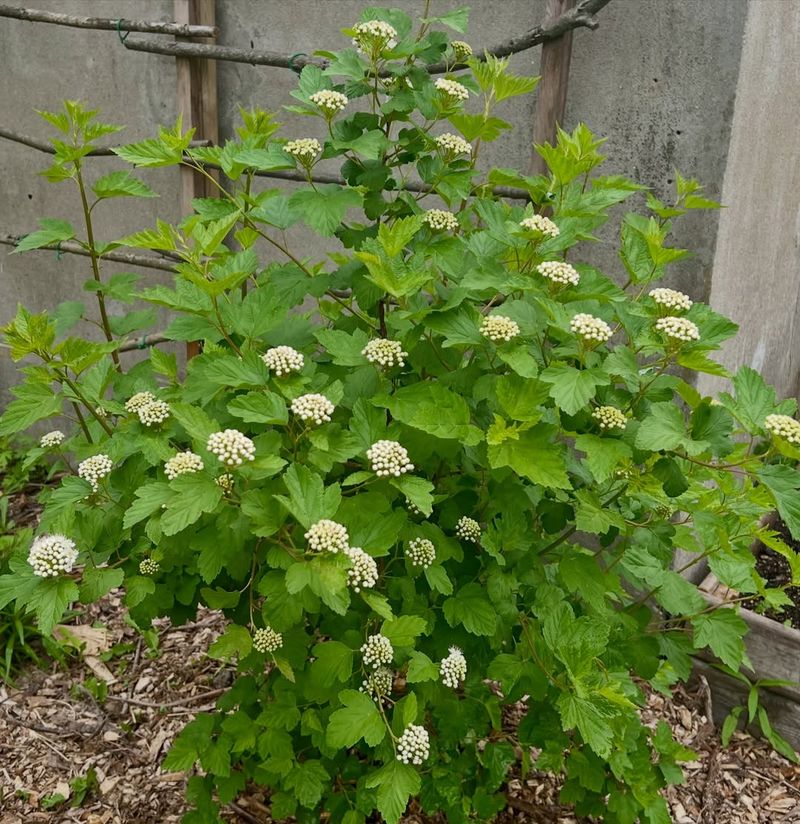
Michigan soil is all over the map, and that is not just a figure of speech. Drive from Detroit to Traverse City and you will pass through heavy clay, sandy loam, rocky glacial deposits, and everything in between.
Finding a shrub that performs well across all those soil types is genuinely useful, and ninebark is one of the better options out there.
Clay soil, which drains slowly and can suffocate roots, is a common challenge in many yards. Ninebark handles it better than most ornamental shrubs.
Sandy soil, which drains too fast and holds little moisture, is another story ninebark can work with. It also grows naturally along stream banks, so it tolerates periods of moderate moisture without sulking.
That said, ninebark is not completely indestructible when it comes to soil. Consistently waterlogged or swampy conditions can cause problems over time, and extremely poor, dry, compacted soil will limit how well it thrives.
Full sun to part shade is the sweet spot for most cultivars, with shadier spots sometimes reducing foliage color intensity.
Amending your soil with a little compost before planting is always a good idea, but ninebark does not demand perfect conditions the way some finicky ornamentals do.
For gardeners dealing with imperfect soil, that flexibility is genuinely refreshing.
5. It Works As A Screen, Border, Or Foundation Shrub
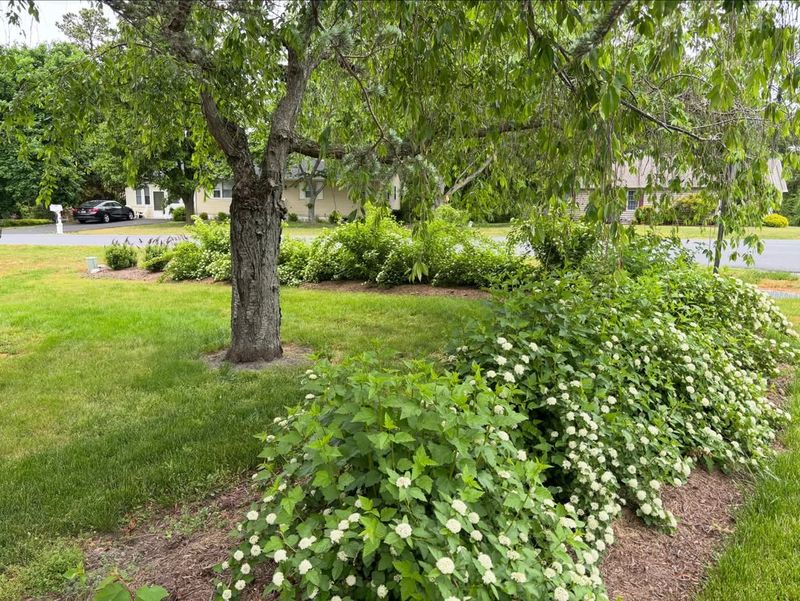
One of the best things about ninebark is how flexible it is in the landscape. Unlike some shrubs that only look right in one specific spot, ninebark fits into a surprising number of design situations.
Whether you want a privacy screen, a bold mixed border, or a foundation planting near your home, this shrub can step into the role without much fuss.
As a screen, larger varieties like Diabolo can reach eight to ten feet tall and nearly as wide, creating a dense, leafy barrier that blocks sightlines and reduces noise.
For mixed borders, its arching habit and colorful foliage create a natural backdrop for perennials and ornamental grasses.
As a foundation shrub, compact cultivars like Little Devil stay under four feet, making them much easier to manage near the house.
Spacing matters when you plant ninebark. For screening purposes, placing shrubs about five to six feet apart allows them to fill in without overcrowding.
Left unpruned, ninebark grows vigorously and can become quite large, so gardeners who want a tidy look should plan for annual shaping.
Pruning right after the spring bloom is the best time to cut it back without sacrificing next year’s flowers.
Understanding the mature size before planting saves a lot of headaches down the road and keeps your yard looking intentional and well-planned.
6. Its Peeling Bark Adds Winter Interest
Most shrubs become invisible in winter. Once the leaves drop and the flowers are long gone, they blend into the background of a gray yard and offer nothing until spring arrives.
Ninebark breaks that pattern in a pretty remarkable way, and it all comes down to its bark.
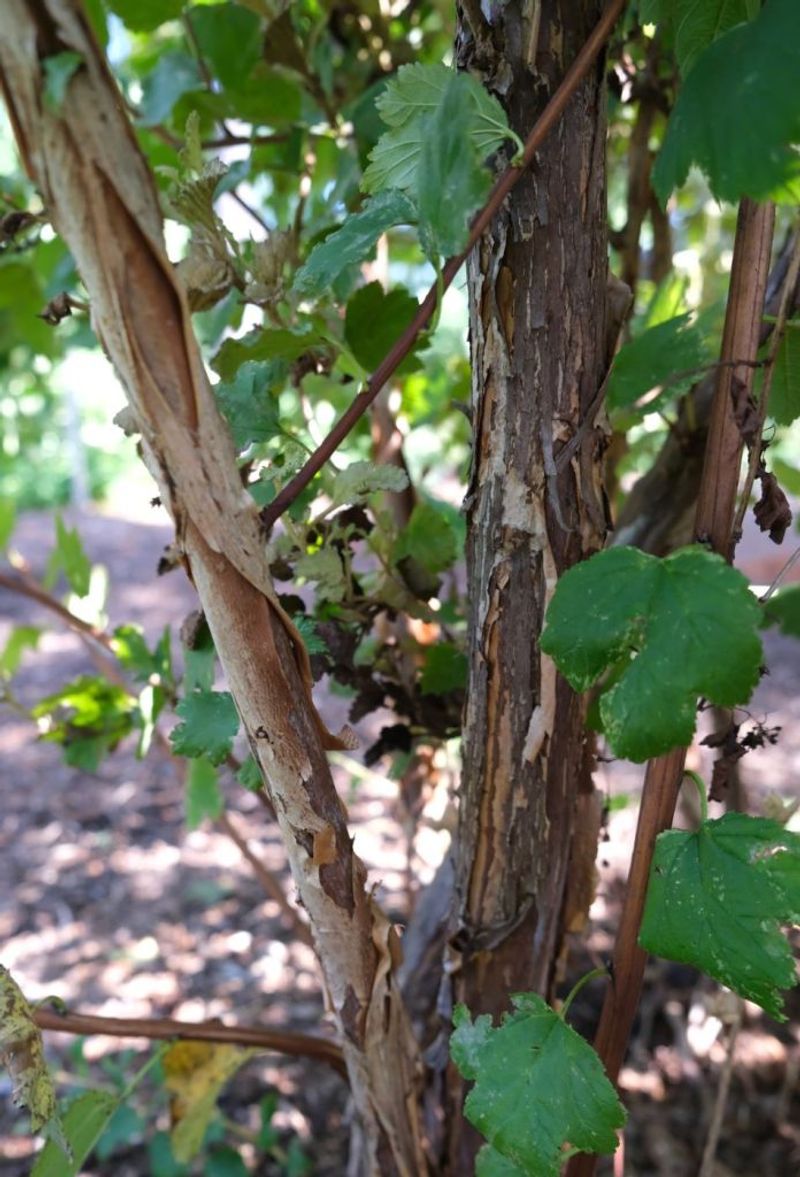
Mature ninebark stems develop a distinctive exfoliating bark that peels back in thin, papery layers, revealing warm cinnamon, tan, and grayish tones underneath.
On a bright winter day with snow on the ground, those peeling stems catch the light in a way that is genuinely beautiful. It is the kind of detail that makes visitors stop and ask what that plant is.
Forsythia has no comparable winter feature. Its stems are smooth and unremarkable once the leaves fall, leaving nothing of visual interest until the following April.
Ninebark, by contrast, gives your yard texture and structure even in the coldest months. This is especially valuable in Michigan, where the leafless season stretches from November well into April in many areas.
Gardeners who think carefully about winter interest often find that ninebark earns its spot in the yard during those quiet months just as much as it does in summer.
The peeling bark is not just a quirky trait but a genuine design asset that makes the whole yard feel more intentional and alive year-round.
7. It Supports Pollinators And Wildlife
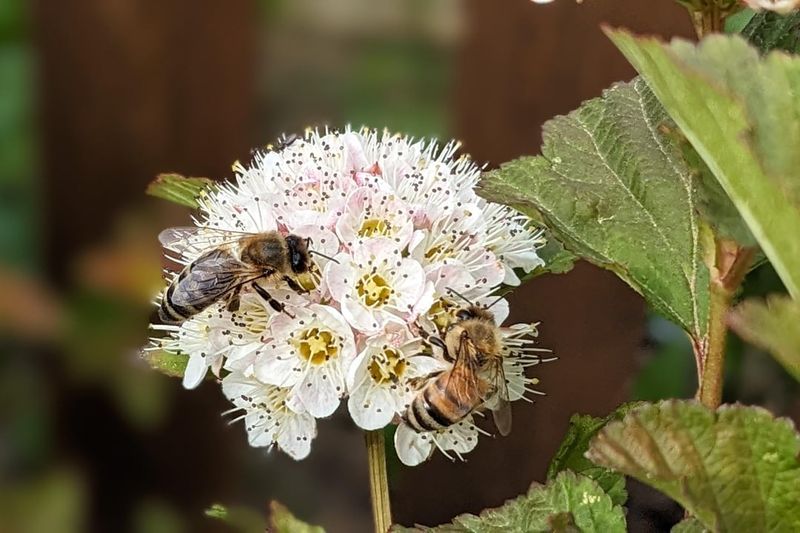
Any gardener who has watched a forsythia bloom in spring knows how quiet it is out there. Bees and butterflies barely stop by, and that is not a coincidence.
Forsythia is a nonnative plant, and the insects and wildlife that evolved in Michigan simply do not have the same relationship with it that they do with plants like ninebark.
Ninebark’s late-spring flower clusters are genuinely popular with native bees, bumblebees, and butterflies. The flowers offer accessible pollen and nectar, making the shrub a reliable pit stop during a critical time of year when pollinators are actively foraging.
After the flowers fade, the reddish seed clusters provide food for birds heading into fall, and the dense branching structure offers shelter and nesting opportunities for small songbirds.
Research on native plants consistently shows that shrubs like ninebark support far more insect species than nonnative ornamentals, and more insects means more food for birds higher up the food chain.
Planting even one or two ninebark shrubs in a Michigan yard creates a small but meaningful habitat patch.
For gardeners who want to do something genuinely good for the local environment while also having a beautiful yard, ninebark is one of the most satisfying choices available.
It works hard on behalf of the ecosystem without requiring anything extra from you.
8. Cultivars Offer Burgundy, Gold, Copper, And Green Foliage
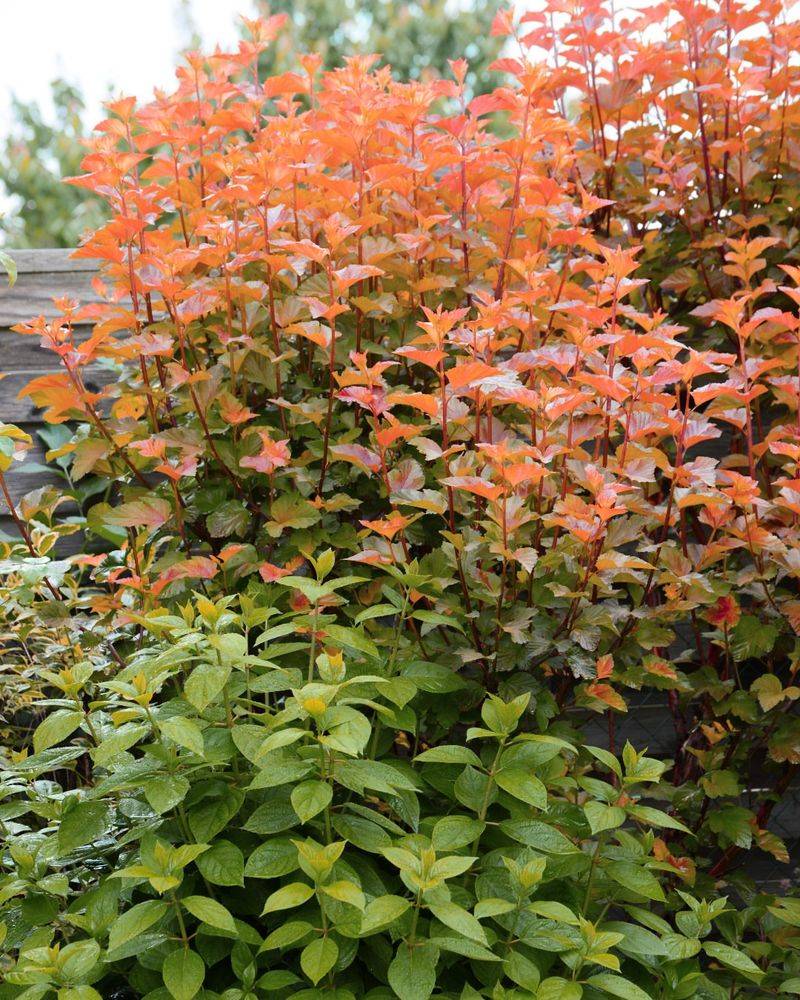
One of the most exciting things that happened to ninebark over the past few decades is the explosion of colorful cultivars that plant breeders developed from the original native species.
Walk into any Michigan garden center today and you will likely find several ninebark options in dramatically different foliage colors, each with its own personality and size.
Diabolo is probably the most recognized, with deep purple-burgundy leaves that hold their color well through summer heat. Summer Wine is a more compact option with wine-red foliage and a graceful arching form.
Little Devil offers the same rich color in a much smaller package, topping out around three to four feet, perfect for tighter spaces.
Amber Jubilee and Ginger Wine bring warm copper and orange tones into the mix, giving gardeners who want something a little different a genuinely striking option.
Forsythia simply does not offer this kind of variety. Its foliage is plain green from late spring through fall, with no dramatic color to speak of outside that brief bloom window.
Ninebark cultivars, by contrast, act as living color anchors in the landscape all season long.
One important note worth keeping in mind: straight species ninebark with its natural green foliage often provides the strongest ecological value for native pollinators and insects.
So mixing cultivars with some straight species plants is a smart approach for gardeners who want both beauty and habitat.
9. It Can Be Renewed When It Gets Overgrown
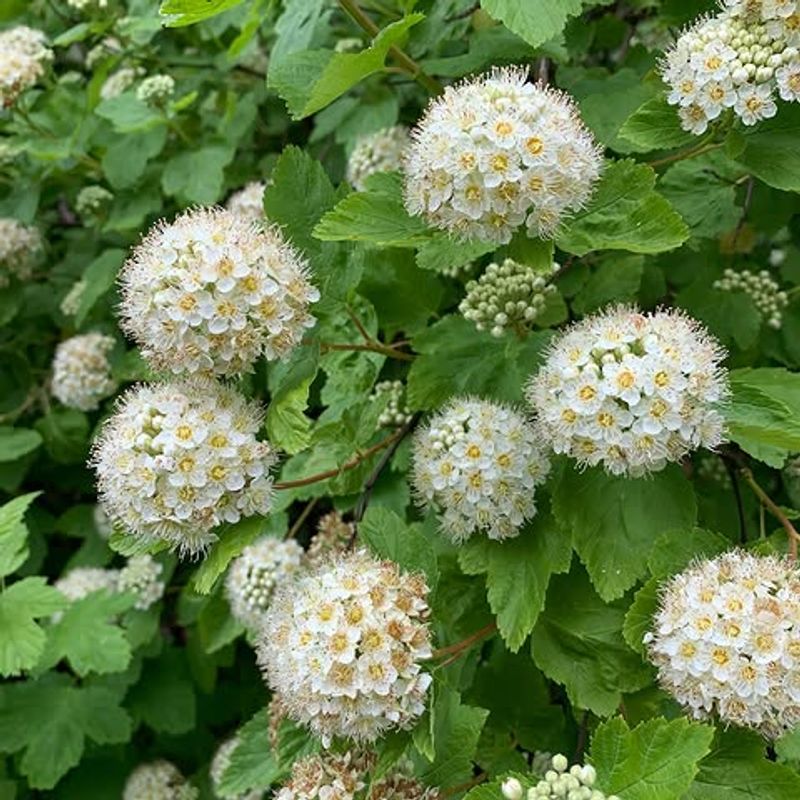
Every shrub eventually gets a little out of hand, and ninebark is no exception.
Left completely unpruned for several years, it can develop a tangle of old woody stems that crowd the center, reduce airflow, and make the whole plant look tired and shapeless.
The good news is that ninebark responds exceptionally well to pruning, including the kind of hard renewal pruning that would stress a less tough shrub.
Renewal pruning involves cutting the oldest, thickest stems down near the base in late winter or very early spring before new growth begins.
Removing about one-third of the oldest stems each year over three years gradually refreshes the entire plant without shocking it.
If a ninebark has been truly neglected, cutting the whole thing back hard to about twelve to eighteen inches from the ground is also an option, though that approach will likely reduce or eliminate flowering for that one season.
For gardeners who want to maintain the natural arching shape without starting over, selective thinning right after the spring bloom is a gentler approach.
Removing crossing branches, dry wood, and any stems that crowd the center keeps the shrub open and healthy without sacrificing too much of its graceful form.
Knowing that ninebark can bounce back from hard pruning makes it a low-stress choice for Michigan yards where shrubs sometimes outgrow their welcome over the years.