These Are The Ohio Native Plants To Grow Instead Of Lantana
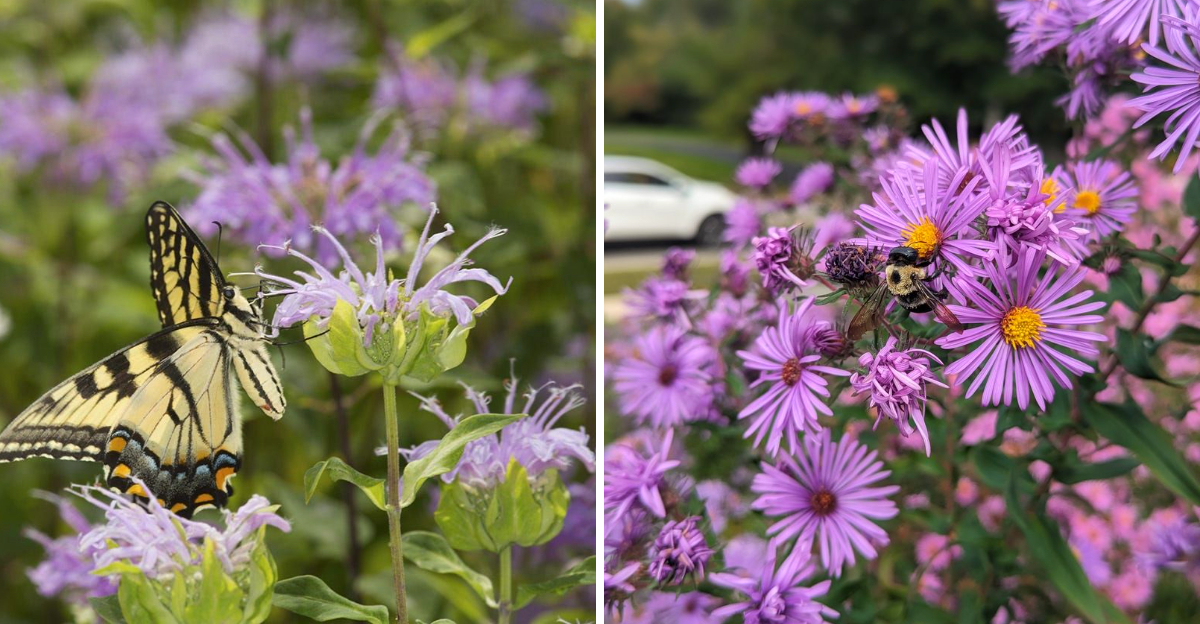
Lantana is hard to argue with. Non-stop summer color, serious heat tolerance, butterflies practically lining up to visit: it is one of those plants that just delivers every single season.
Gardeners love it, and for good reason. But here’s the thing: lantana doesn’t survive Ohio winters, which means buying it again every single year.
And while that’s a perfectly reasonable choice, more and more gardeners are starting to ask what a truly low-maintenance, plant-it-once alternative might look like.
Ohio native perennials can bring that same energy: bold color, serious pollinator activity, and real seasonal texture, without the annual replanting cycle.
They’re not exact copies of lantana, and some grow a bit bigger or bloom on a different schedule, but when matched to the right spot they can absolutely hold their own. Sometimes even outperform it.
1. Butterfly Milkweed Brings Bright Summer Color
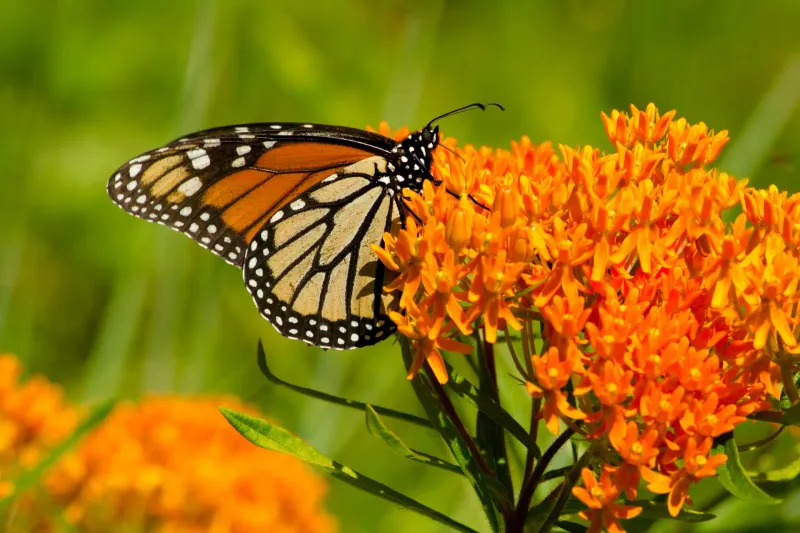
Few native plants in Ohio can match the eye-catching intensity of butterfly milkweed when it bursts into bloom during early to midsummer.
The clusters of vivid orange flowers practically glow in a sunny border, offering a warmth that feels right at home next to ornamental grasses or low-growing perennials.
Lantana fans who love bold, saturated color will find butterfly milkweed scratches that same itch in a very satisfying way.
Beyond the color, this plant is a genuine workhorse for pollinators. Monarch butterflies rely on milkweed as a host plant, and the blooms also attract native bees, swallowtails, and other beneficial insects.
Planting it in an Ohio sunny bed means you are supporting the broader landscape, not just your own yard.
Butterfly milkweed tends to thrive in well-drained or even dry soil, making it well suited to slopes, gravel gardens, and raised beds where water drains quickly. It grows roughly one to two feet tall, which keeps it manageable in a mixed perennial planting.
One thing to keep in mind is that it emerges late in spring, so marking its location over winter helps avoid accidentally disturbing the roots before it shows up again.
2. Wild Bergamot Draws Busy Pollinators
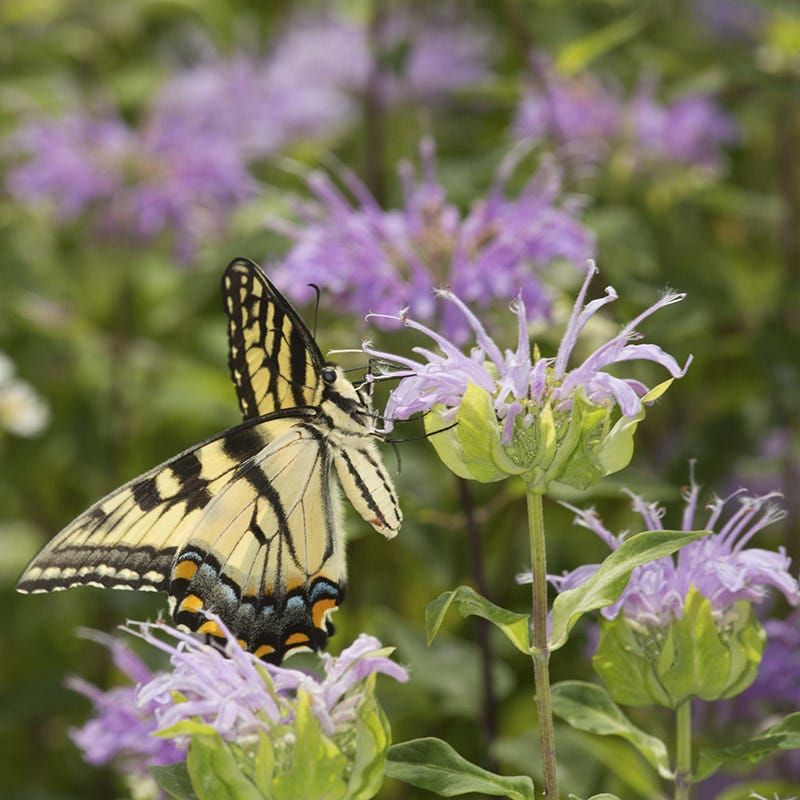
On a warm Ohio afternoon, wild bergamot practically hums with activity.
The lavender-pink flower heads attract a wide variety of native bees, bumblebees, and butterflies throughout midsummer, creating the kind of lively garden scene that makes you want to pull up a chair and watch.
If pollinator movement was one of the things you loved about lantana, wild bergamot delivers that same energy with a distinctly native flair.
This plant belongs to the mint family, and while it does not taste like the bergamot used in teas, it carries a pleasant herbal fragrance when you brush against its leaves.
It typically grows two to four feet tall, which gives it a presence that works well in the middle or back of a sunny perennial border.
The rounded flower heads also add an interesting texture that contrasts nicely with spiky or fine-leaved plants nearby.
Wild bergamot generally prefers well-drained soil and full sun, though it can handle light shade and moderately dry conditions once it is established. In Ohio gardens, it tends to spread gradually over time, so leaving a little room around it pays off in the long run.
Your Ohio Garden Changes Every Week. Your Plan Should Too.
Gardening in Ohio changes quickly throughout the season. Every Friday you’ll receive a simple weekly plan showing exactly what to plant, prune, fertilize, harvest, and protect so you never miss the right timing.
Cutting it back after flowering can help keep the clump tidy and encourage repeat blooming.
3. Gray-Headed Coneflower Adds Sunny Blooms
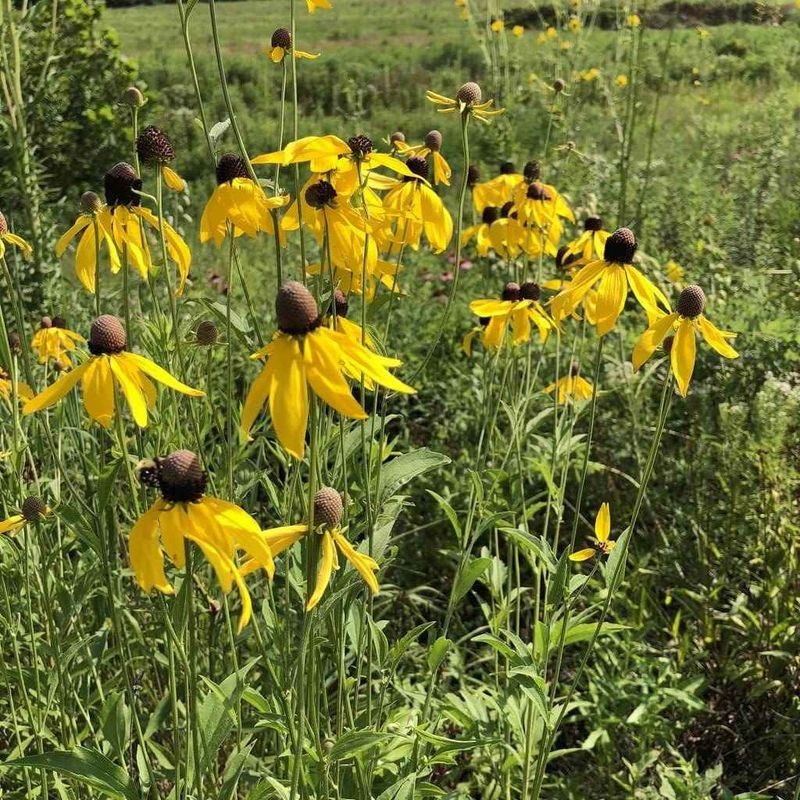
There is something cheerful and a little whimsical about gray-headed coneflower, with its bright yellow petals that droop downward from a raised, grayish-brown cone center.
It blooms generously through midsummer and into early fall, covering sunny Ohio beds with a relaxed, cottage-garden feel that pairs well with grasses and other upright natives.
If you have been relying on lantana to keep color going through the hottest stretch of summer, this coneflower can carry a lot of that visual weight.
Gray-headed coneflower tends to grow three to five feet tall, which makes it better suited to the middle or back of a border rather than the front edge.
Its height gives it a meadow-style look that works especially well in larger residential landscapes or along fences and property lines.
The seed heads that form after bloom are also attractive and can provide food for birds heading into fall.
This plant is adaptable and generally tolerates dry to medium soils once established, which suits many Ohio garden conditions. It spreads by seed over time, so thinning seedlings occasionally helps keep it from crowding out neighbors.
For homeowners looking to create a low-maintenance, high-impact sunny planting, gray-headed coneflower earns its place with very little fuss.
4. Black-Eyed Susan Fills Garden Gaps

Walk through almost any Ohio meadow or roadside planting in summer and you will likely spot black-eyed Susan putting on a show. Its golden yellow petals and dark centers are one of the most recognizable combinations in native gardening, and for good reason.
This plant blooms reliably through the heat of summer, filling in gaps between larger perennials and keeping borders looking full and colorful when other plants start to fade.
Black-eyed Susan is a short-lived perennial that often self-seeds to maintain its presence in a planting over time. This quality makes it useful for naturalistic or cottage-style beds where a little self-direction from the plant is welcome.
It generally grows one to three feet tall depending on conditions, which gives it flexibility as a front-to-middle border plant in most residential landscapes.
Full sun and well-drained soil tend to bring out the best in this plant, though it can handle a range of conditions with reasonable tolerance.
Unlike lantana, which needs to be replanted each year in Ohio, black-eyed Susan returns on its own once it settles in, saving time and money over the long run.
The seed heads left standing through fall and winter also add texture and attract small birds like goldfinches.
5. Dense Blazing Star Adds Tall Purple Spikes
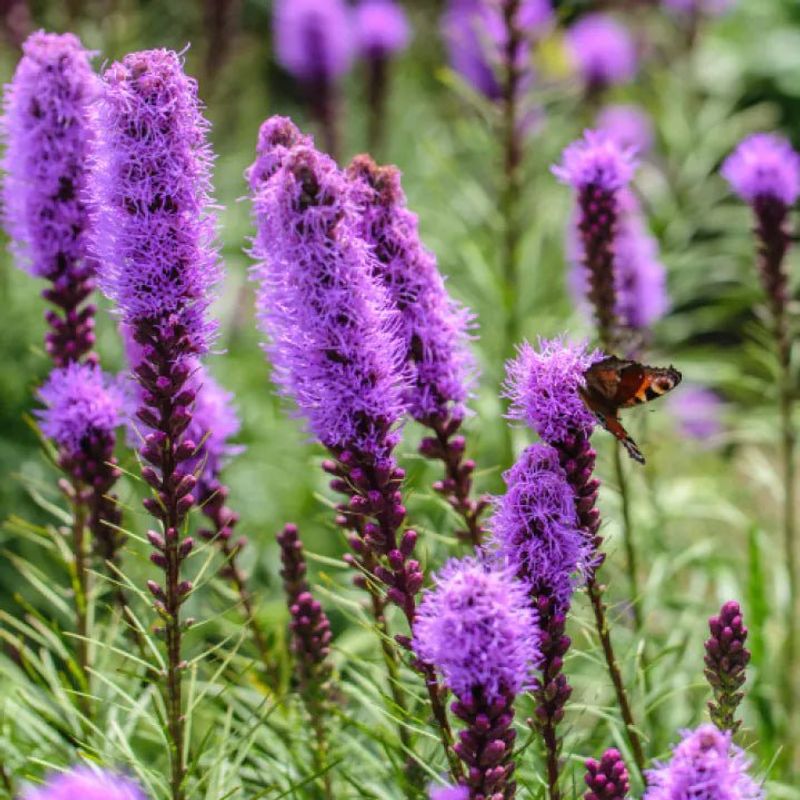
When late summer rolls around in Ohio and some of the earlier bloomers start winding down, dense blazing star steps in with tall, vivid purple spikes that stop people in their tracks.
The flowers open from the top of the spike downward, which is unusual among garden plants and gives the display a slow-building quality that extends the show over several weeks.
Monarch butterflies and native bees visit the blooms heavily during this period, making it one of the more ecologically active plants you can add to a sunny Ohio border.
Dense blazing star typically grows two to four feet tall, which suits it to the middle or back of a mixed perennial bed.
Its upright, narrow form means it does not take up much horizontal space, making it a good choice for tighter planting areas along walkways or fences.
The dried seed heads also attract birds later in the season, extending the plant’s value well past its bloom period.
This plant tends to prefer moist to medium well-drained soil and full sun, and it may need a bit more consistent moisture than some of the other native options on this list.
In gardens with heavier clay soil that retains some moisture, dense blazing star often performs quite well.
Staking may occasionally be needed in very rich soil where stems can grow tall and lean.
6. Ohio Spiderwort Opens Soft Blue Flowers
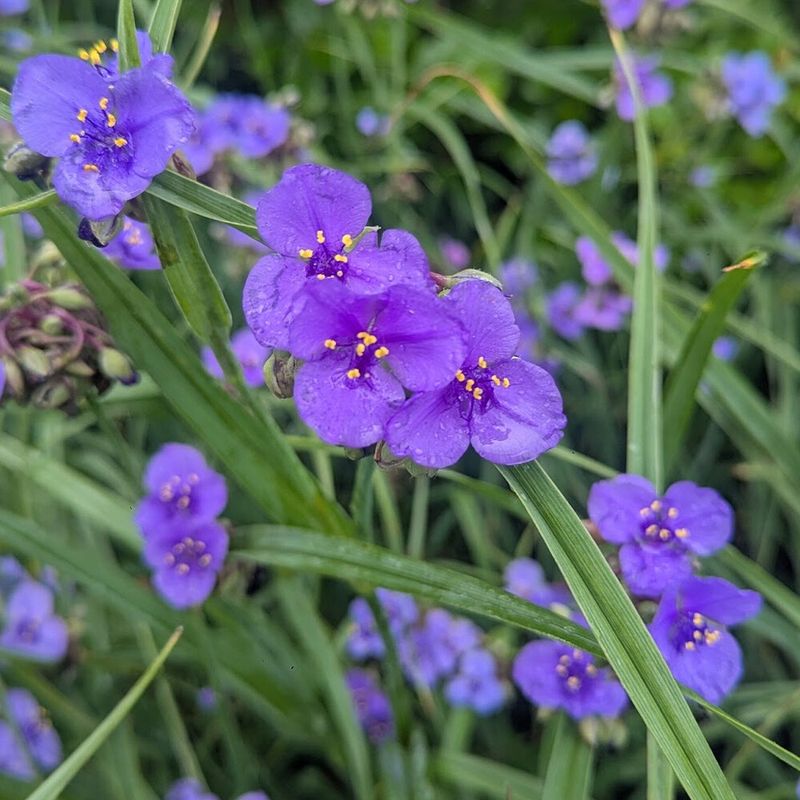
Named for the state itself, Ohio spiderwort feels like a natural fit for gardens across the region.
It produces clusters of soft blue to violet three-petaled flowers from late spring through early summer, and individual blooms open each morning before closing by afternoon.
That fleeting daily rhythm gives the plant a quiet, almost poetic quality that gardeners who pay close attention to their beds tend to appreciate.
Ohio spiderwort grows roughly one to two feet tall and works well along walkway edges, in cottage gardens, or at the front of a shaded or partly shaded border.
While lantana loves full sun and heat, spiderwort tends to prefer partial shade or morning sun with afternoon protection, especially during Ohio’s hottest stretches.
This makes it a useful option for spots where lantana would likely struggle.
After the main flush of bloom, the foliage can become a bit ragged in summer heat. Cutting the plants back by about half after blooming often encourages a fresh flush of leaves and sometimes a second round of flowers in late summer or early fall.
Ohio spiderwort spreads gradually and may self-seed in favorable conditions, so giving it a defined space in the border helps keep things tidy while still allowing the plant room to settle in naturally.
7. Slender Mountain Mint Supports Pollinator Visits
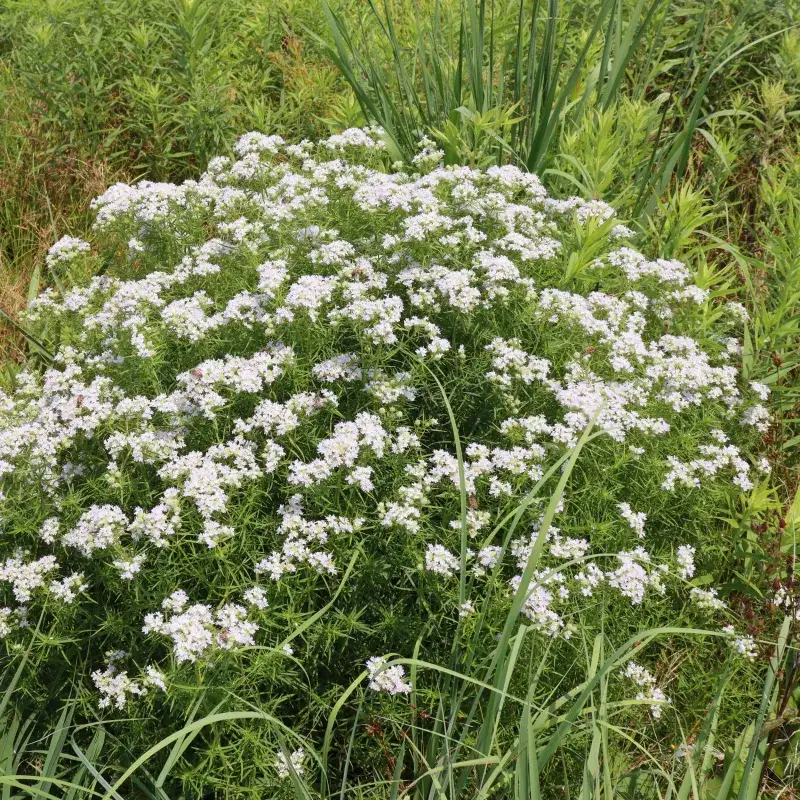
If sheer pollinator activity is what you want from a summer planting, slender mountain mint may be one of the most productive plants you can put in the ground.
The small white flowers are modest in size but absolutely magnetic to native bees, wasps, beetles, and butterflies throughout midsummer and into early fall.
On a sunny afternoon, the blooms can be covered with visiting insects almost constantly, creating a buzzing, lively border that feels genuinely alive.
The silvery-green foliage adds its own appeal, giving the plant a light, airy look that contrasts well with darker-leaved perennials nearby.
Slender mountain mint grows roughly two to three feet tall and tends to spread by rhizomes over time, gradually filling in a bed with a soft, textured mass.
This spreading habit makes it a strong candidate for naturalistic plantings, pollinator gardens, or areas where coverage and ground interest are welcome.
Full sun and well-drained to medium soil tend to suit this plant well in Ohio landscapes. It handles summer heat and dry spells reasonably well once established, which is a practical advantage in exposed sunny beds.
Because it spreads, planting it where it has some room to expand or using a root barrier helps manage its footprint without limiting the pollinator benefits it brings to the garden.
8. New England Aster Extends Late Color
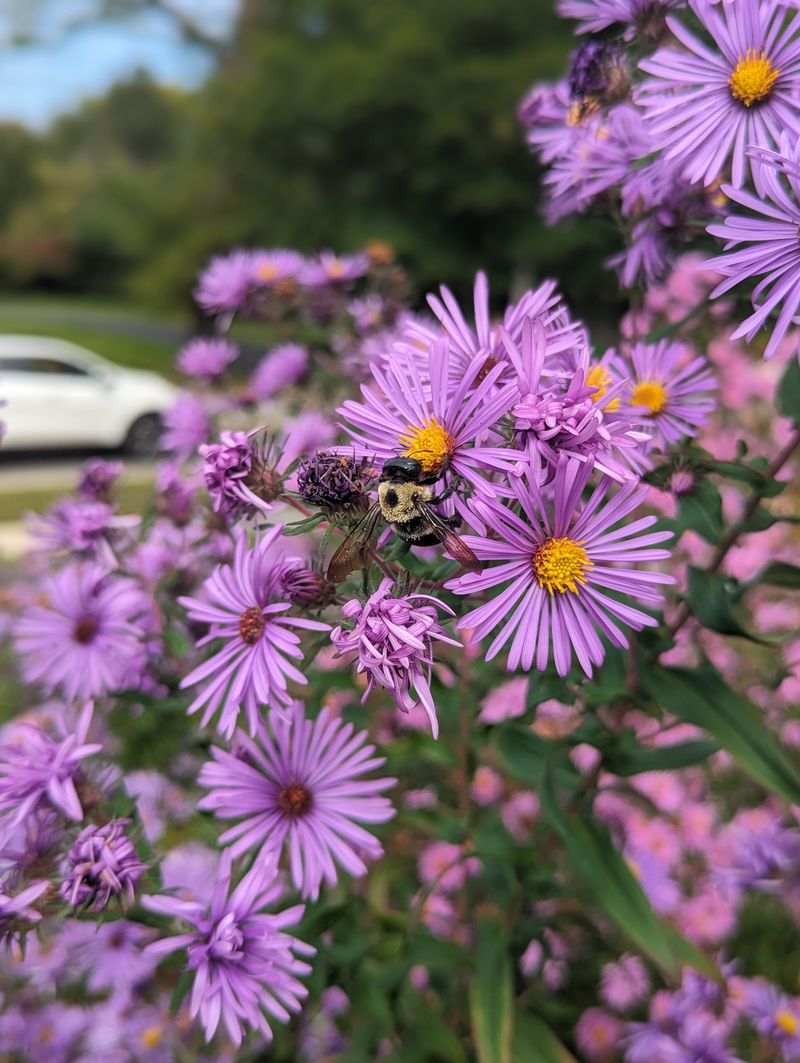
By the time late September arrives in Ohio, most summer annuals including lantana are fading fast.
New England aster picks up right where the warm-season color leaves off, covering itself in vivid purple, pink, or lavender flowers with bright yellow centers well into October.
For gardeners who want a long season of color from a single planting, this native perennial fills a gap that very few other plants can cover as reliably.
New England aster can grow quite tall, sometimes reaching four to six feet in rich, moist soil, which means it works best toward the back of a border or in a spot where height is an asset rather than a problem.
Pinching the stems back once or twice in early summer helps keep the plant more compact and encourages bushier growth with more bloom sites.
This simple step makes a noticeable difference in how the plant looks come fall.
Monarch butterflies stopping in Ohio during their fall migration are drawn to New England aster blooms, making this plant especially meaningful for gardeners who care about supporting pollinators through the season’s end.
It generally prefers medium to moist soil and full to partial sun.
In gardens with decent moisture, it tends to establish well and return reliably each year with minimal attention needed once it is settled in.
9. Lanceleaf Coreopsis Brightens Sunny Beds
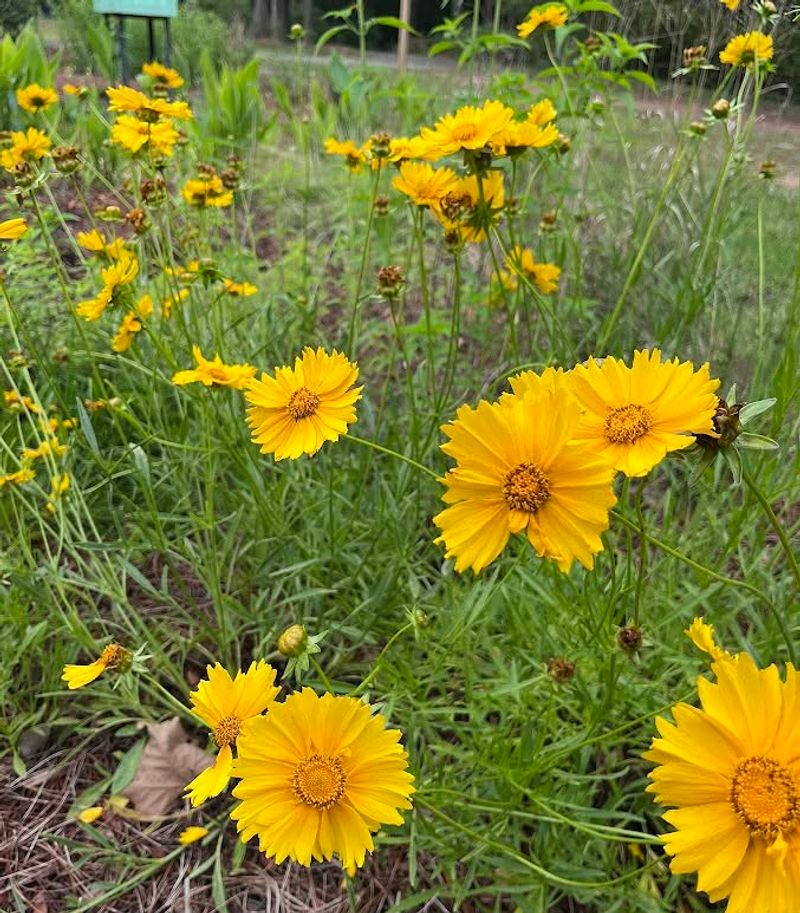
Sunny, well-drained beds in Ohio are exactly where lanceleaf coreopsis tends to shine. The cheerful yellow daisy-like flowers bloom from late spring through midsummer, and deadheading spent blooms can encourage the plant to keep going well into the season.
For gardeners who relied on lantana to keep a sunny border looking bright and full, lanceleaf coreopsis offers a native alternative that thrives under similar heat and light conditions.
This plant grows roughly one to two feet tall and has a fine-textured, narrow-leaved appearance that gives it a delicate look despite its toughness.
It works well along walkway edges, in rock gardens, or at the front of a mixed perennial border where lower-growing plants are needed.
The plant also tends to self-seed modestly, which means a small planting can gradually expand and fill in a bed over a few seasons without requiring much effort.
Lanceleaf coreopsis is one of the more drought-tolerant natives on this list, making it a solid choice for Ohio sites with sandy or gravelly soil where moisture drains away quickly.
It generally does not perform as well in heavy clay or consistently wet areas, so matching it to the right site matters.
When planted in a spot it likes, this coreopsis rewards gardeners with a long, bright display and very little upkeep needed.