Native Ohio Plants To Grow Instead Of Pachysandra Under Mature Trees
Pachysandra has had a really good run. Decades of covering shady yards, staying green through winter, and handling that stubborn dry shade under big trees without complaint.
Honestly, respect. But gardening tastes are shifting, and a lot of homeowners are starting to ask a pretty fair question: what if that shady patch under the maple could do a little more?
Native ground covers bring something pachysandra simply can’t: a real connection to Ohio’s woodland character, genuine wildlife value, and the kind of texture and seasonal interest that makes a shady corner feel intentional rather than just filled in.
They may not always create that same dense evergreen carpet, and that’s actually fine. Some of the most beautiful spaces in an Ohio garden are the ones that feel like they truly belong there.
1. Canadian Wild Ginger Fills Shade With Quiet Texture
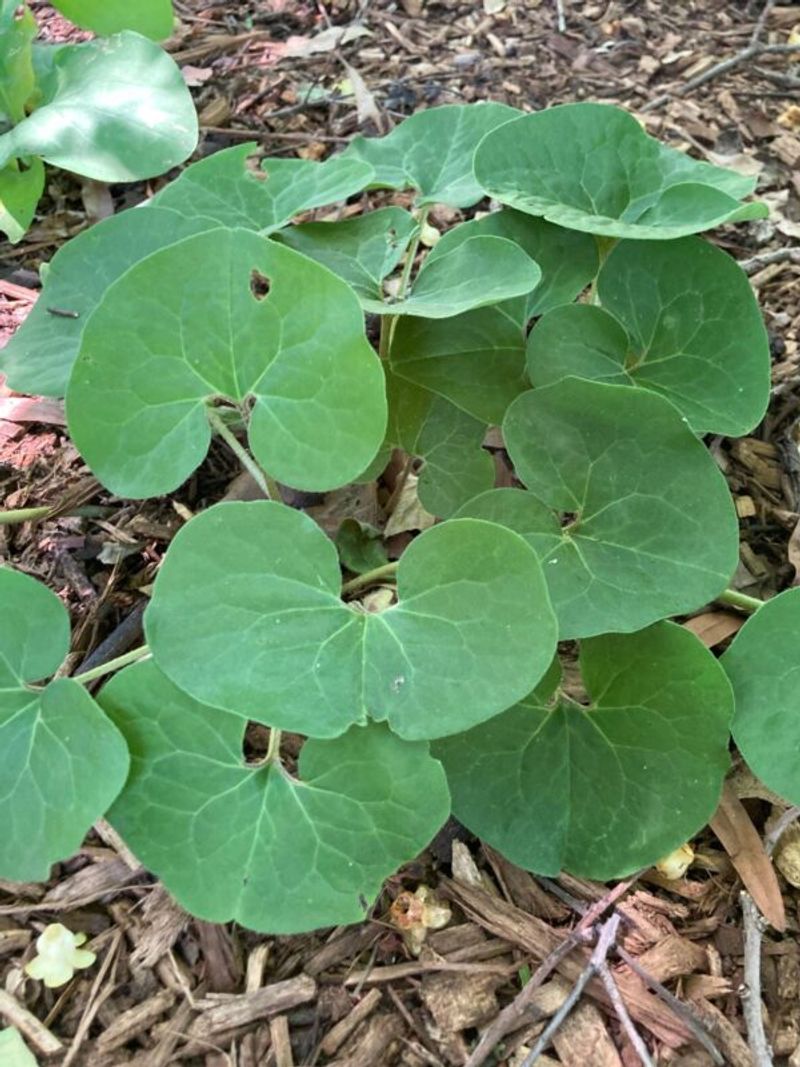
Root-heavy soil under a mature Ohio tree can feel like a tough puzzle to solve, and Canadian wild ginger is one of the more satisfying answers.
This low-growing native plant spreads slowly by rhizomes, forming a dense mat of large, heart-shaped leaves that cover the ground with a rich, velvety look.
The foliage stays attractive from spring through fall, and in some Ohio winters, the leaves may even persist through mild stretches, adding a little extra visual staying power.
Canadian wild ginger handles dry to moderately moist shade well, which makes it a practical fit for the root-compacted, low-moisture conditions that often develop under established oaks, maples, and beeches.
It does not spread aggressively, so it tends to fill in gradually rather than taking over neighboring beds.
That slow, steady growth pattern can actually work in its favor in tightly managed home landscapes where you want something that stays where you put it.
The plant sits low to the ground, typically reaching only about six to eight inches tall, which gives it a tidy, contained appearance without much maintenance.
It works well along shaded borders, on gentle slopes under trees, and in side yards where little else seems to take hold.
The leaves have a slightly glossy texture that catches filtered light beautifully on bright days. One small botanical note worth knowing: wild ginger does produce a tiny, hidden flower at the base of the plant in early spring, though it is rarely noticed.
For gardeners wanting a quiet, dependable ground layer under trees, Canadian wild ginger is a thoughtful choice.
2. Broad-Leaved Sedge Softens The Space Under Trees
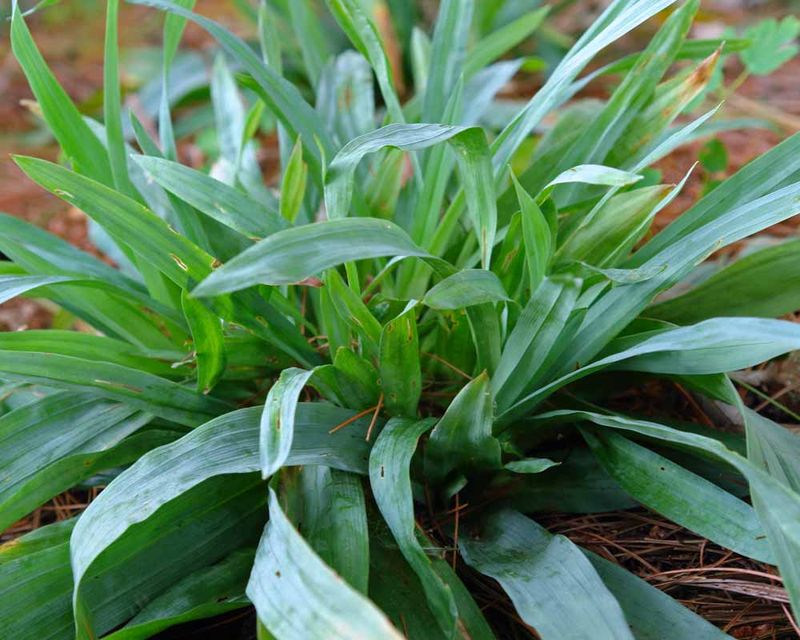
Few plants handle the combination of deep shade and root competition under a mature tree quite as gracefully as broad-leaved sedge.
Unlike many ornamental grasses that need sun to look their best, this native sedge genuinely thrives in low-light conditions, producing wide, arching leaves that give shaded beds a soft, layered look.
The overall effect is relaxed and naturalistic, which suits the woodland character that many Ohio homeowners are trying to create under large established trees. It helps shaded ground feel planted and intentional instead of thin and neglected.
Your Ohio Garden Changes Every Week. Your Plan Should Too.
Gardening in Ohio changes quickly throughout the season. Every Friday you’ll receive a simple weekly plan showing exactly what to plant, prune, fertilize, harvest, and protect so you never miss the right timing.
Broad-leaved sedge tolerates a range of soil conditions, including the dry, compacted ground that often develops around the base of mature oaks or maples.
It grows in loose clumps rather than spreading aggressively, so it tends to stay organized in a bed without constant editing.
Over time, individual clumps can be divided and spread to fill more ground if desired, making it a fairly economical option for covering larger shaded areas in Ohio yards.
The foliage typically reaches about twelve to eighteen inches in height, giving it enough presence to look substantial without overwhelming smaller companion plants.
It pairs nicely with Canadian wild ginger or Christmas fern in layered shade plantings, and the contrasting leaf shapes create an interesting visual mix.
Broad-leaved sedge also produces subtle seed heads in late spring that add a quiet, natural detail to the planting without being showy.
For gardeners tired of fighting bare patches under trees, this sedge offers a grounded, practical solution that leans into the natural character of a shaded woodland-style bed rather than working against it.
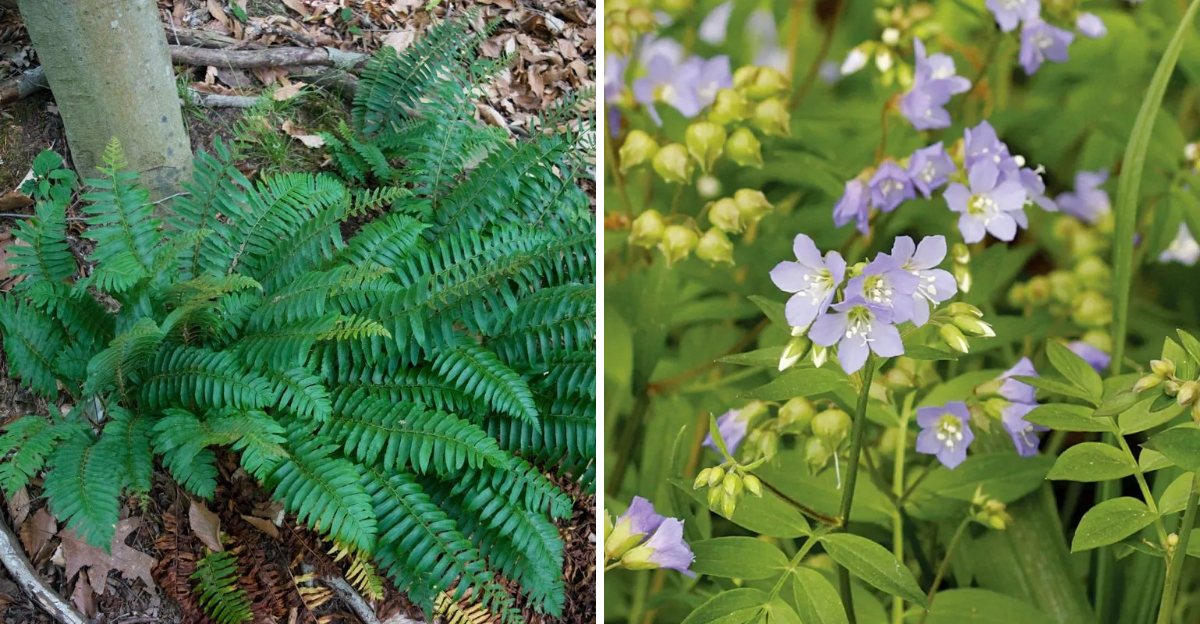
3. Christmas Fern Keeps Shady Beds Looking Full
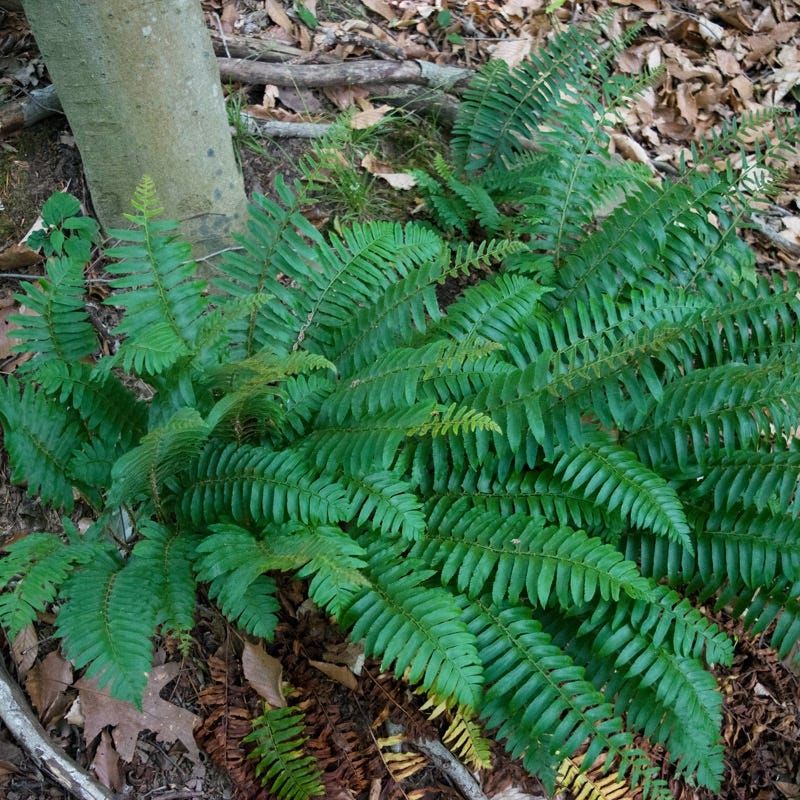
There is something reassuring about a plant that stays green when everything else around it has gone quiet for the winter.
Christmas fern earns its name from exactly that quality: the dark, leathery fronds hold their color through Ohio winters, giving shaded beds a sense of fullness even in the coldest months.
That evergreen presence is part of what makes it one of the more appealing native alternatives for gardeners who have relied on pachysandra for year-round visual coverage under trees.
It gives a shaded planting a steady backbone when many other perennials have disappeared for the season.
Christmas fern grows in graceful, arching clumps that can reach about one to two feet tall, spreading gradually through new crowns rather than running aggressively across the ground.
It handles dry to moderately moist shade well and is notably adaptable to the tough root-filled conditions that develop under mature trees like oaks and beeches.
It does tend to prefer sites with some organic matter in the soil, so working a little compost into the planting area can help it establish more comfortably, especially in heavily compacted spots.
Once settled in, Christmas fern asks for very little attention. The old fronds flatten to the ground by late winter as new growth begins to emerge in spring, which creates a natural mulching effect around the base of the plant.
It works beautifully as a foundation layer in shaded Ohio beds, and it pairs well with spring ephemerals, wild ginger, and woodland asters for a layered, multi-season look.
For gardeners wanting something dependable, attractive, and genuinely native, Christmas fern is a strong candidate worth considering.
4. Woodland Aster Adds Late Color To Woodland Shade
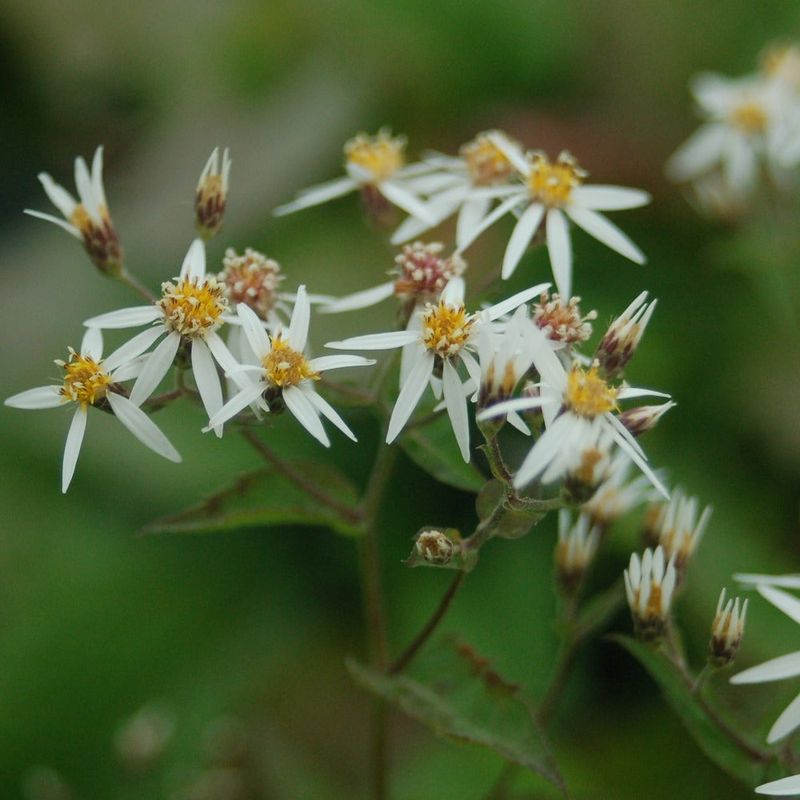
By the time late summer arrives in Ohio, most plants under mature trees have settled into a quiet routine of green foliage with little excitement.
Woodland aster breaks that pattern in the best possible way, sending up clusters of small, star-shaped flowers in white to pale lavender just when the rest of the shade bed has gone still.
That late-season bloom is genuinely useful in Ohio landscapes where seasonal color under trees can feel hard to come by. It gives shady areas a fresh burst of life right when many gardens are starting to wind down.
Woodland aster is a native Ohio plant that naturally grows in open woods and shaded borders, which means it is already adapted to the kind of filtered light and root competition that make under-tree planting so challenging.
It typically grows between one and three feet tall depending on the shade level and soil moisture, and it tends to stay on the shorter side in denser shade.
The plant spreads over time through both rhizomes and self-seeding, so it can gradually fill in open areas in a naturalistic way without requiring much intervention from the gardener.
Beyond its visual appeal, woodland aster provides late-season support for native pollinators, including small native bees that are still active in September and October.
That ecological connection is part of what makes it a more meaningful planting choice compared to a non-native ground cover.
It works well combined with Christmas fern and broad-leaved sedge in layered shade beds, where its upright form adds height and contrast.
For gardeners looking to extend seasonal interest under mature trees, woodland aster is a genuinely rewarding option to explore.
5. Jacob’s Ladder Brings Gentle Spring Color
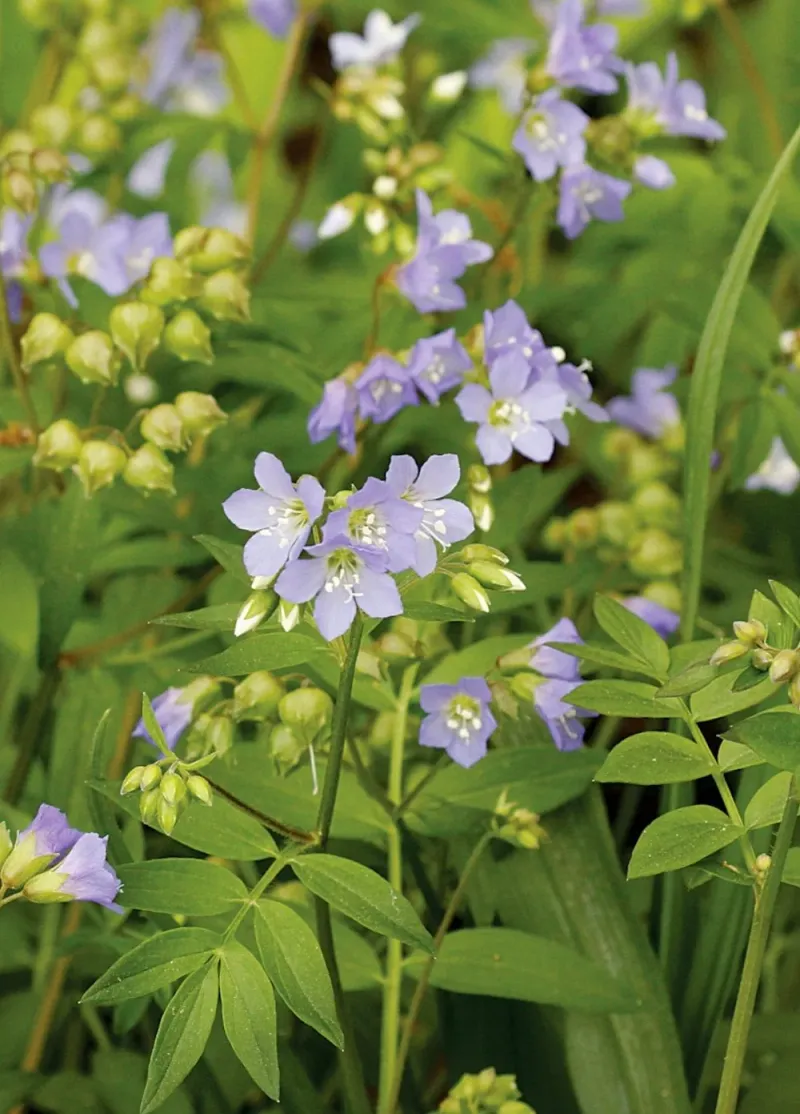
Walking past a shaded Ohio bed in spring and seeing clusters of soft blue-purple flowers emerging under a mature canopy is a small but genuine pleasure, and Jacob’s ladder is the plant responsible for that quiet reward.
The flowers appear in mid to late spring on upright stems that rise above finely divided, ladder-like leaves, creating a delicate and airy look that feels right at home in a woodland-style planting.
The foliage itself is attractive even when the plant is not in bloom, adding fine texture to a bed that might otherwise feel visually flat.
Jacob’s ladder grows naturally in moist, rich woodland soils across Ohio, and it tends to do best in sites with consistent moisture and good organic content.
It is not quite as drought-tolerant as Canadian wild ginger or Christmas fern, so it fits most comfortably under trees where some moisture is retained.
Think along the edges of shaded beds or spots that receive occasional supplemental watering during dry summers.
Planting it in a spot with morning light and afternoon shade can also help it perform more reliably.
The plant typically reaches about one to two feet in height and tends to go semi-dormant by midsummer after blooming, so pairing it with plants that hold their presence through the warmer months works well visually.
Broad-leaved sedge and Christmas fern make good companions for exactly that reason.
Jacob’s ladder may also self-seed gently over time, gradually expanding its presence in a bed without becoming difficult to manage. For gardeners wanting a touch of spring color in a shaded space, it is a plant worth getting to know.