How To Keep Ohio Zinnias Blooming From June Through October
Every gardener figures out zinnias differently and most of them figure it out the hard way. You direct sow, they germinate fast, blooms show up right on schedule, and for about six weeks your garden looks exactly like you planned.
Then the wheels come off. Powdery mildew creeping across the lower leaves, bloom production slowing down, plants that looked full and healthy in July turning into something you are embarrassed to point out by September.
Ohio summers do that to zinnias when the growing approach does not account for what is actually coming. Heat, humidity, rainfall patterns that shift dramatically between June and August.
Gardeners who crack the Ohio zinnia code share a few specific habits that separate a June-to-October bloomer from one that runs out of steam before the tomatoes are even finished.
Most of those habits are simpler than you think and none of them require starting over mid-season.
1. Plant Zinnias Where Full Sun Keeps Flowers Coming
A shady spot might seem harmless at first, but zinnias planted without enough direct sun will reward you with more leaves than flowers.
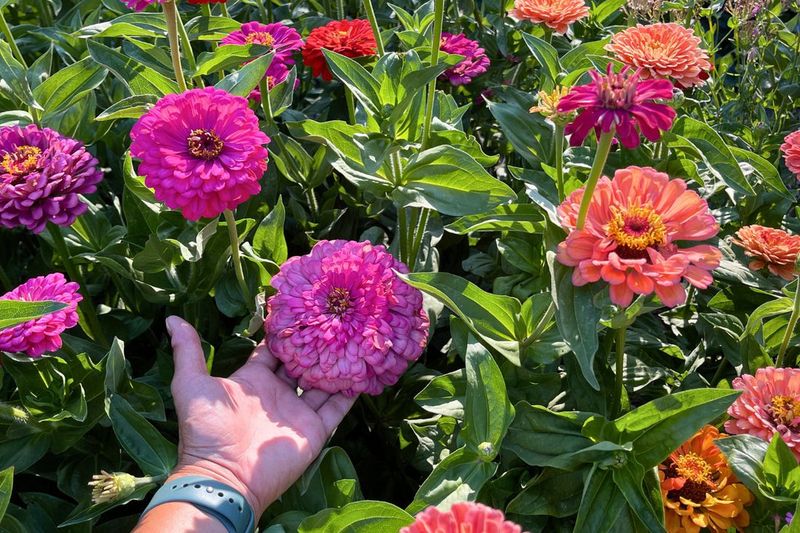
These plants are sun-lovers through and through, and they perform best with at least six to eight hours of direct light each day.
That kind of consistent exposure supports sturdy stems, healthy growth, and steady bloom production from early summer onward.
When choosing a planting site, look for open areas away from tall fences, dense shrubs, or larger plants that cast afternoon shade. Spots along the south or west side of a yard often get the strongest light exposure.
Good air movement around the planting site also matters, especially during the humid stretches that are common in Ohio summers.
June plantings benefit most from a bright, open location where light hits the bed for most of the day. Avoid tucking zinnias into corners where air stagnates.
A well-lit bed with decent airflow gives plants a much better chance of staying productive into late summer. If your zinnias are already in a semi-shaded spot and struggling to bloom, change that location next season.
2. Trim Spent Blooms Before Seed Production Slows Color
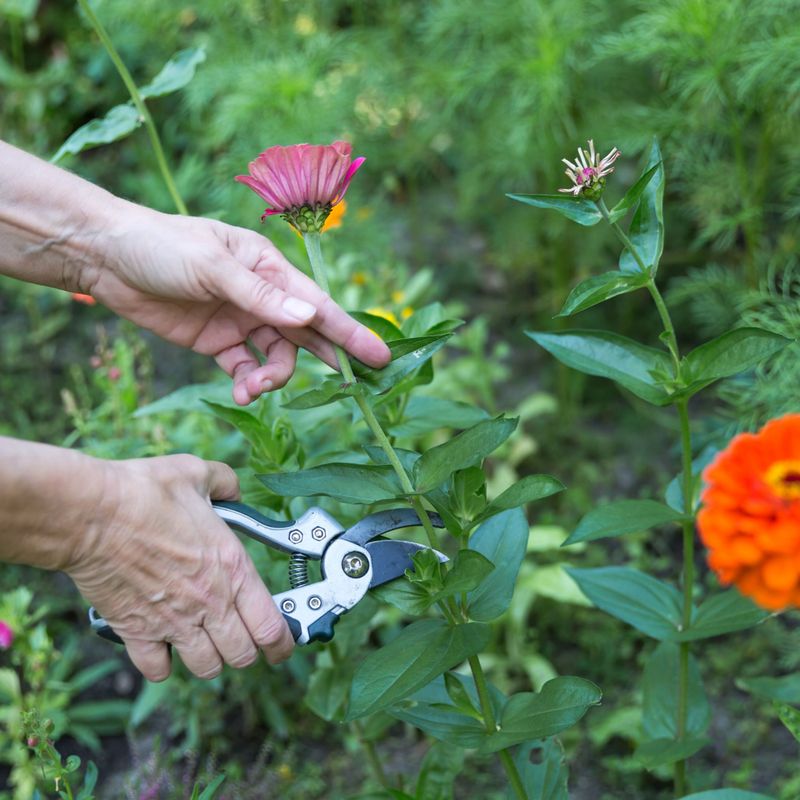
Once a zinnia flower starts fading, the plant shifts its energy toward making seeds. That is a natural process, but it works against anyone hoping for a long, colorful display.
Removing spent blooms before seeds mature signals the plant to produce more flowers instead of wrapping up its season early.
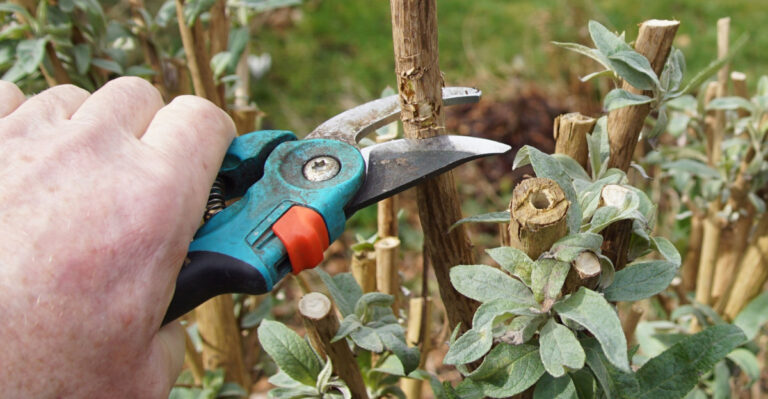
The key is cutting back to a leaf node or a visible side shoot rather than simply pulling off petals. Using clean snips or scissors makes a cleaner cut and reduces the chance of introducing problems to the stem.
Check plants every few days during peak summer, because blooms can fade quickly in warm weather.
If you want to save seeds for next year, set aside a few healthy late-season blooms and let them dry fully on the plant before collecting. Just keep in mind that leaving too many spent blooms on the plant at once can slow the whole show down.
Your Ohio Garden Changes Every Week. Your Plan Should Too.
Gardening in Ohio changes quickly throughout the season. Every Friday you’ll receive a simple weekly plan showing exactly what to plant, prune, fertilize, harvest, and protect so you never miss the right timing.
Regular trimming is one of the single most effective ways to stretch bloom time, and it takes only a few minutes per visit to the garden. Make it a habit every time you walk through your beds.
3. Water At The Base To Help Prevent Mildew Trouble
Powdery mildew is one of the most common problems zinnia growers face, and humid summer conditions in this state can make it worse. The disease shows up as a white or gray powdery coating on leaves and can spread quickly when foliage stays wet.
Watering habits play a real role in how much leaf moisture builds up around your plants.
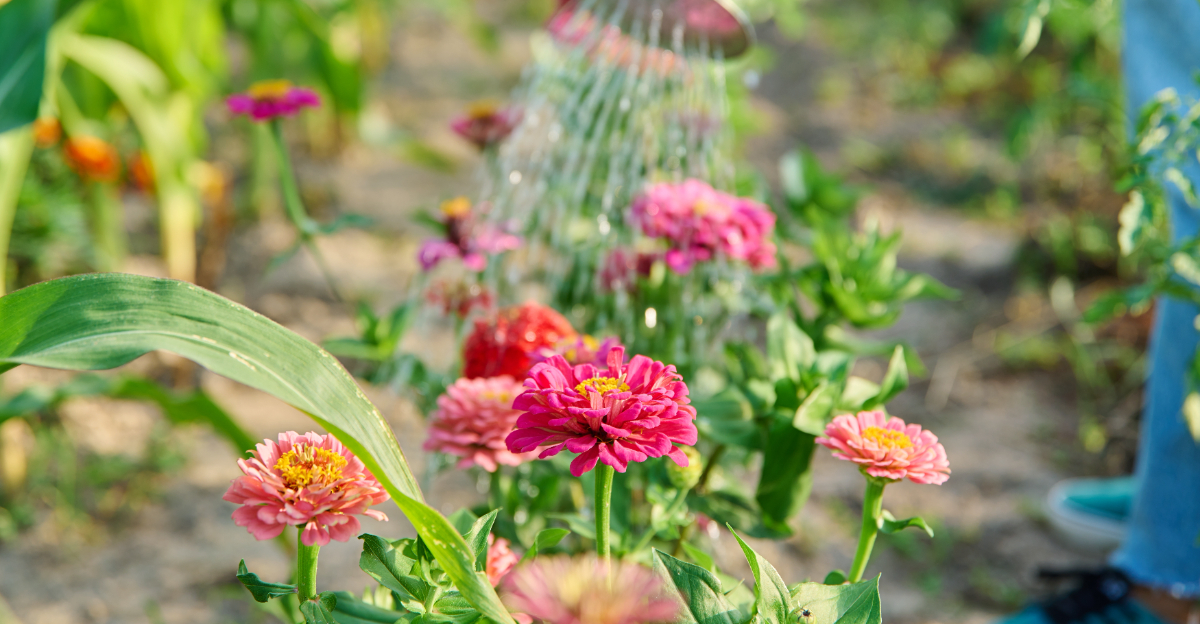
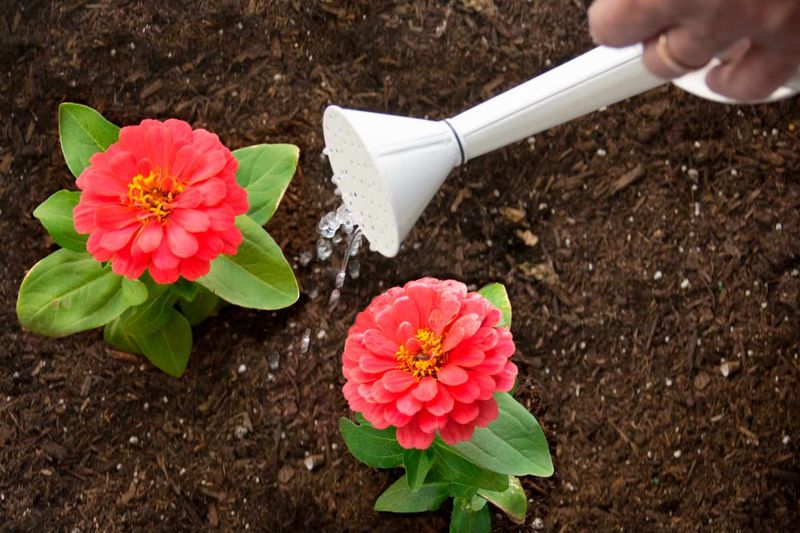
Directing water to the base of the plant instead of spraying overhead keeps leaves drier and reduces the conditions that encourage mildew development. Soaker hoses and drip irrigation are practical tools for this.
A watering wand that lets you reach the soil without soaking the canopy works well for smaller beds or container plantings.
Water deeply when the top inch or two of soil feels dry rather than giving plants a light sprinkle every day. Shallow, frequent watering encourages roots to stay near the surface instead of growing deeper.
Watering in the morning rather than the evening also gives any accidental leaf splash time to dry before nightfall. Base watering will not prevent every disease issue, but it removes one common factor that makes mildew problems worse over a long season.
4. Give Plants Space So Air Can Move Between Stems
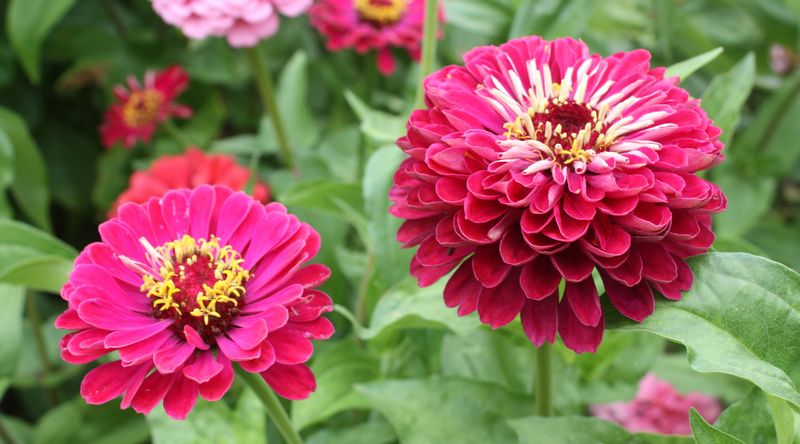
Crowded zinnias might look lush and full when they are young, but dense plantings trap humidity around the leaves and stems. That trapped moisture creates exactly the kind of environment where fungal problems take hold.
Giving plants enough room to breathe from the start is one of the simplest ways to support a healthier, longer-blooming bed.
Most zinnia varieties do best with spacing between six and eighteen inches, depending on the type. Dwarf varieties can be planted closer together, while tall-stemmed cutting types need more room.
Check the seed packet or plant tag for the recommended spacing and follow it rather than guessing. Thinning seedlings can feel wasteful, but it pays off in better plant health and more airflow throughout the bed.
Avoid planting zinnias directly against walls, dense hedges, or other spots where air movement is limited. Even a few extra inches of space between plants can make a noticeable difference when humid weather settles in.
If you are growing zinnias in containers, choose pots large enough to avoid overcrowding multiple plants. A little extra space at planting time is much easier than trying to manage disease problems in a bed that is already too tight.
5. Feed Lightly So Leaves Do Not Outgrow Flowers
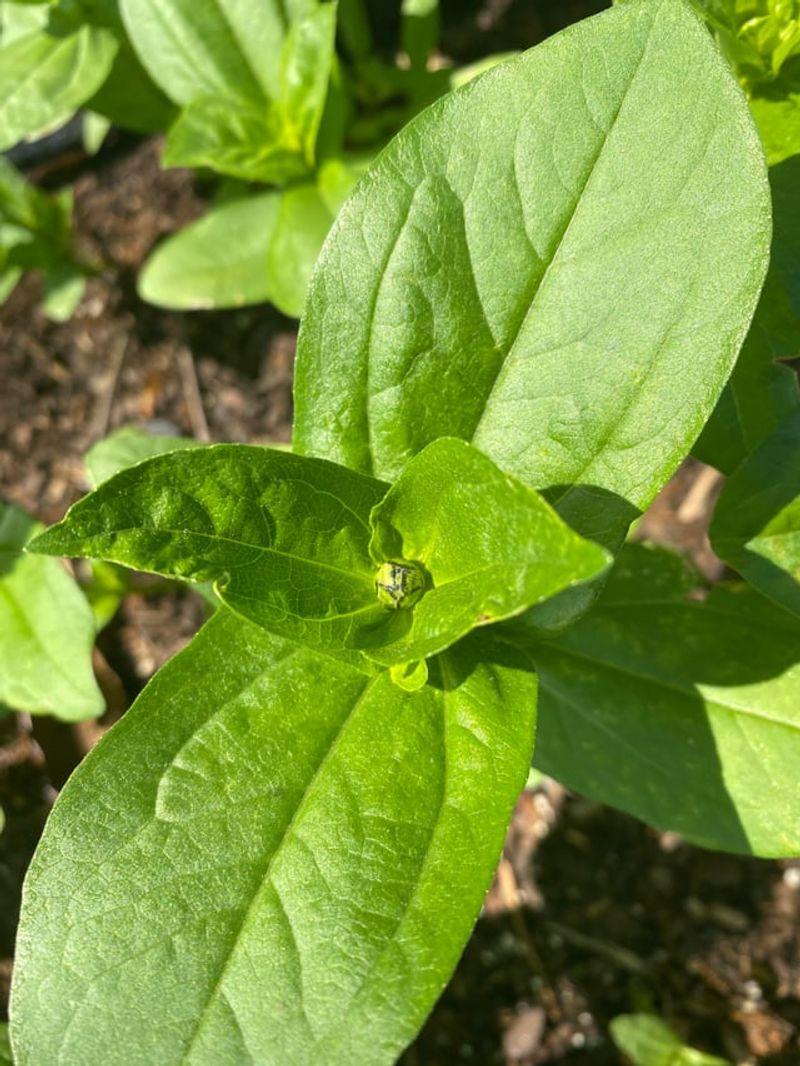
More fertilizer does not always mean more flowers. Zinnias that get too much nitrogen tend to push out a lot of leafy growth while producing fewer blooms.
If your plants look lush and green but are not flowering well, heavy feeding is one of the first things to reconsider before adding more product to the soil.
In reasonably good garden soil, zinnias often do not need much fertilizer at all. A layer of finished compost worked into the bed before planting can provide steady, gentle nutrition without the risk of pushing too much foliage.
If you do use a packaged fertilizer, choose a balanced product and follow the label directions carefully. Applying more than the label recommends does not speed up blooming.
Before reaching for fertilizer mid-season, check whether sun exposure and trimming habits might be the real issue. A plant sitting in partial shade with old blooms left on it will not respond to feeding the way a well-sited, regularly trim plant will.
Feed only as needed, and let the plant’s overall health and site conditions guide your decision. Containers may need slightly more frequent feeding than in-ground beds because nutrients wash out with regular watering.
6. Cut Bouquets Often To Push Fresh Buds
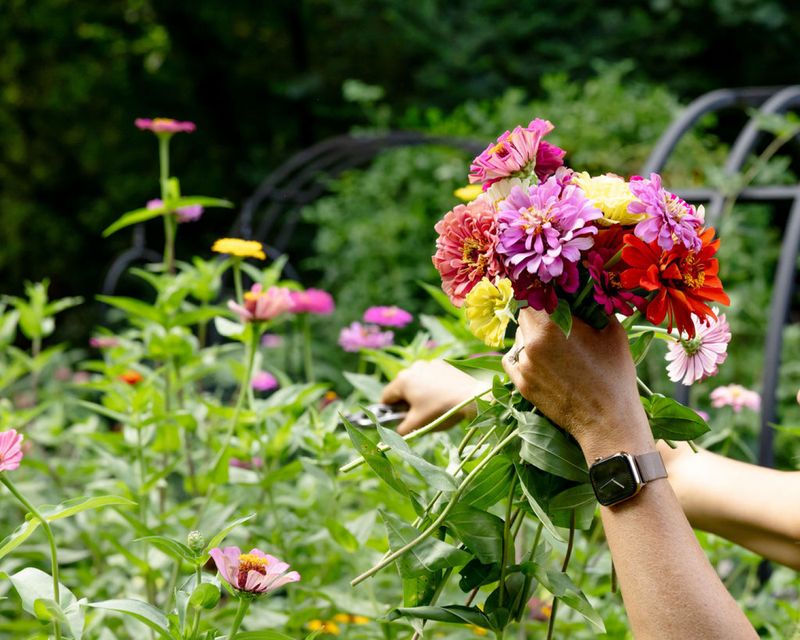
One of the most enjoyable ways to keep your zinnia patch productive is simply to cut flowers for the house often. Harvesting blooms works much like trimming by encouraging the plant to branch out and push new buds.
A zinnia plant that gets cut regularly can stay surprisingly productive through the hottest weeks of summer.
For the best results, cut stems just above a leaf node or side shoot. Using clean, sharp snips rather than pulling or tearing the stem protects the plant and keeps cuts clean.
The cooler parts of the day, such as early morning or evening, are the best times to harvest because stems are more hydrated and hold up better once cut. Place stems in water right away rather than leaving them out in the heat.
Frequent cutting works best when plants are healthy, well-watered, and growing in full sun. A stressed or dry plant will not respond to cutting the same way a thriving one will.
If you grow zinnias specifically as cut flowers, choosing tall-stemmed varieties gives you longer stems and more flexibility when arranging.
Keep cutting, keep watering, and your patch will likely reward you with wave after wave of fresh color through late summer.
7. Reseed Or Succession Plant For A Longer Color Show
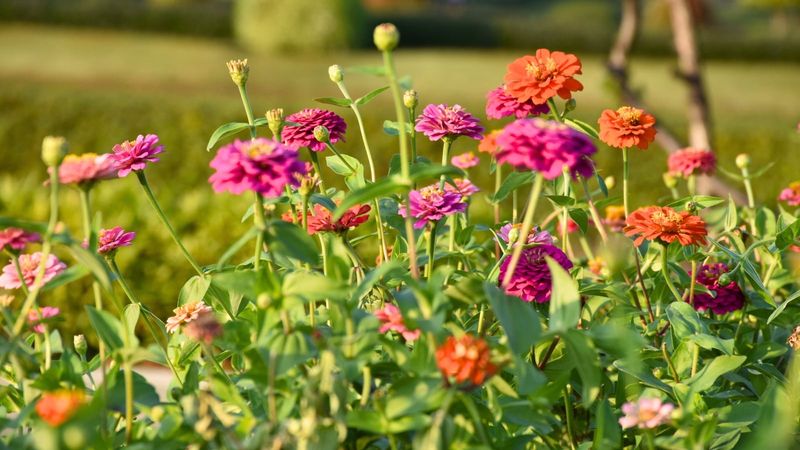
A single round of zinnias planted in late May or early June can start looking worn out by August, especially after weeks of heat, heavy bloom, and disease pressure.
Succession planting, which means sowing seeds in waves rather than all at once, is a practical way to keep fresh plants coming through the season.
Timing matters a lot for this to work in our state. Zinnias need roughly two months from seed to first bloom under good conditions.
Gardeners in northern regions, where first frost can arrive in late September or early October, may have a tighter window for later sowings than those in southern regions, where the season often runs a bit longer.
Starting a second round of seeds in late June or early July gives plants a reasonable chance to mature and bloom before cool weather arrives.
Direct seeding into warm, prepared soil is straightforward. Zinnias germinate quickly in warm conditions and do not transplant as well as some other annuals, so direct sowing usually works better than starting indoors late in the season.
Check your county’s average first frost date through Ohio State University Extension or your local Extension office before deciding how late to push a second planting.
Realistic timing determines whether you get a second flush of color or a bed of plants that never quite make it to bloom.
8. Protect Late Blooms When Cool October Nights Arrive

Zinnias are warm-season annuals, and they are sensitive to frost. Once temperatures dip to freezing, an unprotected planting can go from colorful to finished very quickly.
That does not mean you have to give up the moment October arrives, but it does mean staying alert to your local forecast as nights get cooler.
A lightweight row cover or frost cloth can protect plants during a light cold snap and buy a few more days of color when blooms are still looking good. Drape the cover loosely over plants in the evening and remove it the next morning once temperatures rise.
Move container zinnias to a sheltered porch or garage on nights when frost is expected. Containers are easier to protect than in-ground beds, which is one reason some gardeners keep a pot or two near the door through fall.
Before a hard frost is forecast, cut any remaining blooms that are open or nearly open and bring them inside. They will continue to open in a vase and last several more days indoors.
Frost covers can extend the season by days or even a week or two in mild autumns, but they cannot hold off a hard, sustained freeze indefinitely. Enjoy the late blooms while they last, and cut generously before the first serious cold night arrives.