The Smells That Keep Squirrels And Chipmunks Out Of Ohio Gardens
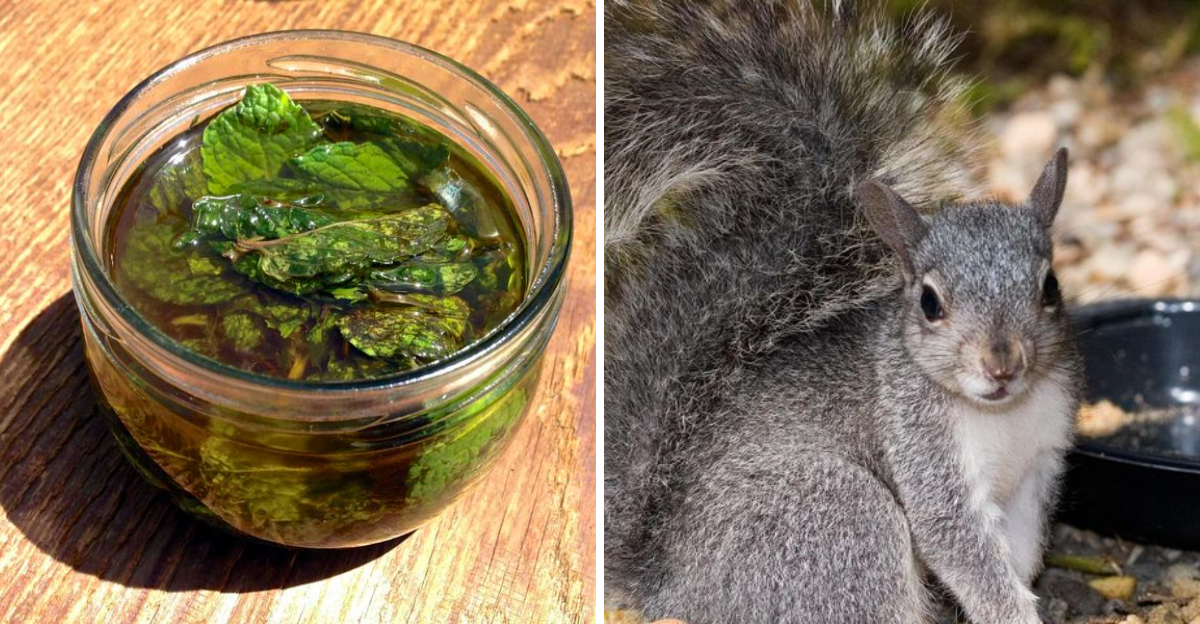
Squirrels and chipmunks in an Ohio garden are charming until they are not. One dug up bulb, one stripped tomato, one carefully planted seedling pulled out of the ground overnight, and the charm wears off fast.
Most Ohio gardeners have tried the usual deterrents and arrived at the same frustrated conclusion. Smell is where the conversation gets more interesting.
Squirrels and chipmunks both have a sensitivity to certain scents that works strongly against their comfort in a garden space.
Not every claim about scent deterrents holds up, but a handful have real evidence behind them and consistent results from gardeners who have used them deliberately.
The approach is not complicated and it does not require expensive products. Several of the most effective scent deterrents are already in most Ohio kitchens or gardens.
A garden that smells wrong to a squirrel is a garden that gets a lot fewer uninvited visitors.
1. Peppermint Oil Around Pots And Entry Points
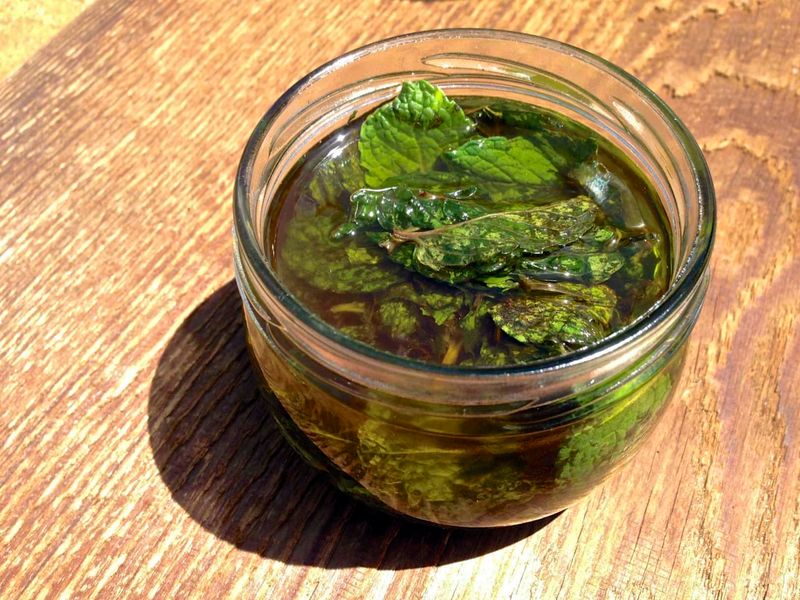
A freshly dug pot sitting sideways on the patio is enough to make any Ohio gardener start searching for solutions. Peppermint oil is one scent that some gardeners apply around container rims, shed entry gaps, or garden borders.
They hope its sharp, minty smell will discourage curious noses. Squirrels and chipmunks have sensitive olfactory systems, and some wildlife guidance suggests strong odors near entry points may cause them to hesitate or redirect.
That said, peppermint oil is not a reliable barrier on its own. Outdoor conditions work against it quickly.
Heat, direct sunlight, rain, and irrigation can break down the scent within a day or two, sometimes faster. Reapplication is often necessary to maintain any potential effect.
If you use peppermint oil in your garden, choose a commercial product with clear label directions. Do not pour undiluted essential oil directly onto soil or near plant roots.
Keep all essential oils away from children and pets, since concentrated formulas can cause skin or eye irritation. Never apply oils to edible plant surfaces unless a labeled product specifically allows it.
OSU Extension guidance and integrated pest management sources consistently remind gardeners that scent deterrents work best alongside physical barriers. Hardware cloth, pot covers, and sealed compost bins give those deterrents stronger support.
Peppermint oil may buy a little time around entry points, but it works better as one layer of a broader garden-protection plan than as a stand-alone fix.
2. Garlic Spray Near Bulbs And Seedlings
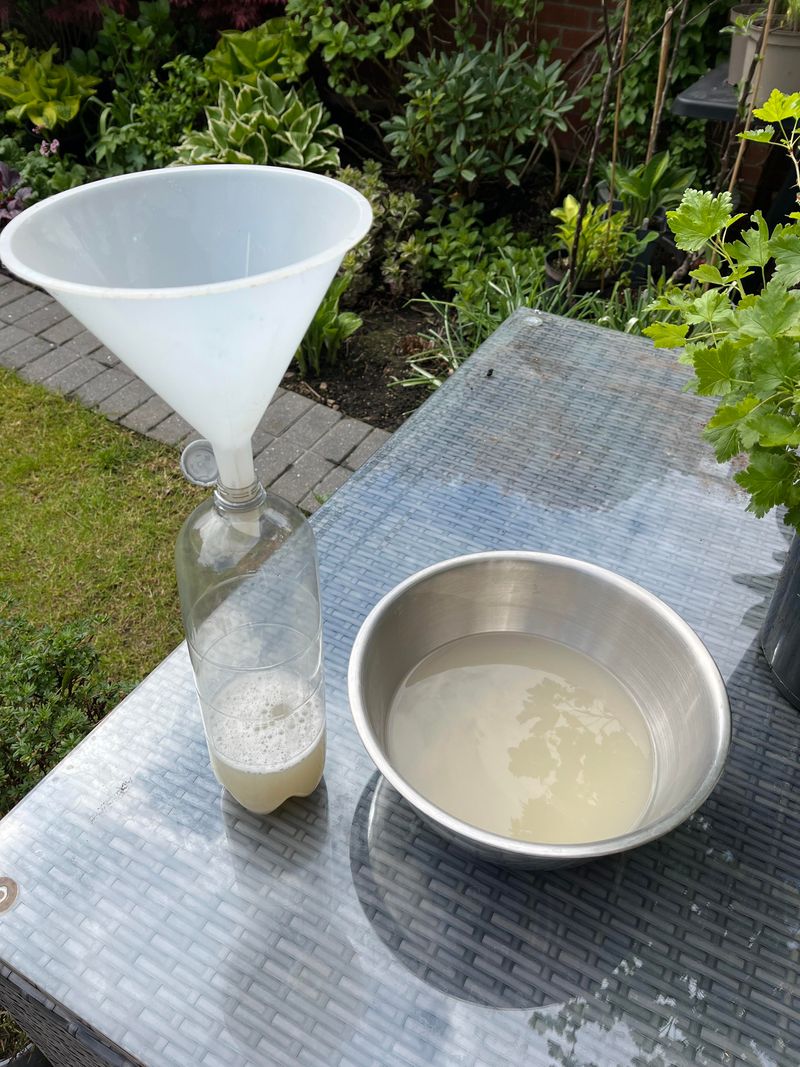
Few smells are as sharp and lingering as raw garlic, which is exactly why some gardeners reach for garlic-based repellents when bulbs and seedlings start disappearing.
Newly planted bulb beds and tender seedling rows are among the most vulnerable spots in any garden.
Squirrels in particular are notorious for sniffing out freshly disturbed soil.
Garlic-based scent repellents, when used according to label directions, may make a planting area temporarily less inviting. The key word is temporarily.
If food pressure is high, meaning lots of animals competing for limited resources, squirrels and chipmunks may push past the smell anyway.
Your Ohio Garden Changes Every Week. Your Plan Should Too.
Gardening in Ohio changes quickly throughout the season. Every Friday you’ll receive a simple weekly plan showing exactly what to plant, prune, fertilize, harvest, and protect so you never miss the right timing.
University extension sources point out that animals driven by hunger often override scent deterrents that would otherwise slow them down.
When using any garlic-based product, follow the label carefully. Avoid spraying directly on edible portions you plan to harvest unless the product is clearly labeled for that use.
Recheck treated areas after rain or irrigation, since moisture washes away scent quickly. Seedlings may need reapplication every few days during wet stretches.
Bulbs and seedlings often need more than smell-based protection. Pairing garlic spray with mesh covers, bulb cages, or hardware cloth buried a few inches under the soil gives them a much stronger defense.
A physical barrier stops a determined digger even when the scent has faded, making it the more reliable long-term choice for protecting new plantings.
3. Hot Pepper Repellent On Non Edible Targets

Capsaicin, the compound that gives hot peppers their burn, is one of the more widely discussed ingredients in commercial animal repellents. Products containing capsaicin work partly through scent and partly through taste irritation.
That makes treated surfaces less appealing to animals that sniff or nibble around them. Some labeled repellents use this compound to discourage feeding on ornamental plants, garden borders, and non-edible targets.
The word “non-edible” matters here. Hot pepper repellents should be focused on ornamental bulbs, flower beds, decorative containers, and perimeter areas.
Avoid using them on vegetables or herbs you plan to eat unless the product label specifically permits food-crop use. Always read the label before applying any capsaicin-based product.
Integrated pest management guidance is clear that label directions exist for safety reasons and must be followed.
Wear gloves when applying these products, and keep sprays well away from your eyes, children, and pets. Pollinators visiting open flowers can also be affected, so avoid spraying blooming plants directly.
Apply during calm, dry conditions to reduce drift.
Hot pepper repellents do need regular reapplication. Rain, irrigation, and even morning dew can dilute or wash away the active compounds.
Check treated areas after any significant rainfall and reapply as directed. Like other scent deterrents, these products work best when combined with physical exclusion methods rather than used alone.
Hardware cloth, pot covers, and row covers add protection that capsaicin cannot provide on its own.
4. Predator Scent Near Burrows And Fence Lines
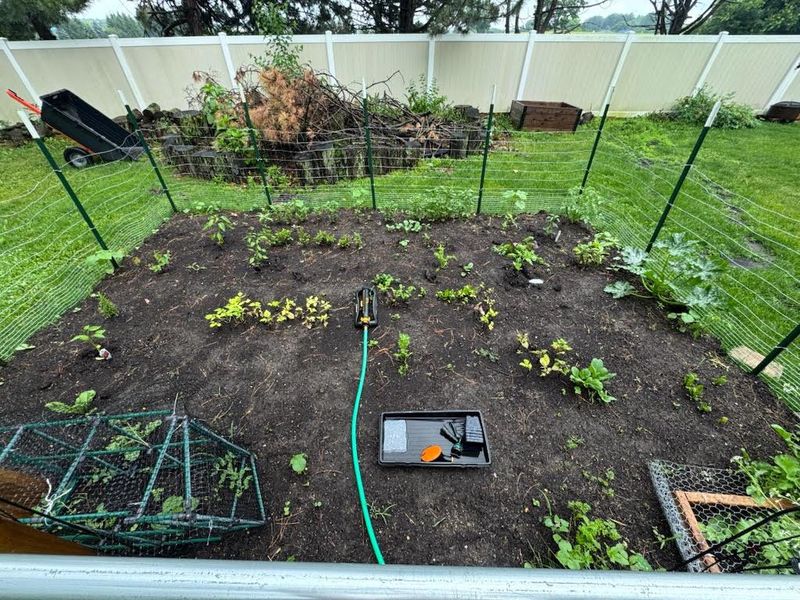
Walk along a fence line in late summer and you might spot fresh chipmunk tunnels pushing up near the posts, or squirrel tracks cutting through the mulch.
Predator-scent repellents try to tap into the natural wariness these small mammals feel when a fox, coyote, or hawk has been nearby.
Some commercial products use predator urine or synthetic versions of similar compounds to create that uneasy feeling around treated areas.
The theory is reasonable. Squirrels and chipmunks are prey animals, and their survival instincts make them cautious around unfamiliar threat signals.
Wildlife guidance notes that predator scents may cause short-term avoidance near burrow edges, fence lines, or travel routes when placed according to product directions.
However, effectiveness can vary quite a bit. Animals that have lived in the same yard for a season often become desensitized to repeated smells if no actual predator ever appears.
Ohio wildlife guidance points out that habituation is a real concern with scent-only deterrents. Rotating product placement and combining scent with other deterrents may help slow that process.
Place predator-scent products only as directed on the label. Avoid applying them on edible plants or directly into burrow openings.
Focus on perimeter paths, fence lines, and border areas where animals travel regularly. If chipmunk tunneling near foundations or fence posts is severe, scent alone is not the most reliable option.
Consulting a local extension office or a qualified wildlife-control professional is a better step.
5. Castor Oil Around Tunnels And Soft Soil
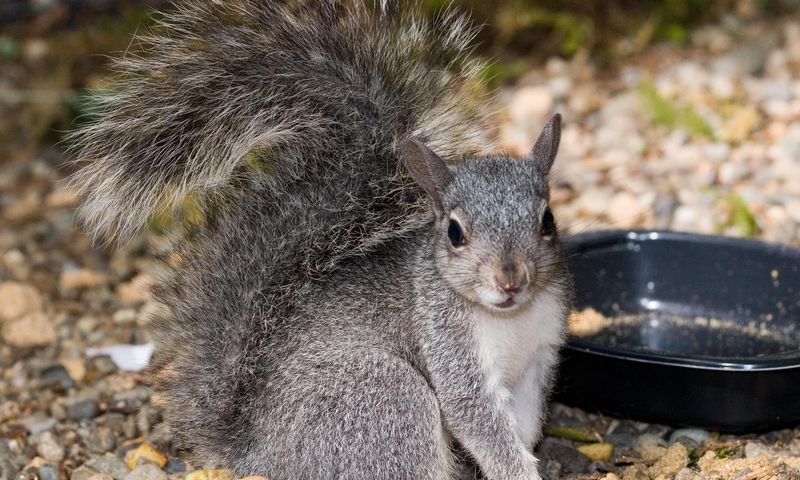
Soft, freshly turned soil is practically an invitation for chipmunks and squirrels to dig. Castor oil-based repellents are sometimes discussed in wildlife-control guidance as a way to make burrowing areas less attractive.
That is especially relevant in turf and garden beds where soft soil makes digging easy. Some commercial granule and liquid repellents include castor oil as an active ingredient designed to irritate the digestive system and sensory paths of burrowing mammals.
The evidence for castor oil as a deterrent is stronger for moles than for squirrels or chipmunks specifically, so keep your expectations realistic. Some labeled products do list squirrels or general rodents as target animals.
Those products may be worth trying around tunnel-prone areas when used exactly as directed.
Never pour castor oil directly into burrow openings or drainage areas. Doing so can create runoff risks and is not consistent with responsible, label-based use.
Apply only where the product label permits and follow the recommended rate. Check the treated area after rain since moisture dilutes castor oil products and reduces their effectiveness.
Pairing castor oil repellents with soil-hardening steps, bulb cages buried below the surface, and hardware cloth barriers gives tunneling areas much stronger protection.
Reducing loose, freshly disturbed soil near garden borders also makes the area less appealing in the first place.
Scent can discourage exploration, but a physical barrier is what stops a determined digger from reaching your bulbs or plant roots.
6. Clove And Cedar Oils In Commercial Repellents
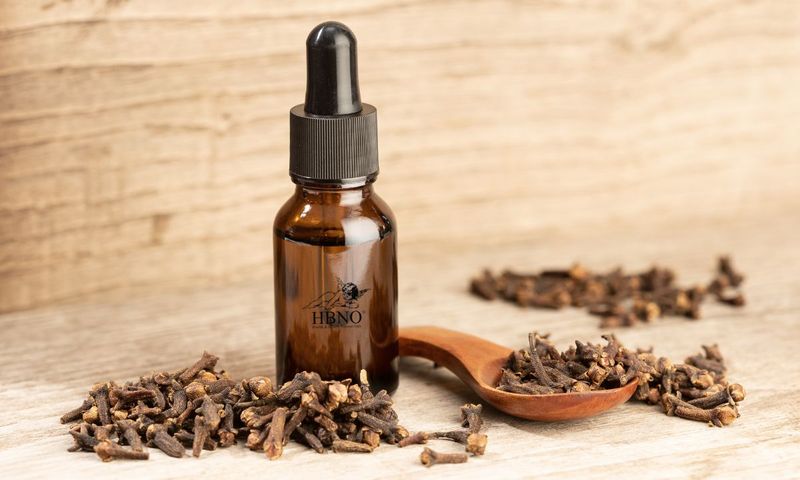
Browsing the garden center repellent shelf, you will notice that many commercial products list clove oil, cedar oil, or both among their active ingredients. These oils have strong, distinct scents that some animals find unpleasant.
They appear in a number of labeled repellents marketed for squirrels, chipmunks, or general small-rodent control.
The important thing to understand is that the oil name itself is less important than the product’s label. A labeled commercial repellent has been tested and registered for specific animals, sites, and application methods.
That label is your guide for safe and effective use. University extension sources consistently advise Ohio gardeners to choose registered products over homemade mixtures.
The concentration, carrier, and application rate all affect both safety and results. Check the label to confirm the product is intended for squirrels or chipmunks specifically, not just general pests.
Some clove or cedar oil products are designed for indoor use only and may not be suitable for outdoor garden beds. Avoid applying any scent-based product to edible harvest portions unless the label clearly permits it.
Keep products away from open blooms to protect visiting pollinators.
Outdoor scent products fade with weather. Cedar and clove oils break down in sunlight and wash away with rain, so reapplication according to the label schedule is necessary to maintain any deterrent effect.
Combining these commercial repellents with physical exclusion gives your garden much more reliable protection. Wire mesh over bulb beds or pot covers can do more than scent alone can offer.
7. Blood Meal Where Bulbs Need Extra Protection
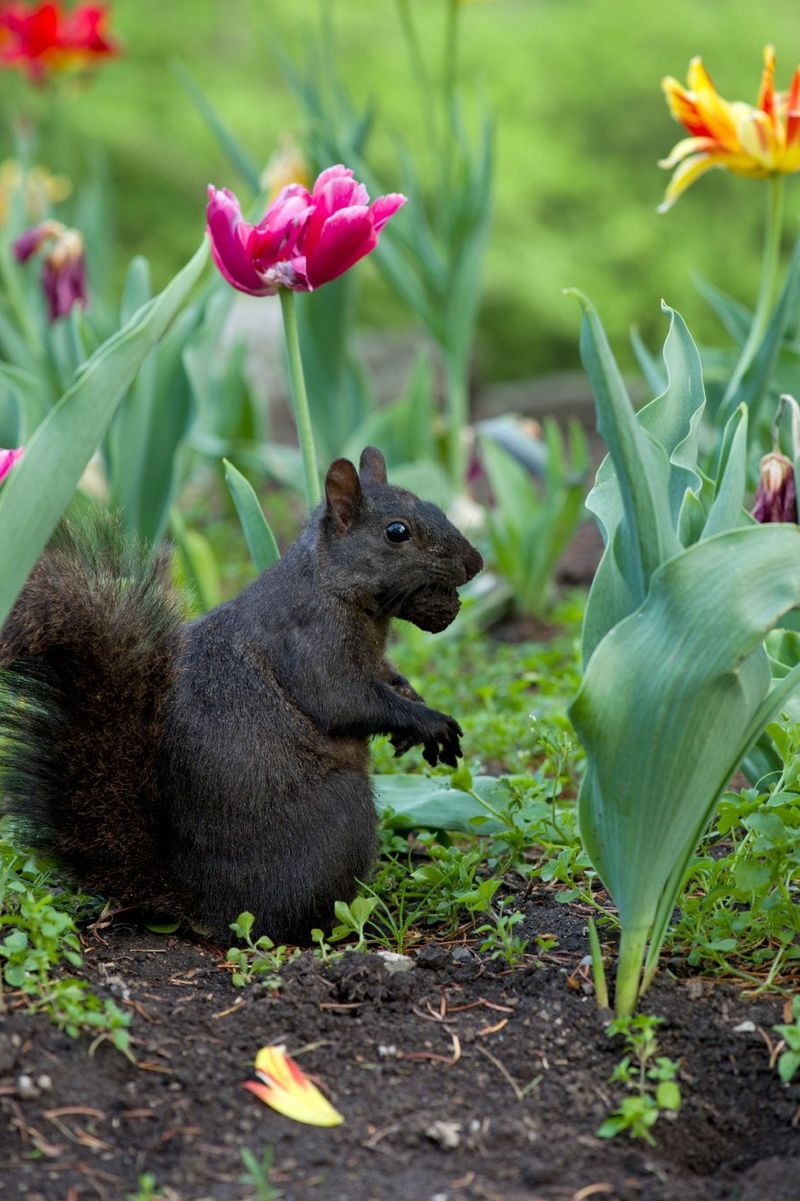
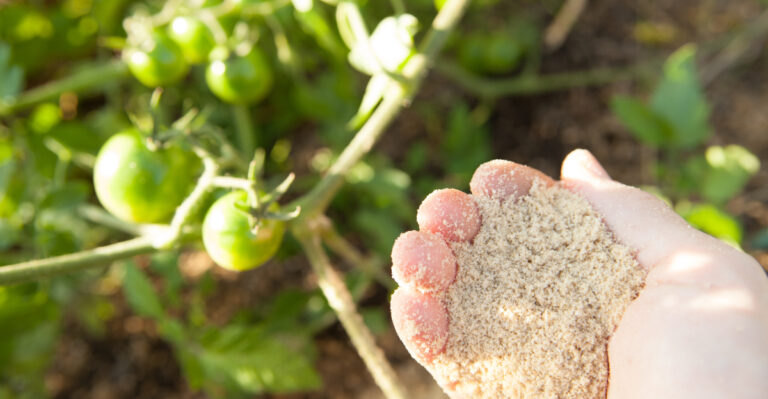
Blood meal has a smell that stops most people in their tracks, which is part of why it sometimes gets recommended as a garden repellent near bulb beds. The strong, iron-rich odor is unfamiliar and potentially alarming to squirrels and chipmunks.
Some Ohio gardeners report that sprinkling it around newly planted bulbs may reduce digging activity for a short period.
OSU Extension guidance classifies blood meal primarily as a nitrogen-rich fertilizer, not a registered repellent. That means any deterrent effect is a secondary outcome, not a guaranteed result.
Overusing blood meal can alter soil nutrient levels and may actually attract certain animals, including dogs, that are drawn to the organic scent. Use it sparingly and monitor your garden after application.
Apply blood meal only as directed on the product bag, staying within the recommended rate for your bed size. Keep it away from pets that might ingest it, since large amounts can cause digestive upset.
Rain will wash away the scent relatively quickly, so reapplication may be needed after heavy storms during the growing season.
For bulbs that face repeated squirrel and chipmunk pressure, blood meal alone is not enough. Hardware cloth cages buried a few inches below the soil surface, or planting bulbs under a wire mesh layer, gives far more reliable protection.
Blood meal can serve as an extra sensory layer around the perimeter of a bulb bed. It works best as a supplement to physical barriers rather than a replacement for them.
8. Fresh Repellent After Rain Before Damage Returns
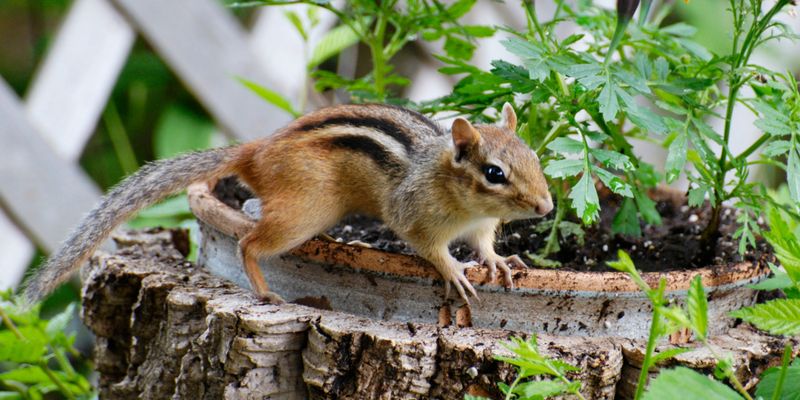
A steady overnight rain can undo a week’s worth of scent-deterrent work before you even step outside. Every scent-based repellent discussed in this article shares one important limitation: weather breaks them down.
Rain, irrigation, heat, and sunlight all reduce the concentration of active scent compounds. That means the protective effect fades faster outdoors than most product descriptions suggest.
Checking treated areas after storms is one of the most practical habits a gardener can build. Walk your garden borders, container clusters, and bulb beds after significant rainfall and look for fresh digging, disturbed mulch, or new tunnel openings.
If you see activity returning, reapply your chosen product according to its label schedule, not more often than directed.
Combining repellent reapplication with stronger prevention steps makes the biggest difference. Hardware cloth placed over bulb beds before the soil freezes protects through the entire dormant season without fading.
Row covers shield seedlings from both weather and wildlife. Securing compost bins and cleaning up fallen birdseed promptly reduces animal pressure near the garden.
Removing easy food sources also makes animals less likely to push past scent barriers in the first place.
Scent deterrents can buy valuable time when damage is starting. They may slow down exploration, redirect a foraging path, or make a container less interesting for a few days.
But the gardens that stay healthiest through the season are the ones where repellents, barriers, and consistent cleanup all work together. Scent is one useful layer, not the whole solution.
9. Building A Layered Garden Defense That Actually Holds
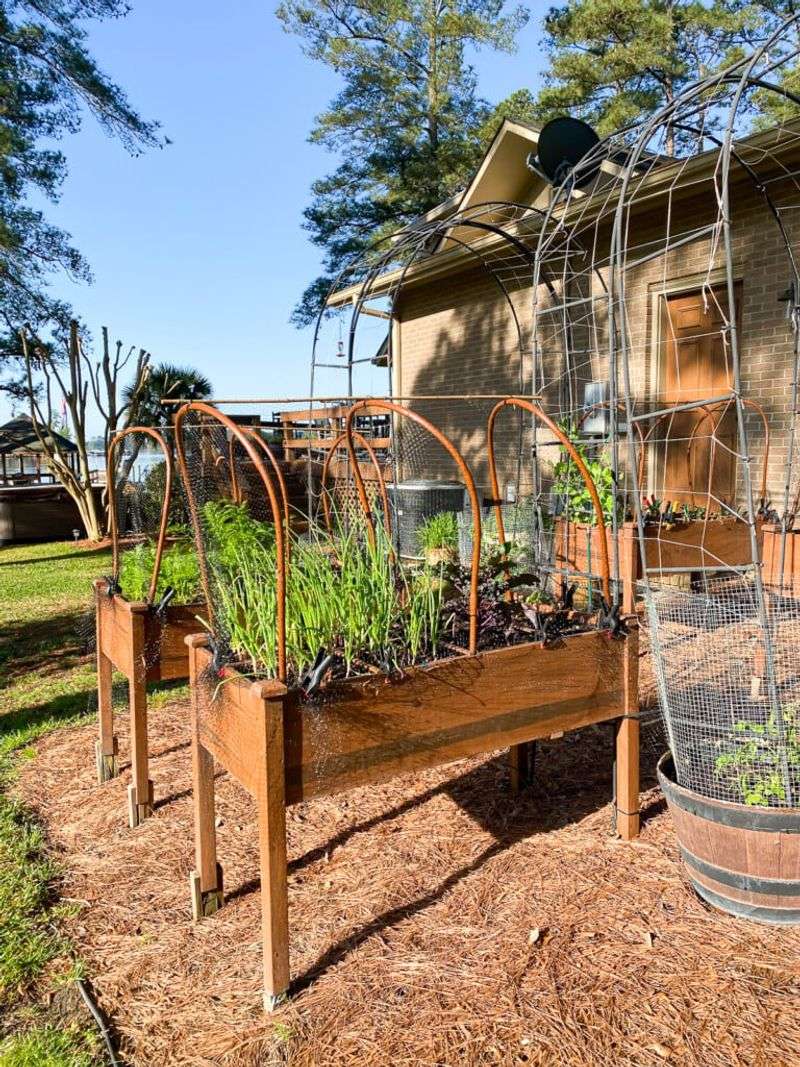
Scent deterrents are most effective when they are part of a layered plan rather than the entire plan. A garden protected by smell alone is only as strong as the last rainfall, the latest heat wave, or the nearest hungry squirrel.
Adding physical barriers, habitat adjustments, and consistent monitoring creates a defense that holds up even when the scent has faded.
Hardware cloth buried a few inches under bulb beds blocks digging from below. Row covers and wire cloches protect seedlings from both chipmunks and squirrels during the most vulnerable early weeks.
Pot covers or weighted mesh over containers keep curious diggers out of freshly planted soil. These steps do not fade with rain or break down in the sun.
Habitat adjustments matter just as much as barriers. Clean up spilled birdseed regularly, since seed on the ground is one of the biggest attractors for both squirrels and chipmunks in local gardens.
Secure compost bins with tight-fitting lids. Move containers with edible seedlings away from fence lines or tree branches that give squirrels easy access.
If damage is severe despite consistent repellent use and physical barriers, OSU Extension and local wildlife-control professionals can offer site-specific guidance.
Every garden situation is different, and population pressure, nearby food sources, and seasonal behavior all affect how well any deterrent works.
Scent buys time and adds one useful layer, but the full strategy is what keeps a garden thriving from spring planting through the fall harvest.