How To Keep Lantana Blooming All Summer Long In Minnesota
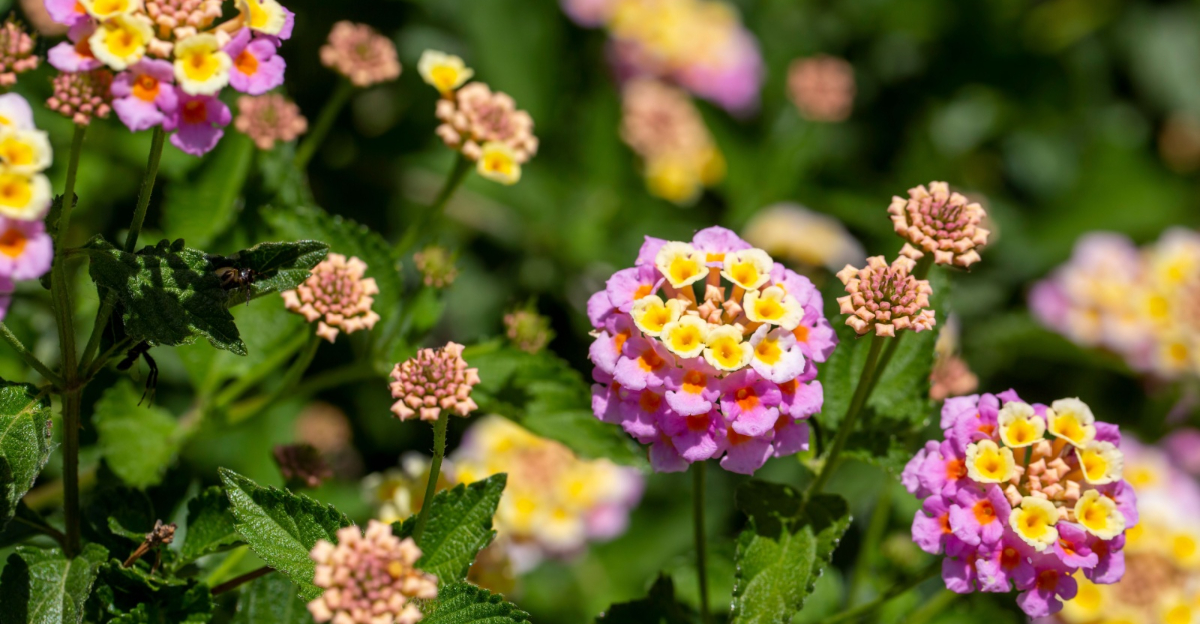
Lantana is not a subtle plant. The moment it starts blooming, your yard turns into something neighbors slow down to look at. Clusters of tiny flowers in orange, yellow, red, and pink just keep coming, week after week, without much drama.
But Minnesota has its own rules. Summers here are short, the heat comes late, and a cool night in August can catch you off guard. That changes how you grow things.
Lantana was built for heat, drought, and a little neglect. Push it too hard in the wrong direction, though, and the blooms stop. It happens fast and it is frustrating.
The difference between a plant that flowers once and one that goes until frost usually comes down to a handful of habits. Get those right, and this plant will work harder than almost anything else in your garden.
1. Remove Spent Blooms Regularly
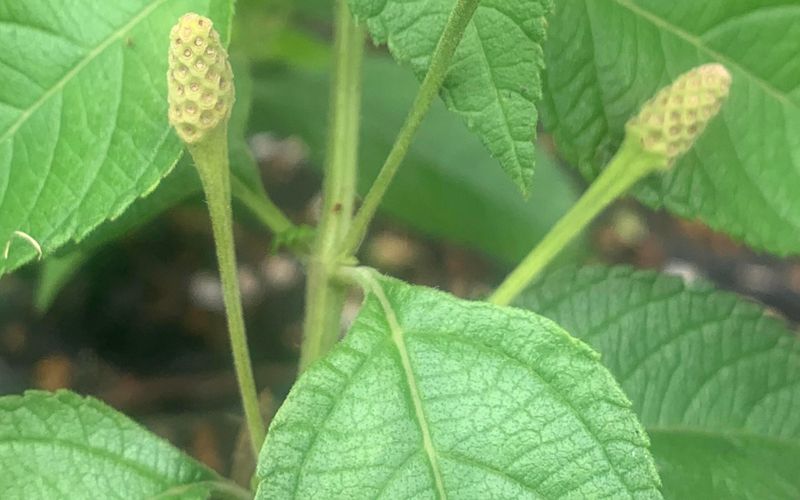
Snipping off old blooms is one of the most effective things you can do to keep lantana blooming all summer long. When flowers fade and dry out, the plant shifts its energy toward making seeds. That means fewer new blooms for you.
Removing spent blooms is the gardening term for removing spent flowers before they go to seed. It sounds fancy, but it just means pinching or cutting off the old flower heads. You do not need special tools, though a small pair of hand pruners makes the job easier.
Walk through your garden every few days and look for clusters that have turned brown or dull. Pinch them off right at the base of the flower stem. New buds will appear within a week or so, and the plant stays full and lush.
Some gardeners skip this step because it feels tedious. But think of it like sending a clear message to your plant. You are telling it to keep producing flowers instead of winding down for the season.
In Minnesota, where the growing window is shorter than in warmer states, this habit matters even more. Every week of bloom counts. Staying on top of spent flowers means your lantana keeps performing right up until the first frost.
Make it part of your morning coffee routine. Grab your pruners, step outside, and spend five minutes tidying up. Your lantana will respond with fresh bursts of color that make the whole garden feel alive.
2. Water Deeply But Infrequently
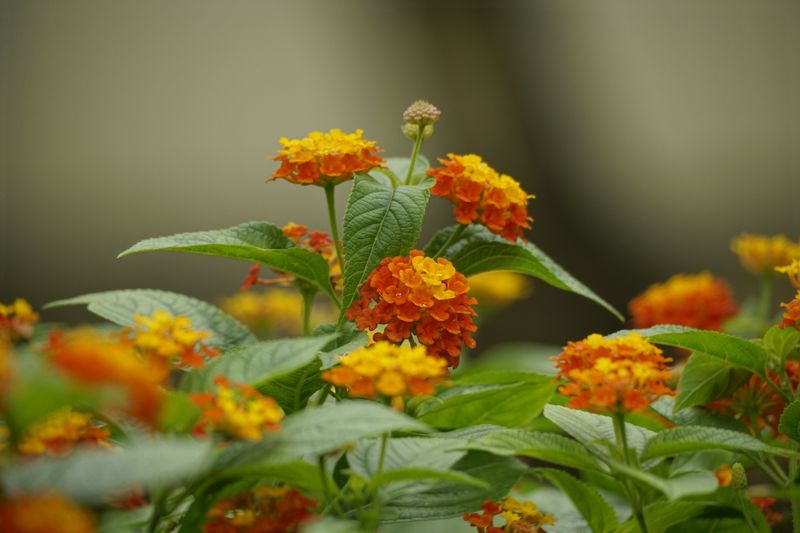
Lantana is tougher than it looks. This plant actually loves a little drought stress, and watering it too often is one of the fastest ways to slow down blooming. Too much moisture at the roots encourages leafy green growth instead of flowers.
The sweet spot is deep, infrequent watering. Water thoroughly once or twice a week, letting the soil dry out between sessions. Push your finger about an inch into the soil near the base of the plant. If it still feels damp, hold off another day.
Deep watering encourages roots to grow downward, making the plant stronger and more heat-tolerant. Shallow, frequent watering keeps roots near the surface, where they are more vulnerable to dry spells and temperature swings.
Your Minnesota Garden Changes Every Week. Your Plan Should Too.
Gardening in Minnesota changes quickly throughout the season. Every Friday you’ll receive a simple weekly plan showing exactly what to plant, prune, fertilize, harvest, and protect so you never miss the right timing.
In Minnesota summers, rainfall can be unpredictable. Some weeks bring heavy rains, and other weeks stay bone dry. Check the soil rather than following a rigid schedule. Let the plant and the weather guide you.
Container-grown lantana dries out faster than in-ground plants. Pots in full sun may need water every other day during a heat wave. Still, always check before watering. Overwatering in containers leads to root rot, which shuts down blooming quickly.
A layer of mulch around the base of your plant helps hold moisture between waterings. It also keeps the soil temperature steady, which lantana appreciates. Consistent, thoughtful watering keeps the blooms coming all season.
3. Avoid Over-Fertilizing
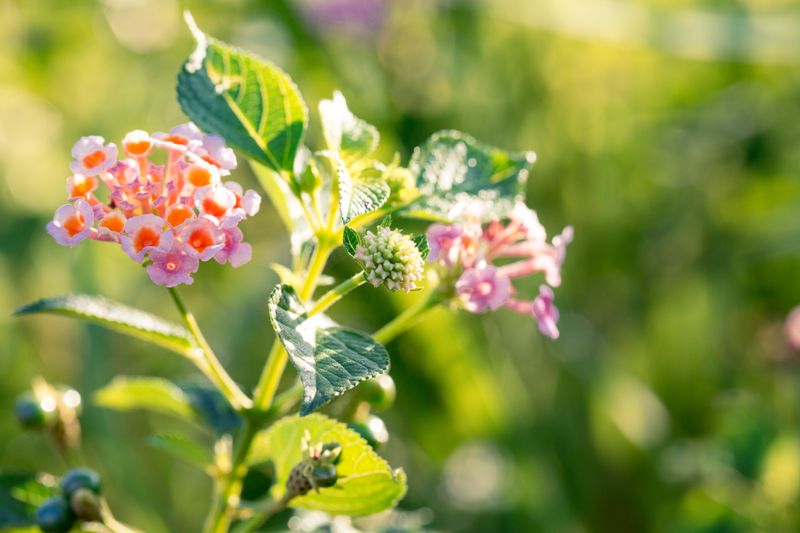
Here is a gardening truth that surprises a lot of people: lantana blooms better when you feed it less. Pile on the fertilizer and you will get a big, gorgeous, leafy green shrub with almost no flowers. That is the opposite of what anyone wants.
Lantana comes from tropical and subtropical regions where soils are often lean and poor. It evolved to flower under stress, not luxury. Rich, nitrogen-heavy fertilizers push the plant to grow more leaves and stems instead of producing blooms.
If you want to fertilize, use a low-nitrogen formula where the middle number on the label is the highest. Phosphorus supports flower production, which is exactly what you are after.
Apply fertilizer lightly at the beginning of the season, and then step back. One or two light feedings throughout summer is plenty. More than that, and you risk pushing the plant into a leafy, bloomless phase that can last weeks.
Skip the fertilizer entirely if your soil is already reasonably healthy. A simple soil test from a local garden center can tell you what your garden actually needs.
Less really is more with this plant. Trust the process, keep the nitrogen low, and your lantana will reward you with bold, continuous color from early summer straight through to fall.
4. Plant In Full Sun
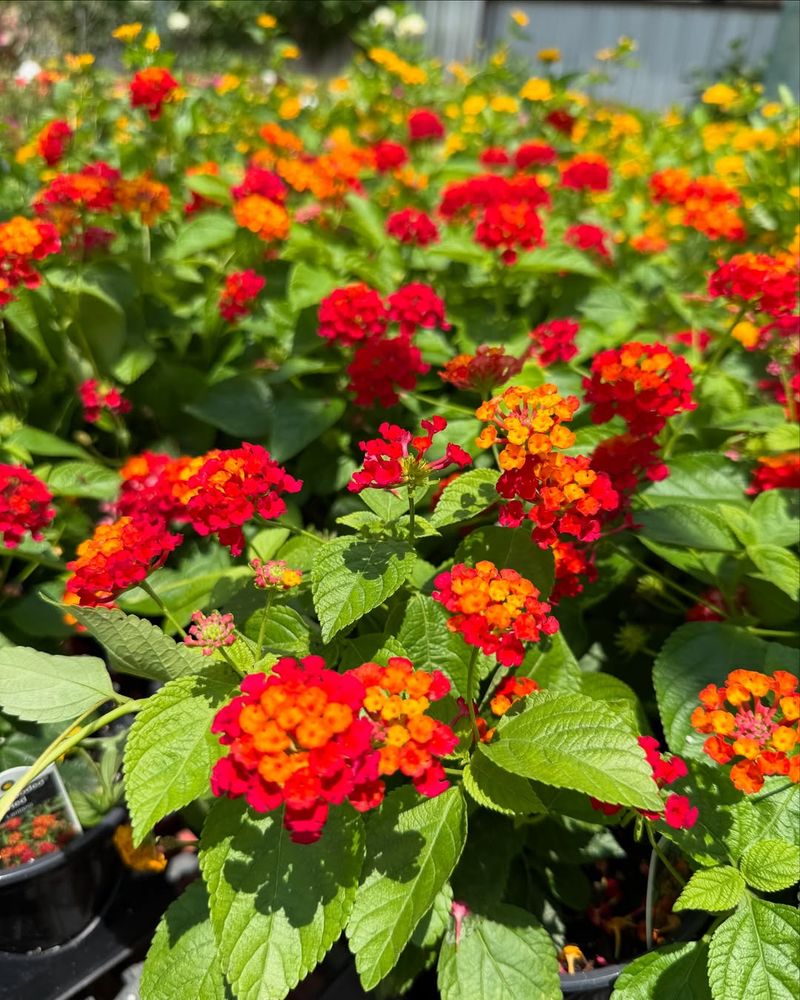
Sunlight is not optional for lantana. It is everything. This plant was built for blazing heat and direct sun, and it will underperform in anything less than six hours of full sunlight per day. Eight hours is even better.
In Minnesota, where summer days are long but the season is short, choosing the right planting spot makes a huge difference. Look for a location that gets unobstructed sun from mid-morning through late afternoon. South-facing beds are usually your best bet.
Shade from trees, fences, or buildings reduces bloom production dramatically. Even partial shade for a few hours a day can cause lantana to stretch toward the light in a leggy way.
Full sun keeps the plant compact and covered in blooms.
Container plants have the advantage of mobility. If your potted lantana is not blooming well, try moving it to a sunnier spot before trying anything else. Sometimes a few extra feet of direct light is all it needs.
Do not worry about lantana overheating in a hot spot. This plant thrives next to heat-reflecting walls, driveways, and patios. Those warm microclimates that would stress other plants actually make lantana happier and more productive.
Planting lantana in full sun is the foundation of everything else on this list. Get the light right first, and every other tip becomes more effective. Sunshine is the engine that drives all those gorgeous blooms.
5. Prune Lightly Mid-Season
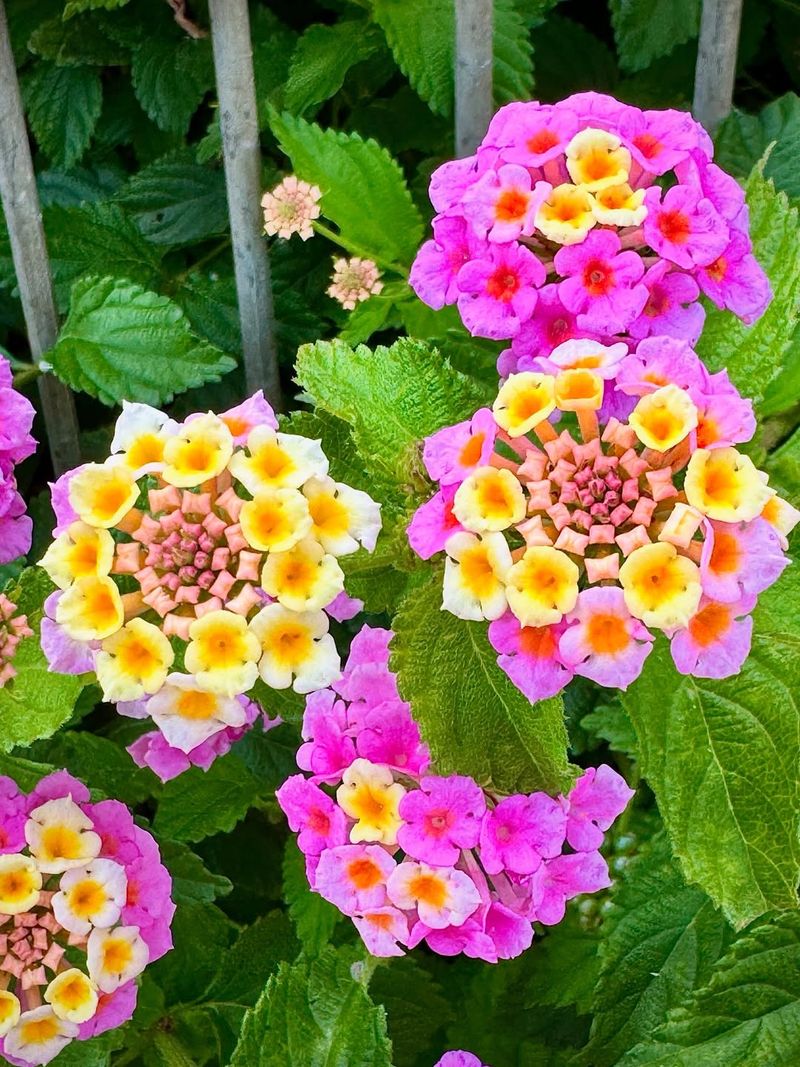
By mid-July, your lantana might start to look a little tired and stretched out. Stems get long, the center of the plant gets woody, and blooms start appearing only at the very tips. That is your cue to step in with a light trim.
Mid-season pruning triggers a fresh flush of blooms. Trim the longest stems back by about one-third and remove any woody sections that are no longer producing flowers.
Use clean, sharp pruners for this job. Dull blades can crush stems instead of cutting cleanly, which makes the plant more vulnerable to pests and slow to recover. A clean cut heals faster and encourages quicker regrowth.
After pruning, the plant will look a bit sparse for a week or two. Do not panic. New growth appears quickly, especially when the weather is warm and sunny. Within a few weeks, fresh stems with new buds will fill in the gaps.
Timing matters here. Prune too late in the season, and the plant may not have enough warm weeks left to recover and rebloom before frost arrives. Mid-July to early August is the ideal window for a Minnesota garden.
Think of mid-season pruning as a reset button for your plant. One well-timed trim can extend your blooming season by weeks, keeping your lantana looking fresh and colorful right up until autumn arrives.
6. Use Well-Draining Soil
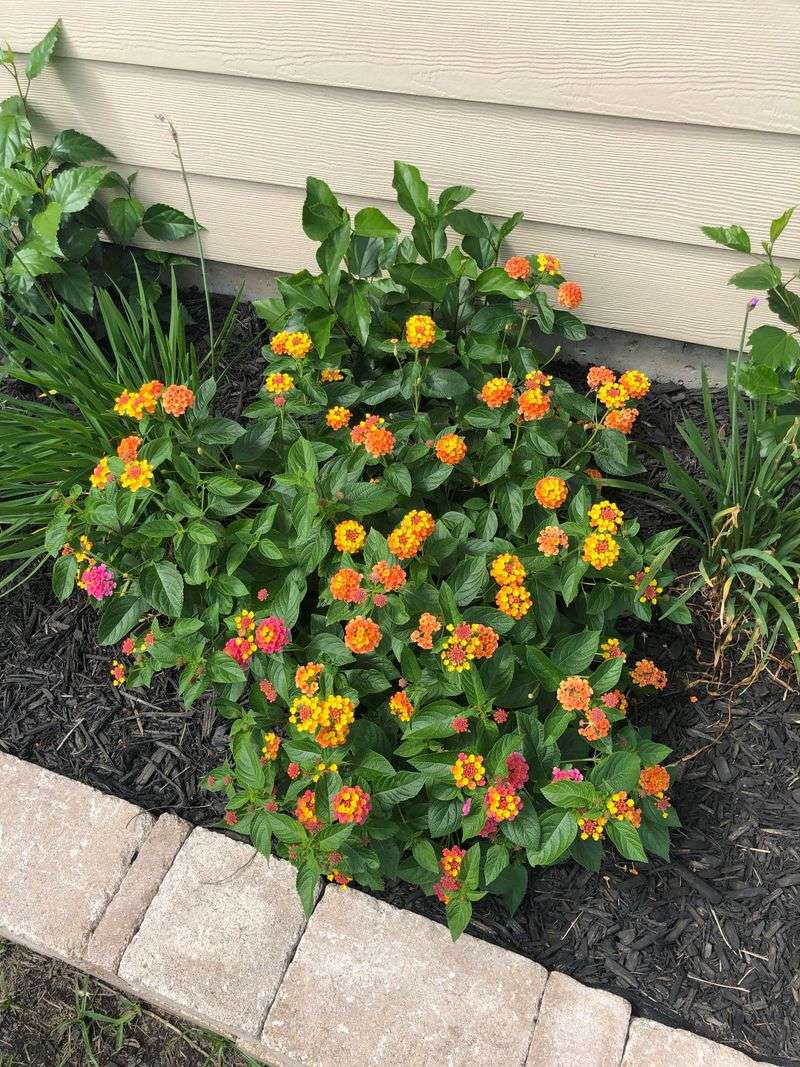
Soggy roots are a silent bloom-stopper for lantana. Lantana struggles in standing water or heavy, compacted soil that holds moisture for days after rain.
Getting the soil right from the start sets the foundation for a summer full of flowers. Lantana prefers loose, well-draining soil with a slightly sandy or gritty texture.
If your garden bed tends to stay wet after rain, mix in coarse sand or perlite to improve drainage. Raised beds are another great option for heavy clay soils common in parts of Minnesota.
When planting in containers, always use a potting mix labeled for outdoor containers or tropical plants. Avoid dense, moisture-retaining mixes designed for vegetables or indoor plants.
Good drainage in a pot is just as important as in the ground. A simple drainage test can save you a lot of headaches.
Dig a hole about a foot deep, fill it with water, and watch how fast it drains. If the water is still sitting there an hour later, your soil needs improvement before planting.
Many lantanas do well in slightly acidic to neutral soil, but a soil test is the best way to know your pH.
Healthy, well-draining soil keeps roots happy, oxygen flowing, and blooms coming. It is one of those behind-the-scenes details that makes a visible difference in how your lantana performs all season long.
7. Watch For Spider Mites
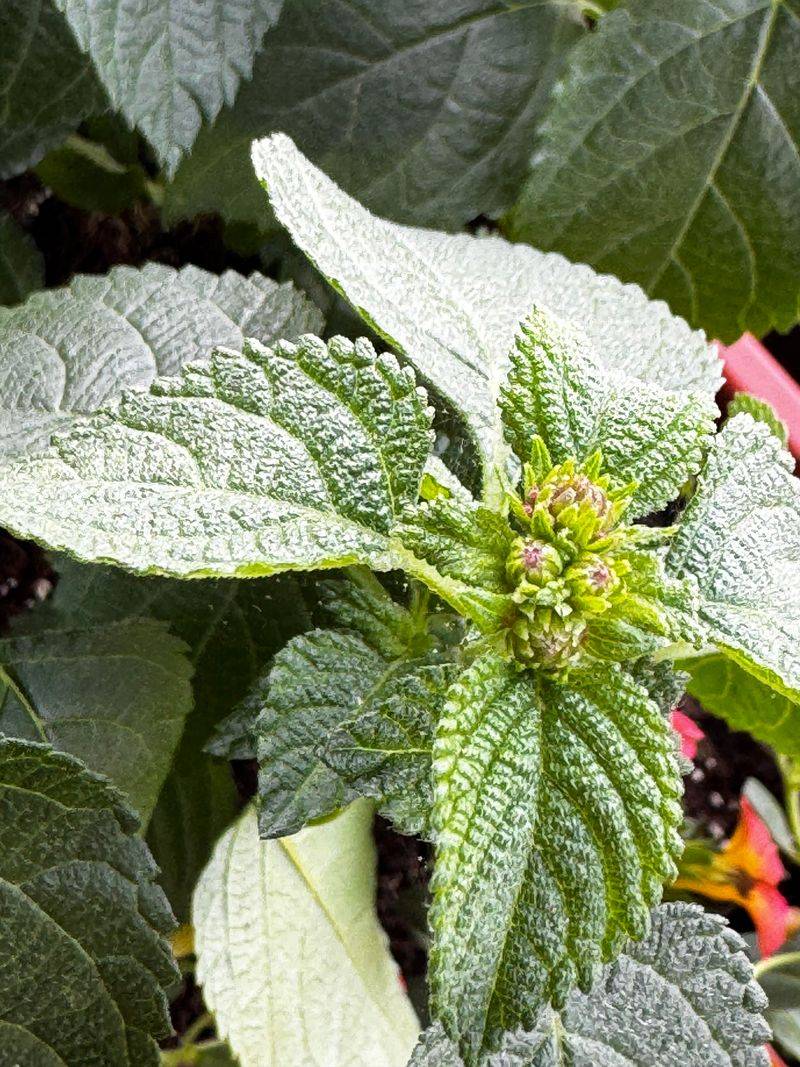
Hot, dry summers are prime time for spider mites, and these tiny pests can wreck a lantana plant faster than almost anything else. They are barely visible to the naked eye, but the damage they leave behind is hard to miss.
Look for stippled, yellowish leaves that appear dusty or dull. Turn a leaf over and look closely at the underside. Fine webbing and tiny moving dots are the telltale signs of a spider mite infestation.
Catching them early makes a big difference. A strong blast of water from a garden hose is often the first and best line of defense.
Knock the mites off the leaves, focusing on the undersides where they congregate. Repeat every few days to break their reproduction cycle before they get out of control.
Neem oil spray is another effective and plant-safe option. Mix it according to the label directions and apply it in the evening to avoid burning the leaves in direct sun.
Two or three treatments spaced a few days apart usually clears up a moderate infestation. Avoid using broad-spectrum chemical pesticides, which can harm beneficial insects like bees and ladybugs.
Ladybugs are natural predators of spider mites, and keeping them around helps protect your garden all season long. Keeping your lantana well-watered during heat waves reduces stress on the plant, which makes it less attractive to mites.
A healthy, hydrated plant is far better at fending off pest pressure and continuing to bloom all summer.
8. Treat As An Annual Or Overwinter Indoors
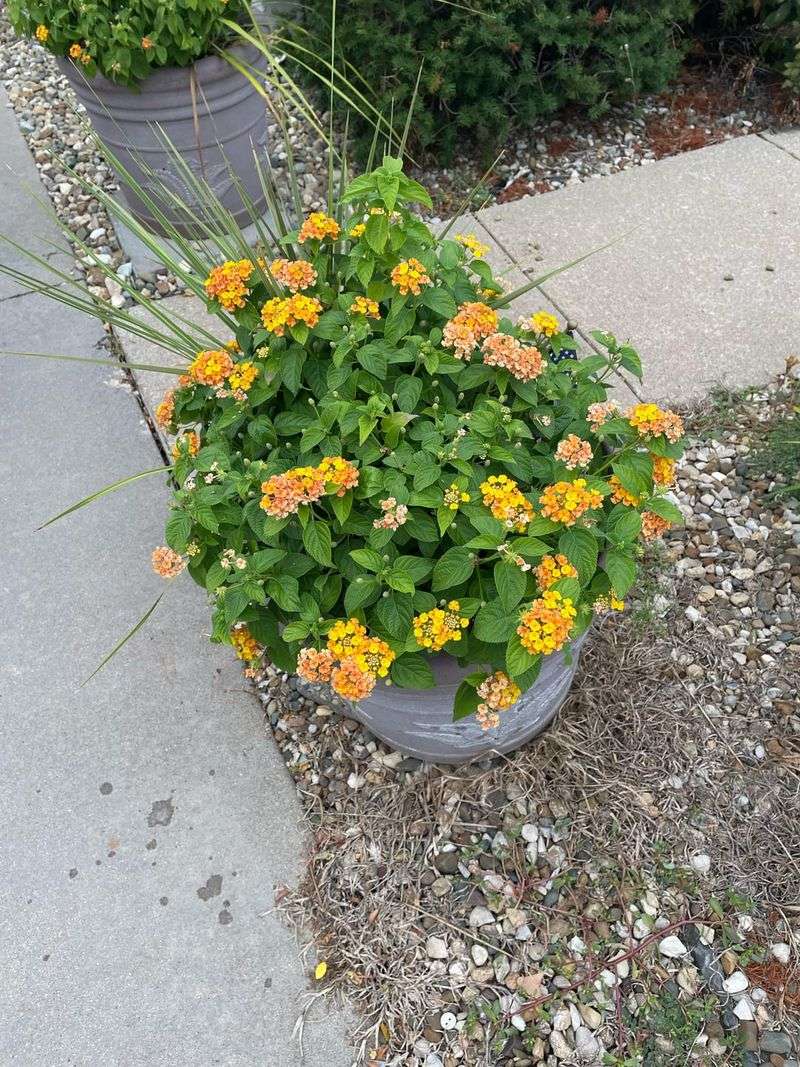
Minnesota winters are no place for a tropical plant. Lantana is cold-sensitive and cannot survive outdoors once frost arrives.
Knowing this ahead of time lets you plan for the best possible outcome at the end of the season. The easiest approach is to treat lantana as an annual.
Buy fresh plants each spring, enjoy them all summer, and compost them after the first frost. This is what most Minnesota gardeners do, and fresh plants each year often perform better than overwintered ones anyway.
If you want to save a favorite plant, bring it indoors before temperatures drop below 50 degrees Fahrenheit. Choose a spot near a bright, sunny window, ideally south-facing.
Cut the plant back by about half before bringing it inside to reduce transplant stress. Indoors, lantana goes into a semi-dormant state.
Water sparingly during winter, just enough to keep the roots from completely drying out. Do not fertilize until spring growth begins.
In late March or early April, move the plant to a warmer, brighter spot and begin watering more regularly. New growth will emerge, and you can harden the plant off outdoors once nighttime temperatures stay consistently above 55 degrees.
Whether you treat lantana as an annual or put in the effort to overwinter it, this plant delivers stunning color all summer long in Minnesota when given the right care.