These Are The Georgia Plants That Keep Deer Out More Reliably Than Any Fence
Fences can be expensive, difficult to maintain, and not always as effective as people expect. Yet there are yards where deer seem to pass by without causing nearly as much trouble.
The difference is not always height, materials, or barriers. In many cases, it comes down to what is growing in the landscape.
Deer are constantly looking for easy meals, especially when natural food sources become limited. Some plants attract attention almost immediately, while others are far less appealing and tend to be left alone.
That contrast becomes obvious when certain areas stay untouched while nearby beds show clear signs of browsing.
Georgia gardeners know how frustrating it can be to watch plants disappear overnight after weeks of growth. Finding options that deer regularly avoid can make a noticeable difference.
A few well chosen plants may help create a yard that deer are much less interested in visiting.
1. Rosemary Releases A Strong Herbal Scent
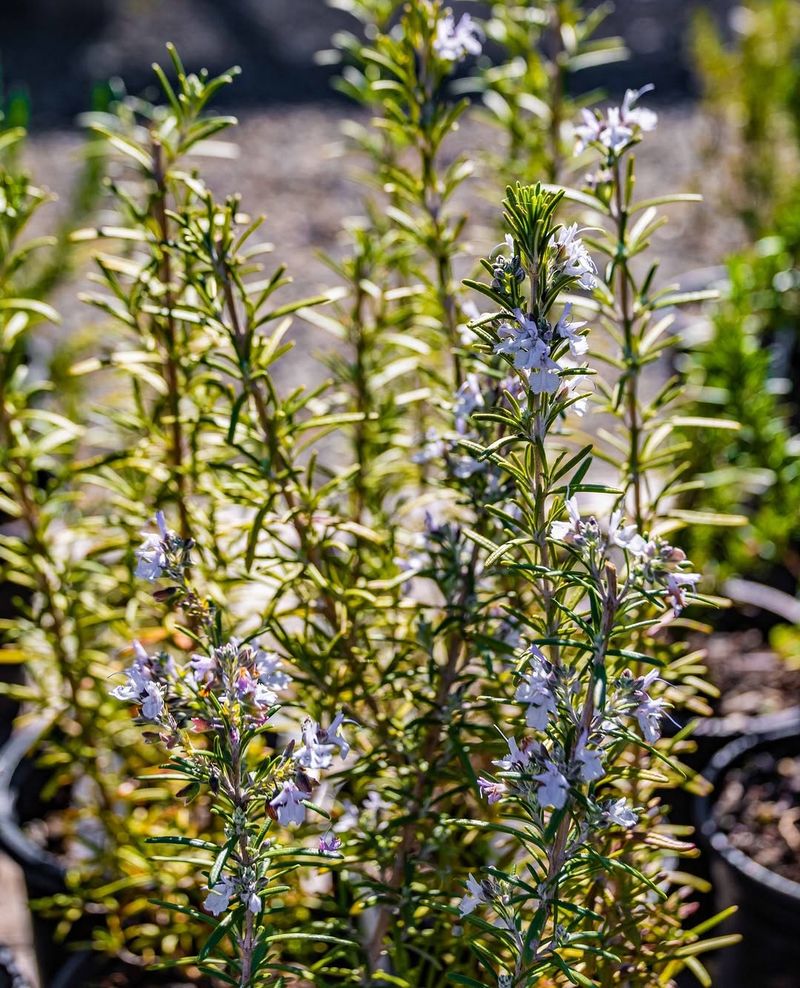
Deer hate the smell of rosemary. That sharp, piney, herbal scent that makes your kitchen smell amazing is the exact thing that sends deer walking in the opposite direction.
Rosemary grows into a dense, woody shrub over time. It tolerates drought well and handles the long, hot summers here without much fuss.
Sandy or well-drained soil suits it best.
Plant it along borders or near entry points where deer tend to wander in. Its strong fragrance works as a front-line deterrent before deer even get close to your more vulnerable plants.
Full sun is non-negotiable for rosemary. It struggles in shade and heavy clay soil, so raised beds or amended garden spots give it the best shot at thriving.
Pruning keeps it tidy and actually boosts its aromatic oils. More oils mean a stronger scent barrier.
A light trim after blooming encourages fresh growth throughout the season.
Beyond deer resistance, rosemary attracts bees and adds year-round structure to beds. It is one of the most reliable multi-purpose plants a Southern gardener can keep in their toolkit.
Avoid overwatering once it is established, since rosemary performs best when the soil has a chance to dry between waterings.
Its evergreen foliage also keeps working as a visual and fragrant barrier throughout every season of the year.
Mature plants can grow several feet wide, so give rosemary enough space to develop without crowding nearby plants.
2. Lavender Lights Up Beds With Purple Spikes
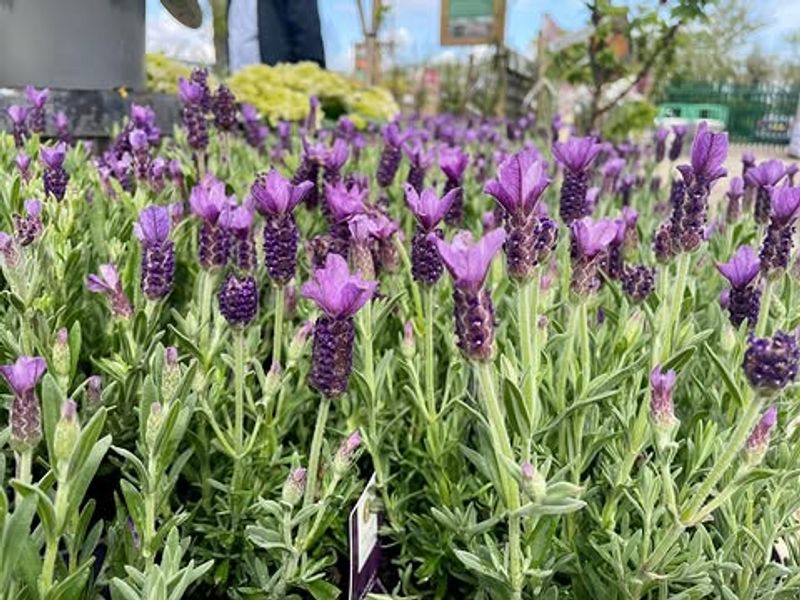
Few plants stop deer in their tracks quite like lavender. Its floral scent is pleasant to humans but overwhelming to deer, whose sensitive noses treat it like a warning signal.
Lavender thrives in full sun and well-drained soil. Wet feet will cause root rot quickly, so raised beds or slopes work well in areas with heavier rainfall or clay-heavy ground.
Spanish and Phenomenal lavender varieties tend to handle Southern humidity better than English types. Choosing the right variety matters a lot in warm, sticky climates where some cultivars simply struggle.
Plant lavender near pathways, garden entrances, or around vegetable beds. Its placement at the edges of a garden creates a scented boundary that deer prefer to avoid entirely.
Your Georgia Garden Changes Every Week. Your Plan Should Too.
Gardening in Georgia changes quickly throughout the season. Every Friday you’ll receive a simple weekly plan showing exactly what to plant, prune, fertilize, harvest, and protect so you never miss the right timing.
Blooms arrive in late spring and can continue into summer with proper deadheading. Removing spent flower spikes encourages a second flush and keeps plants looking full and healthy.
Pollinators absolutely love lavender. Bees and butterflies flock to it all season.
So while it is pushing deer away, it is simultaneously pulling in the beneficial insects every garden needs.
Good air circulation helps prevent fungal issues during humid stretches. Spacing plants at least 18 inches apart gives each one room to breathe and stay healthy through the warmer months.
A layer of gravel or coarse mulch around the base can also help improve drainage and keep the crown of the plant drier.
3. Russian Sage Fills Beds With Silvery Growth
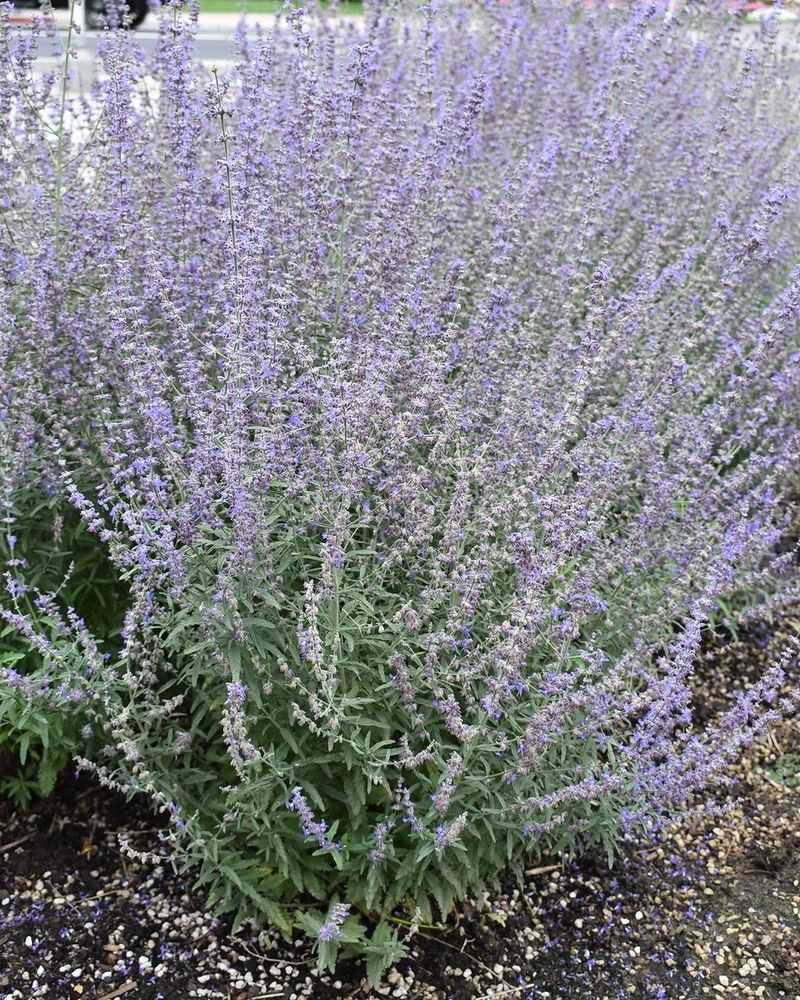
Walk past Russian sage and you immediately understand why deer avoid it. Every part of the plant carries a strong, slightly medicinal scent that deer find deeply unappealing.
Silvery stems and hazy purple-blue flowers make it one of the most visually striking plants in any summer bed. It adds height, movement, and color without needing much attention from the gardener.
Russian sage loves heat. It performs exceptionally well through long, dry summers and bounces back quickly even after stretches of drought.
Full sun and lean soil bring out its best qualities.
Rich or overly fertilized soil actually works against it. Too much nitrogen causes floppy, weak growth.
Keep the soil on the leaner side and let the plant stay compact and upright naturally.
Cut it back hard in early spring before new growth emerges. This keeps the plant from getting woody at the base and encourages fresh, vigorous stems every season.
Pair it with ornamental grasses or coneflowers for a layered, naturalistic look. Russian sage fills in mid-border gaps beautifully and keeps that section of the garden deer-free at the same time.
Despite its name, Russian sage is not a true sage. It belongs to a different genus entirely.
That distinction matters little in practice, but it explains why some gardeners are surprised by its growth habit.
4. Catmint Delivers Color For Months
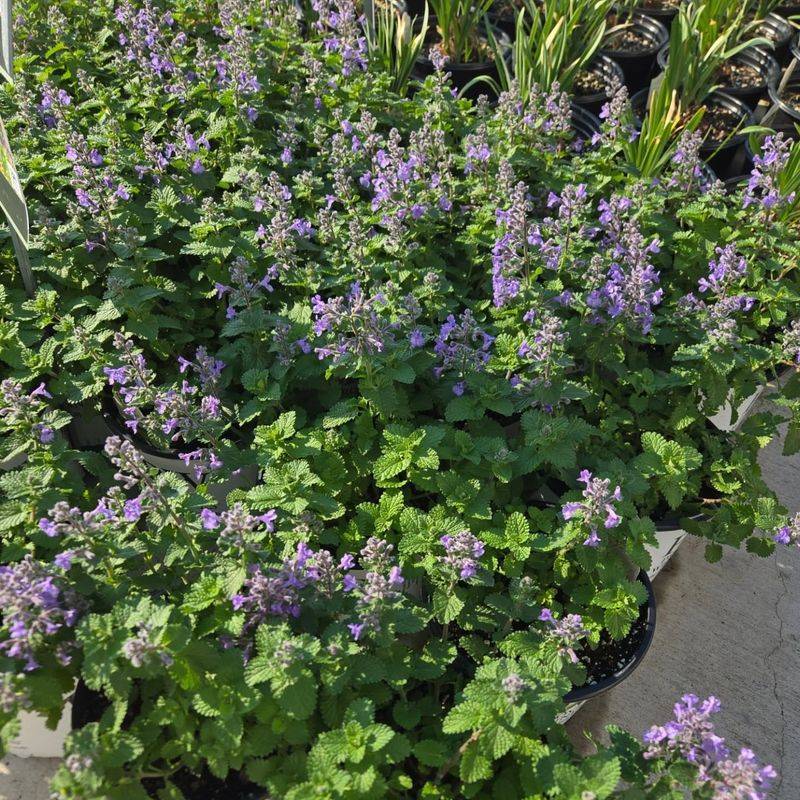
Catmint earns its place in any deer-resistant garden by combining reliable performance with months of color. Deer avoid it because of its minty, aromatic foliage that smells pleasant to people but not to them.
Blooms start in late spring and continue well into summer. Cut the plant back by about one-third after the first big bloom flush and it will rebound with a fresh round of flowers within weeks.
Walker’s Low is the most popular variety for garden borders. It stays compact, spreads gracefully, and handles heat without wilting dramatically the way some other perennials tend to do.
Full sun works best, though catmint can tolerate light afternoon shade. In areas with intense summer heat, a bit of shade during the hottest part of the day can actually help extend bloom time.
Soil drainage is important. Standing water around the roots causes problems fast.
Amend heavy clay soil or plant in a raised bed to keep moisture levels in check through rainy stretches.
Bees and butterflies treat catmint like a buffet. It draws pollinators consistently from spring through fall, making it a genuinely useful plant beyond just its deer-deterrent properties.
Spacing plants about 18 to 24 inches apart lets them fill in without crowding. Over time, established clumps create a dense, fragrant mat that deer consistently pass over in favor of less pungent options nearby.
5. Lamb’s Ear Covers Ground With Velvety Foliage
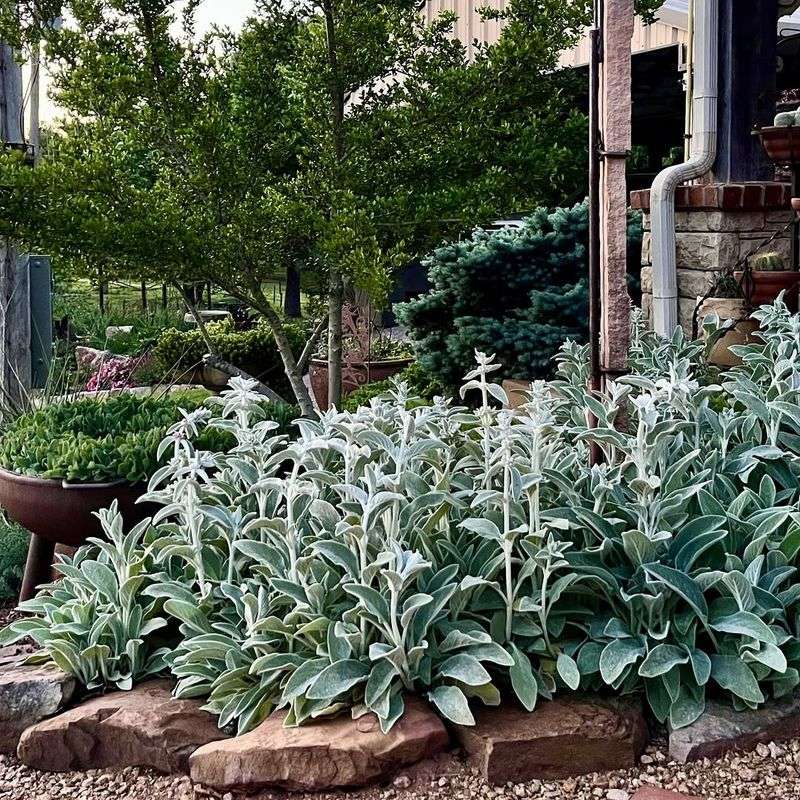
Touching lamb’s ear is one of those oddly satisfying gardening experiences. Those thick, fuzzy silver leaves feel like velvet, and that same texture is exactly what makes deer want nothing to do with them.
Deer rely heavily on texture when deciding what to eat. Rough, hairy, or woolly foliage sends a clear signal to move on.
Lamb’s ear checks every box on that list.
It spreads steadily along borders and slopes, filling in bare ground without much encouragement. That spreading habit makes it a practical ground cover choice for areas where you want low-maintenance coverage.
Full sun to partial shade suits it well. It handles summer heat better when given some afternoon shade, especially during the driest and hottest weeks of the growing season.
Avoid overwatering. Wet, humid conditions around the crown can cause the center of the plant to rot out.
Good airflow and dry mulch around the base help prevent that problem.
Flower spikes appear in late spring and attract bees reliably. Some gardeners remove them to keep the plant looking tidy, while others leave them up for the pollinator benefit.
Pair lamb’s ear with darker-leaved plants to create strong visual contrast. Its silver-gray tones make neighboring colors pop, and it holds its attractive foliage from spring well into fall across most of the Southeast.
Dividing clumps every few years helps maintain vigorous growth and prevents crowded sections from thinning in the center.
6. Society Garlic Brings Bold Texture And Bloom
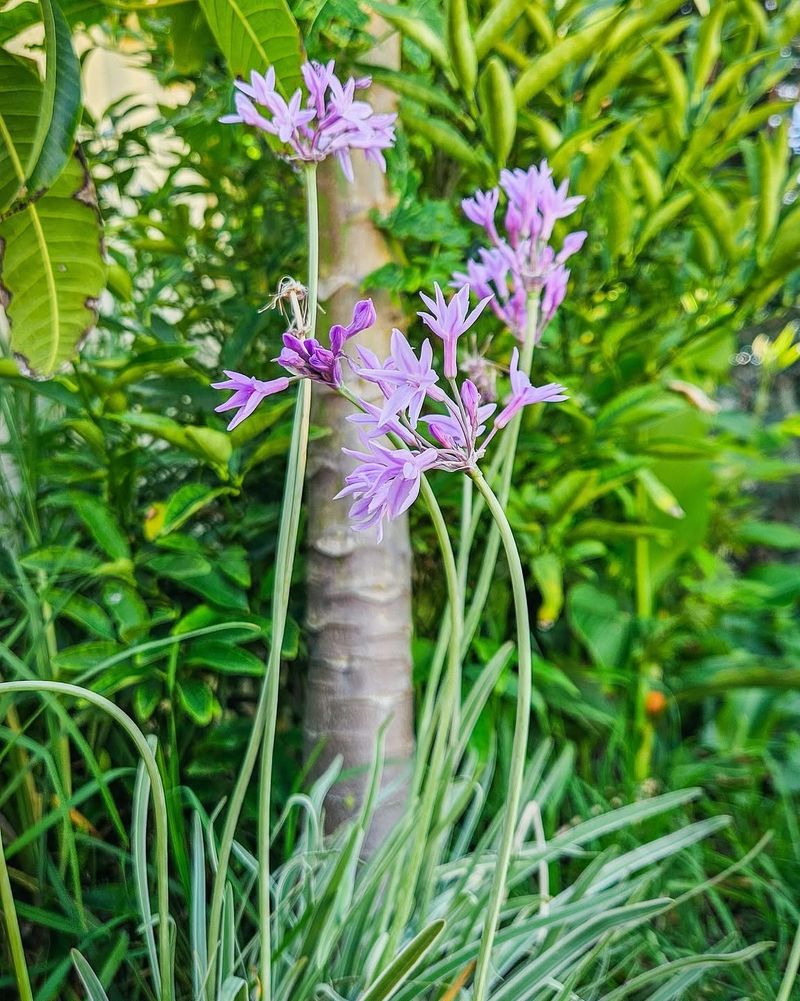
Society garlic is one of those plants that quietly does everything right. It blooms reliably, looks sharp in a border, and smells strongly enough of garlic that deer never bother approaching it.
Clusters of soft lavender-purple flowers appear on tall stems above strappy green foliage. The blooms last for weeks and return in flushes throughout the warmer months with minimal deadheading required.
Crush a leaf and the garlic scent hits immediately. That smell is mild enough to be tolerable in the garden but strong enough to register as a red flag for deer passing nearby.
Full sun and well-drained soil produce the strongest plants. Wet soil weakens the root system over time, so avoid low spots in the yard where water tends to collect after heavy rain.
Society garlic handles drought reasonably well once established. During the first season, water regularly to help roots settle in.
After that, it needs far less attention to stay healthy and blooming.
It works beautifully along walkways and near patios where its fragrance can be appreciated up close. The scent is strongest when the foliage is brushed or disturbed, which happens naturally as people walk by.
In Georgia, it often stays semi-evergreen through mild winters. A hard freeze may knock it back, but established clumps typically push fresh growth again once temperatures start climbing in early spring.
7. Yarrow Holds Up Through Dry Conditions
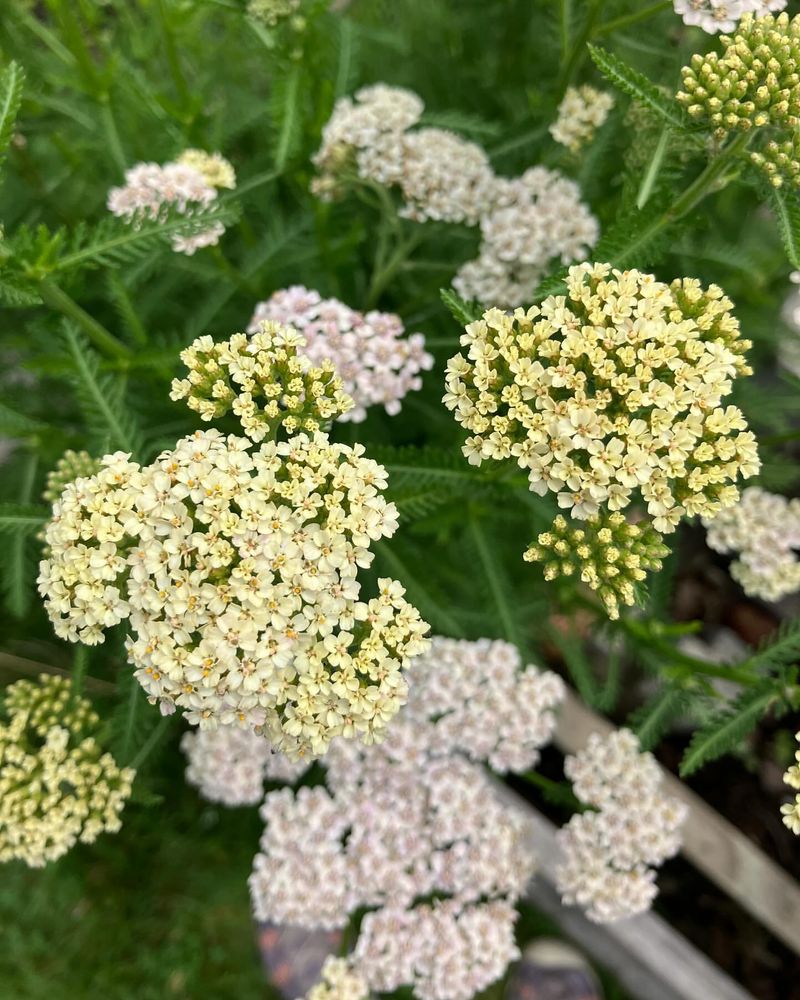
Yarrow is tough in a way that most garden plants simply are not. It thrives in poor soil, handles drought without complaint, and produces flat-topped flower clusters that pollinators absolutely swarm.
Deer avoid yarrow because of its strongly scented, feathery foliage. Crushing the leaves releases a sharp, bitter herbal smell that registers immediately as unpleasant to browsing animals.
Flower colors range from white and yellow to deep red and coral. There are enough cultivars available to suit almost any garden color scheme, which makes it easy to work into existing beds.
Full sun is essential. Yarrow planted in shade gets leggy and tends to flop over.
In the right spot with good drainage and plenty of light, it stands upright and blooms heavily all season.
Avoid rich or fertilized soil. Yarrow actually performs better in lean conditions.
Excess nutrients push too much leafy growth at the expense of flowers and make the stems weaker overall.
Deadheading spent blooms extends the flowering season noticeably. Cut stems back to a set of leaves lower on the plant and new buds will form within a couple of weeks in warm weather.
Divide clumps every two to three years to keep plants vigorous. Older clumps can get woody and sparse in the center.
Division refreshes the plant and gives you more to spread throughout the garden.
8. Butterfly Weed Supports Pollinators All Season
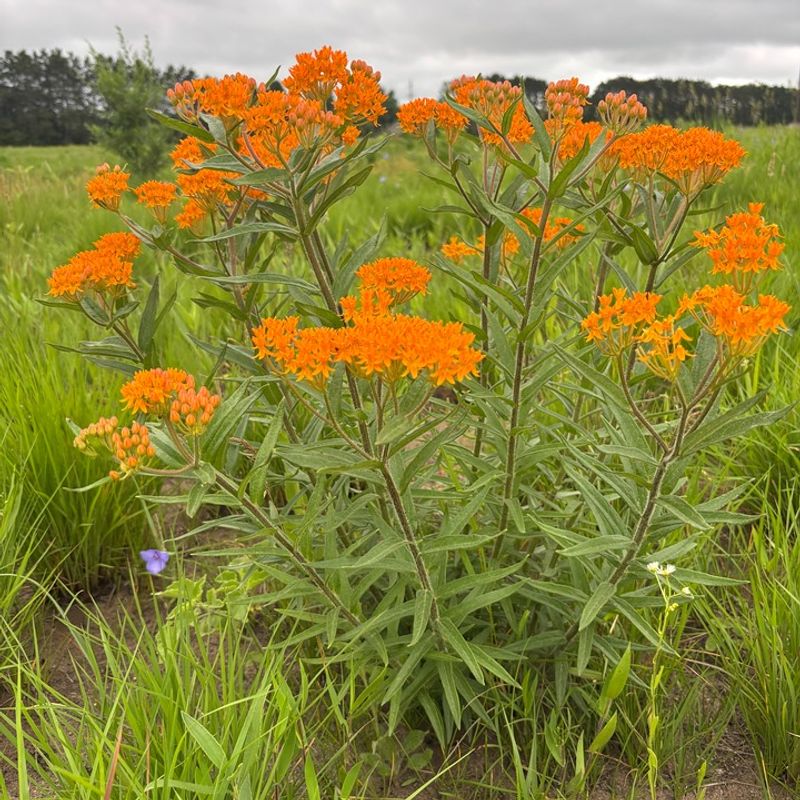
Bright orange flower clusters and monarch butterflies go together like a perfect summer afternoon. Butterfly weed earns its name by drawing pollinators from seemingly everywhere, all while staying firmly on deer’s avoid list.
Deer tend to skip milkweed family plants because of their bitter, milky sap. Butterfly weed carries that same sap, which makes it unappealing to browse even when other plants nearby have been stripped clean.
It is native to much of the Southeast, which means it is already adapted to the climate, soil conditions, and seasonal patterns of the region without needing much help from the gardener.
Full sun and excellent drainage are the two non-negotiables. Butterfly weed absolutely cannot handle wet or waterlogged soil.
Sandy or rocky ground actually suits it quite well once established.
Deep taproots make it drought-tolerant once it settles in. Avoid moving established plants because those roots go down far and do not recover well from being disturbed after the first season.
Blooms arrive in early to midsummer and last for several weeks. Seed pods form after flowering and split open in fall, releasing silky seeds that drift on the wind and self-sow nearby if left in place.
Beyond monarchs, it supports a wide range of native bees and other beneficial insects. Few plants offer this combination of deer resistance, drought tolerance, and genuine ecological value all in one package.