This Texas Tree Looks Harmless But Is More Toxic Than Rattlesnake Venom
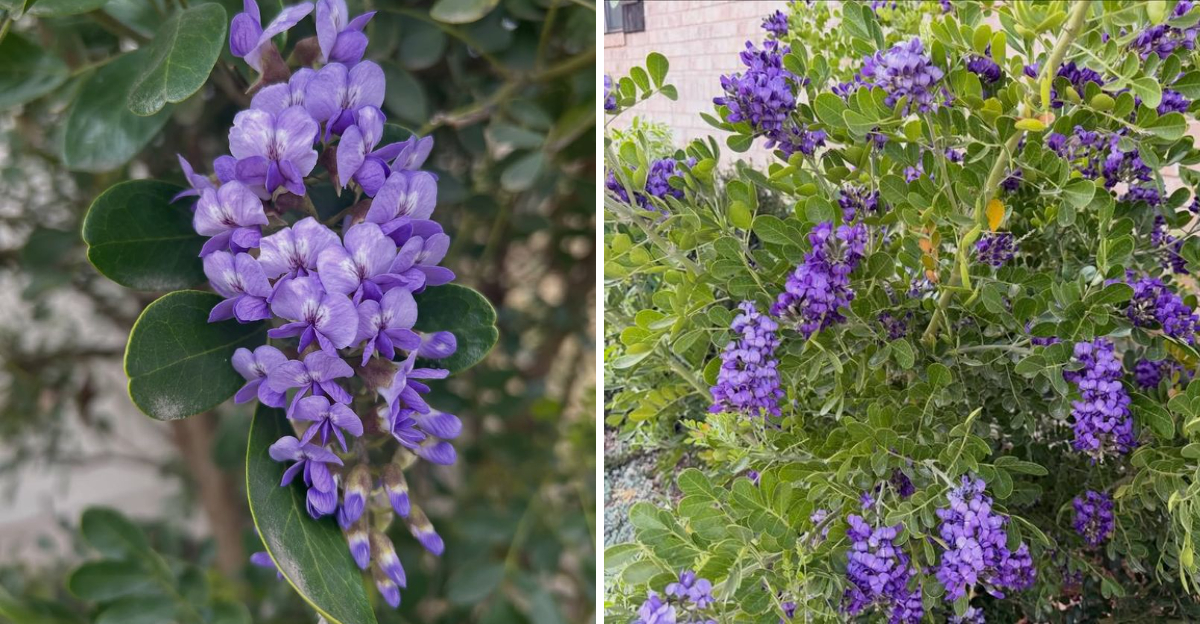
Somewhere in a Texas backyard right now, someone is standing next to one of the most chemically potent plants in the state and thinking absolutely nothing of it.
The tree looks completely ordinary. Tidy, even. The kind of thing a landscaper would recommend without hesitation, and thousands of them have.
It shows up in front yards across Austin, San Antonio, and the Hill Country with a nursery tag that highlights all the good stuff. Drought tolerant and deer resistant. Native. Beautiful. All of that is completely true.
What the nursery tag tends to leave out is the part that researchers find genuinely worth knowing about.
The part that involves chemistry is so potent that comparisons to rattlesnake venom are not considered an exaggeration. Does that sound dramatic? It should, a little.
This is a tree that probably millions of Texans live next to, garden around, and let their kids play near without any real awareness of what it contains. The seeds alone have a history that goes back centuries.
Ready to find out which tree is sitting in your neighborhood?
A Tree With Ordinary Bark And Extraordinary Toxic Sap
Walk up to a Texas mountain laurel and the bark tells you nothing. Grayish-brown, slightly furrowed, and about as threatening as a fence post.
That ordinary exterior is exactly what makes this tree so surprising once you understand what is happening beneath it.
Texas mountain laurel, widely known as Sophora secundiflora, though many native plant sources now list it as Dermatophyllum secundiflorum, carries a chemical profile that most people standing next to it have no idea about.
The sap contains quinolizidine alkaloids, particularly cytisine, a compound that acts on the nervous system in ways researchers take seriously.
Cytisine mimics nicotine in the body, binding to the same receptors and triggering a rapid cascade of symptoms if absorbed through broken skin or ingested in any amount.
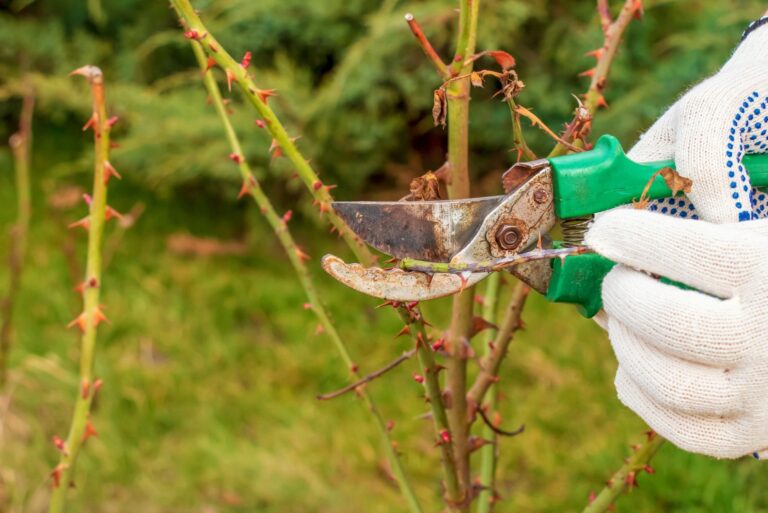
The sap does not ooze freely on a calm day. Pruning, snapping branches, or rough handling is what releases it. That is the moment when protection actually matters.
Nitrile or rubber gloves are the right choice for any trimming work. Standard cloth garden gloves are not sufficient because the sap can soak through fabric without you realizing it until later.
This tree is native to the Edwards Plateau and Trans-Pecos regions, where it thrives in rocky, alkaline soils. It is drought-tolerant and genuinely tough, which is exactly why landscapers recommend it constantly.
The same resilient chemistry that helps it survive harsh Texas conditions is also what makes its sap worth treating with real respect.
Beautiful tree. Excellent landscaping choice. Just maybe do not grab a branch with your bare hands and start snapping things off.
Leaves That Look Calm But Carry Poisonous Compounds Inside
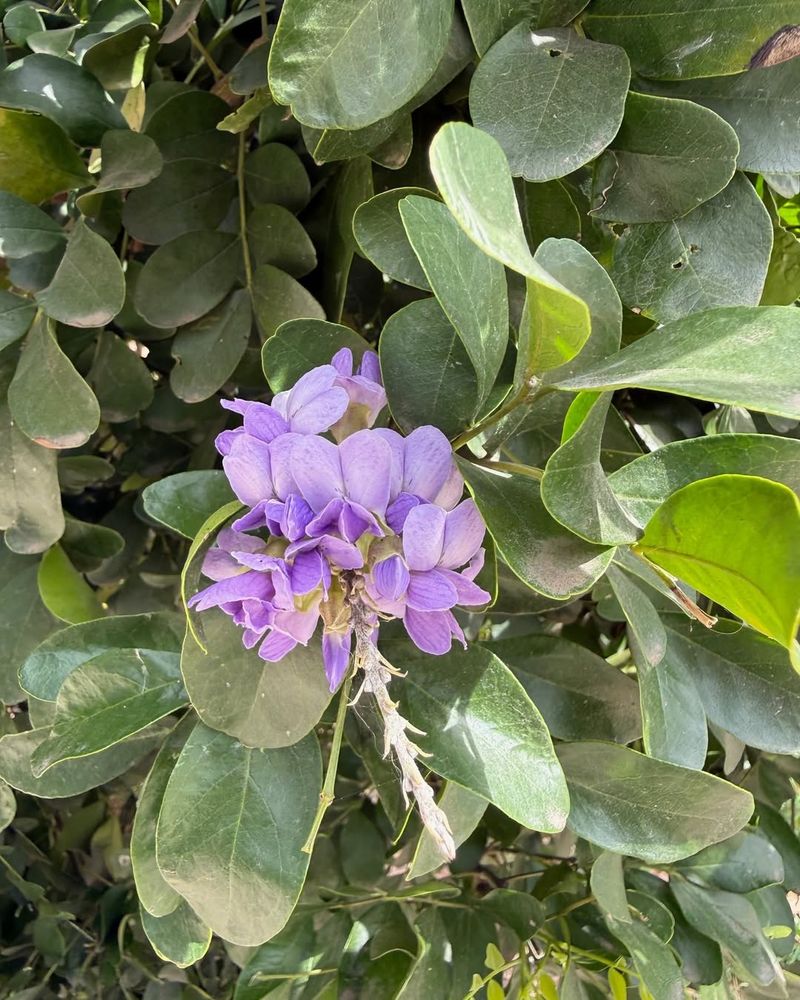
Shiny, deep green, and neatly arranged in pairs along each stem, the leaves of the Texas mountain laurel look like something from a well-tended herb garden.
They stay green year-round and give the tree a polished, almost tropical appearance even in the middle of a dry Texas summer. Looks can absolutely be misleading.
Your Texas Garden Changes Every Week. Your Plan Should Too.
Gardening in Texas changes quickly throughout the season. Every Friday you’ll receive a simple weekly plan showing exactly what to plant, prune, fertilize, harvest, and protect so you never miss the right timing.
Those leaves contain the same alkaloid compounds found throughout the rest of the plant. All above-ground parts of Sophora secundiflora are considered toxic, and the foliage is not an exception.
Handling large quantities of fresh leaves without protection is not a recommended activity, especially for children who might be drawn to the plant’s pleasant appearance.
The risk increases during warm, humid weather when the plant’s cellular activity peaks. Gardeners in Central or South Texas working on this tree during spring and early summer should be particularly aware.
A long-sleeved shirt paired with gloves adds meaningful protection and takes about thirty seconds to put on.
One detail worth knowing: the leaves release a faint, pleasant scent when crushed. That quality is genuinely capable of tempting curious kids to handle them more than they should.
Talking to children about which plants to admire and which ones to leave alone is one of the most practical safety conversations any Texas family can have. It does not need to be dramatic. Just clear.
The tree is beautiful. The leaves are beautiful. The chemistry inside those leaves is something you want to know about before you start handling them casually.
Tiny Seeds That Pack A Harmful Punch If Ingested Or Handled
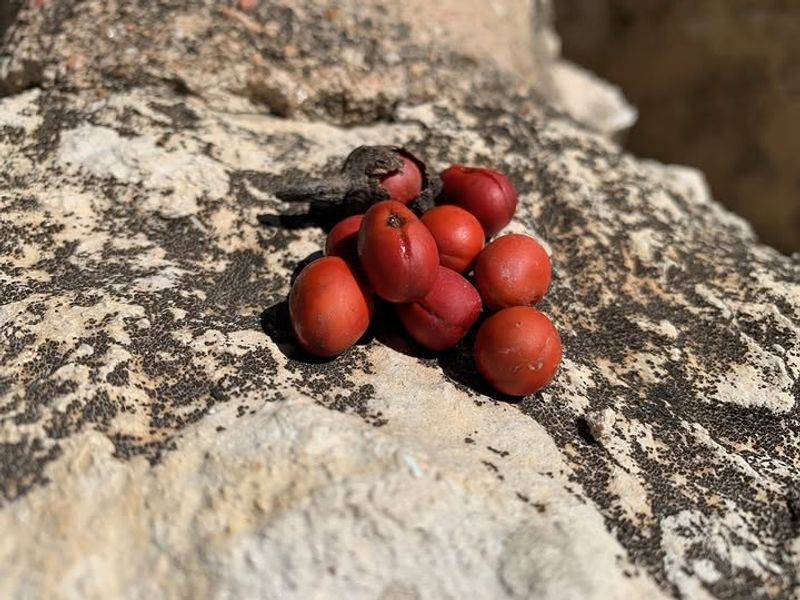
Yes, the seeds of the Texas mountain laurel are genuinely striking. For centuries, indigenous peoples of the Southwest used them as ceremonial beads and traded them across long distances. Their color made them valuable objects.
That same beauty is what makes them a concern today, particularly around young children and curious pets.
Each seed contains a concentrated dose of cytisine, the alkaloid responsible for this tree’s serious reputation.
Even partial ingestion of a single seed can trigger nausea, vomiting, and neurological symptoms in a small child or a medium-sized dog. A full seed that gets chewed and swallowed raises the concern considerably.
The seeds develop inside woody pods that ripen in late summer and fall. Once dry, the pods split open and scatter seeds across the ground. Pets and toddlers encounter them at exactly the right height to pick them up without thinking twice.
Collecting fallen pods before they open is one of the most effective ways to reduce exposure in any yard where this tree grows.
Handling the seeds directly for extended periods is also worth avoiding. The hard seed coat offers some protection, but cracked or damaged seeds release more of the alkaloid.
If ingestion is suspected, contact poison control immediately. Do not wait to see what happens.
Red, beautiful, and genuinely not meant to be touched. The seeds are basically the tree’s way of saying it has a very effective security system.
Sap That Causes Skin Irritation Worse Than You Expect
Many people expect a little discomfort from yard work. A scratch here, some mild irritation there. Contact with Texas mountain laurel sap tends to catch people off guard because the reaction is not always immediate.
That delayed response is part of what makes it tricky.
The alkaloids in the sap can cause localized redness, swelling, and a burning sensation on contact with skin. Particularly when the skin is thin, broken, or exposed for a prolonged period. People with sensitive skin may notice stronger reactions than others.
Even brief contact during pruning warrants thorough hand-washing with soap and water as soon as the task is complete. That is not an overreaction. It is just the right habit to build around this particular tree.
Eye contact is the scenario that deserves the most caution. If sap splashes near the eyes during cutting, flush immediately with clean water for at least fifteen minutes.
Safety glasses or even basic sunglasses provide real protection when working with loppers or a pruning saw on this species.
Individual sensitivity varies significantly. Some gardeners report no reaction after casual contact. Others describe a burning sensation that lingers for hours. There is no reliable way to predict how your skin responds the first time.
Treating every pruning session as if the sap matters is the safest and most sensible approach.
This tree is worth having in the yard. Just do not find out the hard way that nitrile gloves are cheaper than regret.
Unassuming Shape Hides Its Potent Chemical Defenses
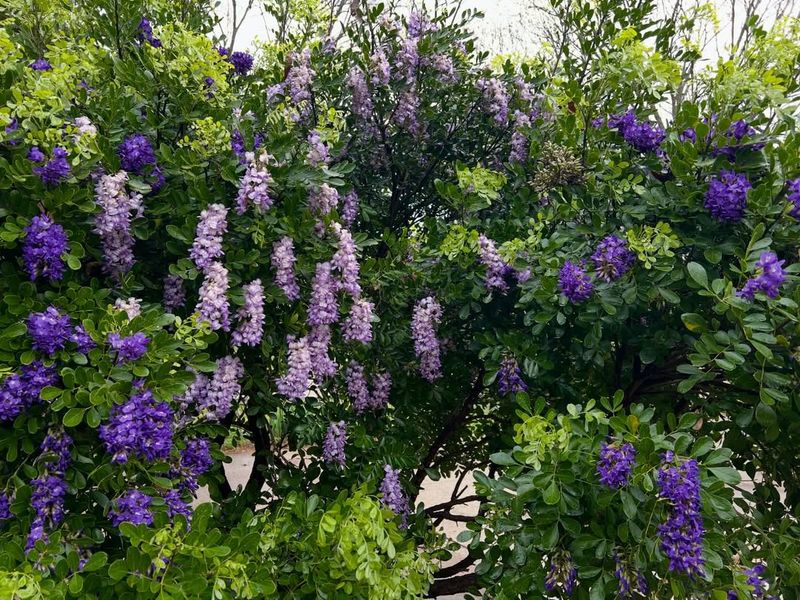
Nursery tags rarely tell the whole story. The Texas mountain laurel gets sold across the state as a low-maintenance, drought-tolerant, deer-resistant ornamental, and every single one of those points is accurate.
What the tag typically leaves out is the chemistry running quietly through every branch, leaf, and seed.
The tree grows slowly, reaching ten to fifteen feet at maturity with a neat form that fits naturally into foundation plantings, privacy screens, and xeriscaped front yards.
Its compact shape and evergreen foliage make it a consistent recommendation from Texas landscapers who want year-round structure without heavy irrigation demands.
That popularity means millions of Texans live near this tree without much awareness of its chemical profile.
Neighborhoods across Austin, San Antonio, and the Hill Country are full of mature specimens. Homeowners who inherited one with a purchased property may never have been briefed on safe handling at all.
Casual proximity to the tree poses very little concern. Sitting under it, walking past it, or leaning against the trunk are all fine.
The concern rises specifically during pruning, seed collection, or any activity that involves breaking plant tissue. That is where the chemistry becomes relevant to your afternoon.
Knowing where the line sits between safe admiration and risky contact turns this plant from a potential concern into a perfectly manageable landscape feature.
Gorgeous tree. Excellent curb appeal. Just maybe read the fine print that the nursery forgot to include.
Wildlife May Touch It But People Need Extra Caution Nearby
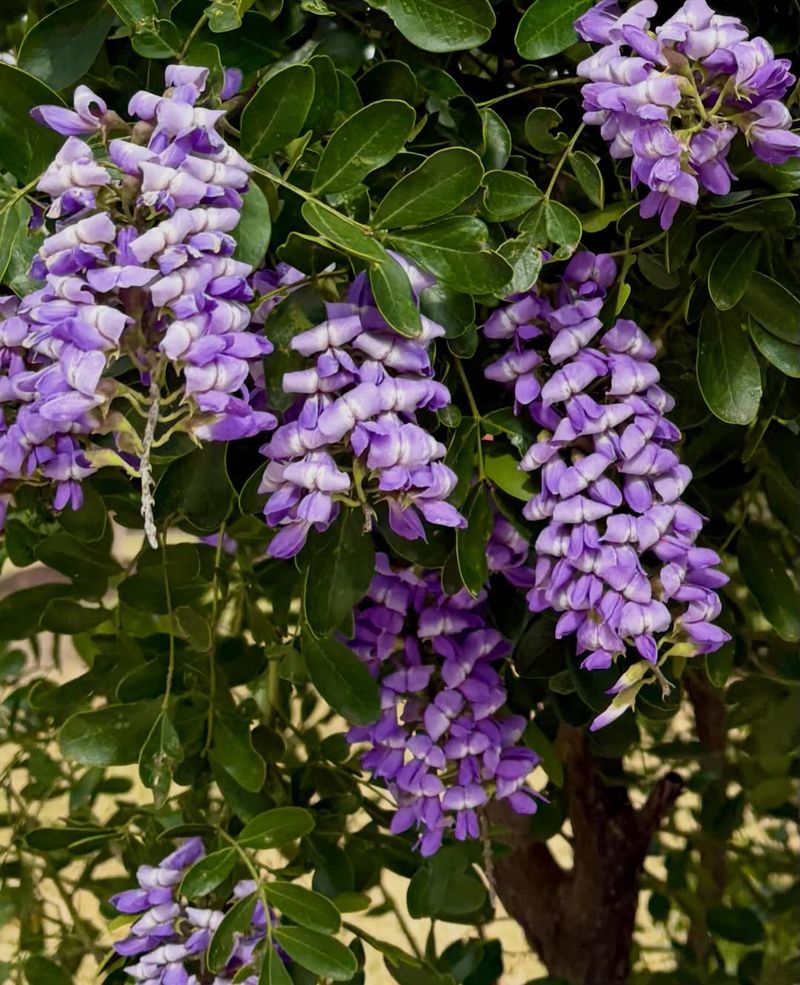
White-tailed deer browse through Texas gardens with remarkable confidence and very little discrimination. They will eat almost anything.
The Texas mountain laurel is one of the few plants they consistently leave alone. That is not coincidence. It is a biological response to alkaloids that the deer seem to recognize instinctively, even if most homeowners do not.
Birds sometimes peck at the seeds without apparent effects, likely because their digestive systems process the compounds differently than mammals do.
Squirrels have been observed handling the seeds as well, though mammalian exposure in meaningful quantities is still considered a genuine concern by researchers.
Livestock including cattle and goats have experienced serious reactions after consuming parts of Sophora secundiflora. The evidence is well documented and worth taking seriously.
For people, the distinction between wildlife and humans comes down to body weight, metabolic rate, and the simple fact that gardening involves handling plants directly with bare hands.
A deer casually nudging a branch is a fundamentally different exposure scenario than a gardener spending thirty minutes shaping a mature tree with hand pruners.
Children face a distinct risk profile compared to adults, largely due to body size and the natural tendency to pick up anything bright and interesting. Bright red seeds scattered on the ground are difficult for small kids to resist.
Supervising children near this tree and teaching them not to handle fallen seeds is a simple and effective precaution. The deer figured out the warnings instinctively. Kids benefit from hearing it out loud.
Flowers And Foliage That Look Innocent But Demand Respect
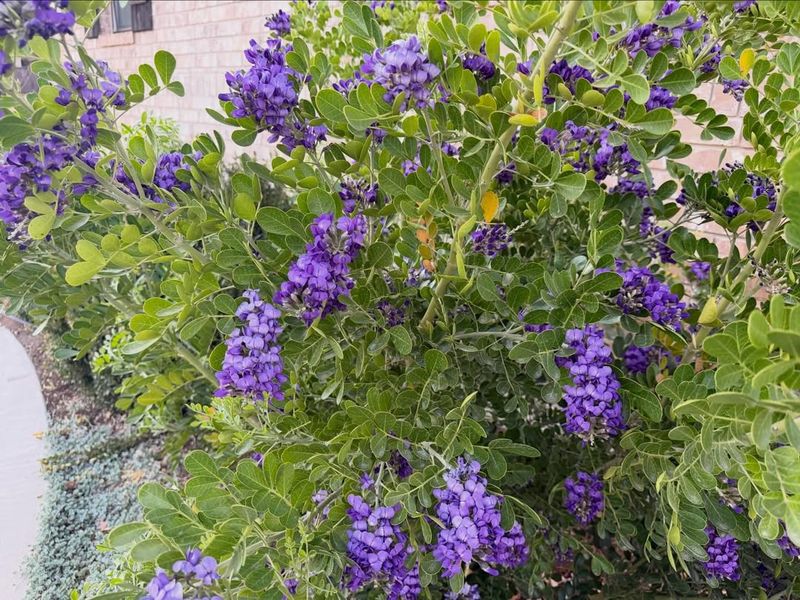
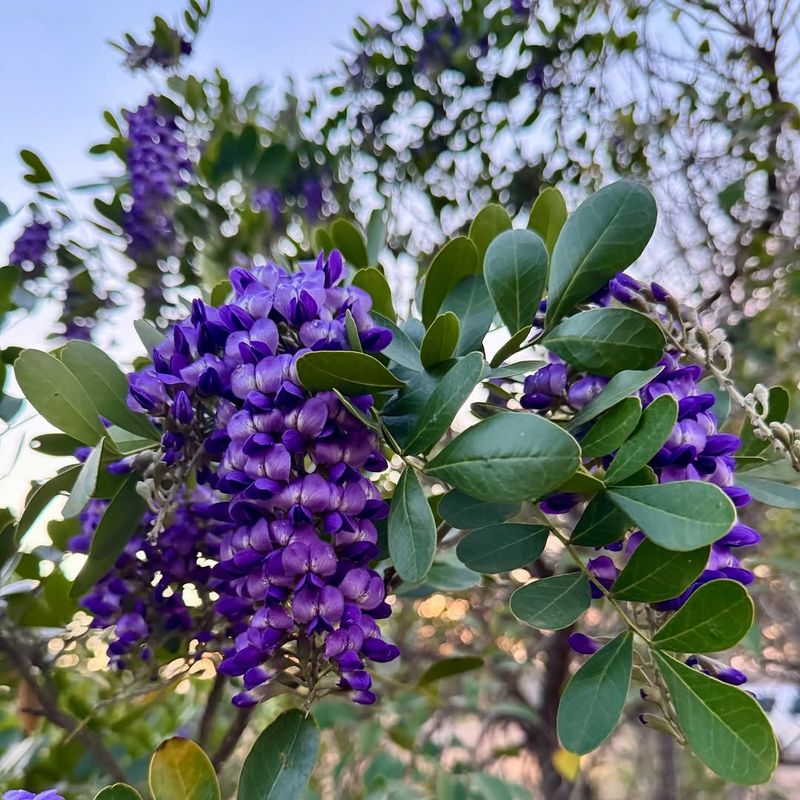
Every spring, the Texas mountain laurel delivers one of the most anticipated moments in the entire native plant calendar.
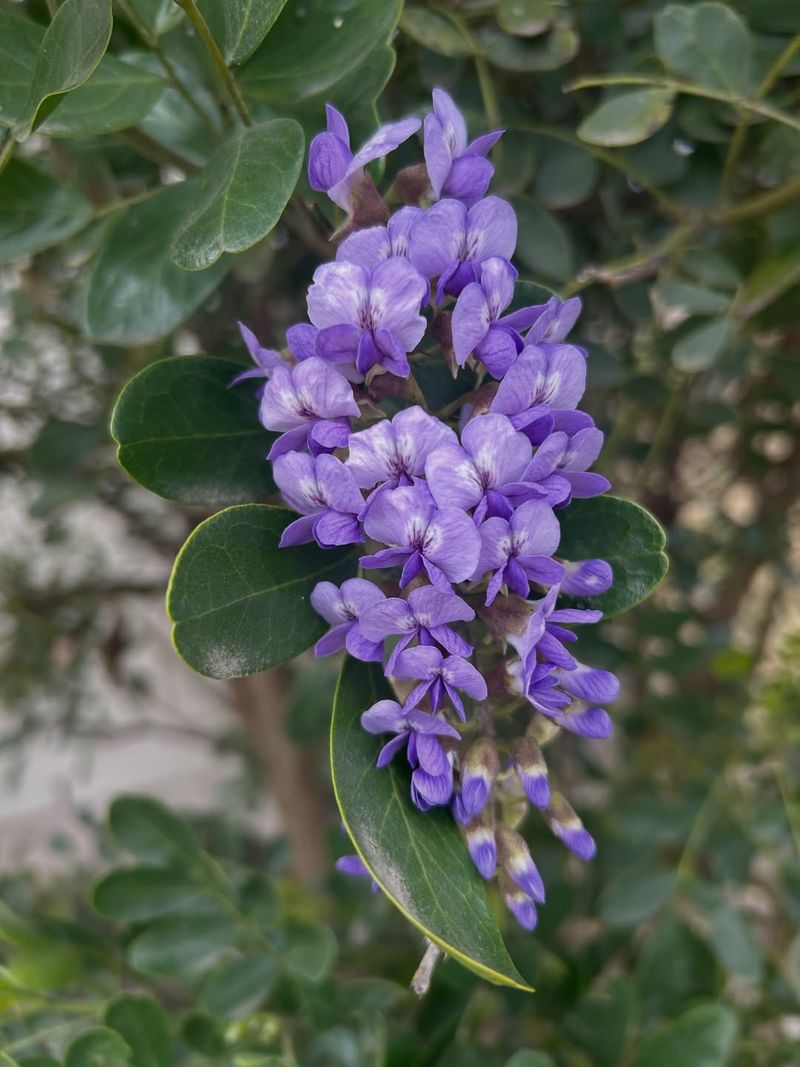
Clusters of purple to violet flowers drape the branches in late February through March and release a scent that smells unmistakably like grape soda.
Neighbors stop mid-sentence. Hikers pause on trails. People who have never cared about a tree in their life suddenly want one in their yard.
That fragrance comes from the same biochemical system that produces the plant’s toxic compounds. The flowers themselves are not considered the most concerning part of the plant, but they are still part of a tree that warrants thoughtful handling throughout the year.
Pollinators, particularly native bees, visit the flowers with obvious enthusiasm and appear completely unbothered by the plant’s chemistry. That is reassuring for anyone worried about the ecological impact of having this tree in the yard.
For people, the bloom period is an excellent time to enjoy the tree from a comfortable distance. Cutting flowering branches to bring indoors is possible with gloves, keeping cuttings away from pets and small children who might chew on them.
Stopping to smell the flowers up close is completely fine. Pressing your face into a freshly cut stem is where the situation changes.
The foliage stays beautiful in every season. Treating this tree with the same respect you would give any powerful native species gets you all the beauty and none of the complications.
Grape soda scent, stunning purple blooms, and chemistry that would impress a toxicologist. The Texas mountain laurel truly contains multitudes.