These 9 Mosquito-Repelling Plants Your Kentucky Patio Needs
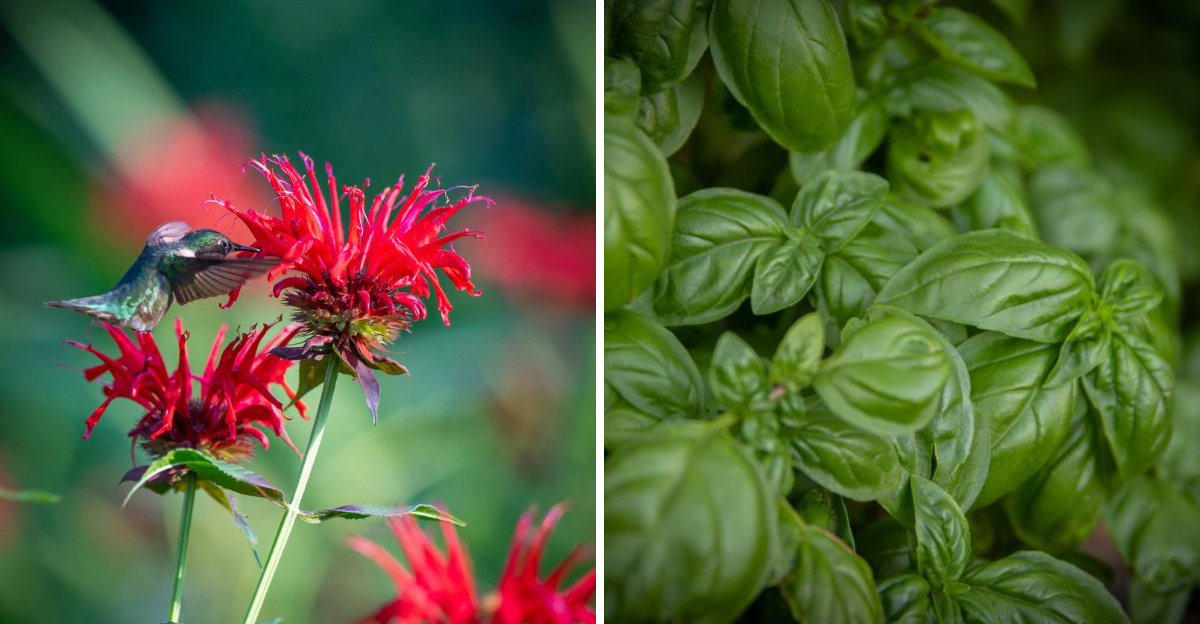
Summer evenings in Kentucky hit different. The fireflies are out, the air is warm, and your patio is the best seat in the house. Then the mosquitoes show up and ruin everything.
You could reach for the chemical spray. Or you could do something better.
Certain plants naturally produce compounds and oils that mosquitoes want nothing to do with. Plant them close to where you sit, and those bugs start looking for easier targets.
Some of these plants pull double duty as culinary herbs. Others attract butterflies and bees while pushing mosquitoes out. A few are so aggressive they practically grow themselves.
Nine plants. All of them beautiful. All of them worth growing. And every single one of them can thrive right here in Kentucky’s climate, whether you tuck them into garden beds or line them up in pots along your patio edge.
Your outdoor space deserves better than just bug spray.
1. Lavender Is The Purple Powerhouse Mosquitoes Can’t Stand
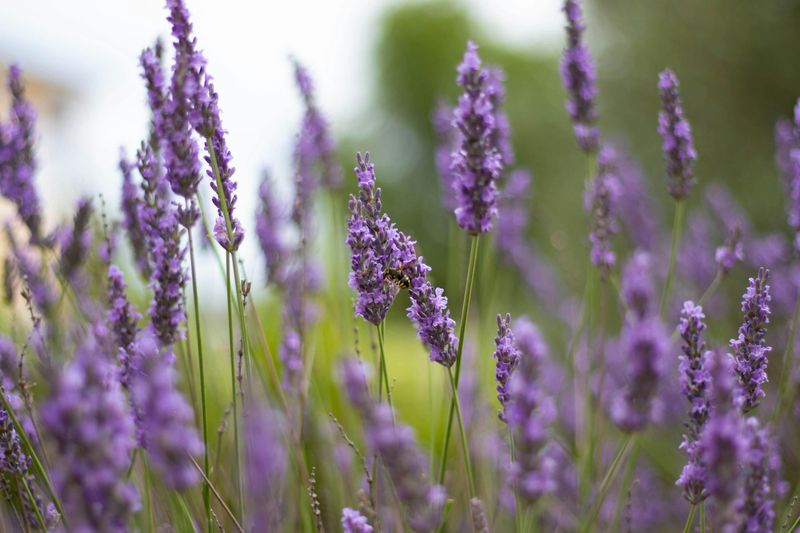
Picture a warm July evening, a glass of sweet tea in hand, and the soft scent of lavender drifting across your patio. That dreamy aroma is exactly what sends mosquitoes scrambling in the other direction.
Lavender contains linalool, a natural compound that mosquitoes genuinely cannot tolerate. You get a stunning, silvery-green plant loaded with purple blooms, and those pests get a one-way ticket off your deck.
Mosquito-repelling plants do not get much more stylish than lavender. Plant it in a sunny spot with well-drained soil, and it will practically take care of itself all summer long.
Kentucky summers offer plenty of heat and sunshine, which lavender absolutely loves. Set a few pots near your seating area or along a fence line for the best coverage.
Crush a few stems between your fingers before heading outside, and the oils release even more strongly. You can also dry the blooms and hang them near doors to keep your indoor spaces smelling fresh and bug-free.
Lavender is low-maintenance, drought-tolerant once established, and bees and butterflies love it. Your patio becomes a sanctuary instead of a swatting contest, and honestly, that is the whole point.
2. Toss Sage On The Fire Pit And Watch Mosquitoes Back Off
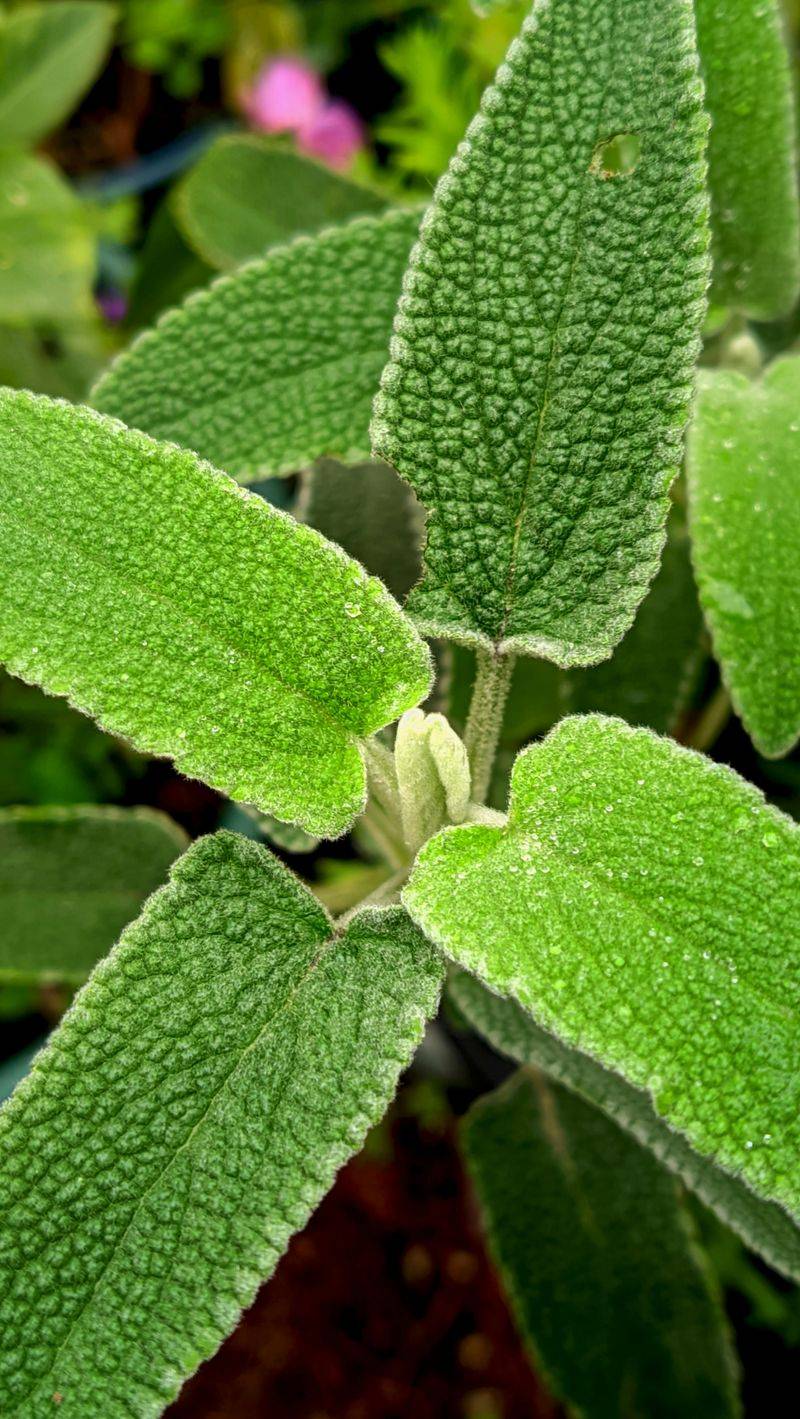
Sage is one of those plants that pulls double duty without breaking a sweat. Grow it around your patio all season long and it works as a passive repellent. Throw a few sprigs on the fire pit when the sun goes down and it kicks into another gear entirely.
The smoke sage produces when burned releases natural oils that mosquitoes find deeply unpleasant. It creates a scented barrier around your seating area that is far more effective than waving your arms around.
Kentucky summers practically beg for fire pit evenings, and having sage growing nearby means you always have a fresh supply within arm’s reach. As a garden plant, sage is incredibly low maintenance.
Sage thrives in full sun and well-drained soil, handles Kentucky’s summer heat without complaint, and comes back every year. Keep it close enough to snip a handful whenever you need it.
Your Kentucky Garden Changes Every Week. Your Plan Should Too.
Gardening in Kentucky changes quickly throughout the season. Every Friday you’ll receive a simple weekly plan showing exactly what to plant, prune, fertilize, harvest, and protect so you never miss the right timing.
It also looks the part. Silver-green leaves and upright growth give it a clean, structured look that works well alongside other patio plants.
Culinary bonus: the same plant that keeps mosquitoes away also ends up in your kitchen. Fresh sage in brown butter pasta or roasted chicken is never a bad idea.
3. Catnip Rivals DEET And Grows Like A Weed

Catnip is not just a cat toy. It is one of the most effective mosquito-repelling plants you can grow, and it asks almost nothing from you in return.
The secret is in the leaves. Catnip produces a natural compound called nepetalactone, and mosquitoes want absolutely nothing to do with it.
Crush a few leaves and rub them on your skin and you have a DIY repellent that works without a single synthetic chemical. Plant enough of it around your patio and you create a scented perimeter that keeps mosquitoes guessing.
Catnip thrives in Kentucky’s climate. It handles heat, tolerates drought, and comes back every year without any fuss. The real thing to watch is its spread.
Catnip grows aggressively and will take over a garden bed if you let it. Grow it in containers instead and you get all the benefits with none of the chaos.
Small white and purple flowers bloom through summer, attracting bees and butterflies while pushing mosquitoes in the opposite direction. It is that rare plant that makes your patio prettier and more peaceful at the same time.
One heads up: your neighbors’ cats may start showing unusual interest in your patio. That is the only downside worth mentioning.
4. Bee Balm Attracts Pollinators And Sends Mosquitoes Packing
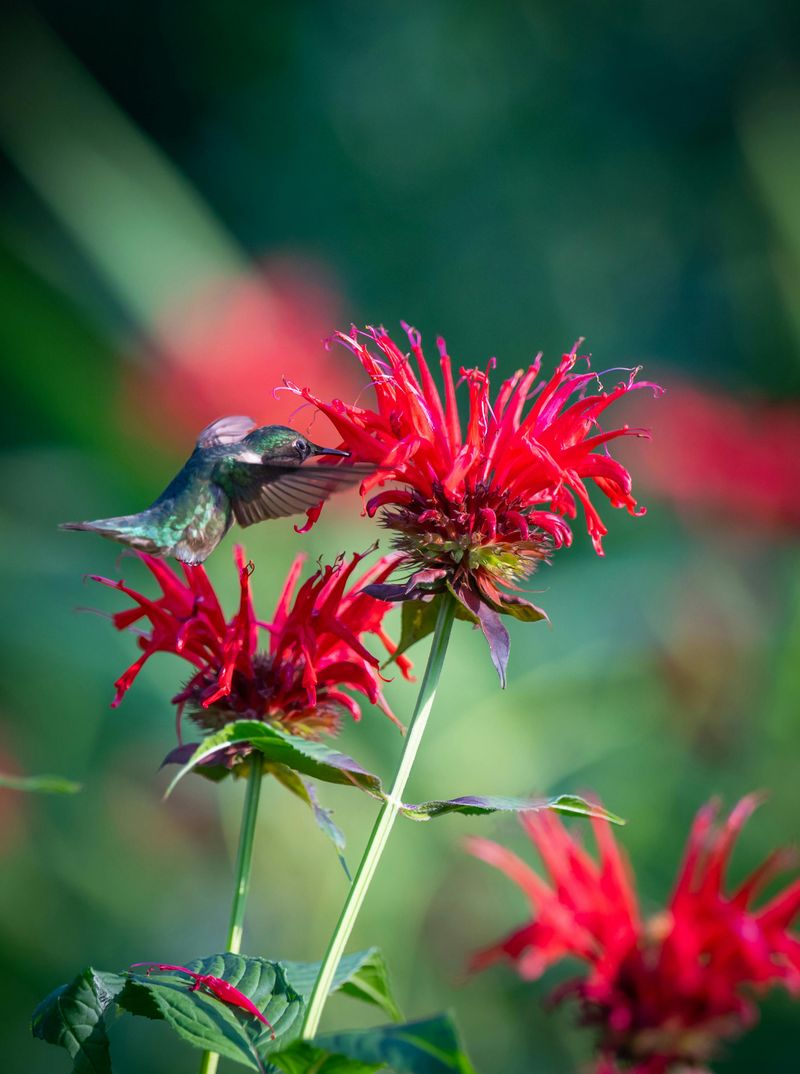
Image Credit: © Chris F / Pexels
Bee balm pulls double duty. Those shaggy red and purple blooms are pure showstoppers, and they bring in pollinators while pushing mosquitoes out.
This native North American plant contains thymol, the same compound found in thyme, which mosquitoes find deeply offensive. You get fireworks-shaped flowers and a natural pest barrier all wrapped into one gorgeous package.
Bee balm grows well in Kentucky’s climate and handles both full sun and partial shade without complaint. It spreads through underground runners, so give it room to roam or plant it in a large container to keep it in check.
Hummingbirds also go crazy for bee balm, which means your patio becomes a full wildlife show on summer afternoons. Watching a hummingbird dart between blooms is a pretty solid consolation prize for dealing with the heat.
Crush a few leaves and rub them on your arms before an evening outside to release the natural oils directly onto your skin. The scent is bright and slightly herbal, nothing like a chemical spray, and it actually smells pleasant to humans.
Plant bee balm near the edges of your seating area for the most effective coverage. It blooms from midsummer onward, giving you protection right when mosquito pressure peaks in a Kentucky summer.
5. Basil Does A Lot More Than Flavor Your Pasta
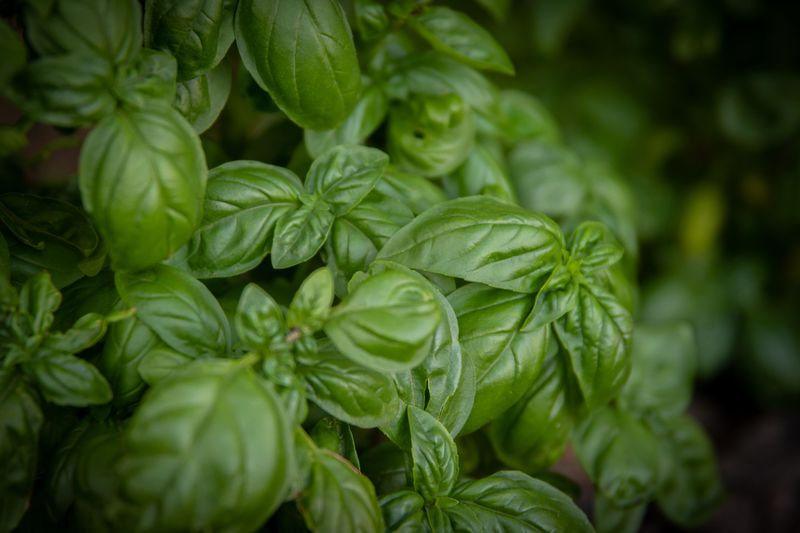
Image Credit: © Magda Ehlers / Pexels
Most people grow basil purely for the kitchen. But this fragrant herb has a seriously underappreciated talent.
The strong, peppery scent that makes tomato sauce sing is the exact same thing that makes mosquitoes turn around. And leave.
Basil releases its oils continuously into the surrounding air, which means you do not even have to touch it to benefit from its pest-fighting properties. Just having a few pots near your seating area creates a naturally scented barrier around your patio.
Lemon basil and cinnamon basil tend to be the most potent varieties for mosquito control, though sweet basil still holds its own. Mix a few different types together in a planter for both maximum effectiveness and a gorgeous, layered look.
Kentucky summers can get brutally hot, and basil loves every bit of that warmth. Water it at the base rather than from above, and pinch off any flowering stems to keep the plant focused on producing fresh, oil-rich leaves.
Set a pot right on your patio table so it doubles as a centerpiece and a pest deterrent during outdoor dinners. Guests will notice the fresh scent before they ever notice the absence of buzzing insects around the table.
Basil also pairs brilliantly with tomatoes planted nearby in your garden, making it one of the most hardworking plants you can add to your outdoor space this season.
6. Lemon Balm Smells Amazing To You And Terrible To Mosquitoes
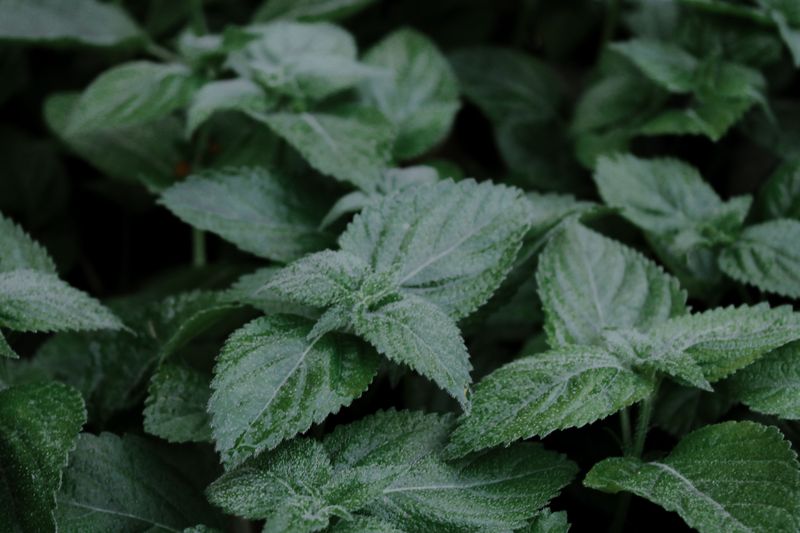
Lemon balm smells like someone crossed a lemon drop candy with fresh mint. It is one of the most uplifting scents you can add to your patio this summer.
Mosquitoes, however, experience that same smell very differently. To them, it reads as a full-on chemical alarm.
The plant contains citronellal, the same mosquito-repelling compound found in citronella candles. Growing the actual plant means you get continuous, all-day protection without the smoke or the mess.
Lemon balm grows in clumps and spreads enthusiastically, so containers are your best friend here. A single pot on your patio table or near a chair can make a noticeable difference in how many mosquitoes find their way into your space.
It handles Kentucky heat reasonably well but appreciates a bit of afternoon shade during the hottest weeks of summer. Keep the soil consistently moist and trim it back regularly to prevent it from getting leggy and losing its potency.
Rub a handful of fresh leaves between your palms and apply the oil directly to your arms and legs before heading outside. The scent fades faster than a commercial spray, so reapply every hour or so during peak mosquito time around sunset.
Lemon balm also makes a soothing herbal tea that can ease anxiety and help you sleep. This plant earns a permanent spot on any patio that values both beauty and function.
7. Mint Grows Like Crazy And Earns Every Inch

Mint is the overachiever of the herb garden. It absolutely knows it. This fast-spreading plant produces menthol and other compounds that mosquitoes find deeply repulsive.
Spearmint and peppermint are both excellent choices. Peppermint tends to have the stronger scent and the more aggressive mosquito-repelling effect.
Either way, you are getting a plant that works hard and asks for very little in return.
Always grow mint in a container. Plant it directly in the ground and it will spread into every corner of your yard within a single season, crowding out everything else in its path.
Kentucky’s warm, humid summers are perfect conditions for mint to thrive. Water it consistently and harvest regularly, because the more you trim it, the more aggressively it bounces back.
Crush a few leaves and rub them on your skin before sitting outside. You smell amazing, and the mosquitoes want nothing to do with you.
Tuck a few pots around the perimeter of your seating area and let mint do the work. Few plants on this list are this versatile, this affordable, and this useful in the kitchen at the same time.
Mint is not just pulling its weight out there. It is carrying the whole patio.
8. Toss Rosemary On The Fire Pit For Extra Mosquito Protection
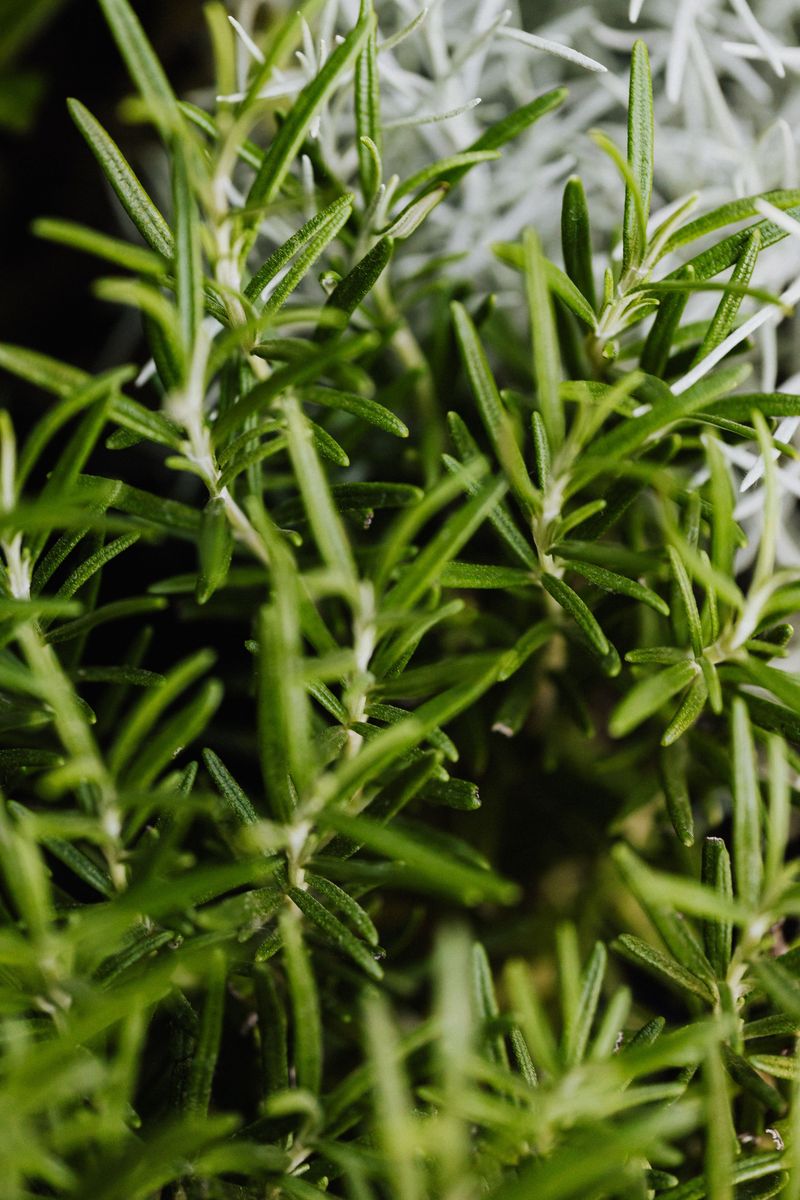
Rosemary is tough, woody, and deeply aromatic. The strong, piney scent that makes roasted chicken irresistible is the exact same thing that makes mosquitoes treat your patio like a no-fly zone.
Grow it in pots near your seating area for constant background protection throughout the day. Then light the fire pit in the evening.
Toss a few fresh sprigs directly onto the flames. The insect-repelling smoke that follows smells incredible.
The smoke from burning rosemary releases its natural oils into the air. It creates a shifting cloud of protection that follows the breeze around your fire pit.
Rosemary loves full sun and well-drained soil, making it a natural fit for Kentucky’s hot summers. It is drought-tolerant once established.
Dry spells do not slow it down. It keeps producing fragrant growth all season long.
Choose upright varieties like Tuscan Blue for a tall, sculptural look near the patio, or try trailing varieties that spill beautifully over the edges of a planter. Either way, the pest-fighting power stays exactly the same.
Fresh rosemary also works directly on your skin in a pinch. Crush a few needles and rub them on your skin. Natural protection in seconds.
9. Lemongrass Looks Tropical And Works Like A Charm
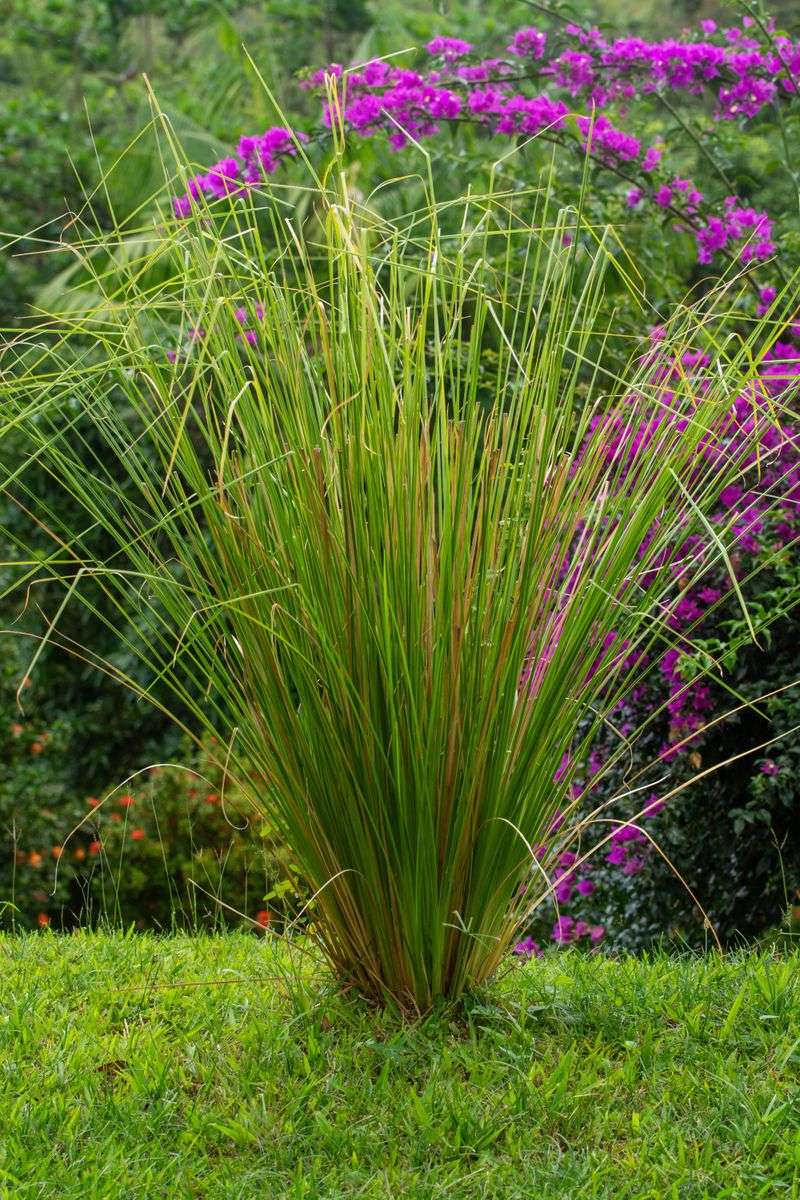
Lemongrass brings serious tropical energy to a Kentucky patio, with tall graceful blades that smell like a citrus grove and are well known for keeping mosquitoes at bay.
Citronella oil, the ingredient in virtually every mosquito candle and spray on the market, comes directly from lemongrass. Growing the plant itself means you have a living, continuously producing source of that oil right outside your back door.
Lemongrass thrives in full sun and loves heat, so a Kentucky summer suits it perfectly. Plant it in a large pot with rich, well-draining soil and water it generously during dry stretches to keep those tall blades lush and fragrant.
A single mature clump can grow three to five feet tall, turning it into both a pest deterrent and a bold architectural statement in your outdoor space. Place one on each side of a patio entrance to create a fragrant, mosquito-discouraging gateway.
Snap off a fresh blade and rub it between your hands to release the oil, then apply it directly to your skin before heading outside. The scent is bright, clean, and genuinely pleasant, which makes it a far more enjoyable option than reaching for a spray can.
Mosquito-repelling plants do not get more dramatic or more of a statement than lemongrass. It closes out this list as the bold, beautiful, hardworking anchor your patio has been waiting for all summer.