7 Things Kentucky Gardeners Should Do With Storm-Damaged Plants Before The Heat Takes Over
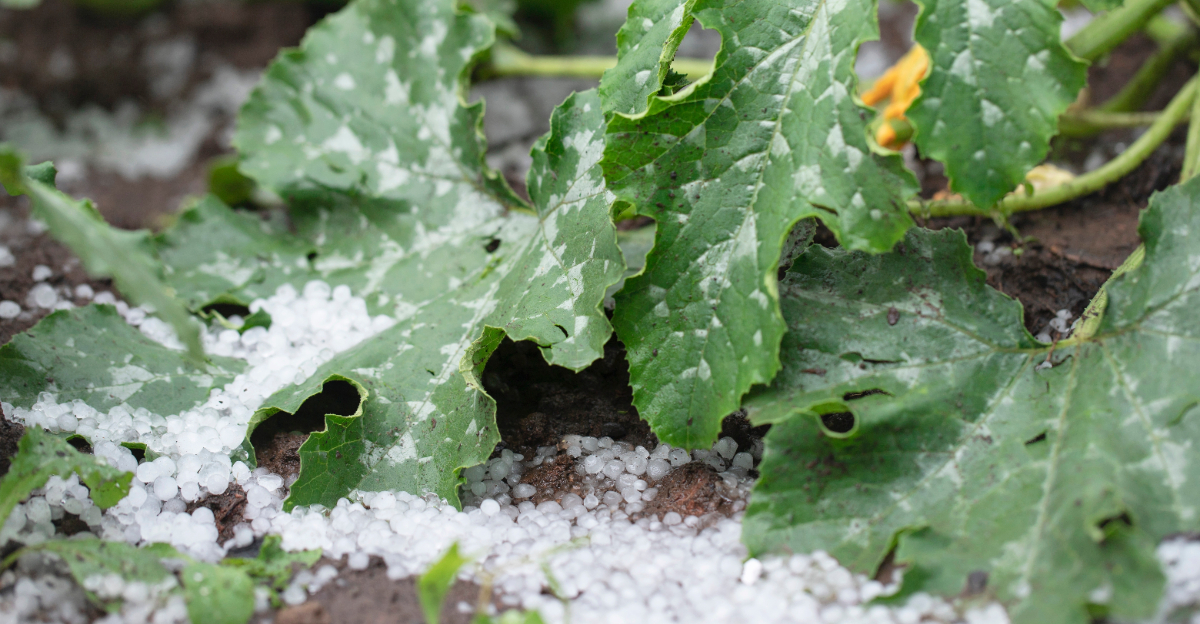
One powerful storm can undo weeks of careful tending in a matter of minutes. Snapped branches, flattened perennials, and roots yanked half out of the ground, it is a rough sight after everything you put into your garden this spring.
The instinct is to panic, or worse, to walk back inside and pretend it did not happen. Neither helps.
What does help is knowing that most plants are tougher than they look after a beating. Kentucky gardens face their share of violent weather, and the species that thrive here have some resilience built in.
The bigger threat is not the storm itself, it is the heat and humidity that follow. Once Kentucky temperatures climb, stressed plants have a much harder time recovering, and small wounds can turn into bigger problems fast.
Get out there before the heat settles in, take stock of what you are working with, and tackle the damage in the right order. Your garden is not a lost cause, it just needs a little attention.
1. Assess The Damage Before You Do Anything Else
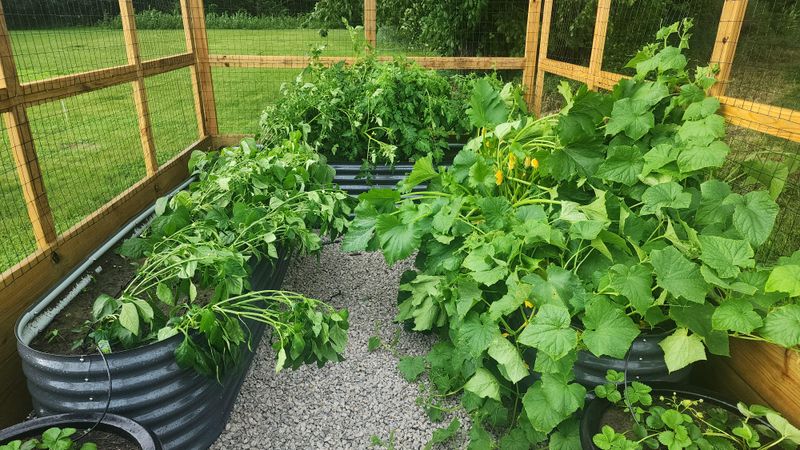
Your first instinct after a storm might be to grab pruners and start cutting everything. Slow down and take a full walk around your garden first.
Storm-damaged plants need a careful eye before any work begins. Look at each plant from multiple angles to understand what actually happened.
Not all storm damage is obvious at first glance. Soil that looks undisturbed can be hiding compacted or waterlogged roots underneath, and a plant that is still standing upright is not always a plant that came through unscathed.
Check whether roots have shifted or lifted from the soil. A leaning trunk or cracked base tells a different story than a few snapped branches.
Some plants look terrible on the outside but are structurally sound underneath. Others look fine at first glance but have hidden splits near the crown.
Write down or photograph what you see before touching anything. This gives you a game plan instead of a guessing game.
Prioritize plants that are blocking pathways or leaning over structures first. Safety comes before aesthetics every single time.
Pay close attention to young trees and newly planted shrubs. Their root systems are shallow and far more vulnerable to storm stress.
Check perennials at soil level where breakage is easy to miss. Bent stems that still connect to healthy roots often recover surprisingly well.
The goal right now is observation, not action. A clear picture of the full situation saves time and prevents costly mistakes.
Rushing into repairs without a proper assessment can sometimes cause more harm than the storm itself did. Take a breath, look closely, and then make your move.
2. Remove Broken And Hanging Branches Right Away
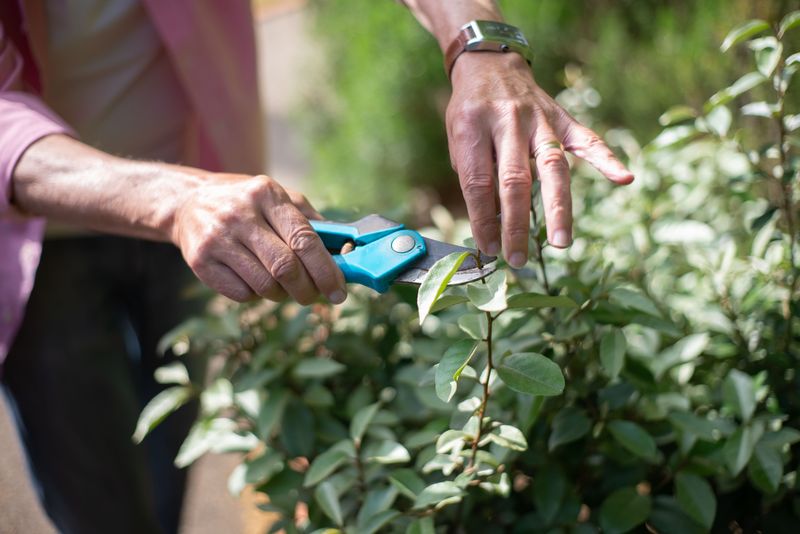
A hanging branch overhead is not just an eyesore. It is a genuine hazard waiting to fall on a person, pet, or prized plant below.
Broken limbs that are still partially attached pull moisture and energy away from the healthy parts of the plant. Getting them off quickly is one of the most effective things you can do.
Your Kentucky Garden Changes Every Week. Your Plan Should Too.
Gardening in Kentucky changes quickly throughout the season. Every Friday you’ll receive a simple weekly plan showing exactly what to plant, prune, fertilize, harvest, and protect so you never miss the right timing.
Use sharp, clean pruning shears or a pruning saw depending on the branch size. A clean cut heals far faster than a ragged, torn edge left by the storm.
Cut back to a healthy node, bud, or branch collar whenever possible. Never leave a stub sticking out since stubs invite pests and slow the healing process.
Keep in mind that not every broken branch needs to come off the same day. Work through the obvious hazards first, then circle back to the smaller, less urgent cuts once the major debris is cleared.
For larger limbs on trees, use the three-cut method to prevent bark stripping. Make an undercut first, then a top cut slightly farther out, then clean up at the collar.
Wear gloves and eye protection when working overhead or near splintered wood. Jagged edges can catch skin fast when you least expect it.
Bag or compost removed material promptly to reduce disease risk. Wet, broken plant material left on the ground can harbor fungal spores under the right conditions.
Do not attempt to remove large limbs near power lines on your own. Call a certified arborist for anything that poses a serious safety concern.
Once the hazardous material is cleared, your Kentucky garden already looks and feels more manageable. That sense of progress is real, and the plants will thank you for it.
3. Straighten And Stake Uprooted Or Leaning Plants
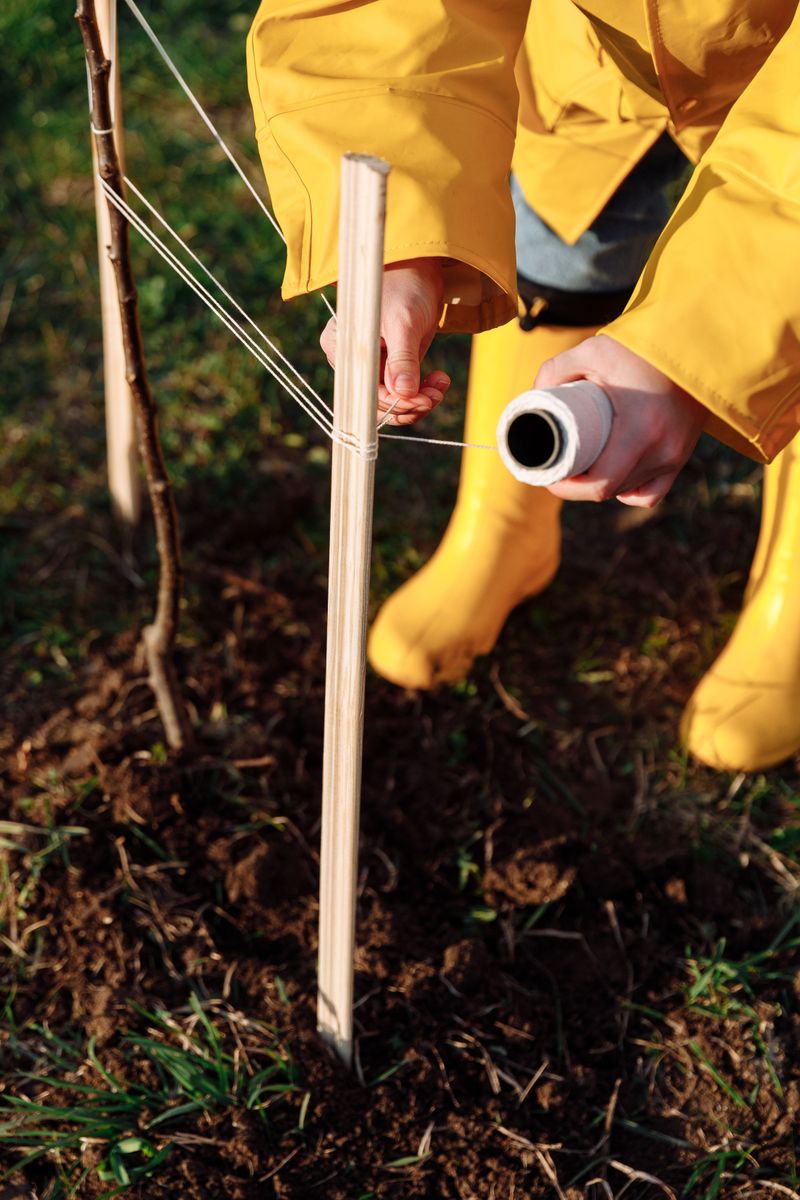
A storm can push a plant sideways and leave its roots half out of the ground in just a matter of minutes. The faster you straighten it, the better the odds of saving it completely.
Gently ease the plant back toward its upright position without forcing it. Rushing this step can snap roots that are still holding on underground.
Firm the soil back around exposed roots with your hands before staking. You want good contact between roots and soil to restart moisture absorption quickly.
Drive two sturdy stakes into the ground on opposite sides of the plant. Position them outside the root zone to avoid causing additional underground damage.
Use soft ties, old pantyhose, or fabric tree straps to connect the plant to the stakes. Avoid wire or twine directly against bark since both can cut into stems over time.
The ties should be snug but not tight. A little movement in the wind actually encourages the plant to build a stronger root system on its own.
Keep stakes in place for at least several months, or until the plant stands firm on its own. Removing them too early before roots re-anchor can cause the plant to lean again.
Check the ties every few weeks to make sure they are not digging into the bark. Adjust as the plant grows to prevent any constriction from forming.
Staking is a short-term bridge, not a permanent fix. A well-anchored plant will stand on its own again before you know it.
4. Trim Torn Stems And Leaves With Clean Cuts
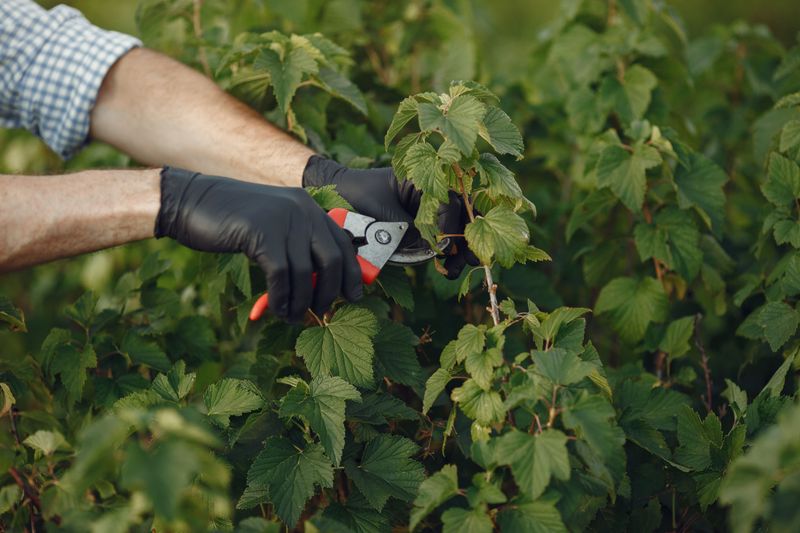
Torn stems and shredded leaves are not just ugly. They are open wounds that invite bacteria and fungal infections to move in fast.
Clean cuts encourage healing in a way that ragged tears simply cannot. Think of it like the difference between a clean surgical incision and a rough scrape.
Wipe your pruner blades with a diluted bleach solution between cuts when working on multiple plants. Skipping this step can spread disease from one stressed plant to another without you even realizing it.
Cut torn stems back to just above a healthy leaf node or bud. Leaving a clean angle on the cut helps water shed away from the wound naturally.
Shredded leaves that are mostly still attached can be trimmed neatly with scissors. Fully detached or brown leaves should simply be removed at the base of the stem.
Do not strip all foliage from a plant even if it looks bad. Leaves still capture sunlight and help the plant fuel its own recovery process.
For most shrubs and trees, aim to remove no more than one-third of the plant at one time. Over-pruning a stressed plant can push it past its ability to bounce back before heat arrives.
After trimming, step back and look at the overall shape. A balanced silhouette helps the plant direct energy evenly across all remaining growth points.
Clean cuts are one of the simplest and most powerful gifts you can give storm-damaged plants. A sharp blade and a steady hand go a very long way.
5. Hold Off On Fertilizing Until Plants Stabilize
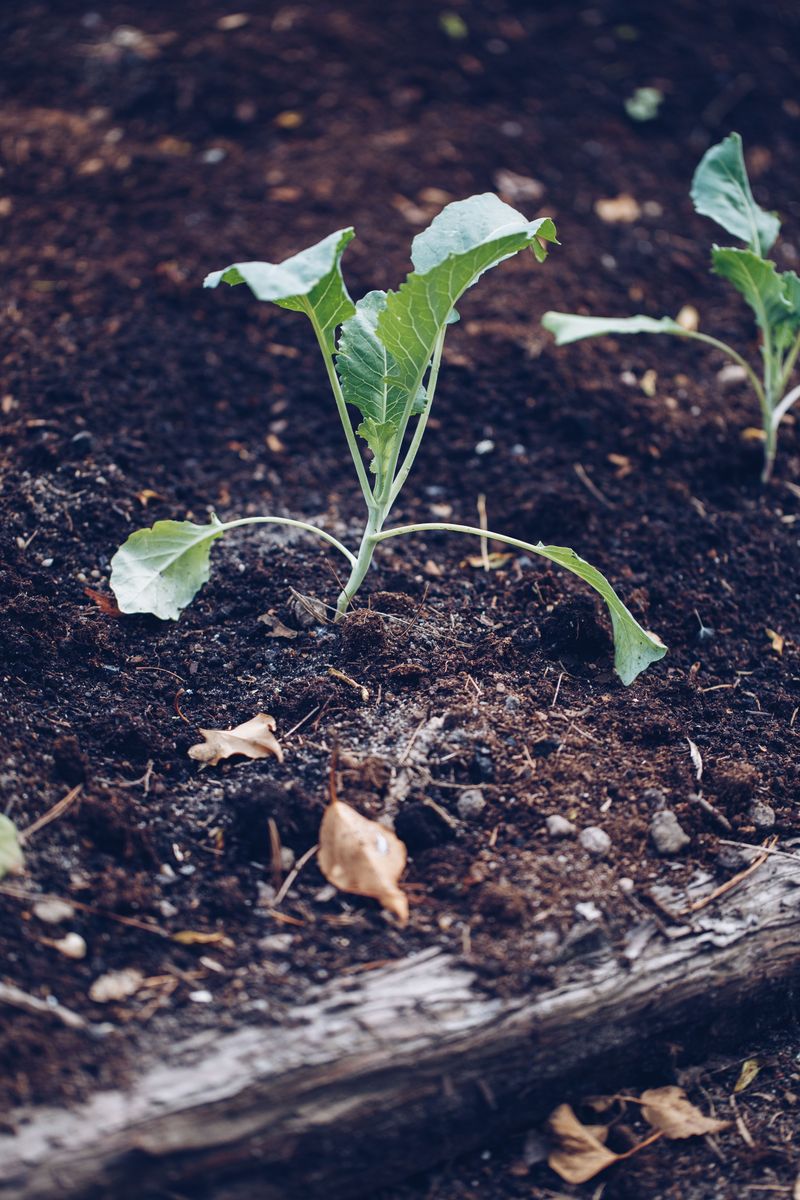
Reaching for the fertilizer bag after a storm feels like the helpful thing to do. In reality, it can be one of the worst moves you make for a stressed plant.
Fertilizer pushes plants to produce new growth quickly. A storm-damaged plant does not have the root stability or energy reserves to handle that kind of demand right now.
Forcing new growth on a weakened plant is like asking an injured runner to sprint. The plant simply cannot support the extra effort without deeper damage occurring underground.
Wait at least two to four weeks after storm damage before applying any fertilizer. This gives the plant time to stabilize its root system and redirect energy toward healing first.
Watch for signs that recovery is underway before feeding anything. New bud formation, fresh leaf unfurling, or firm upright stems are all encouraging green lights.
When you do return to a feeding schedule, start with a gentle, balanced option. A slow-release granular formula is far kinder to recovering plants than a concentrated liquid feed.
Avoid high-nitrogen fertilizers right after storm season ends. Too much nitrogen promotes leafy top growth while roots are still trying to re-establish below the surface.
Compost worked lightly into the soil surface is a gentler alternative during the stabilization window. It feeds slowly and also improves soil structure that may have been compacted by heavy rain.
Patience is the most underrated tool in post-storm garden care. Let the plant lead, and feed it only when it signals it is ready.
6. Water Deeply But Watch For Waterlogged Soil
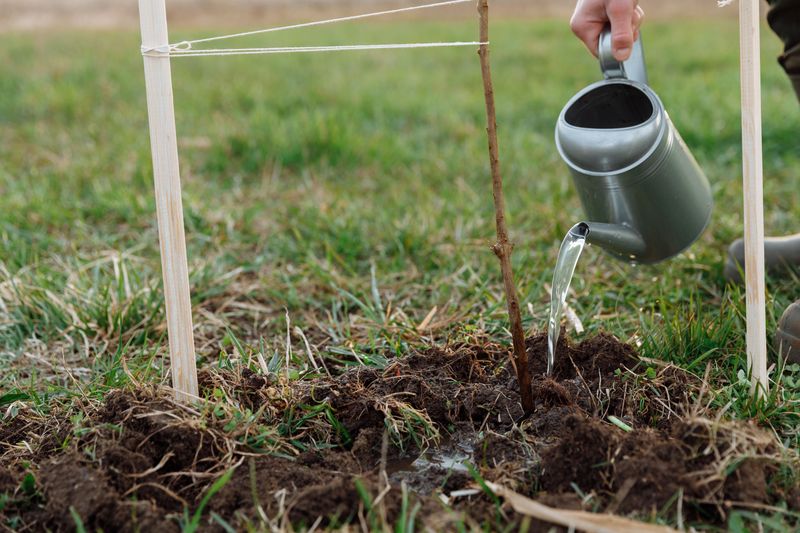
After a heavy Kentucky storm, the ground might look soaked and you might think watering is the last thing your garden needs. But compacted, saturated soil and proper deep hydration are two very different things.
Heavy rain often runs off the surface quickly without actually reaching the root zone below. Your plants may be thirstier than they appear on the outside.
Press your finger two inches into the soil near the base of a plant. If it feels dry at that depth, slow and deep watering is exactly what the plant needs right now.
Water slowly at the base of the plant rather than overhead. Wet foliage on already-stressed plants is an open invitation for fungal problems to take hold fast.
Avoid watering in the hottest part of the afternoon. Early morning is the ideal window since moisture absorbs before heat causes rapid evaporation from the soil surface.
Watch for standing water around root zones after watering or rain. Roots sitting in pooled water for more than a day or two can become oxygen-starved and begin to rot.
If drainage is poor, gently loosen compacted soil around the plant with a garden fork. Be careful not to disturb roots that are still re-anchoring themselves after the storm.
Mulch applied around the base of plants helps retain moisture between waterings. A two to three inch layer keeps soil temperature stable as summer heat builds up.
Consistent, thoughtful watering is the backbone of storm recovery. Get this step right and your plants have a serious fighting chance ahead.
7. Keep A Close Eye On Plants For Signs Of Stress In The Days Ahead
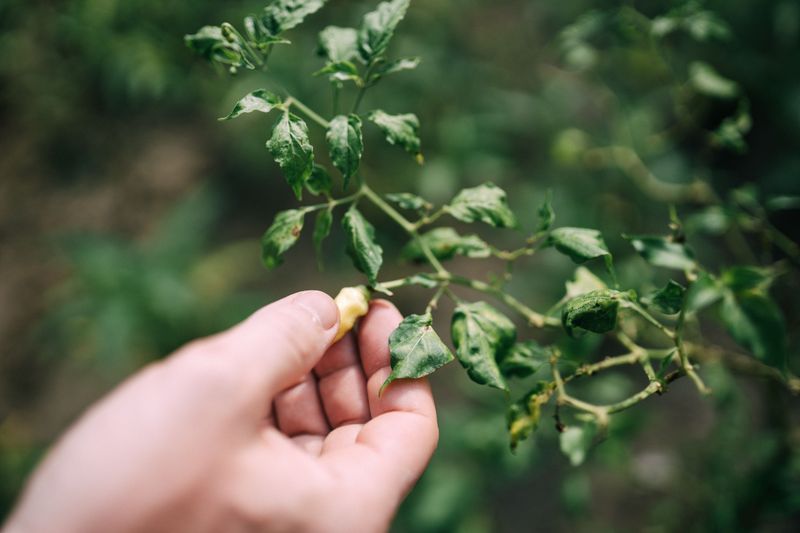
The storm is over, but your job as a watchful gardener is just getting started. The next several days are the most critical window for storm-damaged plants.
Stress symptoms do not always appear immediately after the event. Some plants look fine for a week before showing signs that something went wrong underground.
Check your garden every single day during the two weeks following a major storm. Morning is the best time since plants show stress signals most clearly before the afternoon heat builds.
Watch for wilting that does not improve after watering. Persistent wilt despite moist soil often points to root damage that surface care alone may not be enough to fix.
Yellowing leaves can mean several things including root stress, overwatering, or nutrient loss from soil disruption. Track the pattern of yellowing to help narrow down the likely cause.
Brown leaf edges that appear a week after a storm are a classic sign of heat stress on top of existing storm damage. Act quickly with shade cloth or extra mulch before conditions worsen.
Look for unusual spots, powdery coatings, or sudden wilting on previously healthy-looking stems. Fungal infections move fast on wounded tissue, especially when humidity stays high after Kentucky summer storms.
Keep a simple garden journal during the recovery period. Even a few quick notes about what you see each day helps you spot patterns and respond before small problems become big ones.
Staying observant is what separates a garden that thrives from one that just survives storm-damaged plant recovery season.