Do These 8 Things Right After Planting Cucumbers In Virginia
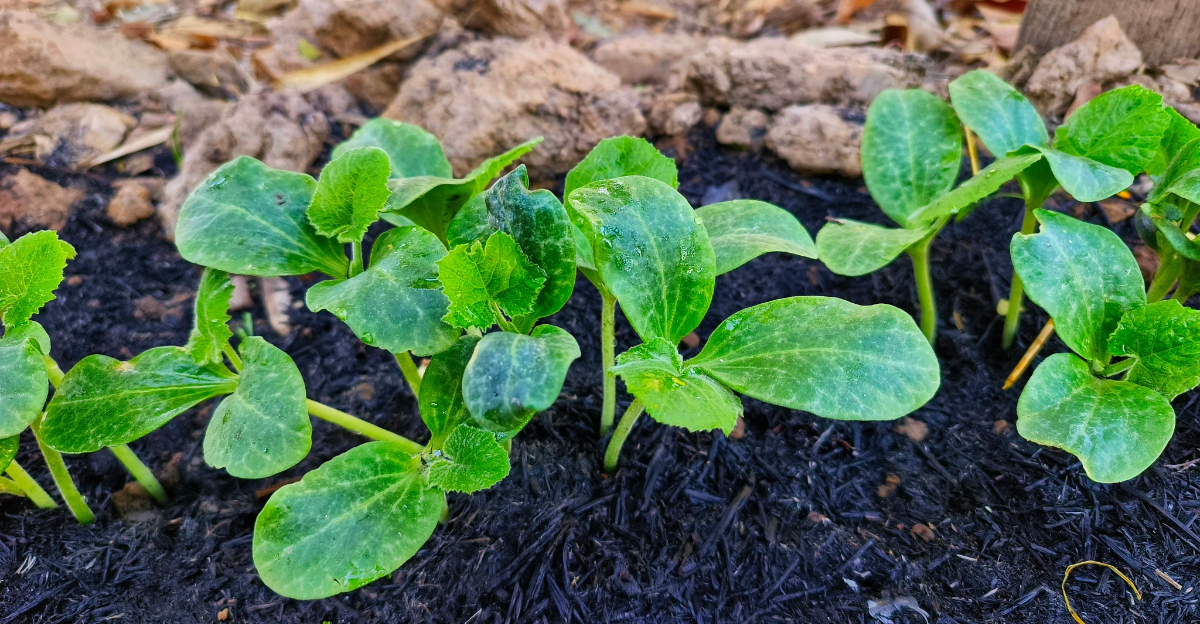
You pressed those seedlings into the ground, and now the real work begins. Most Virginia gardeners water, walk away, and hope for the best. That is where things go wrong.
The hours right after planting are among the most important your cucumber plants will experience. Virginia summers do not ease you in.
One week you have a mild spring morning, the next you are dealing with brutal humidity and temperatures that climb fast. Young cucumber plants have no buffer for that kind of swing.
Add clay-heavy soil into the mix, and you have a recipe for stressed roots and weak vines before July even arrives. But none of that has to be your story.
Eight simple steps, done right after planting, can completely change what your harvest looks like come August. Just the right moves at the right time.
1. Water Deeply Right After Planting
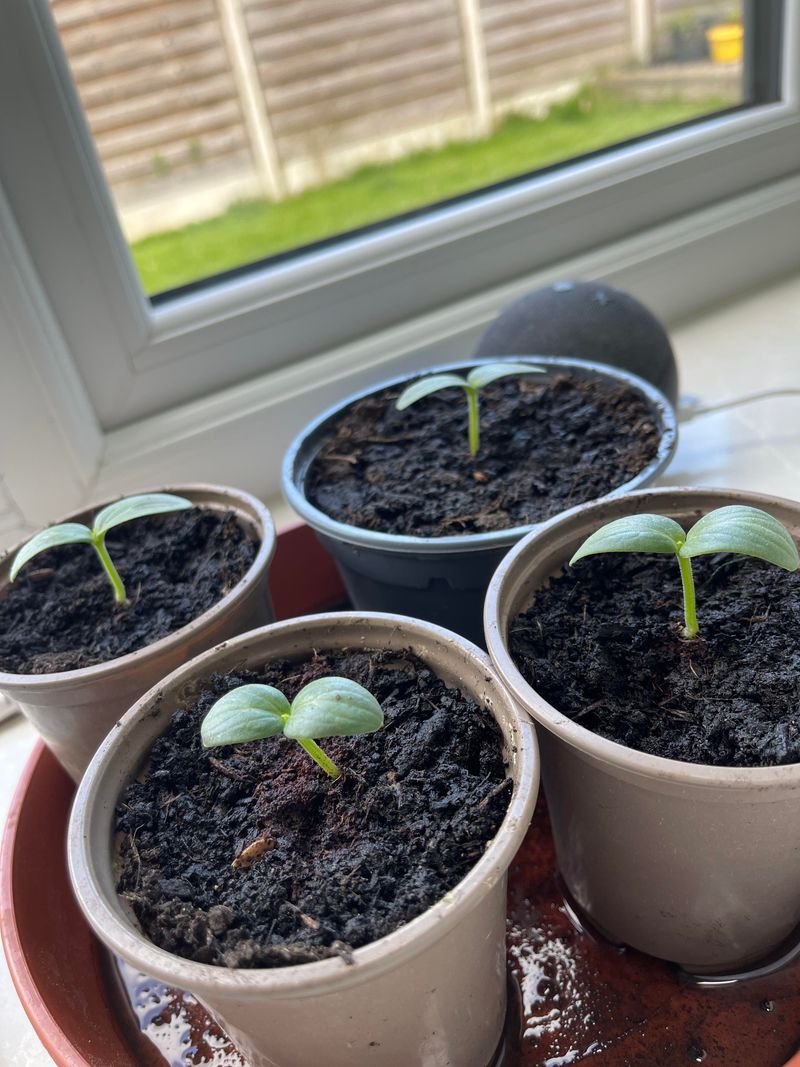
The soil is still loose and the roots are exposed to stress. Watering deeply right after planting cucumbers is the single most important thing you can do in those first moments after you set the transplants in the ground.
Deep watering means getting moisture down at least six inches into the soil. A shallow sprinkle only wets the surface and encourages roots to stay near the top, where they are vulnerable to heat and drought.
Grab a garden hose with a gentle spray attachment and soak the base of each plant slowly. Let the water seep in rather than run off, especially if your soil has clay content common in many parts of Virginia.
You want to see the water pooling slightly at the base and then absorbing in. That slow absorption tells you the soil is actually drinking it up rather than shedding it.
Transplant shock is a real threat to young cucumber plants. Giving them a generous drink immediately after planting helps the roots begin reconnecting with the surrounding soil and reduces the stress caused by being moved from a pot or tray.
A good rule of thumb is to use about one gallon of water per plant right after planting. Do not rush the process, take your time and water each one individually for the best results.
Root development gets underway quickly when moisture is consistent from the start. Give your cucumbers that strong beginning and they will reward you all summer long.
2. Add A Layer Of Mulch
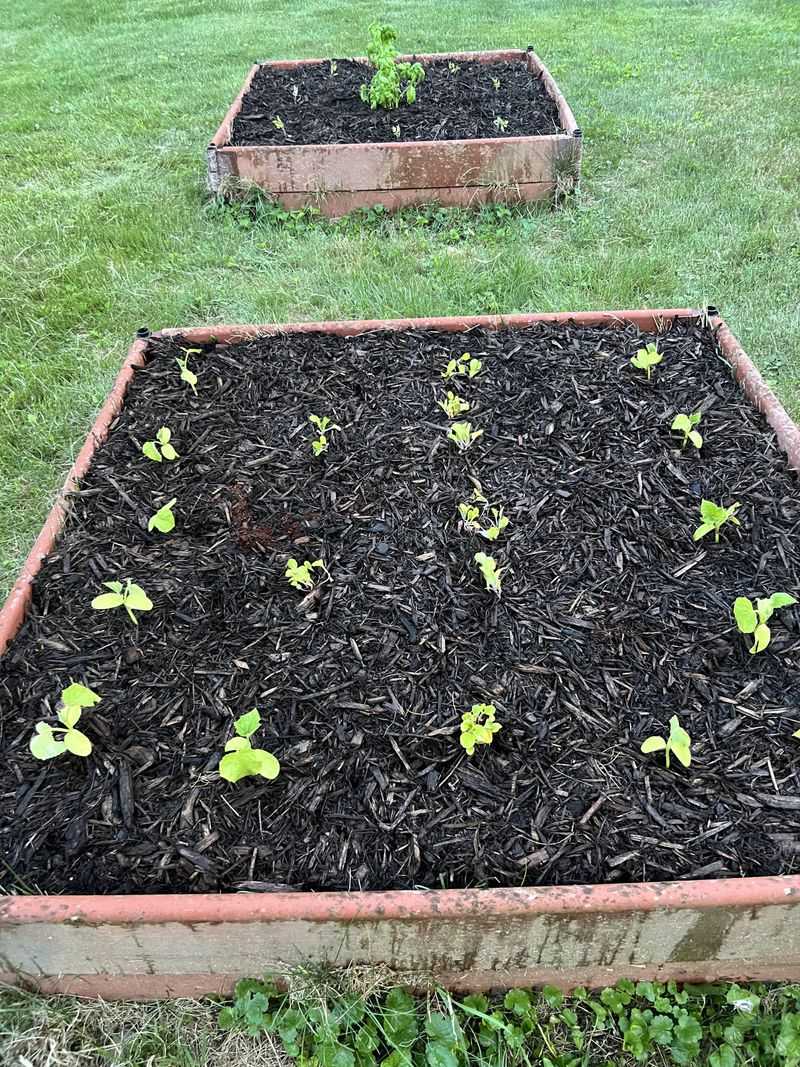
Bare soil is basically an invitation for problems. After planting cucumbers, one of the smartest things you can do is cover the ground around each plant with a solid layer of mulch right away.
Mulch acts like a blanket for the soil, holding in moisture so your plants do not dry out between waterings. Virginia summers are brutal, and that retained moisture makes all the difference for young plants.
Straw is a fantastic choice for cucumber beds because it is light, breathable, and easy to spread. Wood chips and shredded leaves also work well and are often free if you have them on hand from yard cleanup.
Your Virginia Garden Changes Every Week. Your Plan Should Too.
Gardening in Virginia changes quickly throughout the season. Every Friday you’ll receive a simple weekly plan showing exactly what to plant, prune, fertilize, harvest, and protect so you never miss the right timing.
Aim for a two to three inch layer around the base of each plant, keeping the mulch a few inches away from the stem itself. Piling mulch directly against the stem can trap moisture there and lead to rot issues later.
Beyond moisture retention, mulch also suppresses weeds that would otherwise compete with your cucumbers for nutrients and water. Fewer weeds mean less time on your knees pulling them out on a hot afternoon.
Another bonus is that mulch keeps the soil temperature more stable. Cucumbers prefer warm but not scorching soil, and a good mulch layer buffers those extreme temperature swings that Virginia afternoons can bring.
Spread your mulch now while the ground is freshly worked and moist, and your plants will thank you with strong early growth.
3. Install A Trellis Or Support Structure
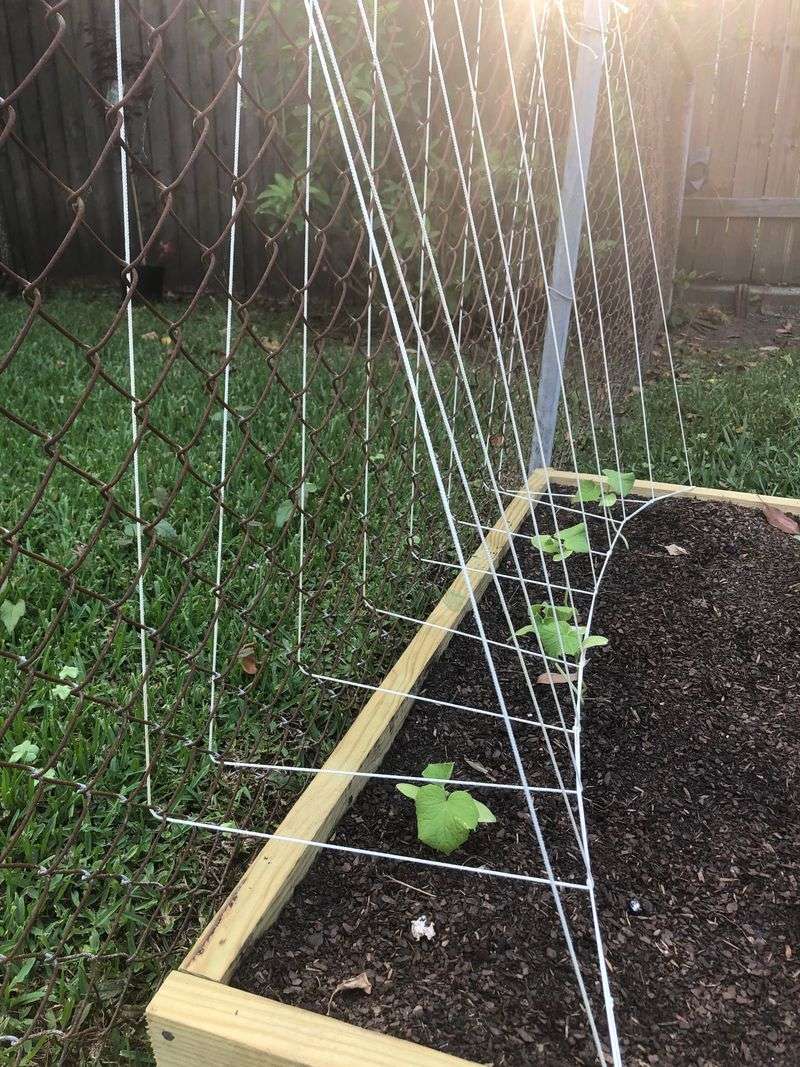
Cucumbers are natural climbers. Giving them something to grab onto early changes everything about how they grow.
Installing a trellis or support structure right after planting keeps vines off the ground. That simple move opens up the whole plant to better airflow and sunlight.
Ground-level cucumbers are prone to fungal issues because moisture gets trapped under the leaves and around the fruit. Lifting them up with a trellis solves that problem before it even starts.
A simple wooden or metal trellis does the job beautifully. You can also use cattle panels, bamboo poles with twine, or even an old fence section if you have one available in the yard.
Set your support structure in place before the vines start spreading. Trying to trellis established plants later often damages the stems and disrupts root growth, so now is the time to act.
For most vining cucumber varieties, a trellis that stands four to six feet tall is ideal. Bush-type cucumbers need less support but still benefit from a short stake or small cage to keep them upright and productive.
Secure the base of your trellis firmly in the ground so summer storms do not knock it over when the plants are heavy with fruit. Virginia can get some serious wind and rain during peak growing season.
Once the vines start reaching, you can gently guide them toward the structure. Watching those tendrils curl around the trellis is one of the most satisfying sights in the garden.
4. Apply A Starter Fertilizer
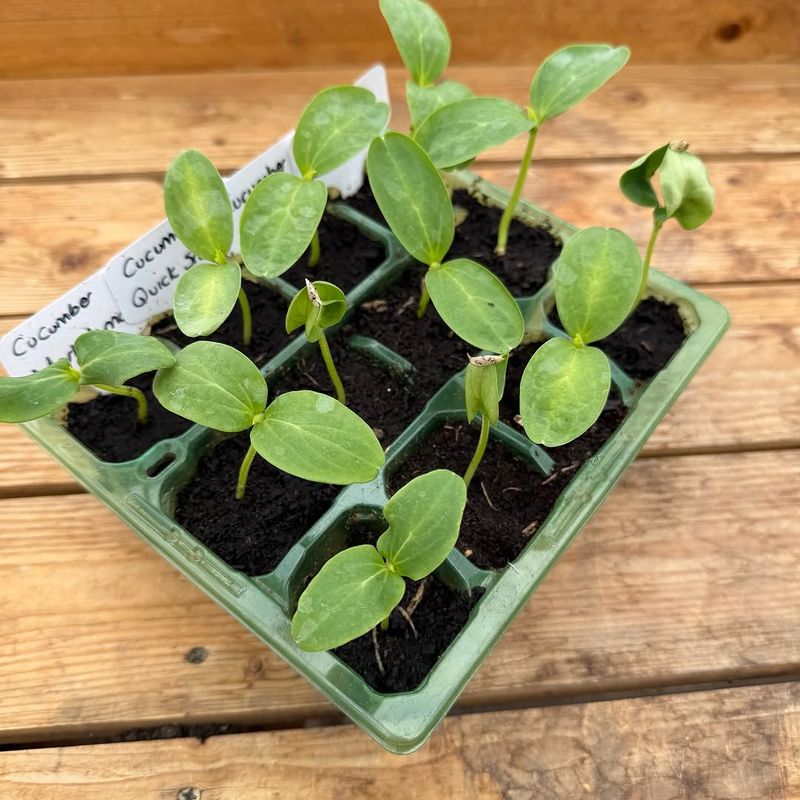
Think of starter fertilizer as a welcome meal for your newly planted cucumbers. Right after planting, the roots are working hard to establish themselves.
A gentle boost of nutrients helps that process move faster. Starter fertilizers are specially formulated with higher phosphorus content.
Phosphorus is the nutrient most responsible for strong root development. Look for a product labeled as a transplant starter or root stimulator at your local garden center.
Mix the fertilizer according to the package directions and apply it as a liquid drench around the base of each plant. This gets the nutrients right into the root zone where they are needed most, rather than sitting on top of the soil.
Avoid using a heavy nitrogen fertilizer right after planting cucumbers. Too much nitrogen at this early stage pushes leafy green growth before the roots are ready to support it, which can stress the plant.
A diluted fish emulsion or seaweed-based fertilizer is another excellent organic option that works gently and effectively. Many experienced Virginia gardeners swear by these natural alternatives for getting transplants off to a strong start.
Apply the starter fertilizer once right after planting and then wait about two weeks before feeding again. Overfeeding young plants is just as harmful as underfeeding, so patience is part of the process.
A strong root foundation in those first weeks supports better production as the season moves forward.
5. Check Your Soil PH
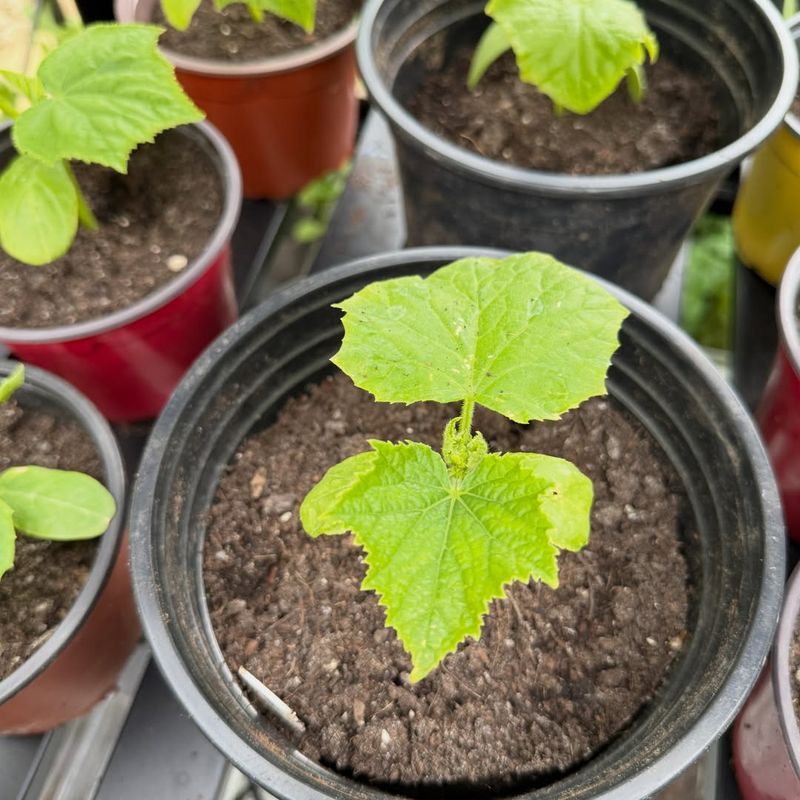
Soil pH might sound like something only scientists care about. But it directly affects whether your cucumbers can absorb the nutrients already in the ground.
Checking it right after planting gives you a chance to make adjustments before the plants get too established. Cucumbers thrive in soil with a pH between 6.0 and 6.8.
That range is slightly acidic to neutral. Outside of it, nutrients get locked up in the soil and plants show deficiency signs even when you fertilize regularly.
Simple soil test kits are available at most garden centers for just a few dollars. You can also send a sample to the Virginia Cooperative Extension office for a more detailed analysis tailored to your area.
If your soil pH is too low, meaning too acidic, adding garden lime will bring it up. If it is too high, meaning too alkaline, incorporating sulfur or acidic compost can help bring it back into range.
Virginia soils vary by region and site, so a soil test is better than guessing.
Adjustments to soil pH take a few weeks to fully take effect, so getting this step done early gives the amendments time to work before your plants hit their peak growth stage.
A balanced pH means balanced, healthy plants that produce abundantly, and a cheap test kit is the easiest investment you can make in your garden this season.
6. Set Up A Watering Schedule
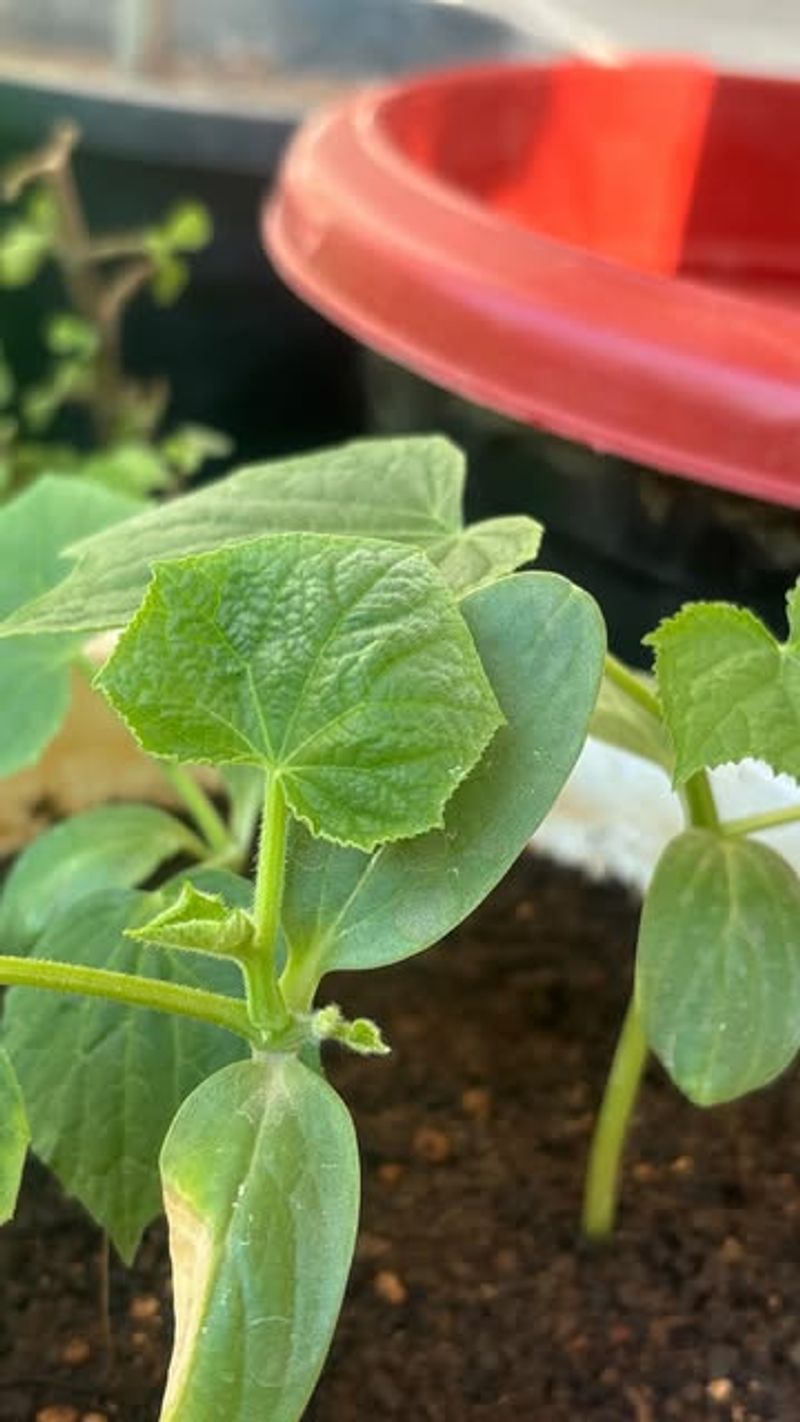
Winging it with watering is one of the fastest ways to stress out a cucumber plant. Setting up a consistent watering schedule right after planting takes the guesswork out of the equation.
Cucumbers need about one inch of water per week. They prefer deep, infrequent watering over shallow daily sprinkles.
Deep watering encourages roots to grow downward. That makes the plants more resilient during dry spells.
A drip irrigation system delivers water directly to the root zone without wetting the leaves. Wet foliage is a leading cause of powdery mildew and other fungal problems that plague cucumbers in Virginia’s humid climate.
If drip irrigation is not in the budget right now, a soaker hose works beautifully and is inexpensive to set up. Both options keep water at ground level and out of the leaves where it can cause harm.
Water your cucumbers in the morning whenever possible. Morning watering gives any splashed moisture time to evaporate during the day rather than sitting on the plants overnight.
Check the soil moisture by sticking your finger about two inches into the ground near the base of the plant. If it feels dry at that depth, it is time to water regardless of what the calendar says.
A reliable schedule built around the actual needs of your soil and plants is what separates a so-so harvest from an impressive one.
7. Put Row Covers In Place
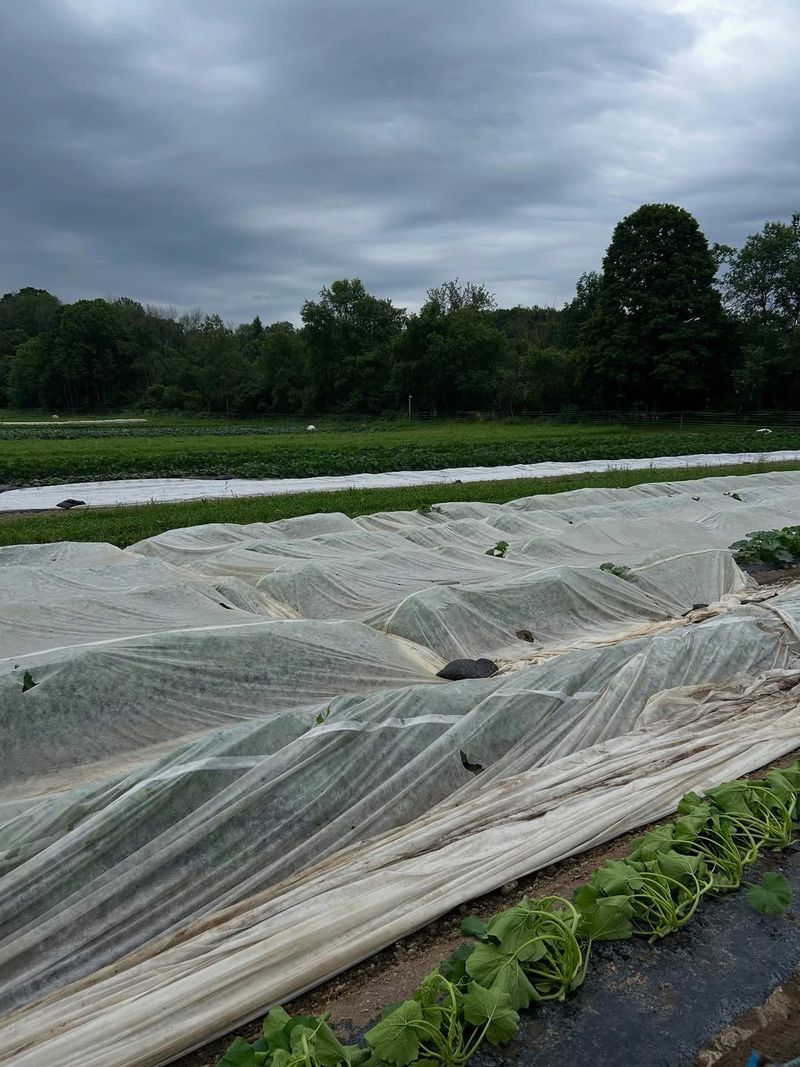
Young cucumber plants are surprisingly vulnerable in their first weeks in the ground. Row covers are one of the best tools in a Virginia gardener’s toolkit.
Putting them in place right after planting protects your investment from the start. Floating row covers are lightweight fabric sheets that let in light, air, and rain while creating a physical barrier against insects.
Cucumber beetles are a serious pest in Virginia. They can devastate young plants before you even notice they are there.
The covers also provide a few degrees of frost protection, which matters in early spring when nights can still dip unexpectedly. That buffer can save plants that would otherwise get nipped by a late cold snap.
Use wire hoops or simple PVC pipe arches to hold the covers above the plants rather than resting directly on them. This gives the vines room to grow without being cramped or damaged by the fabric.
Secure the edges of the covers with garden stakes, rocks, or soil to prevent pests from sneaking underneath. A small gap at the edge is all a cucumber beetle needs to find its way in.
Remove the covers once flowers begin to appear on the plants. Cucumbers need pollinators to produce fruit, and keeping the covers on too long will block the bees that make your harvest possible.
Think of row covers as a short-term shield that gives your plants the strongest, safest beginning possible before they are ready to face the world on their own.
8. Mark Your Planting Date
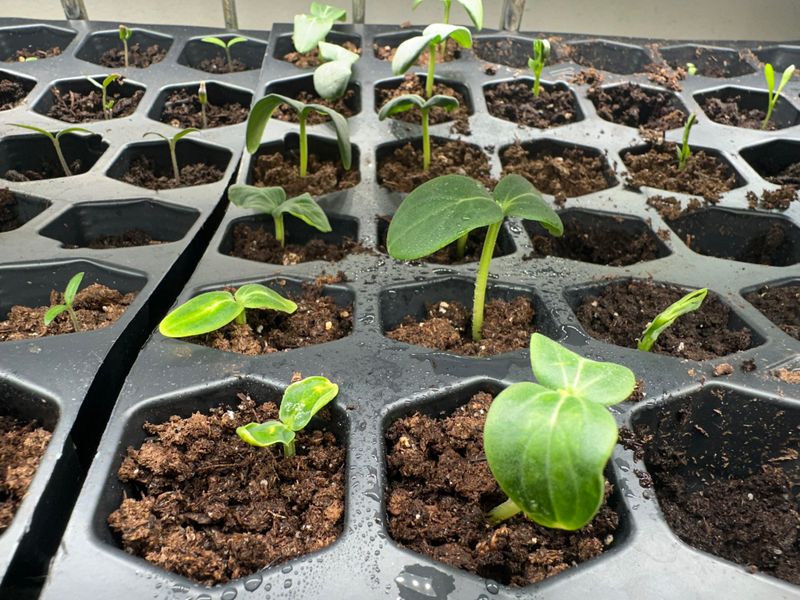
It sounds almost too simple, but marking your planting date is one of those small habits that pays off throughout the season. Knowing exactly when you planted helps you time every other step with precision.
Most cucumber varieties take between fifty and seventy days from transplanting to reach their first harvest. Without a recorded start date, you are left guessing when to expect fruit.
You lose track of when to step up feeding and when to start watching for common problems. A date on a stake or a note in your phone takes five seconds and saves a lot of frustration later.
A simple wooden stake with the date written in permanent marker works perfectly. You can also note the variety name on the same stake so you remember which type performed best when it comes time to plan next year’s garden.
Garden journals are another excellent tool for tracking planting dates along with weather notes, fertilizer applications, and observations about plant health. Even a basic spiral notebook kept in the garage does the job.
Knowing your planting date also helps you calculate when to expect key milestones. Flowers typically appear around three to four weeks after transplanting, and fruit follows shortly after pollination occurs.
If something goes wrong midseason, having a timeline lets you look back and identify where things may have shifted. Was there a heat wave two weeks after planting? Did a dry stretch hit right when the plants were setting fruit? Those details matter.
Planting cucumbers in Virginia is the beginning of a relationship with your garden, and every good relationship starts with remembering important dates.