15 Poisonous Plants That Could Be Growing In Your Virginia Yard Right Now
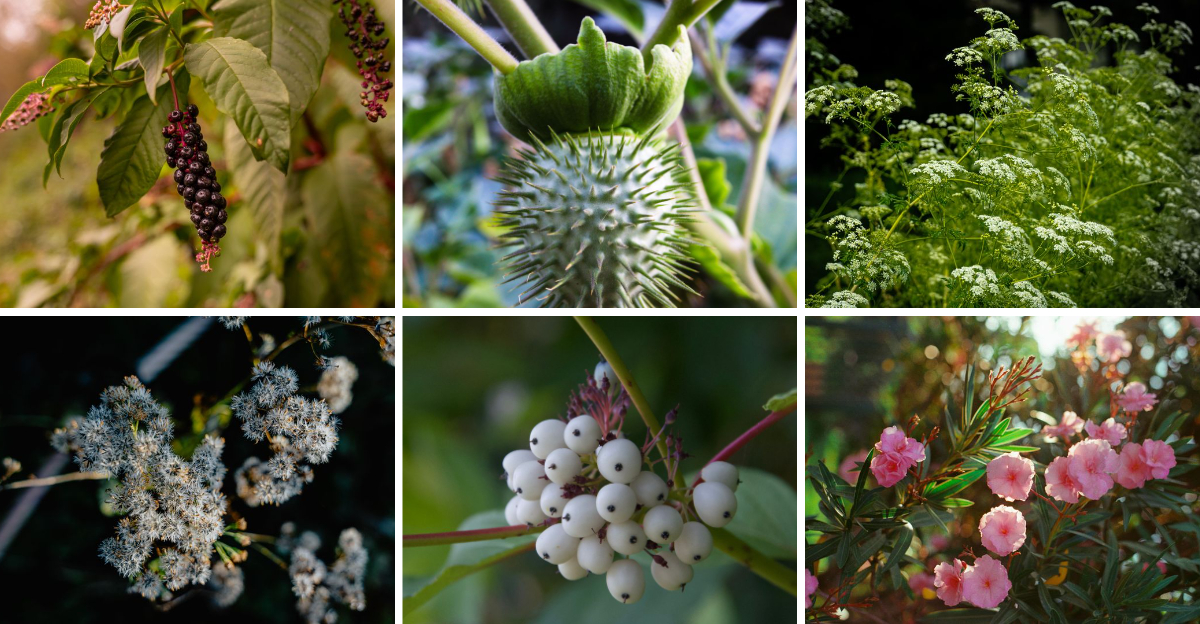
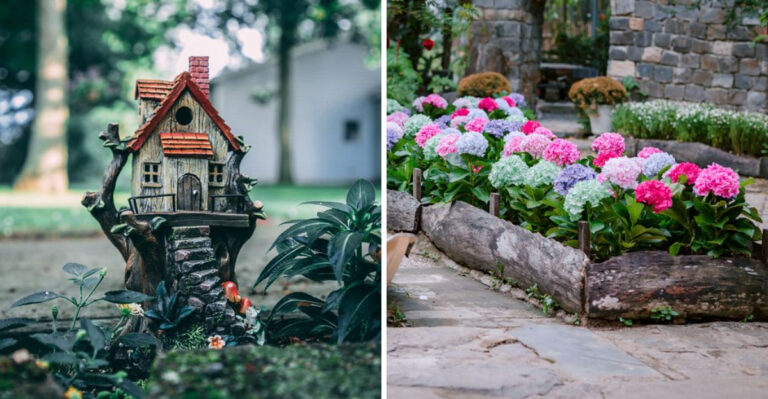
A Virginia backyard hides more secrets than most homeowners realize. Somewhere between the fence line and the flower bed, a plant with glossy leaves or a cluster of bright berries waits for a small hand or a curious paw to find it.
Not every hazard announces itself. Some of the state’s most dangerous species blend into hedgerows and woodland edges so well that even seasoned gardeners walk past them without a second glance.
Virginia’s humid summers and mild winters let these plants spread quietly across yards, trails, and roadsides. A toddler chasing a butterfly or a dog nosing through the underbrush can end up in an emergency room within the hour.
Here is what to look for on Virginia properties, how to spot trouble before it starts, and what to do if contact happens. One of them might already be closer than expected.
1. Poison Ivy
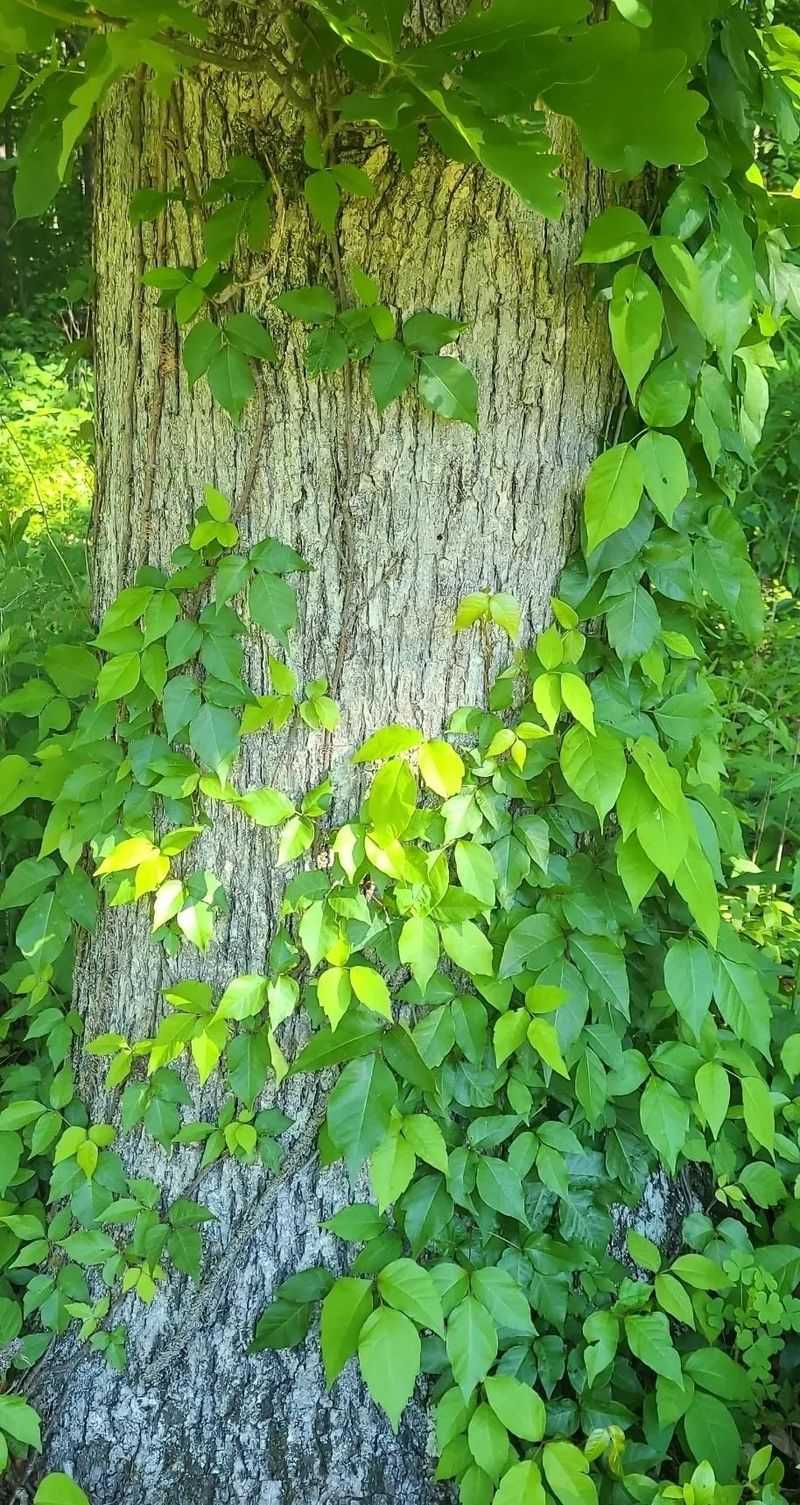
You have probably heard the saying, “Leaves of three, let it be.” Poison ivy is the most common toxic plant found in Virginia yards, and it earns that reputation every single summer.
The plant produces urushiol, an oily resin that causes a nasty, blistering rash on contact. Even brushing against it lightly can trigger a reaction that lasts for weeks.
Poison ivy grows as a vine, a shrub, or a ground cover, making it easy to miss. Watch for three pointed leaflets, sometimes shiny, sometimes slightly hairy underneath.
If you spot it, do not pull it bare-handed. Wear thick gloves, bag the plant, and wash your skin with soap and cold water immediately after.
Even indoor exposure is possible if urushiol clings to pet fur, garden tools, or clothing brought inside. Washing these items in hot water helps prevent a delayed reaction days later.
2. Poison Oak
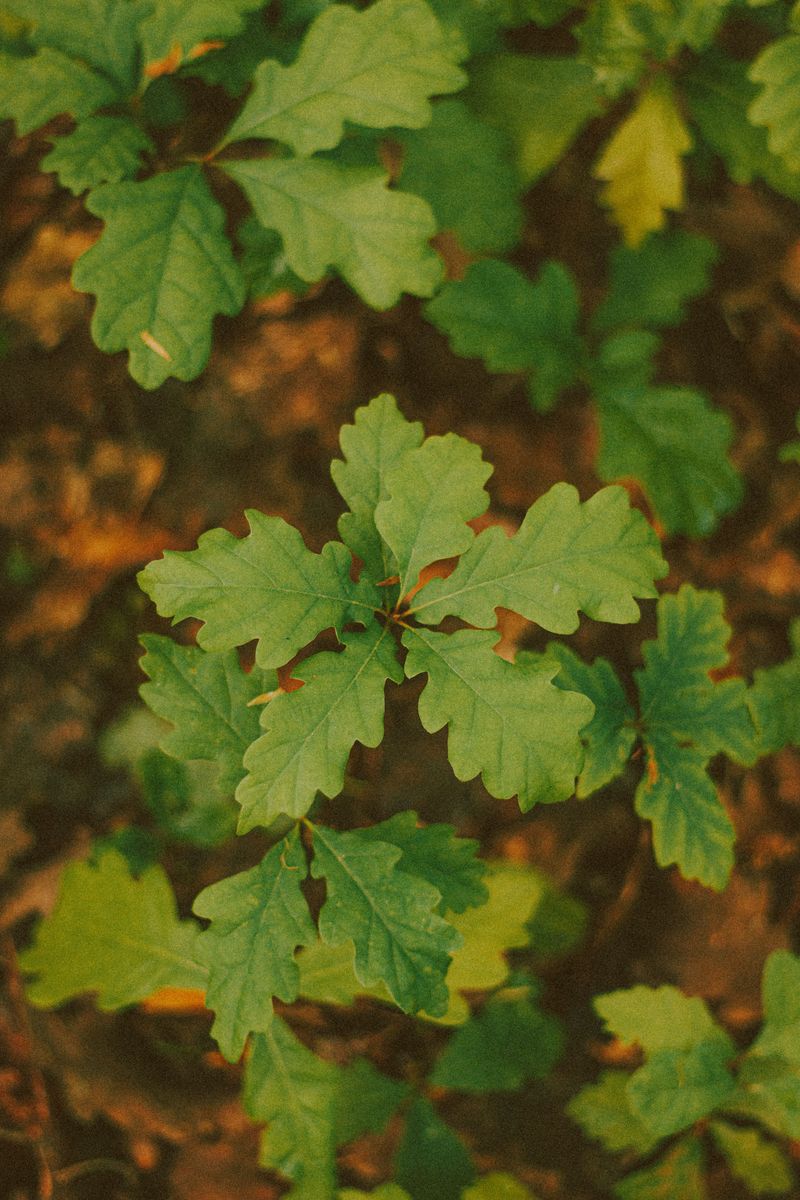
Poison oak looks like it wandered out of a forest and decided your garden bed was a perfectly fine home. Many people confuse it with harmless oak seedlings, which makes it extra sneaky.
Like its ivy cousin, poison oak contains urushiol and causes the same miserable, itchy rash. The leaves are lobed and rounded, resembling a miniature oak leaf, usually in clusters of three.
It tends to grow in shrubby clumps along fences, woodland edges, and disturbed soil areas. Sunny spots in your yard are prime real estate for this plant.
Children playing near brush piles are at high risk of accidental exposure. Inspect the perimeter of your yard before letting kids roam freely.
The rash typically appears within one to two days of contact and can last for one to three weeks without treatment. Washing exposed skin and clothing right away lowers the chances of a reaction spreading.
3. Poison Sumac
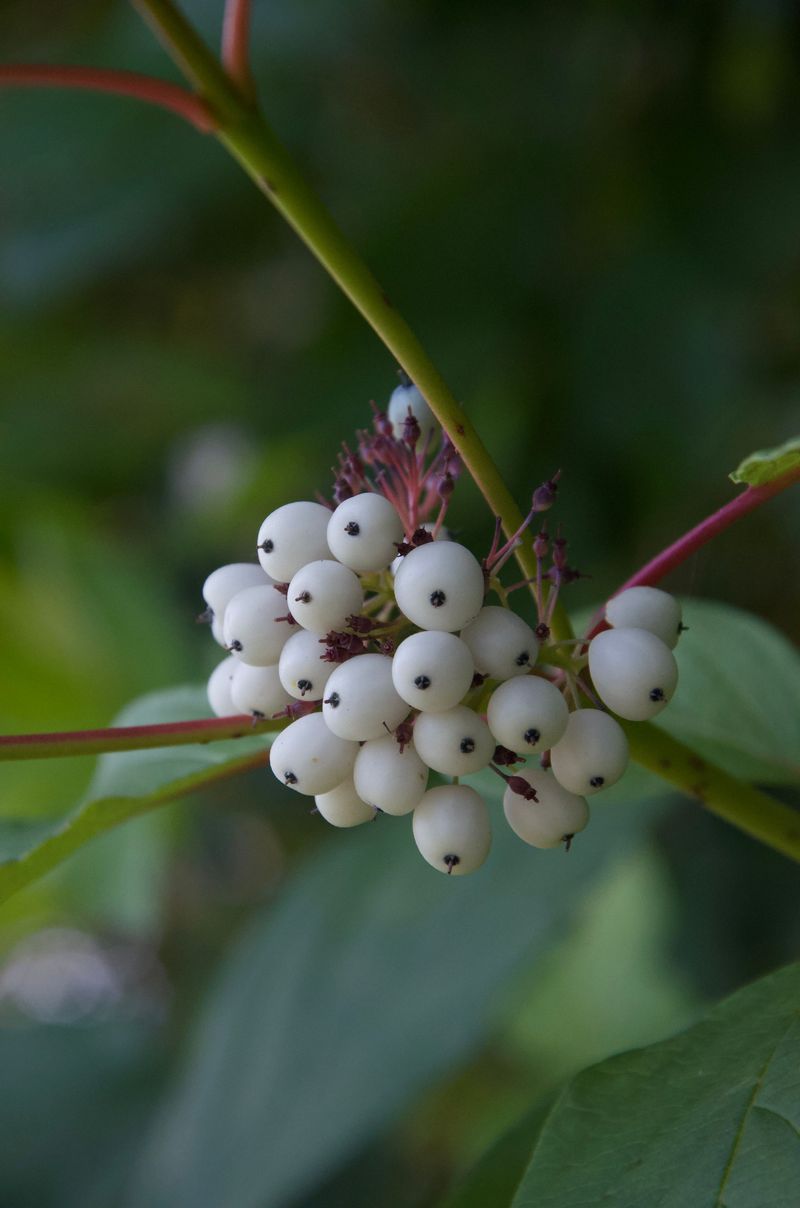
Poison sumac is the most potent of the three urushiol-producing plants, and it prefers wet, swampy areas near streams or low-lying yard sections. If your property has poor drainage, stay alert.
The plant grows as a tall shrub or small tree with compound leaves holding seven to thirteen smooth, pointed leaflets. The leaflets are arranged in pairs along a reddish stem.
Your Virginia Garden Changes Every Week. Your Plan Should Too.
Gardening in Virginia changes quickly throughout the season. Every Friday you’ll receive a simple weekly plan showing exactly what to plant, prune, fertilize, harvest, and protect so you never miss the right timing.
White or pale greenish berry clusters hanging loosely from the branches are the clearest sign. Do not confuse it with edible red sumac, which has upright red berry clusters and poses no danger.
Exposure causes severe rashes, swelling, and sometimes breathing trouble if smoke from burning plants is inhaled. Avoid burning suspicious shrubs in your yard.
Reactions to poison sumac tend to be more severe than those from poison ivy or poison oak. Anyone with swelling near the eyes or difficulty breathing after exposure should seek medical attention right away.
4. Pokeweed
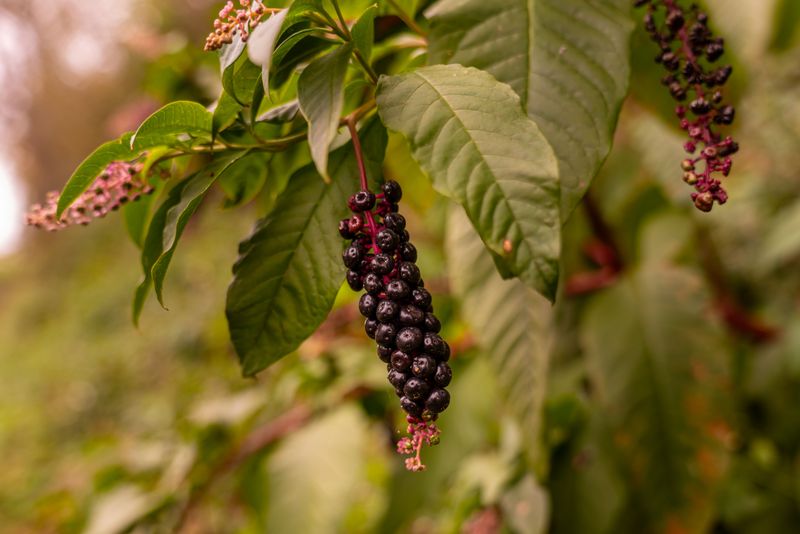
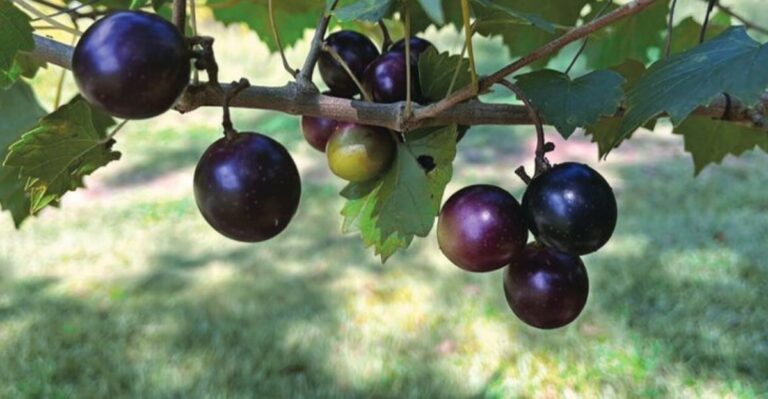
Pokeweed is one of those plants that looks almost too dramatic to be real. The stems turn a bold magenta-red, the berries hang in dark purple clusters, and the whole plant can tower over six feet tall.
Every single part of pokeweed is toxic, from the roots to the berries. Children are often drawn to the dark, grape-like berries, which can cause serious poisoning if eaten.
Birds eat the berries without harm and spread seeds freely through droppings, which is why pokeweed pops up in unexpected spots. A new plant can establish itself in a yard within a single season.
Wear gloves when removing it, and dig out the thick taproot completely. Leaving the root behind means the plant will likely come right back next season.
Symptoms include stomach cramps, vomiting, and diarrhea, usually starting within a few hours. Severe cases can affect breathing and heart rate, so contact Poison Control right away.
5. Virginia Creeper
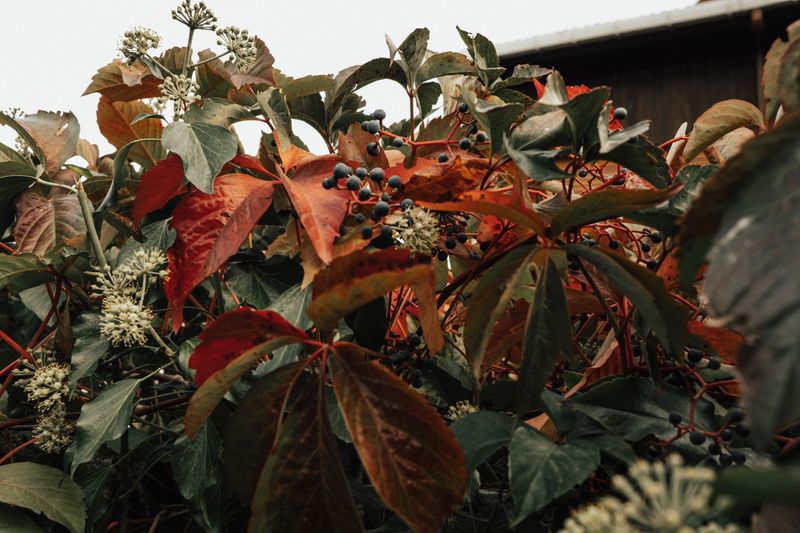
Here is a tricky one: Virginia creeper is native, beautiful in fall, and widely planted on purpose. The problem is that its dark blue berries are toxic to people, even though birds gobble them up just fine.
The vine is often mistaken for poison ivy, but Virginia creeper has five leaflets per stem instead of three. The leaves turn a stunning crimson red in autumn, which is why many homeowners deliberately plant it.
Eating the berries or even heavy skin contact with the sap can cause irritation, nausea, and swelling. Kids who play near the vine and then touch their mouths are the most common accidental victims.
Enjoy the fall color, but teach your children to leave the berries alone. A quick conversation now prevents a scary phone call to Poison Control later.
The sap contains calcium oxalate crystals, the same irritant in many houseplants. Symptoms are usually mild and pass within a day, but swelling spreading is worth a doctor visit.
6. Jimsonweed
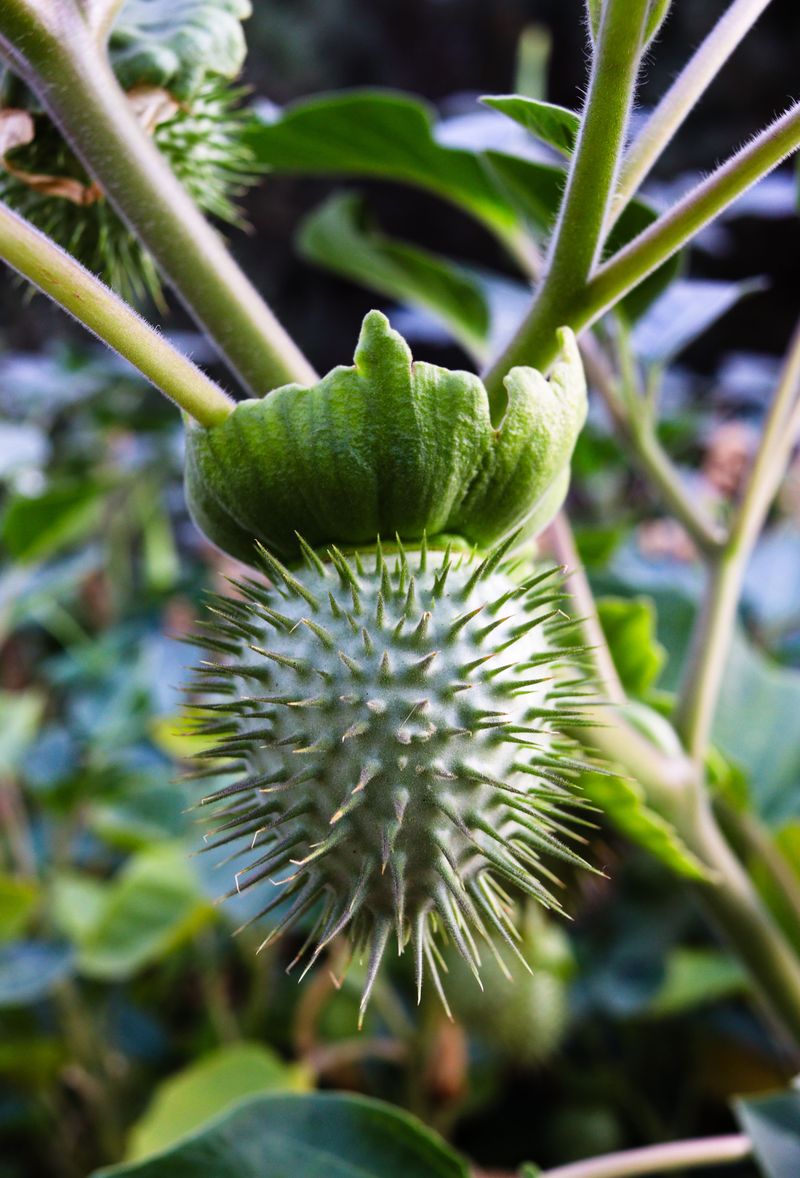
Jimsonweed goes by many names, including thorn apple and devil’s snare, and none of those nicknames are flattering. This fast-growing annual loves disturbed soil, compost piles, and neglected garden corners.
The large white or purple trumpet-shaped flowers are genuinely beautiful, which is what makes this plant so deceptive. Every part of it contains powerful alkaloids that can cause hallucinations, rapid heartbeat, and seizures.
Jimsonweed has been involved in accidental poisonings among people who underestimate its strength. A tiny amount of plant material can cause a medical emergency.
The spiky green seed pods are a reliable identification feature. If you spot this plant in your yard, remove it carefully with gloves and dispose of it in sealed bags immediately.
Even brief skin contact can irritate sensitive skin, so gloves are worth wearing during removal. Ingestion symptoms often appear within an hour, including confusion and a racing pulse.
7. Poison Hemlock
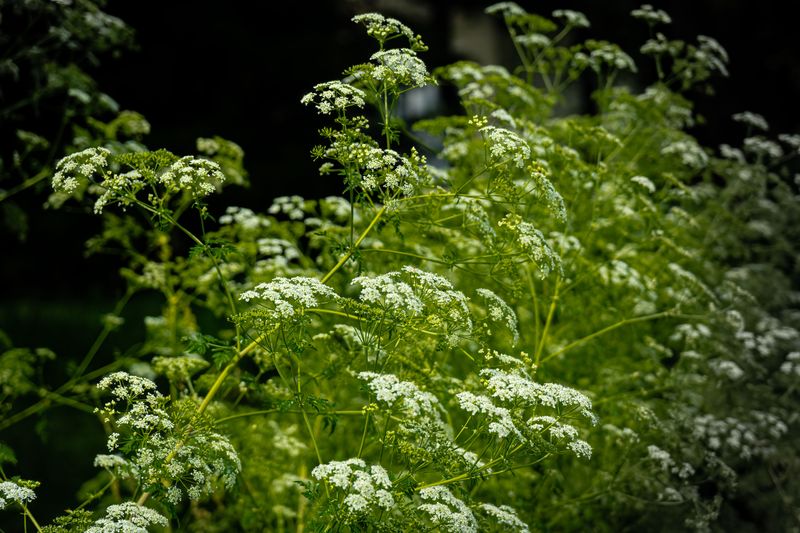
Poison hemlock has a notorious place in history, and it grows happily in Virginia roadsides, ditches, and sometimes garden edges. It looks a lot like Queen Anne’s lace, which is a very dangerous case of mistaken identity.
The key difference is the stem: hemlock has distinctive purple-red blotches on hollow, smooth green stalks. Queen Anne’s lace has hairy stems and no purple markings.
All parts of poison hemlock are highly toxic and can cause paralysis and respiratory failure in humans and animals. Even handling the plant and then touching your face carries real risk.
If you find it growing near your property, call your local extension office for guidance before attempting removal. This is one plant that deserves serious respect and caution.
Symptoms can appear within thirty minutes to two hours of ingestion, starting with trembling and progressing to muscle weakness. Emergency treatment works best when started early, so call 911 immediately if exposure is suspected.
8. White Snakeroot
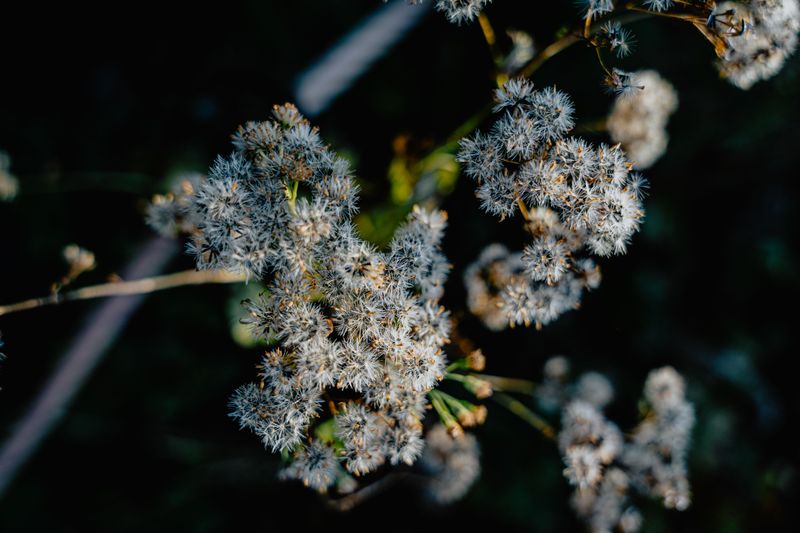
White snakeroot played a dark role in American history, believed to have caused the milk sickness that affected Abraham Lincoln’s mother through tainted cow’s milk. That fact alone should make you take this plant seriously.
It grows in shaded, moist areas like woodland edges, stream banks, and the shadowy corners of landscaped yards. The fluffy white flower clusters look almost cheerful and harmless.
Livestock poisoning is the most common modern concern, but pets and children who chew on the leaves face real danger. The toxic compound, tremetol, causes muscle tremors and organ damage.
Wear gloves during removal and wash your hands thoroughly afterward. Shaded fence lines and wooded yard borders are the first places to check.
Symptoms of tremetol poisoning include tremors, loss of appetite, and vomiting, sometimes appearing days after exposure. Pets showing these signs after chewing on yard plants should be seen by a vet promptly.
9. Castor Bean
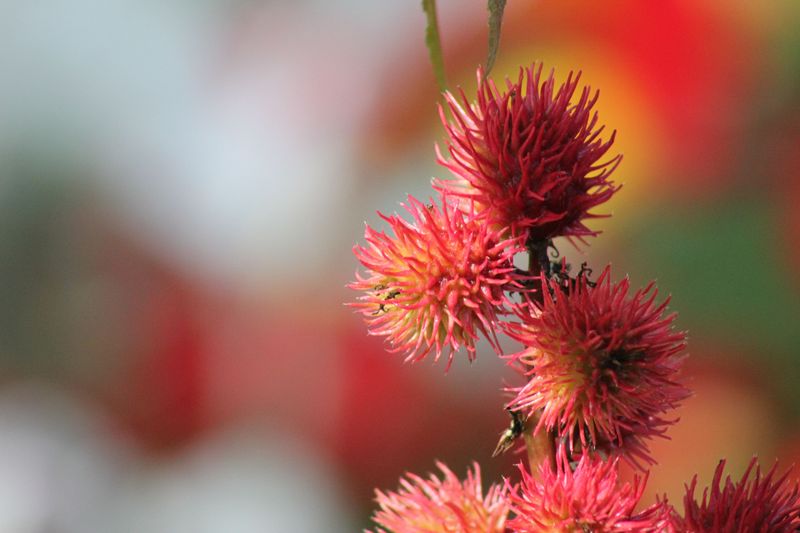
Castor bean is planted on purpose in many ornamental gardens because it is genuinely striking. The enormous, star-shaped leaves and bold tropical look make it a favorite for dramatic garden borders.
What most people do not know is that the seeds contain ricin, one of the most toxic natural substances on earth. A child eating just a few seeds can face a life-threatening situation.
The spiky, reddish seed pods are visually interesting, which makes curious kids even more likely to pick them up. Pets who chew the seeds face the same severe danger as humans.
If you grow castor bean for its looks, remove the seed pods before they mature and keep them from falling to the ground. Knowing the risk makes enjoying the plant responsibly much easier.
10. Foxglove
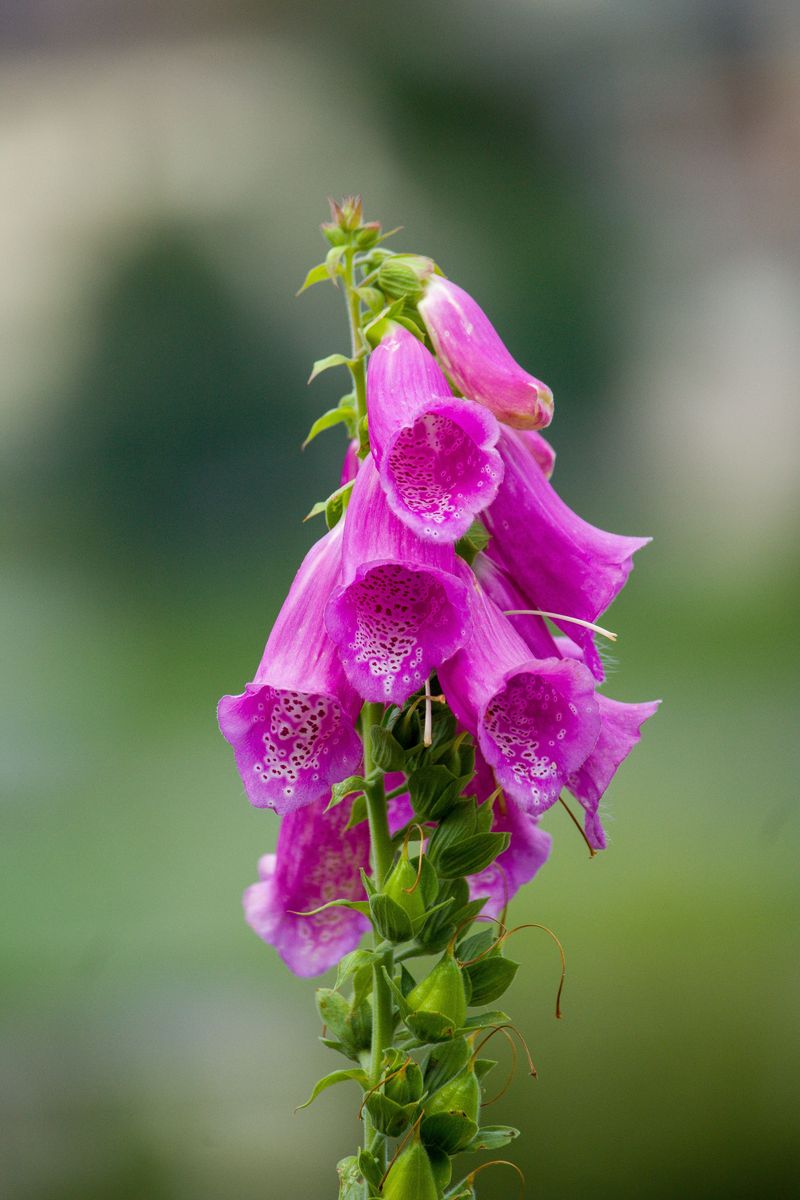
Foxglove is the kind of plant that shows up on greeting cards and cottage garden inspiration boards. Those tall spikes of tubular, speckled purple flowers are genuinely gorgeous, and that beauty is exactly the problem.
The entire plant contains digitalis glycosides, compounds that affect heart rhythm. Ingesting even a small amount can cause nausea, blurred vision, irregular heartbeat, and worse.
Foxglove is commonly sold at garden centers and planted without any warning labels attached. Many homeowners have no idea the elegant plant in their flower bed carries serious health risks.
Keep it out of reach of young children and curious pets. If someone in your household eats any part of this plant, contact Poison Control at 1-800-222-1222 right away.
11. Lily Of The Valley
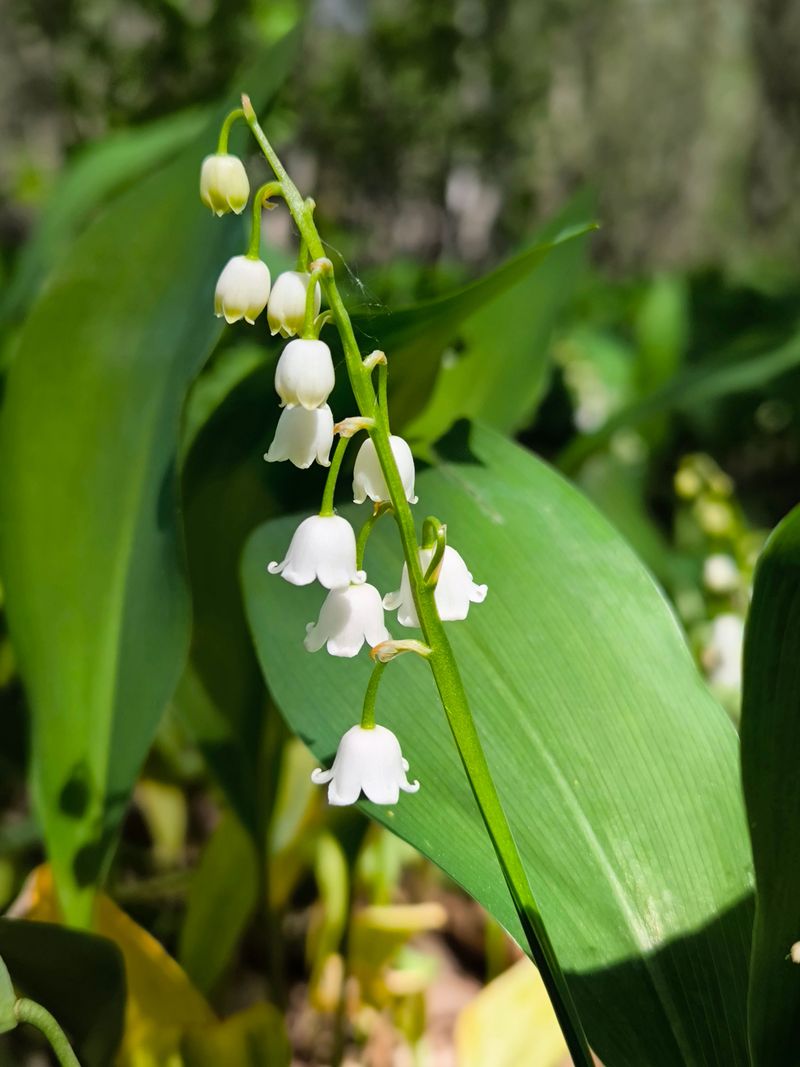
Few plants smell as sweet as lily of the valley, and few plants carry such a sharp contrast between appearance and danger. Those dainty white bells are beloved in wedding bouquets and spring gardens everywhere.
The entire plant, including the tiny red berries that appear in fall, contains cardiac glycosides. Eating any part can cause vomiting, low blood pressure, and serious heart irregularities.
Children are particularly drawn to the red berries, which appear after the flowers fade and look like something out of a fairy tale. Even the water in a vase holding cut stems becomes toxic.
Grow it if you love it, but fence it off from small children and pets. Awareness is the best protection against an accidental poisoning in your own front yard.
12. Oleander
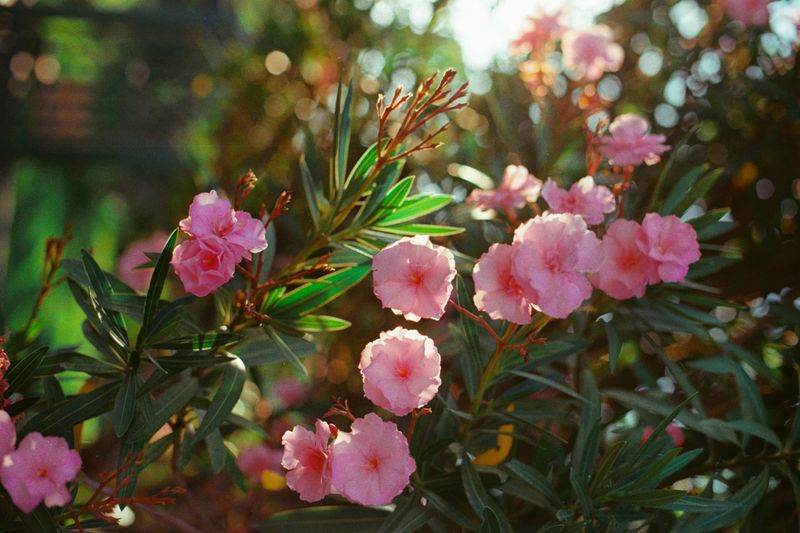
Oleander is a warm-weather favorite used in landscaping across the southeastern United States, and it occasionally turns up in protected Virginia gardens and container plantings. The clusters of pink, red, or white blooms are undeniably pretty.
Every part of oleander is extremely toxic, and even smoke from burning the branches can cause respiratory distress. Even a small amount of leaf can seriously harm a small child or pet.
Oleander poisoning affects the heart, nervous system, and digestive tract simultaneously. Symptoms can appear within hours of exposure and escalate quickly without medical treatment.
If you have oleander in a container on your patio or porch, position it somewhere well out of reach. Beautiful plants deserve a safe spot where admiration is the only thing they inspire.
13. Azalea And Rhododendron
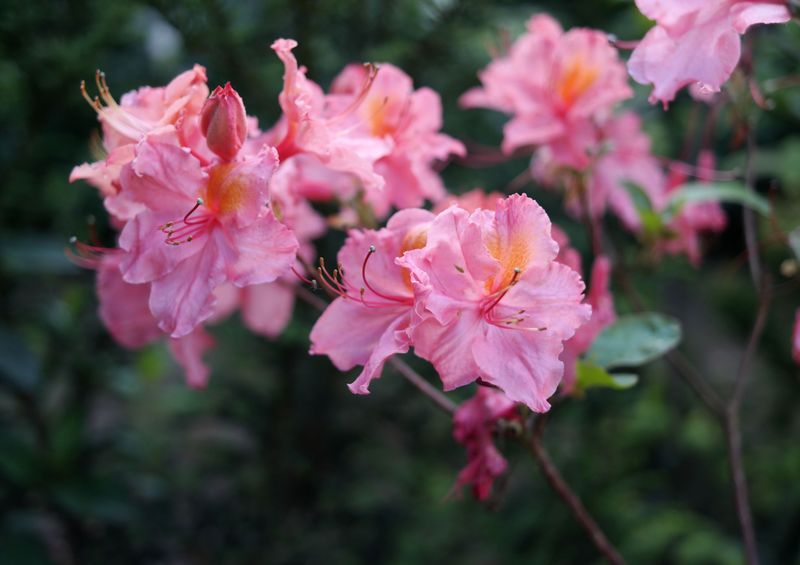
Azaleas and rhododendrons are practically the official shrubs of the Mid-Atlantic spring garden. Entire neighborhoods erupt in pink, purple, and white blooms every April, and almost nobody realizes these beloved shrubs are toxic.
The leaves and flowers contain grayanotoxins, compounds that interfere with normal nerve and muscle function. Eating a small amount causes drooling, vomiting, low blood pressure, and weakness.
Pets, especially dogs, are frequent accidental victims because they chew on fallen leaves and flowers. Children who put flowers in their mouths during outdoor play face the same risk.
You do not have to remove these classic garden shrubs, but knowing the risk changes how you supervise outdoor time. A beautiful yard and a safe yard can still be the same yard.
14. Autumn Crocus
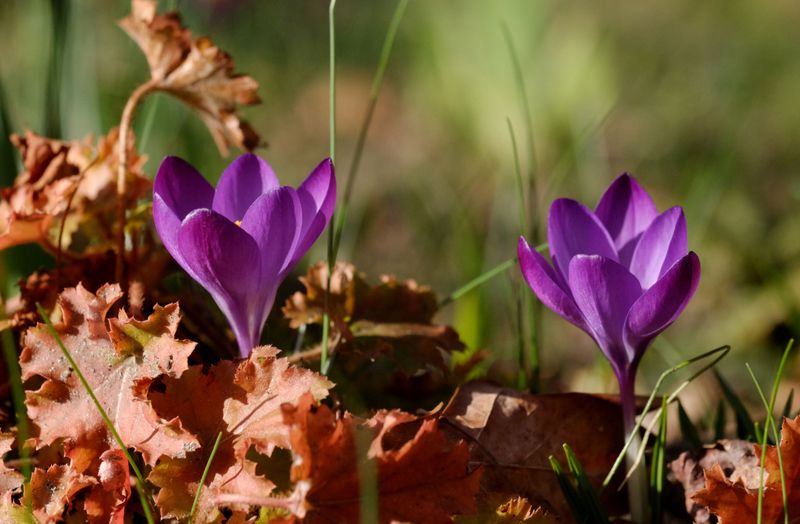
Autumn crocus does something visually strange: the flowers appear in fall with no leaves whatsoever, rising straight from bare ground. That unusual look makes it a novelty in garden design, but the novelty comes with a serious catch.
Unlike spring crocuses, autumn crocus contains colchicine, a compound toxic enough to cause multi-organ failure in severe cases. The danger is highest with the bulbs, but the flowers and seeds are also harmful.
Symptoms after ingestion can be delayed by hours or even days, which makes accidental poisoning especially dangerous. By the time someone feels sick, the toxin has already been absorbed.
If you find leafless purple blooms appearing mysteriously in fall, treat them with caution. Identifying this plant correctly could genuinely make a life-changing difference for your household.
15. Hydrangea
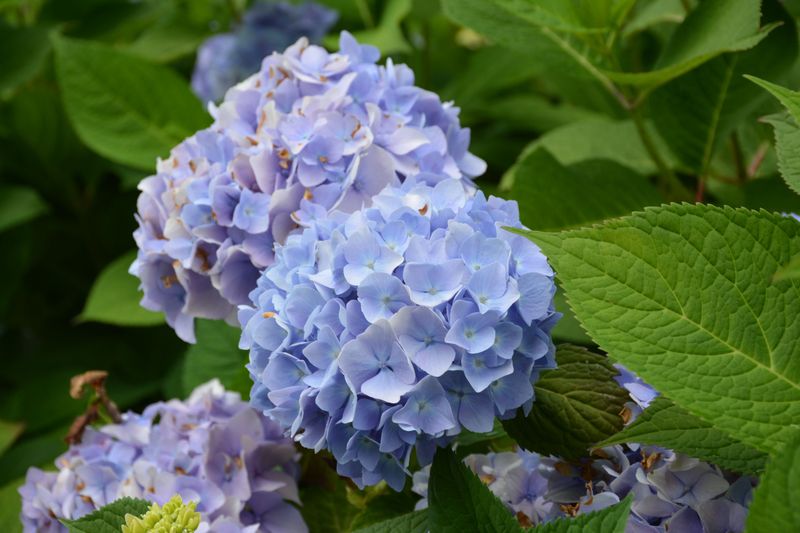
Hydrangeas are everywhere in Virginia yards, and for good reason: those enormous, cloud-like flower heads in blue, pink, and white are hard to resist. Most gardeners never suspect this classic shrub of hiding any danger at all.
Hydrangea leaves, flowers, and buds contain a compound that the body converts into cyanide when ingested. Symptoms include nausea, vomiting, and weakness, usually appearing shortly after eating plant material.
Poisonous plants hiding in plain sight are the most dangerous kind, and hydrangea fits that description perfectly. The risk is low if you are simply gardening, but children who chew on flowers or leaves need prompt attention.
Keep an eye on young kids playing near hydrangea bushes during outdoor gatherings. Enjoying these stunning shrubs safely is possible with a little awareness and watchful parenting.