7 Real Reasons Your Mulch Keeps Floating Away In Florida Rains And How To Stop It
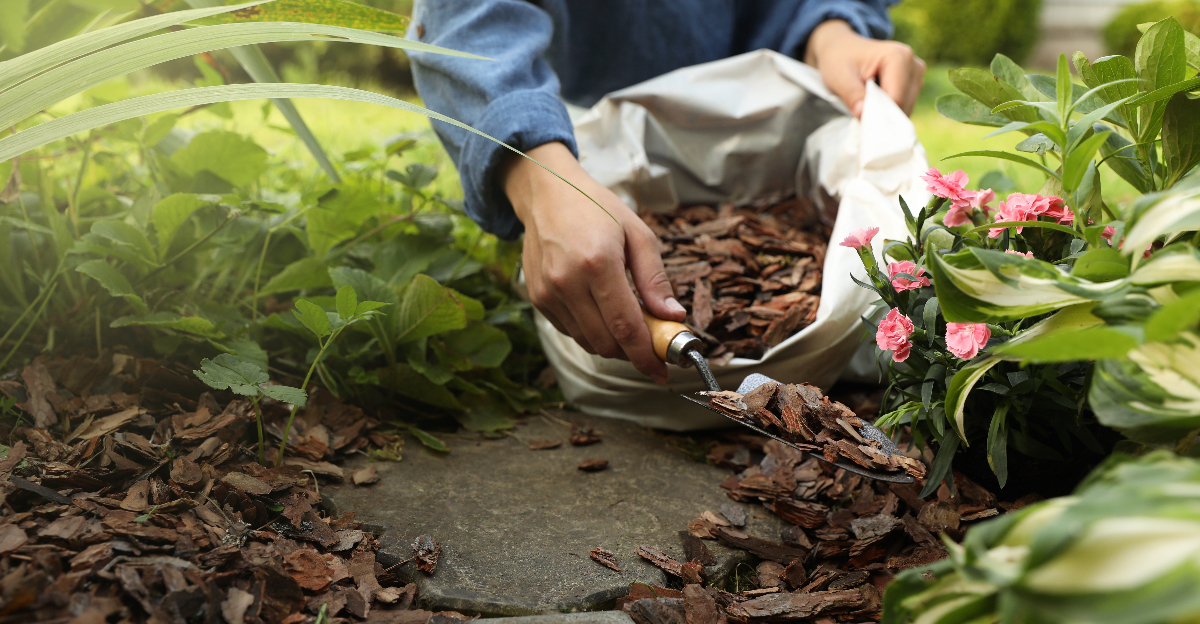
Florida gardeners have a very specific kind of Saturday. You spend the morning spreading fresh mulch, and by Sunday afternoon a summer storm has sent half of it floating toward the neighbor’s driveway.
The frustrating part is that many people respond by just spreading more mulch. Same type, same depth, same spot.
Then the next storm arrives and the whole cycle starts over. By the end of rainy season, you have essentially purchased mulch for the entire neighborhood.
But here is what most mulch guides skip entirely. The mulch is not the problem. The setup around the mulch is.
Florida gets over fifty inches of rain per year, much of it falling in short, aggressive bursts that create serious surface runoff. Most mulch applications are not designed to handle that.
A few specific decisions made before and during the spreading process determine whether your mulch stays put or goes on an unscheduled tour of your yard.
The reasons your mulch keeps floating away are more specific than you think, and almost every single one of them is fixable.
1. Mulch Is Too Light And Lifts With Heavy Downpours
You spent a Saturday morning spreading fresh mulch across your flower beds. By Sunday afternoon, a classic
Florida thunderstorm sent half of it floating into the street. If that sounds familiar, lightweight mulch is likely the culprit.
Pine straw, shredded leaves, and fine wood chips all have low density. Water gets underneath them almost instantly during intense rain and carries them outward like a slow-moving current.
Florida averages over 54 inches of rain per year, much of it arriving in short, aggressive bursts. Light mulch simply cannot hold its ground against that kind of runoff.
Luckily, the fix is straightforward. Switch to a denser material in beds that take the worst of the storm runoff.
Eucalyptus mulch, melaleuca mulch, and large bark nuggets all carry significantly more weight per cubic foot and resist floating far better than lighter options.
Melaleuca mulch is a particularly smart choice for Florida landscapes. It is locally sourced, affordable, and heavy enough to stay put through a serious downpour.
It also performs well over time rather than breaking down into an even lighter version of itself by midsummer.
If you love the look of pine straw, reserve it for raised beds or sheltered spots where direct runoff is minimal. Matching mulch weight to your yard’s actual rain exposure is a small change with a noticeable result.
You bought the mulch once. You should not have to buy it again because it went on an unauthorized trip down the driveway.
2. Mulch Layer Is Too Thin To Stay In Place During Storms
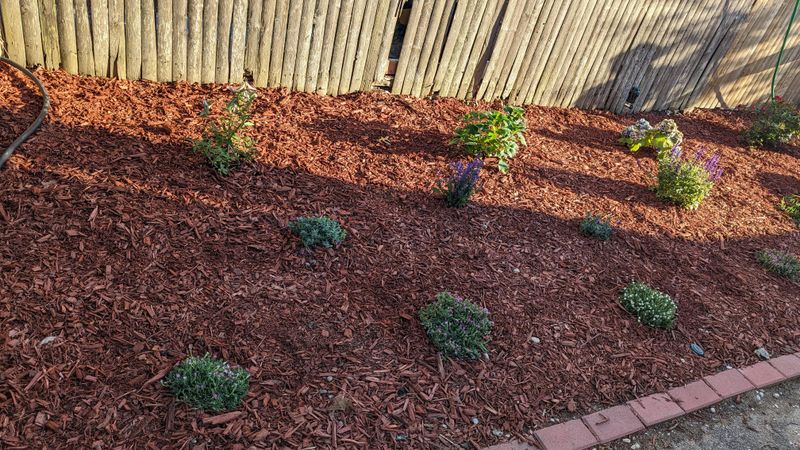
A one-inch layer of mulch looks tidy on a calm morning. Against a Florida afternoon downpour, it has almost no chance.
Thin mulch layers lack the mass and interlocking depth needed to resist moving water. When rain hits a shallow layer, the individual pieces scatter easily. There is nothing holding them together or weighting them down from above.
Your Florida Garden Changes Every Week. Your Plan Should Too.
Gardening in Florida changes quickly throughout the season. Every Friday you’ll receive a simple weekly plan showing exactly what to plant, prune, fertilize, harvest, and protect so you never miss the right timing.
A deeper layer creates more friction between pieces, more resistance to water movement, and a more stable surface overall.
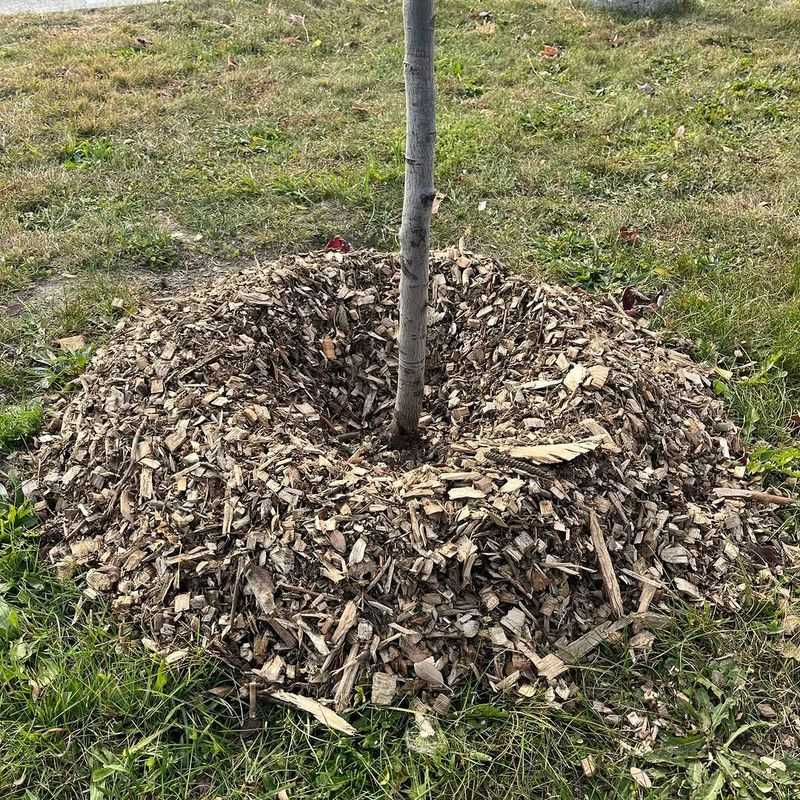
Two to three inches is the recommended depth for most Florida landscape beds. Going beyond four inches can cause moisture buildup and root issues, so there is a practical sweet spot to aim for.
When applying mulch, gently tamp it down with the back of a rake or your hands. Encourage the pieces to nestle together rather than sit loosely on top of each other. An airy, fluffy application actually floats faster than a compact one.
After a heavy rain, check for thin spots and top them off right away. Do not wait for the entire bed to wash out before adding more.
Consistent depth maintenance costs almost nothing and prevents the frustrating cycle of re-mulching after every storm.
Depth also matters for moisture retention and weed suppression, so getting it right benefits the bed in multiple ways at once.
Two to three inches of properly applied mulch stays put in Florida rain. One inch of loosely fluffed mulch becomes a neighborhood tour. The choice is honestly pretty clear.
3. Loose Mulch Sits On Bare Soil Instead Of Grabbing Grip
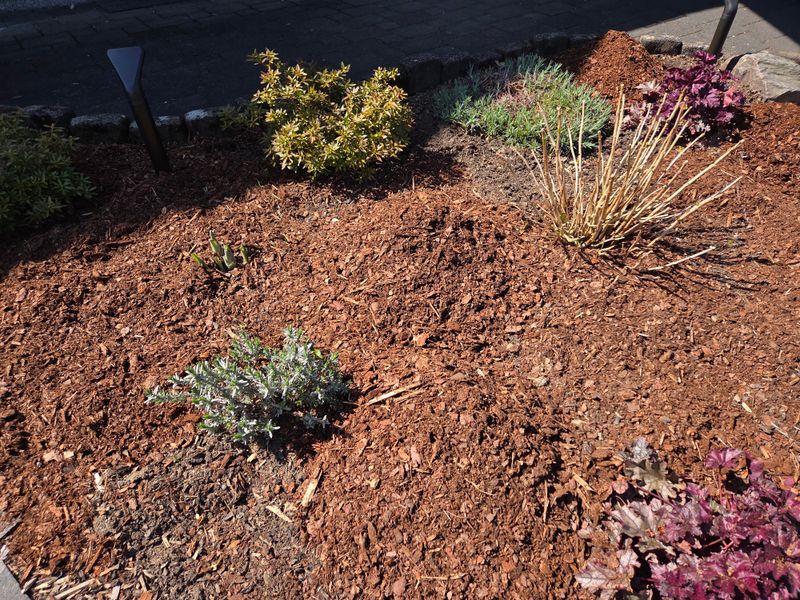
Fresh bare soil is essentially a slip-and-slide for mulch. When you lay mulch directly onto smooth, compacted, or recently tilled ground without preparation, there is nothing for it to grip.
Water slides between the soil surface and the mulch layer, and the whole thing shifts outward with the current. Bed preparation matters more than most people realize before mulch ever goes down.
Lightly rake the soil surface before spreading to create a slightly rough texture. That texture gives mulch pieces small irregularities to catch onto. The contact becomes more grip than slide.
Working a thin layer of compost into the top inch of soil also helps. Compost creates a stickier, more absorbent base that holds moisture and grips mulch better during heavy rain.
Another simple step is to wet the soil lightly before spreading mulch. Moist soil has more surface tension than dry, dusty soil. Mulch settles into it rather than sitting on top of it.
In high-runoff areas, pressing the first inch of mulch firmly into the soil with your foot before adding the top layer creates a compressed base.
It resists floating even when the surface gets disturbed. That compressed base layer changes the behavior of the whole application.
Small preparation steps before spreading take maybe ten extra minutes. They save hours of cleanup after storms.
Mulch that has nothing to grip is just waiting for a rainstorm to relocate it. Give it something to hold onto.
4. Mulch Piled Flat Lets Water Run Under And Wash It Out
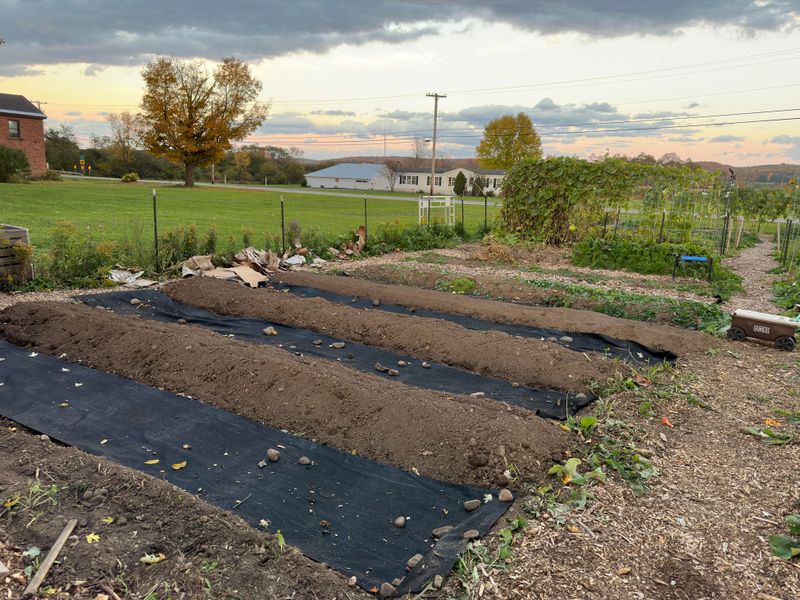
Flat beds and Florida rain are a genuinely poor combination. When a garden bed sits at the same level as the surrounding lawn, rainwater flows freely across the bed surface and takes the mulch with it.
No slope to redirect water away. No mounding to create resistance. Nothing to interrupt the flow.
A small adjustment changes this entirely. Build beds with a slight crown or mound in the center. When the middle sits just an inch or two higher than the edges, water rolls outward naturally.
Professional landscape designers use this technique specifically to manage drainage and keep ground covers in place.
It does not require heavy equipment or major reshaping. A few hours with a shovel and a wheelbarrow of soil handles most beds.
Digging a shallow trench around the perimeter of problem beds adds another layer of protection. The trench catches runoff and redirects it before it reaches the mulch.
This works especially well in yards where water flows from a higher lawn area toward garden beds. Even a two-percent slope away from the bed center reduces erosion noticeably during storm events.
Pair a mounded bed with a dense mulch material and storms become much less of a problem. Reshaping your beds takes an afternoon but saves hours of cleanup over an entire Florida rainy season.
Flat beds and Florida rain. One of them is not going to change. Might as well adjust the one you actually control.
5. Sodden Soil Below Turns Slippy And Pushes Mulch Outward
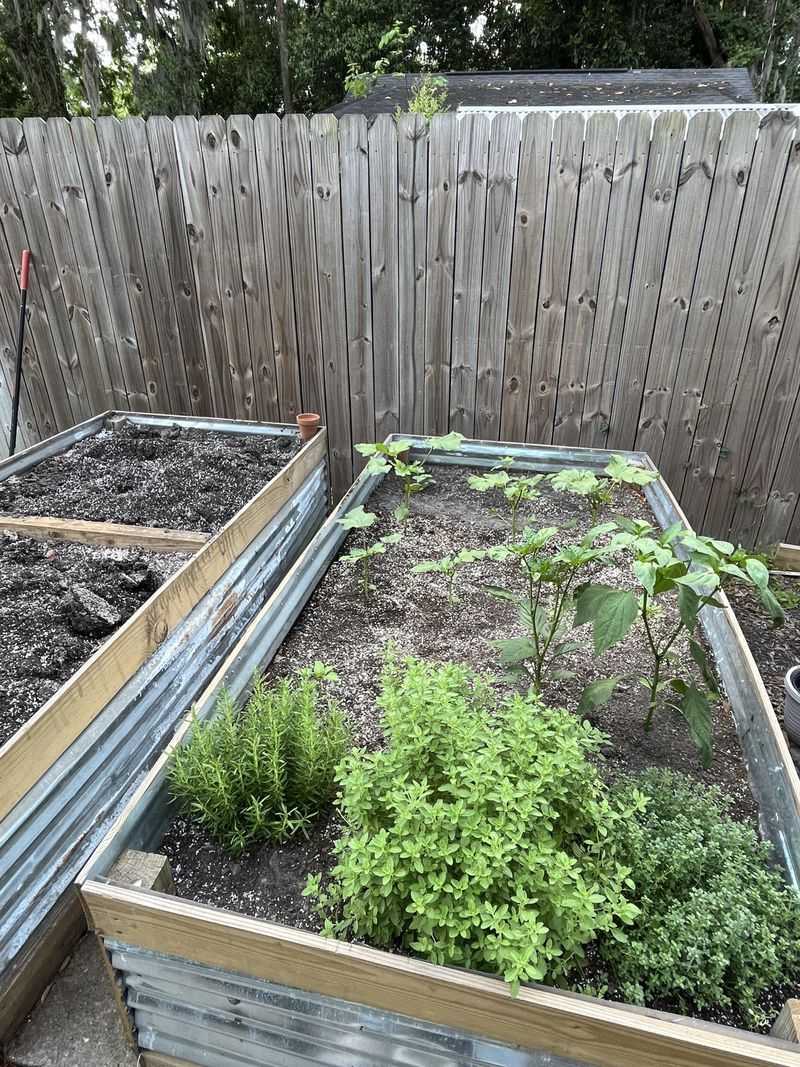
Many gardeners focus entirely on what is happening above the soil when mulch washes away. The problem is often coming from below.
When Florida’s clay-rich soils become completely saturated during rainy season, they expand, turn slick, and lose their ability to hold anything on top.
Mulch sitting above that layer has no stable base. It slides outward with the slightest push from moving water. This is a drainage problem at its core, and it is extremely common across Florida landscapes.
Large areas of the state have poorly draining soils and high water tables, particularly in Central and South Florida.
When water cannot move downward through the soil profile fast enough, it backs up and creates the unstable layer that sends mulch on its way. Improving drainage before mulching makes a significant difference.
Improve soil with organic matter and use raised beds or drainage features where needed.
A simple French drain or swale near problem beds redirects excess water away from the area before it builds up beneath the mulch.
Healthier soil structure keeps mulch stable and plants considerably less stressed through wet season.
The mulch is not the problem. The saturated soil under it is. Fix what is happening below and the mulch above tends to sort itself out.
6. No Physical Edge Means Mulch Leaks Off Beds With Rains
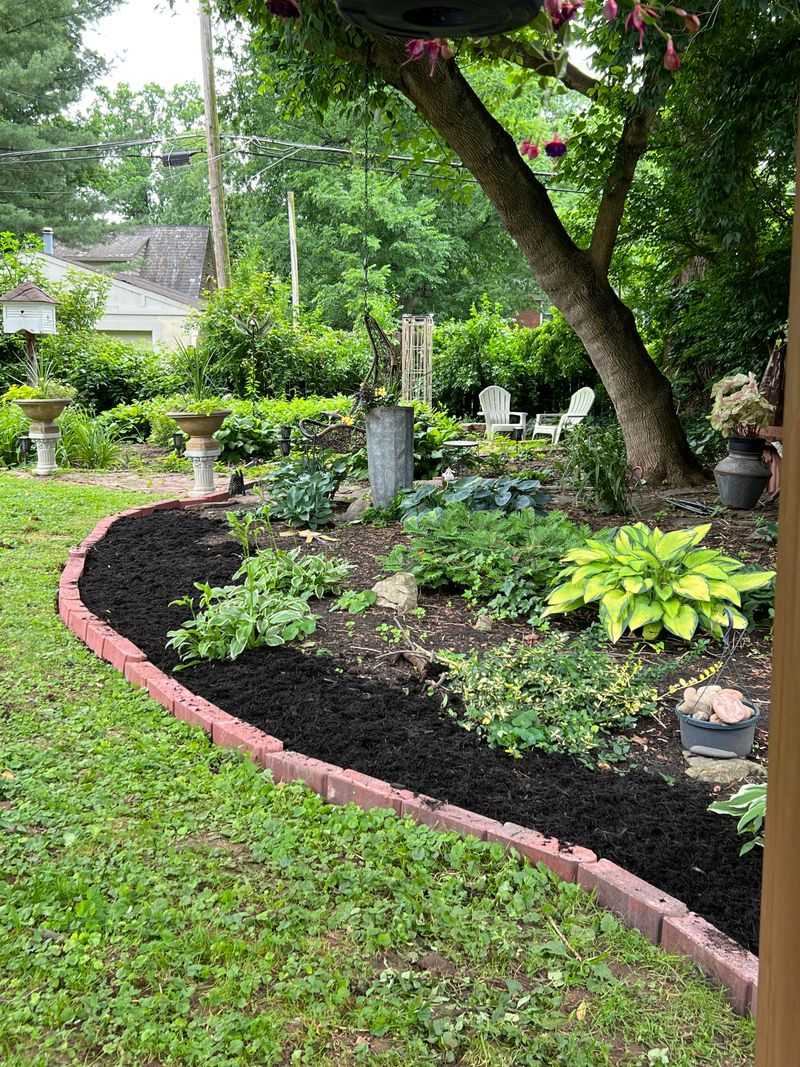
A garden bed without an edge is an open invitation for mulch to leave. Rain hits the surface, water flows outward, and nothing stands between your mulch and the lawn, pathway, or street beyond.
The mulch goes wherever the water goes. You end up with scattered material across the grass and a thin, patchy bed that needs constant attention.
Installing edging is one of the most practical and lasting fixes available for any Florida garden bed.
Options range from simple and affordable to decorative and permanent. Plastic landscape edging, metal edging, and concrete curbing all create a physical wall that catches mulch before it escapes.
Even a three to four inch edge height makes a noticeable difference during heavy rain events.
Metal edging outperforms plastic in Florida’s conditions. Intense sun and heat cause plastic to warp over time, reducing its effectiveness. Natural stone borders are heavy, attractive, and require almost no maintenance once installed.
The key detail is setting the edging deep enough that water cannot flow underneath it during heavy rain. A properly set edge stops runoff at the bed boundary.
Once edging is in place, mulch migration after storms drops significantly. It is a one-time project that pays off across every rainy season without requiring ongoing effort.
Mulch should stay in the bed you built. Edging is simply the agreement you make with the rain about where the property line is.
7. Wrong Mulch Type Has Too Much Air Space And Floats Fast
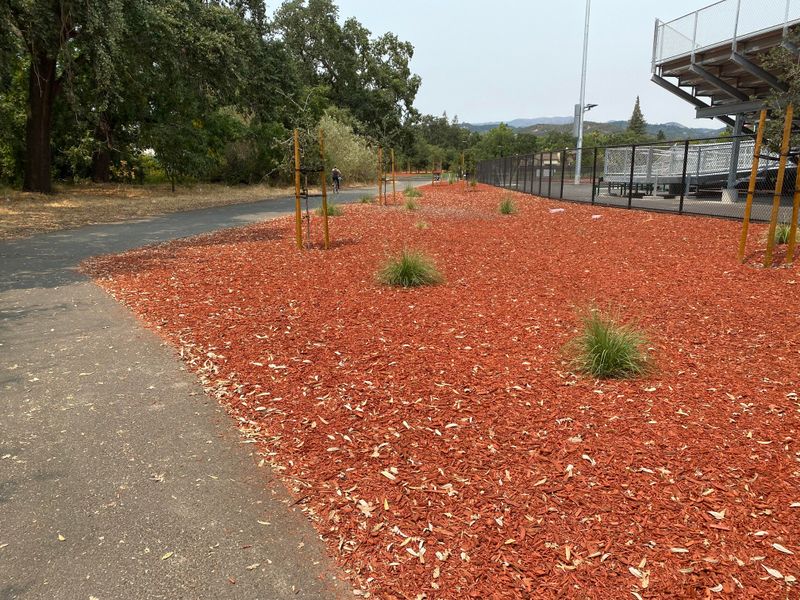
Not all mulch performs the same way in Florida rain, and the bag you grabbed at the hardware store might be actively working against you.
Some mulch products are shredded so finely or processed so lightly that they end up full of air pockets. High air content means low density. Low density means the mulch floats at the first sign of moving water.
Finely shredded wood mulch and many bagged decorative mulches fall into this category.
They look appealing when freshly applied but break down quickly in Florida’s heat and humidity, becoming lighter and more prone to floating as the season progresses.
Large bark nuggets and chunk-style mulches have far less air space between pieces. They resist water movement considerably better and hold up longer before breaking down.
When selecting mulch for Florida beds, pick up the bag and notice the weight. Dense products feel noticeably heavier for the same volume.
Melaleuca mulch, eucalyptus mulch, and pine bark nuggets are all strong performers in Florida’s conditions.
Eucalyptus mulch is worth specific attention. It mats together slightly as it settles, which actually makes it more stable over time rather than less. That interlocking quality is exactly what you want in a yard that gets hammered by afternoon storms.
Avoid fluffy, light products for any bed that receives direct rainfall or sits in a runoff path.
Spending a little more on the right mulch type upfront costs less than replacing the wrong type three times through a Florida rainy season. The math is uncomfortable but accurate.