What To Do With Your Florida Pentas In June For Hummingbirds And Butterflies All Summer
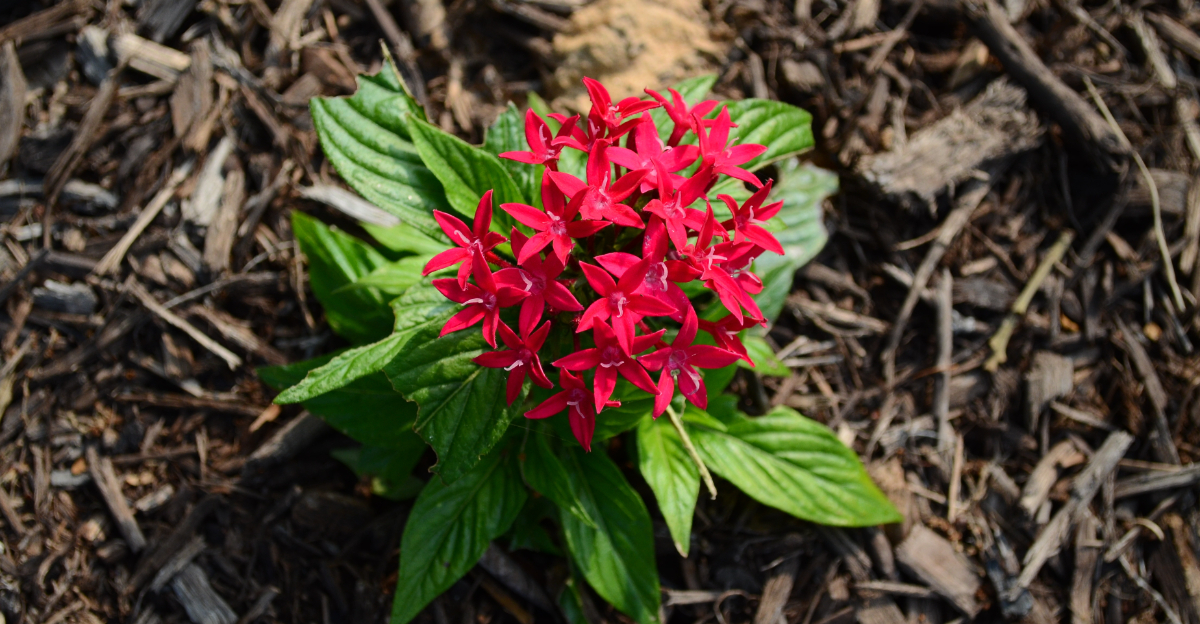
You spent good money on those pentas, so the last question you want to ask in June is “Did I just waste my whole summer?”
Here’s the truth most Florida gardeners find out too late: what you do to your pentas right now determines the rest of the season. Your yard can become a hummingbird and butterfly magnet through September, or a one-hit wonder that fizzles out by July.
Florida summers are brutal, no two ways about it. The heat, the humidity, the afternoon downpours.
But pentas? They thrive on all of it, IF you know how to work with them.
Think of June as your secret weapon month. Get this right and you’ll have wings fluttering through your garden nonstop.
So let’s cut to the chase and talk about exactly what your pentas need from you right now.
1. Give Pentas Enough Sun For More Flower Clusters
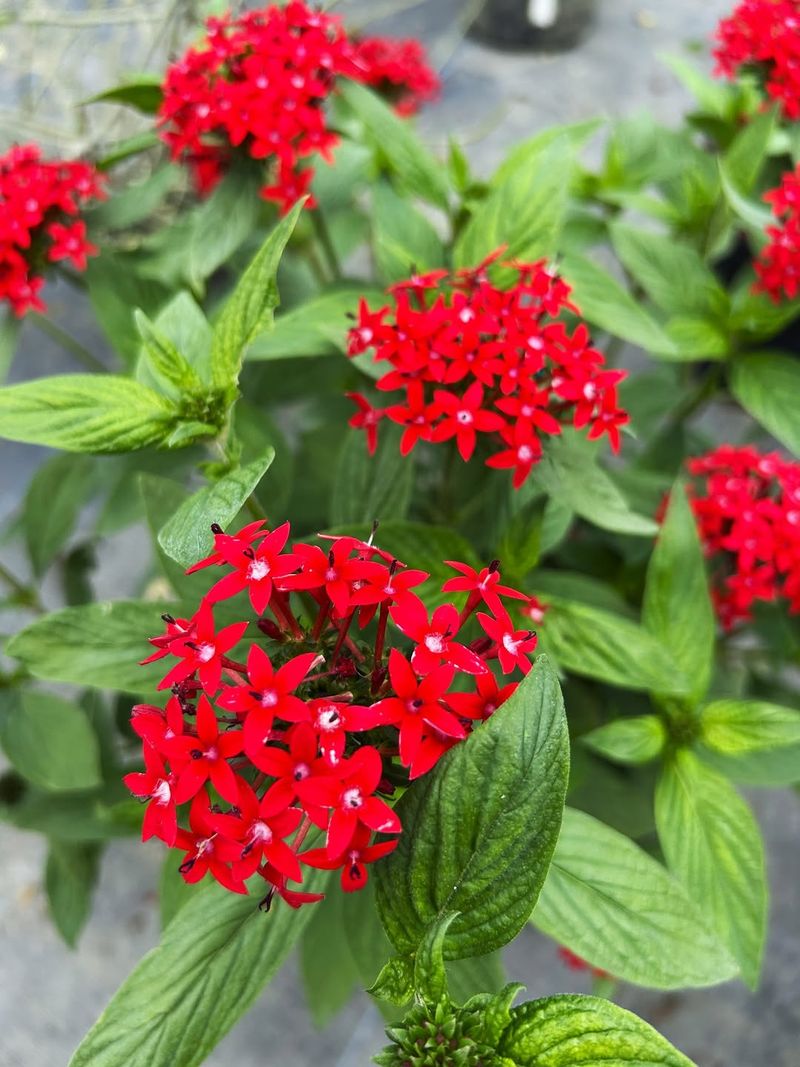
Light is the first bloom check to make every June. Pentas push out the most flower clusters when they receive strong, direct light for most of the day.
Full sun, roughly six or more hours, tends to give the heaviest and most consistent flowering through summer.
The tricky part is that light conditions shift between spring and summer. Trees leaf out fully, nearby shrubs grow taller, and structures like fences, rooflines, or patio covers can cast shade that was not there in March.
Walk your beds in the morning and again around midday to see where shadows fall now compared to earlier in the season.
Container plants on patios or porches are especially easy to move if a spot has become shadier than expected. A few feet in a sunnier direction can noticeably improve bloom production.
Light shade can help plants in very hot, exposed spots where afternoon heat is intense, but too much shade usually leads to fewer clusters and weaker stems. Check your light situation before assuming the plant itself is the problem.
2. Water Deeply Before June Heat Stresses The Roots
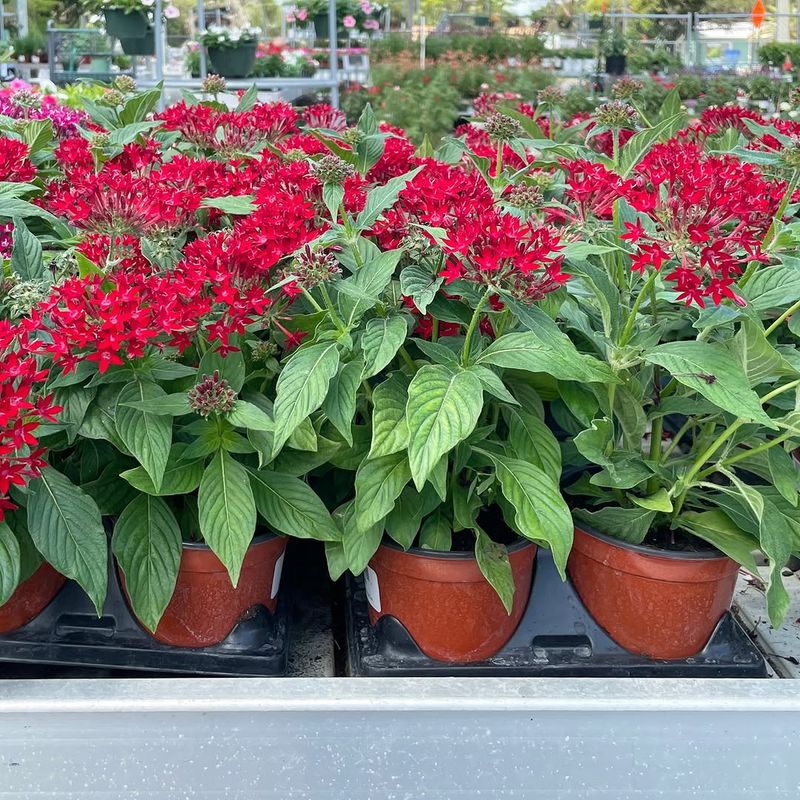
Deep watering matters more once June heat settles in. Light sprinkling wets only the top inch or two of soil, which is not enough to support a pentas plant pushing out new growth and flower clusters through summer heat.
Water should reach several inches down to where the roots actually are.
Container pentas dry out faster than bed plants because pots heat up quickly in direct sun. Check the soil in pots every day or two during hot, dry stretches.
When the top inch feels dry, water slowly and thoroughly until it drains from the bottom. Do not let pots sit in standing water.
Newly planted pentas in garden beds also need closer attention during their first summer. Established plants handle short dry spells better, but even they benefit from deep watering when rainfall has been low for several days.
The goal is steady moisture without soggy conditions. Roots that stay waterlogged weaken quickly, so always check before watering again rather than following a fixed schedule.
Your Florida Garden Changes Every Week. Your Plan Should Too.
Gardening in Florida changes quickly throughout the season. Every Friday you’ll receive a simple weekly plan showing exactly what to plant, prune, fertilize, harvest, and protect so you never miss the right timing.
Adjust based on recent rain, temperature, and whether your soil holds moisture well or drains fast.
3. Keep The Soil Draining Well During Summer Rain
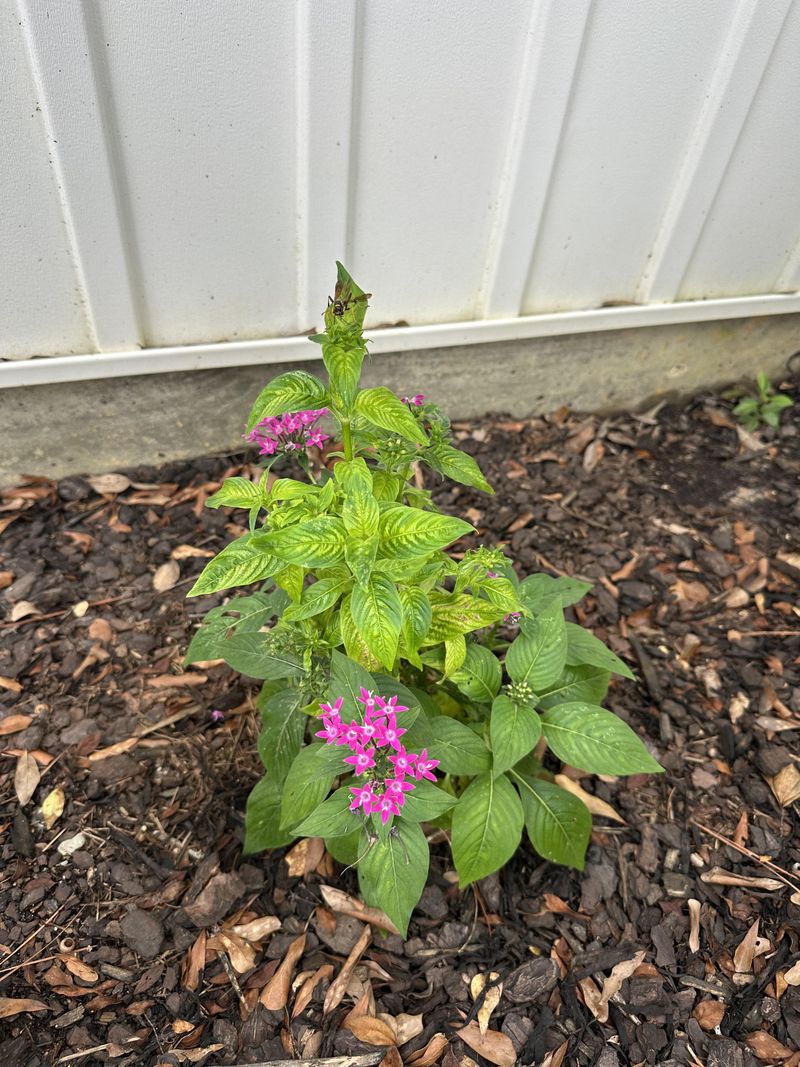
Summer rain can turn a well-managed bed into a wet one almost overnight. Pentas need well-drained soil to stay healthy through the rainy season, and June is when drainage problems often show up for the first time.
Spots that seemed fine in spring can hold water once storms become frequent.
Check beds after a heavy rain and see how long water sits. If puddles linger for more than an hour or two near your plants, drainage is likely an issue.
Compacted soil, low spots in the yard, and beds edged too tightly can all slow water movement. Container plants need clear drainage holes that are not blocked by roots or debris.
Saucers placed under pots are useful for protecting surfaces indoors, but outdoors they can trap rainwater and keep roots sitting wet for hours. Remove saucers or elevate pots slightly so excess water moves away freely.
Wet roots reduce a plant’s ability to take up nutrients, which shows up as pale leaves and fewer flower clusters even when the plant is being fed regularly. Good drainage is one of the simplest ways to protect pentas performance all summer.
4. Feed Lightly To Support Steady New Blooms
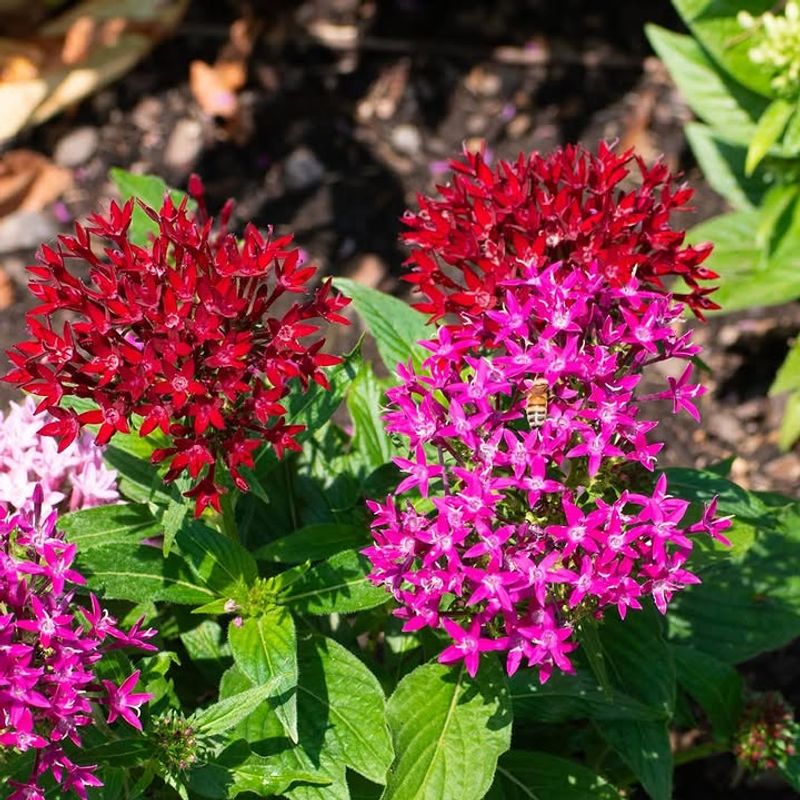
Feeding should keep growth steady, not soft and weak. Pentas in active summer growth can benefit from careful fertilizing.
The goal is to support the plant, not push it into fast, floppy growth that produces more leaves than flowers. Follow label directions and resist the urge to add extra.
A balanced fertilizer applied at the recommended rate can help pentas maintain healthy color and keep pushing new flower clusters through summer.
Slow-release granular options work well for bed plants because they feed gradually rather than all at once.
For containers, a diluted liquid fertilizer applied every few weeks during the growing season is a common approach in warm-region gardens.
Worth knowing: fertilizer cannot fix problems caused by poor light, soggy soil, or severe heat stress. If a pentas is struggling because it is in too much shade or sitting in wet ground, adding fertilizer will not solve those issues and may actually add stress.
Address the root cause first, then consider whether feeding is needed. Healthy, well-sited plants usually respond better to light, steady feeding than struggling plants do to heavy doses.
5. Trim Spent Flower Clusters To Refresh The Plant
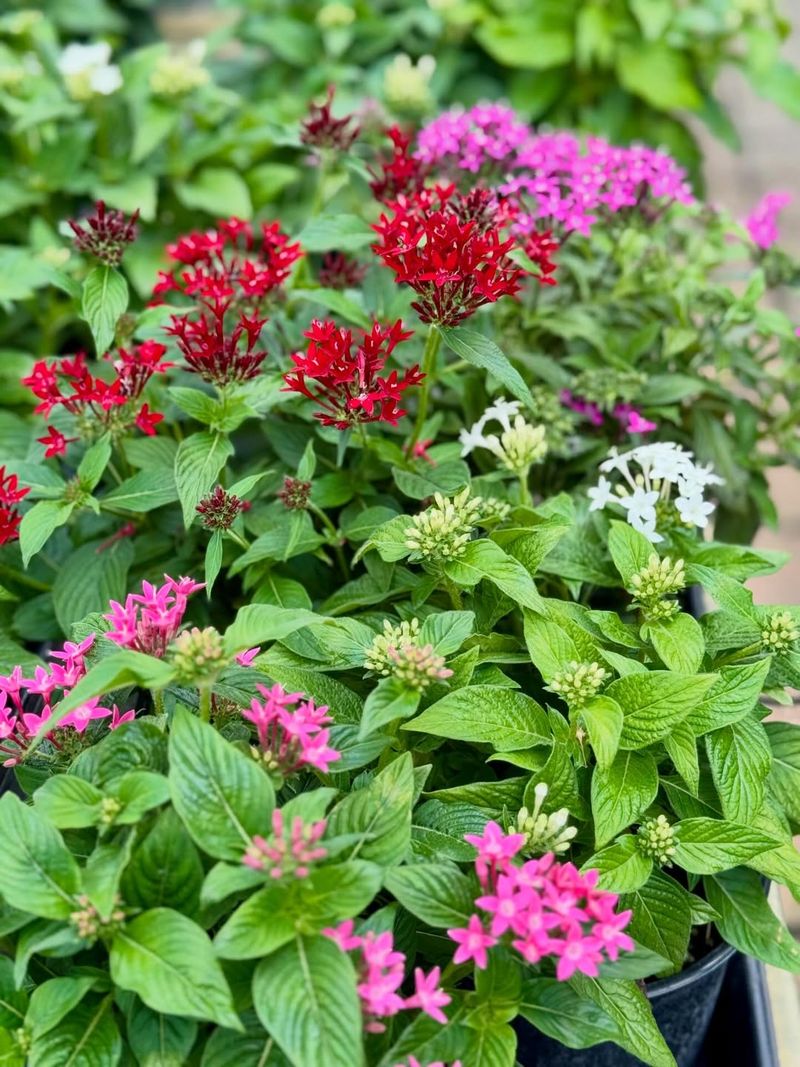
A faded cluster is a useful signal. When pentas flower heads turn brown or dry out, removing them can help the plant redirect energy toward producing new growth and fresh blooms.
This kind of light tidying is one of the easier June tasks and can make a real difference in how the plant looks and performs.
The key word is light. Summer is not the time for hard cutting that removes large amounts of healthy stem and foliage.
Removing just the spent flower heads or trimming back a few inches on stems that have finished blooming is usually enough. Harsh cutting in peak heat can stress the plant and slow recovery during the weeks when you most want it blooming.
Use clean, sharp scissors or small pruning shears so cuts are clean rather than ragged. Work through the plant selectively, removing what is clearly faded while leaving healthy stems and any clusters that are still opening.
Pentas often have flowers at different stages on the same plant, so a selective approach keeps the plant looking full while encouraging fresh growth. Regular light trimming through summer tends to work better than one heavy session.
6. Watch For Leggy Growth Before Plants Open Up
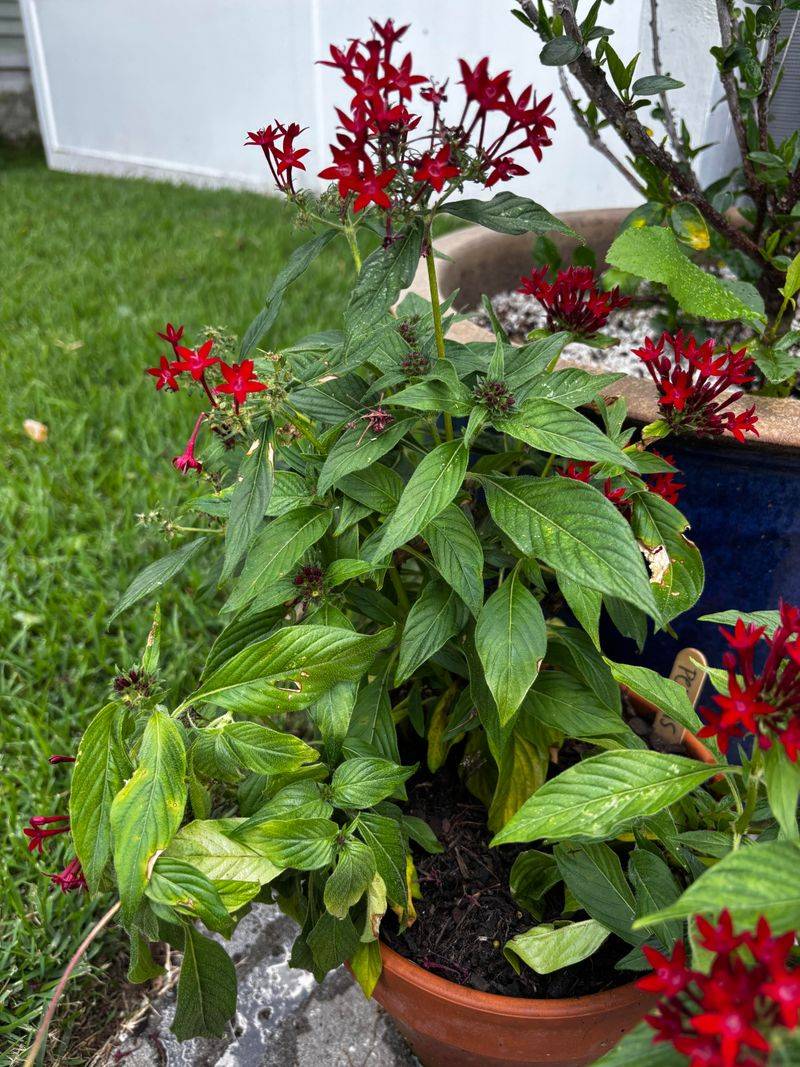
Leggy stems usually show up before the plant looks completely tired. When pentas start stretching, you may see long bare sections between the leaves and fewer flower clusters at the tips.
This is often a sign that something in the growing conditions has shifted. Reduced light is one of the most common reasons this happens in June.
Crowding is another factor. If pentas are planted close to fast-growing neighbors, those plants may have filled in since spring.
Your pentas may be reaching toward available light rather than growing compact and full. Check whether nearby plants are now shading or leaning into your pentas in ways that were not obvious earlier in the season.
Gentle trimming can help redirect growth and encourage fuller branching, but timing matters. A light trim that removes the longest, barest stems while leaving healthy growth is less stressful for the plant than cutting deeply in midsummer heat.
After trimming, make sure the plant has the light and moisture it needs to recover and push new growth. Catching leggy growth early, before it becomes the whole plant’s habit, makes correction easier and keeps flower production more consistent through summer.
7. Choose Red, Pink, And Lavender Blooms For Pollinator Appeal
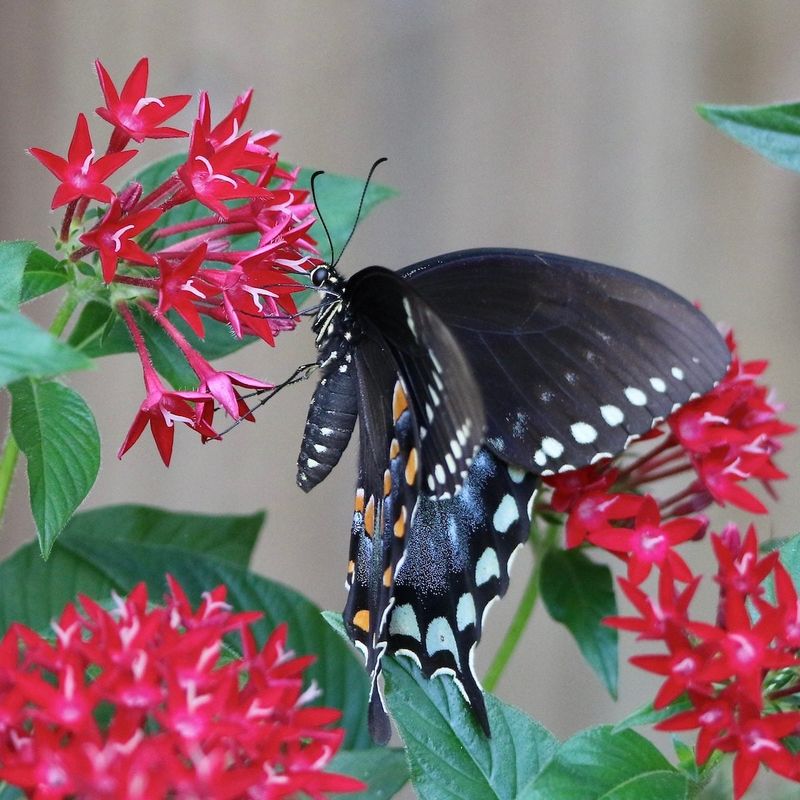
Color helps, but fresh flowers matter more than any single shade. Pentas are valued in pollinator plantings because they produce clusters of small, nectar-rich flowers that butterflies and hummingbirds can access easily.
Red, pink, lavender, and similar bright shades are regularly included in Florida pollinator-friendly garden designs across warm regions.
Red pentas are often mentioned in connection with hummingbird plantings, and pink and lavender shades tend to attract a range of butterfly species. That said, no single color guarantees more visitors.
Pollinators respond to availability, bloom freshness, and the broader planting mix in a yard as much as to any specific shade. A plant with abundant, open flower clusters is more useful than one with a preferred color but few blooms.
Keeping flower clusters fresh through regular light trimming and good basic care is what makes pentas reliably useful to pollinators over a long season. Mixing colors within a planting can add visual interest and may appeal to a broader range of visitors.
When choosing plants at a nursery in June, look for compact selections that are already blooming well. Varieties described as heat-tolerant or developed for warm-climate performance often hold up better through the intense summer months.
8. Pair Pentas With Other Summer Nectar Plants
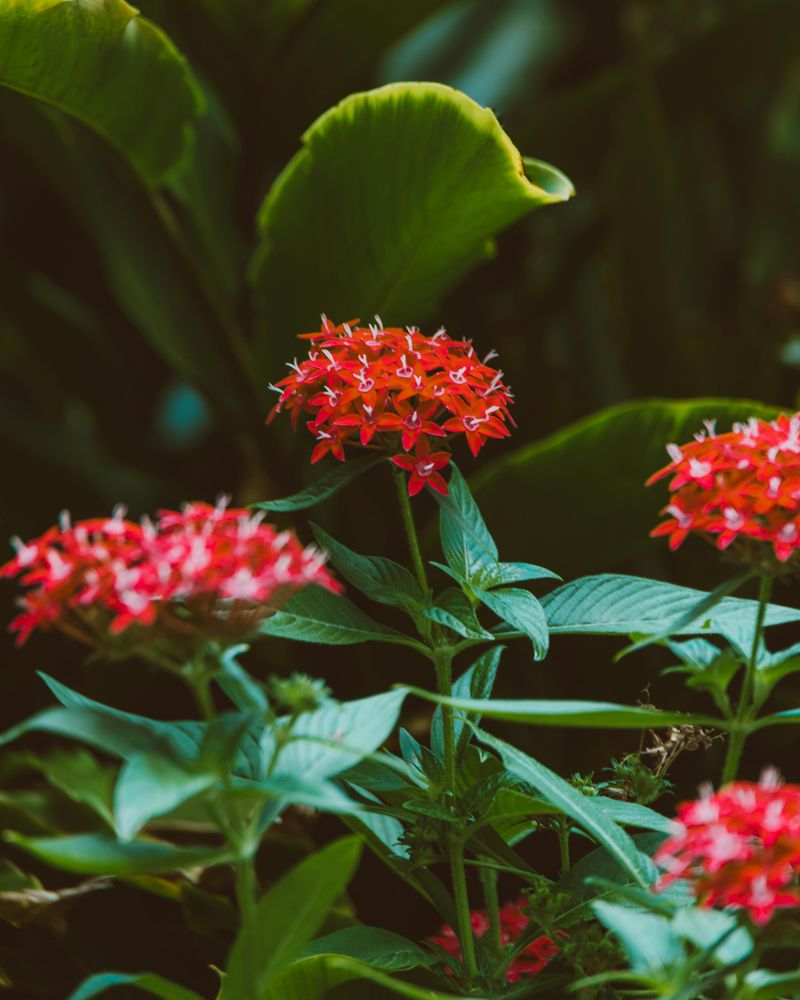
One nectar plant is helpful, but a mix works better for keeping pollinators coming back through summer. Pentas are a strong contributor to any warm-season planting.
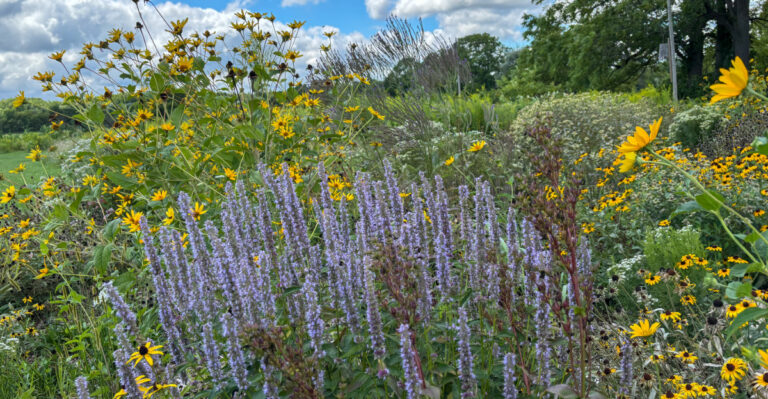
A garden with multiple nectar sources, bloom times, and flower shapes gives hummingbirds and butterflies more reasons to stay and return.
Pairing pentas with other summer bloomers that perform well in the same conditions creates a more complete resource.
Native firebush, for example, is a reliable warm-season performer that hummingbirds visit regularly and that holds up well through heat and rain.
Salvias are another option that blooms through summer and attracts both butterflies and hummingbirds. The goal is not a large collection of unrelated plants but a thoughtful combination of two or three nectar sources that complement each other.
Varying plant heights also helps. Low-growing pentas paired with a taller nectar shrub or a mid-height bloomer gives pollinators more entry points into a planting.
Keep the combination manageable so each plant gets the care it needs. A small, well-maintained grouping of compatible nectar plants usually performs better.
It often outperforms a crowded, neglected bed where many species compete for space, light, and water.