Stop Making These 10 Tick-Inviting Yard Mistakes In Illinois

Ticks are not waiting in some distant forest. They are in your yard right now.
You pull off your garden glove and find something eight-legged and unbothered crawling across your palm after what feels like the most ordinary Saturday cleanup of your life.
No standing water, freshly mowed lawn, tidy borders. What invisible mistake is your yard still making?
Across Illinois, you could be unknowingly creating perfect tick conditions through small, overlooked habits that seem completely harmless on the surface.
A forgotten brush pile near your fence line. A shaded corner that never fully dries out. Wildlife trails cutting through your garden edge.
Ticks do not need a grand invitation. A single overlooked corner of your yard is enough.
Illinois yards from the north suburbs all the way down to the southern counties carry real tick pressure throughout the warmer months. Your yard is either working against ticks or throwing them a welcome party.
1. Grass Left Over 3 Inches Tall
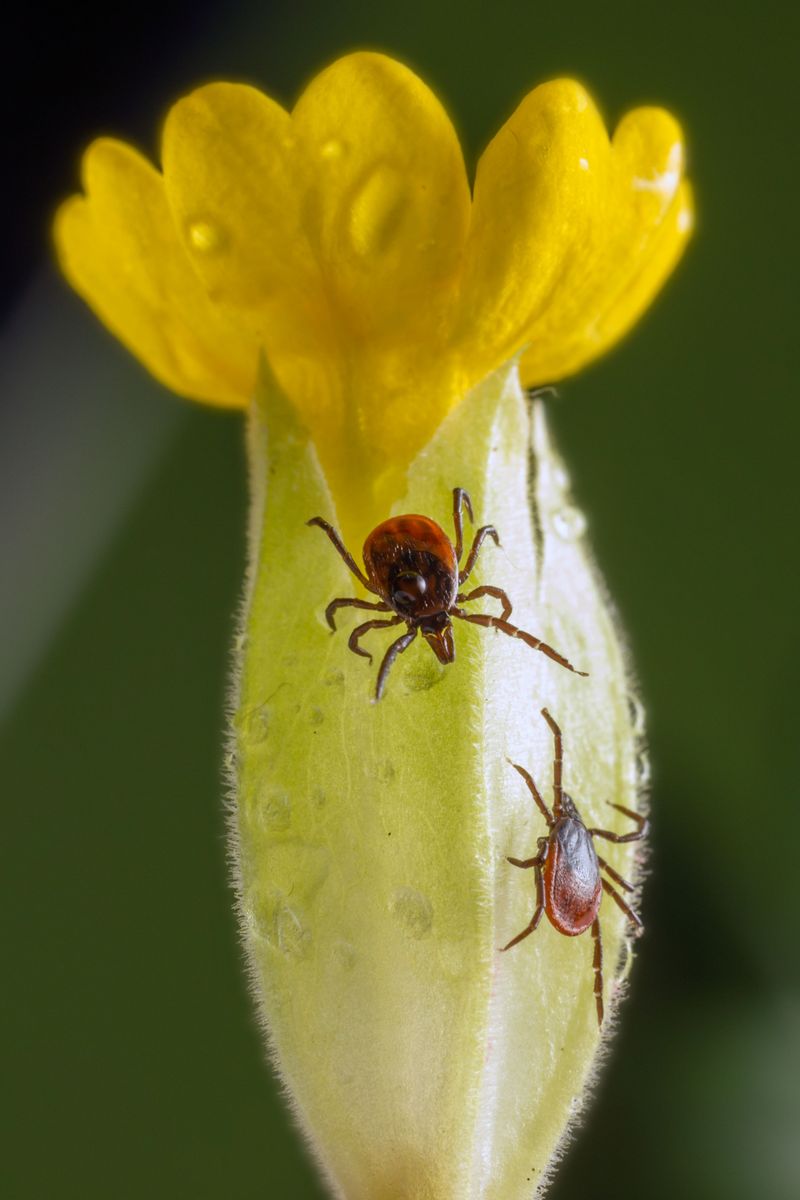
Tall grass is basically a five-star hotel for ticks. Those long blades create the perfect shaded, moist environment that ticks absolutely love to hang out in.
If your lawn looks more like a meadow than a yard, you are already losing the battle. Ticks do not jump or fly.
They wait on grass blades and low vegetation in a behavior called questing, stretching their front legs out and latching onto anything warm that brushes past. A lawn kept above three inches gives them plenty of room to do exactly that.
Mowing regularly, ideally once a week during peak growing season, is one of the simplest ways to cut down tick habitat fast. Aim to keep your grass between two and three inches tall.
Short, well-trimmed turf dries out quickly after rain, which ticks cannot stand. Pay special attention to edges along fences, garden beds, and pathways where mowing is easy to skip.
Those forgotten strips are prime real estate for tick activity. Keeping the whole lawn consistently trimmed sends a clear message that your yard is not a welcoming place for these tiny hitchhikers.
2. Leaf Litter Not Cleared In Spring
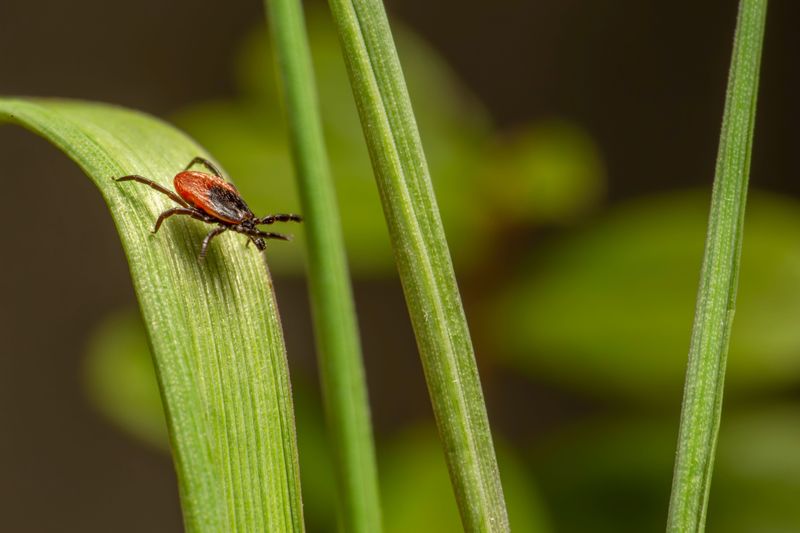
Last fall’s leaves are still hanging around, and so are the ticks hiding inside them. Wet, decomposing leaf piles are warm, humid, and dark, which is exactly the kind of shelter ticks seek out when temperatures start to rise.
Spring cleanup is not just about making your yard look nice. Research from the Connecticut Agricultural Experiment Station found that a significant percentage of ticks found in residential yards were clustered in leaf litter.
Similar patterns have been observed in residential yards across the Midwest, including Illinois.
If you skip the spring rake, you are essentially leaving a tick nursery right outside your back door. Bagging and removing leaves is the most effective move.
Composting them in a far corner of the property is a decent second option, as long as that pile stays well away from areas where people and pets spend time.
Your Illinois Garden Changes Every Week. Your Plan Should Too.
Gardening in Illinois changes quickly throughout the season. Every Friday you’ll receive a simple weekly plan showing exactly what to plant, prune, fertilize, harvest, and protect so you never miss the right timing.
Avoid letting leaves accumulate against the foundation of your home or along walkways. A clean yard floor lets sunlight reach the soil, drying it out and making the environment far less appealing to ticks.
A single afternoon of raking in April can genuinely change the tick pressure you deal with all summer long. That is a trade worth making.
3. Firewood Stacked On The Ground Near The House
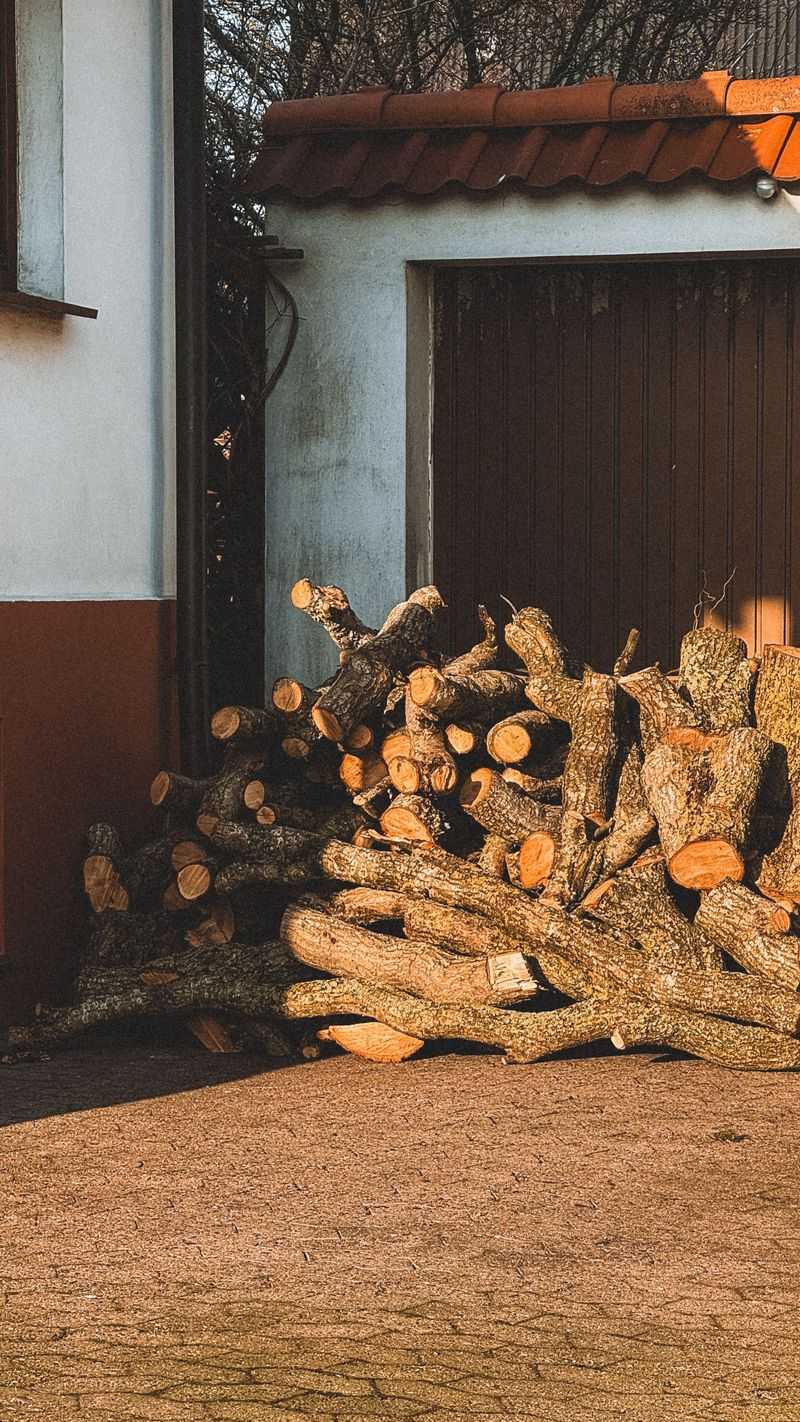
That firewood stack is one of the most overlooked tick magnets in your yard. The logs create cool, damp gaps that are perfect hiding spots for ticks and the small animals, like mice and chipmunks, that carry them.
Where there are rodents, there are almost always ticks nearby. Mice are actually one of the primary hosts for blacklegged tick larvae in the Midwest.
When mice nest in or around your woodpile, ticks feed on them and then wait nearby for the next warm-blooded host to walk past. That next host could easily be you, your kids, or your dog.
Moving your firewood storage off the ground is a straightforward fix. Use a raised rack or platform that keeps the logs at least a few inches above the soil.
This reduces moisture buildup and makes the spot far less attractive to both rodents and ticks. Storing firewood away from the house, ideally 20 feet or more, adds another layer of protection.
The farther that habitat is from your living space, the less likely ticks are to make the journey toward your doors and windows.
A small shift in storage habits can make a surprisingly big difference in your yard’s tick activity.
4. Overgrown Fence Lines And Yard Borders

Fence lines are the most neglected parts of most yards. That strip of weeds and tangled plants running along your fence looks harmless, but it functions like a tick highway connecting your neighbor’s property to yours.
Ticks travel along these corridors with ease. Overgrown borders stay shaded and moist even on dry days.
The thick vegetation traps humidity close to the ground, which is the exact condition ticks need to stay active and survive.
A fence line left unchecked through spring and summer can quietly become one of the highest-risk zones in your entire yard.
Trimming back all vegetation along fence lines every two to three weeks keeps this problem in check.
Pull weeds, cut back wild plants, and remove any vines climbing the fence itself. The goal is to let light and air reach the ground along the border, which dries things out quickly.
If you have a neighbor with an overgrown yard, the fence line between your properties is especially important to manage.
You cannot control what happens on their side, but you can absolutely control the strip on yours. A clean, open border is one of the most underrated tick prevention moves you can make all season.
5. No Gravel Or Wood Chip Barrier Between Lawn And Wooded Areas

Ticks rarely wander far from wooded edges on their own. They prefer to stay in shaded, leafy zones and wait for a host to come close enough to grab onto.
Without a physical barrier, your lawn and the woods behind it are basically one continuous tick zone.
A gravel or wood chip border between your grass and any wooded or brushy area is one of the most recommended tick prevention strategies around. That border needs to be at least three feet wide to do its job properly.
Ticks find it difficult to cross dry, exposed gravel or wood chips because those surfaces lack the moisture and shade they need to survive the crossing. This barrier does not need to look industrial or ugly.
Decorative gravel, cedar mulch, or even a clean stone path can serve the same function while actually adding visual appeal to your yard’s edge. The key is keeping the barrier dry and free of leaf buildup, which would defeat the purpose.
According to CDC guidance, this type of barrier can meaningfully reduce the number of ticks migrating from wooded edges onto your lawn.
It works like a moat around your yard, not stopping every tick, but dramatically reducing how many make it from the tree line to where your family plays. That kind of protection is absolutely worth the afternoon it takes to install.
6. Play Equipment Or Patios Near Yard Edges And Trees
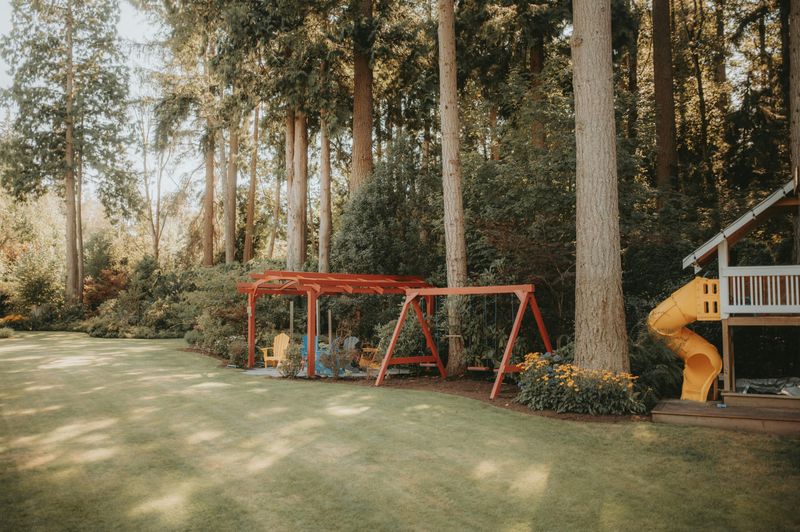
That swing set next to the tree line is parked in prime tick territory. The shaded, leafy edges of your yard are where tick activity is highest, and children playing there are at serious risk of picking up hitchhikers. Location really does matter here.
The same goes for patios, outdoor seating, and fire pit areas placed close to wooded borders or beneath heavy tree cover.
Adults sitting near yard edges for extended periods face real exposure, especially during late spring and early fall when blacklegged ticks are most active across the Midwest.
Moving play equipment and seating areas toward the center of your yard, away from trees and borders, is a practical fix that costs nothing.
The more open and sunny the location, the drier and less hospitable it is for ticks. Full sun exposure is genuinely one of the best natural deterrents available.
If moving equipment is not an option, consider creating a wood chip or gravel pad under and around it to reduce the moist ground cover that ticks prefer.
Regular tick checks after outdoor play become even more important when equipment sits near wooded edges. Small placement decisions can have a real impact on your family’s safety all summer.
7. Neglected Brushy Property Edges
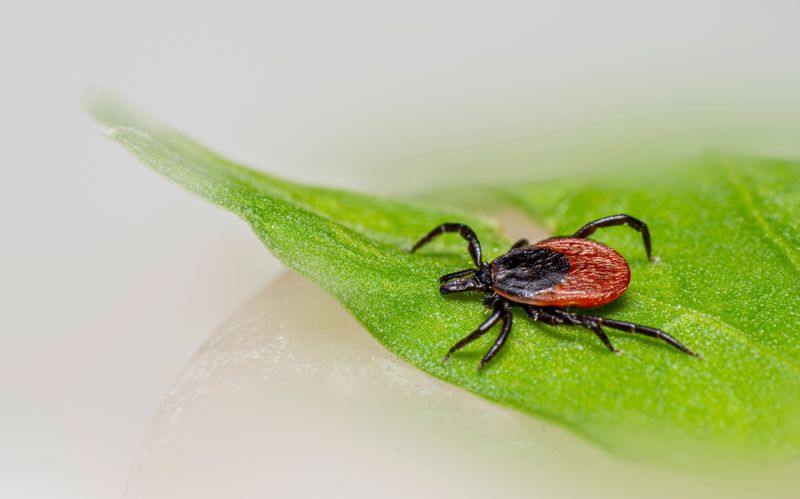
Brushy property edges are where ticks thrive best. Thick shrubs, tall weeds, and tangled undergrowth along your property edge trap moisture and shade close to the ground.
That combination creates the exact microclimate ticks and their host animals seek out. Neglecting these zones is one of the most common tick-inviting yard mistakes homeowners make.
Wildlife like deer, raccoons, and opossums regularly travel along these brushy corridors, and they bring ticks with them. As those animals move through, ticks drop off and wait in the vegetation for the next host.
Your property edge becomes a transfer zone between wild animal traffic and your own backyard. Clearing these areas does not mean turning your property into a concrete slab.
Selective trimming, removing dry wood, and cutting back overgrown shrubs to open up light and airflow is usually enough to shift the conditions ticks need to survive.
Even a modest clearing effort can make the edge far less tick-friendly. Plan to tackle brushy edges at least twice a season, once in late spring and again in midsummer.
A pair of loppers, a weed trimmer, and an afternoon of effort go a long way. The goal is not perfection but reducing the dense cover that gives ticks a safe place to wait for their next meal.
8. Bird Feeders Close To The House
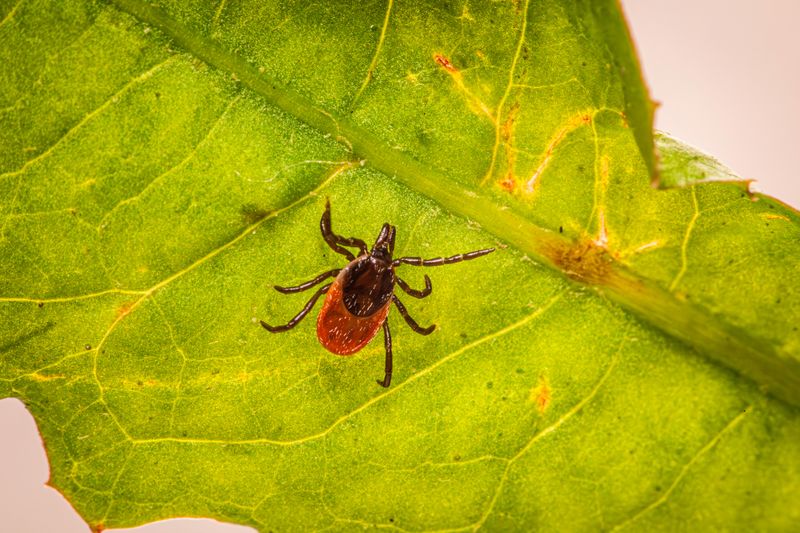
Bird feeders feel wholesome and harmless, but their placement can quietly work against you. Spilled seeds pull in rodents, and rodents are among the most efficient tick carriers around.
What starts as a hobby for watching cardinals can quietly become a tick problem if feeder placement and cleanup are ignored.
Rodents that gather under feeders spend time in your yard, pick up ticks from the surrounding vegetation, and then carry those ticks closer to your home.
The closer the feeder is to your house, the closer that tick-carrying wildlife traffic gets to your doors, your porch, and your pets.
Moving feeders at least 20 feet away from your home is a smart adjustment that costs nothing.
Cleaning up fallen seeds regularly also helps by removing the food source that draws rodents in the first place.
A tube-style feeder with a tray to catch seeds reduces spillage significantly compared to open platform feeders.
You do not have to give up bird watching to reduce tick pressure. Simple feeder placement and cleanup habits can keep the wildlife activity away from your main living areas.
Enjoying nature in your yard is wonderful, just make sure you are not accidentally creating the perfect conditions for ticks to move in alongside it.
9. Deer-Attracting Plants Near The Home

That deer grazing at your yard’s edge is carrying more than you think. Research suggests a single deer can carry a substantial number of adult blacklegged ticks at once.
Every pass through your yard is essentially a quiet tick deposit across your entire outdoor space. If your landscaping is basically a deer buffet, you are inviting serious tick pressure right up to your foundation.
Plants like hostas, tulips, daylilies, and arborvitae are known deer favorites that gardeners across the Midwest commonly use near their homes.
When deer visit these plants regularly, they are not just grazing, they are seeding your yard with ticks in the process. The garden beds closest to your home become the highest-risk zones.
Swapping deer-attracting plants for deer-resistant varieties near your foundation is a long-term solution that pays off season after season.
Lavender, catmint, Russian sage, and ornamental grasses are all beautiful options that deer tend to avoid.
Replanting does not need to happen all at once, even a gradual transition helps. Adding a deer deterrent fence or motion-activated sprinkler around garden areas can also reduce visits significantly.
Fewer deer in your yard means fewer ticks being deposited near your home. Your landscaping choices are quietly one of the most powerful tick prevention tools you have available.
10. Brush Piles Left In Yard Corners
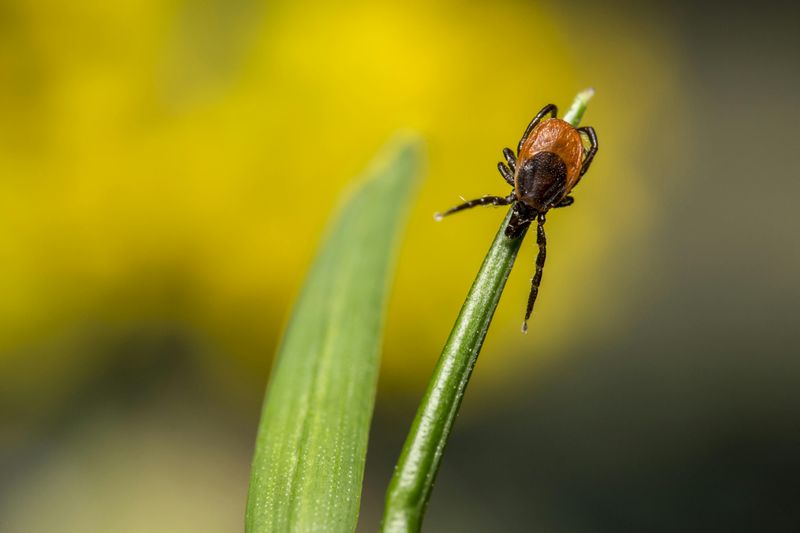
That branch pile you have been ignoring is not just taking up space. Brush piles are prime tick habitat, offering shade, moisture, and shelter for the small animals that ticks depend on for feeding.
Leaving them in place through tick season is one of the easiest mistakes to make and one of the simplest to fix.
Mice, voles, and chipmunks love brush piles because they offer protection from predators.
Those animals bring ticks right into that sheltered environment, where larvae and nymphs feed, molt, and wait for their next host.
A forgotten brush pile in your yard corner is essentially a tick breeding ground operating in plain sight. Clearing brush piles promptly after yard work sessions is the best habit to build.
If you generate clippings regularly, consider chipping them for mulch or arranging curbside pickup instead of letting them accumulate.
Keeping yard debris moving prevents the kind of long-term pile buildup that creates serious tick habitat.
For Illinois homeowners dealing with tick pressure, eliminating brush piles is one of the most impactful single actions you can take.
A clean yard corner with open ground and good air circulation is far less welcoming to ticks than a shaded debris pile.
Small cleanup habits, done consistently, are what truly keep tick populations in check around your home.