Texas Homeowners Are Replacing Indian Hawthorn With This Native Shrub
Indian hawthorn has been a fixture in Texas foundation plantings and landscape borders for decades, chosen for its compact habit, evergreen foliage, and spring blooms that reliably show up without much encouragement.
What has become harder to ignore over time is the entangle fire blight problem that follows this shrub across much of Texas, turning what looked like a tidy evergreen into something with brown, scorched-looking branches that no amount of pruning fully resolves.
A Texas native shrub is stepping in as a replacement that solves those problems while bringing genuine advantages Indian hawthorn never offered.
It is better adapted to Texas soil and climate, supports pollinators in ways that a non-native shrub cannot, and maintains a clean, attractive appearance through the seasons without the disease pressure that makes Indian hawthorn such a maintenance burden.
Texas homeowners who have made the switch are finding the trade-off easier than they expected.
1. Texas Sage Is Replacing Indian Hawthorn In Texas Yards
Walk through almost any Texas neighborhood these days and you will notice something changing. The once-popular Indian hawthorn is disappearing from front yards, and a tough silver-leafed native shrub is taking its place.
That plant is Texas sage, also known by its scientific name Leucophyllum frutescens, and it is quickly becoming the go-to shrub for Texas homeowners who want beauty without the headache.
Indian hawthorn has been a landscaping staple for decades, but it has some serious problems in Texas conditions. It is highly susceptible to a fungal disease called Entomosporium leaf spot, which causes ugly red and brown spots on the leaves.
Over time, this disease can completely strip a plant of its foliage, leaving behind a bare, struggling shrub that looks terrible in your yard.
On top of the disease issues, Indian hawthorn needs regular watering, careful pruning, and constant attention to stay healthy in the Texas heat.
Most homeowners find it frustrating to keep up with. It simply was not designed for the punishing summers that Texas delivers year after year.
Texas sage is a completely different story. Native to the Chihuahuan Desert and the rocky slopes of West Texas and Mexico, this shrub evolved to handle exactly the kind of climate Texas throws at it.
It thrives in full sun, tolerates drought, and asks for very little in return. More and more Texas gardeners are realizing that working with nature instead of against it just makes sense.
Swapping Indian hawthorn for Texas sage is one of the smartest landscaping decisions a Texas homeowner can make right now.
2. Texas Sage Thrives In Texas Heat And Drought
Summers in Texas are no joke. Temperatures regularly climb past 100 degrees Fahrenheit, and stretches of weeks without rain are completely normal.
Most ornamental shrubs struggle badly under those conditions, but Texas sage actually seems to love it. This plant was literally born for the Texas heat, and it shows.
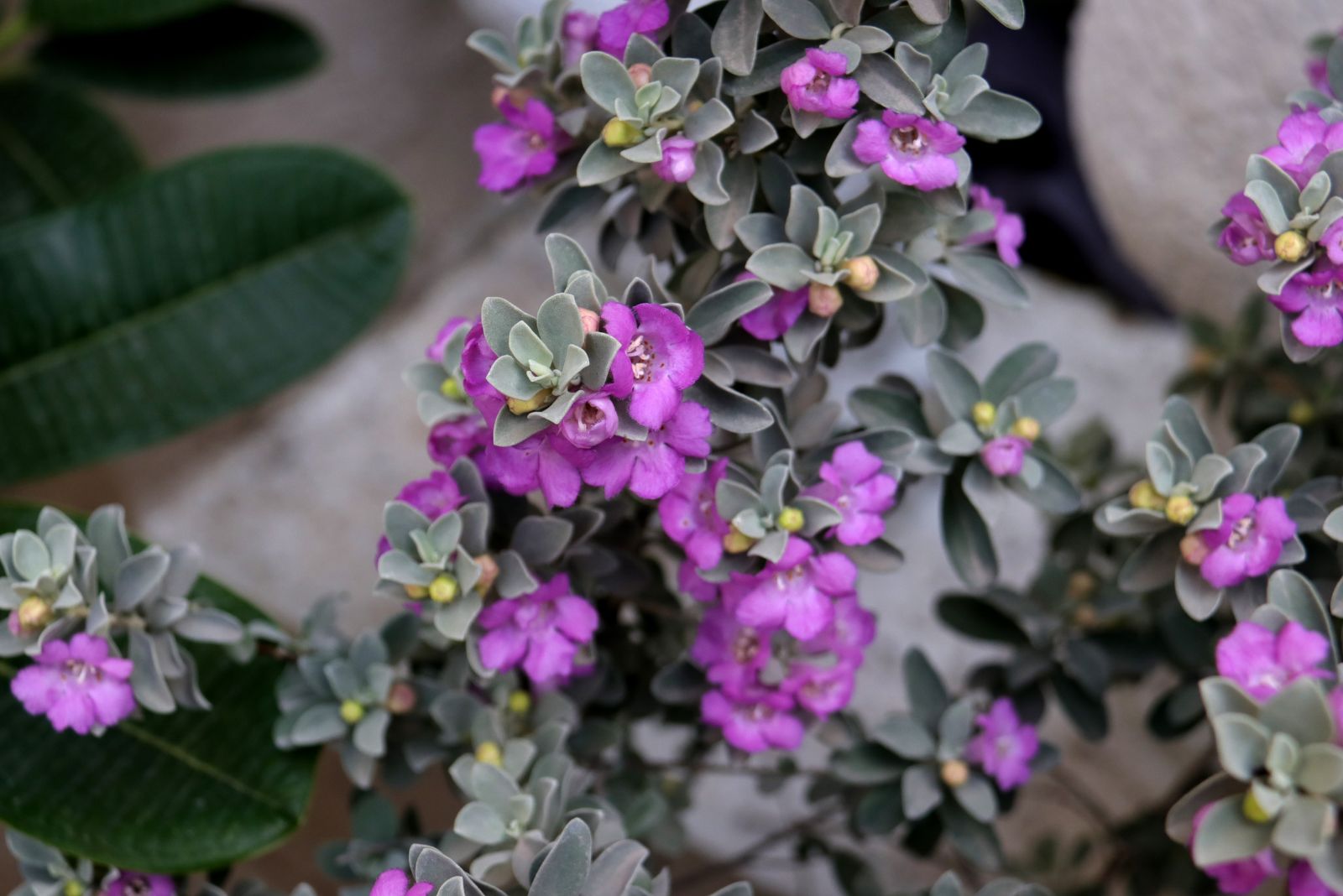
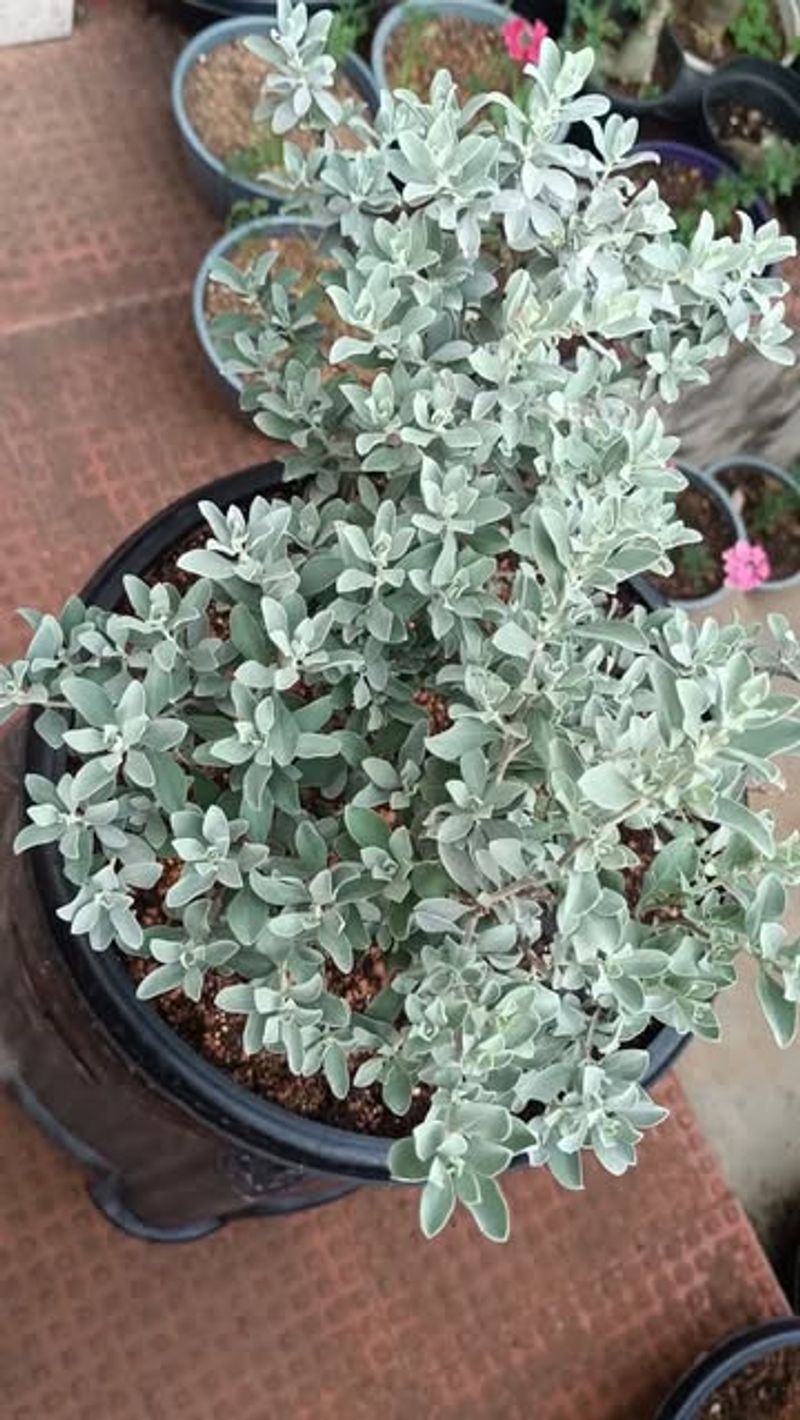
Texas sage is what plant experts call a xeriscape plant, meaning it is perfectly suited for low-water landscaping. Its small, silvery-gray leaves are coated in tiny hairs that reflect sunlight and reduce water loss.
Your Texas Garden Changes Every Week. Your Plan Should Too.
Gardening in Texas changes quickly throughout the season. Every Friday you’ll receive a simple weekly plan showing exactly what to plant, prune, fertilize, harvest, and protect so you never miss the right timing.
This natural adaptation allows the plant to stay healthy even when rainfall is scarce and temperatures are extreme.
Once Texas sage is established in your yard, typically after its first growing season, it needs very little irrigation. Many homeowners report that their Texas sage plants survive on rainfall alone during most of the year.
That is a huge advantage over Indian hawthorn, which requires consistent watering to avoid heat stress and disease.
Saving water is not just good for your wallet. In a state where drought conditions are becoming more common, planting water-wise shrubs is a responsible choice for the environment too.
Texas sage lets you have a lush, colorful yard without running up your water bill or worrying every time a dry spell hits.
Gardeners who have made the switch often say they wish they had done it sooner. The peace of mind that comes with planting a shrub that can handle Texas summers on its own terms is genuinely refreshing.
Texas sage does not need to be babied, and that is a very good thing.
3. It Is Low-Maintenance And Disease-Resistant
One of the biggest complaints Texas homeowners have about Indian hawthorn is how much work it takes to keep it looking decent.
Between treating fungal diseases, pruning dry branches, and managing pest problems, Indian hawthorn can feel like a part-time job. Texas sage is the complete opposite experience.
Did you know that Texas sage is naturally resistant to most of the fungal diseases that destroy Indian hawthorn? Its dry, silver foliage simply does not create the moist environment that fungi need to spread and grow.
That means no ugly leaf spots, no brown patches, and no constant treatments with fungicide sprays.
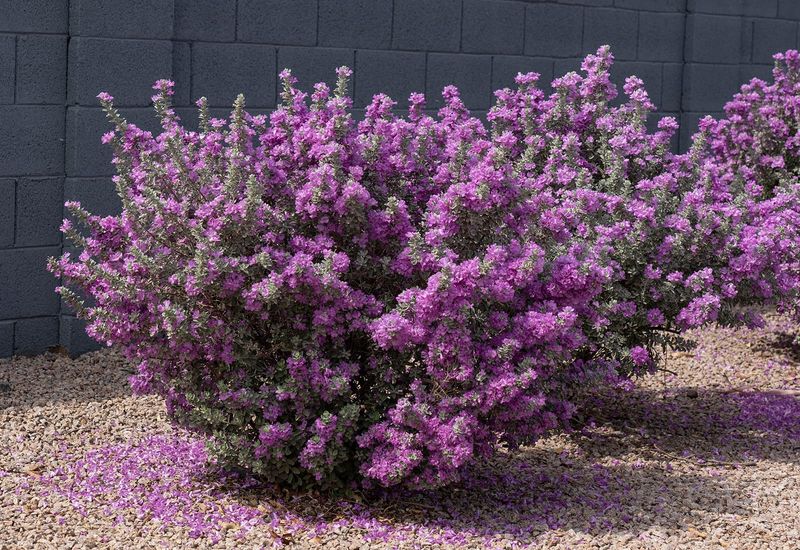
Pruning is another area where Texas sage wins easily. While Indian hawthorn often needs regular shaping to stay tidy and remove diseased growth, Texas sage naturally grows into a neat, rounded form on its own.
A light trim once or twice a year is usually all it needs to keep its shape looking clean and attractive.
Pests are rarely a serious problem with Texas sage either. Deer tend to avoid it, which is a major bonus for homeowners in suburban areas where deer pressure can be intense. Most common garden insects do not cause significant damage to this resilient plant.
For gardeners who love the idea of a beautiful yard but do not want to spend every weekend maintaining it, Texas sage is a dream come true. You plant it, give it some water while it gets settled, and then mostly leave it alone.
It handles the rest all by itself, season after season, without complaint or drama. That kind of reliability is hard to find in any landscape plant.
4. Its Beautiful And Long-Lasting Blooms Add Color
There is a reason Texans sometimes call this plant the barometer bush. Texas sage has a fascinating habit of bursting into full bloom shortly after a good rainstorm or a drop in humidity.
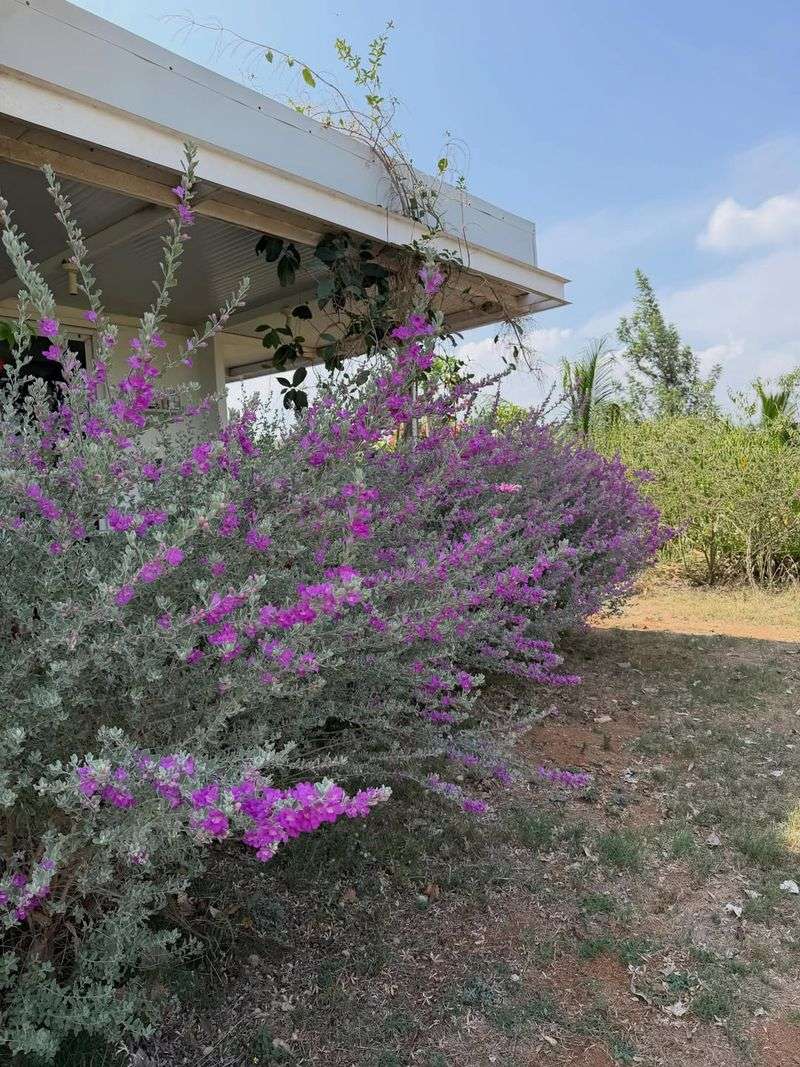
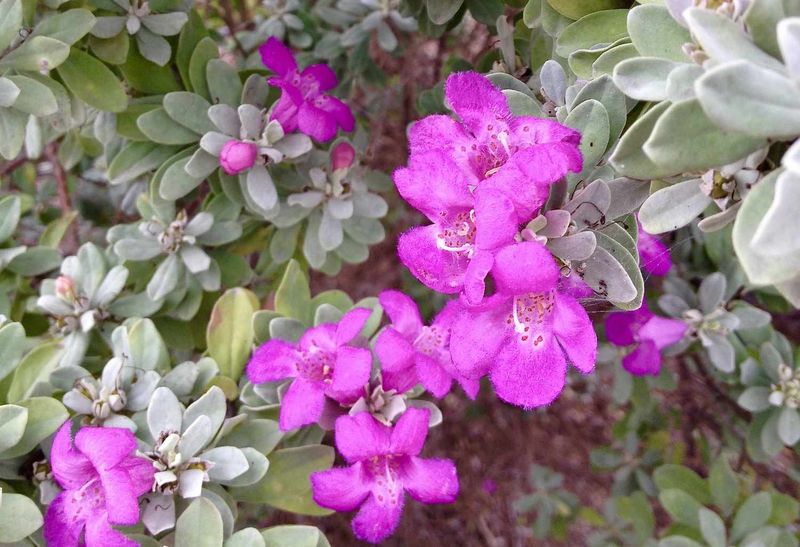
Almost overnight, the entire shrub can transform from a quiet silver-gray mound into an explosion of purple and pink flowers. It is genuinely one of the most dramatic floral displays in the Texas landscape.
The blooms are tubular and delicate, ranging in color from soft lavender to rich purple-pink depending on the specific variety you plant.
Common varieties include Green Cloud, which has brighter green leaves and vivid purple flowers, and Silver Cloud, which keeps the classic silvery foliage that Texas sage is famous for. Both are showstoppers when they bloom.
What makes this blooming habit even better is that it can repeat multiple times throughout the warm season.
As long as there is enough sunlight and occasional moisture, Texas sage will continue pushing out new flowers from late spring all the way through fall. That gives your yard months of color and curb appeal without any extra effort on your part.
Compared to Indian hawthorn, which blooms briefly in spring and then goes quiet for the rest of the year, Texas sage is far more rewarding to look at. Your neighbors will notice, and your yard will stand out in the best possible way.
Adding a plant that brings this much color and visual interest to a Texas yard, with almost no maintenance required, feels like a genuine landscaping win. The blooms alone are reason enough to make the switch.
5. It Supports Native Wildlife
Planting Texas sage is not just good for your yard. It is good for the whole neighborhood ecosystem.
Native plants like Texas sage have deep, long-standing relationships with local wildlife, and bringing them into your landscape helps support the creatures that depend on them.
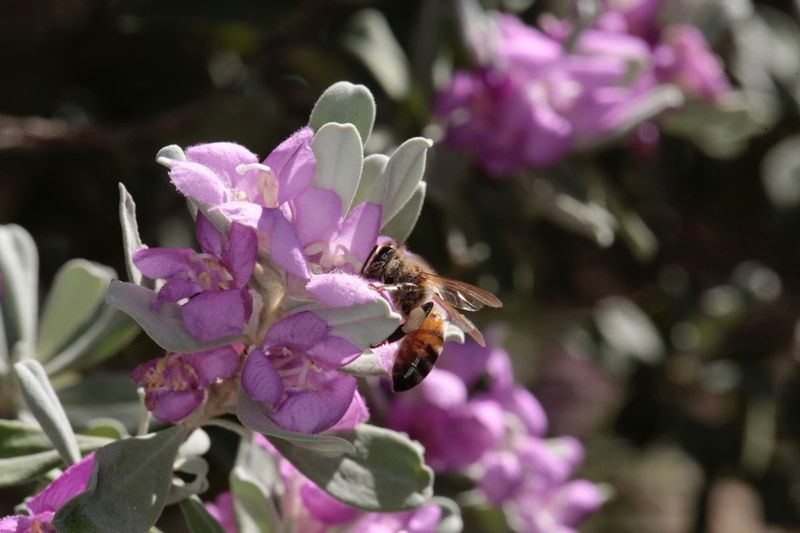
Bees absolutely love Texas sage. When this shrub is in bloom, you will often hear it before you see it, because the hum of honeybees and native bees working the flowers is that loud.
Native bees, in particular, are drawn to the tubular blossoms, which are perfectly shaped for their feeding style. Supporting native bee populations is more important than ever as their numbers face pressure from habitat loss.
Butterflies are frequent visitors too. Several species, including queen butterflies and various skipper species, regularly seek out Texas sage for nectar.
Having a plant that actively attracts butterflies adds a living, moving layer of beauty to your garden that no artificial decoration can match.
Hummingbirds have also been spotted visiting Texas sage blooms, especially during migration periods. If you have ever wanted to attract hummingbirds to your yard, adding Texas sage to your landscape is a smart step in the right direction.
Indian hawthorn, by contrast, offers very little ecological value to native wildlife. It is not native to Texas, so local pollinators and animals have not developed the same connections with it over generations.
Choosing Texas sage instead means your yard becomes a small but meaningful habitat that gives back to the natural world around you. That is something worth feeling proud of every time you look out your window.
6. Texas Sage Is Versatile And Adaptable For Any Yard
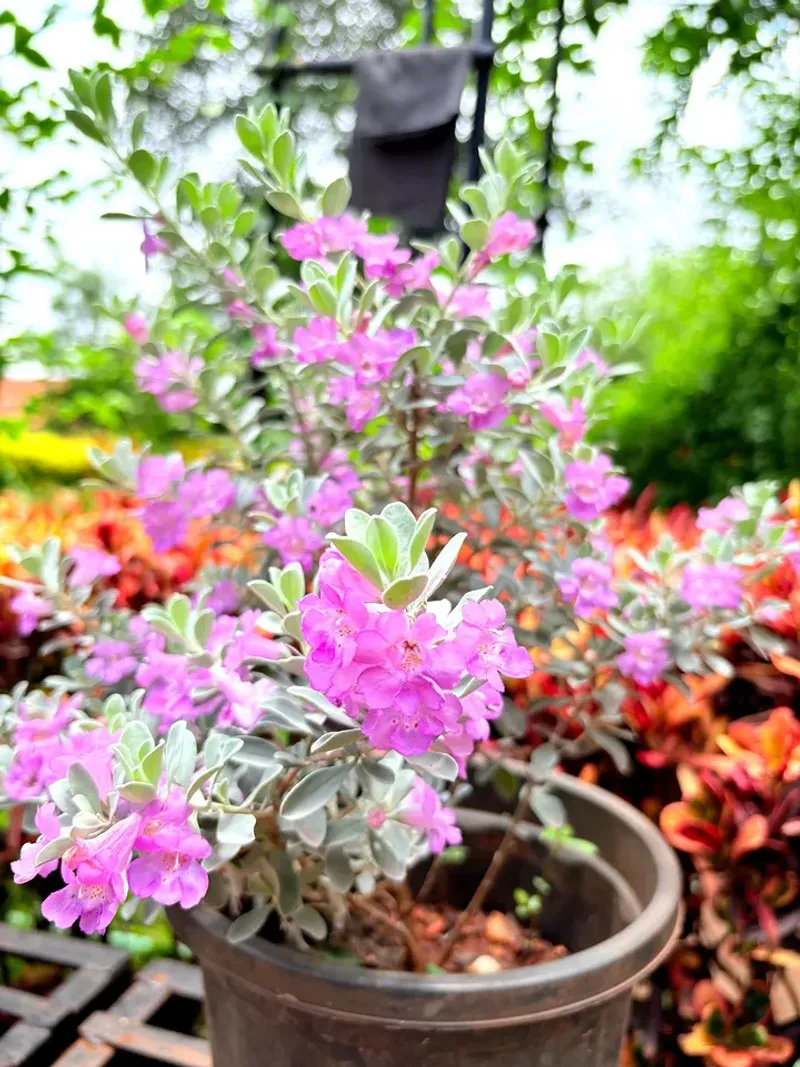
Some plants are fussy about where they grow. They need exactly the right soil, exactly the right amount of shade, and exactly the right conditions to survive.
Texas sage is not one of those plants. It is remarkably adaptable, and that flexibility is one of the biggest reasons it works so well in so many different Texas yards. Poor soil? Not a problem.
Texas sage actually prefers well-drained, rocky, or sandy soil over rich, fertile garden soil. It handles clay soils better than many native plants too, as long as the water does not pool around its roots for extended periods.
In urban yards where soil quality is often less than ideal, Texas sage still performs beautifully.
When it comes to how you use it in your landscape, the options are wide open. Plant it as a foundation shrub along the front of your house for a clean, polished look.
Use a row of them as a natural privacy hedge along a fence line. Place a single large specimen in a garden bed as a focal point that draws the eye. Texas sage handles all of these roles with ease.
It also works well in container gardens for patios or courtyards, which gives renters and homeowners with limited yard space a chance to enjoy this plant too.
Sizes range from compact two-foot varieties to larger eight-foot plants, so there is a Texas sage for every space.
Long-term, planting a native, resilient shrub like Texas sage is one of the best investments you can make in your yard. It grows stronger every year, requires less and less care over time, and rewards you with beauty every single season.