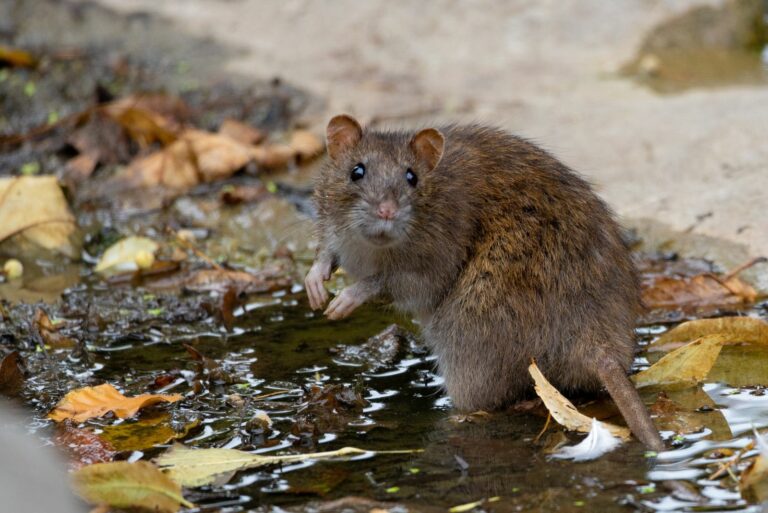
More Gray Foxes Patrolling Your Texas Property Means Fewer Rats (How To Attract Them)
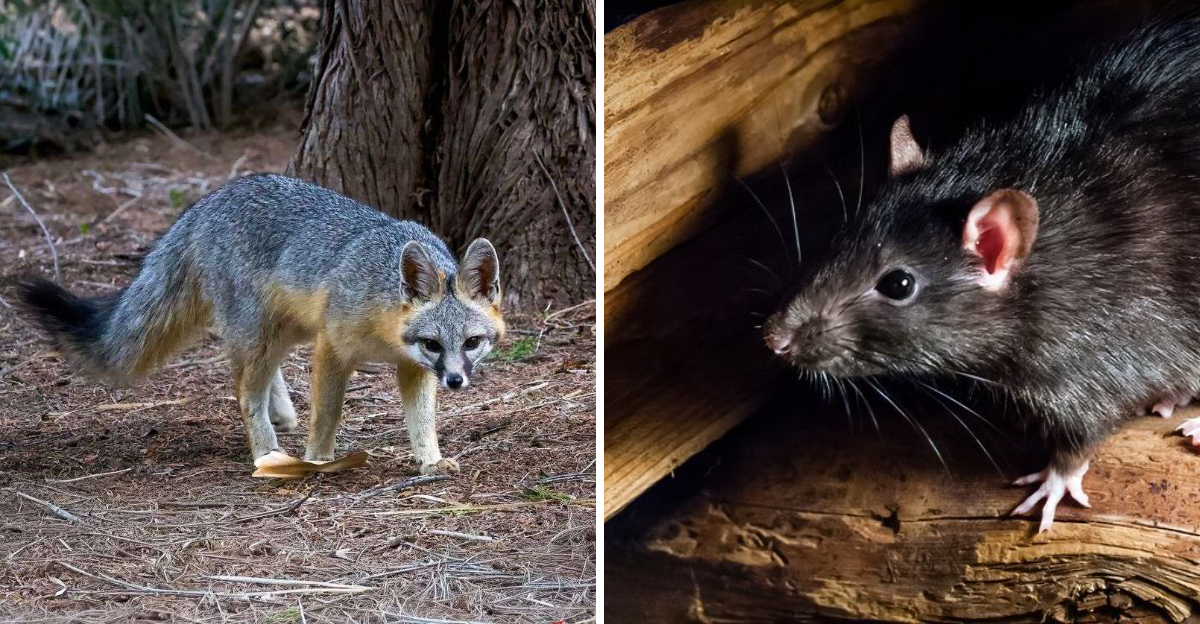
Most Texas homeowners dealing with rats think about traps, bait stations, or pest control. Those approaches work, but they’re ongoing commitments that never really end.
The rats get dealt with, conditions reset, and the cycle starts again. But there’s a natural solution that patrols your property on its own schedule, works through the night when rats are most active, and costs absolutely nothing to maintain.
The gray fox is one of the most effective rat hunters in Texas. Agile, quiet, and surprisingly comfortable in suburban and rural settings alike, gray foxes move through properties with a hunting efficiency that no trap can replicate.
A gray fox that claims your property as part of its territory will keep rat pressure noticeably lower throughout the season without any intervention from you. The good news is that attracting gray foxes is more achievable than most people think.
It starts with understanding what they need and making your property worth a regular visit.
1. Keep A Brushy Border Instead Of A Bare Fence Line
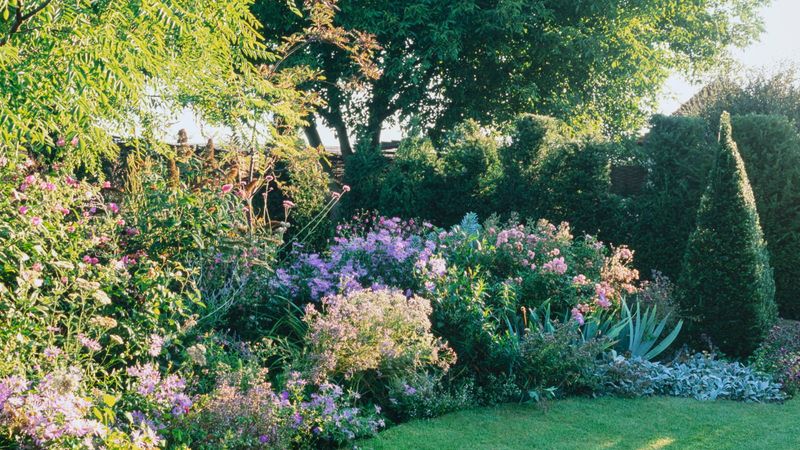
A clean, perfectly manicured fence line might look tidy, but it sends a clear message to wildlife: there is nothing here for you. Gray foxes are edge animals.
They prefer to move along the border between open space and thick cover, using shrubs and brush to stay hidden from threats while they hunt.
If your property has a bare strip along the fence, consider letting native plants grow back in that zone.
Texas natives like dewberry, yaupon holly, and American beautyberry can create a natural buffer that gives foxes the cover they need to feel safe passing through. You do not need a forest, just a messy, natural edge.
Keep this brushy border away from your patio, pet area, and back door. The goal is to create a comfortable travel zone at the far end of the property, not to invite foxes right up to your living spaces.
Think of it as building a wildlife hallway along the perimeter. A brushy border also supports insects, birds, and small prey animals, which gives foxes more reasons to patrol your land regularly.
The more natural food sources exist on or near your property, the more likely a gray fox will add your yard to its nightly route. It is a simple change that pays off quietly over time.
2. Create Safe Travel Corridors
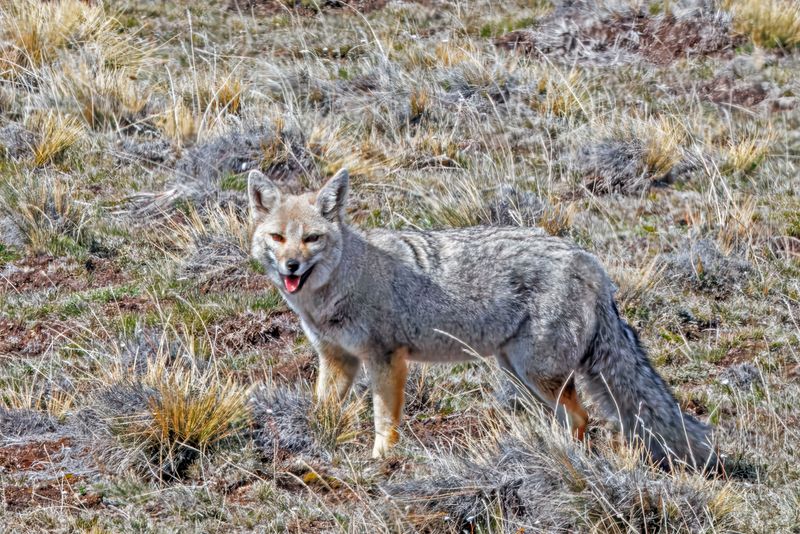
Gray foxes do not just randomly wander, they follow routes. If one keeps showing up on your trail camera, your property likely sits along an established wildlife corridor connecting woods, creek bottoms, or open fields. That is actually a great sign.
To keep that corridor active, avoid closing off every gap in your fencing. Solid privacy fences that run the entire perimeter of a property can block the natural movement of foxes and other beneficial wildlife.
A small gap at the base of a fence panel or a short section of open wire near a back corner can make a big difference.
Back corners of the property should stay as quiet as possible. Loud activity, bright floodlights, and heavy foot traffic near those zones can discourage foxes from using your land as part of their route.
Your Texas Garden Changes Every Week. Your Plan Should Too.
Gardening in Texas changes quickly throughout the season. Every Friday you’ll receive a simple weekly plan showing exactly what to plant, prune, fertilize, harvest, and protect so you never miss the right timing.
The less pressure they feel in the travel zone, the more consistently they will pass through. Creek lines, brushy draws, and wooded edges in Texas often serve as natural highways for gray foxes.
If your property touches or sits near any of these features, you are already in a great position.
Keeping the connection between your land and those natural areas open is one of the most effective things you can do to support consistent fox activity. Think of your back corners as a quiet wildlife doorway, and try not to slam it shut.
3. Support A Healthy Prey Balance, Not A Rat Buffet
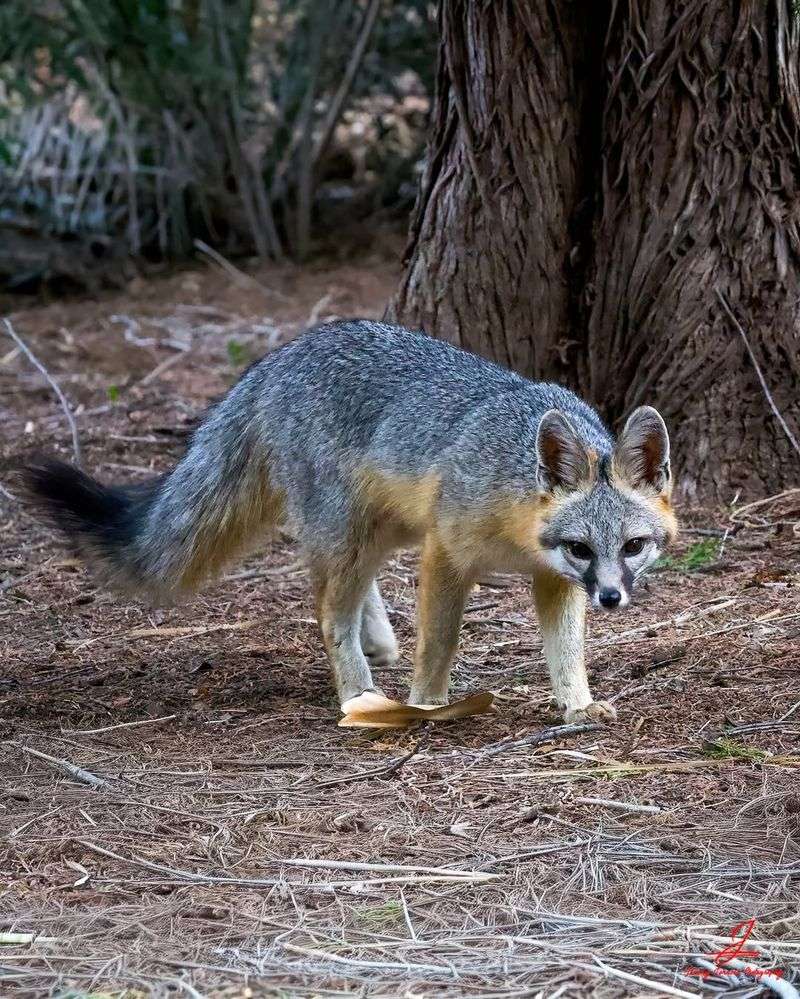
Here is something worth understanding right away: gray foxes are not going to show up just because you have rats. They are going to show up because the habitat supports a broad range of prey, including rodents, insects, rabbits, and wild fruit.
A yard that accidentally feeds rats with open garbage or spilled pet food is not attracting foxes. It is building a rat colony that could eventually draw other unwanted visitors instead.
The goal is balance. Keep food sources secured. Bring in pet bowls at night. Use trash cans with tight lids.
Do not leave fallen fruit sitting on the ground in large piles. These steps reduce the artificial rat buffet while keeping the natural landscape intact enough for foxes to find real prey on their own terms.
Texas wildlife sources confirm that the gray fox is a native and common species across much of the state. They are well adapted to hunting in brushy terrain, along creek edges, and through suburban green spaces.
When the habitat is healthy and human-created food sources are controlled, foxes naturally regulate rodent populations as part of their nightly routine.
Supporting that natural process means keeping your yard from becoming an easy food source for rats in the first place. Foxes are efficient hunters, but they work best when the environment is not artificially stacked against them.
A clean, naturally structured yard gives the fox the upper hand, and gives you fewer rodents to worry about.
4. Stop Using Rodent Poison Outdoors
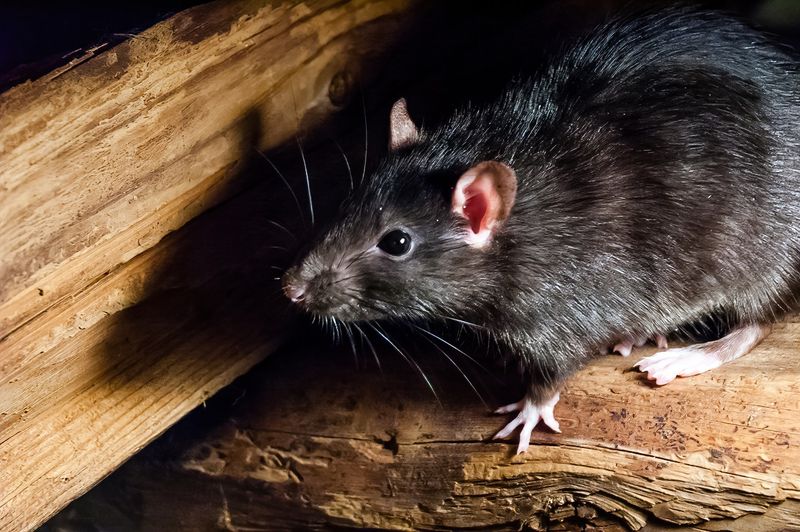
Rodent poison sounds like a straightforward fix, but it creates a serious problem for the very animals that could be solving your rodent issue naturally.
When a poisoned rat staggers around before it passes, it becomes easy prey for predators, foxes, owls, hawks, and snakes.
Those predators then absorb the poison through the food chain, which is called secondary poisoning, and it can seriously harm them.
If you want gray foxes patrolling your property and helping control rodent pressure, outdoor rodent poison works directly against that goal.
A fox that eats several poisoned rodents over a season can suffer real health consequences, and a sick or weakened fox is no longer an effective hunter. You would essentially be undermining your own natural pest control system.
Better options exist. Sanitation is always the first step – remove food sources, seal entry points, and eliminate clutter where rodents nest.
Snap traps placed inside tamper-resistant bait stations are effective and do not create secondary poisoning risk. These stations protect pets, children, and wildlife while still catching rats and mice efficiently.
Exclusion is another strong tool. Sealing gaps in walls, foundations, and rooflines stops rodents from entering structures in the first place.
Combining sanitation, exclusion, and mechanical traps gives you a rodent management plan that works alongside the natural predators already on your property.
Foxes, raptors, and snakes are free help, protecting them from poison is one of the smartest moves a Texas property owner can make.
5. Give Them Cover, But Not A Den Under Your House
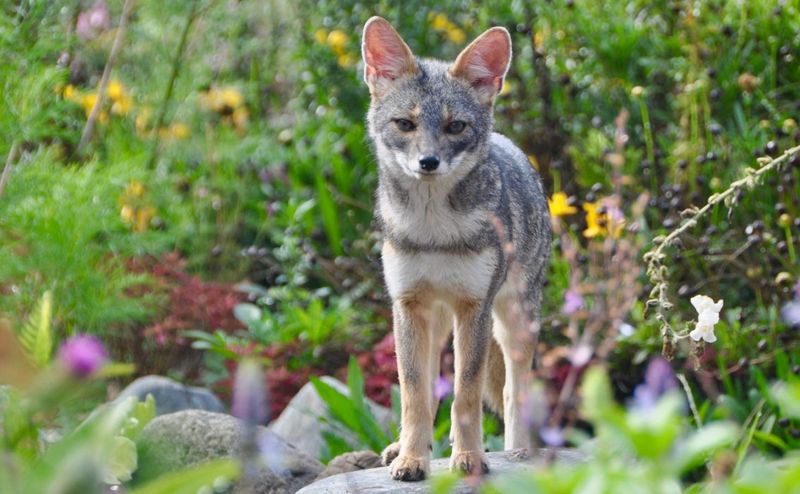
There is a real difference between making your property hospitable to gray foxes and accidentally inviting them to move in under your porch. Both outcomes start with the same good intention, providing cover, but one is much more manageable than the other.
A brush pile tucked into the back corner of a large property, away from your home, shed, and any enclosed structures, can serve as excellent resting cover for foxes passing through.
It gives them a safe spot to pause during their nightly patrol without putting them in direct contact with your living spaces. That kind of habitat is genuinely helpful.
What you want to avoid is leaving open gaps under decks, porches, sheds, crawlspaces, or any structure attached to your home. Gray foxes are capable climbers and surprisingly resourceful when it comes to finding sheltered spots.
A gap as small as four inches can be enough for a fox to squeeze through and set up a den. Once a fox decides a space under your home is safe, relocating it becomes complicated and stressful for everyone involved.
Seal those gaps with hardware cloth, wood, or concrete before a fox finds them. Check your shed base, the space under your deck, and any low crawlspace vents.
Doing this early keeps the relationship between you and your local foxes exactly where it should be – them on patrol in the natural areas of your yard, and your living spaces remaining undisturbed.
Habitat near the tree line works great. Habitat under your bedroom floor does not.
6. Never Feed Them, And Protect Pets
Watching a gray fox trot across your yard at dusk is genuinely exciting. It is easy to want to get closer, leave out a snack, or try to build some kind of relationship with the animal.
But feeding wild foxes, even with the best intentions, is one of the quickest ways to create a problem for both the fox and your household.
Wild animals that associate people with food lose their natural wariness. A gray fox that expects handouts will start approaching people, pets, and neighbors without the caution that normally keeps everyone safe.
That kind of behavior can lead to conflicts that end badly for the fox. The best thing you can do for a gray fox is let it stay wild, cautious, and self-sufficient.
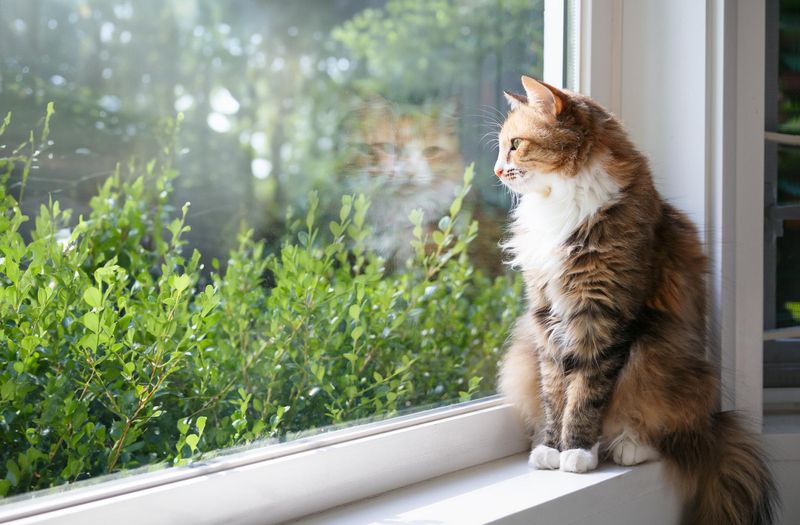
On the pet side, small animals need real protection. Cats allowed to roam outdoors at night are at risk from foxes and many other predators common in Texas.
Keeping cats indoors, especially after dark, protects them and reduces unnecessary conflict with native wildlife. Small dogs should be supervised during evening and early morning hours when foxes are most active.
Chickens, ducks, rabbits, and other backyard animals need secure enclosures with hardware cloth, not just chicken wire, and a solid floor or apron to prevent digging. A gray fox is a patient and clever hunter.
Protect your animals well, and then enjoy the fox from a respectful distance. That is the arrangement that works best for everyone involved, and it keeps the fox doing exactly what you want it to do: hunting rats.