These Are The Only Roses That Actually Thrive In Pennsylvania Heat
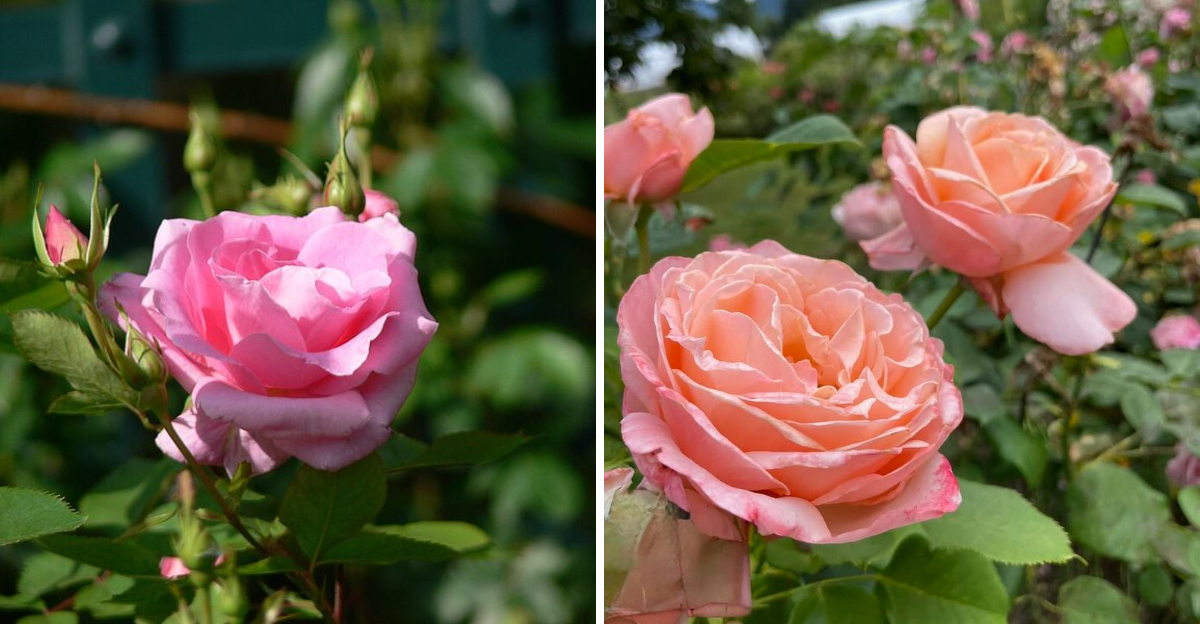
Roses have a complicated relationship with Pennsylvania summers. The ambition is always there, the planting happens with real optimism, and then the heat and humidity of July and August arrive and start separating the roses that belong here from the ones that never really did.
Black spot, struggling rebloom, and plants that peak in June and look ragged by August are familiar disappointments for Pennsylvania rose growers who picked varieties based on catalog photos rather than climate performance.
The roses that actually thrive here are a more specific group than most people realize, selected not just for bloom quality but for the kind of disease resistance and heat tolerance that Pennsylvania summers genuinely require.
Getting the variety right changes the entire experience of growing roses in this state, shifting the focus from constant intervention to actually enjoying the flowers. This list covers the ones worth planting if you want roses that perform rather than just survive.
1. Knock Out Roses (Rosa ‘Knock Out’ And Related Series)
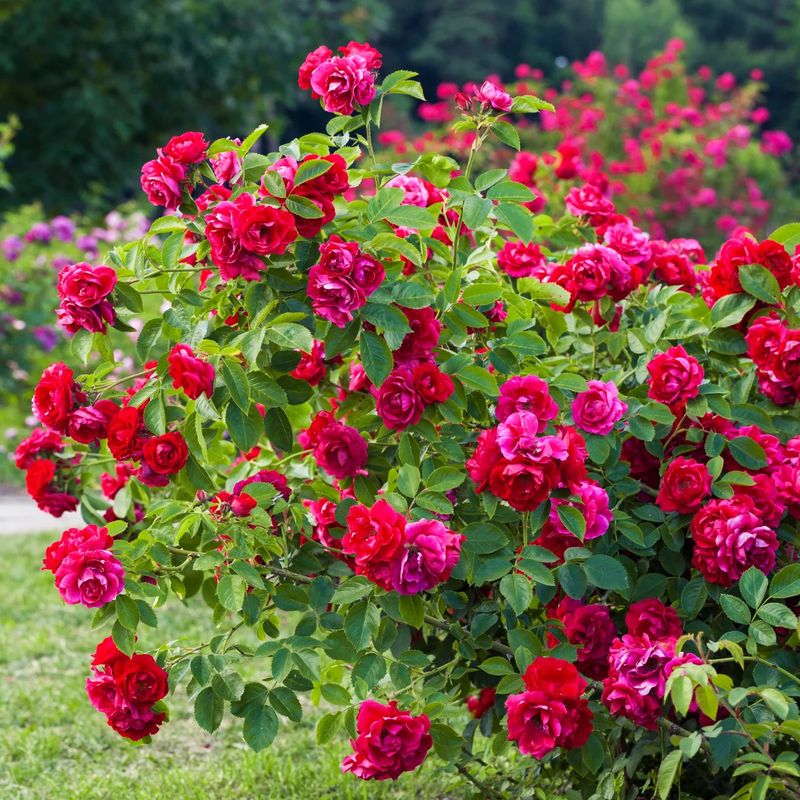
Few roses have changed the gardening world quite like the Knock Out series. Introduced in 2000, these roses quickly became the best-selling rose in North America, and for good reason.
They were bred specifically to handle tough conditions, including the kind of hot, humid summers Pennsylvania gardeners know all too well.
What makes Knock Out roses so special is their ability to keep blooming from spring all the way through the first frost.
Most roses take breaks between bloom cycles, but Knock Out varieties stay in flower almost nonstop. That means you get color in your yard for months, not just a few weeks.
They are also incredibly resistant to black spot, one of the most common and frustrating rose diseases in humid climates. You do not need to spray them constantly or worry about losing leaves in midsummer.
Hardy in Zones 4 through 9, they handle Pennsylvania winters and summers without much fuss. Planting them is straightforward. Choose a spot with at least six hours of full sun.
Give them well-drained soil and water at the base to keep leaves dry. They grow into full, rounded shrubs about three to four feet tall and wide, making them great for borders, hedges, or standalone garden features.
Pruning is simple too. Cut them back by about one-third in early spring, and they bounce right back.
With minimal care and maximum payoff, Knock Out roses are the smartest choice for any Pennsylvania gardener who wants stunning results without constant effort all summer long.
2. Rugosa Roses (Rosa Rugosa Cultivars)
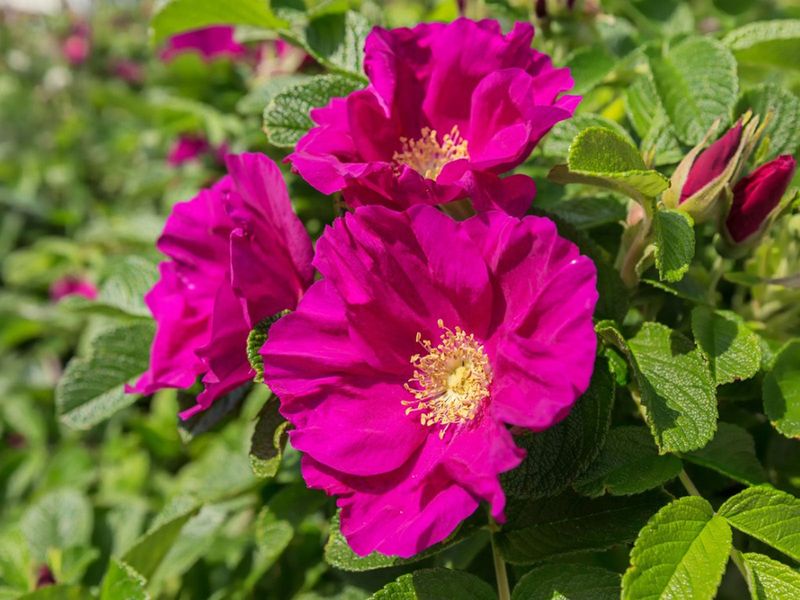
Rugosa roses have a tough, no-nonsense personality that gardeners in challenging climates absolutely love.
Originally from coastal regions of Asia, these roses developed thick, wrinkled leaves and strong root systems to survive harsh conditions. That natural toughness translates perfectly to Pennsylvania summers.
One of the biggest advantages of rugosa roses is their outstanding disease resistance. The textured leaves actually resist fungal spores better than smooth-leafed varieties, which means less black spot and fewer powdery mildew problems even when humidity is high.
Your Pennsylvania Garden Changes Every Week. Your Plan Should Too.
Gardening in Pennsylvania changes quickly throughout the season. Every Friday you’ll receive a simple weekly plan showing exactly what to plant, prune, fertilize, harvest, and protect so you never miss the right timing.
Once established, they also handle dry spells surprisingly well, making them a smart pick for gardeners who do not always have time to water.
The blooms are gorgeous and often intensely fragrant, a quality that many modern roses have actually lost through years of breeding. You can find rugosa cultivars in shades of white, pink, magenta, and deep purple-red.
After the flowers fade, large, round rose hips develop and add brilliant orange-red color to the garden in fall and winter.
Rugosa roses grow vigorously and can reach four to six feet tall, so give them plenty of room. They work beautifully as a natural hedge or privacy screen along a fence line.
They also tolerate poor soil better than most roses, though they still appreciate good drainage.
Pruning is flexible with rugosas. Light shaping in early spring keeps them tidy, but they do not require the heavy cutbacks that some other roses need.
For Pennsylvania gardeners looking for fragrance, toughness, and four-season interest all in one plant, rugosa roses are a brilliant choice worth every bit of garden space.
3. Pink Freedom Shrub Rose
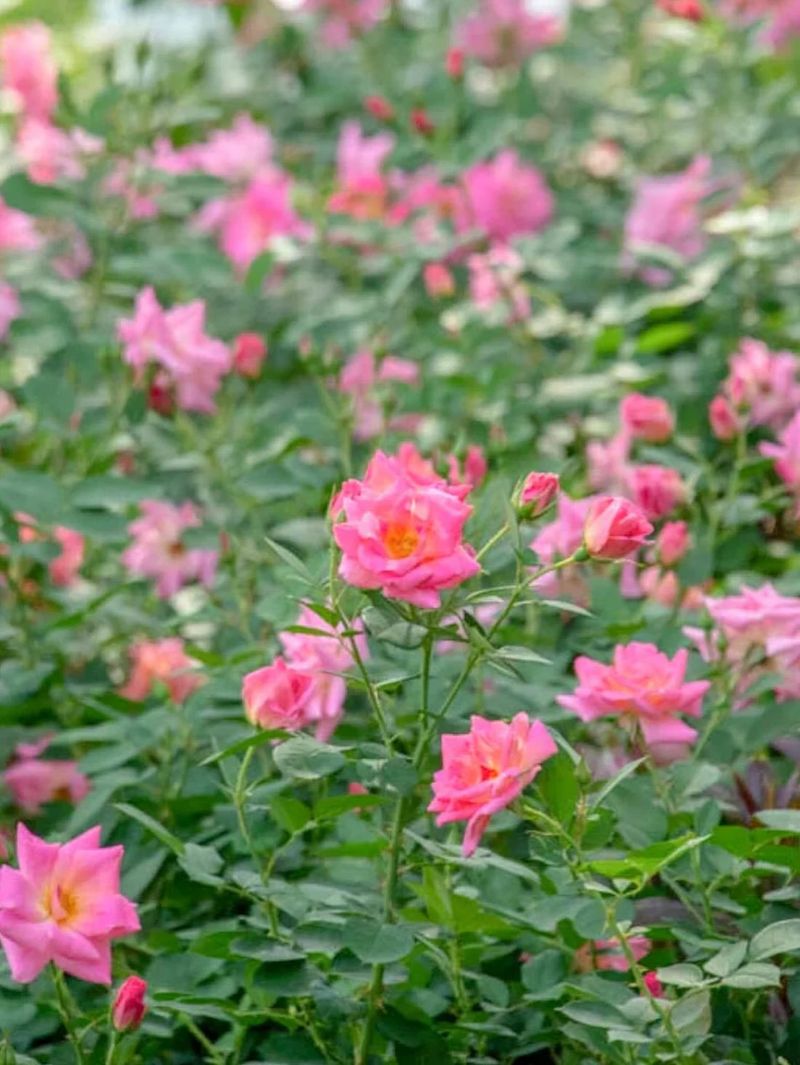
Some roses just have a presence in the garden that stops you in your tracks. Pink Freedom is one of those roses.
Its clear, bright pink blooms are hard to miss, and the fact that it keeps producing them from early summer all the way into fall makes it even more impressive. This is a rose that was selected with warm climates specifically in mind.
Pink Freedom was developed for performance in heat and humidity, two things Pennsylvania summers deliver in abundance. While many roses start to look ragged and stressed by late July, this one keeps pushing out fresh flowers.
The blooms have a classic, slightly cupped shape with a soft fragrance that adds a pleasant bonus to an already beautiful plant.
The foliage stays clean and green through the season, which is a big deal in Pennsylvania where humid summers often bring fungal issues. Strong disease resistance means you spend less time treating problems and more time enjoying the garden.
The plant grows into a full, rounded shrub that fits well in mixed borders or as a standalone focal point.
Planting in full sun with well-drained soil gives Pink Freedom the best start. Water deeply but not too often to encourage roots to grow deep and strong.
A layer of mulch around the base helps retain moisture and keeps soil temperatures stable during heat waves.
Deadheading spent blooms encourages faster repeat flowering, though the plant will rebloom even without it.
For gardeners who want reliable, eye-catching color through Pennsylvania’s toughest summer months, Pink Freedom delivers results that are hard to beat season after season.
4. ‘Carefree Beauty’ (Rosa ‘BUCbi’)
Back in the 1970s, Dr. Griffith Buck at Iowa State University set out to breed roses that could survive brutal Midwest winters and steamy summers without constant coddling.
‘Carefree Beauty’ was one of his greatest successes, and decades later it still holds up as one of the most reliable roses you can plant in the Mid-Atlantic region.
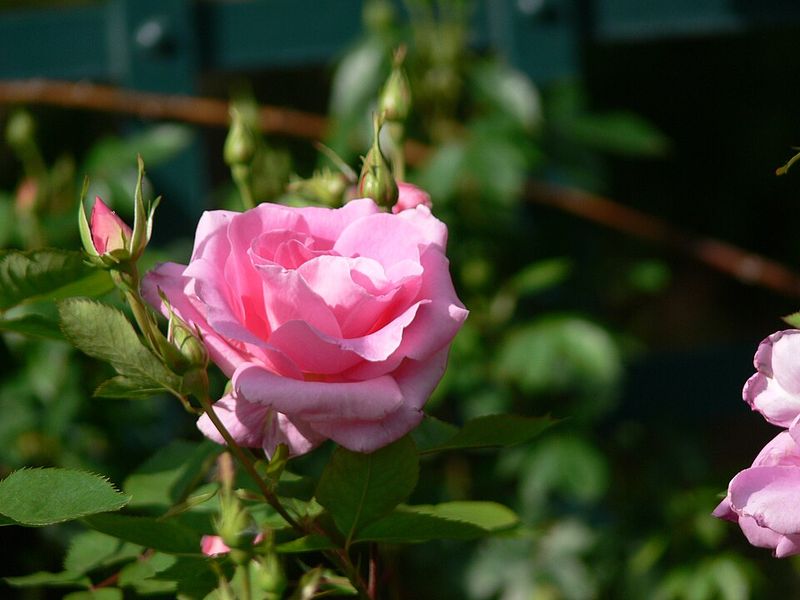
The blooms are a warm, medium pink with a semi-double form that looks both classic and relaxed at the same time.
They appear in generous clusters and repeat reliably throughout the season, giving you waves of color from late spring through fall. There is even a light, pleasant fragrance that many modern roses lack entirely.
What really sets ‘Carefree Beauty’ apart for Pennsylvania gardens is its combination of heat tolerance and cold hardiness. Hardy in Zones 4 through 9, it handles summer heat without sulking and bounces back from cold winters without needing heavy protection.
That kind of adaptability is rare and genuinely valuable in a state with such variable weather.
Disease resistance is strong, particularly against black spot and powdery mildew, which is a major relief during humid Pennsylvania summers.
The plant grows to about four to six feet tall, making it a great choice for the back of a border or along a fence. Large orange-red rose hips appear in fall, adding another layer of seasonal interest.
Minimal pruning is needed beyond removing old or damaged canes in early spring. ‘Carefree Beauty’ lives up to its name completely. It is the kind of rose that rewards you generously while asking for very little in return, a truly satisfying garden plant.
5. ‘Sally Holmes’ Rose
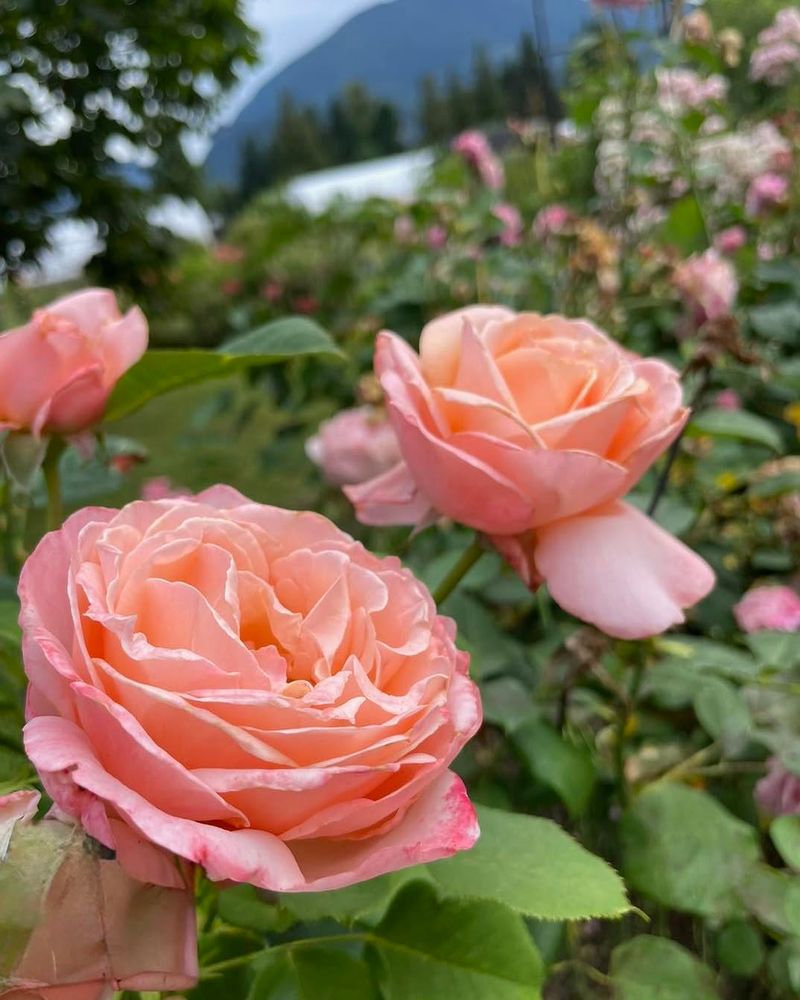
If you have ever wanted a rose that looks more like a flowering shrub from a fairy tale than a typical garden plant, ‘Sally Holmes’ is exactly what you are looking for.
Introduced in England in 1976, this rose produces enormous clusters of creamy white, single-petaled blooms with warm golden stamens at the center. Each cluster can hold dozens of flowers at once, creating a breathtaking display.
Despite its elegant appearance, ‘Sally Holmes’ is surprisingly tough. It performs with real strength in warm summer conditions, which makes it a strong performer in Pennsylvania gardens where July and August can get genuinely hot and humid.
The blooms keep coming in flushes throughout the season, and the plant has good natural resistance to the fungal diseases that trip up less hardy varieties.
This rose grows with enthusiasm, eventually reaching six to eight feet tall and wide if left unpruned. That makes it ideal as a large landscape shrub, a dramatic backdrop in a mixed border, or trained along a fence or trellis for a more structured look.
Its sprawling habit gives it a natural, relaxed feel that fits beautifully in cottage-style gardens.
Plant it in full sun with rich, well-drained soil for the best performance. Regular watering during the first season helps establish deep roots.
After that, it becomes much more self-sufficient. Deadheading encourages faster repeat bloom cycles through the season.
Few roses make quite the visual impact that ‘Sally Holmes’ does when it is in full flower. It brings a sense of abundance and old-world charm to any garden space, and it handles Pennsylvania heat far better than its refined looks might suggest.
6. Floribunda Roses
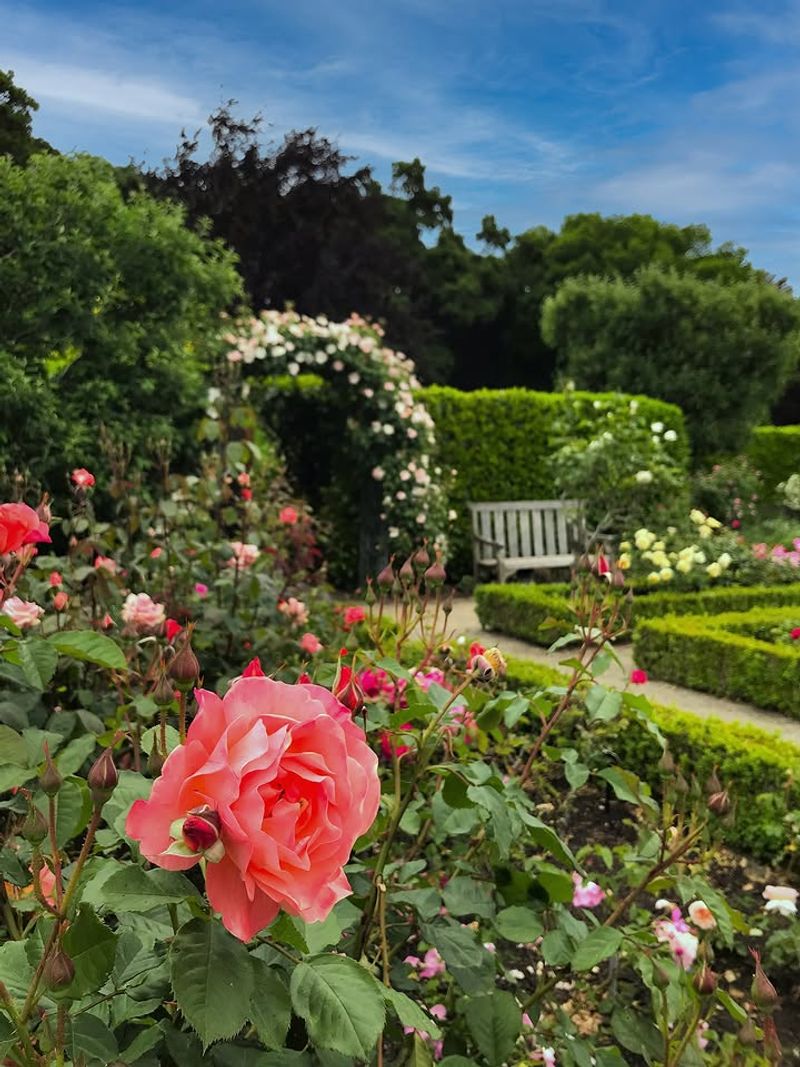
Floribunda roses bring something unique to the garden table: instead of one big bloom per stem like hybrid teas, they produce large clusters of flowers all at once. That means more color, more visual impact, and a longer-lasting display from each flowering cycle.
For Pennsylvania gardeners, the key is choosing floribunda varieties that have been bred or rated for heat, humidity, and disease resistance.
Look for cultivars rated hardy for Zones 6 through 9 with specific mentions of black spot resistance. Modern floribundas bred in the last two decades have improved dramatically in their ability to handle tough summer conditions.
Varieties like ‘Ebb Tide,’ ‘Julia Child,’ and ‘Cinco de Mayo’ are popular choices that perform well in warm, humid climates similar to Pennsylvania summers.
One of the practical benefits of floribundas is their compact to medium size, usually two to four feet tall, which makes them easy to fit into smaller garden spaces, containers, or front-yard beds.
They work well planted in groups of three or more for a bold, massed color effect that really catches the eye from the street or walkway.
Good cultural practices matter a lot with floribundas. Full sun, at least six hours daily, is non-negotiable.
Well-drained soil, consistent watering at the base, and a balanced slow-release fertilizer in spring set them up for a strong season. Deadheading regularly keeps new blooms coming faster through the hottest months.
With the right variety selection, floribundas can be some of the most rewarding roses in a Pennsylvania summer garden. They offer big color in a manageable package, and when chosen wisely, they hold up beautifully through heat and humidity without skipping a beat.