What North Carolina Camellias Actually Need In June To Bloom Again In Fall
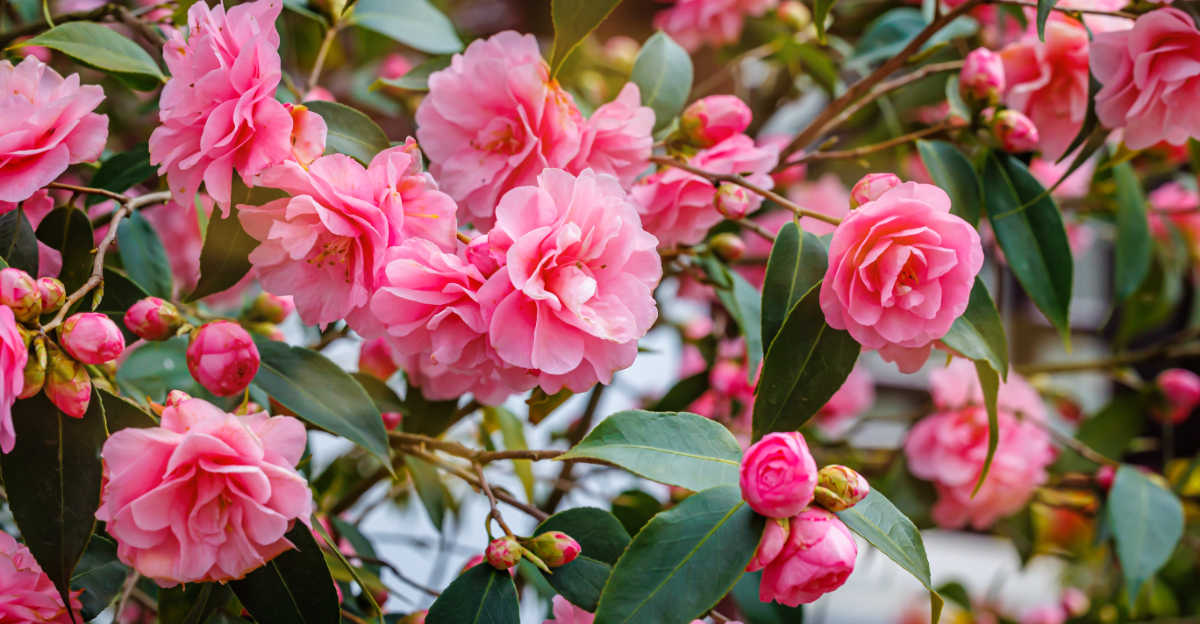
Most people think of camellias as a fall and winter plant, which is fair since that’s when the flowers show up across North Carolina. But what happens to them in June has a direct impact on how generous that fall bloom turns out to be.
This is the month when the plant is quietly doing some of its most important work, setting buds and building the energy reserves that determine bloom count and flower quality months down the road.
Most gardeners are paying very little attention to their camellias in June because nothing dramatic is happening above the surface.
That’s exactly why this is the right time to step in with the care that actually moves the needle. A camellia that gets what it needs in June goes into fall bloom season primed and ready.
One that gets ignored through summer shows up to fall looking like it’s been coasting, because it has.
1. Light Summer Pruning To Encourage New Growth
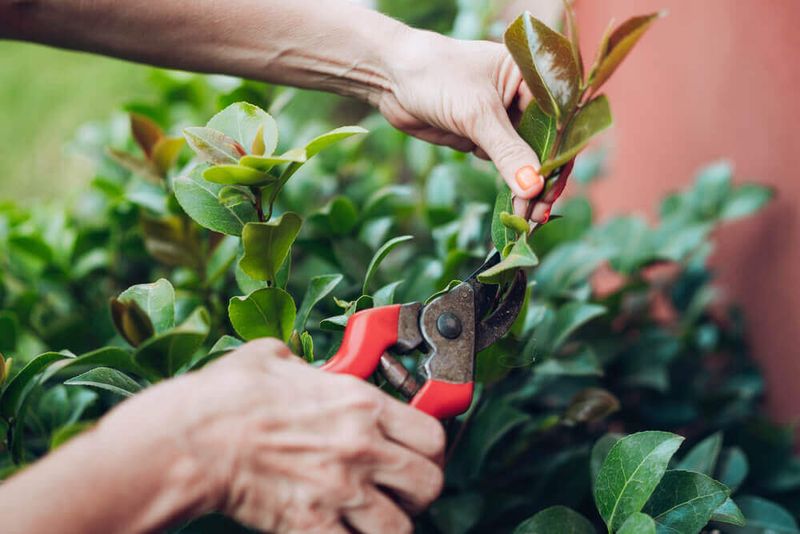
Grab your pruning shears in June and you might just give your camellias the boost they need for a spectacular fall showing.
Light pruning at this time of year encourages the plant to push out fresh, healthy new shoots, and those shoots are exactly where next season’s flower buds will form.
Timing matters a great deal here, because pruning too late in summer can accidentally remove the buds that are already developing.
For Camellia japonica and Camellia sasanqua, focus on removing branches that look weak, spindly, or crowded against other stems. You want good airflow moving through the center of the plant.
Use clean, sharp bypass pruners and make cuts just above a leaf node or outward-facing bud to direct the plant’s energy in the right direction.
Avoid heavy cutting in June. You only want to tidy the shape and open up the canopy slightly, not reshape the entire shrub.
Removing too much at once stresses the plant right when it should be storing energy for bud production. A light touch goes a long way.
After pruning, water the plant well and consider a light layer of mulch to help it recover quickly. Most North Carolina gardeners find that a little June pruning leads to noticeably fuller plants and more flower buds come October and November.
2. Balanced Fertilization After Spring Flowering
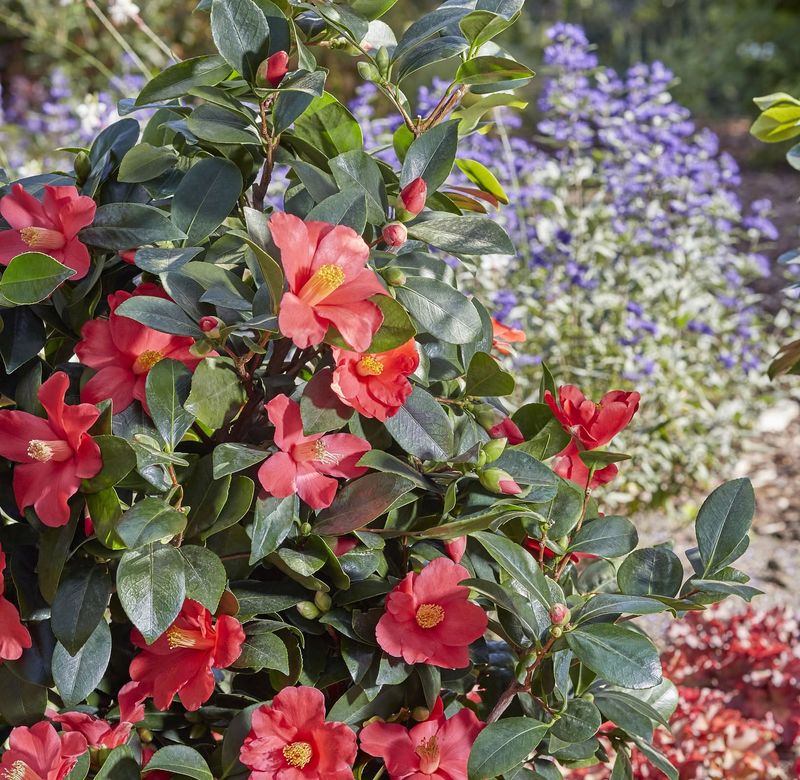
Camellias are not heavy feeders, but they do appreciate a well-timed nutrient boost after their spring bloom cycle wraps up.
June is actually the sweet spot for fertilizing because the plant has finished flowering and is now channeling its energy into new leaf and stem growth.
Supporting that growth phase sets the foundation for strong flower buds later in the year.
Choose a slow-release fertilizer formulated for acid-loving plants. Products like Espoma Holly-tone or a camellia-specific granular blend work really well in North Carolina gardens.
These fertilizers release nutrients gradually over several weeks, which prevents the kind of sudden growth surge that can make new shoots soft and vulnerable to stress.
Your North Carolina Garden Changes Every Week. Your Plan Should Too.
Gardening in North Carolina changes quickly throughout the season. Every Friday you’ll receive a simple weekly plan showing exactly what to plant, prune, fertilize, harvest, and protect so you never miss the right timing.
Follow package directions carefully, typically applying around the drip line of the plant rather than directly against the trunk.
A general guideline for established camellias is about one pound of fertilizer per inch of trunk diameter, but always read your product label first. Water thoroughly after applying so the nutrients begin moving into the soil right away.
One application in early June is usually enough. Fertilizing again too late in summer can push tender new growth that does not have time to toughen up before cooler temperatures arrive.
Keeping that timing in check is one of the simplest ways to protect your plant and maximize your fall bloom count.
3. Adequate Watering During Dry Spells
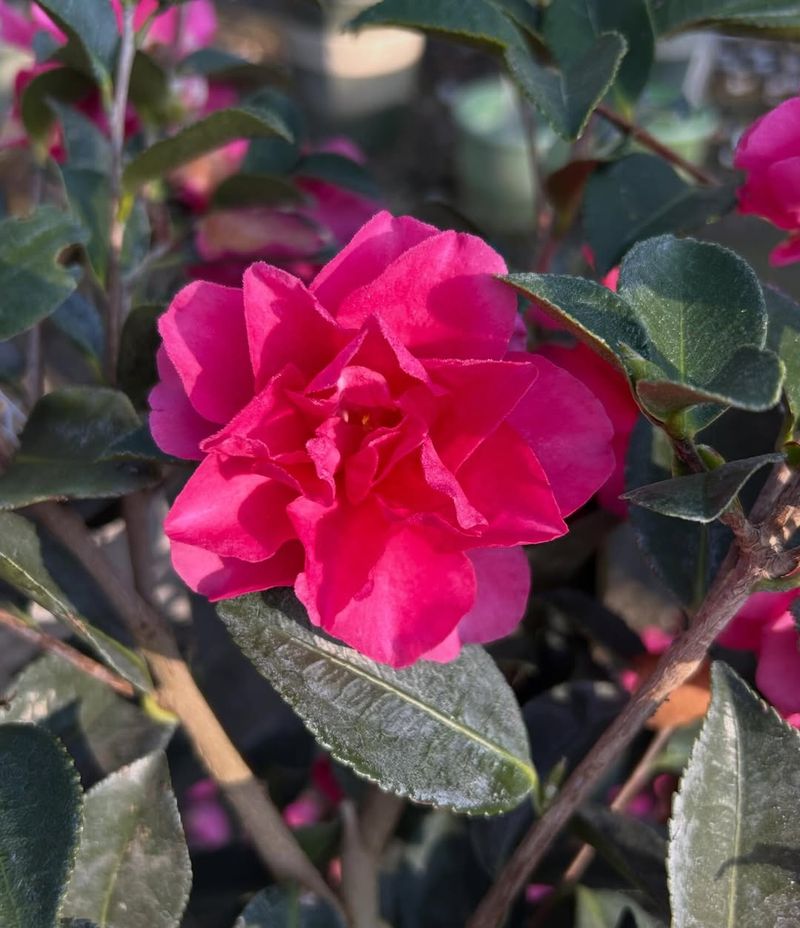
North Carolina summers can turn dry and hot in a hurry, and camellias feel that stress more than you might expect.
June is a critical month for watering because the plant is actively producing new leaves and beginning the internal process of forming flower buds.
Inconsistent moisture during this period can cause buds to drop before they ever get a chance to open in fall.
Deep, infrequent watering works far better than frequent shallow sprinkles. Aim to water your camellias once or twice a week during dry stretches, soaking the soil slowly to a depth of at least eight to ten inches.
Soaker hoses and drip irrigation are excellent options because they deliver water directly to the root zone without wetting the foliage, which helps reduce fungal problems. Soil type plays a big role in how you approach watering in North Carolina.
Sandy soils in the coastal plain drain quickly and may need more frequent attention, while clay-heavy soils in the Piedmont hold moisture longer but can become waterlogged if overdone.
Stick your finger a couple of inches into the soil before watering. If it still feels damp, give it another day.
Camellias prefer evenly moist conditions, not soggy roots. Getting this balance right in June pays off with fuller, more vibrant blooms when fall finally arrives.
4. Mulch To Retain Moisture And Regulate Temperature
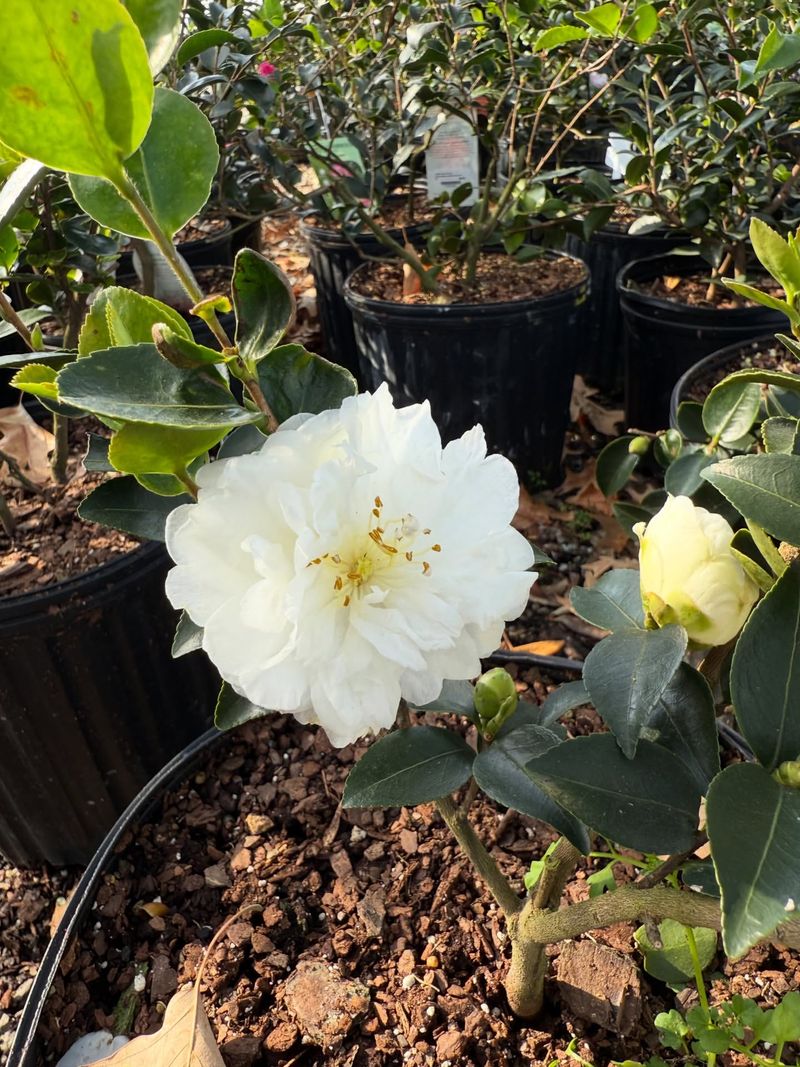
Pine bark mulch and camellias have a long, happy history together in North Carolina gardens, and June is one of the best times to refresh that layer around your plants.
A two to three inch blanket of organic mulch does several important things at once. It slows water evaporation from the soil, keeps root temperatures more stable during summer heat spikes, and gradually breaks down to add organic matter that camellias love.
Spread mulch in a wide ring that extends out to the drip line of the plant, which is the outer edge of the canopy. This approach covers the majority of the feeder roots, which is where moisture retention really counts.
Pine bark nuggets, shredded pine straw, and composted wood chips are all solid choices that also tend to acidify the soil slightly as they break down, which suits camellias perfectly.
One common mistake to avoid is piling mulch up against the base of the trunk. That habit traps moisture against the bark and can encourage crown rot, a serious problem for camellias.
Keep the mulch pulled back about two to three inches from the stem so air can circulate freely. After you spread the mulch, give the whole area a good watering to help it settle into place.
Your camellias will respond with steadier, more consistent growth through the summer months, building the energy reserves that fuel a gorgeous fall bloom.
5. Partial Shade Optimization
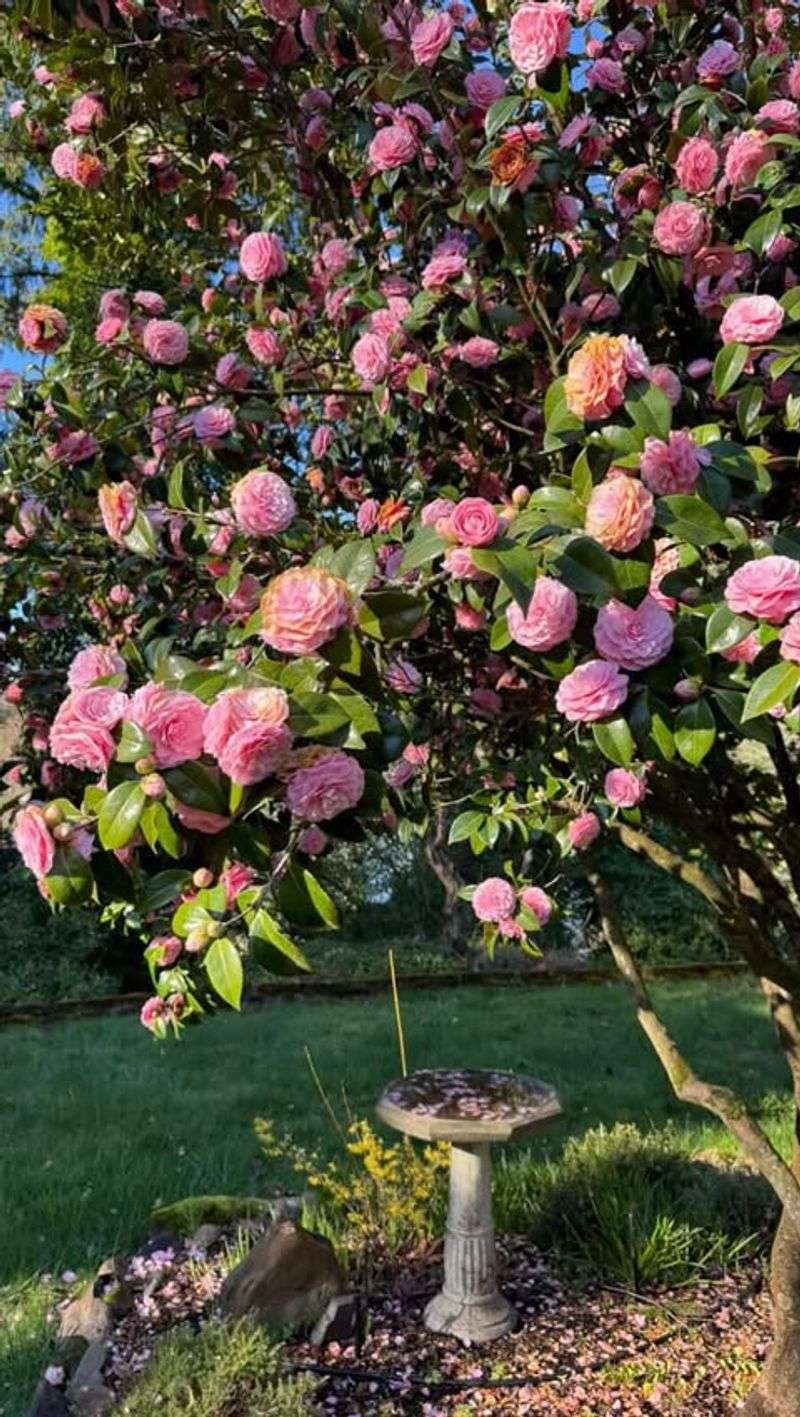
Camellias have a reputation for being shade-tolerant plants, but the truth is a little more specific than that.
What they really thrive in is filtered light or morning sun paired with afternoon shade, especially during North Carolina’s intense summer months.
Too much direct afternoon sun in June can scorch the leaves, stress the plant, and interfere with the delicate process of flower bud formation happening inside those stems.
If your camellia is already growing under a canopy of tall pines or deciduous trees, it is probably in a pretty good spot. The key is making sure the light reaching it is bright but not harsh.
Morning sun exposure for about four to six hours gives the plant enough energy for photosynthesis and healthy growth without the damaging heat that comes with full western or southern afternoon exposure.
For camellias planted in spots that get too much direct sun, consider adding shade cloth rated at around thirty to forty percent during peak summer.
You can also strategically plant taller shrubs or ornamental grasses nearby to create natural afternoon shade over time.
If the plant consistently shows yellowing leaves or scorched leaf edges in summer, that is a clear signal the light situation needs adjusting.
Getting the shade balance right in June not only protects the plant through summer but directly supports the quality and quantity of blooms you will enjoy come fall.
6. Monitor For Pests And Diseases
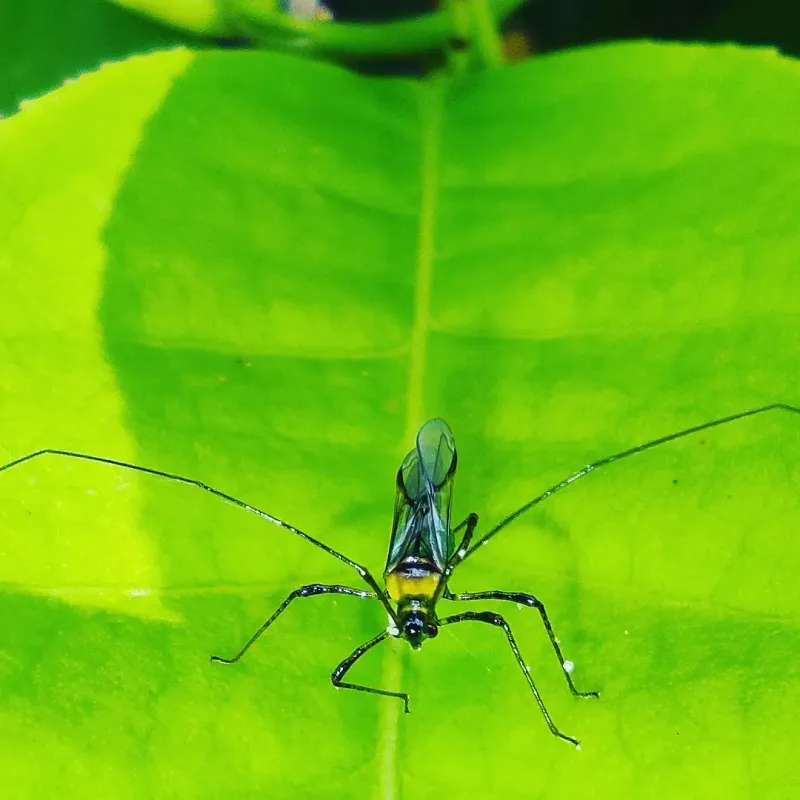
June is prime time for a few uninvited guests to show up on your camellias, and catching them early makes all the difference. Tea scale is probably the most common pest problem North Carolina camellia growers face.
These tiny insects attach themselves to the undersides of leaves and slowly weaken the plant by draining its sap. If left unchecked through summer, they can seriously reduce the plant’s ability to form strong flower buds for fall.
Get into the habit of flipping leaves over and checking the undersides every week or two throughout June. Tea scale looks like a crusty white or brownish coating on the leaf surface.
Aphids tend to cluster on new tender growth and can cause it to curl or distort. Both pests respond well to horticultural oil sprays applied early in the morning when temperatures are cooler, which prevents leaf burn during treatment.
Fungal issues like sooty mold often follow pest infestations, since the sticky residue pests leave behind encourages mold growth. If you spot black coating on leaves, trace it back to the pest problem rather than treating the mold alone.
For an integrated approach, encourage beneficial insects like ladybugs by avoiding broad-spectrum pesticides whenever possible.
Targeted, thoughtful pest management in June protects the new growth that will carry your camellia’s blooming potential all the way through to fall, keeping the plant vibrant and productive.
7. Pinching Back Soft Shoots If Needed
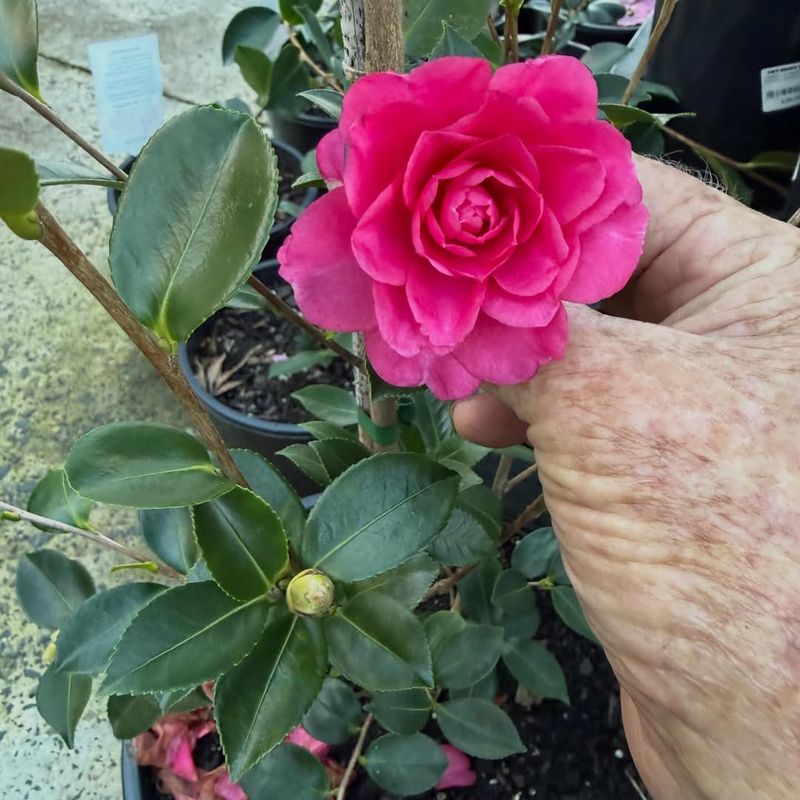
Not every camellia needs this step, but for plants that send out particularly vigorous, leggy shoots in early summer, a little pinching can work wonders.
When a shoot grows too long and soft, it tends to become a single-stemmed branch with limited branching potential.
Pinching the growing tip redirects the plant’s energy into producing side shoots, which means more branching points and ultimately more flower buds by fall.
The technique itself is simple. Just use your fingers or a clean pair of small snips to remove the very tip of a soft new shoot, cutting just above a set of leaves.
Do this in June while the growth is still tender and the plant still has plenty of time to push out new side branches before bud set begins later in summer.
Pinching works best on younger plants or on sections of an older plant that are growing unevenly.
Be selective about which shoots you pinch. Focus only on the ones that look excessively long or are growing in an awkward direction that throws off the plant’s natural shape.
Avoid pinching shoots that already show tiny swollen nodes at the base, as those may already be developing into flower buds.
A few well-placed pinches in June can genuinely transform the density and flowering potential of your camellia without putting the plant under any significant stress. It is a small effort with a surprisingly satisfying payoff come fall.
8. Fertilizer Timing To Avoid Late-Season Leaf Burn
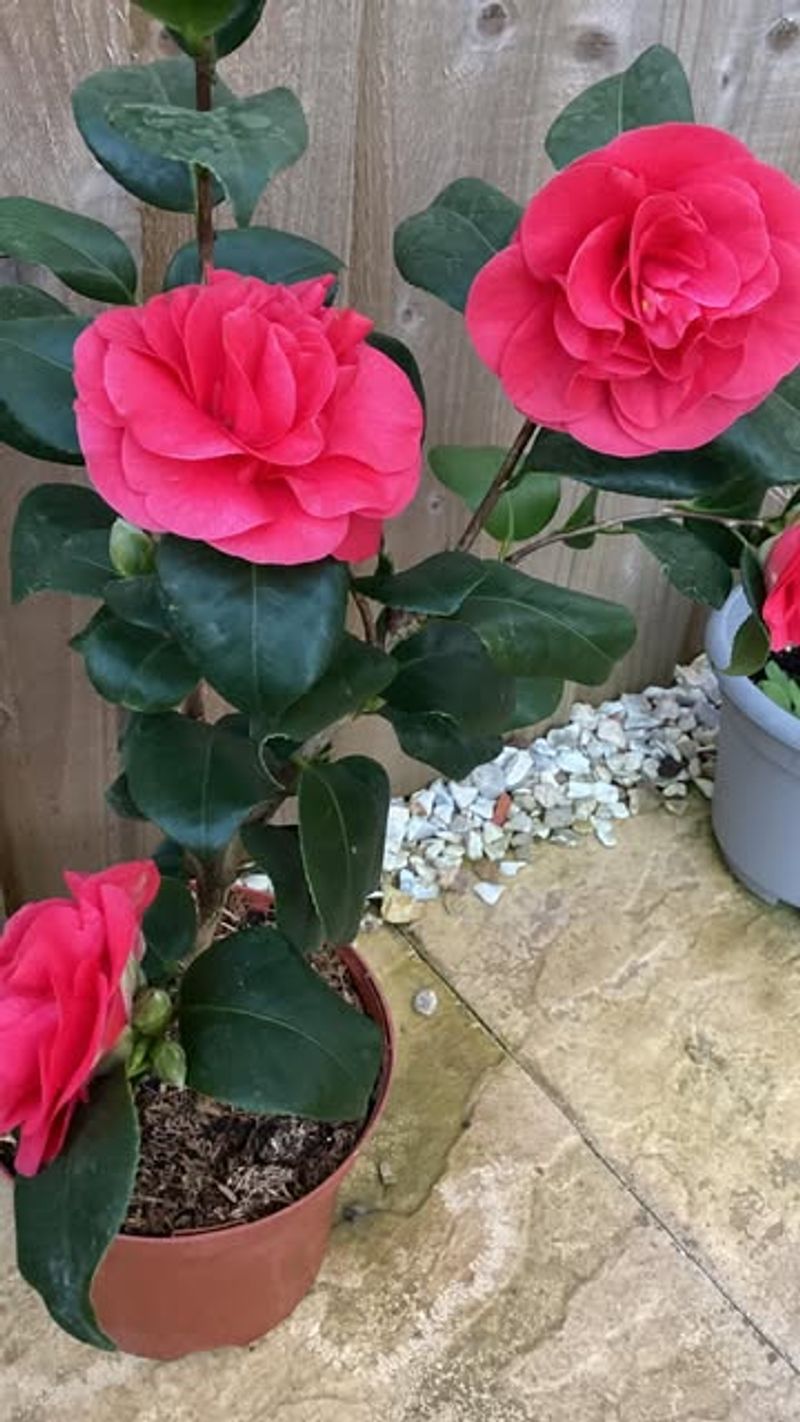
Timing your fertilizer applications carefully in June is just as important as choosing the right product.
Many gardeners make the mistake of applying fertilizer too late in summer, which pushes a flush of soft, lush new growth that simply does not have enough time to harden before cooler weather arrives.
That tender growth is far more vulnerable to stress, and it can actually compete with the plant’s energy reserves that should be going toward bud development.
The general rule for camellias in North Carolina is to complete your fertilization by late June or very early July at the absolute latest. After that point, the plant needs to shift its focus from producing new leaves to forming and maturing flower buds.
Feeding it too late disrupts that natural cycle. Slow-release granular fertilizers are your best friend here because they deliver nutrients gradually over six to eight weeks, giving you a longer window of benefit without the risk of a sudden growth surge.
High-nitrogen fertilizers are particularly risky if applied after midsummer. Nitrogen promotes leafy green growth, which sounds appealing but works against bloom production when the timing is off.
Look for a fertilizer with a balanced or slightly lower nitrogen number compared to phosphorus and potassium. Something like an 8-8-8 or a camellia-specific blend fits the bill nicely.
Getting the timing right this June gives your plant the best possible shot at producing a full, vibrant flush of blooms when fall rolls around.
9. Ensure Proper Soil Acidity
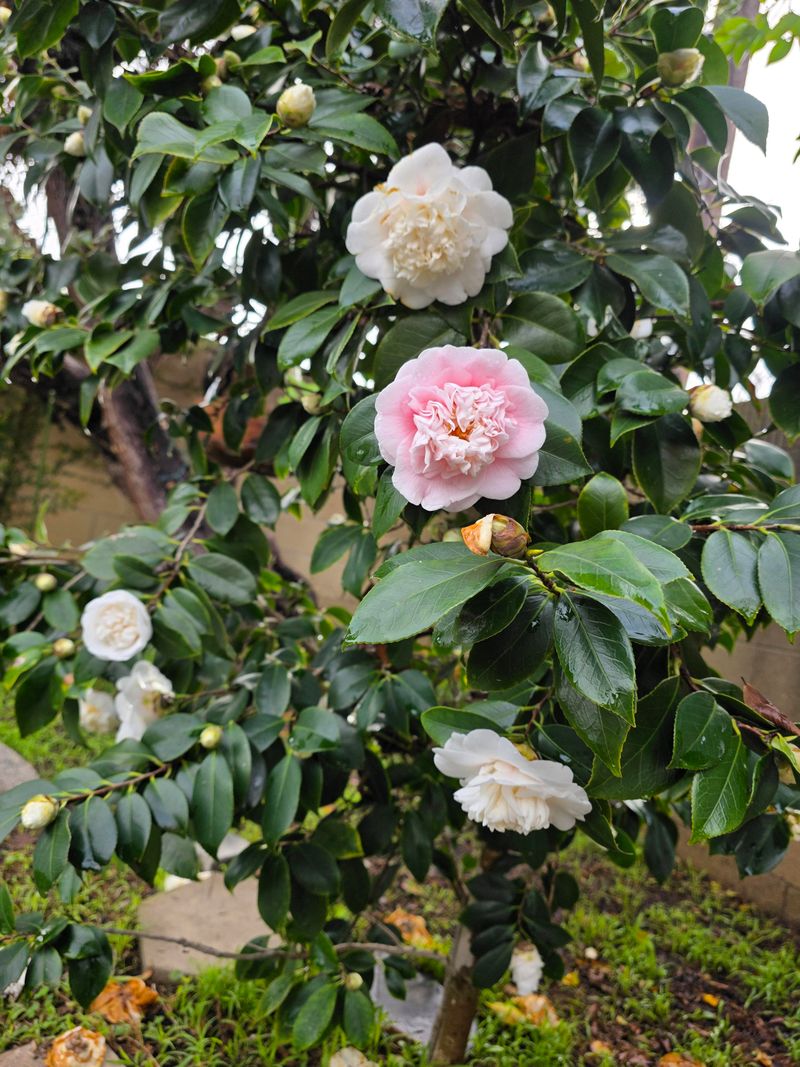
Soil pH might not be the most glamorous topic in gardening, but for camellias, it is genuinely one of the most important factors in getting them to bloom well. Camellias need acidic soil with a pH between 5.0 and 6.0 to absorb nutrients properly.
When the soil drifts too far toward neutral or alkaline, nutrients like iron and manganese become chemically unavailable to the roots, even if those nutrients are physically present in the ground.
June is a smart time to test your soil if you have not done so recently. North Carolina State University’s Cooperative Extension Service offers affordable soil testing that gives you detailed results and specific amendment recommendations.
You can also use a simple home pH meter or test kit from a garden center for a quick read. If your pH is too high, sulfur is the most common amendment used to bring it down gradually over several months.
Elemental sulfur works slowly and steadily, which is actually ideal since you want stable conditions rather than sharp swings. Acidifying fertilizers and pine bark mulch also contribute to maintaining lower pH over time.
For a quicker correction, aluminum sulfate works faster but should be used carefully to avoid over-application. Clay soils common in North Carolina’s Piedmont region tend to buffer pH changes, so amendments may need to be applied more than once.
Keeping that pH in the sweet zone through summer directly supports stronger bud formation and richer, more abundant fall blooms.