Do These Things To Your North Carolina Green Beans In June Before The Heat Stops Production
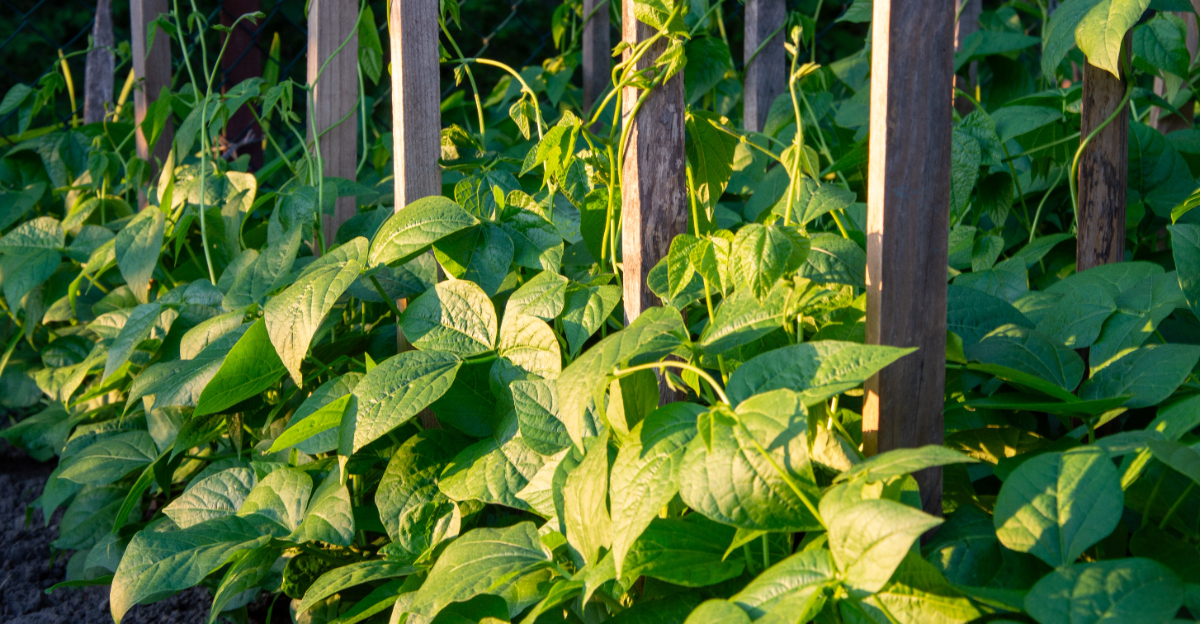
Green beans have a window in North Carolina, and June is right in the middle of it.
The plants are producing, the weather is warm but not yet brutal, and there’s still time to make decisions that extend that harvest further into summer than most gardeners manage to push it.
Once the real heat locks in and nighttime temperatures stay consistently high, green bean production slows and eventually stalls no matter what you do. That’s just the nature of the crop in this climate.
But the gap between gardens that keep producing into late July and ones that fizzle out by the Fourth of July almost always comes down to what happened in June.
A few specific tasks done now, while conditions are still cooperative, give the plants a much better shot at staying productive through the hottest stretch of the Carolina summer.
1. Water Deeply And Consistently
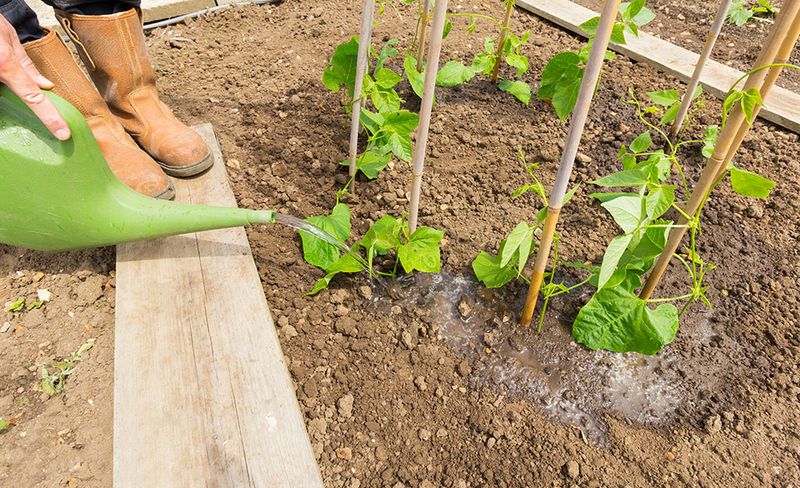
Green beans are thirsty plants, and in June, that thirst gets serious. North Carolina summers heat up fast, and without steady moisture at the roots, your plants will drop their flowers before the pods even get a chance to form.
Deep, consistent watering is one of the simplest things you can do to protect your harvest right now.
The goal is to water slowly and deeply so the moisture reaches at least six to eight inches into the soil. Shallow watering only wets the top layer, which dries out quickly and forces roots to stay near the surface where they are most vulnerable to heat.
Aim for about one to one and a half inches of water per week, adjusting based on rainfall and how quickly your soil drains.
Watering in the morning is the smartest move. It gives leaves time to dry before nightfall, which helps prevent fungal problems that love warm, humid North Carolina nights.
Drip irrigation or soaker hoses are excellent options because they deliver water directly to the root zone without wetting the foliage at all.
Container-grown green beans need even more attention because pots dry out much faster than garden beds. Check them daily and water thoroughly until it drains from the bottom.
Consistency is everything here. Missing even a couple of days during a heat wave can stress the plant enough to halt pod production entirely, so build watering into your daily routine now.
2. Mulch To Retain Moisture And Suppress Weeds
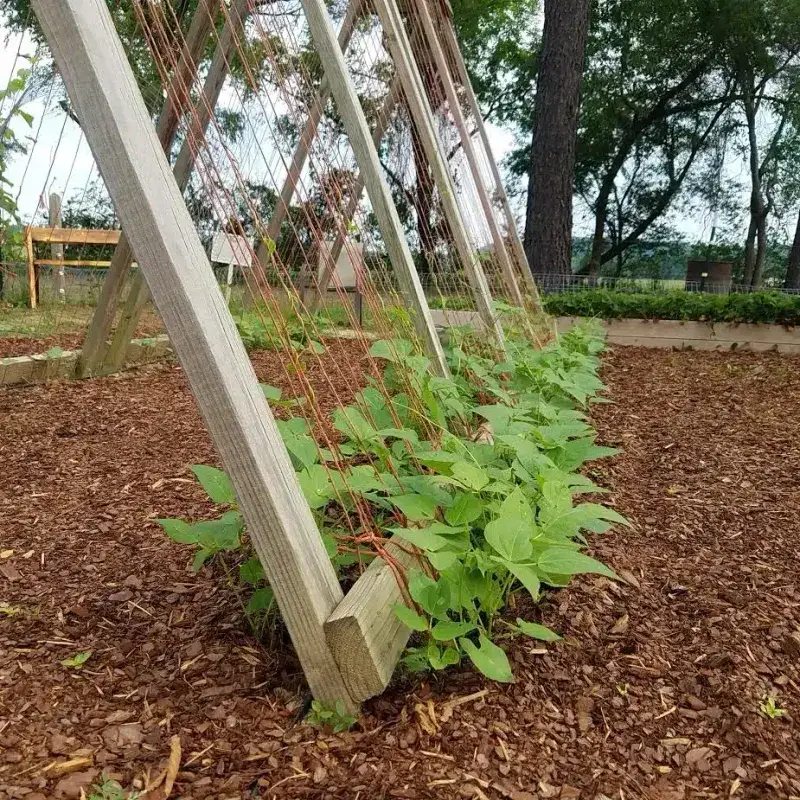
Spreading mulch around your green bean plants might be the single easiest thing you do this June, and it pays off big time.
A good layer of organic mulch acts like a blanket for the soil, slowing down evaporation so the moisture from your watering sessions actually sticks around longer. In the North Carolina summer heat, that can make a huge difference.
Straw, shredded leaves, grass clippings, and wood chips all work well. Apply a two to three inch layer around the base of your plants, keeping it a couple of inches away from the stems so air can still circulate freely.
Your North Carolina Garden Changes Every Week. Your Plan Should Too.
Gardening in North Carolina changes quickly throughout the season. Every Friday you’ll receive a simple weekly plan showing exactly what to plant, prune, fertilize, harvest, and protect so you never miss the right timing.
Too much mulch pressed directly against the stem can trap moisture and encourage rot, which nobody wants.
Beyond holding water in, mulch does another really helpful job: it blocks sunlight from reaching weed seeds in the soil.
Weeds compete directly with your green beans for nutrients and moisture, so keeping them under control without a lot of extra effort is a genuine win. Mulch handles most of that work for you automatically.
There is also a temperature benefit worth knowing about. Organic mulch keeps the soil noticeably cooler than bare ground, and green bean roots respond well to that.
Cooler soil encourages stronger root activity and steadier nutrient uptake. Reapply mulch as it breaks down through the season, because a thin layer stops doing its job effectively.
Starting with a fresh application in early June sets your plants up for a much more productive month.
3. Thin Crowded Plants For Better Airflow
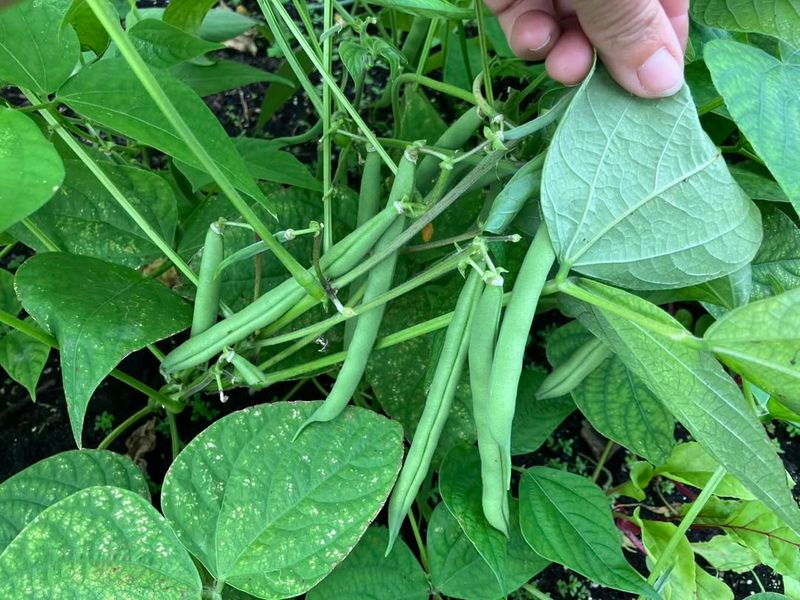
Crowded green bean plants might look productive at first glance, but they are actually working against each other.
When plants grow too close together, they compete for the same water, nutrients, and sunlight, and none of them get quite enough of any of it.
Thinning your plants now, in early June, gives the strongest ones room to really take off.
For bush bean varieties, spacing of about four to six inches between plants is ideal. Pole beans need a bit more breathing room, around six to nine inches apart, especially since they grow upward and their foliage can get thick and dense.
When plants are too close, air cannot move freely through the canopy, which creates the warm, damp conditions that fungal diseases love.
Thinning feels a little uncomfortable at first, especially when the plants look healthy. The trick is to remove the weakest or smallest plants and leave the strongest ones standing.
Use scissors or garden shears to snip the unwanted plants at the soil line rather than pulling them out, which can disturb the roots of the plants you want to keep.
Better airflow from proper spacing also means your plants dry out faster after rain or irrigation, reducing the chance of bean rust, powdery mildew, and other common North Carolina summer diseases.
Pods on well-spaced plants tend to be larger and more uniform too, which makes harvesting easier and more satisfying.
A little thinning now leads to noticeably better results through June and into July.
4. Support Pole Beans With Sturdy Trellises
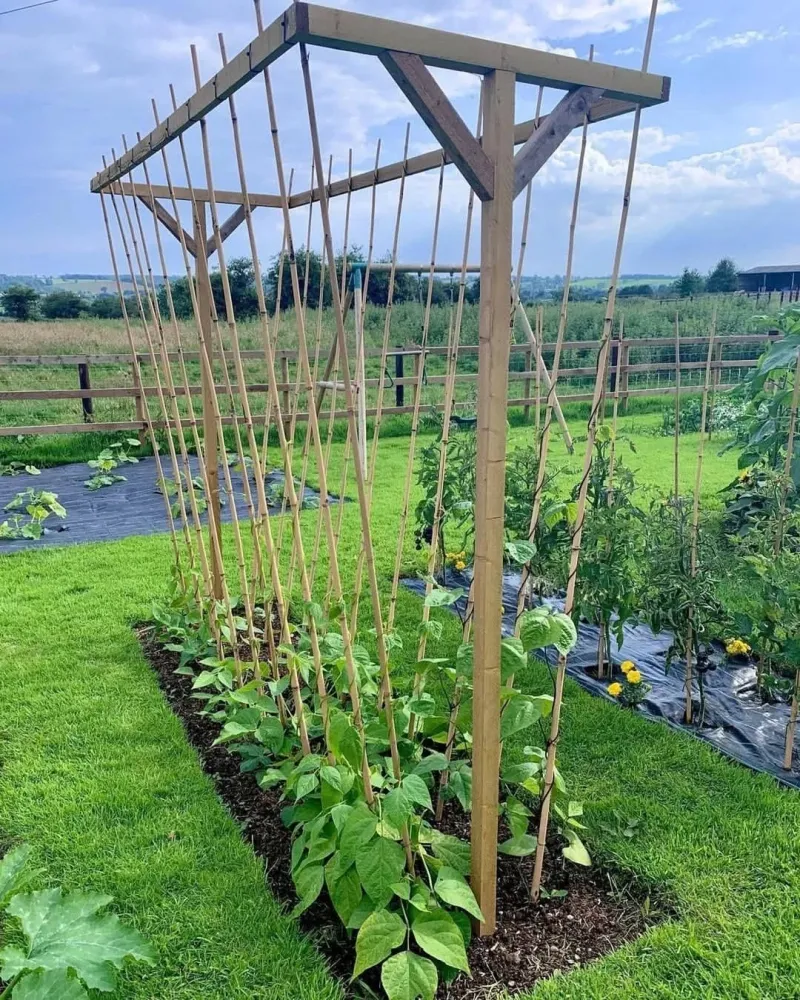
Pole beans are natural climbers, and without something solid to grab onto, they sprawl across the ground and become a tangled mess. A proper trellis or support structure does more than just keep things tidy.
It actually improves the health and yield of your plants in ways that matter a lot during the hot June weeks ahead.
When pole beans climb upward, their leaves spread out and catch more sunlight across a larger surface area. That extra light exposure boosts photosynthesis, which means more energy for flowering and pod development.
Pods that hang freely from a trellis are also easier to spot and pick, so you are less likely to miss overripe beans hiding in the foliage.
For most pole bean varieties, a trellis height of five to seven feet works well. Bamboo poles, wooden stakes, cattle panels, and nylon netting are all popular options among North Carolina gardeners.
Whatever you choose, make sure it is anchored securely before the plants get heavy with foliage and pods. A trellis that tips over mid-season is frustrating and can seriously set back your harvest.
Airflow is another major benefit of vertical growing. Plants climbing a trellis dry out faster after rain, which lowers the risk of fungal infections that spread rapidly in humid summer conditions.
If you have not installed support yet and your plants are already growing, add it now carefully and guide the vines gently. Getting them off the ground before the peak heat of summer arrives will protect your yield and keep production going longer.
5. Monitor And Control Pests Early
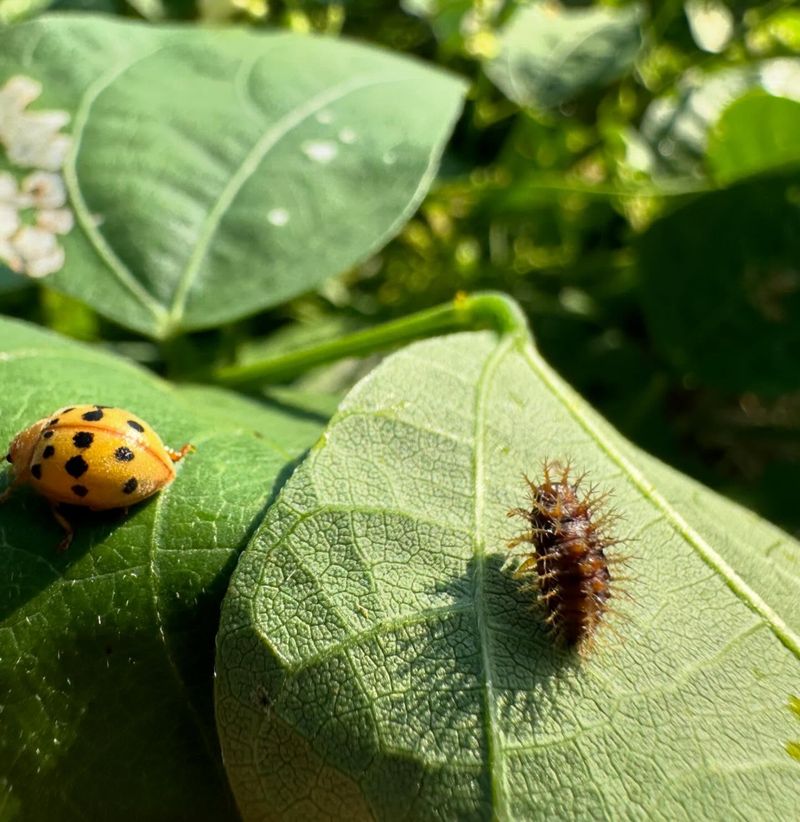
Pest problems on green beans can go from minor to serious faster than you might expect, especially in June when warm temperatures encourage insects to reproduce rapidly.
The Mexican bean beetle is one of the most damaging pests in North Carolina gardens, and it can strip leaves down to the skeleton if left unchecked.
Catching problems early is always easier than trying to manage a full-blown infestation.
Make a habit of walking through your garden every few days and flipping over leaves to check the undersides. That is where many pests lay their eggs and where young insects feed before spreading.
Aphids cluster along stems and new growth, while caterpillars from bean leaf rollers and corn earworm moths chew through foliage and pods. Spotting them early gives you options.
For small infestations, hand-picking insects and egg clusters is surprisingly effective. Drop them into a bucket of soapy water to remove them from the garden.
Insecticidal soap spray works well against soft-bodied insects like aphids without harming beneficial insects as severely as harsher chemicals would. Neem oil is another useful option that disrupts the life cycle of many common pests.
Encouraging natural predators is a smart long-term approach. Ladybugs, lacewings, and parasitic wasps all feed on common bean pests and thrive in gardens that avoid broad-spectrum pesticides.
Planting flowers like marigolds or dill nearby can attract these helpful insects. Staying proactive with weekly inspections through June gives your beans the best chance of staying productive without heavy chemical intervention.
6. Fertilize Lightly If Your Soil Needs It
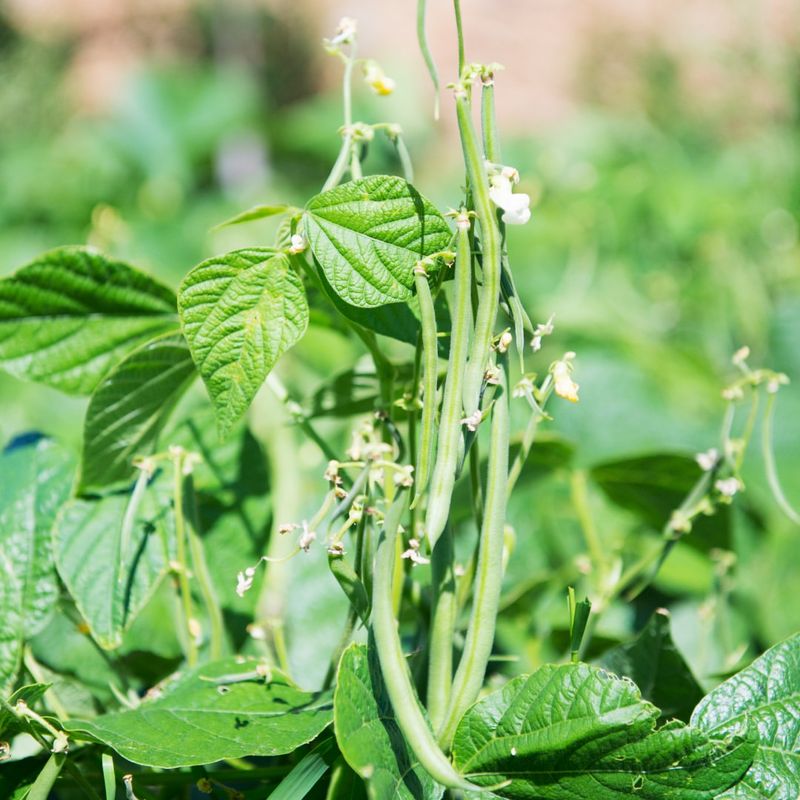
Green beans are actually pretty self-sufficient when it comes to nutrients, partly because they fix their own nitrogen from the air through root bacteria.
Over-fertilizing, especially with high-nitrogen products, pushes plants to grow lots of lush leaves instead of flowers and pods.
But if your soil is genuinely low on nutrients, a light boost in June can make a real difference in production.
The best way to know what your soil actually needs is a soil test. North Carolina State University’s Cooperative Extension offers affordable testing through local county offices, and the results tell you exactly which nutrients are lacking and how much to add.
Without that information, you are essentially guessing, and guessing with fertilizer often causes more harm than good.
If a test shows your soil is deficient, a balanced fertilizer with equal parts nitrogen, phosphorus, and potassium works well for green beans.
A 10-10-10 granular product applied at about one to two pounds per 100 square feet is a common recommendation for North Carolina vegetable gardens.
Work it lightly into the soil surface and water it in thoroughly afterward.
Timing matters too. Early to mid-June, when plants are actively flowering and setting pods, is the ideal window for a light feeding if needed.
Fertilizing too late in the season when plants are already stressed by heat does little good and can actually attract more pest activity. Keep the application light, water well, and let the plants tell you the rest through their foliage color and pod production.
7. Remove Diseased Or Damaged Leaves Promptly
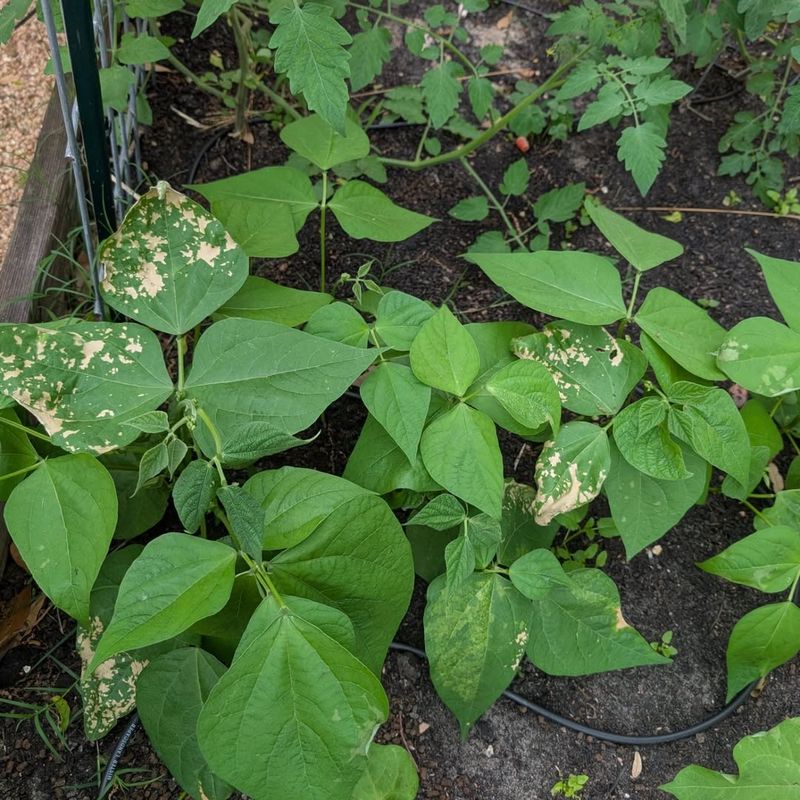
Spotting a yellowed, spotted, or shriveled leaf on your green bean plant is never a great feeling, but acting on it quickly is one of the best things you can do for the rest of the plant.
Diseased leaves do not recover, and leaving them attached gives the problem a chance to spread to healthy tissue.
June’s warm, humid North Carolina weather makes this especially important.
Bean rust is one of the most common fungal issues you will see this time of year. It shows up as small, reddish-brown pustules on the undersides of leaves, and it spreads through moisture and wind.
Bacterial brown spot and anthracnose are other frequent culprits, showing up as water-soaked lesions or dark, sunken spots on leaves and pods. Any leaf showing these symptoms should come off right away.
Use clean scissors or pruning shears and snip the affected leaves at their stem. Avoid tearing them off roughly, which can damage the plant’s main stem.
After removing diseased material, wash your tools with a diluted bleach solution or rubbing alcohol to avoid transferring pathogens from one plant to another as you work through the garden.
Disposal is just as important as removal. Do not toss diseased leaves into your compost pile, because many fungal and bacterial pathogens survive the composting process and can reinfect your garden later.
Bag them up and put them in the trash instead. Clearing away this material improves airflow around the remaining healthy foliage and gives your plants a noticeably better chance of staying productive through the rest of June.
8. Harvest Regularly To Keep Pods Coming
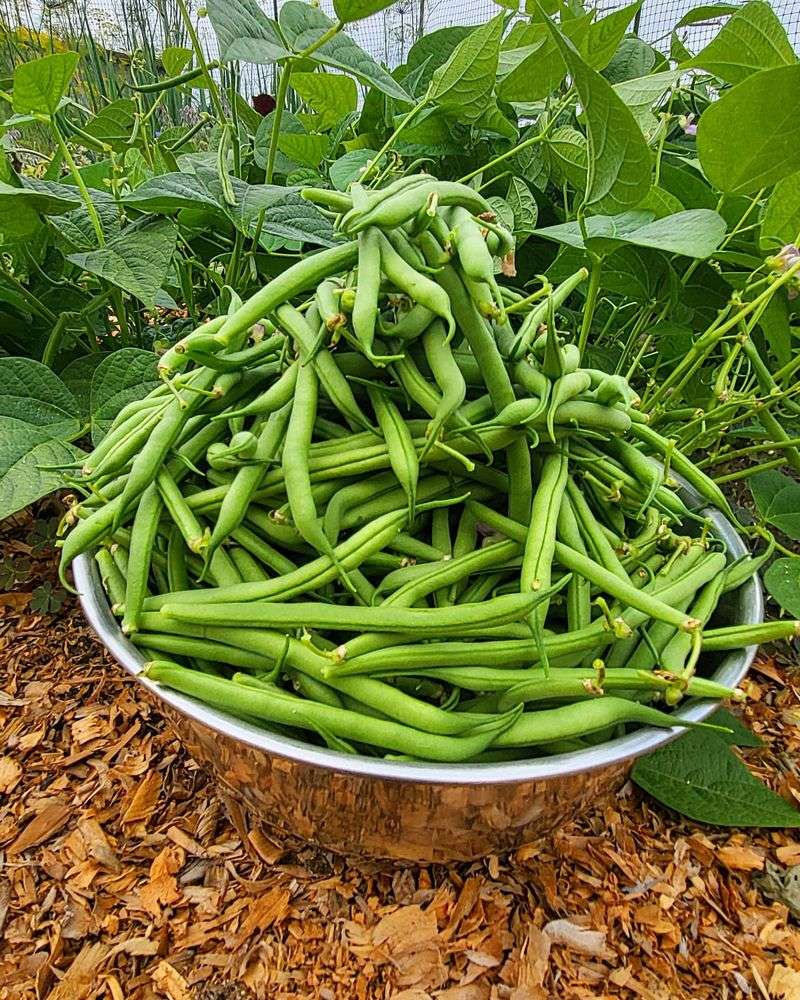
Here is something that surprises a lot of first-time bean growers: the more you pick, the more your plants produce.
Green bean plants are programmed to make seeds, and once a pod matures and starts to dry out, the plant reads that as mission accomplished and slows down flower production.
Regular harvesting tricks the plant into thinking it still has work to do, which keeps those flowers and new pods coming.
In June, green beans can go from perfect to overripe in just a few days, especially when temperatures are high. Check your plants every two to three days and pick pods when they are firm, smooth, and about the width of a pencil.
At that stage, they snap crisply and taste their best. Pods that feel lumpy and bulging have already matured too far and are pulling energy away from new pod development.
Harvesting technique matters more than most people realize. Grip the pod with one hand and use the other to hold the stem or vine steady.
A quick, clean snap or snip with scissors prevents unnecessary stress on the plant. Yanking pods roughly can pull down branches or loosen the roots, which sets the plant back and reduces future production.
Picking in the morning is ideal because pods are crisp and full of moisture after the cooler night temperatures. Morning harvests also let you inspect the plant for pests and disease at the same time, making your garden walk twice as productive.
Staying on top of harvesting through June is genuinely one of the most effective ways to extend your green bean season before the peak heat arrives.