Georgia Plants That Support Fireflies From Spring Through Summer
Few backyard sights create the same feeling as seeing tiny lights drifting through the evening air.
Fireflies have a way of turning an ordinary summer night into something memorable, yet many yards seem to have fewer of them than they once did.
Their presence is not random. Fireflies spend most of their lives close to the ground, relying on suitable places to shelter, feed, and complete their life cycle.
The plants growing nearby can play a much bigger role than many people realize.
A yard filled with the right mix of vegetation often feels more alive after sunset. Movement becomes easier to spot, evening activity increases, and those familiar flashes become part of the landscape instead of an occasional surprise.
Georgia has many plants that fit naturally into a firefly friendly yard.
Choosing the right ones can help create the conditions these fascinating insects look for from spring well into summer.
1. Virginia Sweetspire Creates The Damp Conditions Fireflies Prefer
Wet soil and shade are two things fireflies genuinely seek out, and Virginia Sweetspire delivers both without much effort from the gardener.
Native to the southeastern United States, this mid-sized shrub naturally grows along stream banks and in low-lying areas where moisture lingers. Its roots hold soil together while keeping the ground consistently damp underneath.
That moisture is exactly what firefly larvae need to hunt and survive near the surface.
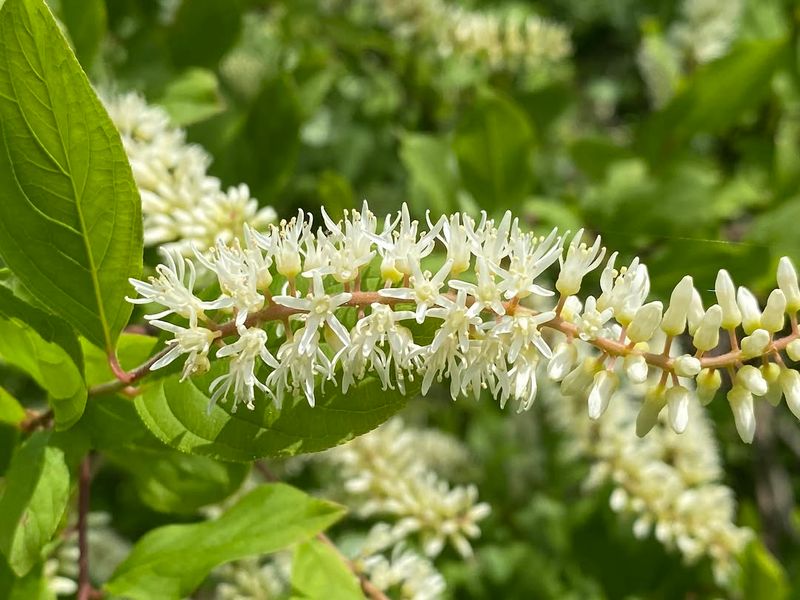
Virginia Sweetspire blooms in late spring with arching white flower clusters that attract small pollinators. Those pollinators in turn draw the soft-bodied insects that firefly larvae feed on.
In a Georgia garden, this plant works well along fence lines, beside downspouts, or at the edge of a shaded lawn. It spreads slowly by root suckers, gradually forming a dense colony that keeps leaf litter intact and undisturbed.
Fall color is a bonus. Leaves shift to deep red and orange before dropping, adding another season of interest.
Plant it where water naturally collects after rain. Skip heavy mulch around the base so the soil stays loose and accessible.
Fireflies will notice the difference, especially by midsummer when other spots dry out.
2. Cinnamon Fern Provides Cool Shelter Near The Ground
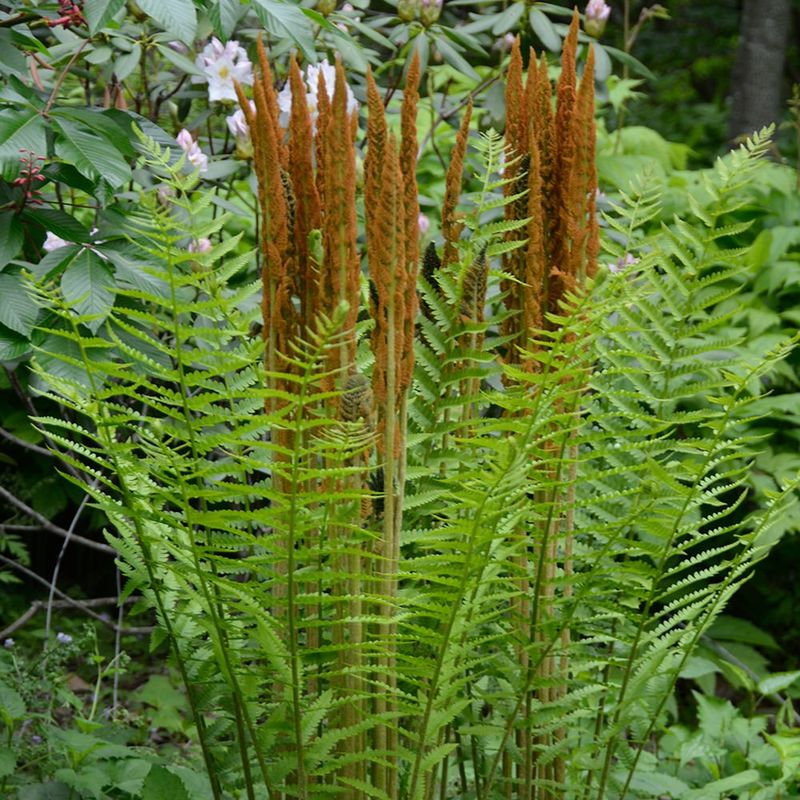
Few plants anchor a shady firefly habitat quite like Cinnamon Fern. Its bold, arching fronds can reach four feet tall, creating a dense canopy just inches above the forest floor.
That lower layer of coverage is prime territory for fireflies. Adults rest in cool, humid spots during the day, and the thick base of a mature Cinnamon Fern clump offers exactly that kind of shelter.
Cinnamon Fern thrives in consistently moist, slightly acidic soil, which is common in many woodland gardens across the region. It asks for very little once established.
No deadheading, no heavy feeding, no complicated pruning.
The fertile fronds emerge in spring with a distinctive cinnamon-brown color, giving the plant its name. After they fade, the large sterile fronds remain green and lush well into summer.
Leaf litter tends to collect naturally around the base of each clump. Leave it there.
Your Georgia Garden Changes Every Week. Your Plan Should Too.
Gardening in Georgia changes quickly throughout the season. Every Friday you’ll receive a simple weekly plan showing exactly what to plant, prune, fertilize, harvest, and protect so you never miss the right timing.
That decomposing layer keeps the soil cool and supports the small invertebrates that firefly larvae feed on underground.
Plant Cinnamon Fern in groups of three or more for stronger visual impact and more effective habitat coverage. Spacing them about two feet apart gives each clump room to spread naturally over time.
3. Summersweet Produces Flowers Through The Warm Season
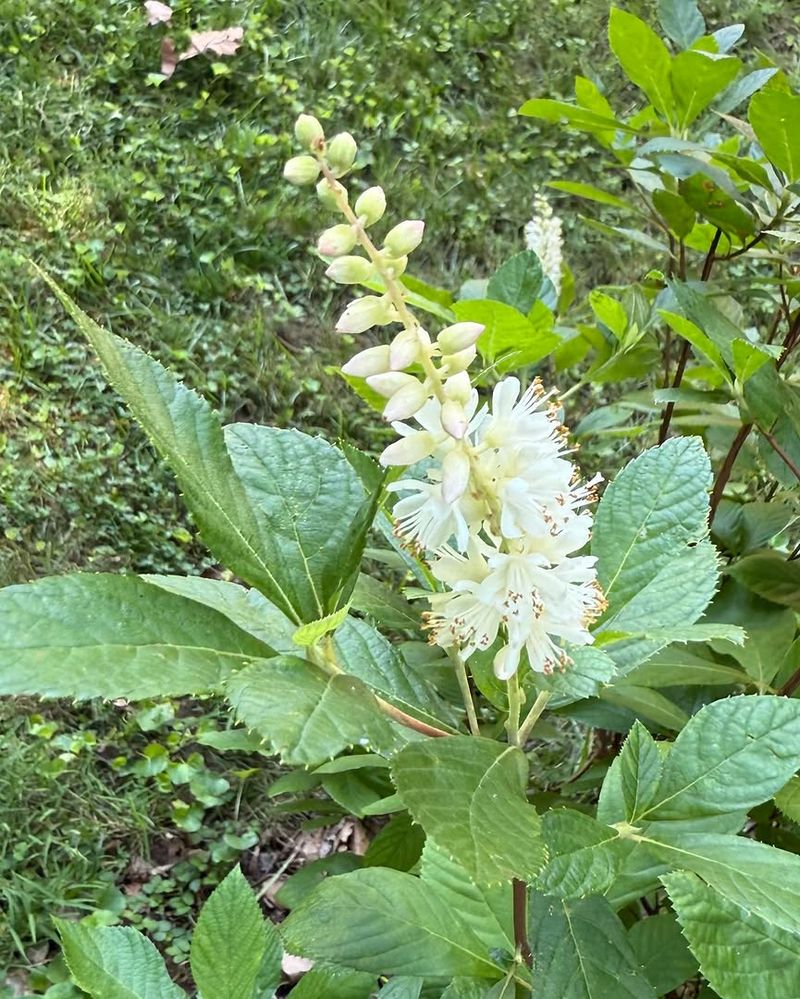
Most shrubs wrap up their bloom season before summer really hits its stride. Summersweet ignores that pattern entirely.
Also called Clethra alnifolia, Summersweet holds its fragrant white flower spikes from midsummer into early fall. That extended bloom window keeps pollinators active in the garden long after spring plants have faded.
More pollinators mean more insect activity overall, and that benefits firefly larvae working through the soil below.
Summersweet prefers part shade and moist, acidic soil. It handles wet conditions better than most shrubs, making it a natural fit for low spots and rain garden edges.
In a humid southern summer, it rarely needs supplemental watering once its roots settle in.
The fragrance is genuinely impressive. On still evenings, the scent carries across a yard in a way that draws both people and insects toward the garden.
Fireflies are most active at dusk and just after dark. Having a plant that keeps insects moving through the garden during those hours gives larvae more feeding opportunities nearby.
Summersweet grows four to six feet tall and spreads gradually by root offshoots. Pruning is rarely needed.
Simply give it a moist, shaded spot and let it run its season without interference.
4. Foamflower Forms A Living Carpet Beneath Trees
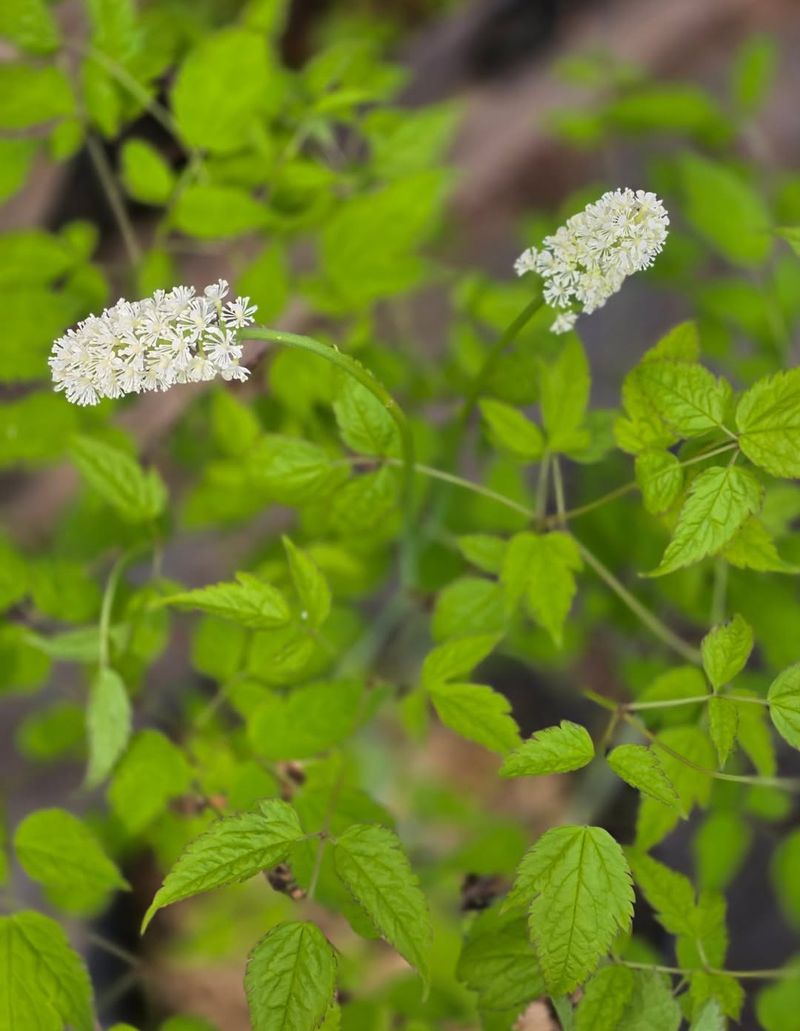
Bare soil under trees is one of the quieter problems in a firefly garden. Without groundcover, the earth dries out fast and offers nowhere for larvae to hide or hunt.
Foamflower fixes that. Native to eastern woodlands, Tiarella cordifolia spreads steadily across shaded ground, forming a low mat of attractive, lobed leaves that stay green through most of the year.
Underneath that mat, the soil stays cooler and holds moisture longer than exposed ground would.
Firefly larvae are hunters. They move through damp soil and leaf litter searching for small invertebrates.
Foamflower’s dense root network and consistent leaf cover create exactly the kind of undisturbed microhabitat those larvae need.
Spring brings a flush of small white to pale pink flower spikes that rise just above the foliage. They attract early pollinators and add a soft, airy texture to shaded beds.
Foamflower is easy to establish in well-draining, humus-rich soil. It doesn’t tolerate full sun or dry conditions, so keep it under a canopy where shade and moisture stay consistent.
Once established, it spreads on its own through short runners. Dividing clumps every few years keeps growth tidy and gives you more plants to spread across other shaded areas in your yard.
5. River Oats Adds Cover In Partly Shaded Areas
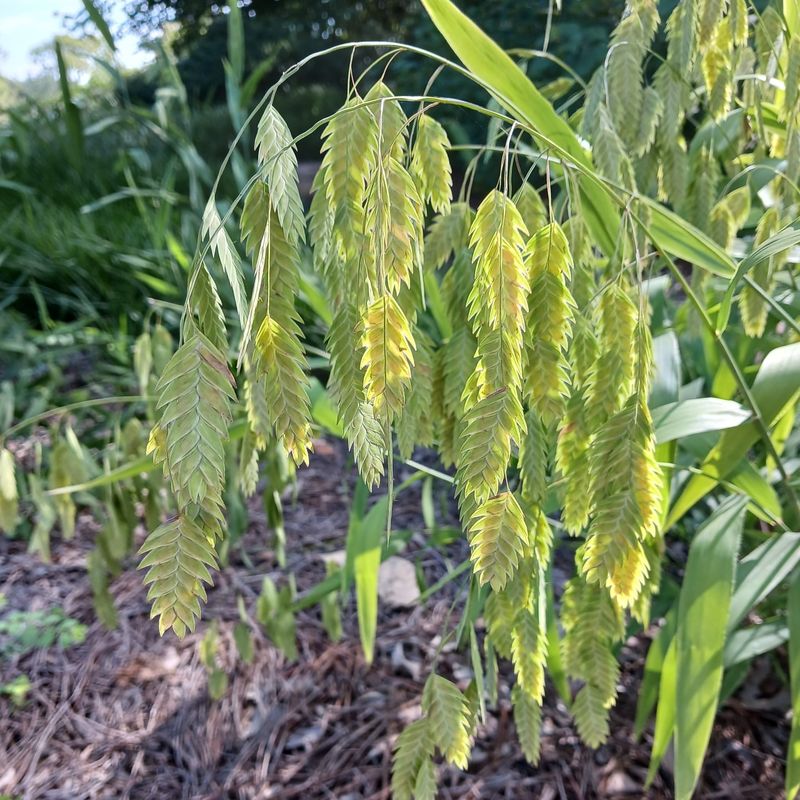
Ornamental grasses often get planted in full sun, but River Oats breaks that rule completely. It’s one of the few grasses that actually prefers shade.
Chasmanthium latifolium grows naturally along stream banks and forest edges, where it gets filtered light and consistent moisture. In a garden setting, it fills those in-between spaces that are too shady for most plants but too open for ferns.
Its flat, oat-like seed heads dangle from arching stems and catch even the lightest breeze. By late summer, those seed heads turn a warm copper-brown that adds quiet texture to the garden well into fall.
For fireflies, the value is structural. River Oats creates a mid-height layer between groundcovers and taller shrubs.
Adults use that vertical space to move through the garden without exposure. Shaded stems and dense clumps give them resting spots during the day.
Leaf litter collects naturally at the base of each clump. That accumulated debris supports moisture retention and feeds the small invertebrate community that firefly larvae rely on.
River Oats self-seeds readily. In a naturalistic planting, that spreading habit is welcome.
In a more structured bed, simply pull unwanted seedlings in spring before they get established. It’s straightforward to manage once you understand its rhythm.
6. Green And Gold Thrives In Woodland Garden Beds
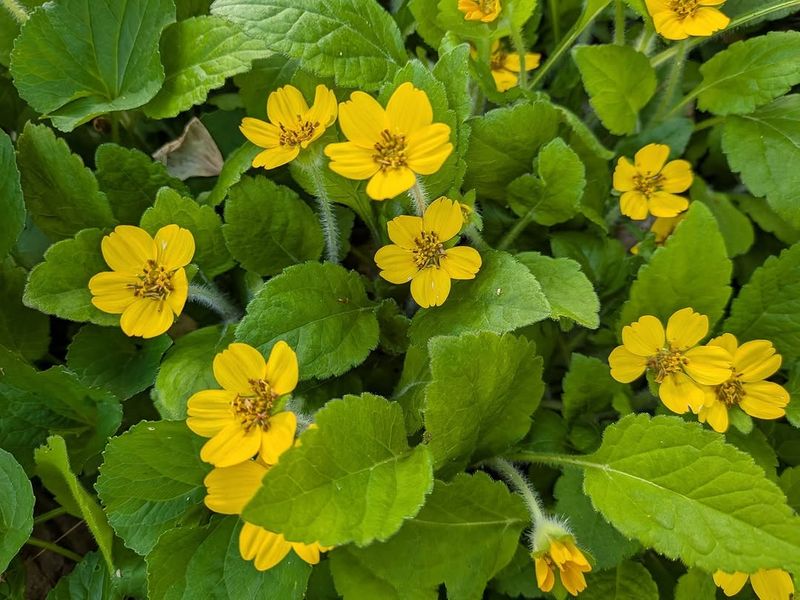
Bright yellow flowers in deep shade feel almost surprising, which is exactly what Green and Gold pulls off every spring.
Chrysogonum virginianum is a low-growing native perennial that spreads across shaded garden beds with minimal encouragement.
Its cheerful yellow blooms appear from early spring and often continue sporadically into summer, depending on moisture and light levels.
Below the surface, its mat-forming roots help bind soil and retain moisture. That moisture is a key factor in whether fireflies choose a spot in your yard over a drier one nearby.
Green and Gold handles moderate foot traffic better than most groundcovers, making it practical for paths through shaded areas. It stays under six inches tall and fills gaps between larger plants without crowding them out.
The dense foliage layer keeps the soil temperature lower during hot summer afternoons. Cooler soil means more consistent moisture, and that supports the small invertebrates firefly larvae hunt underground.
Established plants are fairly drought-tolerant once summer heat sets in, though they look better with occasional watering during dry spells. Avoid planting in spots with standing water, since consistently soggy roots will weaken the plant over time.
Pair it with taller ferns or native shrubs to build a layered habitat that works at multiple heights throughout the season.
7. Southern Wax Myrtle Supports A More Natural Habitat
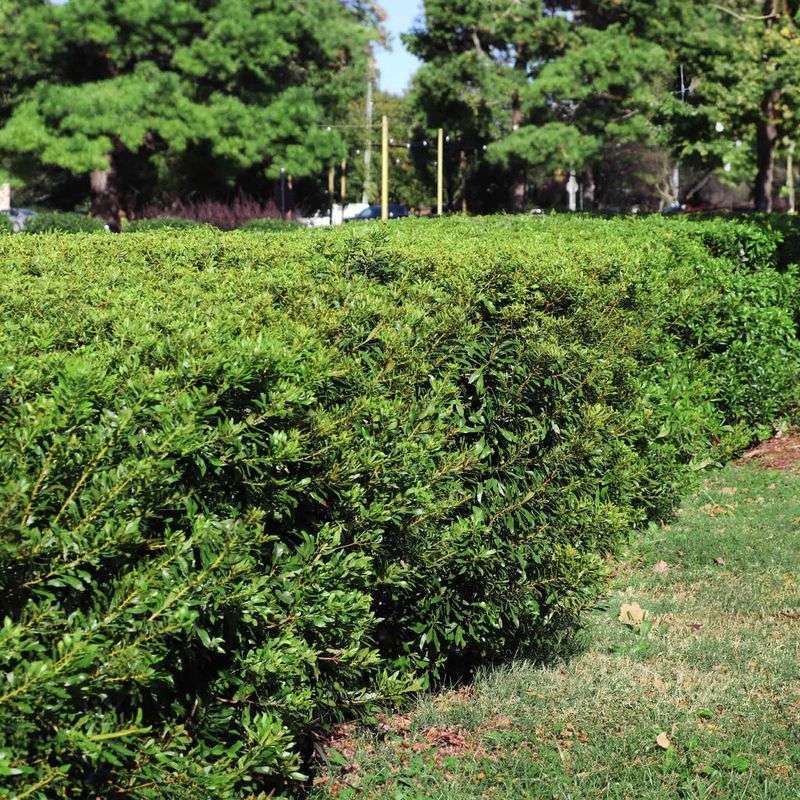
Some plants just feel like they belong in a landscape, and Southern Wax Myrtle is one of them. It grows fast, handles tough conditions, and looks like it sprouted there on its own.
Morella cerifera is native to coastal and piedmont areas across the Southeast. It tolerates wet soil, dry spells, salt, and part shade, making it one of the most adaptable native shrubs available for regional gardens.
For firefly habitat, its real strength is scale. Southern Wax Myrtle can reach fifteen feet or more if left unpruned.
That height creates a shaded understory beneath its canopy, where moisture lingers longer and temperatures stay lower through the afternoon.
Birds are drawn to its waxy blue-gray berries, especially in fall and winter. That bird activity stirs up leaf litter and soil at the base, which indirectly benefits the invertebrate community firefly larvae depend on.
The aromatic leaves release a pleasant scent when brushed, a small but genuine bonus during evening walks through the garden.
Plant it where you want a natural screen or a wildlife anchor. It pairs well with Virginia Sweetspire and Cinnamon Fern in a layered native planting.
Together, those three plants cover ground, mid-height, and canopy levels across the same shaded area.
8. Woodland Phlox Helps Fill Shady Spaces In Spring
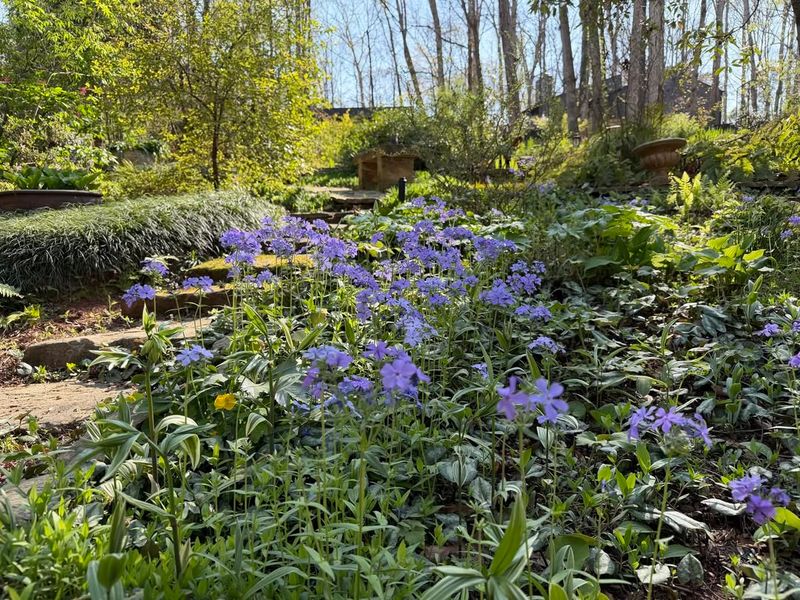
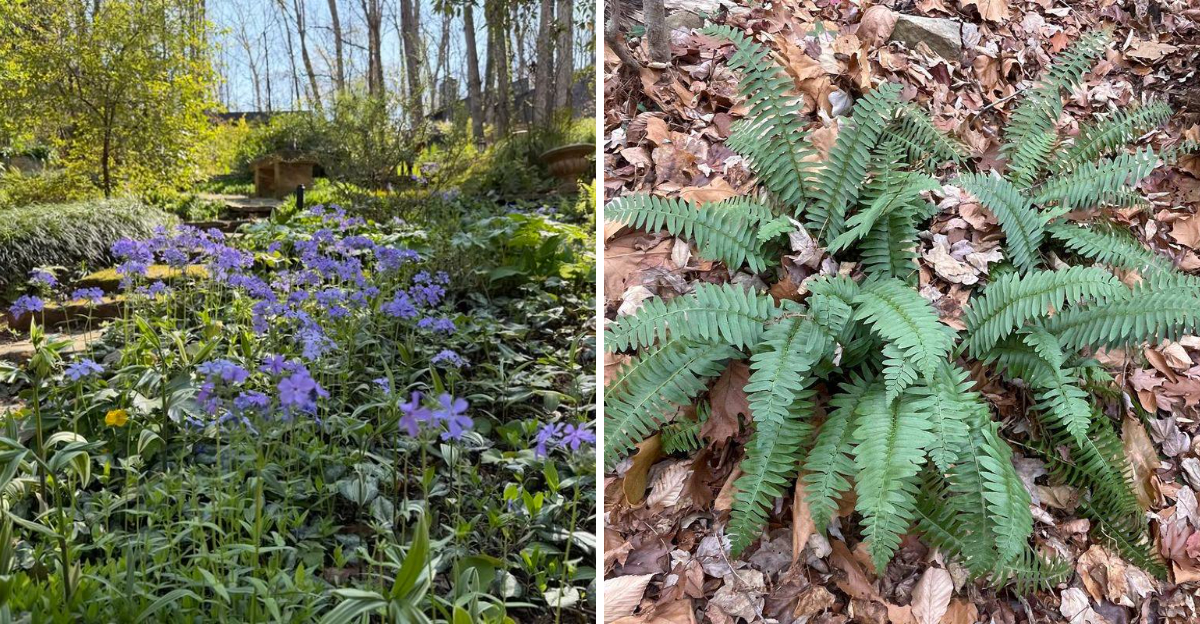
Early spring in a shaded garden can feel sparse, but Woodland Phlox changes that quickly. It blooms before most other shade plants wake up, covering the ground in soft lavender and white flowers just when the season is getting started.
Phlox divaricata grows naturally in moist, humus-rich woodland soil. It spreads by short stolons, gradually filling gaps between larger plants without becoming aggressive.
In a firefly garden, that spreading habit is genuinely useful.
More groundcover means more moisture retained in the soil. More moisture means more invertebrate activity.
That invertebrate activity is what firefly larvae depend on during their underground stage, which lasts far longer than the brief adult flashing season most people notice.
Woodland Phlox blooms from mid-spring into early summer, bridging the gap between early spring ephemerals and summer-blooming plants. Its flowers attract early butterflies and native bees, adding to the overall insect diversity in the garden.
After blooming, the foliage stays semi-evergreen and continues to provide ground-level cover through summer and fall. It won’t look flashy after flowering, but that quiet persistence is part of what makes it reliable.
Plant it in groups under deciduous trees where spring sunlight reaches before the canopy fills in. That seasonal light shift suits Woodland Phlox perfectly.
9. Christmas Fern Stays Attractive Long After Spring Ends
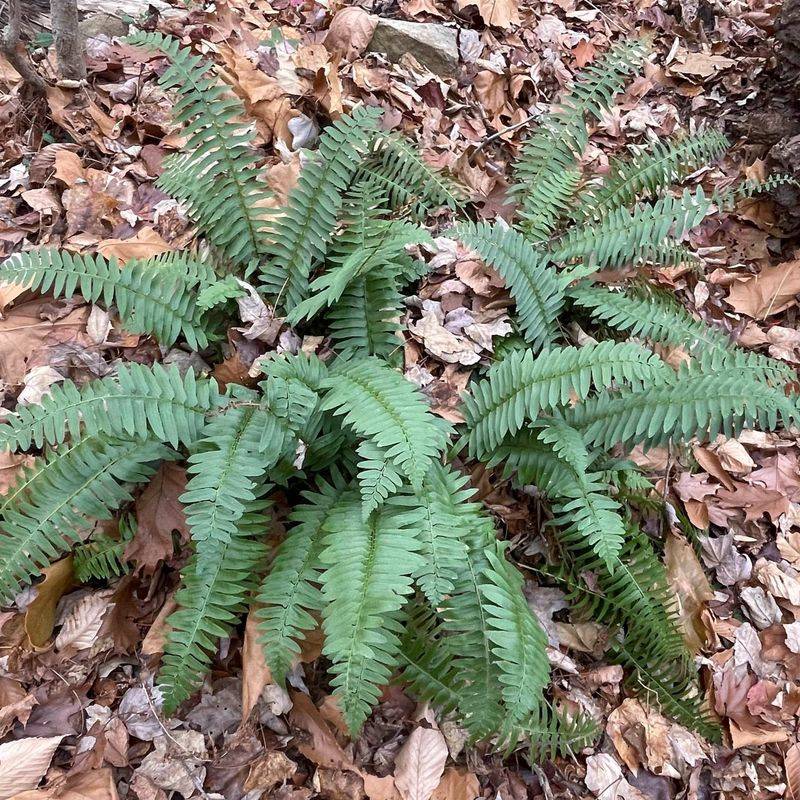
Most ferns look great in spring and then start to fade or flop by midsummer. Christmas Fern skips that pattern entirely.
Polystichum acrostichoides keeps its dark, leathery fronds upright and green from early spring all the way through winter. In mild years, it stays evergreen without any protection.
That persistence makes it one of the most dependable plants in a shaded Georgia garden.
For fireflies, the benefit is consistency. A plant that maintains its structure and foliage through summer keeps the microhabitat stable.
Soil under Christmas Fern stays shaded, cool, and undisturbed for months at a stretch, which is exactly what firefly larvae need while they work through the soil.
Christmas Fern tolerates dry shade better than most native ferns, though it still prefers some moisture. It grows in average woodland soil without heavy amendment, which makes it practical for naturalistic plantings that don’t get regular attention.
Clumps expand slowly over several years. They don’t spread aggressively, so placement stays predictable.
Old fronds flatten to the ground in late winter just before new growth emerges, creating a brief layer of organic matter at the base.
Leave those old fronds in place rather than cutting them. They add to the leaf litter layer and give the soil one more layer of insulation heading into the warmer months.