How Michigan Gardeners Grow More Peppers Without Using More Garden Space
Garden space in Michigan feels especially precious given how short the productive season actually is.
Every square foot needs to work hard, and peppers are one of those crops where the gap between a mediocre harvest and a genuinely impressive one rarely comes down to how much space you devoted to them.
Michigan gardeners who’ve cracked the code on pepper production mostly did it by changing how they manage the plants they already have rather than expanding the bed.
The variables that actually drive pepper yield, things like how the plant is pruned, when it gets fed and with what, and how a few key stress points get handled during the season, are almost entirely within your control regardless of garden size.
Getting those details right turns an average pepper planting into one that produces steadily from midsummer until the first frost shuts everything down.
1. Support Plants With Stakes Or Cages
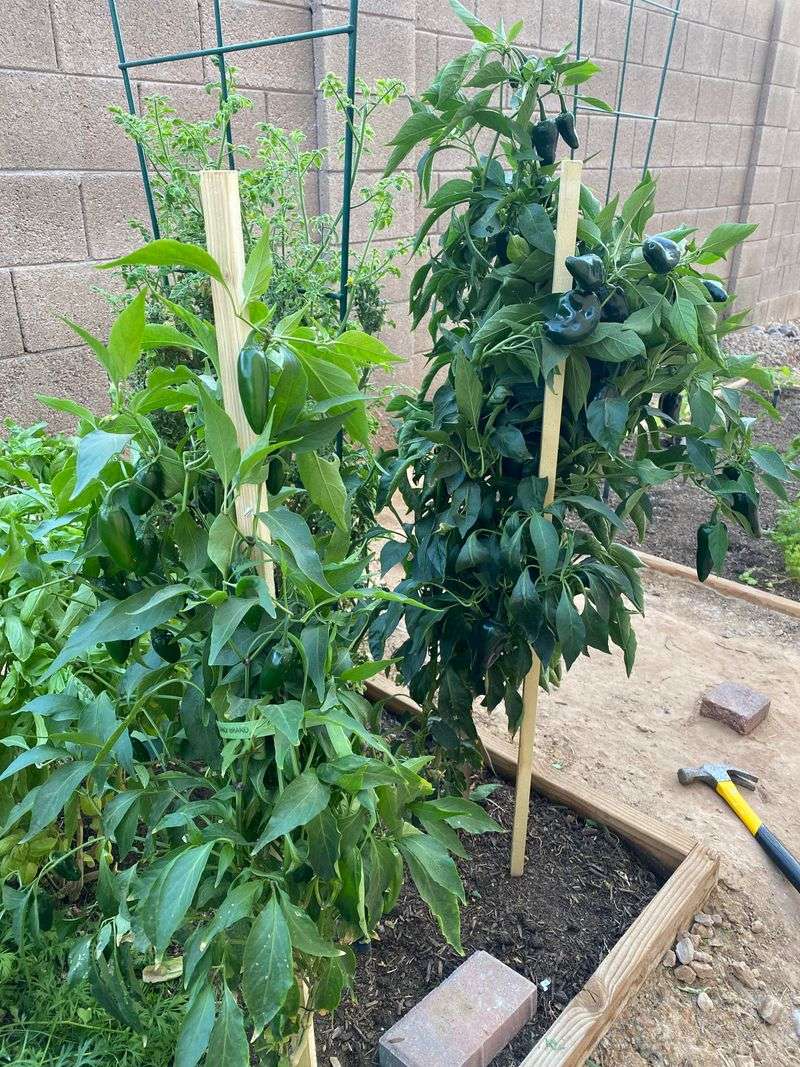
A pepper plant loaded with fruit is a beautiful sight until a strong wind snaps a branch right off.
Giving your plants solid support from the start prevents that frustration and keeps every stem productive all season long.
It also keeps fruit off the soil, which reduces rot and makes harvesting much easier. Bamboo stakes, small tomato cages, or T-posts with twine all work well for peppers.
The stake-and-weave method, where you run twine between posts along a row, is especially handy in tight raised beds because it keeps multiple plants tidy without taking up extra space.
Whatever you choose, set your supports at planting time so you avoid disturbing roots later.
Michigan pepper growers typically plant about 12 to 18 inches apart within rows, with rows spaced 24 to 36 inches apart.
Staying within those ranges keeps airflow moving through the bed, which helps reduce fungal issues during humid summers.
Crowding plants to squeeze in extras actually backfires because poor airflow leads to disease, smaller fruit, and weaker plants overall. Upright, well-supported plants also make better use of vertical space.
Instead of flopping sideways and shading neighbors, supported pepper plants grow straight up, leaving ground-level space cleaner and more efficient.
That simple change alone can help you fit more productive plants into the same footprint you already have.
2. Prune Lightly Instead Of Cutting Aggressively
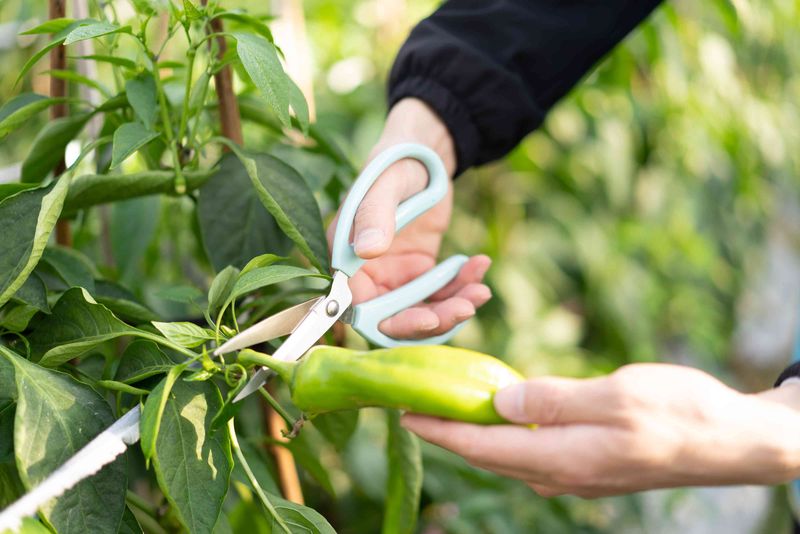
Pruning peppers is one of those topics that causes a lot of confusion, and many gardeners end up doing more harm than good by cutting too much. Peppers are not tomatoes.
They do not need heavy topping or aggressive shaping to produce a great harvest, especially in Michigan where the warm growing season is already short.
The safest approach is light, targeted pruning. Focus on removing leaves that are broken, yellowing, diseased, or dragging on the soil.
Thinning a few crowded interior shoots can also help air move through the plant more freely, which matters during our warm, sometimes humid summer stretches.
These small adjustments improve plant health without setting back fruit production.
Some gardeners pinch off the very first flower buds when transplants are still small and getting established.
Your Michigan Garden Changes Every Week. Your Plan Should Too.
Gardening in Michigan changes quickly throughout the season. Every Friday you’ll receive a simple weekly plan showing exactly what to plant, prune, fertilize, harvest, and protect so you never miss the right timing.
The idea is that a young plant will put more energy into roots and structure before committing to fruit.
However, once plants are growing strongly, leaving flowers in place is the better call. Removing too many buds on an already-small plant in a northern garden just delays your harvest.
Leaves are the engine behind every pepper on the plant. They capture sunlight, fuel growth, and shield developing fruit from harsh sun exposure.
Stripping too many leaves chases away that protective cover and can actually cause peppers to get sunscald.
Keep the canopy reasonably full, prune only what truly needs to go, and your plants will reward you generously.
3. Grow Peppers In Containers
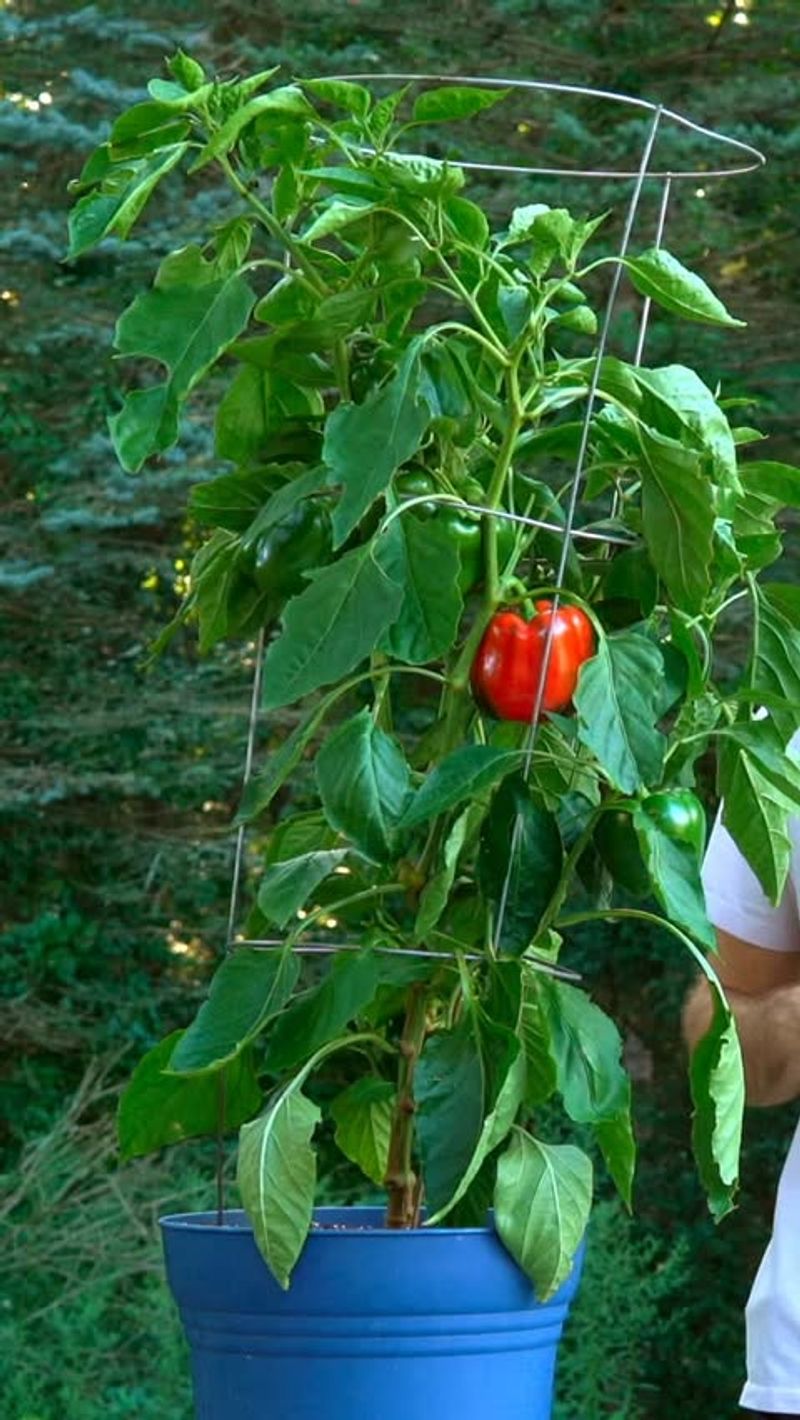
Container growing is one of the smartest moves a pepper gardener can make.
Patios, driveways, deck corners, and sunny side yards suddenly become productive growing space when you put peppers in pots or grow bags.
You are not expanding your garden beds at all, just using space that was sitting empty and unused.
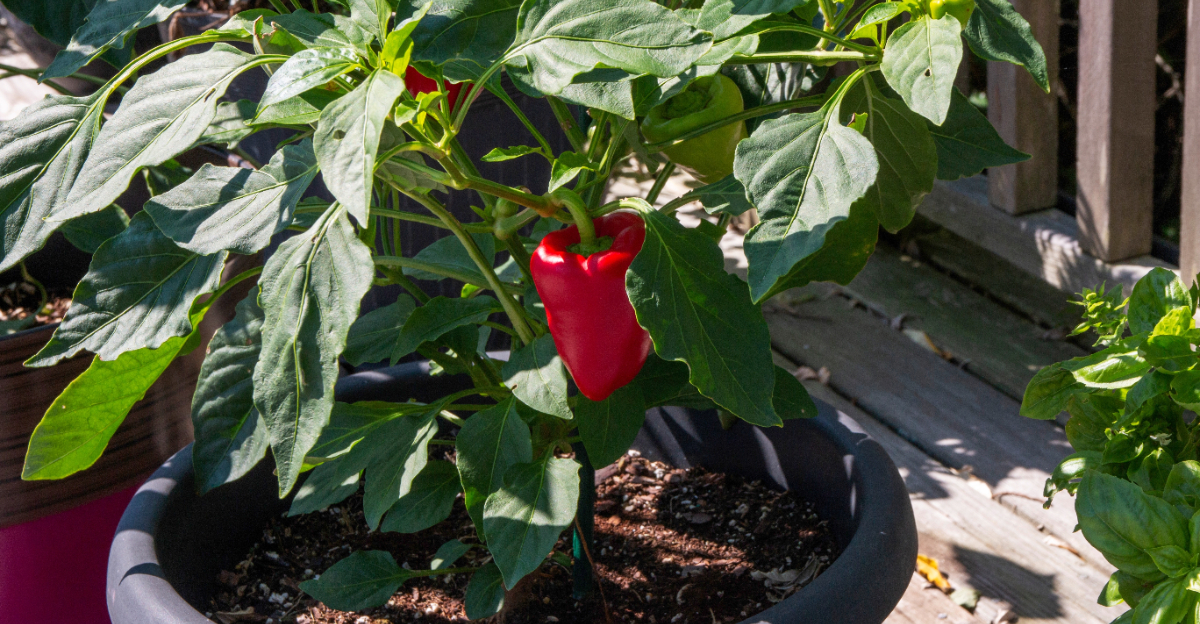
Compact pepper varieties do well in containers as small as 3 to 5 gallons, while larger bell peppers and bigger chile plants need 5 to 10 gallons to thrive.
Always use a high-quality potting mix instead of garden soil, which compacts quickly in containers and drains poorly.
Good drainage holes are non-negotiable because waterlogged roots are one of the fastest ways to ruin a pepper plant.
Adding a layer of mulch on the soil surface of each container helps hold moisture between waterings, which is a real advantage during hot Michigan summers.
Built-in stakes or small cages placed at potting time keep plants upright as they grow and fruit.
Checking ties regularly as stems thicken prevents any constriction later in the season. Watering is the one area where container peppers demand extra attention.
During hot, windy Michigan weather, pots can dry out completely within a single day. Checking moisture levels daily and watering deeply at the base keeps plants from stressing between drinks.
Consistent moisture in containers is directly tied to consistent fruit set, so staying on top of watering pays off at harvest time.
4. Pair Peppers With Compatible Low-Growing Crops
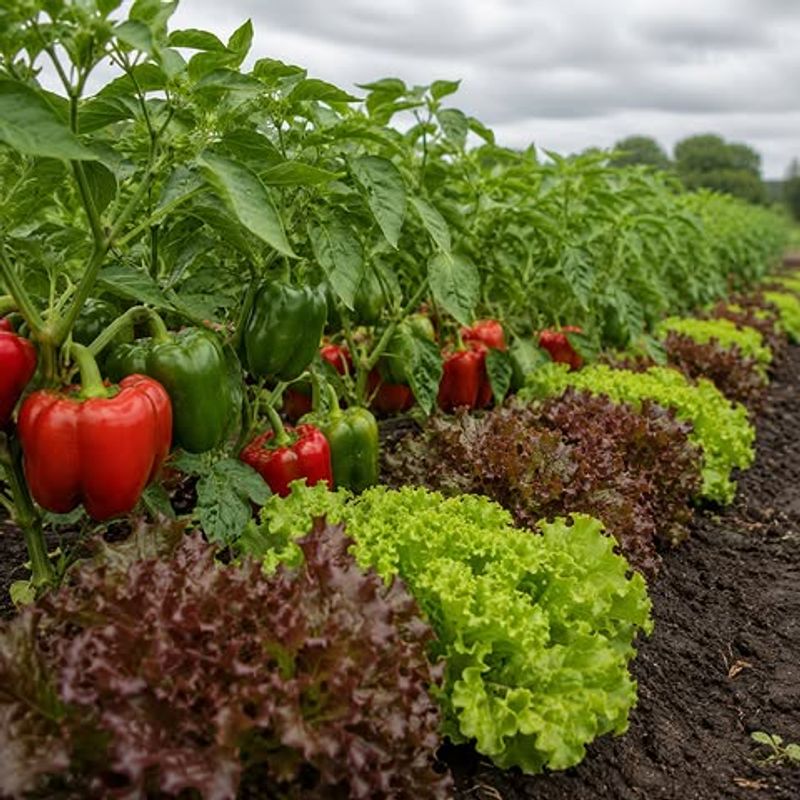
Every garden bed has little pockets of unused space along the edges, between plants, and at the ends of rows.
Filling those gaps with the right companion plants lets you grow more food from the same square footage without crowding your peppers or hurting their performance.
The key word there is compatible because the wrong companions can cause real problems. Peppers need full sun and steady airflow to produce well, so companion plants must stay low and out of the way.
Basil, parsley, cilantro, and scallions are popular choices in gardens because they stay compact, do not compete aggressively for nutrients, and fit neatly into the spaces around pepper stems.
Shallow-rooted herbs work especially well because they do not tangle with pepper roots underground.
During the cooler early weeks of Michigan’s growing season, lettuce can fill empty bed space between young pepper transplants.
Once temperatures climb and peppers start expanding, the lettuce naturally winds down, freeing up that space at just the right time.
Alyssum and nasturtiums planted along bed edges add pollinator-friendly flowers without pushing into the main growing area.
One thing worth remembering is that companion planting fills gaps, it does not replace proper pepper spacing.
Keeping a few inches of open soil around each pepper stem is still essential for airflow and root health.
Large, aggressive crops like squash or sprawling tomatoes should never share a bed with peppers because competition for water and nutrients will show up quickly in smaller, fewer fruits.
5. Choose Earlier, Compact, Or High-Yielding Varieties
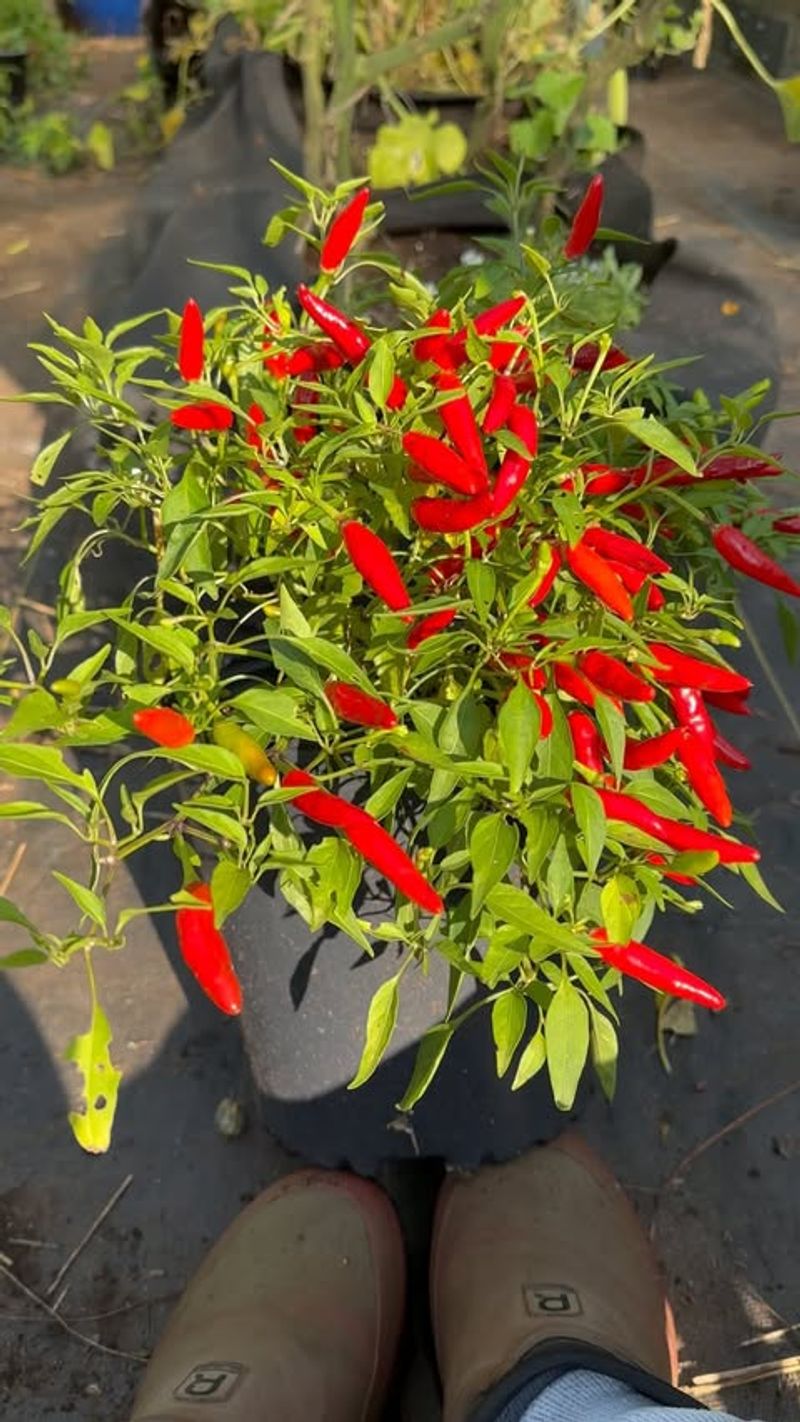
Michigan gardeners work with a shorter warm season than growers in warmer states, and that makes variety selection one of the most powerful tools available.
Choosing a pepper that matures in 60 to 75 days rather than 90 or more days means you get ripe fruit before cool fall weather shuts things down.
That simple choice can be the difference between a bumper harvest and a disappointing one. Early-maturing varieties, compact bush-type peppers, and high-yielding cultivars all give you more productivity from the same amount of space.
Instead of trying to cram in extra plants, selecting a variety that naturally produces heavily means each plant is already doing more work per square foot.
Many compact varieties are also ideal for containers, raised beds, and tight sunny spots where space is genuinely limited.
Peppers are almost always started from transplants in Michigan because direct seeding outdoors simply does not leave enough warm days for full production.
Look for healthy 6 to 8-week-old transplants at local nurseries, or start your own indoors in late winter.
Wait until frost danger has completely passed and soil temperatures have warmed before moving transplants outside, usually late May to early June in most of the state. Reading seed packets and plant tags carefully pays off.
Days-to-maturity numbers, final plant size, and fruit description all help you match the variety to your specific space and goals.
A well-chosen variety working in your favor from day one means you spend less time compensating for problems and more time enjoying a generous, colorful pepper harvest.
6. Maximize Sunlight And Balanced Fertility
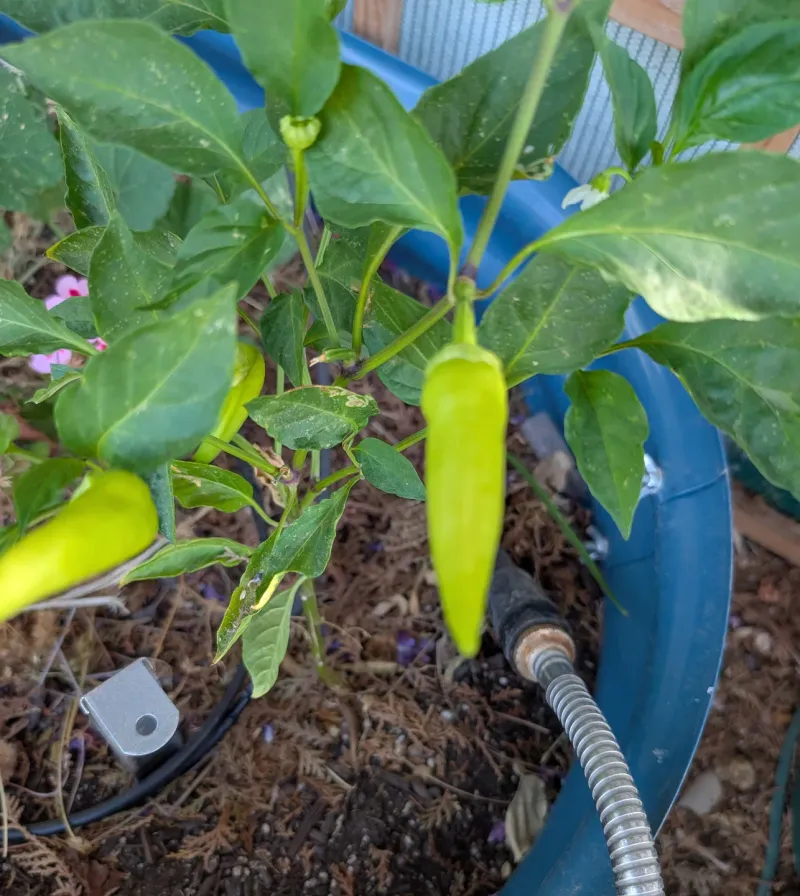
Peppers are sun-loving plants, and no amount of clever spacing or careful watering makes up for a shady spot.
Full sun means at least six to eight hours of direct sunlight daily, and in Michigan, planting in the warmest, sunniest location available gives peppers the heat they need to set fruit reliably.
A south-facing bed or a spot near a heat-retaining wall or fence can make a noticeable difference in a northern garden. Soil fertility matters just as much as sunlight.
Peppers grow best in warm, well-drained soils with moderate fertility, and working in a good layer of compost before planting gives roots a healthy, nutrient-rich foundation.
According to Michigan State University, peppers respond well to fertilizers with a 1-2-2 ratio, such as 5-10-10 or 8-16-16, which support flowering and fruiting rather than excessive leafy growth.
Too much nitrogen is one of the most common mistakes Michigan pepper growers make. High-nitrogen fertilizers push plants to produce lots of lush green leaves while flowering and fruiting slow down noticeably.
Testing your soil before adding fertilizer helps you apply only what your plants actually need, saving money and avoiding nutrient imbalances that reduce your harvest.
Slow-release vegetable fertilizers applied at planting time give peppers a steady nutrient supply through the season without requiring constant reapplication.
Combining good compost with a balanced fertilizer keeps plants productive without overstimulating vegetative growth.
When your soil, sunlight, and fertility are all dialed in, each pepper plant delivers significantly more fruit per square foot of garden space.
7. Train Branches With Soft Ties Or Clips
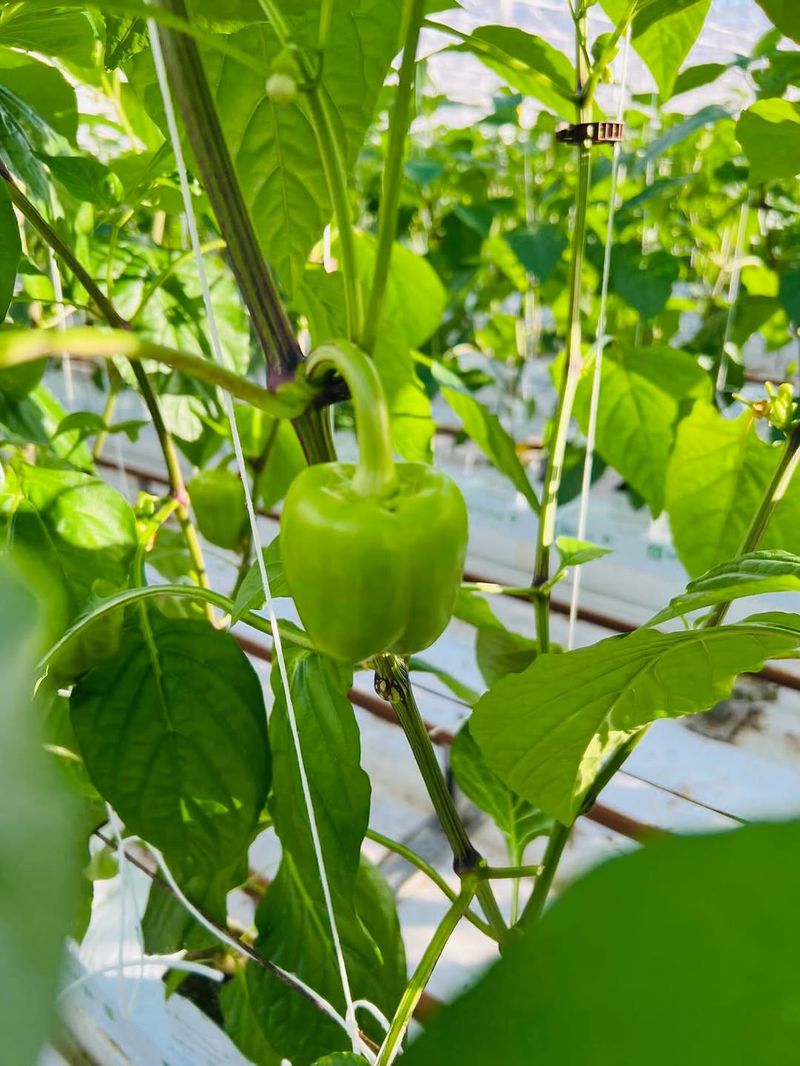
Picture a pepper plant in late July, absolutely loaded with fruit and leaning hard to one side. Without some gentle guidance, that weight can split branches right at the fork, and a split branch means lost fruit and an open wound on the plant.
Training branches with soft ties or clips is a low-cost habit that protects your harvest through the heaviest part of the season.
Soft plant ties, silicone clips, strips of stretchy fabric, or loose loops of garden twine all work well for securing branches.
The most important rule is to tie loosely, always leaving room for the stem to thicken as the season progresses.
Tight ties cut into expanding stems surprisingly fast, so checking your ties every couple of weeks through summer is a smart routine to build.
Wire twist ties and stiff plastic zip ties are worth avoiding around pepper stems because they do not flex as plants grow.
Tying just below a branch fork rather than around a single stem distributes pressure more evenly and gives the branch better support right where it needs it most.
Adding ties before plants are heavily loaded with fruit is much easier than trying to reposition a drooping, fruit-covered branch after the fact. Training also keeps narrow raised beds and container plantings much tidier.
When branches stay upright and compact rather than flopping outward, neighboring plants get better light and airflow, and you can fit more productive plants into the same footprint.
Good training habits combined with proper spacing and consistent watering give every plant in your garden its best possible chance to produce generously.
8. Scout For Pests Early
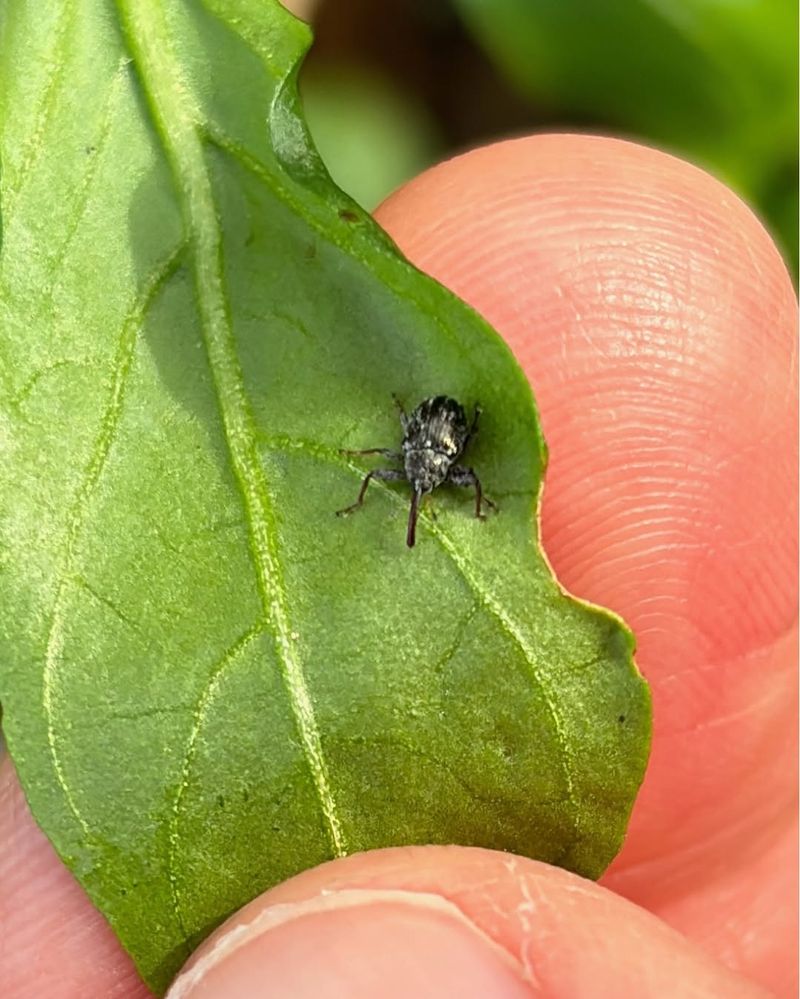
Catching a pest problem early is almost always easier than dealing with a full-blown infestation later.
In a small garden where every plant counts, losing even one pepper plant to unchecked pest pressure can seriously cut into your harvest.
Making a habit of checking plants a few times each week takes only minutes and can save you a lot of frustration down the road.
Aphids, spider mites, flea beetles, and caterpillars like hornworms are among the most common pests Michigan pepper growers encounter.
Aphids and spider mites tend to cluster on the undersides of leaves, so flipping leaves over during your scouting checks is essential.
Flea beetles leave tiny round holes in foliage, while hornworms are large enough to spot fairly easily once you know what to look for.
Integrated pest management keeps things practical and effective without reaching for harsh chemicals automatically.
Removing pests by hand, using row covers over young transplants during the earliest weeks, and encouraging beneficial insects like ladybugs and parasitic wasps all help keep pest pressure naturally in check.
Healthy, well-watered plants are also more resilient and better at recovering from minor pest activity.
When pest numbers climb despite those efforts, labeled least-toxic controls such as insecticidal soap or neem oil are reasonable options to reach for.
Avoiding broad-spectrum insecticides protects the beneficial insects that help your garden stay balanced.
Staying observant, acting quickly when you spot trouble, and keeping plants healthy through good watering and fertility practices form the most reliable pest management plan any gardener can follow.
9. Keep Moisture Consistent
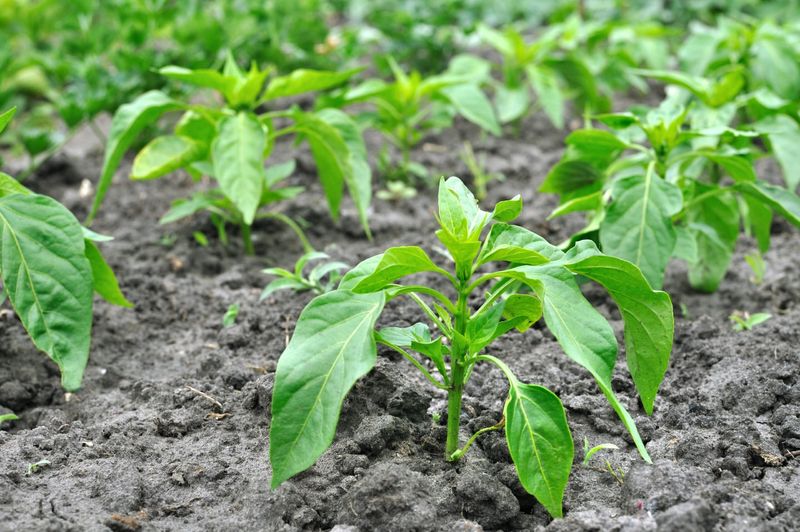
Water might be the single most underestimated factor in pepper production. Peppers have medium to high water needs, and their root systems are relatively shallow compared to other vegetable crops.
That combination means they feel moisture swings quickly and respond to uneven watering with dropped flowers, smaller fruit, and sometimes blossom-end rot, a frustrating condition caused by inconsistent calcium uptake linked to irregular watering.
Watering deeply at the base of each plant, rather than splashing water across leaves, keeps moisture where roots need it most and reduces the risk of foliar disease.
Drip irrigation lines and soaker hoses are excellent options for in-ground pepper beds because they deliver slow, steady moisture directly to the root zone.
Many pepper guides recommend roughly one to two inches of water per week, though hot, dry, or windy Michigan weather can push that need higher.
Mulching the soil surface around pepper plants makes a significant difference in how well moisture is retained between waterings.
A two to three inch layer of straw, shredded leaves, or wood chips slows evaporation, moderates soil temperature, and reduces how often you need to water during dry stretches.
Mulch is especially valuable in containers, where soil dries out far faster than in the ground. Container-grown peppers need the most attention when summer heat peaks.
Checking pots daily and watering thoroughly whenever the top inch of soil feels dry keeps roots from going through stressful dry cycles.
Soggy, waterlogged soil is just as harmful as drought, so good drainage is always part of the equation.
Steady moisture throughout the season translates directly into steady, generous fruiting from every plant you grow.