Why Your Illinois Yard Goes Dark At Night And How To Bring The Fireflies Back
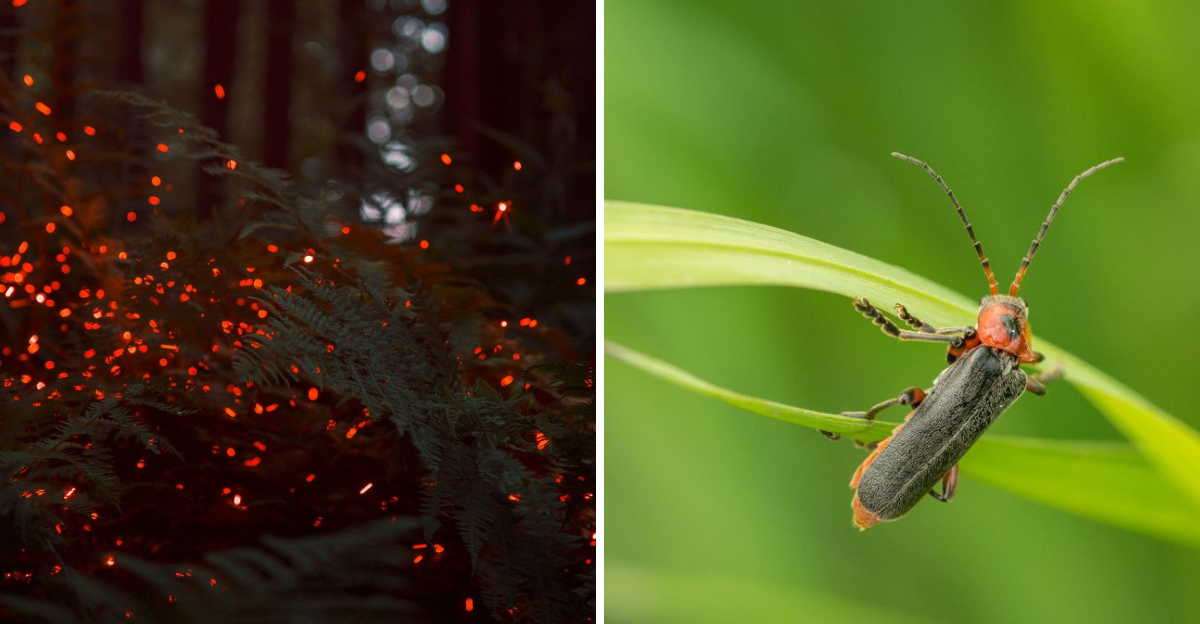
Illinois summer nights used to feel alive in a way that is genuinely difficult to put into words.
My grandmother would cut the porch light and whisper, “watch the yard,” and the whole lawn would pulse with floating lanterns.
It felt like the earth itself was breathing light. Where did all of that go?
Fireflies that once turned ordinary Illinois backyards into something resembling a fever dream of golden sparks are disappearing, and most homeowners have no idea their own habits are quietly to blame.
Not pesticide factories. Not developers. Just everyday yard decisions that send these remarkable beetles packing before a single egg gets laid.
The fixes are closer than you think, and once you see them, you cannot unsee them. Your backyard is one decision away from becoming something worth standing in the dark for.
1. Spraying Mosquito Foggers
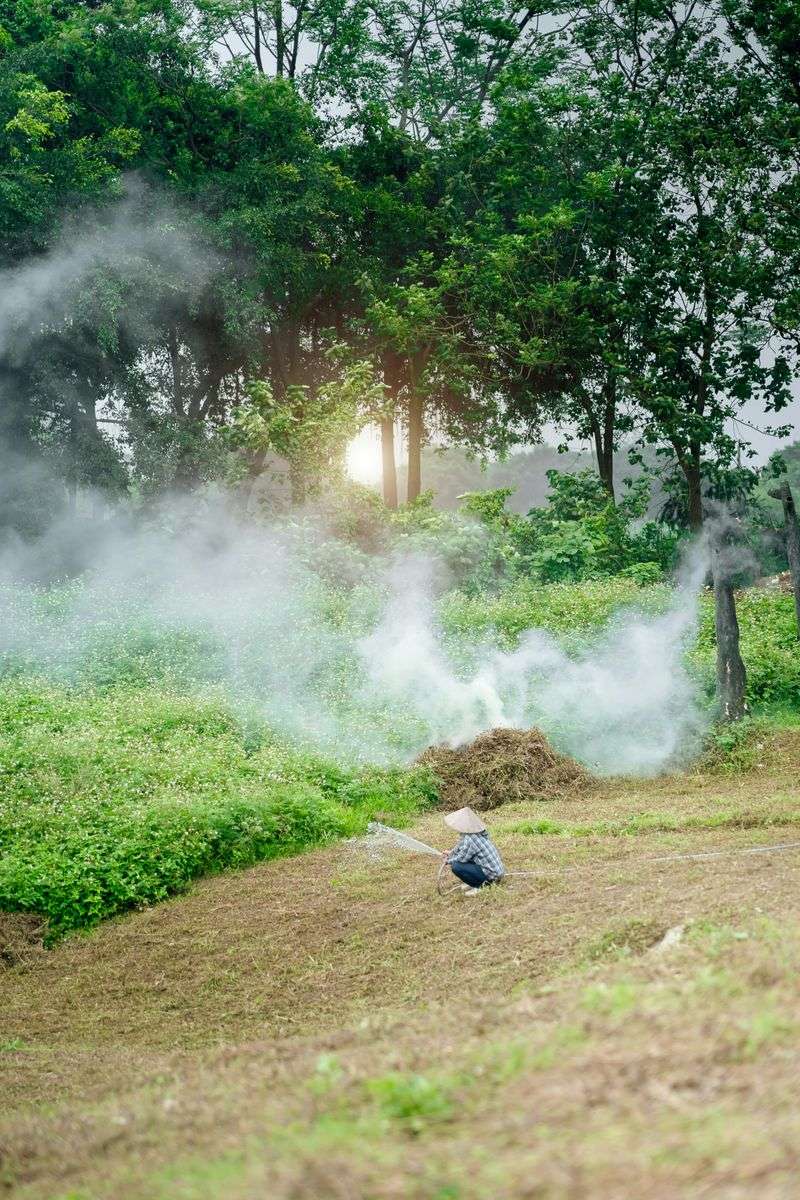
Mosquito foggers feel like a solution, but they come with a hidden cost. Those thick clouds of pyrethrin or permethrin mist do not stop at mosquitoes.
Fireflies, which are technically beetles, are just as sensitive to these chemicals as any other flying insect in your yard.
Research from the Xerces Society has found that professional mosquito spraying services can noticeably reduce firefly populations in treated areas.
The chemicals linger on leaves, grass blades, and soil surfaces for days after application. Any adult firefly landing in a recently fogged zone is at serious risk of exposure.
Fireflies are most active between dusk and midnight during late spring and summer, which is exactly when most fogging services operate.
Scheduling treatments in the early morning, if you must use them at all, gives fireflies a fighting chance since they are less active during daylight hours.
Natural alternatives like bat houses, dragonfly-friendly water features, and eliminating standing water tackle the mosquito problem without collateral damage.
Bats consume large quantities of flying insects each night, mosquitoes included, making them one of the most firefly-safe options available.
Reducing your reliance on foggers even by one or two applications per season could make a noticeable difference in how many lights blink across your lawn on a warm summer night.
2. Raking Up All Leaves In Fall
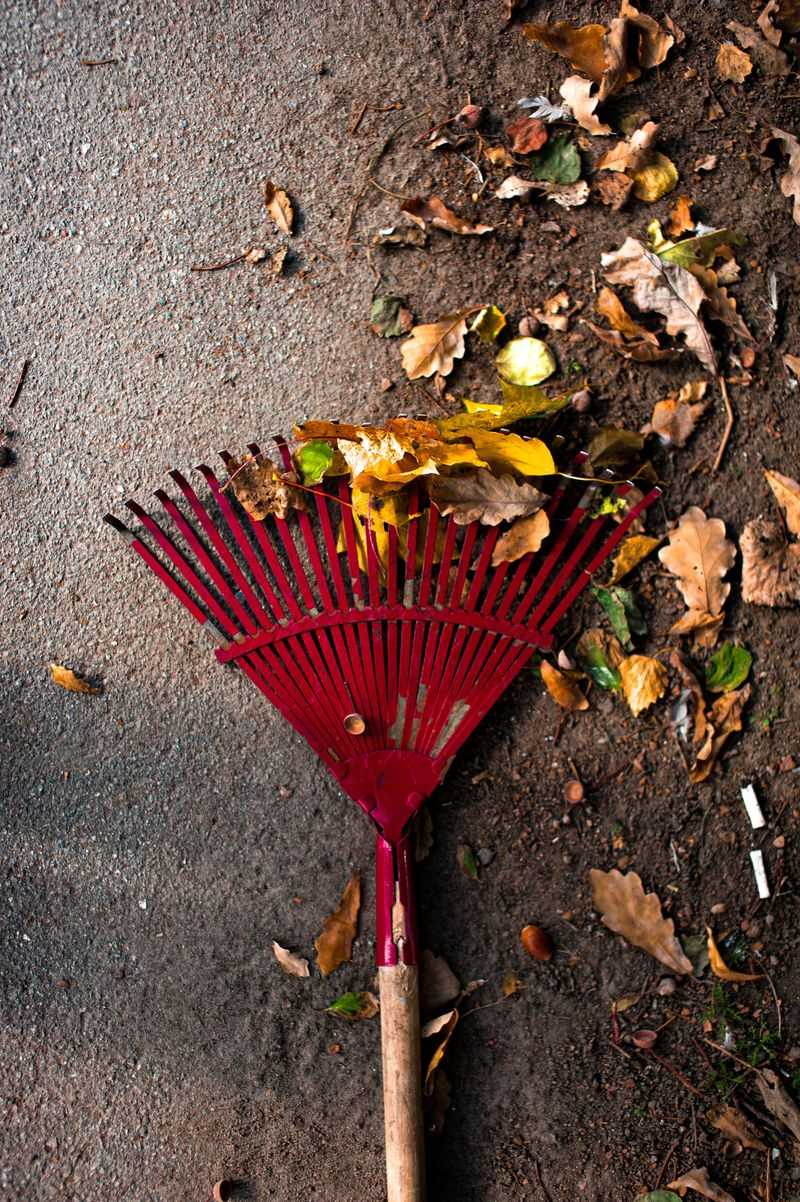
Leaf litter is not just yard debris. For firefly larvae, a thick blanket of fallen leaves is essentially a five-star hotel.
Those decaying layers hold moisture, harbor the small invertebrates larvae eat, and provide insulation against freezing temperatures during the long Illinois winter.
When you rake every single leaf off your property and haul it to the curb, you are stripping away the microhabitat that firefly young need to make it through to spring.
The larvae burrow into loose leaf piles and moist soil beneath them. They wait out the cold months before they pupate and eventually emerge as adults the following summer.
Leaving a designated leaf zone in a corner of your yard, under a tree, or along a fence line costs you nothing. It gives fireflies a place to overwinter safely.
Your Illinois Garden Changes Every Week. Your Plan Should Too.
Gardening in Illinois changes quickly throughout the season. Every Friday you’ll receive a simple weekly plan showing exactly what to plant, prune, fertilize, harvest, and protect so you never miss the right timing.
You do not need to let your whole lawn go wild. Even a modest patch of undisturbed leaf mulch can support a surprising number of developing larvae.
Composting your leaves on-site instead of bagging them is another great option. A simple leaf pile in an out-of-the-way spot breaks down over winter and enriches your soil by spring.
Think of those fallen leaves less like a chore and more like free habitat material that helps fireflies light up your Illinois evenings all summer long.
3. Using Pesticides And Insecticides
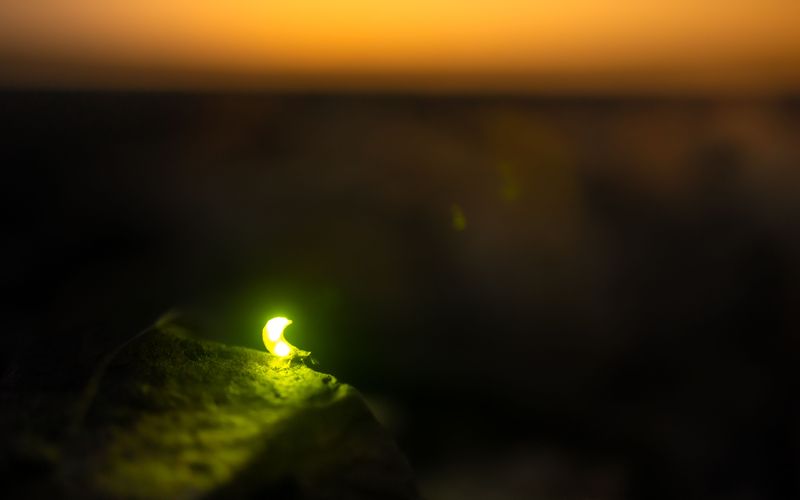
Pesticides do not discriminate. When you spray chemicals across your lawn or garden beds, you are not just targeting the pests you can see.
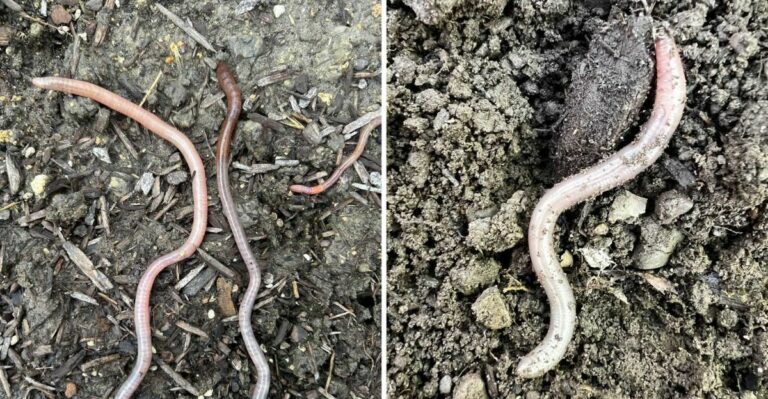
Firefly larvae live underground and feed on soft-bodied insects, slugs, and worms. Broad-spectrum insecticides wipe out the very food source these glowing beetles depend on to survive.
Most people do not realize that fireflies spend up to two years as larvae before they ever light up the night sky.
During that long underground phase, they are incredibly vulnerable to soil-absorbed chemicals.
One heavy treatment could potentially affect a local firefly population for more than one season.
Organic alternatives are widely available and far less damaging to beneficial insects.
Neem oil, diatomaceous earth, and targeted biological controls can address specific pest problems without scorching the soil food web.
Switching to these options does not mean your yard becomes overrun with unwanted bugs. Spot-treating problem areas instead of blanket-spraying your whole property is a smart, practical shift.
Talk to a local garden center about integrated pest management strategies that protect the insects you actually want around.
Your yard can stay healthy and pest-managed without becoming a no-fly zone for fireflies.
4. Mowing Too Frequently And Too Short
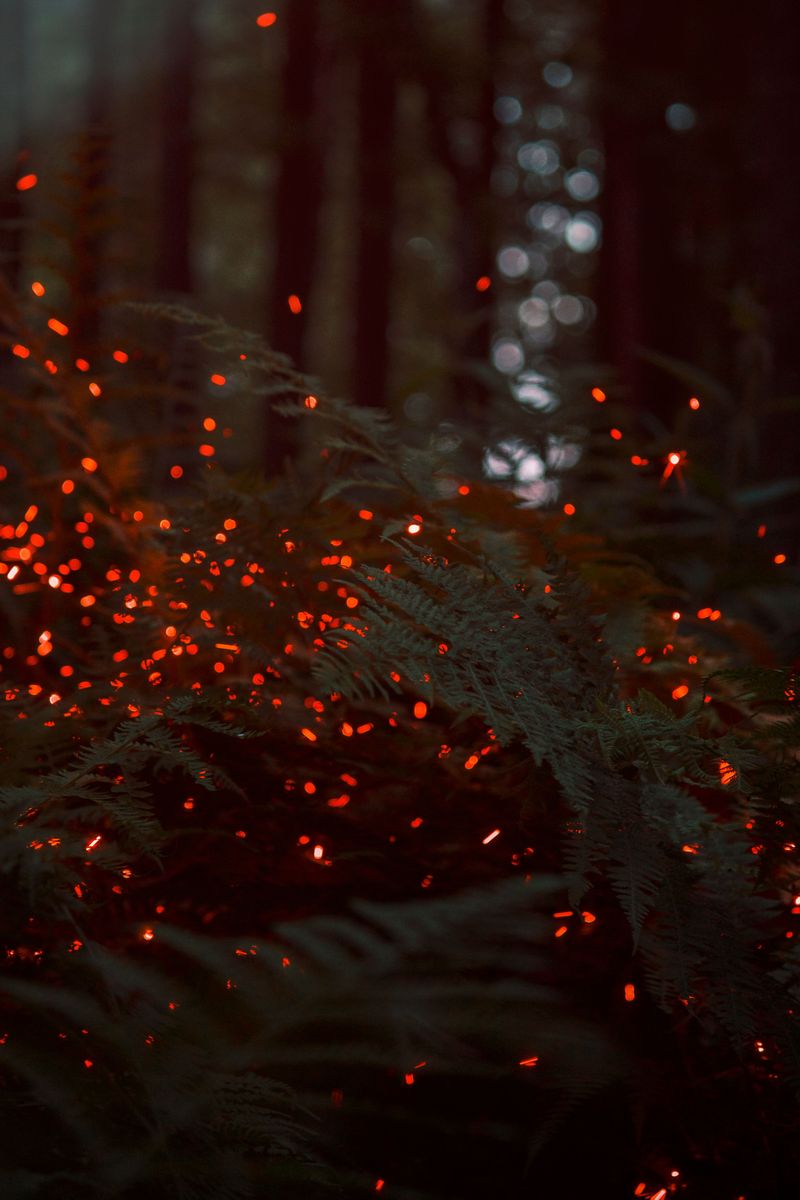
Scalped lawns are firefly deserts. When grass is cut too short and too often, adult fireflies lose the tall vegetation they need to perch, signal, and find mates after dark.
Males flash from low flight while females respond from blades of grass. Without that vertical structure, the whole mating ritual breaks down.
Most lawn care guides recommend keeping grass between three and four inches tall, but many homeowners push their mowers down to an inch or two for that manicured look.
That short cut removes the sheltered microclimate near the soil surface where fireflies prefer to rest during the day.
It also dries out the lawn much faster, reducing the moisture levels that firefly larvae depend on underground.
Mowing less frequently, especially in late spring and early summer when firefly activity peaks, gives adults the cover they need to reproduce successfully.
Even a strip of taller grass along a fence can serve as a reliable firefly gathering spot. Raising your mower deck by just one notch makes a measurable difference for your local firefly population.
Taller grass stays cooler, holds more moisture, and supports a richer ecosystem below the surface.
Small adjustments to your mowing routine can make your lawn noticeably more hospitable to fireflies by midsummer.
5. Leaving Outdoor Lights On At Night
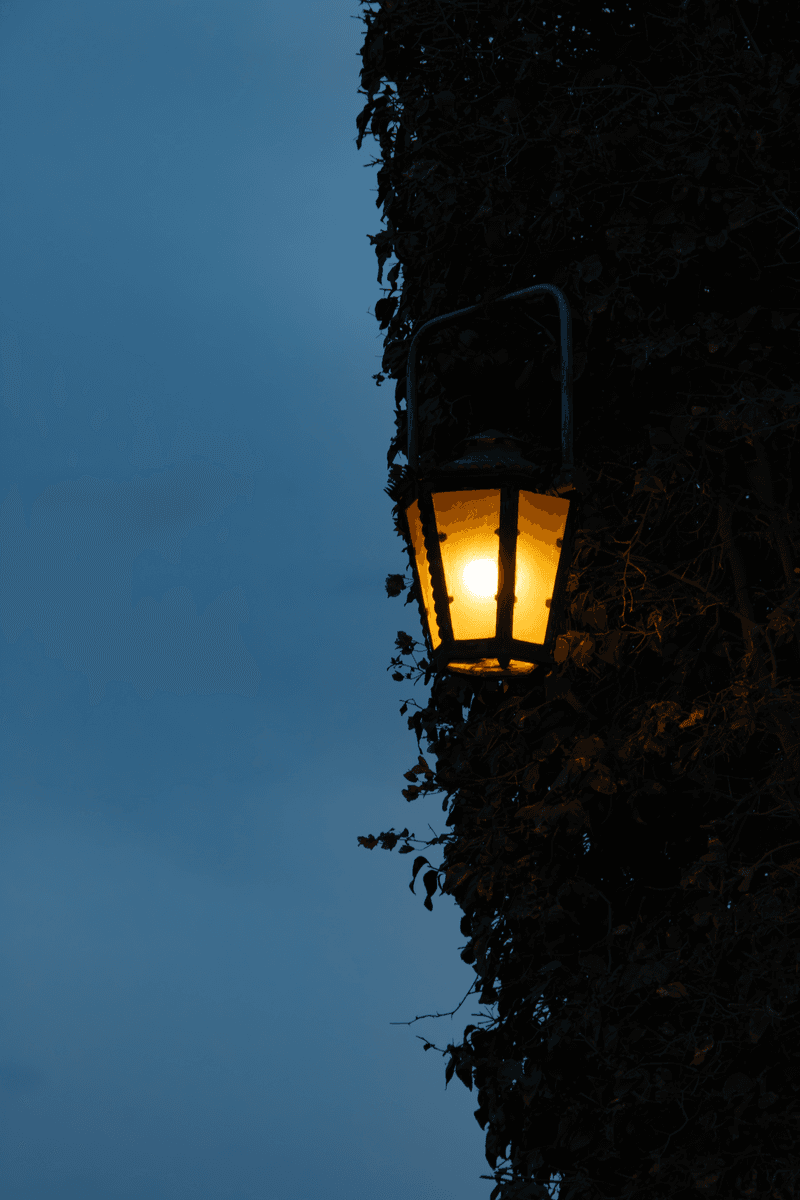
Light pollution is one of the biggest threats fireflies face today. Fireflies communicate almost entirely through bioluminescent flashing.
When your yard is flooded with artificial light from porch fixtures, floodlights, or landscape LEDs, their signals get completely drowned out.
Males cannot find females, females cannot respond, and the whole population quietly shrinks season after season.
Research associated with firefly conservation work at Tufts University suggests that even moderate levels of artificial light at night can suppress firefly flash activity significantly.
The insects appear to either stop flashing altogether or abandon well-lit areas in favor of darker locations.
Over time, repeated light exposure discourages fireflies from attempting to establish in a yard that is never truly dark.
Motion-sensor lights are a much smarter option than lights that stay on all evening.
They provide safety and security when you actually need them without blasting the yard with constant brightness during peak firefly hours.
Amber-toned bulbs emit less blue and white spectrum light and are far less disruptive to insect behavior than standard white LEDs.
Fireflies are drawn to darkness the way we are drawn to a quiet room after a noisy day. Creating even one dark corner in your yard could be enough to bring these glowing beetles back for good.
6. Removing Rotting Logs And Decaying Wood
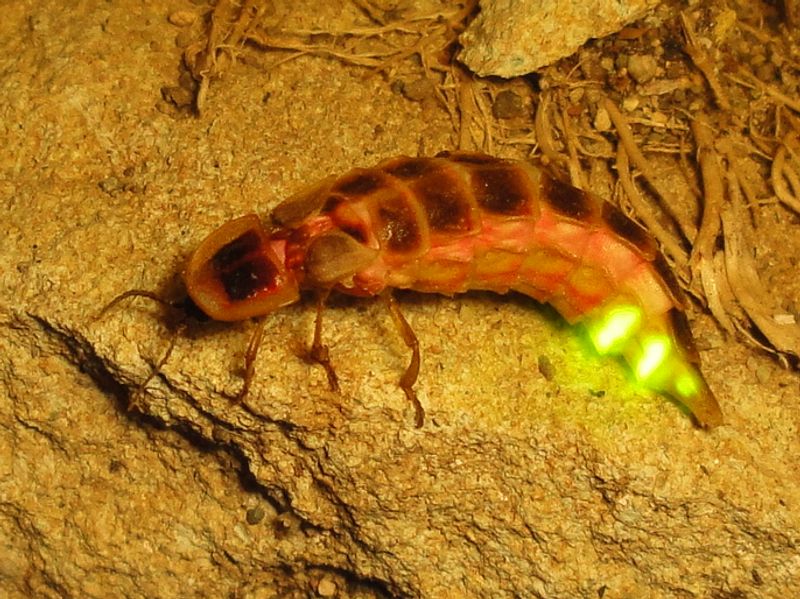
That old fallen log in the corner of your yard is not an eyesore. For fireflies, it is a nursery, a hunting ground, and a shelter all rolled into one.
Decaying wood hosts the snails, slugs, and soft invertebrates that firefly larvae feed on during their long underground development phase.
Many homeowners clean up every scrap of rotting timber as part of routine yard maintenance, not realizing they are clearing away prime firefly habitat in the process.
The moist, decomposing environment beneath and around old logs creates exactly the kind of cool, humid microclimate that firefly larvae thrive in throughout the warmer months.
Without these features, the soil becomes too dry and too exposed for larvae to successfully develop. You do not need a forest in your backyard to make a difference.
One or two small logs tucked into a shaded garden border or along a fence line provide solid ecological value.
Placing them near a downspout or beneath a dense shrub makes them even more attractive to firefly larvae.
Log piles also support beneficial organisms, from ground beetles to salamanders, that contribute to a healthier yard ecosystem overall.
Keeping even one piece of natural wood on your property can make a meaningful contribution to how many fireflies find their way into your Illinois backyard.
7. Over-Paving And Developing Yard Space
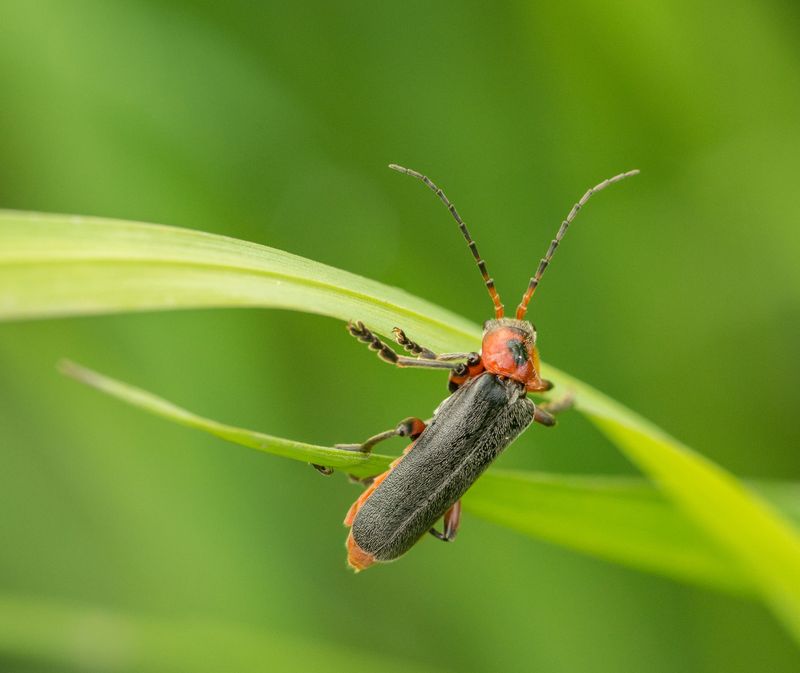
Concrete does not glow. Every square foot of your yard that gets covered with pavers, poured concrete, or compacted gravel is a square foot of habitat permanently lost for ground-dwelling insects like fireflies.
As more yards across the state get turned into outdoor living spaces with patios, fire pit pads, and parking extensions, the soft natural soil that firefly larvae need simply disappears.
Firefly larvae are not mobile creatures. They spend most of their lives within a fairly small area of moist, loose soil, and once that ground is sealed under hardscape, there is no moving to a new spot.
Populations that have lived in a yard for years can vanish within a single landscaping season when their habitat gets paved over.
Permeable pavers and gravel options that allow water and air to pass through the surface are a more wildlife-conscious choice when hardscaping is necessary.
Leaving borders of natural soil, mulch, or native plantings around patios gives fireflies a refuge alongside your outdoor living space.
Even a narrow planting bed between a patio edge and the lawn can serve as a meaningful habitat corridor.
Your outdoor space can still be beautiful and functional without squeezing out the natural features that make an Illinois summer evening worth stepping outside for.
8. Keeping Soil Too Dry

Dry soil is one of the quietest obstacles standing between your yard and a thriving firefly population. Firefly larvae need consistently moist ground to hunt.
They also breathe through their skin and complete a multi-year development cycle entirely underground.
When soil dries out completely between waterings, larvae either fail to develop or move toward wetter areas. That often means leaving your yard entirely.
Illinois summers can get brutally hot and dry. Many homeowners either underwater their lawns or choose drought-tolerant landscaping that keeps soil intentionally arid.
There is a balance to strike. Lawn areas with moderate, consistent moisture near wooded edges are far more likely to support firefly populations than sun-baked turf.
Mulching garden beds heavily with wood chips or shredded leaves helps retain soil moisture between rain events. It does this without requiring extra irrigation.
Native plants with deeper root systems help maintain soil structure and moisture levels naturally over time.
A yard that holds onto water a little longer after rain stays hospitable to firefly larvae throughout the growing season.
Keeping your Illinois yard adequately hydrated, especially in shaded corners where fireflies prefer to gather, is one of the simplest changes you can make.
Do that consistently and those glowing nighttime visitors will find their way back for good.
9. Plant Native Wildflowers And Ground Cover To Keep Them Around
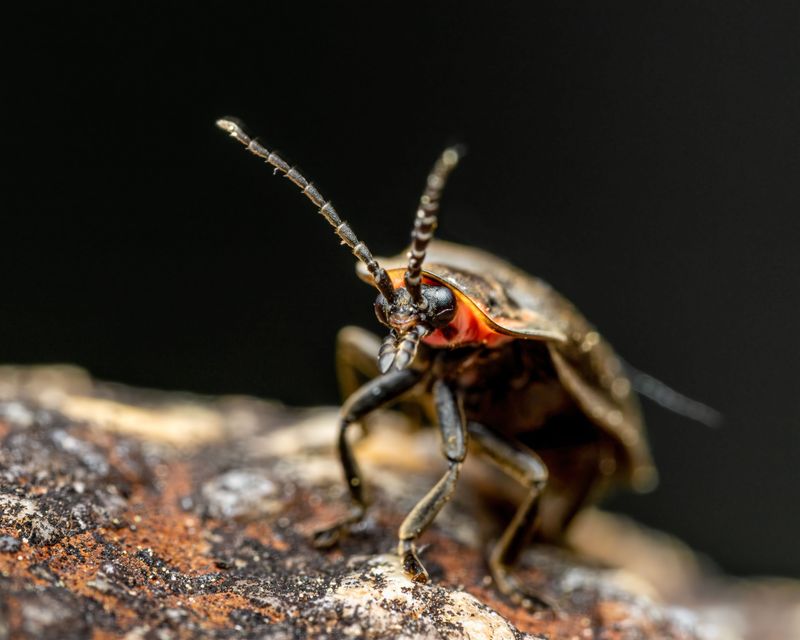
Native wildflowers are not just pretty. They are functional infrastructure for fireflies.
Plants like black-eyed Susans, wild bergamot, and native goldenrod attract the small insects and soft invertebrates that firefly larvae hunt during their underground development phase.
Dense ground cover keeps soil cooler and retains the moisture larvae depend on between rain events.
Low-growing natives like wild ginger and Pennsylvania sedge create a living carpet near the soil surface.
That layer shields larvae from heat, reduces soil compaction, and builds the kind of rich organic environment where firefly populations quietly establish themselves season after season.
Taller native plants also give adult fireflies the vertical structure they need to perch and signal after dark. Without that structure, mating activity slows down considerably.
You do not need a full wildflower meadow to see results. Even a modest border of native plantings along a fence or garden edge makes a genuine difference.
Mixing plants of different heights creates layered habitat that supports fireflies at every stage of their life cycle.
Choose plants native specifically to Illinois for the strongest ecological impact.
A yard that feeds, shelters, and supports fireflies from larva to adult is a yard that earns those golden summer lights every single season.
10. Install A Shallow Water Feature To Keep Them Around
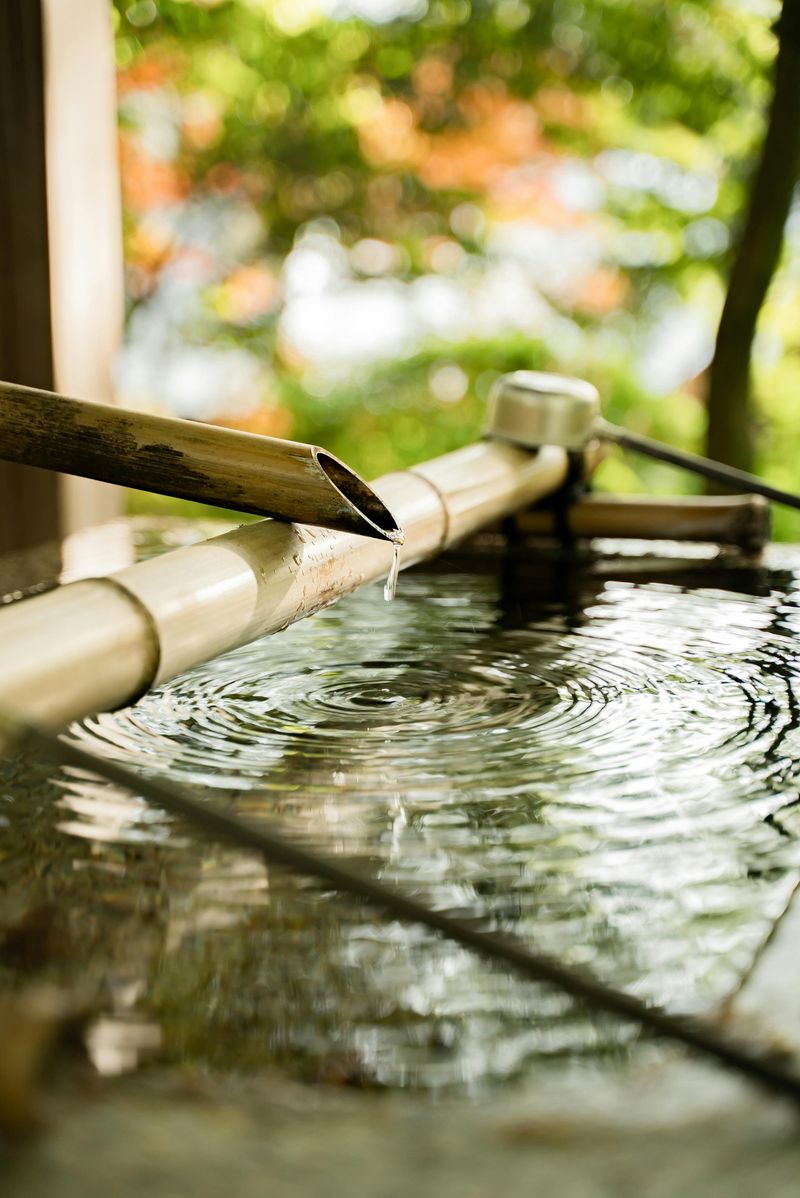
Standing water is something fireflies are strongly drawn to, as long as it is clean and shallow.
A small garden pond or shallow basin near a planted border signals exactly the kind of habitat they are looking for.
Still or slow-moving water supports the aquatic snails and soft-bodied invertebrates that firefly larvae feed on during their long development phase.
Keep the water shallow and line the edges with native moisture-loving plants like blue flag iris or cardinal flower.
Those plants attract additional prey species while keeping the water feature looking natural and intentional.
Avoid stocking it with fish, which consume the very invertebrates you are trying to encourage.
Clean it gently and infrequently to preserve the small organisms living in and around it.
A water feature also raises the humidity level in the immediate surrounding area. That boost in ambient moisture benefits firefly larvae living in nearby soil.
You do not need a large installation to make an impact. Even a half-barrel water garden tucked into a shaded corner of your Illinois yard can draw fireflies back within a single season.
Place it near a leaf litter zone or a few decaying logs and you are building a complete firefly habitat without much effort at all.
11. Create A Dedicated Dark Zone To Keep Them Around
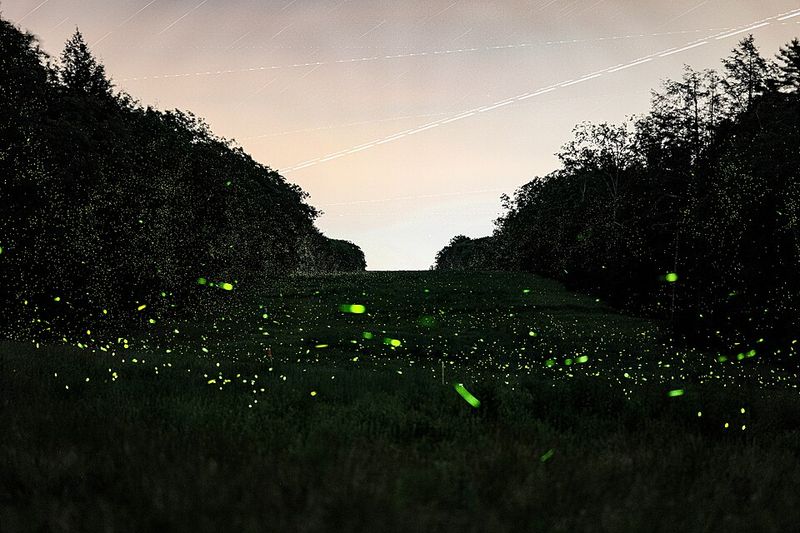
Darkness is not emptiness. For fireflies, it is everything. Setting aside one area of your yard that stays genuinely dark from dusk onward makes a real difference.
Adult fireflies need that uninterrupted signaling environment to find mates and reproduce successfully.
Choose a corner near trees, dense shrubs, or a garden border, somewhere naturally sheltered from street lights and neighboring properties.
Turn off any fixtures that illuminate that zone and redirect landscape lighting away from it entirely.
Plant taller native grasses or shrubs along the perimeter to act as a light buffer between your dark zone and the rest of the yard.
Even a modest dark patch of ten to fifteen square feet can serve as a reliable firefly gathering spot on warm summer nights.
Fireflies that find a consistently dark and hospitable area tend to return to it repeatedly. Over one or two seasons, that corner can become a genuine hotspot of flash activity.
Pair this dark zone with a leaf litter area and a few decaying logs nearby and you are essentially building a complete firefly habitat in one corner of your Illinois yard.
The results tend to show up faster than most homeowners expect. Give fireflies the dark they need and they will reward you with a light show worth staying outside for.