These Are The Florida Invasive Plants Experts Recommend Removing Before Summer
Summer in Florida gives invasive plants everything they need to get completely out of hand. Heat, humidity, and reliable rainfall turn a manageable problem in spring into a serious one by August.
Experts who track invasive species across the state say the same thing every year. Get ahead of it before summer hits.
Most homeowners do not realize how many invasive plants are quietly growing in their yards right now, mixed in with ornamentals and creeping along fence lines. Some are spreading into natural areas from seeds that birds dropped without anyone noticing.
Some of them have been there for years looking harmless. A few are actively moving into neighboring green spaces and natural preserves.
The window to address them before summer accelerates the spread is narrow and it is open right now. So which invasive plants are experts most concerned about in Florida yards this season and why does timing matter so much?
1. Remove Air Potato Before Vines Take Over Summer Growth
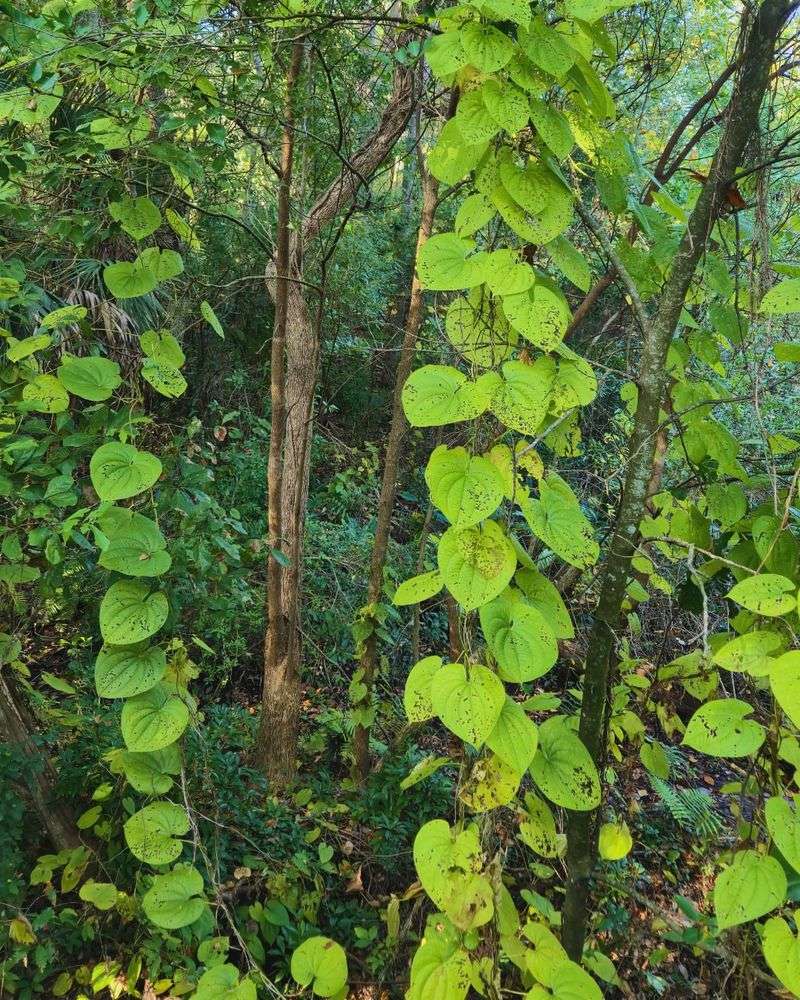
Picture this: you walk outside on a warm May morning and a thick green vine has climbed halfway up your fence overnight. That is exactly how air potato behaves as temperatures rise.
According to UF/IFAS, air potato (Dioscorea bulbifera) is a Category I invasive plant in this state, meaning it is altering native plant communities in measurable ways.
What makes this vine especially tricky are the aerial bulbils, the small potato-like growths that form along the stem. Each bulbil can sprout a new plant, so a single vine left unmanaged heading into summer can become a much larger problem by August.
UF/IFAS notes that these bulbils drop to the ground, get moved by water, or get carried in yard waste, making spread surprisingly easy.
Start by cutting the vine back and collecting every bulbil you can find from the ground and surrounding area. Do not compost them and do not bag them with yard debris that goes to natural areas.
Check with your local UF/IFAS Extension office before using any herbicide treatment, since larger infestations often need a targeted approach. The air potato leaf beetle has also been released as a biological control agent in this state.
Ask your county Extension office whether that option applies to your situation.
2. Pull Mexican Petunia Before Rain Spreads New Shoots
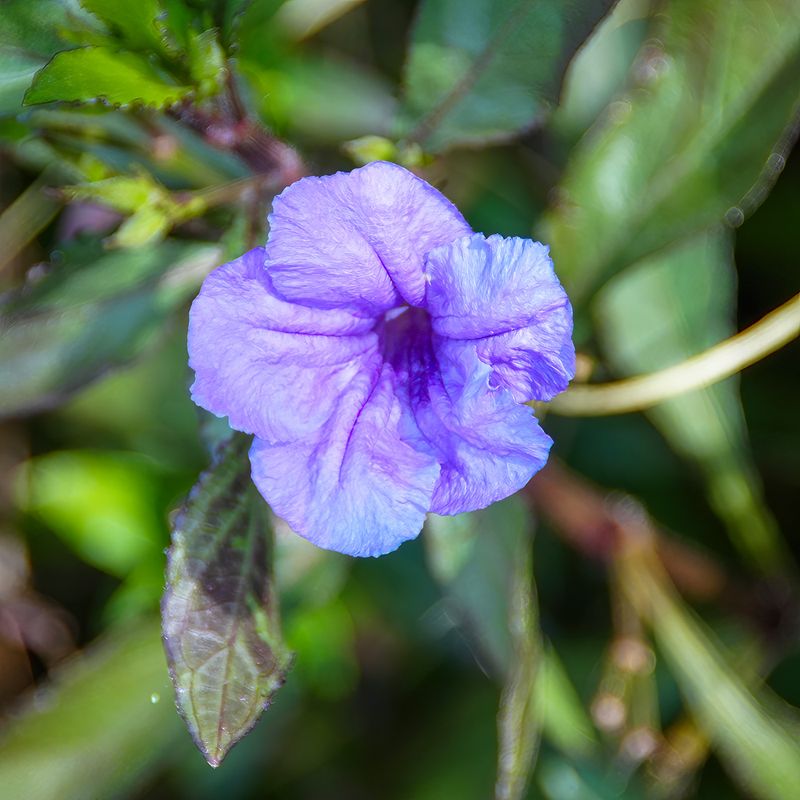
Those cheerful purple blooms near the walkway can look completely innocent in April. By July, after a few weeks of summer rain, the patch has doubled in size and crept into the lawn, the neighbor’s yard, and the drainage swale nearby.
That is the pattern UF/IFAS and the Invasive Species Council have documented with Mexican petunia, known botanically as Ruellia simplex.
Listed as a Category I invasive by the Florida Invasive Species Council, this plant spreads both by underground rhizomes and by seeds that pop from the capsule when wet.
Fragments left in the soil can resprout, which means a quick pull-and-toss is not enough.
UF/IFAS Gardening Solutions specifically notes that it is not the same plant as native Carolina wild petunia (Ruellia caroliniensis). That native species supports pollinators and belongs in local gardens.
Your Florida Garden Changes Every Week. Your Plan Should Too.
Gardening in Florida changes quickly throughout the season. Every Friday you’ll receive a simple weekly plan showing exactly what to plant, prune, fertilize, harvest, and protect so you never miss the right timing.
Remove small patches by hand before summer rain arrives, making sure to get the roots. Keep all fragments and soil away from storm drains, canals, and natural areas, since water can carry pieces far from the original site.
For larger patches, consult your county Extension office for the most current removal guidance. Native Ruellia caroliniensis is a strong, source-backed replacement that fills a similar visual role without the invasive risk.
3. Cut Back Skunkvine Before It Smothers Nearby Plants
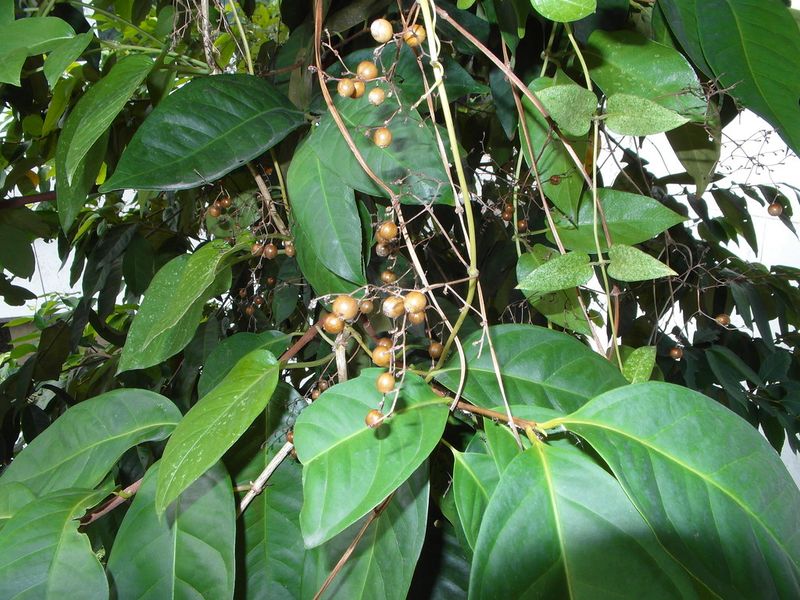
A thin, twisting vine appears at the base of a shrub in early spring. By mid-summer, that same shrub is completely hidden under a dense green blanket, and the vine has reached the fence, the tree overhead, and the neighbor’s hedge.
Skunkvine (Paederia foetida) works exactly like that, and UF/IFAS lists it as a Category I invasive in this state.
The name is not flattering, and for good reason. Crushing or cutting the stems releases a strong, unpleasant odor, which is one of the easiest ways to confirm what you are dealing with before removal.
According to UF/IFAS, skunkvine climbs by twining and can cover and suppress shrubs, small trees, and other desirable plants when left unchecked through a warm season.
Early identification is the most practical advantage a homeowner has with this plant. Catching it in spring, before it layers over everything nearby, makes removal far more manageable.
Cut stems carefully rather than ripping large vines from trees, since pulling hard can damage the host plant and scatter pieces. Bag all material and follow your county Extension office’s disposal guidance.
Do not leave cut sections on the ground where they can reroot. UF/IFAS recommends consulting local Extension for herbicide options on established infestations, especially where the vine has climbed into tree canopies.
4. Remove Coral Ardisia Before Berries Spread Farther
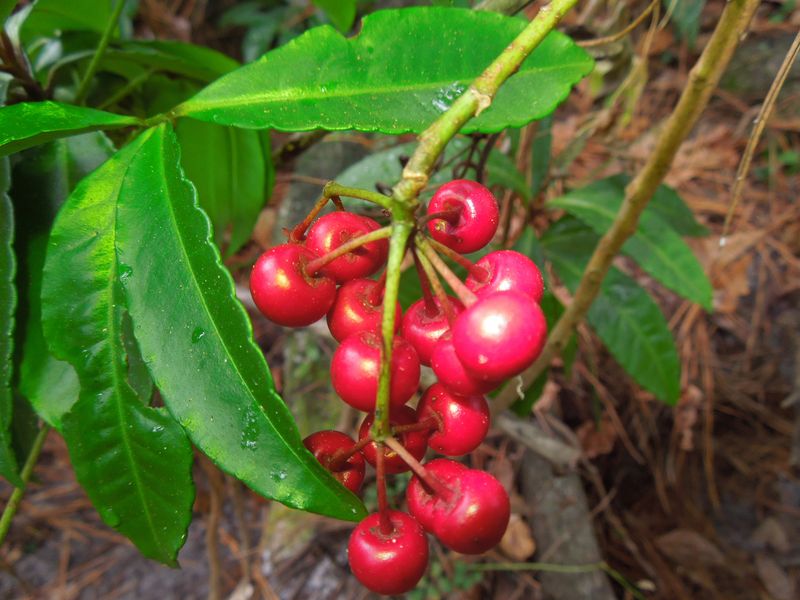
A shady bed dotted with glossy leaves and clusters of bright red berries can look like something a landscape designer planned. Coral ardisia (Ardisia crenata) has exactly that polished appearance.
That is part of why it ended up in so many home gardens before its invasive status became widely known. UF/IFAS lists it as a Category I invasive, and the Invasive Species Council echoes that concern.
Birds eat the berries and carry seeds into natural areas, wooded lots, and hammocks, where seedlings establish under the shade of native trees.
Because the plant looks tidy and ornamental, homeowners sometimes mistake it for a native or a harmless landscape shrub.
The red berries and waxy leaves can persist well into summer, giving wildlife plenty of time to move seeds far from the original plant.
Act before berries fully ripen and before summer growth thickens the surrounding vegetation, making small plants harder to spot. Remove the entire root system when pulling by hand, since leaving roots behind allows resprouting.
Do not share seedlings with neighbors, and do not add berries, seeds, or pulled plants to compost. Bag all material and dispose of it according to local solid waste guidelines.
For established plants with woody stems, check with your UF/IFAS county Extension office for the most current herbicide and removal recommendations suited to your region.
5. Tackle Brazilian Pepper Before Summer Seedlings Settle In
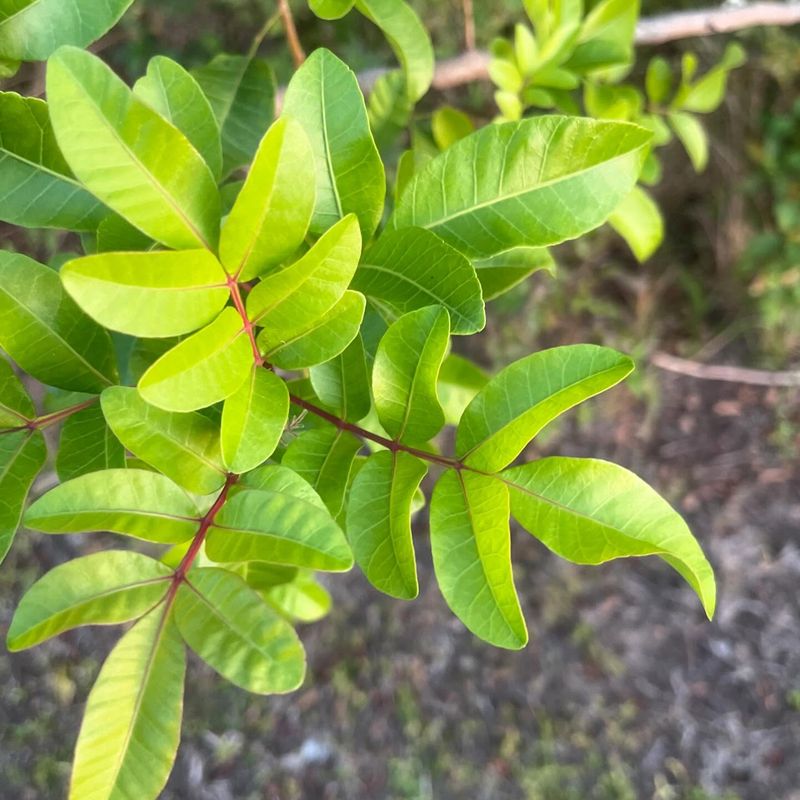
A small seedling near the fence line looks easy to ignore. It barely reaches knee height in spring, and with everything else going on in the yard, it is simple to tell yourself you will deal with it later.
That is exactly the mistake Brazilian pepper (Schinus terebinthifolia) counts on. By late summer, that seedling can be a dense, multi-branched shrub that is far harder to manage.
UF/IFAS and the Invasive Species Council both rank Brazilian pepper as a Category I invasive, and it is one of the most widespread invasive plants in this state. It produces dense thickets that shade out native vegetation.
Its red berries are moved by birds into natural areas, roadsides, wetland edges, and disturbed sites across the state. UF/IFAS also notes that cutting alone may not solve the problem, since stumps and roots can resprout aggressively.
Pull or dig seedlings early in the season before root systems deepen. For larger plants, follow UF/IFAS or county Extension guidance on cut-stump or basal bark herbicide treatments, since untreated cuts often result in vigorous resprouting.
Never move branches, berries, or seed-containing debris into natural areas or leave them where water can carry them. Wear gloves and eye protection, as some people experience skin or respiratory irritation when handling this plant.
6. Dig Out Wedelia Before It Carpets The Bed
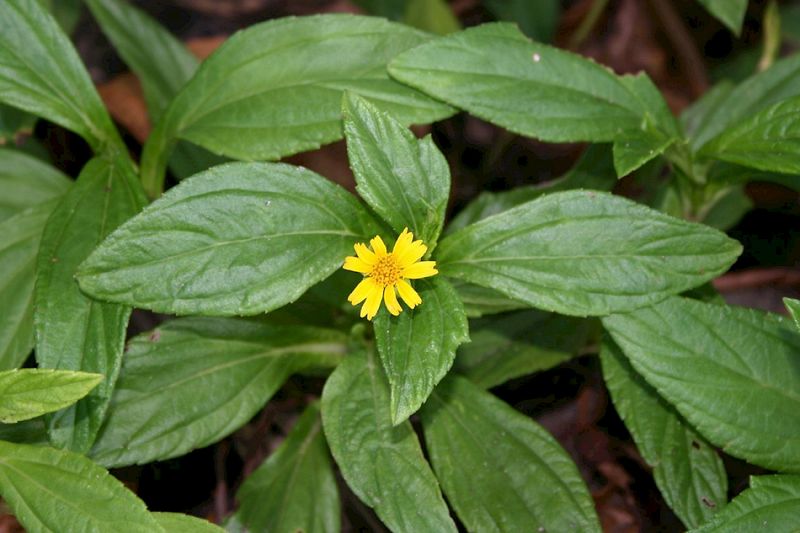
A yellow-flowered ground cover that seemed like a low-maintenance solution a few seasons ago has quietly crept past the garden border. Now it has moved down the slope and toward the ditch.
That slow creep is the signature move of wedelia (Sphagneticola trilobata), and once summer rain and heat arrive, the mat thickens fast. UF/IFAS lists it as a Category I invasive, and the Invasive Species Council shares that concern.
Wedelia spreads by stem fragments that root wherever they touch moist soil. A single mowing or edging session can scatter pieces across a lawn or into a nearby drainage area, which is one reason UF/IFAS recommends careful handling during removal.
Dense mats can outcompete native ground covers and low-growing plants, particularly in moist, disturbed, or coastal areas where conditions favor rapid growth.
Remove patches by hand or with tools before the summer rainy season begins, working carefully to collect all stem fragments from the soil surface.
Do not toss pieces into roadside ditches, vacant lots, canals, or natural areas, since even small fragments can establish new mats.
Bag all material and follow local disposal guidelines. For large infestations, consult your county Extension office for herbicide options.
Native ground cover alternatives suited to sunny or partly shaded sites in this state include sunshine mimosa (Mimosa strigillosa) and frogfruit (Phyla nodiflora). Both are supported by UF/IFAS.
7. Control Cogongrass Before Hot Weather Fuels Its Spread
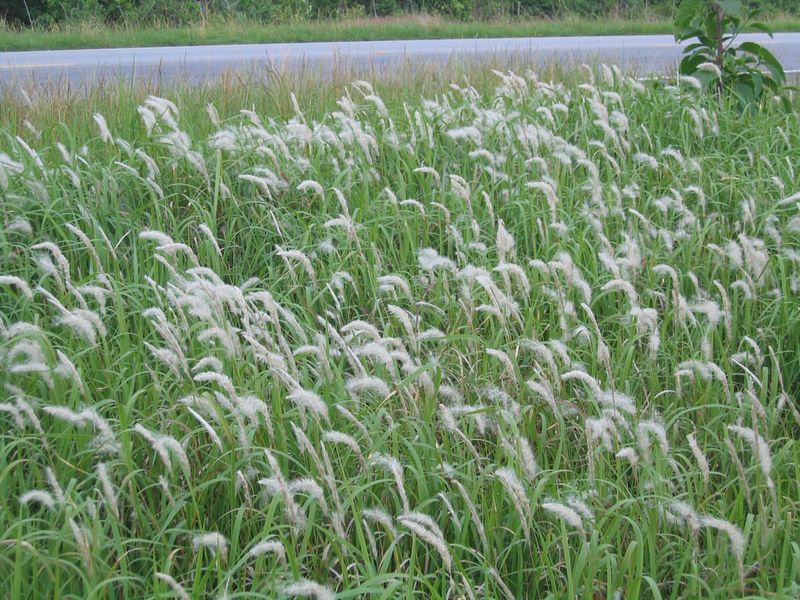
A rough, silvery-green grass patch spreading along a sunny fence line or road edge might not look alarming at first glance. Cogongrass (Imperata cylindrica) often gets dismissed as a weedy nuisance until it has taken over a large section of the yard or property.
UF/IFAS considers it one of the worst invasive plants in the state, and the Florida Invasive Species Council lists it as a Category I invasive.
The grass spreads through an extensive underground rhizome network and produces fluffy white seed heads that carry on the wind. UF/IFAS notes that the leaves have a sharp, off-center midrib and can be rough enough to cause cuts during handling.
One of the most important things to understand about cogongrass is that mowing, tilling, or disturbing it incorrectly can spread rhizome fragments. That can make management significantly harder rather than easier.
Do not move soil, sod, rhizomes, or clippings from an infested area to another part of the property or to any other location.
Contact your local UF/IFAS Extension office or the Florida Department of Agriculture and Consumer Services before attempting large-scale removal.
Effective management typically requires a carefully timed herbicide program applied by someone familiar with the plant’s growth cycle. Catching a new patch in spring before hot weather pushes rapid summer growth gives the best chance of slowing its spread.
8. Remove Tropical Milkweed Before It Keeps Monarchs Around Too Long
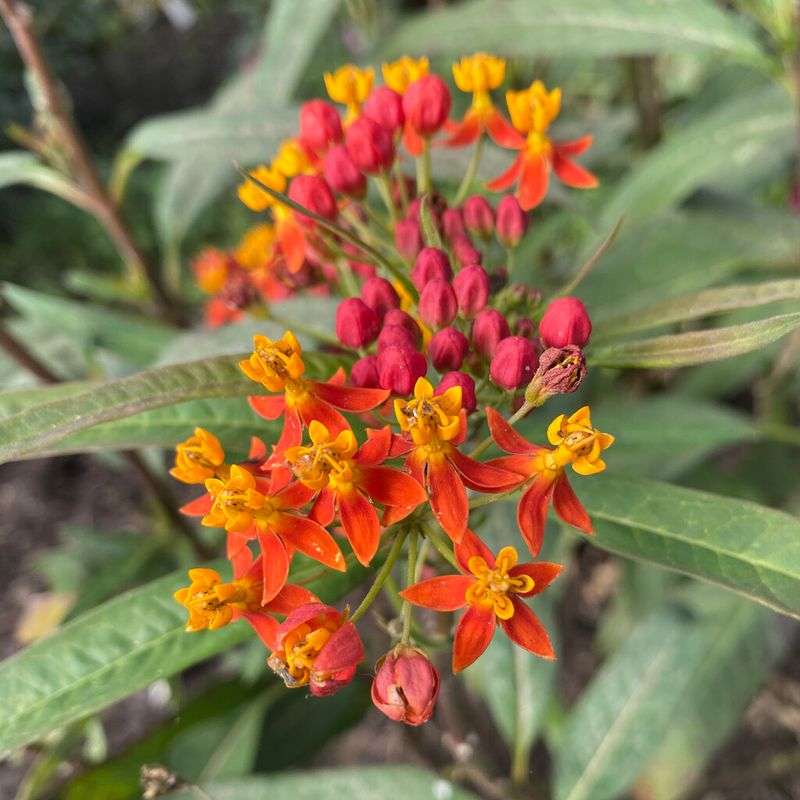
The tag at the nursery says it supports monarchs, the colors are vivid orange and yellow, and the plant is easy to find at almost every garden center. Tropical milkweed (Asclepias curassavica) looks like an obvious win for pollinators.
The fuller picture, however, is more complicated, and UF/IFAS no longer recommends planting it in this state.
Because tropical milkweed does not go dormant in the mild winters of southern and central regions the way native milkweeds do, it can remain standing year-round.
UF/IFAS and other Florida-specific sources explain that this persistent growth can disrupt monarch migration patterns.
It may encourage butterflies to stay rather than continue south. It can also allow a protozoan parasite called Ophryocystis elektroscirrha, or OE, to build up on the plant and affect monarch health over time.
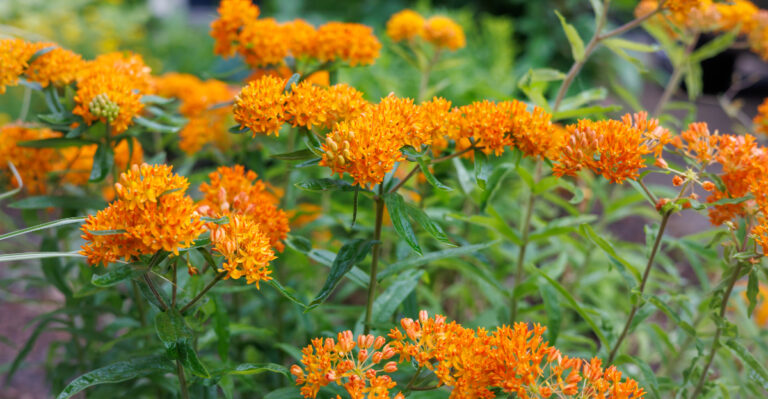
Tropical milkweed is not the same plant as native milkweeds such as butterflyweed (Asclepias tuberosa) or swamp milkweed (Asclepias incarnata). UF/IFAS supports both as appropriate replacements depending on site conditions.
If you have tropical milkweed in the ground, remove it and replace it with a native species matched to your site’s sun, moisture, and soil type. Avoid buying tropical milkweed simply because it is colorful and widely available.
Ask your local Extension office or a Florida-Friendly Landscaping program for native milkweed sources in your area.